Ghumoopedia — Explore, Discover, Experience
Sign in
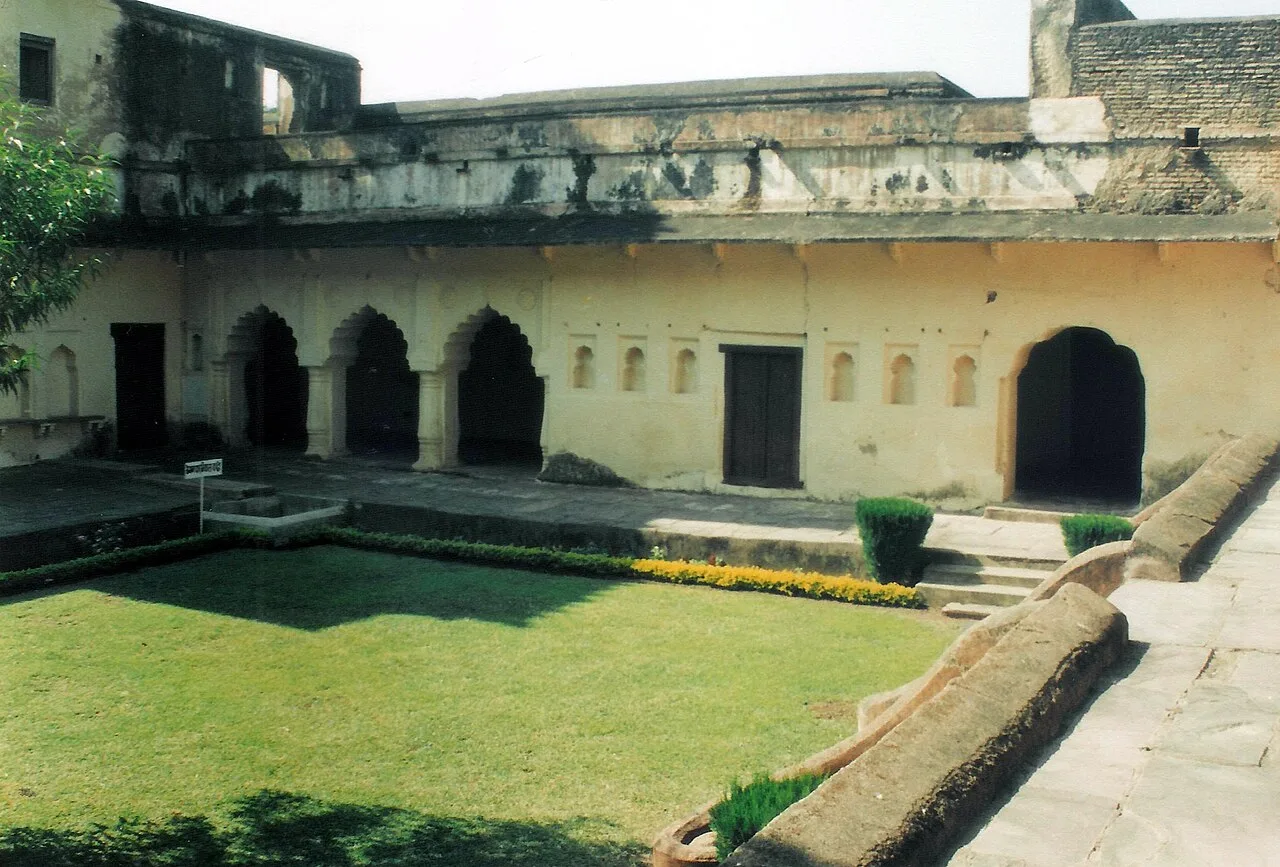
Rahatgarh Fort, near Kurwai

City guide · Madhya Pradesh

Kurwai

Kurwai is a small town in Vidisha district, set among the agricultural settlements of northern Madhya Pradesh. Its importance today is chiefly regional: it serves nearby villages with markets, public services and transport connections, while local trade is closely linked to the surrounding farming economy.

Famous for

  • Kurwai princely-state heritage
  • Local grain trade
  • Rural Vidisha markets

Why Kurwai matters

Kurwai is a small town in Vidisha district, set among the agricultural settlements of northern Madhya Pradesh. Its importance today is chiefly regional: it serves nearby villages with markets, public services and transport connections, while local trade is closely linked to the surrounding farming economy. Visitors are drawn more by its quieter historic character and everyday town life than by large tourist facilities.

Kurwai was once the seat of a princely state, and that past gives the town a distinctive place in the history of the region. Its old-town setting and local religious life offer a glimpse of a community shaped by both Hindu and Muslim traditions. Kurwai can also be included in a wider journey through Vidisha district, whose better-known heritage sites include Udayagiri and Sanchi; these are separate destinations, not attractions within Kurwai itself. The town is most useful as a local centre and a stop for travellers interested in the history and rural landscapes of central India.
Famous for: crafts, trade & products

Kurwai is best understood as an agricultural market town rather than a centre for a nationally recognised craft or textile tradition. The surrounding countryside supports the trade of common crops such as wheat, soybean and pulses, and local shops and market areas serve farmers and residents from nearby villages. Seasonal produce and everyday provisions are more characteristic of its commerce than a single signature product.

There is no widely established Kurwai-specific GI-tagged product or celebrated handicraft tradition to seek out. Visitors looking for local goods can browse the central market and produce-trading areas for household items, clothing, snacks and farm produce when in season. These are working neighbourhood markets, not specialist souvenir districts. For distinctive crafts, textiles or branded regional foods, travellers may find a broader selection in larger towns elsewhere in Madhya Pradesh. Kurwai’s strongest identity remains its role as a practical service and trading centre, alongside the legacy of its former princely state.

History

Kurwai’s recorded political history is associated with a princely state ruled by a Nawab family. The state is generally traced to the early eighteenth century, when Diler Khan established his authority here. Under British rule, Kurwai remained a princely territory within the political arrangements of central India and was associated with the Bhopal Agency. Its history reflects the region’s mixture of local dynasties, Mughal-era political change and later colonial administration.

After independence, the princely state joined the Indian Union and its territory was incorporated into the reorganised states of central India. Kurwai subsequently developed as a town within Madhya Pradesh and as a local centre for the surrounding rural area. Agriculture, road links and public services have shaped much of its modern growth. The older settlement and its historic associations remain part of the town’s identity, though Kurwai is not a major monument-tourism centre.

Food, festivals & culture

Daily life in Kurwai reflects the food and customs of northern Madhya Pradesh. Meals commonly centre on wheat rotis, dal, seasonal vegetables and pulses; poha is a familiar breakfast, while sweets such as jalebi are found in local shops. These are regional favourites rather than dishes unique to Kurwai. Hindi is widely used, alongside Urdu and local speech with Bundeli influences.

Diwali, Holi and Navratri are observed by Hindu communities, while Eid and Muharram are important occasions for Muslims. Religious calendars bring families together for worship, visits and shared meals. Temples and mosques serve neighbourhood communities, and devotional singing and local folk performance are part of seasonal and religious gatherings. Kurwai’s cultural character comes from the coexistence of these traditions and the rhythms of a small market town, rather than from a large, visitor-focused arts or festival scene.

Visiting the city

The cooler months, generally October to March, are the most comfortable time to visit; summer afternoons can be very hot, and the monsoon may make rural journeys slower. Kurwai Kethora is the railway station serving the town, while Bina Junction is a larger rail interchange in the wider area. Raja Bhoj Airport in Bhopal is the nearest major commercial airport.

Auto-rickshaws, local buses and shared vehicles are useful for getting around, though options can be limited outside the main settlement. Explore the old-town lanes, market area and local places of worship on foot, allowing time for the town’s everyday pace. Kurwai can also be paired with a broader Vidisha district itinerary; plan separate transport for sites such as Udayagiri or Sanchi.

Trips from the city

Nearest places to visit from Kurwai

Our closest destination guides, by straight-line distance.

Rahatgarh Fort

50 km away · Sagar district

Rahatgarh Fort

Rahatgarh Fort is in Sagar district, Madhya Pradesh. Visitors come to see the fort, while the town of Rahatgarh is also notable as a nagar panchayat and tehsil headquarters.

Chanderi Town

68 km away · Chanderi district

Chanderi Town

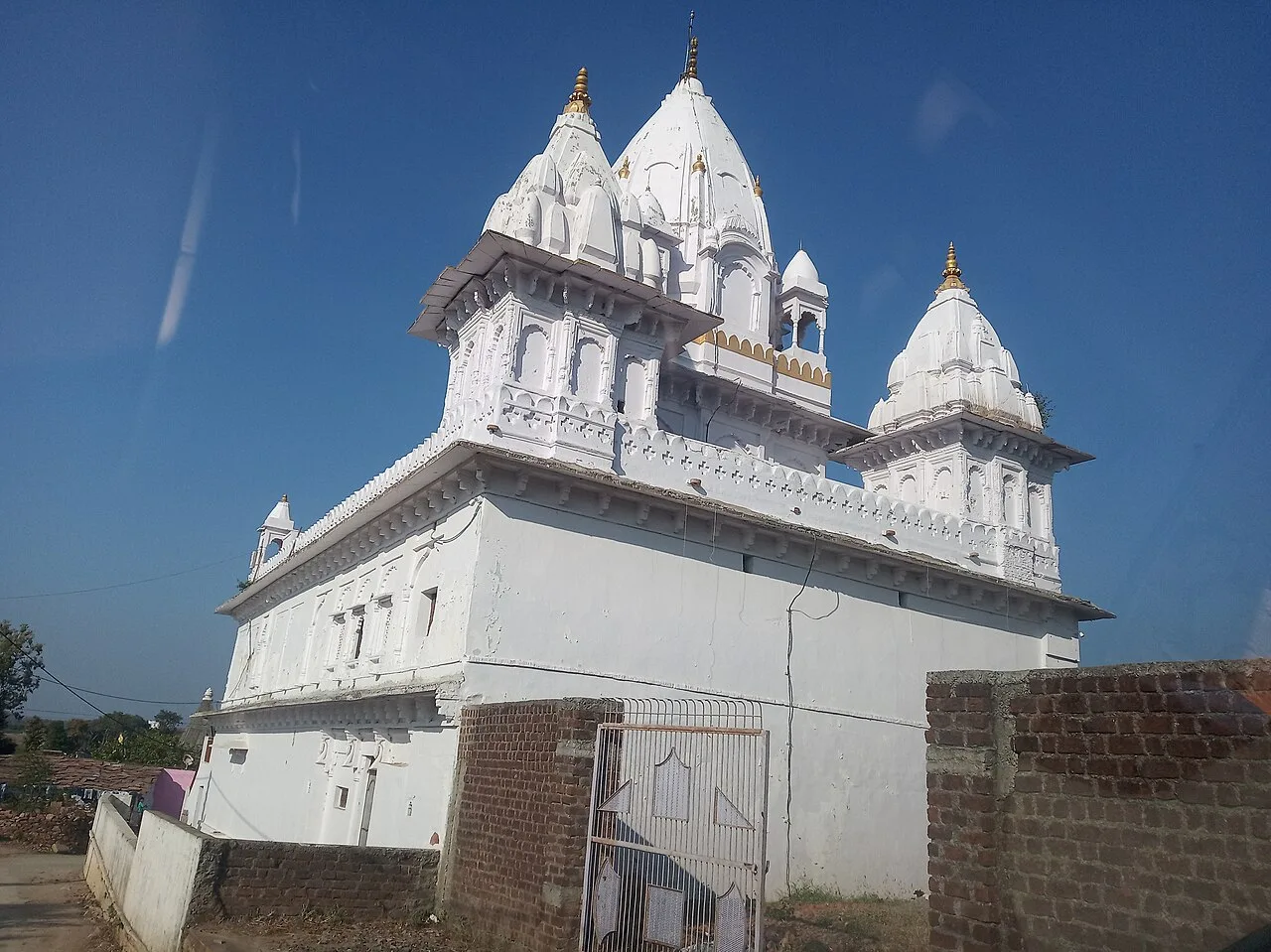
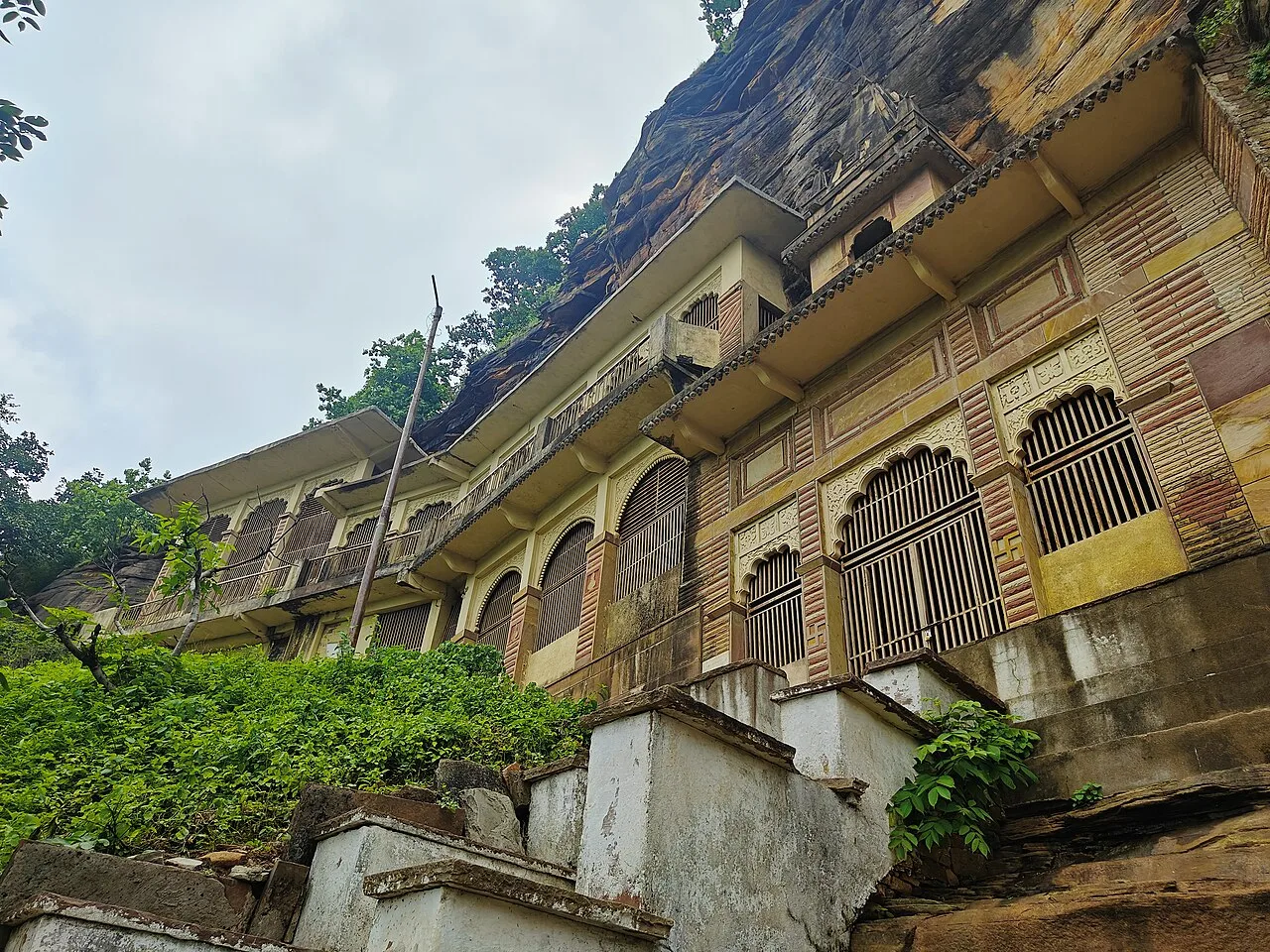
Chanderi is a historic town in Madhya Pradesh, visited for monuments linked to regional dynasties and its ancient Jain temples, amid hills, lakes and forests.

Heliodorus pillar

68 km away · Vidisha district

Heliodorus pillar

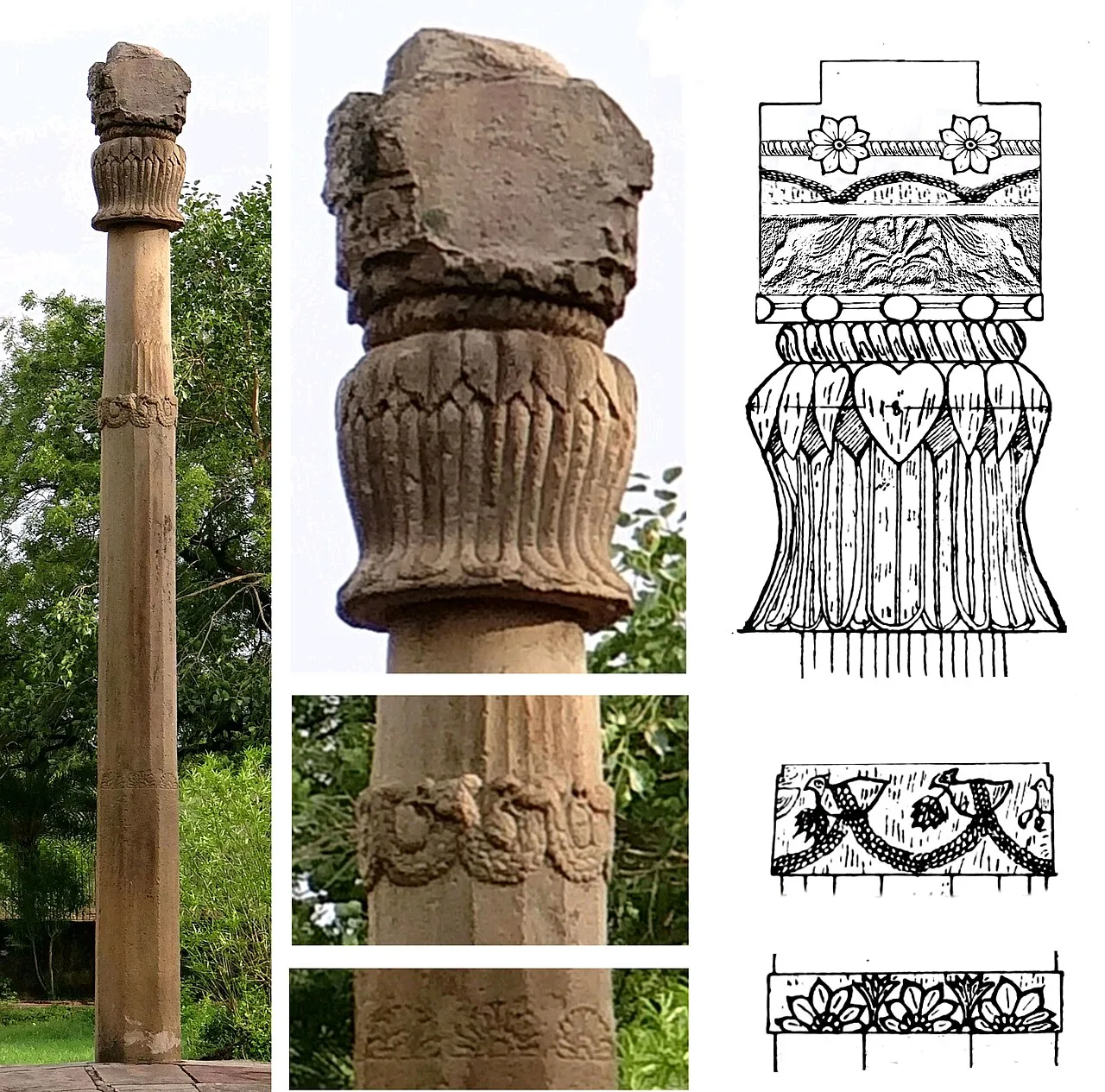
This ancient column at Besnagar bears a dedication to Vāsudeva by the Greek envoy Heliodorus. Visitors come to see its inscription and its significance in the early history of Vaishnavism.

Udayagiri Caves

70 km away · Vidisha district

Udayagiri Caves

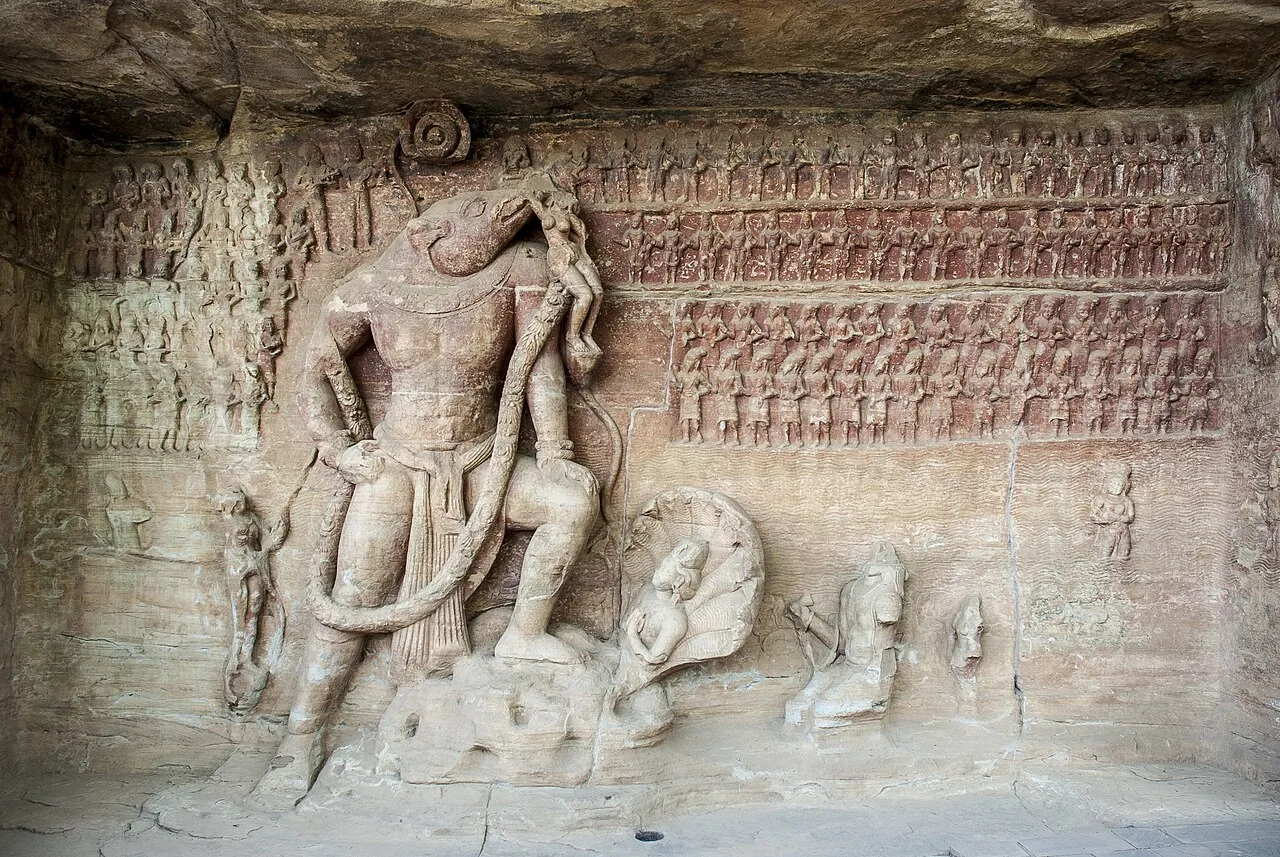
Udayagiri is a group of twenty caves in Madhya Pradesh, known for early Hindu and Jain imagery, Gupta-era inscriptions and a monumental carving of Vishnu as Varaha.

Sanchi Stupa

77 km away · Sanchi district

Sanchi Stupa

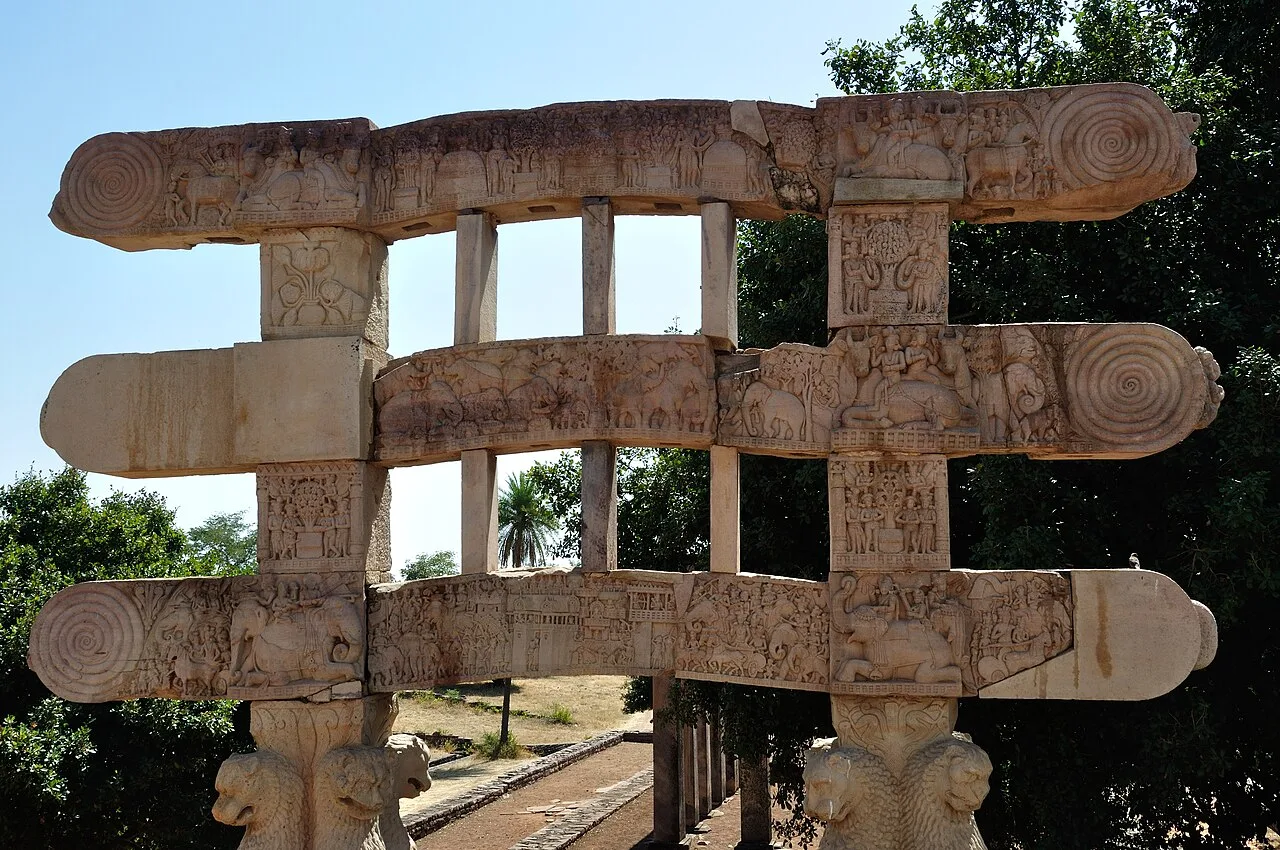
Sanchi is a Buddhist complex in Madhya Pradesh, centred on the Great Stupa. Visitors come to see its historic architecture and explore a site associated with the development of Buddhism in India.

Sanchi Stupa No. 2

77 km away · Raisen district

Sanchi Stupa No. 2

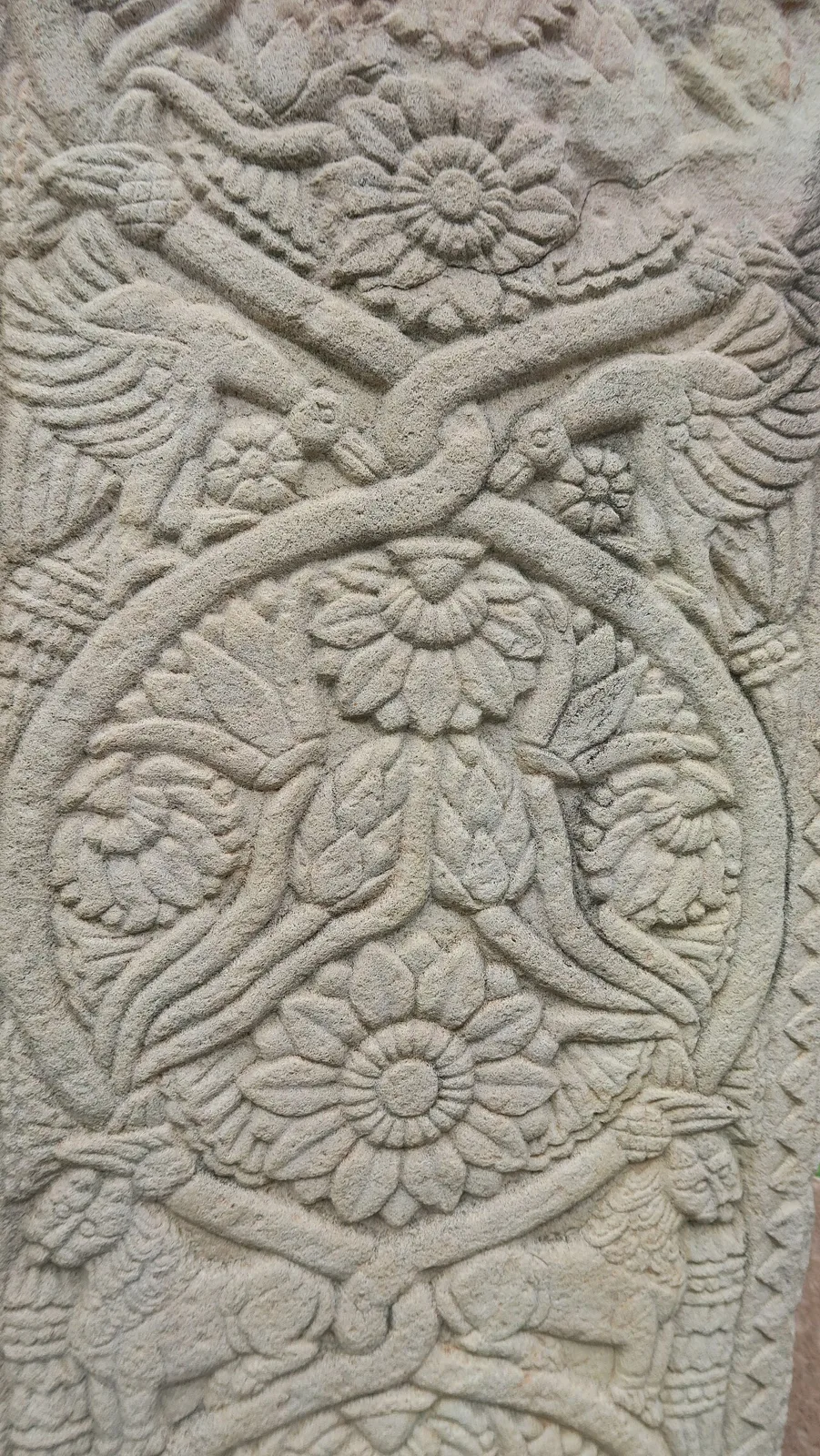
In Raisen district, Madhya Pradesh, Sanchi’s second stupa forms part of the Buddhist complex and draws interest for its early relief carvings and association with Jataka illustrations.

Kundeshwar Temple

100 km away · Tikamgarh district

Kundeshwar Temple

Kundeshwar is a village in Madhya Pradesh’s Tikamgarh district, five kilometres south of Tikamgarh. Visitors come to see Kundadev Mahadev Temple, an ancient temple beside the Jamdhar river.

Islamnagar

106 km away · Bhopal district

Islamnagar

Islamnagar, officially Jagdishpur since February 2023, is a panchayat village in Bhopal district, Madhya Pradesh, visited for the ruined palaces built by Bhopal’s founder.

Map

Kurwai on the map

  1. 1Rahatgarh Fort
  2. 2Chanderi Town
  3. 3Heliodorus pillar
  4. 4Udayagiri Caves
  5. 5Sanchi Stupa
  6. 6Sanchi Stupa No. 2
  7. 7Kundeshwar Temple
  8. 8Islamnagar

Madhya Pradesh

Other cities to explore