Ghumoopedia — Explore, Discover, Experience
Sign in
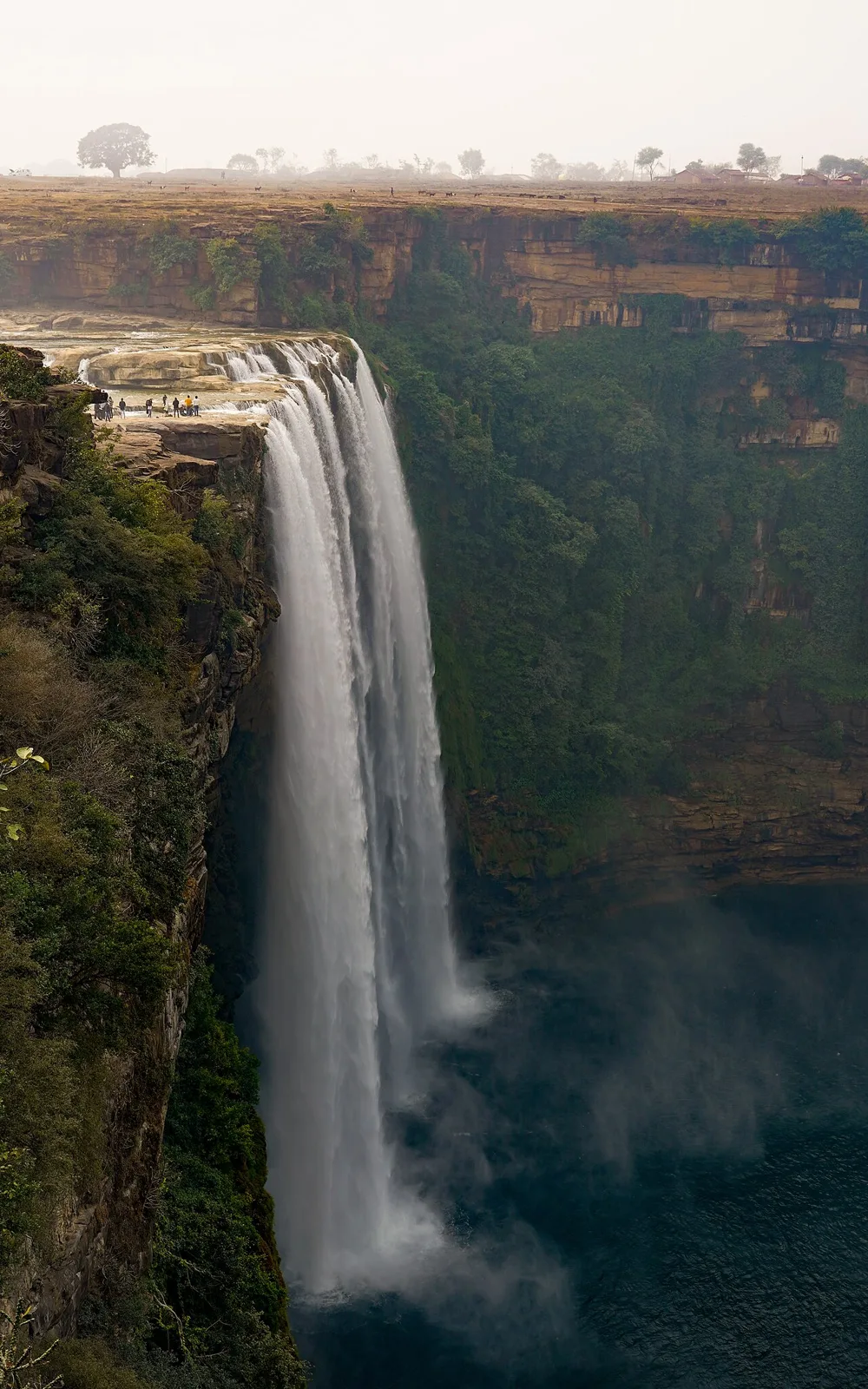
Keoti Falls, Rewa, near Sirmaur

City guide · Madhya Pradesh

Sirmaur

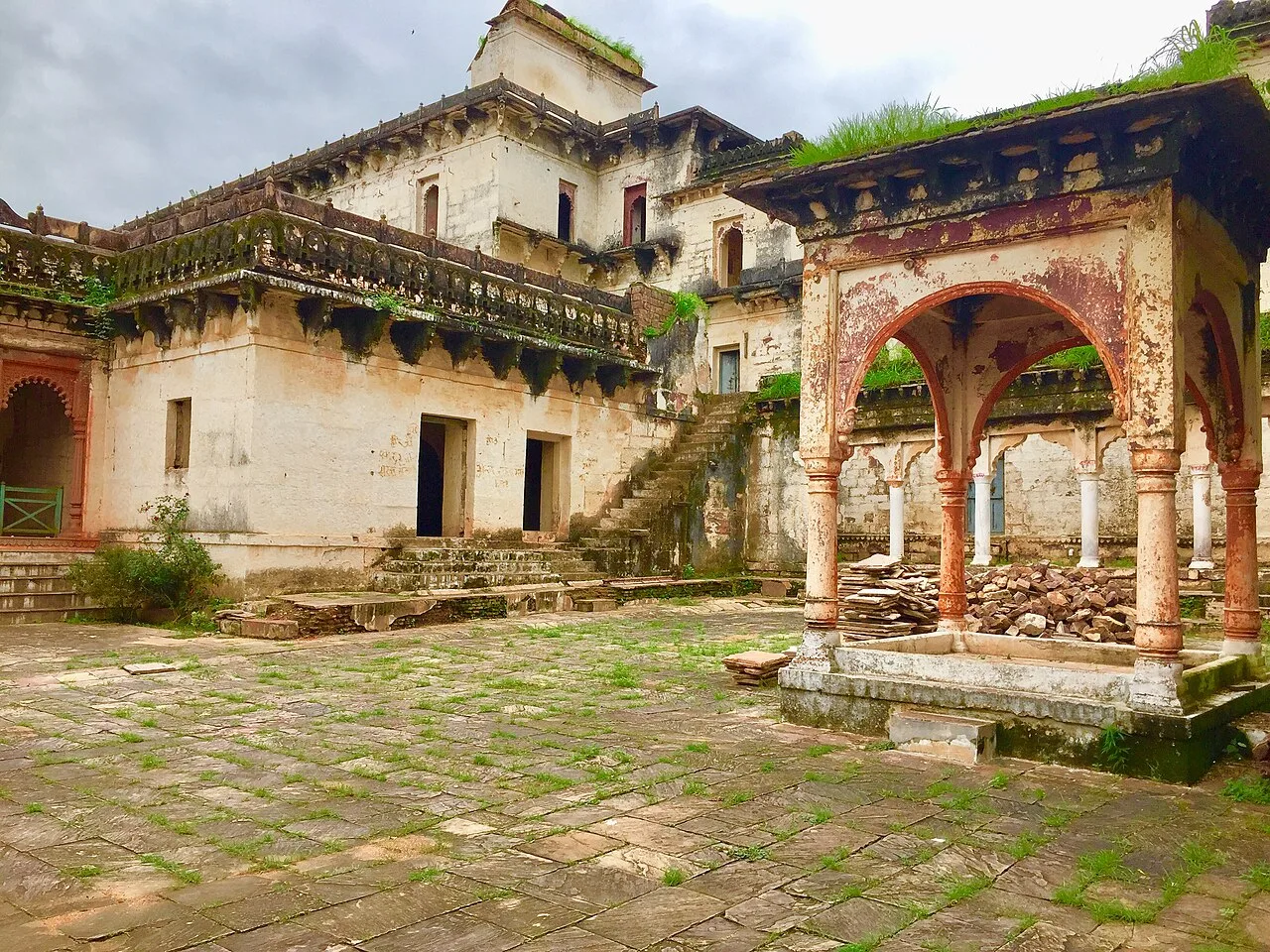
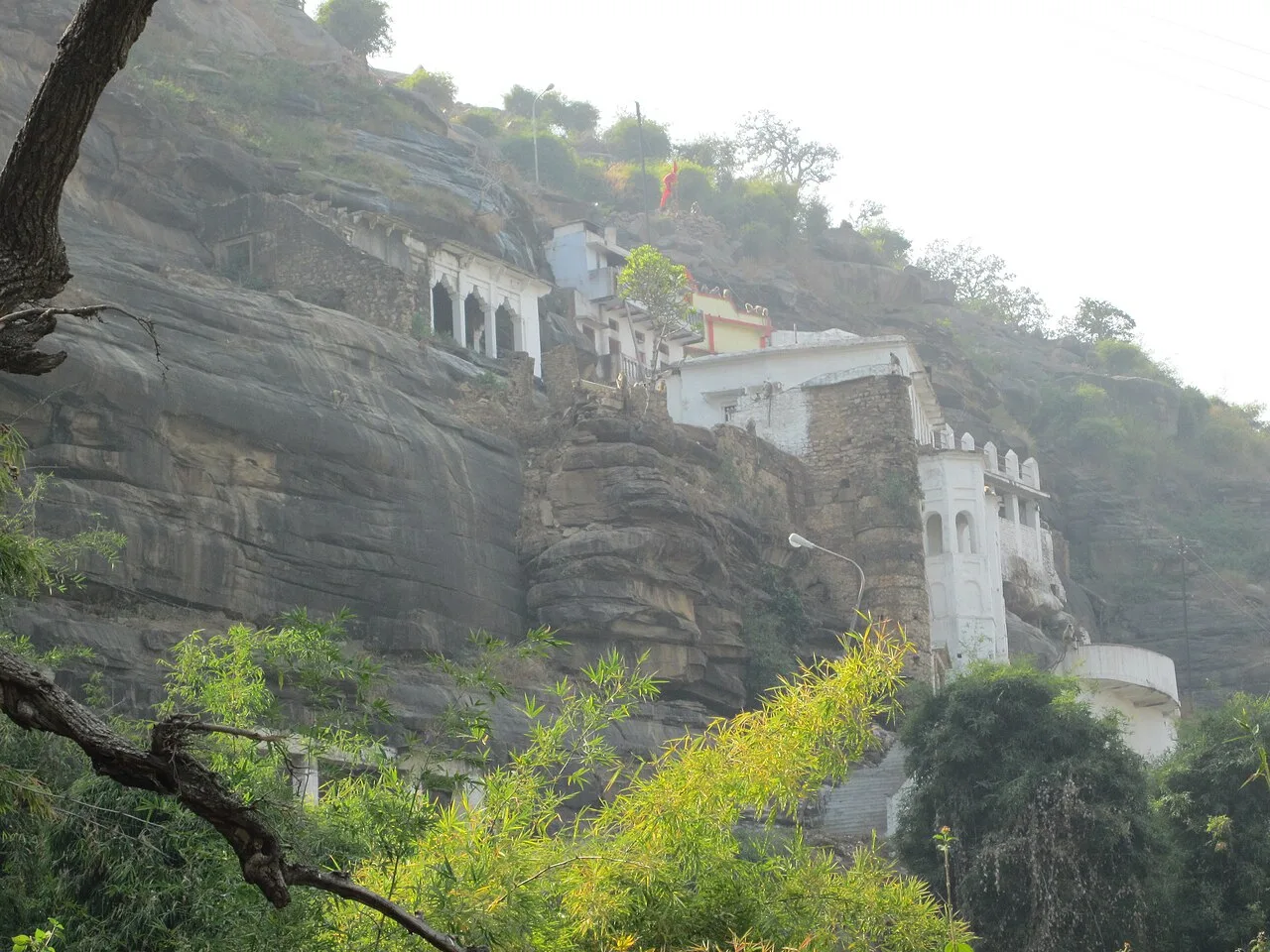
Sirmaur is a small town and nagar panchayat in Rewa district, about 42 kilometres from Rewa city. Its importance is primarily local: it serves residents of the surrounding area and forms part of the network of towns across the Rewa Plateau.

Famous for

  • Rewa Plateau scenery
  • Waterfalls of the Tamsa basin
  • Chachai Falls nearby
  • Bagheli-speaking region

Why Sirmaur matters

Sirmaur is a small town and nagar panchayat in Rewa district, about 42 kilometres from Rewa city. Its importance is primarily local: it serves residents of the surrounding area and forms part of the network of towns across the Rewa Plateau. Hindi and Bagheli are commonly heard in this part of the Vindhya region.

For visitors, Sirmaur is a possible base for exploring the plateau’s landscapes and waterfalls. The Tamsa (Tons) and its tributaries descend from the plateau in a series of notable falls, including Chachai on the Bihad, Keoti on the Mahana and Purwa on the Tamsa. These are regional excursions rather than attractions in the town centre, so travellers should plan transport and check local road conditions. Sirmaur itself offers a quieter, everyday view of the Rewa district, with local shops and services rather than the extensive visitor facilities of a major tourist hub.
Famous for: crafts, trade & products

Sirmaur is not widely identified with a particular textile, handicraft, GI-tagged product or large-scale industry. Its commercial life is chiefly local, serving the town and nearby settlements. Visitors will find ordinary shops and markets for daily needs, along with locally traded goods, but should not expect a dedicated craft bazaar or a recognised shopping district for specialist souvenirs.

For regional products, browse the central market and ask shopkeepers about goods made or grown in nearby villages; availability varies, and no single Sirmaur product is especially established as a visitor purchase. Rewa city, the district’s larger commercial centre, offers a broader choice of shops and services and is the more practical place to look for specialised shopping. Sirmaur’s stronger draw is its position in a landscape of plateau scenery and waterfalls, not a documented manufacturing or craft tradition. Travellers interested in local work and products may find a more informative experience by speaking with residents or visiting markets on a normal trading day, while keeping expectations modest.

History

Sirmaur’s local history is closely connected to the wider Rewa region, whose political and cultural development was shaped by the Baghela rulers and the former princely state of Rewa.

During the colonial period, Rewa remained a princely state under British paramountcy. Sirmaur formed part of the surrounding territory and its local life was tied to regional administration, agriculture and exchange. After independence and the reorganisation of the princely states, the area became part of Madhya Pradesh. In modern times Sirmaur has continued as a nagar panchayat and local service centre within Rewa district. Its connection to Rewa city by road remains important for administration, trade and access to wider transport links.

Food, festivals & culture

Daily life in Sirmaur reflects the wider Vindhya region. Hindi is used broadly, while Bagheli, a regional language variety, is common in local conversation. Meals are generally based on familiar central Indian home cooking, with staples such as roti, rice, lentils and seasonal vegetables. Sweets and snacks are available through local shops, but Sirmaur is not particularly known for a signature dish or confection.

Holi in spring, Diwali in autumn, Navratri and Dussehra are among the major festivals observed, with celebrations centred on homes, neighbourhoods and places of worship. Hindu temples serve as important community spaces, though Sirmaur is not widely associated with a single major pilgrimage shrine. Religious observances, family gatherings and local fairs form part of the seasonal calendar. Folk traditions of the Bagheli-speaking region include local songs and performance styles, often shared at social and festive occasions; visitors may encounter them informally rather than at scheduled cultural venues.

Visiting the city

The cooler months, roughly October to March, are generally the most comfortable for visiting. The monsoon brings stronger flows to the region’s waterfalls, but rain can make roads and paths slippery, so check local conditions before setting out. Rewa Airport is the closest airport; scheduled services may be limited, so confirm availability and consider connections through a larger airport if needed. Rewa railway station is the main railhead for reaching Sirmaur.

Sirmaur is about 42 kilometres from Rewa and is reached by road. Local taxis or other hired road transport are practical for reaching waterfalls around the plateau; confirm return arrangements before leaving town. Explore the central market and town centre for everyday local life, then plan separate trips to regional falls such as Chachai, Keoti or Purwa. These attractions are spread across the wider area, so they are not all a short walk from Sirmaur.

Trips from the city

Nearest places to visit from Sirmaur

Our closest destination guides, by straight-line distance.

Keoti Falls, Rewa

9 km away · Rewa district

Keoti Falls, Rewa

Keoti Falls, also called Kevti, is a waterfall in Rewa district, Madhya Pradesh. Visitors come to see a site ranked 24th among India’s waterfalls by height.

Govindgarh Palace, Rewa

52 km away · Rewa district

Govindgarh Palace, Rewa

Govindgarh Palace, also called Govindgarh Fort, is a nineteenth-century royal residence in Rewa district. Visitors come to see the palace and its lakeside setting in Govindgarh, Madhya Pradesh.

Chitrakoot

57 km away · Chitrakoot district

Chitrakoot

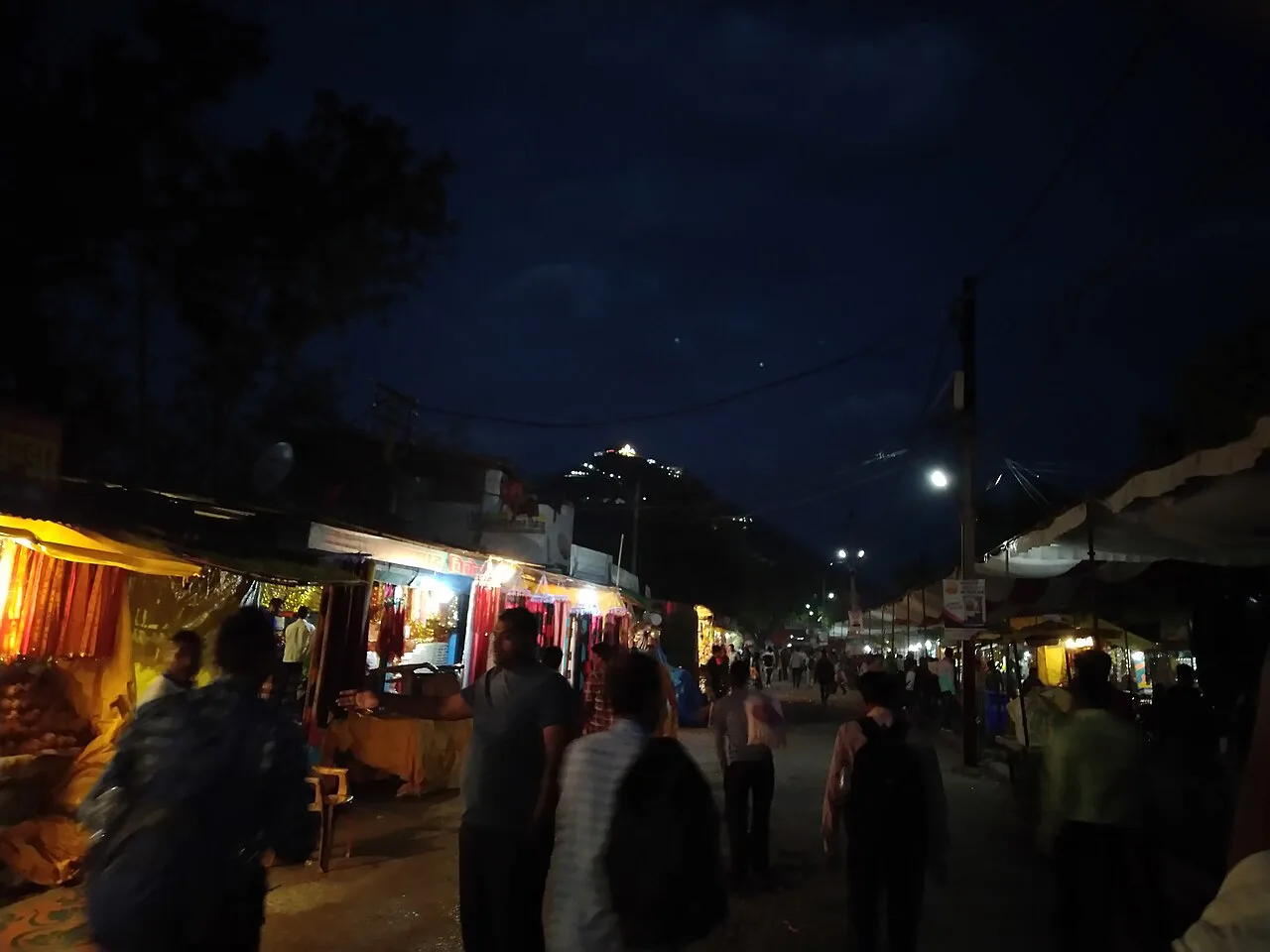
Chitrakoot is a pilgrimage town and nagar panchayat in Madhya Pradesh, valued for its Ramayana associations, sacred sites and religious observances that draw visitors throughout the year.

Bharhut Stupa Remains

68 km away · Satna district

Bharhut Stupa Remains

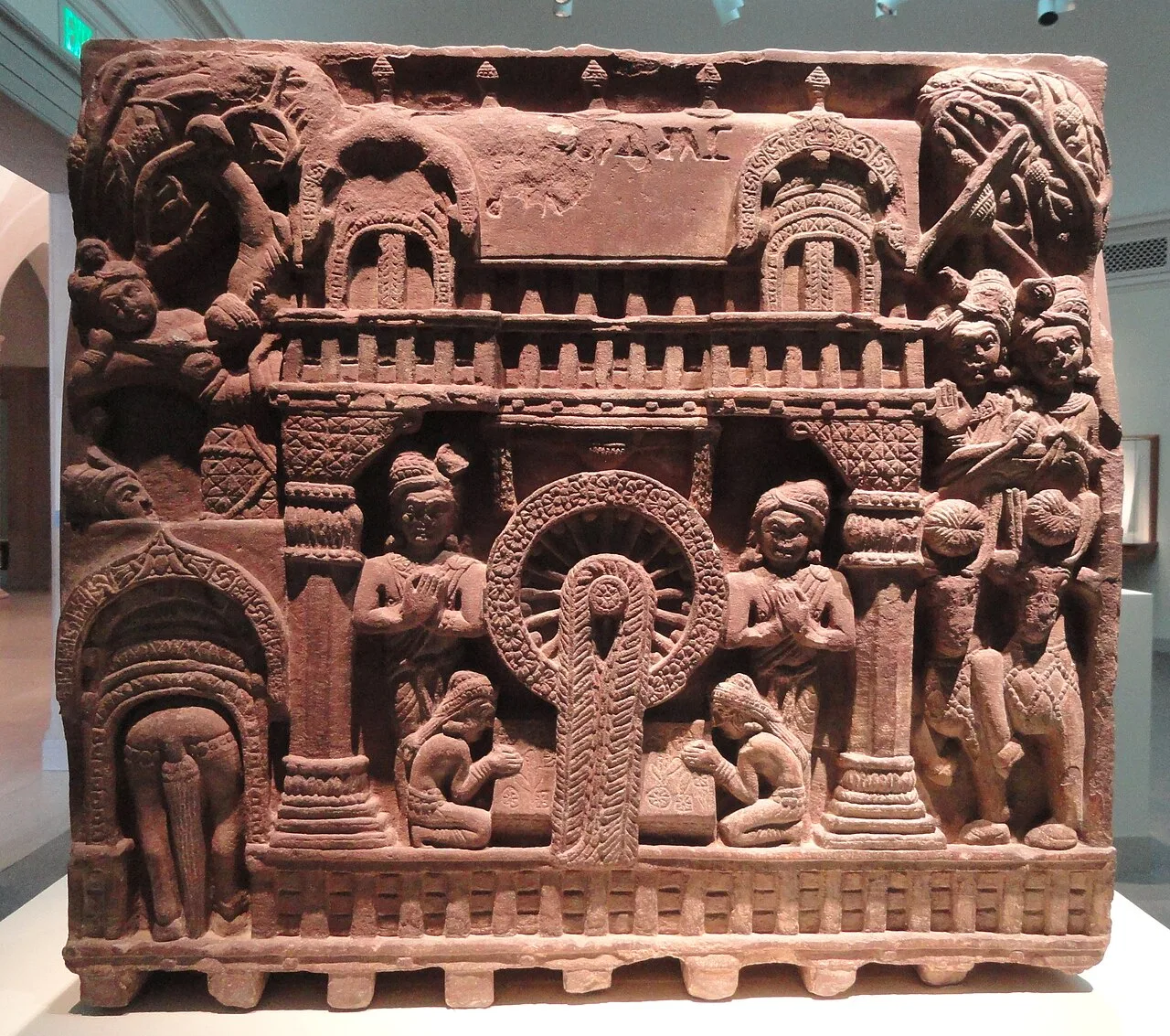
Bharhut Stupa Remains are the surviving traces of a Buddhist stupa in Madhya Pradesh. Visitors come to learn about its early carvings, labelled relief panels and history, though most sculptures are now held elsewhere.

Maihar Sharda Temple

88 km away · Satna district

Maihar Sharda Temple

Maihar Sharda Temple is a religious shrine in Madhya Pradesh, associated with Maa Sharda and counted among the Shakti Peeth. Worshippers visit for its religious significance.

Sanjay National Park

112 km away · Sidhi district

Sanjay National Park

In Sidhi district, Madhya Pradesh, Sanjay National Park forms part of the Sanjay-Dubri Tiger Reserve. Visitors can explore this protected area and its national-park landscape.

Bandhavgarh Fort

133 km away · Bandhavgarh district

Bandhavgarh Fort

Bandhavgarh Fort is a historic stronghold in Umaria district, Madhya Pradesh, within Bandhavgarh National Park, drawing interest for its landscape and long political history.

Bandhavgarh National Park

133 km away · Bandhavgarh district

Bandhavgarh National Park

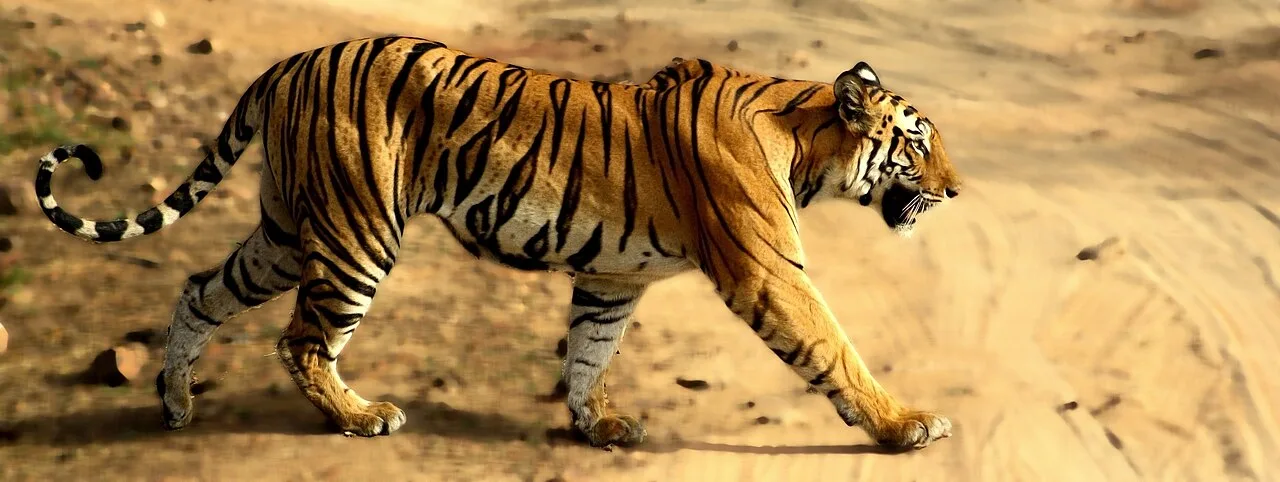
Bandhavgarh National Park, in Umaria district, Madhya Pradesh, is a protected area with extensive forests and diverse wildlife. Visitors are drawn especially by its tigers and other animals.

Map

Sirmaur on the map

  1. 1Keoti Falls, Rewa
  2. 2Govindgarh Palace, Rewa
  3. 3Chitrakoot
  4. 4Bharhut Stupa Remains
  5. 5Maihar Sharda Temple
  6. 6Sanjay National Park
  7. 7Bandhavgarh Fort
  8. 8Bandhavgarh National Park

Madhya Pradesh

Other cities to explore