Ghumoopedia — Explore, Discover, Experience
Sign in
Asirgarh Fort, near Burhanpur

City guide · Madhya Pradesh

Burhanpur

Burhanpur is a historic city in southwestern Madhya Pradesh, on the north bank of the Tapti River and close to the state’s border with Maharashtra. It serves as the administrative centre of Burhanpur district and remains an important regional hub for trade, services and textile production.

Famous for

  • Mughal-era Shahi Qila
  • Burhanpuri textiles and brocade
  • Kundi Bhandara waterworks
  • Asirgarh Fort
  • Dargah-e-Hakimi

Why Burhanpur matters

Burhanpur is a historic city in southwestern Madhya Pradesh, on the north bank of the Tapti River and close to the state’s border with Maharashtra. It serves as the administrative centre of Burhanpur district and remains an important regional hub for trade, services and textile production. Its location on routes linking central India with the Deccan helped make it a strategic town across several eras.

Visitors come for the city’s layered heritage: Mughal-era buildings at the Shahi Qila, the old waterworks of Kundi Bhandara, and the nearby hilltop Asirgarh Fort. The city is also associated with Mumtaz Mahal, who was temporarily buried at the Aahukhana before her remains were moved. Burhanpur’s active religious life includes the revered Dargah-e-Hakimi, while its markets and textile workshops offer a glimpse of its commercial character. Together, its monuments, places of worship and enduring cloth trade make Burhanpur a distinctive stop for travellers exploring the Tapti valley and historic Khandesh.
Famous for: crafts, trade & products

Burhanpur has a long association with textile making and trade. The city is known for woven and power-loom fabrics, including silk and brocade textiles and zari work. Its present-day textile sector includes workshops and larger manufacturing units, continuing a commercial tradition that grew under the Faruqi rulers and later Mughal administration. Visitors can look for cloth and garments in the central market areas and ask local shopkeepers about locally made fabrics; availability and styles vary between shops.

The city is also part of a productive agricultural region, with bananas among its important crops, alongside other farm produce traded locally. Burhanpur’s markets serve residents and nearby towns, bringing together textiles, clothing, household goods and food. The old commercial areas are useful for browsing, while the city’s historic landmarks provide a different kind of local craft and engineering interest: Kundi Bhandara, an ingenious historic water-supply system. No particular product should be assumed to carry a geographical indication; shoppers can check labels and ask sellers about a product’s origin and method of manufacture.

History

Burhanpur’s importance grew from its position on routes between northern India and the Deccan. The area has evidence of early settlement, including finds associated with the Tapti River and Asirgarh. In 1388, Malik Nasir Khan of the Faruqi dynasty established the city and named it after the Sufi saint Burhan-ud-Din. Burhanpur became the capital of the Khandesh sultanate, and under Miran Adil Khan II it developed as a centre of trade and textile production.

The Mughal Empire annexed Khandesh in 1601, making Burhanpur the provincial capital and a base for Mughal governors and princes. Shah Jahan spent time here and added to the Shahi Qila. The city later passed under Maratha control and, in 1818, came under British rule. In modern Madhya Pradesh, Burhanpur has developed as a district headquarters and municipal city, with trade and textiles continuing alongside its historic role.

Food, festivals & culture

Burhanpur’s food reflects its position between Malwa, Khandesh and the Deccan. Local eateries serve familiar central Indian dishes as well as Mughlai- and Deccani-influenced fare, including kebabs, biryani and rich curries. Sweets and snacks are easy to find in the market areas; ask locally for Burhanpuri favourites, as menus and specialities differ from one shop to another.

Hindi and Urdu are widely heard, alongside Marathi and regional Khandeshi speech. The city’s religious life is shaped by mosques, Sufi shrines, temples and other places of worship. Dargah-e-Hakimi draws pilgrims, while the Jama Masjid and neighbourhood shrines reflect the city’s varied heritage. Eid and Muharram are significant occasions for Muslim communities; Diwali and other Hindu festivals are also celebrated. These festivals follow the lunar or seasonal calendar, so their dates vary. Qawwali and devotional music can be part of religious gatherings, while regional folk and celebratory music feature at community events.

Visiting the city

The cooler months, roughly October to March, are generally the most comfortable for exploring; summer can be very hot, and the monsoon brings rain. Burhanpur has its own railway station, Burhanpur railway station. The nearest airport is Jalgaon Airport; flight availability can be limited, so check connections before travelling. Indore’s Devi Ahilya Bai Holkar Airport is another option for broader air connections, followed by an onward road or rail journey.

Auto-rickshaws and local taxis are useful for getting around the city; arrange transport for sites farther out. Explore the old city and central market streets for historic buildings, shops and local food. The Shahi Qila and Tapti riverfront make a natural focus for a heritage walk, while Kundi Bhandara and Aahukhana offer further historical interest. Asirgarh Fort lies beyond the urban centre and is best planned as a separate outing.

Trips from the city

Nearest places to visit from Burhanpur

Our closest destination guides, by straight-line distance.

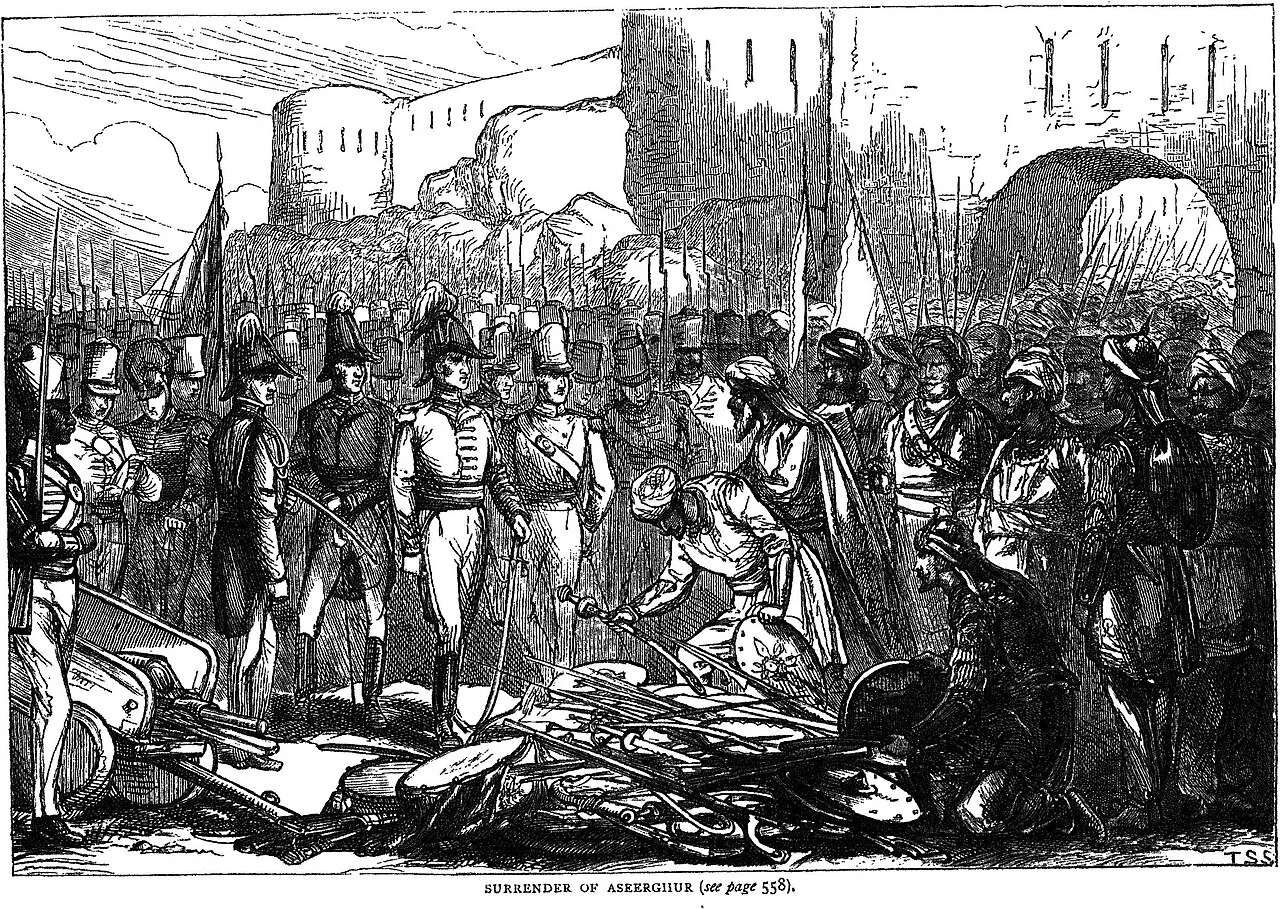
Asirgarh Fort

19 km away · Burhanpur district

Asirgarh Fort

Asirgarh Fort is a historic stronghold in Madhya Pradesh’s Satpura Range, visited for its commanding position above a mountain pass that once linked northern India with the Deccan.

Hanuwantiya Island

100 km away · Khandwa district

Hanuwantiya Island

Hanuwantiya Island is a tourism destination in Khandwa district, Madhya Pradesh. Visitors come to the island, which the state tourism corporation developed as a hub for tourism.

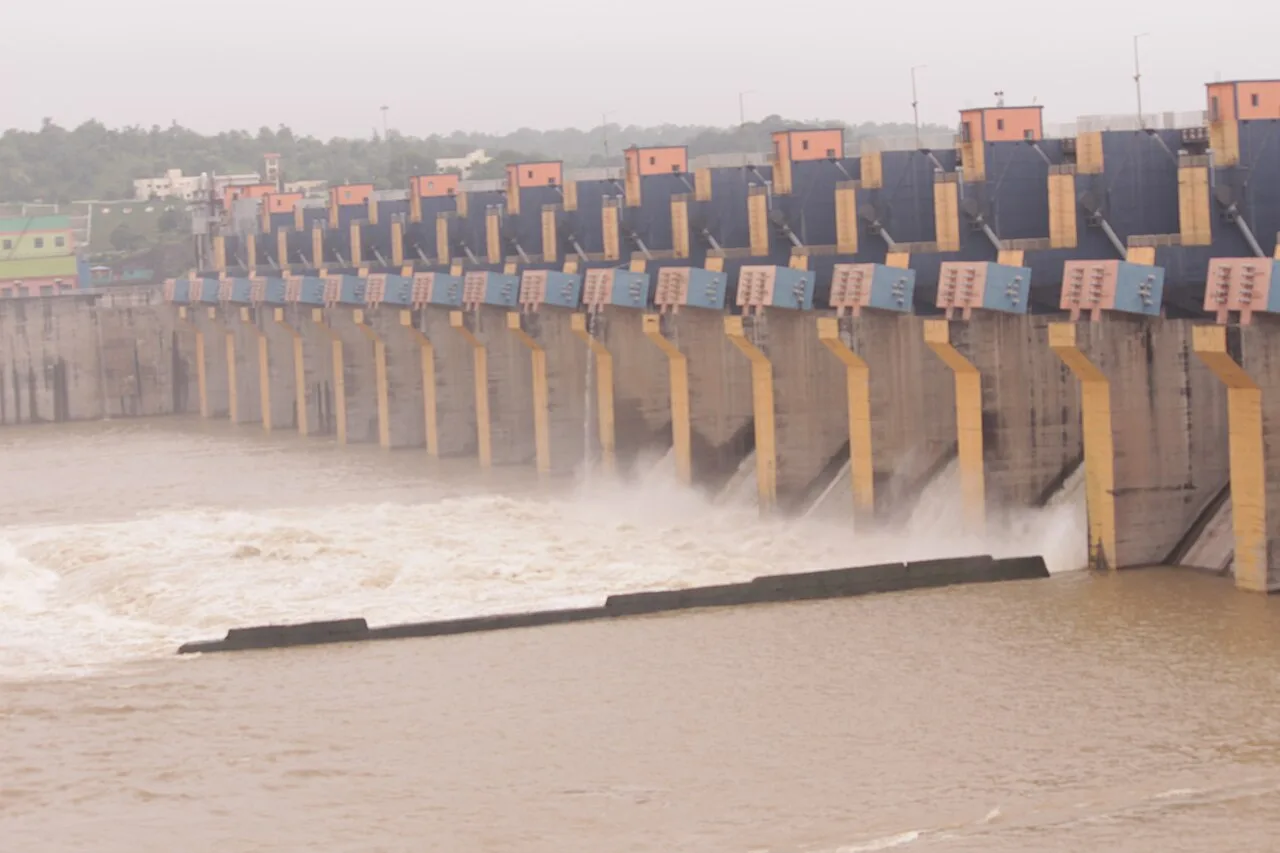
Omkareshwar Dam

104 km away · Khandwa district

Omkareshwar Dam

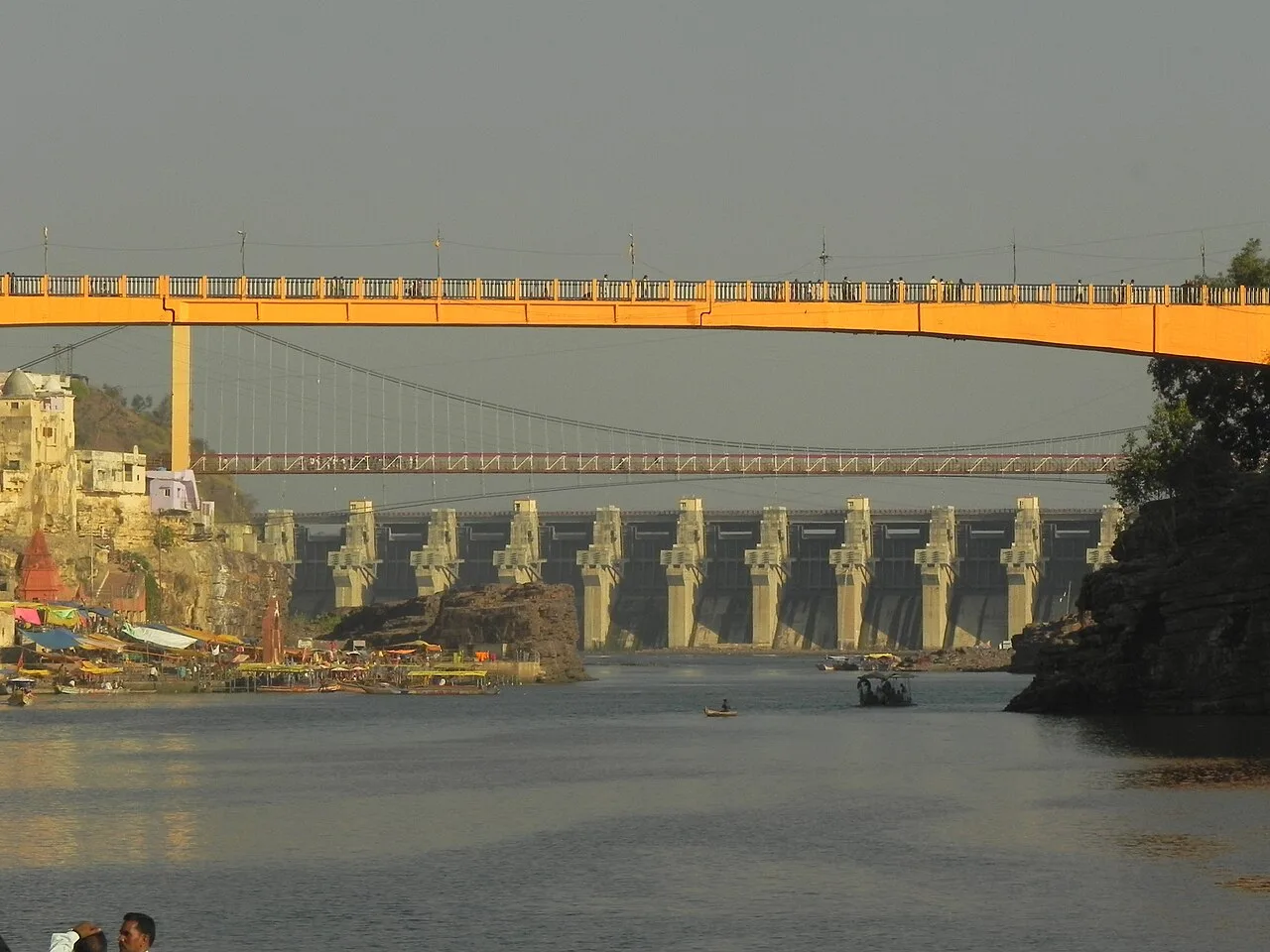
Omkareshwar Dam is a gravity dam on the Narmada in Madhya Pradesh, upstream of Mandhata. Visitors can view the structure and its associated hydroelectric station, built alongside an irrigation project.

Omkareshwar Temple

104 km away · Omkareshwar district

Omkareshwar Temple

Omkareshwar is a Shiva shrine on Mandhata island in Madhya Pradesh, revered as one of the twelve Jyotirlingas. Pilgrims visit its two associated sanctuaries.

Navdatoli Archaeological Site

116 km away · Khargone district

Navdatoli Archaeological Site

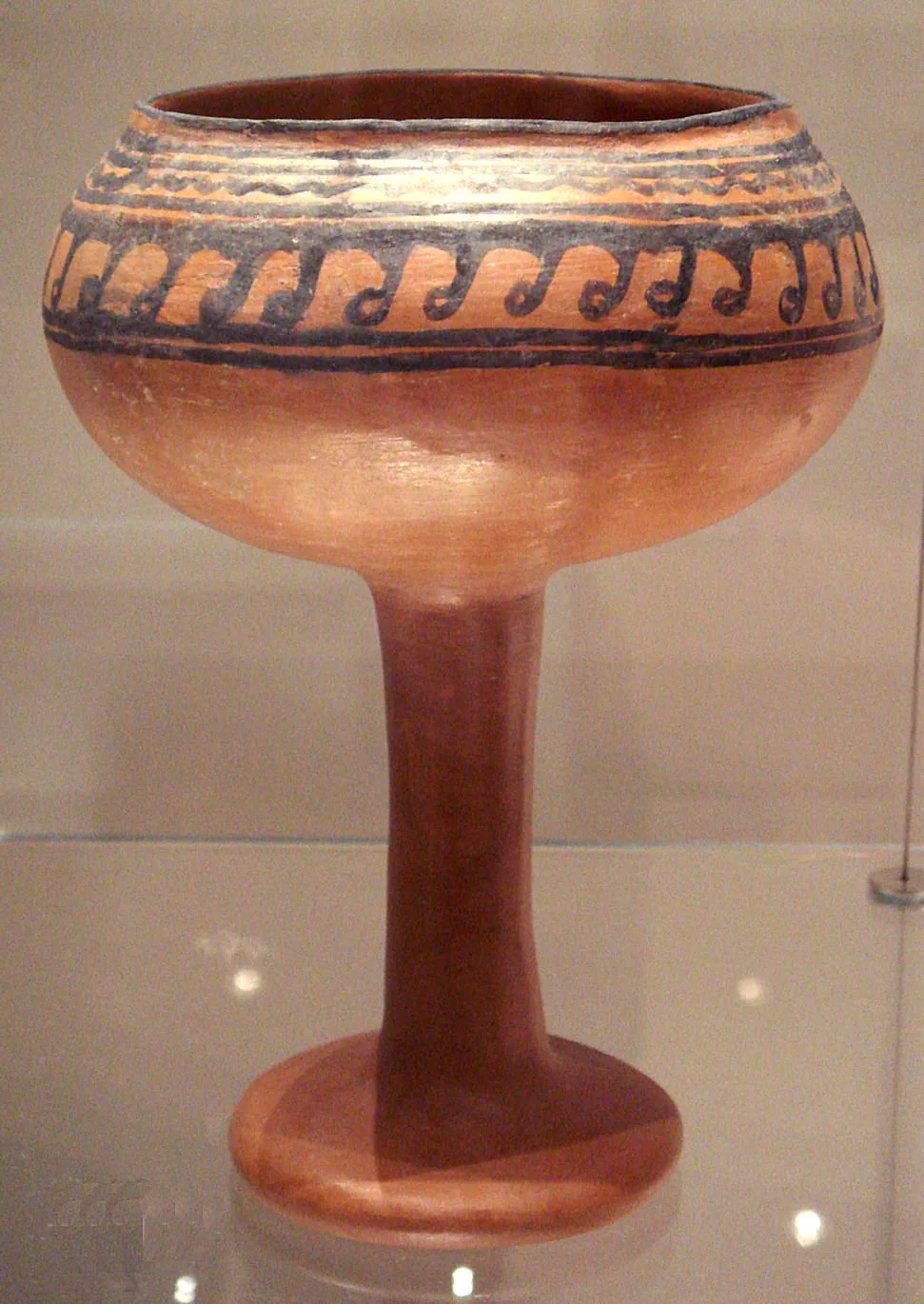
Navdatoli is both a present-day village and a Chalcolithic settlement on the Narmada in Madhya Pradesh. Visitors explore its archaeological history and the pottery associated with its successive phases.

Maheshwar Ghats

127 km away · Maheshwar district

Maheshwar Ghats

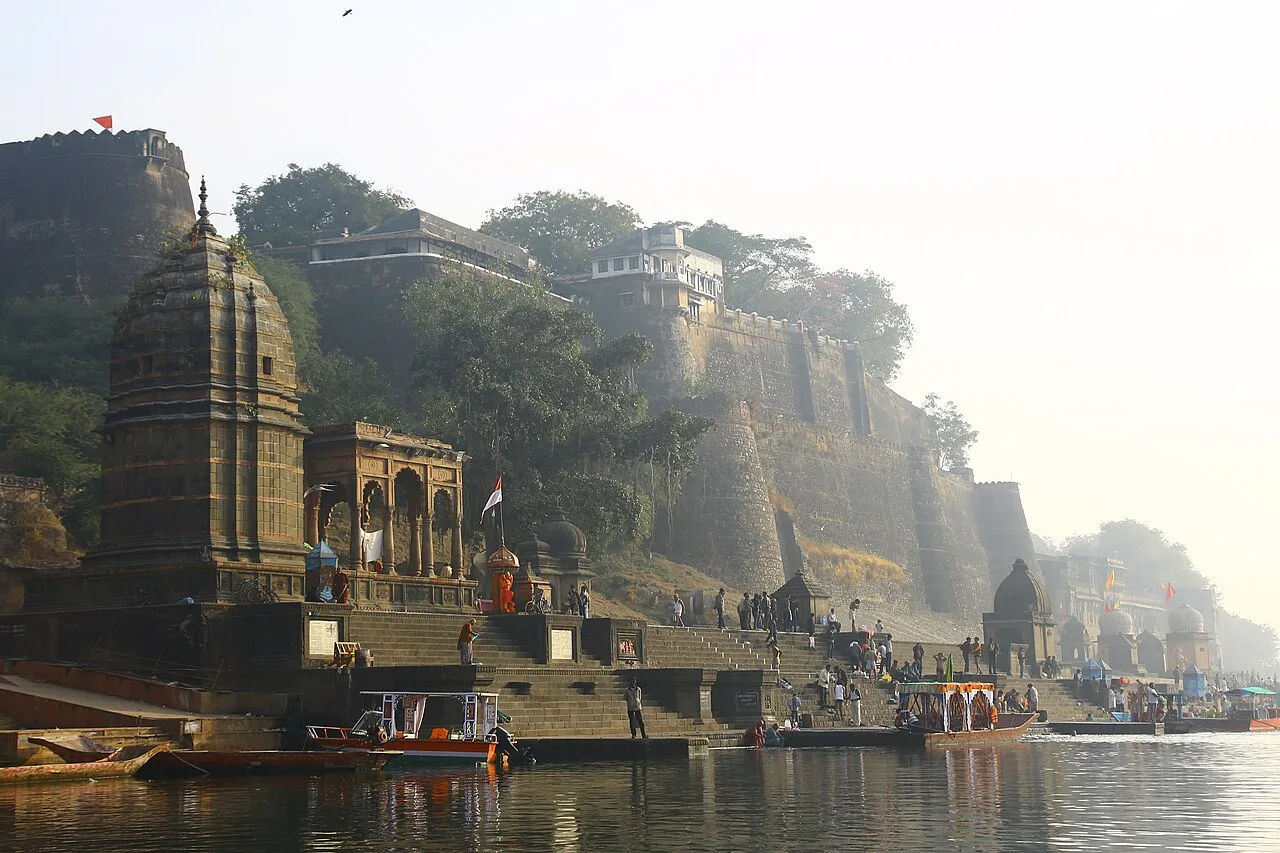
Maheshwar Ghats are riverfront steps in a historic town on the Narmada in Madhya Pradesh. Visitors come to see the ghats and learn about Maheshwar’s past as a capital under the Holkars.

Mandu

142 km away · Dhar district

Mandu

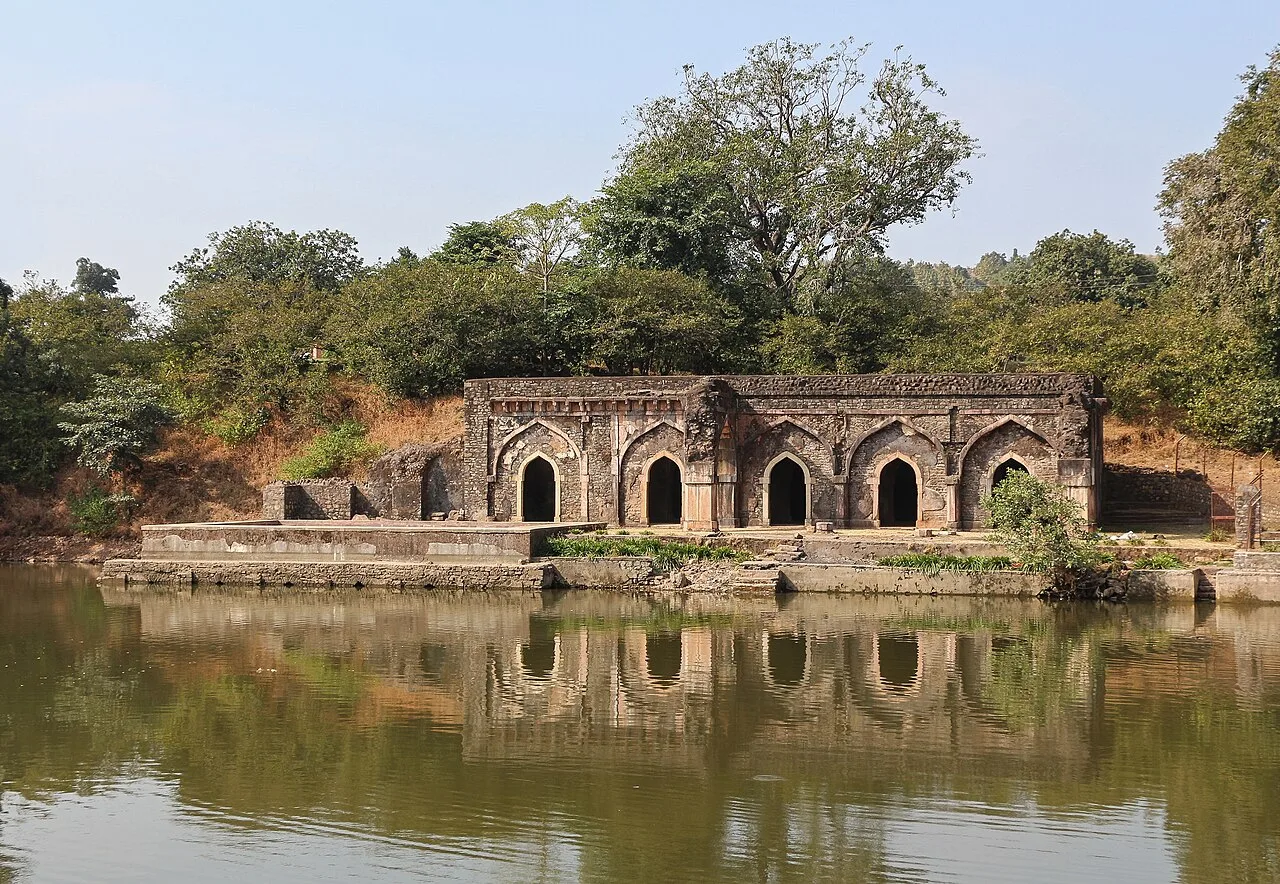
Mandu, also known as Mandavgad, is an ancient settlement in Madhya Pradesh’s Dhar district. Visitors are drawn to its fortress setting and notable architecture.

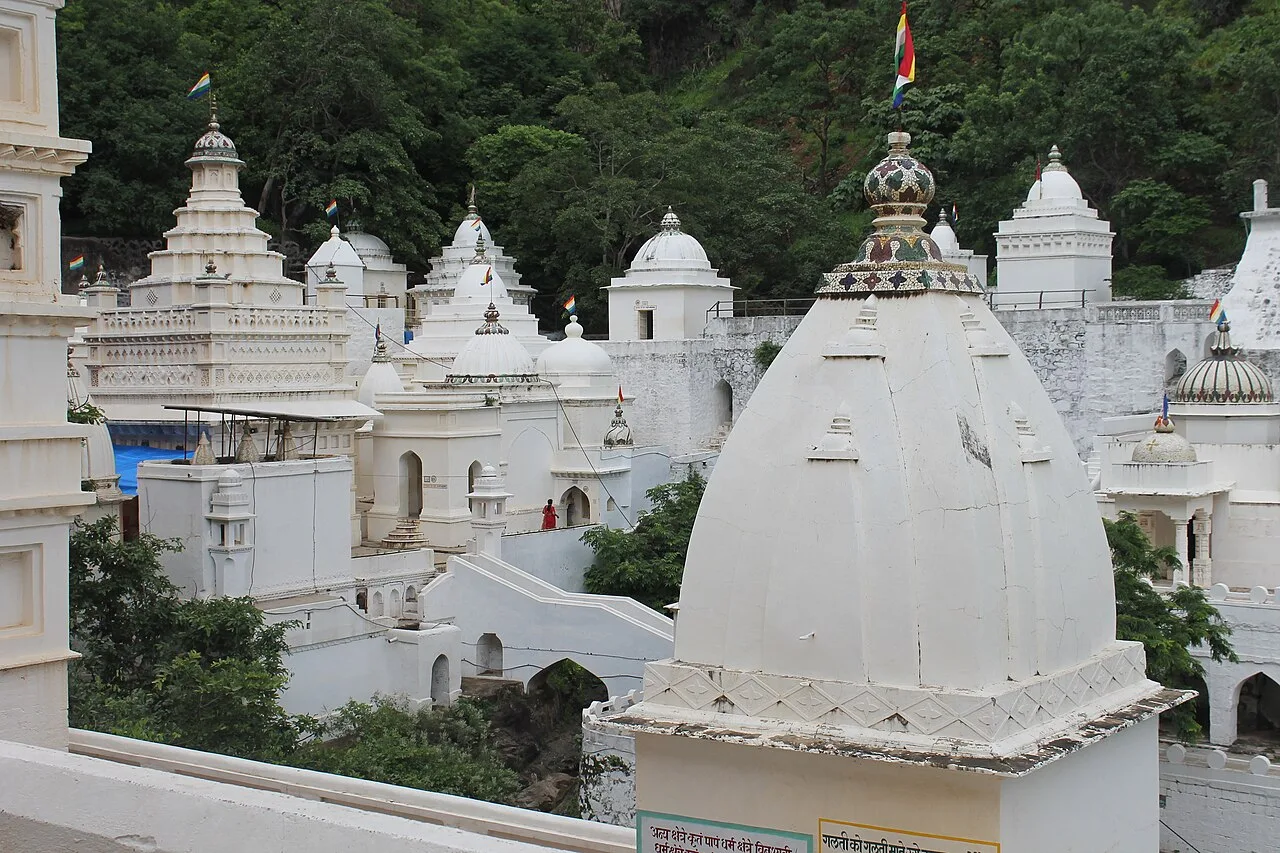
Muktagiri

142 km away · Betul district

Muktagiri

Muktagiri, also known as Mendhagiri, is a Jain pilgrimage centre on the Madhya Pradesh–Maharashtra boundary. People visit for its importance as a Jain pilgrimage destination.

Map

Burhanpur on the map

  1. 1Asirgarh Fort
  2. 2Hanuwantiya Island
  3. 3Omkareshwar Dam
  4. 4Omkareshwar Temple
  5. 5Navdatoli Archaeological Site
  6. 6Maheshwar Ghats
  7. 7Mandu
  8. 8Muktagiri

Madhya Pradesh

Other cities to explore