
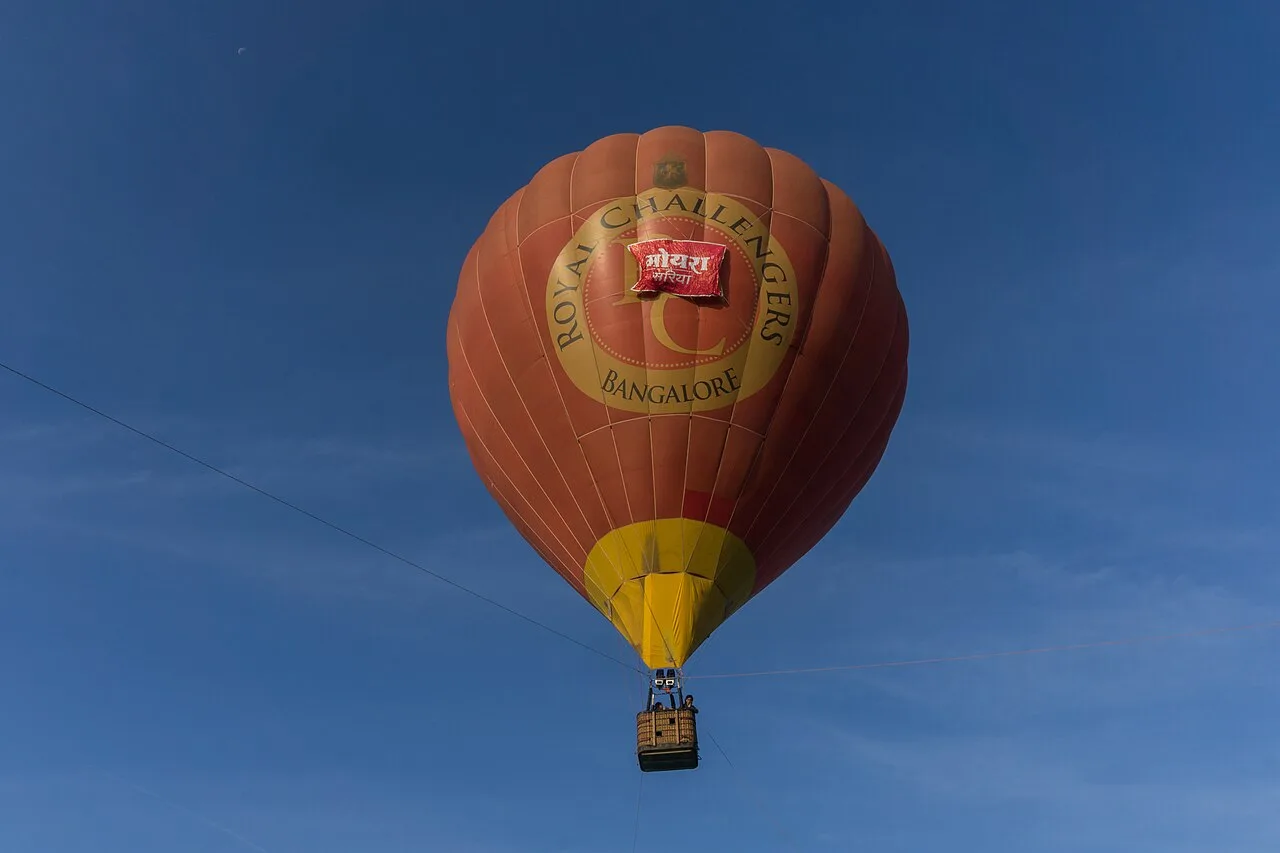
Hanuwantiya Island
Hanuwantiya Island is a tourism destination in Khandwa district, Madhya Pradesh. Visitors come to the island, which the state tourism corporation developed as a hub for tourism.
Key facts · verified by Ghumoopedia editors
- Type of place
- Natural attraction
- Best time to visit
- October to March
- Nearest railway station
- Khandwa Junction · about 43 km (straight line)
- Verified
- 21 Nov 2026
Plan a trip from Hanuwantiya Island — a day-by-day route through places nearby.
In Madhya Pradesh’s Khandwa district, Hanuwantiya is an island associated with a tourism initiative led by the Madhya Pradesh Tourism Development Corporation. The corporation developed the site as a hub for visitors, as part of its effort to encourage tourism across the state. The island’s name comes from Hanuwantiya, a village nearby. Its role as a visitor destination reflects the corporation’s work to promote tourism in Madhya Pradesh. Madhya Pradesh holds three UNESCO World Heritage Sites — the temples of Khajuraho, the Buddhist stupas of Sanchi and the Bhimbetka rock shelters — plus the forts and palaces of Gwalior, Orchha and Mandu, the marble gorges of Bhedaghat, the pilgrim towns of Ujjain and Omkareshwar, and some of India's best tiger country in Kanha, Bandhavgarh, Pench and Satpura. The state has very hot summers from March to June (often above 42°C in the north and west), a monsoon from late June to September that greens the forests but closes the tiger reserves' core zones, and a cool, pleasant winter from November to February — the best season for almost everything. The usual best time to visit is October to March. Timings, fees and access arrangements must be confirmed locally. For official information, see Madhya Pradesh Tourism at https://www.mptourism.com.
Why it matters
Hanuwantiya is a tourism destination in Khandwa district, Madhya Pradesh, on the waters of the Indira Sagar reservoir. Its main regional significance comes from the Madhya Pradesh Tourism Development Corporation’s efforts to develop the island as a visitor hub and promote water-based tourism. The name comes from the nearby village of Hanuwantiya. The destination is also associated with the state’s Jal Mahotsav, a tourism event held here in some seasons; its programme and arrangements can vary. Hanuwantiya is not known as a UNESCO World Heritage Site or an ASI-protected monument. Visitors should treat it primarily as a managed reservoir-side attraction, rather than assume that every activity or facility is available year-round.
Hanuwantiya’s documented story is chiefly a modern tourism story; detailed historical records about the island itself are limited. The island takes its name from the nearby village, and its present landscape is closely connected with the Indira Sagar reservoir on the Narmada. The reservoir and its infrastructure changed the local waterscape, creating the setting in which Hanuwantiya later came to be promoted as an island destination. The available visitor information does not establish a precise date for the island’s formation, identify an ancient builder, or document a major historic structure on the site, so such claims should be treated cautiously. In more recent decades, the Madhya Pradesh Tourism Development Corporation developed Hanuwantiya as a tourism hub, with visitor facilities and activities intended to draw attention to the reservoir. The destination became particularly visible through Jal Mahotsav, a tourism event associated with the island. Its facilities, activities and event arrangements have changed over time and may be seasonal. Hanuwantiya’s history is therefore best understood through its relationship to the nearby village, the reservoir and state-led tourism development, rather than through an assumed ancient monument or a single founding date.
Origin stories & folklore
No widely documented origin legend specific to Hanuwantiya Island is established in reliable visitor sources. The wider Narmada region has strong religious associations, and many traditions describe the river as sacred; those beliefs belong to the broader river landscape and should not automatically be presented as an island-specific story. Local accounts may vary, particularly around the village and reservoir, so visitors interested in oral histories can ask residents respectfully whether they wish to share them. Treat such accounts as living tradition, not as verified historical evidence, and avoid entering private or sacred spaces without permission.
Spend unhurried time at Hanuwantiya Island: walk the marked paths, use official viewpoints and ask locally whether a guide, entry ticket or forest permission is needed. Weather can change quickly, so carry a rain layer even on a clear morning. A comfortable itinerary is one main visit in the morning, a local meal at midday and a short nearby stop before an afternoon return. Use the district list on this site to find other places in Khandwa, but check the route and its condition before combining stops. If a festival is on — such as the Khajuraho Dance Festival, the Tansen Samaroh in Gwalior, Lokrang in Bhopal or the Simhastha Kumbh at Ujjain — roads and stays can be busy, and the experience can be unforgettable. Leave no litter: many sites are protected by the communities around them.
Suggested itineraries
Half day: Arrive and check current access (about 20 minutes); walk an open marked route and visit permitted viewpoints (about 1–2 hours); take a meal or rest before leaving (about 45 minutes). Full day: Explore the visitor area and viewpoints in the morning (about 2 hours); pause for a local meal and rest (about 1–2 hours); choose an officially operating activity or a short nearby visit, then return before dark (about 2–3 hours). Gentler option: Keep to the nearest accessible visitor area, take frequent seated breaks and enjoy a short viewpoint visit rather than attempting a longer walk.
Hanuwantiya sits in the Nimar region, where Hindi and Nimadi are among the languages visitors may hear. Everyday culture is shaped by village life, agriculture and the reservoir landscape. At the tourism hub, visitors may encounter a more event-oriented atmosphere during Jal Mahotsav, with organised activities and performances depending on the season and programme. Customs and styles of dress vary between residents and visitors; modest, practical clothing is considerate, especially when visiting nearby religious places. Ask before photographing people, performers or private gatherings. Event offerings and cultural programmes are not guaranteed year-round, so check current arrangements before planning around them.
Local communities
The nearby village of Hanuwantiya gives the island its name, and residents of the surrounding area are part of its local context. Livelihoods in the wider Khandwa region include farming, small businesses and service work; tourism may also support seasonal work in hospitality, transport and visitor activities. The reservoir is an important feature of the landscape, but visitors should not assume that all shoreline access or water use is public. Follow local guidance, respect private property and ask before photographing residents or their work. Do not seek access to restricted areas or private community spaces.
Festivals & events
Jal Mahotsav is the main tourism event associated with Hanuwantiya and is generally promoted as a seasonal, cooler-weather event. Its dates, activities and scale can change, so confirm the current programme with Madhya Pradesh Tourism before travelling. Nearby Omkareshwar observes important Hindu festivals, including Mahashivratri, and religious occasions can bring larger crowds to the town and temple approaches. These events may affect road traffic, accommodation availability and local services. Festival travel can be rewarding, but visitors should plan flexibly and follow local instructions.
Local food in Madhya Pradesh includes poha with jalebi for breakfast, bhutte ka kees, dal bafla and dal baati, Indore's sarafa night-market snacks, Bhopal's seekh kebabs and biryani, mawa-bati and gajak sweets, and mahua-based tribal dishes in forest districts. Ask what is fresh that day; many small eateries cook a limited daily menu. Vegetarian travellers eat well across the state, and most towns also have good non-vegetarian food; Indore's Sarafa Bazaar turns into a famous night food market. Remote sites may have no restaurant at all. Carry water and snacks, eat a proper breakfast before long drives, and ask your accommodation for a packed lunch if you are heading out early. Try a home-cooked or local thali meal when you can — it is often the best food on the route. Choose busy, clean places, drink sealed or filtered water, and carry your packaging back with you.
Shopping & local experiences
Shopping at Hanuwantiya itself may be limited and can depend on the season or an event. Look for locally made goods or regional snacks where vendors are operating, and ask about the origin of products rather than assuming they are locally produced. For a broader choice of everyday items and food, check markets in nearby towns such as Khandwa. Buying from local businesses can support the area, but bargain courteously and avoid purchasing wildlife products or items made from protected plants or animals.
Hanuwantiya’s setting is defined by the broad waters and shorelines of the Indira Sagar reservoir, with an island landscape whose appearance can shift with water levels and season. The surrounding region includes dry, seasonally changing vegetation, farmland and settlements. The reservoir and its edges may attract waterbirds and other birdlife, particularly when conditions suit them, but sightings are never guaranteed. Wildlife and plant life should be observed from permitted public areas without disturbance. Water conditions can change, and open shorelines may lack shade; carry drinking water and sun protection. Do not enter the water or undertake boating unless the activity is officially available and local safety instructions permit it.
October to March
The nearest principal railway station by straight-line distance is Khandwa Junction, roughly 43 km away. The nearest operating airport by straight-line distance is Devi Ahilyabai Holkar Airport, Indore, roughly 103 km away. These figures are calculated from map coordinates — actual road distance is longer. Bhopal, Indore, Jabalpur and Gwalior are the main rail and air gateways; Khajuraho has its own airport and station, Jhansi (UP) serves Orchha and Datia, and Pipariya is the railhead for Pachmarhi. For the final leg, Madhya Pradesh State Road Transport Corporation buses, private sleeper coaches between the big cities, and shared jeeps and autos in smaller towns link district towns. A private taxi gives more flexibility for remote sites such as forts, caves and forest gates. When comparing train, bus and flight, count the complete door-to-door time: a flight saves the most time only if the onward road transfer is short, while an overnight train can save a hotel night. Book your return before you leave, because seats fill quickly on weekends, festivals and holidays. Current train numbers, timings, return services and fares are not listed here; check IRCTC and NTES for trains and the airline's own schedule for flights. No permit is needed to visit Madhya Pradesh. Tiger safaris in Kanha, Bandhavgarh, Pench, Satpura and Panna must be booked in advance on the official MP Forest online portal — zones and gates sell out weeks ahead in peak season, and the core zones are closed during the monsoon (roughly July to mid-October). Boating and angling in the National Chambal Sanctuary also need forest-department bookings.
Confirm onward and return timings on IRCTC / NTES, the state bus operator or your airline before travel. A dash means current timings or fares have not been verified.
Getting around
On arrival, local autos or a pre-arranged taxi may be useful for reaching the tourism site and nearby settlements; availability can vary, so arrange a return journey in advance. Local buses and shared vehicles connect towns in the wider region, but services may not take visitors directly to the island facilities. Walking is practical within accessible parts of the developed site, subject to current access rules and weather. Use only authorised boats and operators if boating is offered, and follow life-jacket and safety requirements. Check locally where visitors may park and which paths or shoreline sections are open.
Hours, tickets & permissions
Access may depend on the current operating arrangements of the tourism site and on whether particular activities or event areas are open. Entry tickets, activity fees, identity checks, camera rules or permissions may apply, but requirements can change. There is no reliable universal schedule for every part of the island, so confirm current opening arrangements, fees and access conditions with the Madhya Pradesh Tourism Development Corporation or the local site authority before setting out. Follow posted notices and staff instructions, especially around the reservoir and any restricted areas.
Facilities
The developed tourism area may provide basic visitor facilities, and food or refreshments may be available, particularly during busier seasons or events. Facilities can be limited or closed outside operating periods, so check locally before relying on toilets, drinking water, food service or guides. Parking is usually associated with the visitor area, but its location and availability should be confirmed on arrival. ATMs and a wider choice of shops are more likely in larger nearby towns than at the island itself. Carry essentials, including water and any required medication.
Accessibility
The visitor experience may involve outdoor paths and uneven or exposed ground; conditions can change with weather and reservoir levels. Walking distances, shade and surface quality vary across the site, and steps or unpaved sections may be present. Do not assume that every viewpoint is suitable for wheelchairs or strollers, or that ramps and accessible toilets are available. Older visitors and people with limited mobility may prefer a short visit near the main visitor facilities, with frequent rests and a companion. Ask site staff about the route condition and vehicle access before proceeding.
No permit is needed to visit Madhya Pradesh. Tiger safaris in Kanha, Bandhavgarh, Pench, Satpura and Panna must be booked in advance on the official MP Forest online portal — zones and gates sell out weeks ahead in peak season, and the core zones are closed during the monsoon (roughly July to mid-October). Boating and angling in the National Chambal Sanctuary also need forest-department bookings. Carry a photo ID at all times and save the emergency number 112 and your accommodation's contact offline. Heat in summer and heavy rain in the monsoon are the main weather risks; carry water, avoid midday sun and allow extra time when roads flood. Stay on marked paths, keep away from cliff edges and fast water, and never approach wild animals.
Photography
Soft morning or late-afternoon light can bring out the reservoir’s changing shoreline and open-water views. Use official public viewpoints and paths, and check locally whether any ticket or camera restriction applies. Drone use may be subject to aviation rules, site restrictions or permissions; do not fly without confirming current requirements. Ask before photographing residents, workers, performers or children, and respect privacy at nearby religious sites. Avoid stepping into restricted areas or disturbing birds and other wildlife for a photograph.
Choose a stay by the full journey to Hanuwantiya Island, not just the district name. Bhopal, Indore, Gwalior and Jabalpur offer the widest choice; Khajuraho, Orchha and Pachmarhi have hotels and MP Tourism lodges, which are reliable value, and pilgrim towns have dharamshalas. In summer, check air-conditioning; in the monsoon, check that the property is accessible if roads flood. Book in advance for weekends, festivals and the peak season (October to March). Confirm the exact location, meals included, check-in time and cancellation terms in writing. Avoid sending money to unverified contacts or touts at stations. Carry some cash, as card and digital payments can be unreliable in remote areas.
Omkareshwar, in Khandwa district, is a major nearby destination known for its temples and Narmada setting; allow for road conditions and travel time when combining it with Hanuwantiya. Khandwa town offers district-level services and a local town visit. The Indira Sagar reservoir and its dam infrastructure are also part of the wider area, but access to operational or restricted zones should never be assumed. Check routes, permissions and current conditions before adding any stop, and avoid trying to fit distant places into the same short outing.
For couples, Hanuwantiya Island rewards a slow pace: arrive early for soft light and fewer crowds, share a local meal and keep the evening free. Sunset over the marble rocks at Bhedaghat, a boat ride on the Narmada at Maheshwar or a night drive under the stars near a forest lodge makes the trip memorable. Public displays of affection can be frowned upon in conservative communities and at religious sites, so be discreet. Keep a buffer in your itinerary, because weather and road conditions can delay plans.
Q: How much time should I allow for Hanuwantiya? A: A short visit can fit into half a day; allow longer if you plan to use an authorised activity or explore nearby places. Q: When is a good season to visit? A: October to March is generally a comfortable period for travel in Madhya Pradesh. Confirm seasonal activities and local conditions before going. Q: Is there an entry ticket? A: Entry or activity charges may apply and can change. Check current requirements with the site authority before your visit. Q: Is the island suitable for children and older visitors? A: Families can enjoy the developed visitor areas, but walking surfaces, shade and access vary. Keep children away from the water’s edge and plan rests for older visitors. Q: Can I stay nearby? A: Accommodation options may be available in the area or in larger nearby towns, but availability can vary by season and event. Confirm your stay and transport in advance.
Be the first to share photos, stories, advice or a helpful contact for Hanuwantiya Island.
Loading…