Ghumoopedia — Explore, Discover, Experience
Sign in

City guide · Madhya Pradesh

Jaora

Jaora is a town in Ratlam district, set in the Malwa region between Ratlam and Mandsaur. It serves as a local centre for nearby settlements, with shops, services and connections to the surrounding agricultural area.

Famous for

  • Hussain Tekri shrine
  • Muharram pilgrimage
  • Jaora princely state
  • Rajendrasuri Jain heritage
  • Malwa market town

Why Jaora matters

Jaora is a town in Ratlam district, set in the Malwa region between Ratlam and Mandsaur. It serves as a local centre for nearby settlements, with shops, services and connections to the surrounding agricultural area. Its position on this regional corridor makes it a useful stop for travellers exploring western Madhya Pradesh, as well as a place with a distinct history of its own.

The best-known destination is Hussain Tekri, a shrine that draws pilgrims from across India and abroad, particularly during Muharram’s mourning observances. Jaora also has significance for Jain visitors because the ascetic Rajendrasuri is associated with practising tapasya here. The town was once the capital of the princely state of Jaora, a past still reflected in its local identity. Together, its religious importance, princely heritage and role in the Malwa region give Jaora a profile that extends beyond its size as a town.
Famous for: crafts, trade & products

Jaora is better known for religious heritage and regional commerce than for a signature textile, handicraft or GI-tagged product. The town does not have a widely recognised, distinctive saree or craft tradition to seek out; visitors should be cautious about assuming that a product sold locally is exclusive to Jaora. Its shops mainly serve residents and surrounding villages, with everyday clothing, household goods, groceries and locally traded produce available in the town’s market areas.

Agriculture in the wider Malwa region supports local trade, and Jaora’s markets are practical places to see the routine exchange of farm goods and supplies. For visitors, the central market streets are the most convenient area to browse for snacks, daily-use items and seasonal produce, while shops near transport hubs cater to travellers. Hussain Tekri is the town’s most prominent visitor destination, but it is a place of worship rather than a shopping or craft centre. Those looking for specialised textiles, major handicraft emporiums or a locally certified product may find a broader selection in larger regional cities.

History

Jaora grew as the capital of the princely state of Jaora, one of the states that formed part of the political landscape of central India before Independence. The state was ruled by a Muslim princely house and maintained its own administration, while operating under British paramountcy during the colonial era. Its position in the Malwa region linked it with neighbouring towns and the agricultural hinterland.

After Independence, the princely state’s separate political role ended as the region was integrated into independent India. Jaora subsequently developed as a municipality within Ratlam district in Madhya Pradesh. Roads and rail connections helped sustain its role as a local service and trading centre, while Ratlam and Mandsaur remained important regional reference points. Its religious landmarks have also shaped its modern identity: Hussain Tekri draws pilgrims, and Jain tradition associates the town with Rajendrasuri’s spiritual practice. Jaora’s history is therefore visible both in its former princely status and in the continuing movement of worshippers and traders through the town.

Food, festivals & culture

Jaora’s public life reflects the varied religious traditions of Malwa. Muharram is especially significant because Hussain Tekri attracts pilgrims for mourning observances connected with Imam Hussain. Jain visitors come to honour the association with Rajendrasuri and his tapasya. Hindu temples and Muslim places of worship are part of the town’s neighbourhood life, and religious gatherings shape the local calendar.

Hindi is widely used, while Malwi is familiar in everyday conversation; Urdu is also heard among local communities. Food is broadly in keeping with the Malwa region: visitors may find poha, jalebi, kachori, dal-based meals and sweets at local eateries, though these are not exclusive to Jaora. Tea stalls and small restaurants serve residents and travellers. Music and devotional singing are often connected with religious occasions and community gatherings; there is no single widely known performance tradition that defines the town. Visitors should approach Hussain Tekri respectfully, especially during busy observances, and follow local guidance around worship and photography.

Visiting the city

The cooler months, roughly October to March, are generally the most comfortable for visiting Jaora. Summer can be very hot, while monsoon brings rain and greener surroundings. The nearest major airport is Devi Ahilya Bai Holkar Airport in Indore. Jaora has its own railway station; Ratlam Junction is a larger nearby rail hub with broader connections.

Local travel is usually by auto-rickshaw, taxi or other road transport, and buses and cars connect Jaora with nearby towns. The town centre and market streets are useful for a short walk and everyday shopping. Set aside time for Hussain Tekri, checking locally on arrangements during religious observances. Visitors interested in Jain heritage can ask locally about sites associated with Rajendrasuri. Ratlam and Mandsaur make useful regional bases or onward stops.

Trips from the city

Nearest places to visit from Jaora

Our closest destination guides, by straight-line distance.

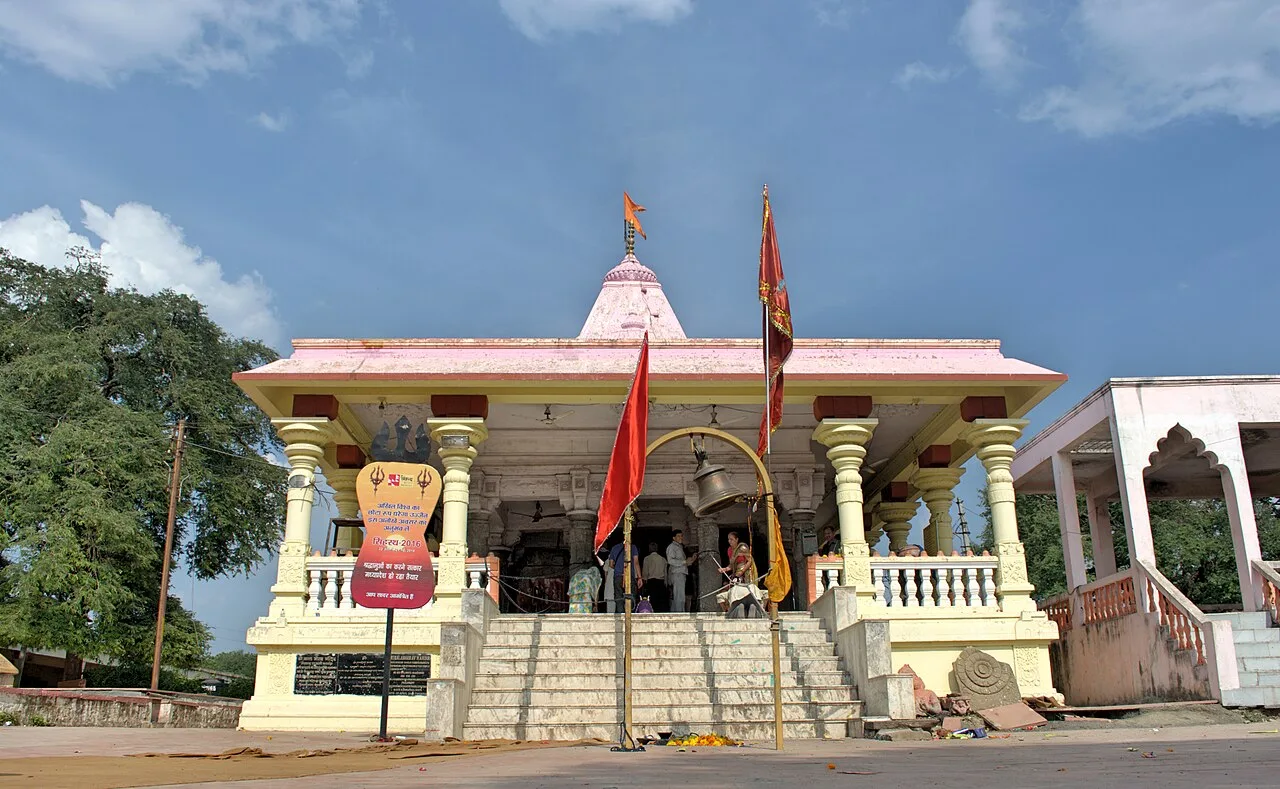
Kal Bhairav Temple

80 km away · Ujjain district

Kal Bhairav Temple

A Hindu shrine in Ujjain, Madhya Pradesh, Kal Bhairav Temple honours the city’s guardian deity. Worshippers visit its setting by the Shipra River, and liquor is among the offerings made there.

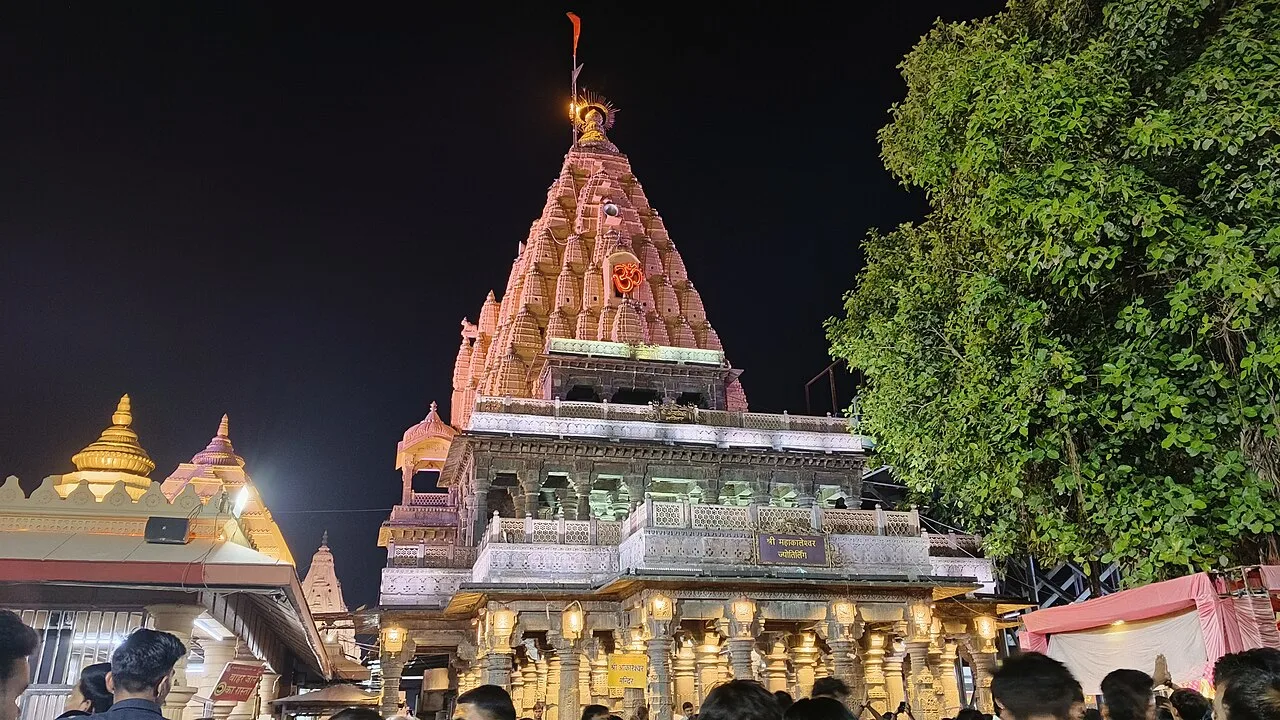
Mahakaleshwar Jyotirlinga

83 km away · Ujjain district

Mahakaleshwar Jyotirlinga

Mahakaleshwar Jyotirlinga is a Shiva temple in Ujjain, revered as one of twelve especially sacred Jyotirlinga shrines. Visitors come to worship its lingam, which is believed to be Swayambhu.

Bhojshala

118 km away · Dhar district

Bhojshala

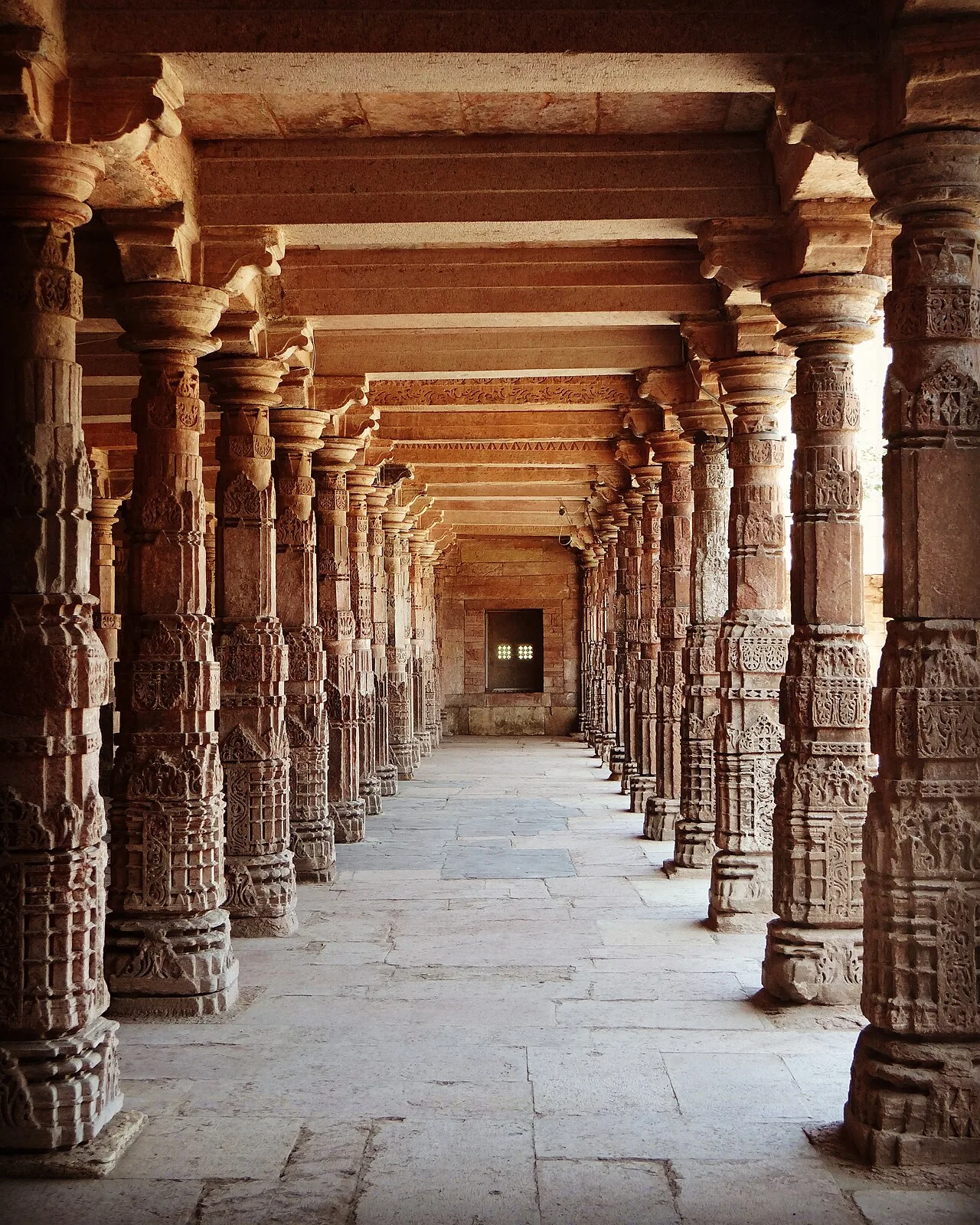
Bhojshala is a historic complex in Dhar, Madhya Pradesh, associated with Sanskrit learning under the Paramāras. Visitors come to see its architecture, inscriptions and archaeological remains, as well as its layered religious history.

Kanch Mandir

125 km away · Indore district

Kanch Mandir

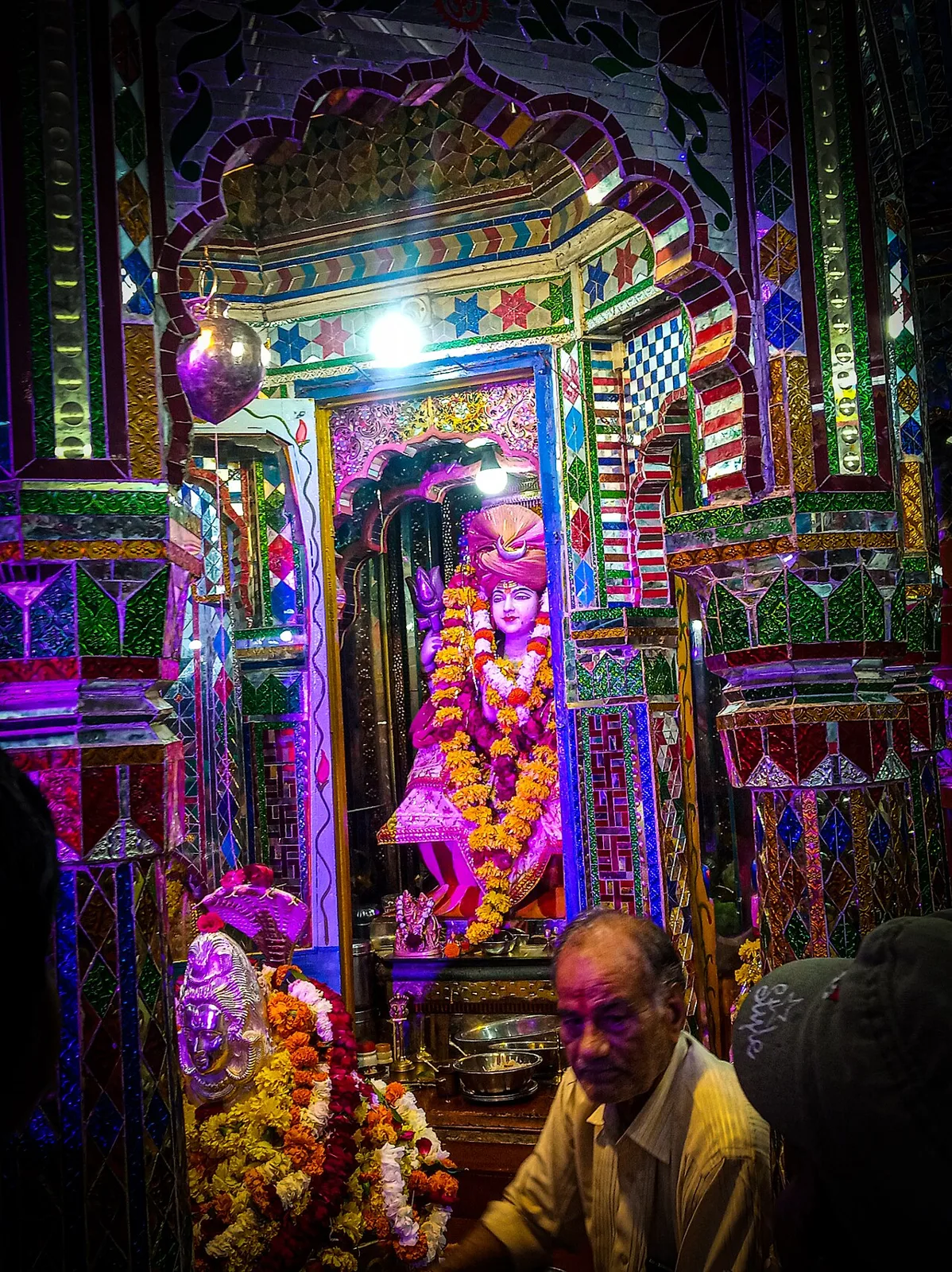
Kanch Mandir is a well-known Jain temple in Indore, built by Sir Seth Hukumchand Jain. Visitors come to see the place of worship whose name means Temple of Glass.

Rajwada

126 km away · Indore district

Rajwada

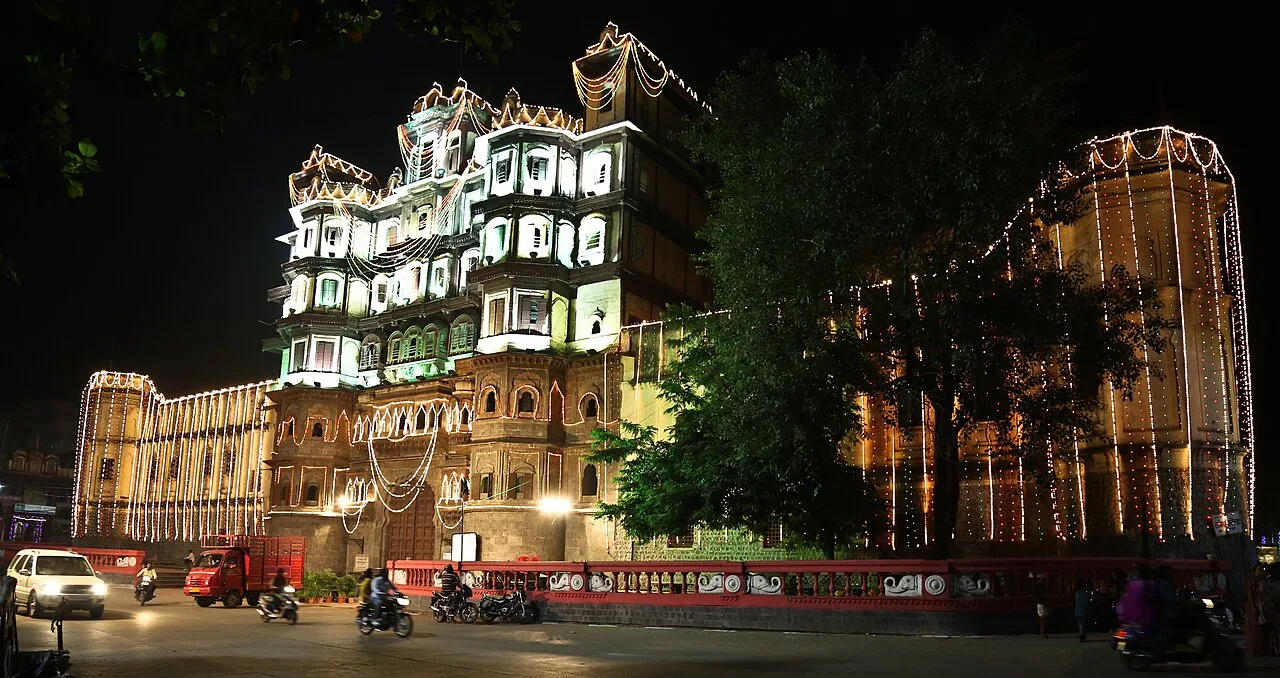
Rajwada is a historic, seven-storey Holkar residence in Indore. Visitors come for its period architecture, dynastic history and the garden with fountains and a waterfall.

Sarafa Bazaar

126 km away · Indore district

Sarafa Bazaar

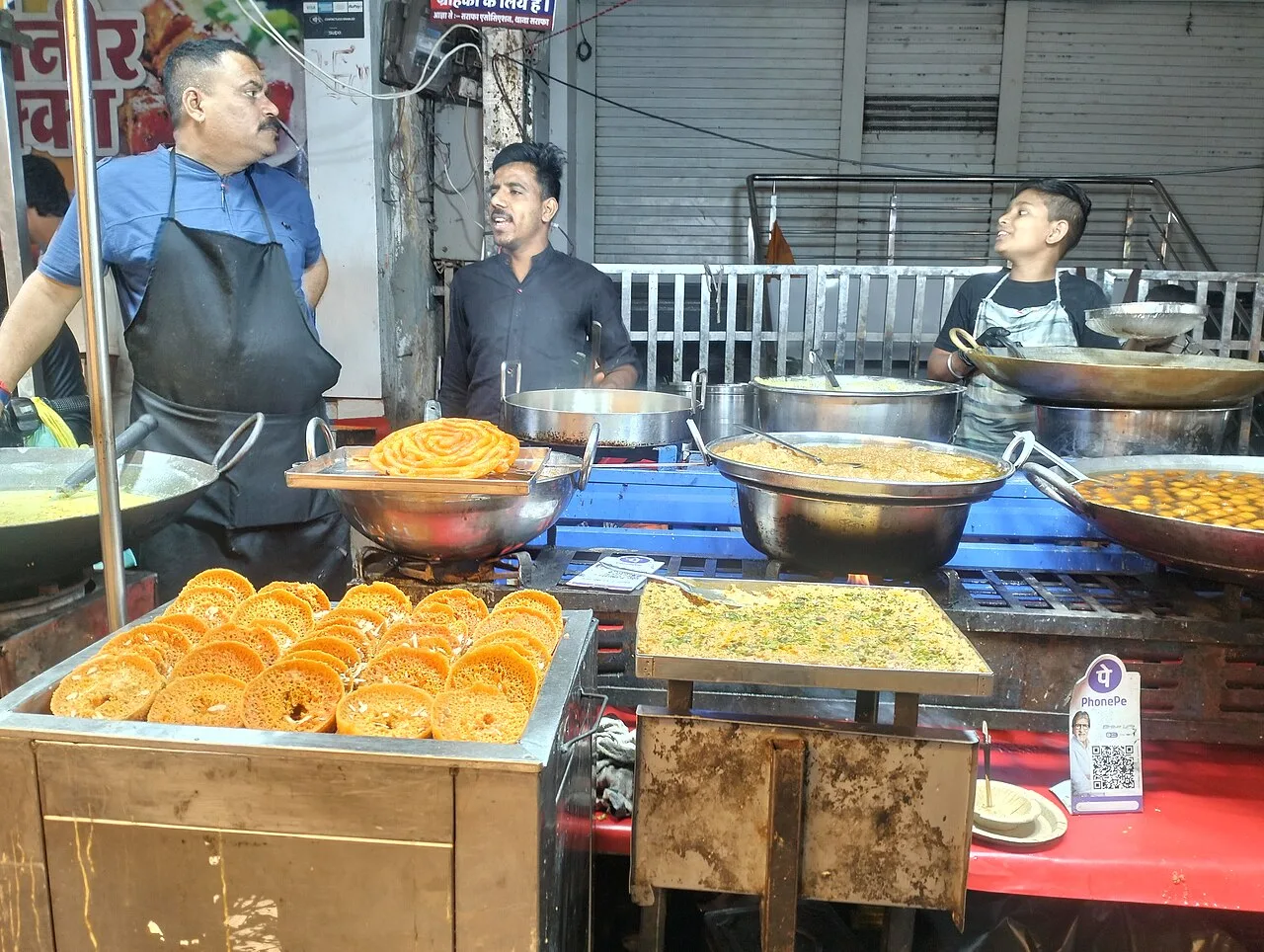
In central Indore, Sarafa Bazaar is a jewellery-trading area by day that becomes a street-food destination at night, drawing visitors for its varied cuisine and evening atmosphere.

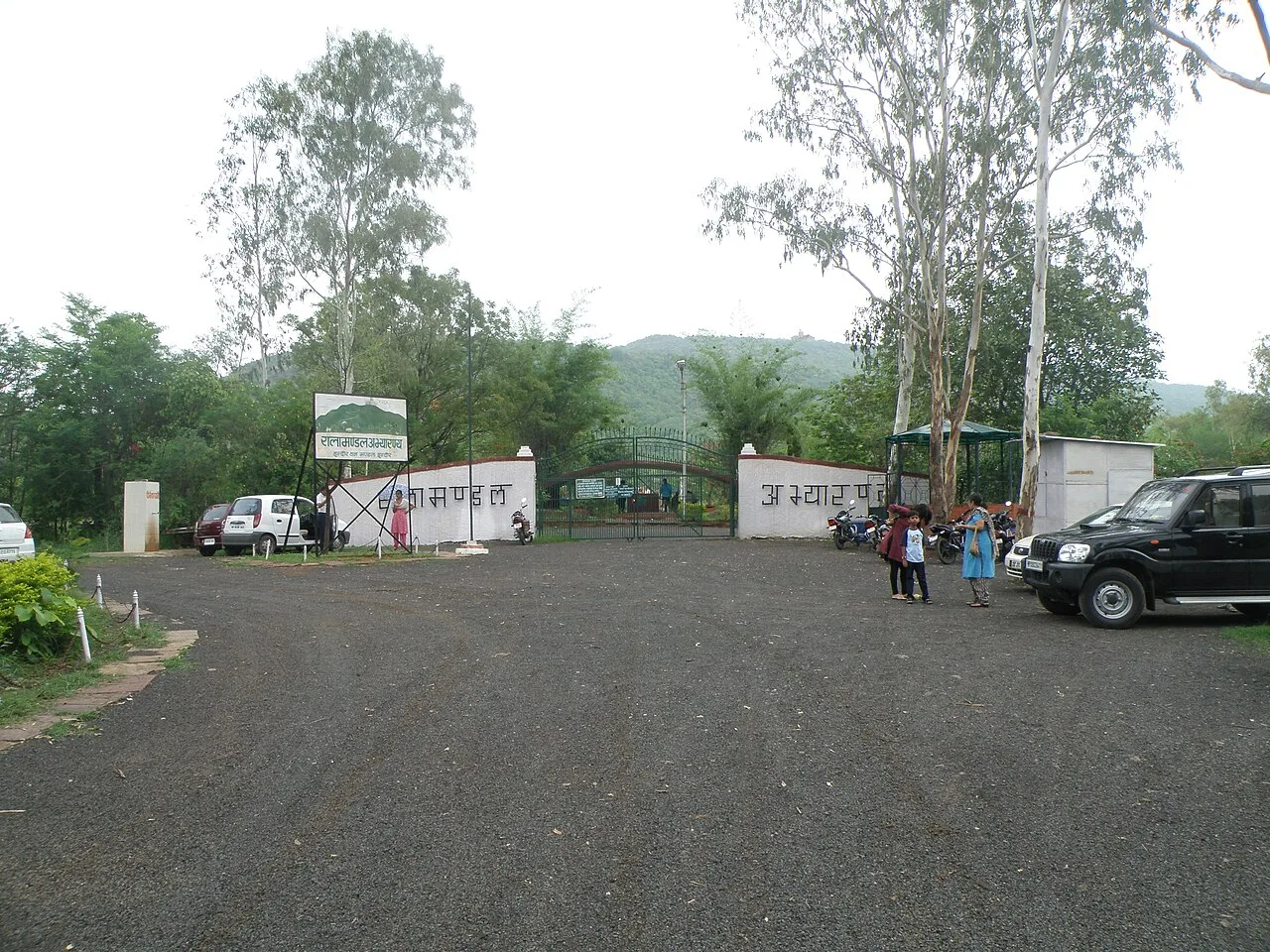
Ralamandal Wildlife Sanctuary

136 km away · Indore district

Ralamandal Wildlife Sanctuary

Established in 1989, Ralamandal Wildlife Sanctuary is a five-square-kilometre protected area in Indore district, Madhya Pradesh. Visitors come to see its birds, other wildlife and old hunting lodge.

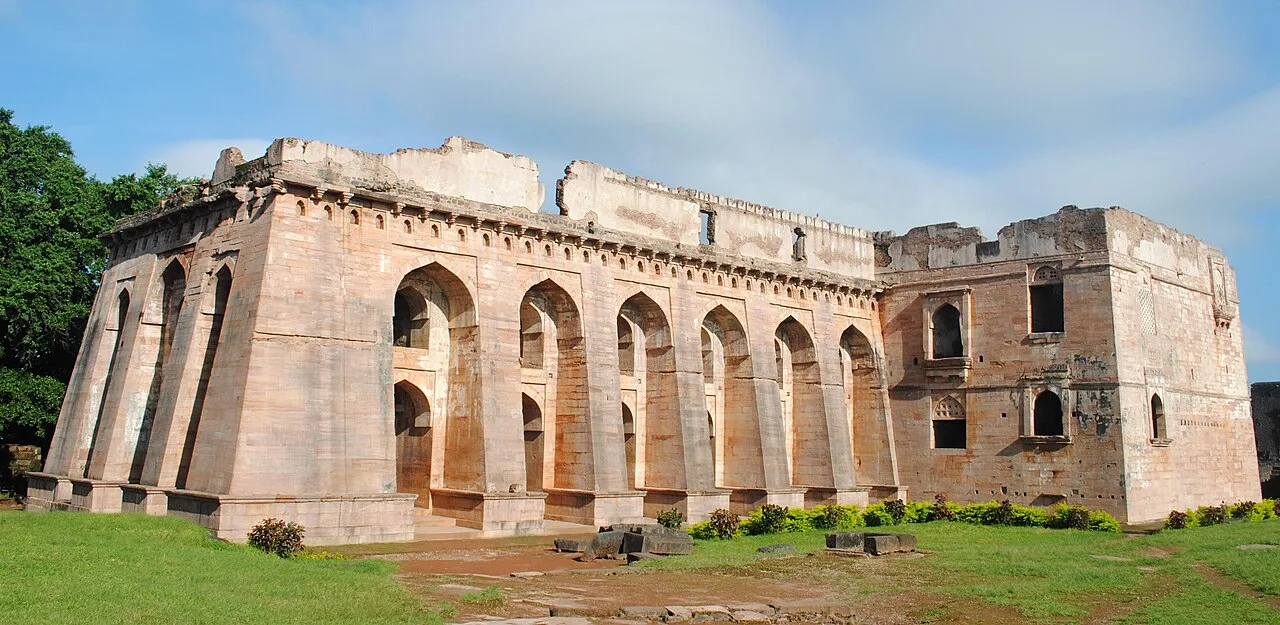
Hindola Mahal, Mandu

145 km away · Dhar district

Hindola Mahal, Mandu

Hindola Mahal is a large assembly hall in Mandu, Madhya Pradesh. Visitors go to see it as a historic structure within the remains of the old city.

Map

Jaora on the map

  1. 1Kal Bhairav Temple
  2. 2Mahakaleshwar Jyotirlinga
  3. 3Bhojshala
  4. 4Kanch Mandir
  5. 5Rajwada
  6. 6Sarafa Bazaar
  7. 7Ralamandal Wildlife Sanctuary
  8. 8Hindola Mahal, Mandu

Madhya Pradesh

Other cities to explore