Ghumoopedia — Explore, Discover, Experience
Sign in

City guide · Madhya Pradesh

Garot

Garoth is a small town in Mandsaur district, in north-western Madhya Pradesh, close to the Rajasthan border. It serves as a local administrative and trading centre for surrounding villages, where farming shapes everyday life and commerce.

Famous for

  • Malwa–Chambal countryside
  • Agricultural trading town
  • Gandhi Sagar region
  • Rural temple traditions

Why Garot matters

Garoth is a small town in Mandsaur district, in north-western Madhya Pradesh, close to the Rajasthan border. It serves as a local administrative and trading centre for surrounding villages, where farming shapes everyday life and commerce. Its setting links the Malwa plateau with the wider Chambal region, giving visitors a sense of the state’s less-visited northern countryside.

Garoth is not a large destination for monuments or specialist shopping. Its appeal is more regional: travellers may use it as a base for exploring nearby rural landscapes and the Gandhi Sagar area, including the reservoir and wildlife sanctuary farther north. In town, local temples, market streets and everyday food offer a glimpse of small-town life. Visitors interested in the region’s history, agriculture and changing landscape will find Garoth useful as a stop between better-known centres, rather than a place with a long list of established tourist attractions.
Famous for: crafts, trade & products

Garoth’s best-known role is as a market town serving an agricultural hinterland. Farms across this part of Malwa grow crops such as wheat, soybean and pulses, which enter local trade and seasonal markets. The town’s shops and bazaar cater mainly to residents and nearby villages, with everyday provisions, household goods and farm-related commerce rather than a recognised tourist-shopping district.

Travellers should not expect a dedicated craft market or a product range comparable with larger regional centres. For a feel of local commerce, browse the central bazaar and ask locally about market activity on the day of a visit. Regional foods and small household goods are more likely finds than specialised souvenirs. Mandsaur district has a broader agricultural identity, but products associated with the district should not automatically be treated as Garoth-made. The town’s importance lies chiefly in connecting surrounding farming communities with services and trade.

History

Garoth’s history is best understood within that of the wider Malwa region, rather than as a separate centre of major royal monuments. The area’s fertile plateau and routes linking settlements encouraged farming, village exchange and the growth of local market towns. Across the region, political authority shifted over centuries among local rulers and larger powers, including the Marathas; British rule later brought the area into the administrative framework of Central India.

After Indian independence and the reorganisation of states, Garoth became part of Madhya Pradesh and developed as a local administrative centre within Mandsaur district. Its modern growth has largely followed the needs of nearby villages: public services, road connections and trade in agricultural produce. The broader district contains sites and historical associations of greater prominence, but these should not be confused with Garoth’s own town history. Today, Garoth remains a modest regional centre whose continuity is tied to its surrounding rural economy.

Food, festivals & culture

Everyday life in Garoth reflects the Malwa region’s rural traditions. Hindi is widely used, alongside Malwi speech in informal conversation. Local meals draw on familiar central Indian staples: wheat breads, lentils, seasonal vegetables and pulses. Dal bafla is a well-known Malwa dish, while snacks such as poha and sev are common across the region; sweets vary by shop and season, so Garoth is not especially associated with one signature sweet.

Holi, usually celebrated in spring, and Diwali in autumn bring families and neighbourhoods together. Navratri, also in autumn, is marked by worship and community observances. Religious life centres on local Hindu temples and household traditions, with festivals and devotional gatherings shaping the town calendar. Music and dance are generally part of seasonal and festive gatherings rather than staged tourist performances. Visitors can experience the town’s culture most naturally in its bazaar, places of worship and public celebrations, while being mindful of local customs and privacy.

Visiting the city

The cooler months, roughly October to March, are generally the most comfortable time to visit; summer can be very hot, and monsoon conditions may affect road journeys. Kota Airport is closer geographically but has limited flight options. Indore’s Devi Ahilya Bai Holkar Airport is a more practical choice for many scheduled connections, followed by a road journey. Shamgarh railway station is a useful railhead for Garoth; check current connections before travelling.

Local travel is mainly by road, using taxis, hired vehicles or shared transport where available. The central bazaar and nearby temples are the easiest places to explore on foot. Garoth also works as a base for journeys towards the Gandhi Sagar area, though visitors should arrange transport in advance and allow time for rural roads.

Trips from the city

Nearest places to visit from Garot

Our closest destination guides, by straight-line distance.

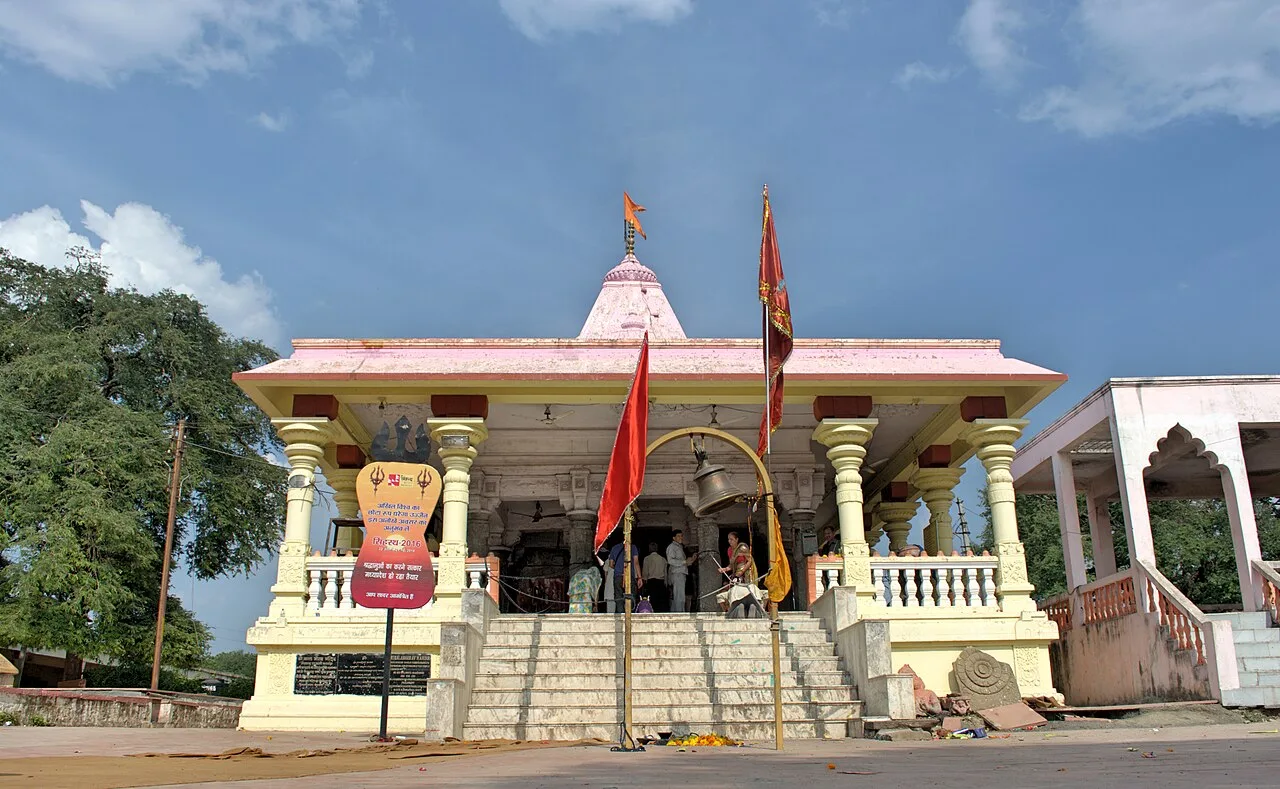
Kal Bhairav Temple

123 km away · Ujjain district

Kal Bhairav Temple

A Hindu shrine in Ujjain, Madhya Pradesh, Kal Bhairav Temple honours the city’s guardian deity. Worshippers visit its setting by the Shipra River, and liquor is among the offerings made there.

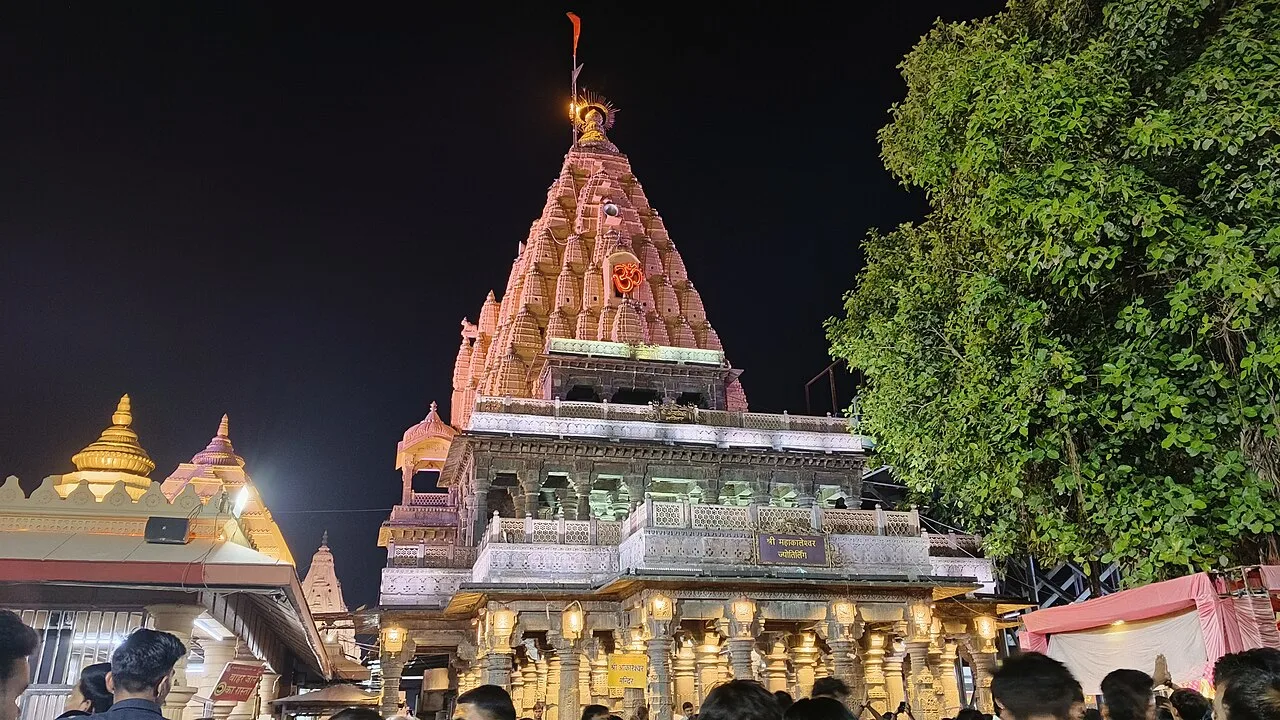
Mahakaleshwar Jyotirlinga

127 km away · Ujjain district

Mahakaleshwar Jyotirlinga

Mahakaleshwar Jyotirlinga is a Shiva temple in Ujjain, revered as one of twelve especially sacred Jyotirlinga shrines. Visitors come to worship its lingam, which is believed to be Swayambhu.

Kanch Mandir

177 km away · Indore district

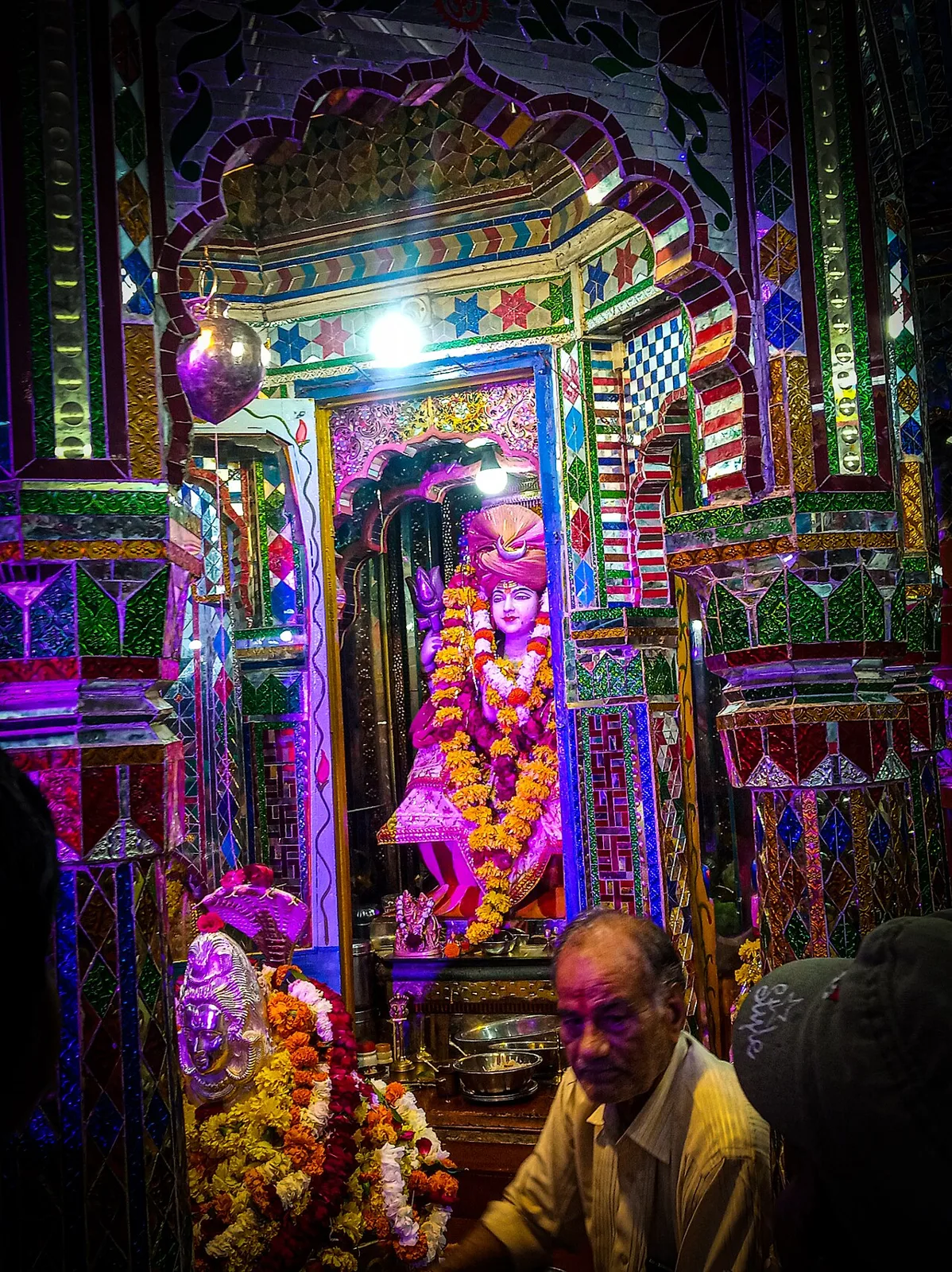
Kanch Mandir

Kanch Mandir is a well-known Jain temple in Indore, built by Sir Seth Hukumchand Jain. Visitors come to see the place of worship whose name means Temple of Glass.

Rajwada

180 km away · Indore district

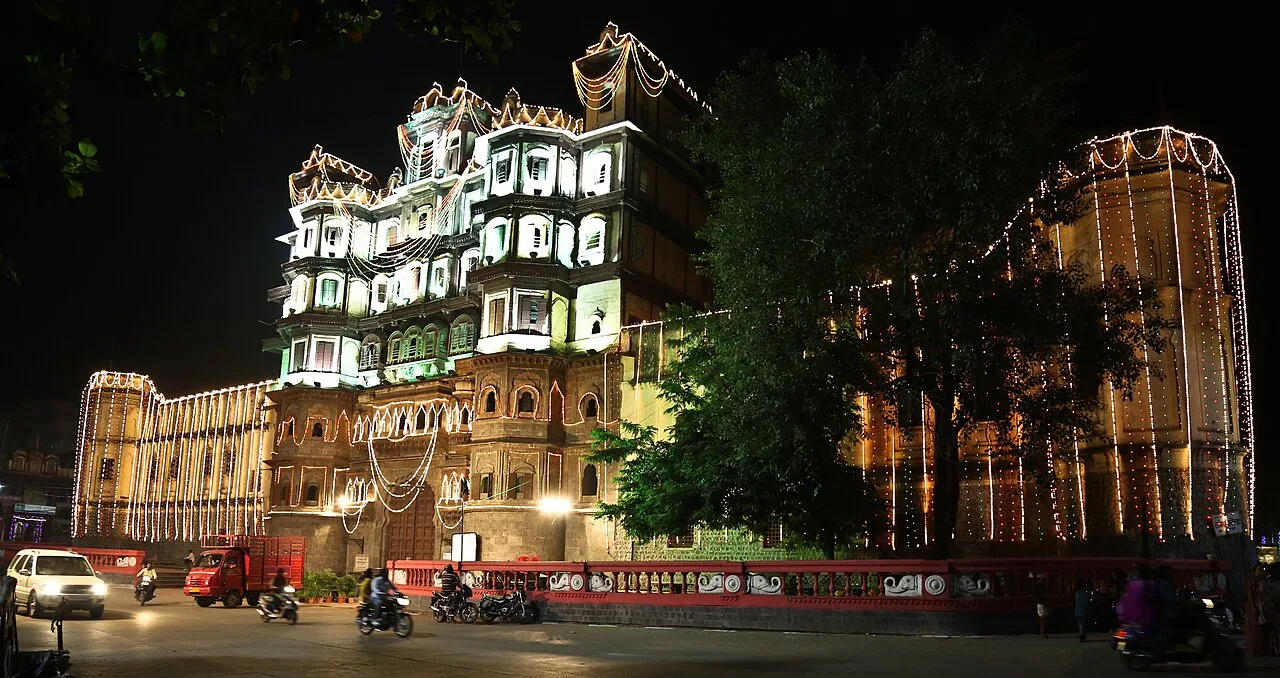
Rajwada

Rajwada is a historic, seven-storey Holkar residence in Indore. Visitors come for its period architecture, dynastic history and the garden with fountains and a waterfall.

Sarafa Bazaar

180 km away · Indore district

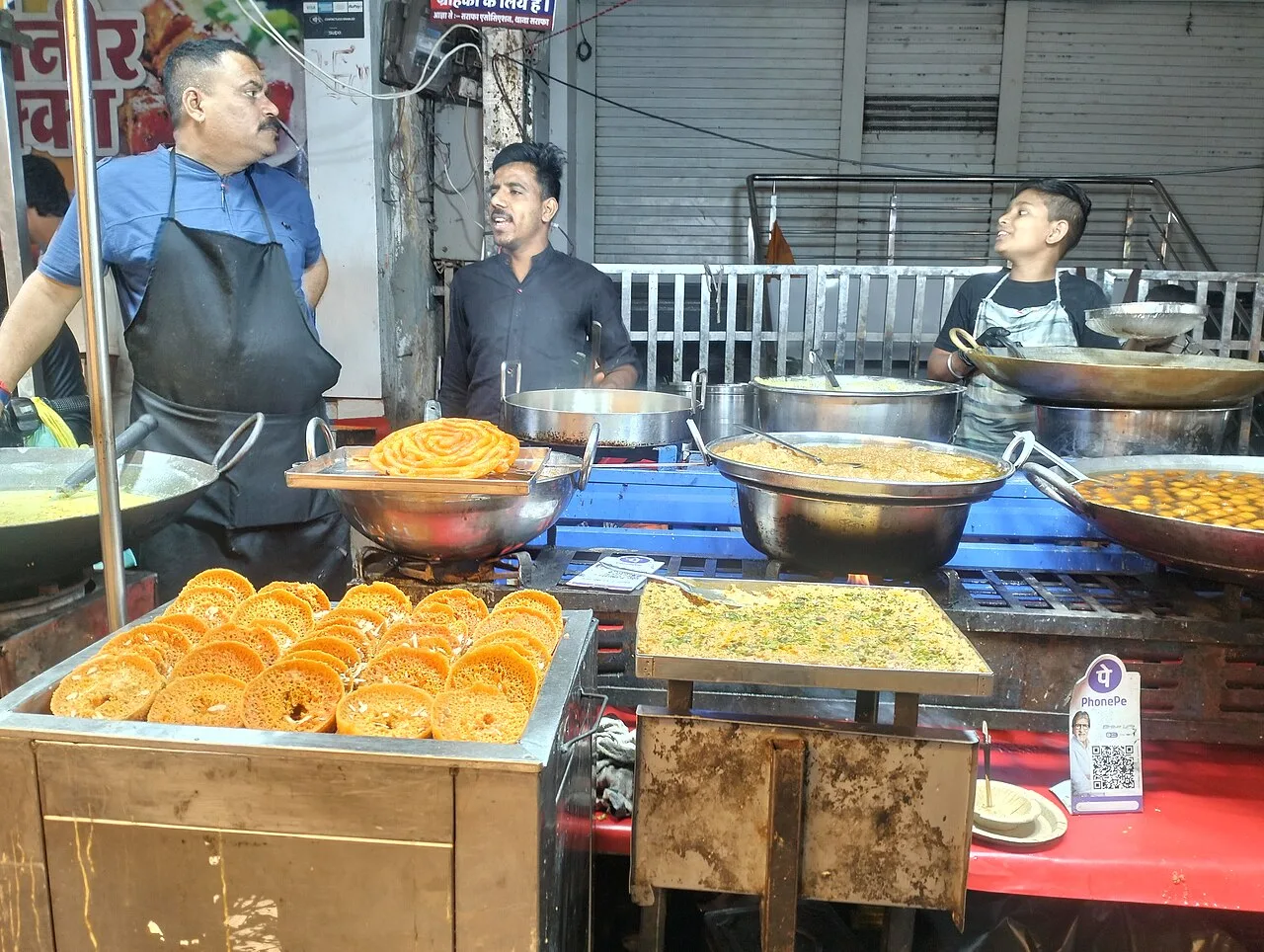
Sarafa Bazaar

In central Indore, Sarafa Bazaar is a jewellery-trading area by day that becomes a street-food destination at night, drawing visitors for its varied cuisine and evening atmosphere.

Ralamandal Wildlife Sanctuary

188 km away · Indore district

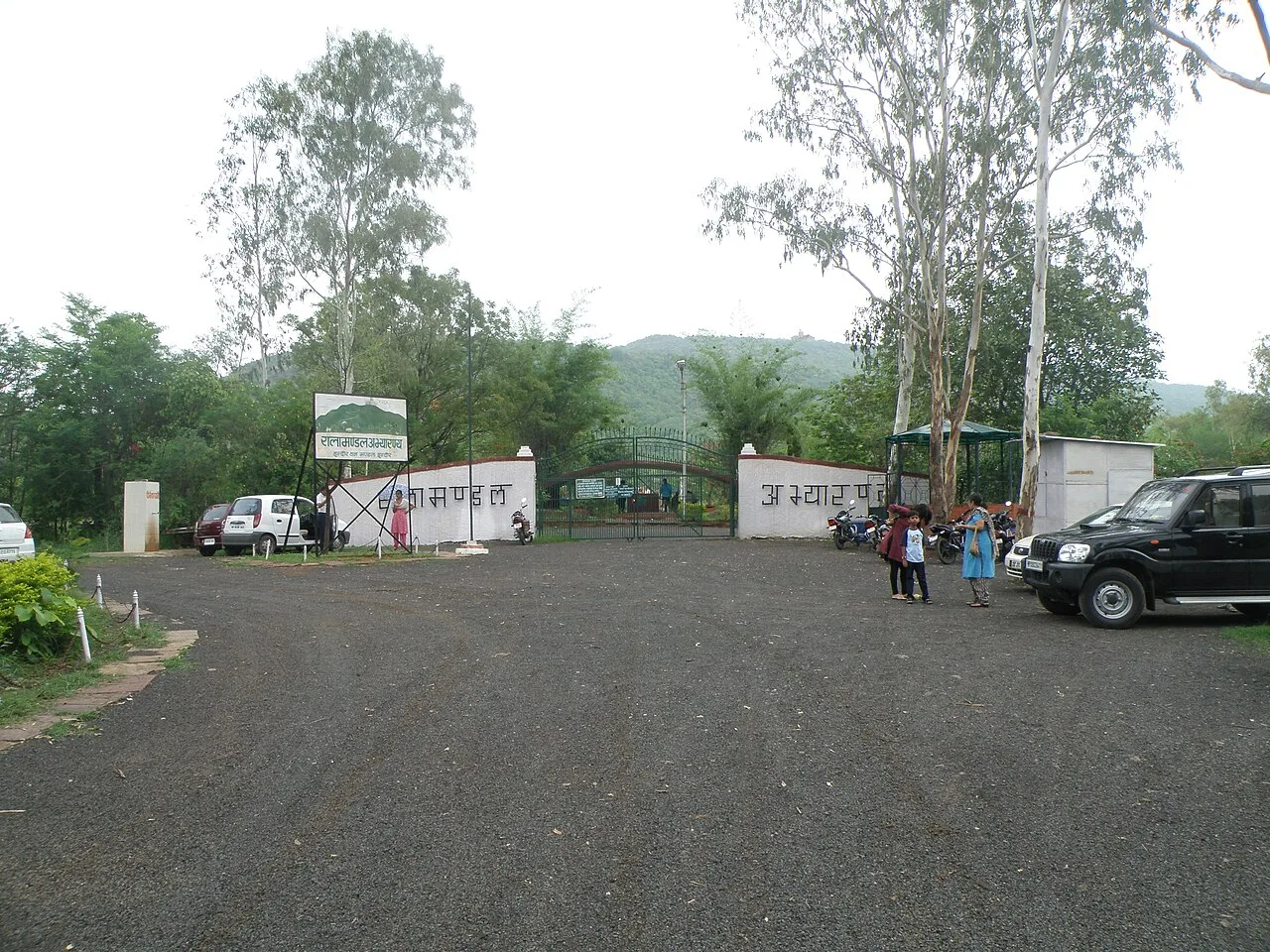
Ralamandal Wildlife Sanctuary

Established in 1989, Ralamandal Wildlife Sanctuary is a five-square-kilometre protected area in Indore district, Madhya Pradesh. Visitors come to see its birds, other wildlife and old hunting lodge.

Bhojshala

196 km away · Dhar district

Bhojshala

Bhojshala is a historic complex in Dhar, Madhya Pradesh, associated with Sanskrit learning under the Paramāras. Visitors come to see its architecture, inscriptions and archaeological remains, as well as its layered religious history.

Bhoj Wetland, Bhopal

209 km away · Sehore district

Bhoj Wetland, Bhopal

Bhoj Wetland is a two-lake complex in Bhopal, Madhya Pradesh. Visitors are drawn to its wetland habitats, varied wildlife and waterbirds.

Map

Garot on the map

  1. 1Kal Bhairav Temple
  2. 2Mahakaleshwar Jyotirlinga
  3. 3Kanch Mandir
  4. 4Rajwada
  5. 5Sarafa Bazaar
  6. 6Ralamandal Wildlife Sanctuary
  7. 7Bhojshala
  8. 8Bhoj Wetland, Bhopal

Madhya Pradesh

Other cities to explore