Ghumoopedia — Explore, Discover, Experience
Sign in

City guide · Madhya Pradesh

Sabalgarh

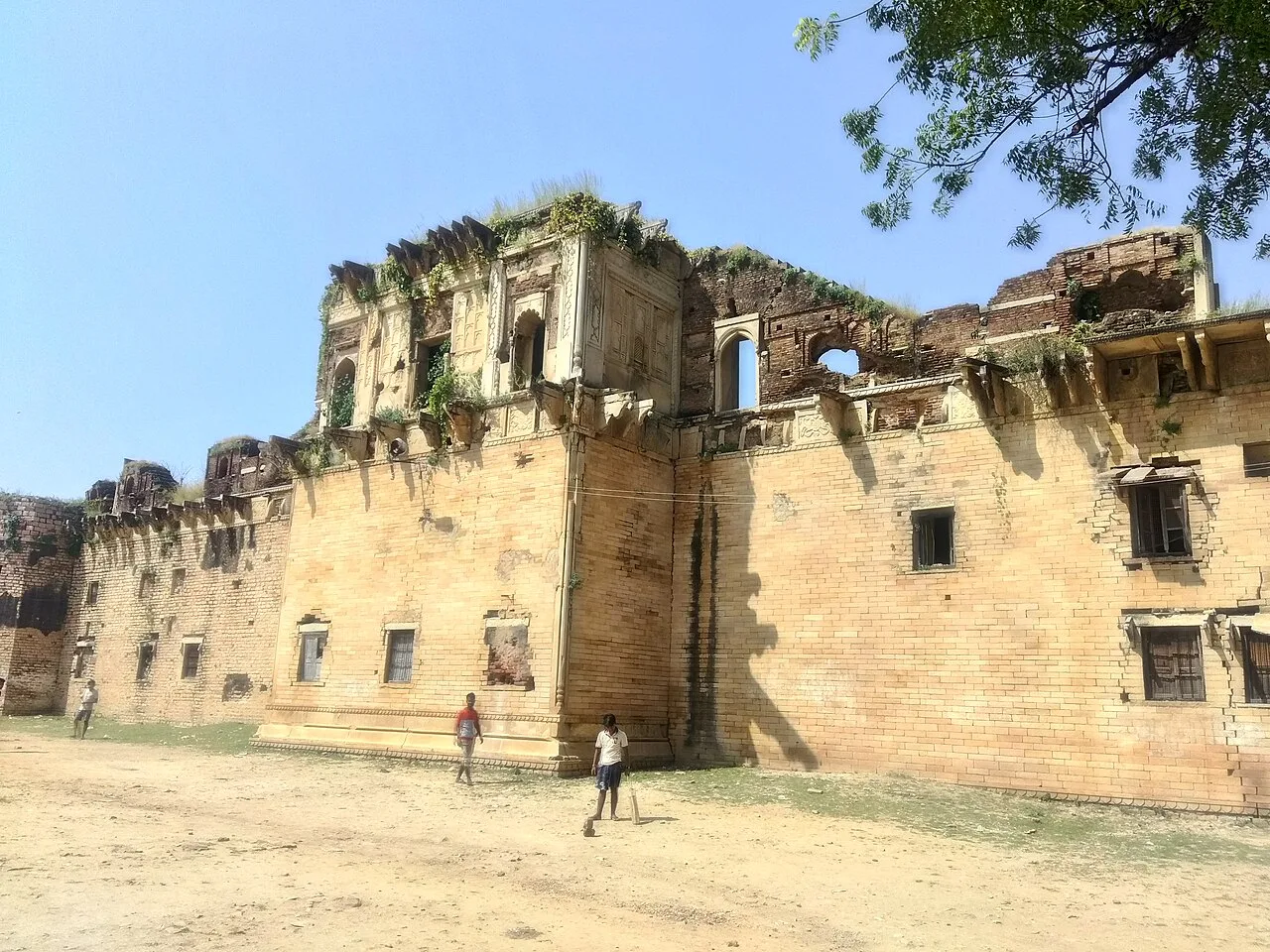
Sabalgarh is a small municipality in Morena district, in northern Madhya Pradesh, whose appeal lies in its layered history and its setting among the rivers and landscapes of the Chambal region. The town is best known for Sabalgarh Fort, a substantial but now ruined hilltop complex associated with Gurjar leader Sabal Singh.

Famous for

  • Sabalgarh Fort
  • Kuno–Chambal siphon
  • Chambal River wildlife
  • Gurjar heritage
  • Fort hauntings folklore

Why Sabalgarh matters

Sabalgarh is a small municipality in Morena district, in northern Madhya Pradesh, whose appeal lies in its layered history and its setting among the rivers and landscapes of the Chambal region. The town is best known for Sabalgarh Fort, a substantial but now ruined hilltop complex associated with Gurjar leader Sabal Singh. Its remains include defensive works, a principal palace and other buildings, making it the main draw for visitors interested in local history and architecture. Stories of hauntings have also become part of the fort’s popular reputation, though they belong to folklore rather than documented history.

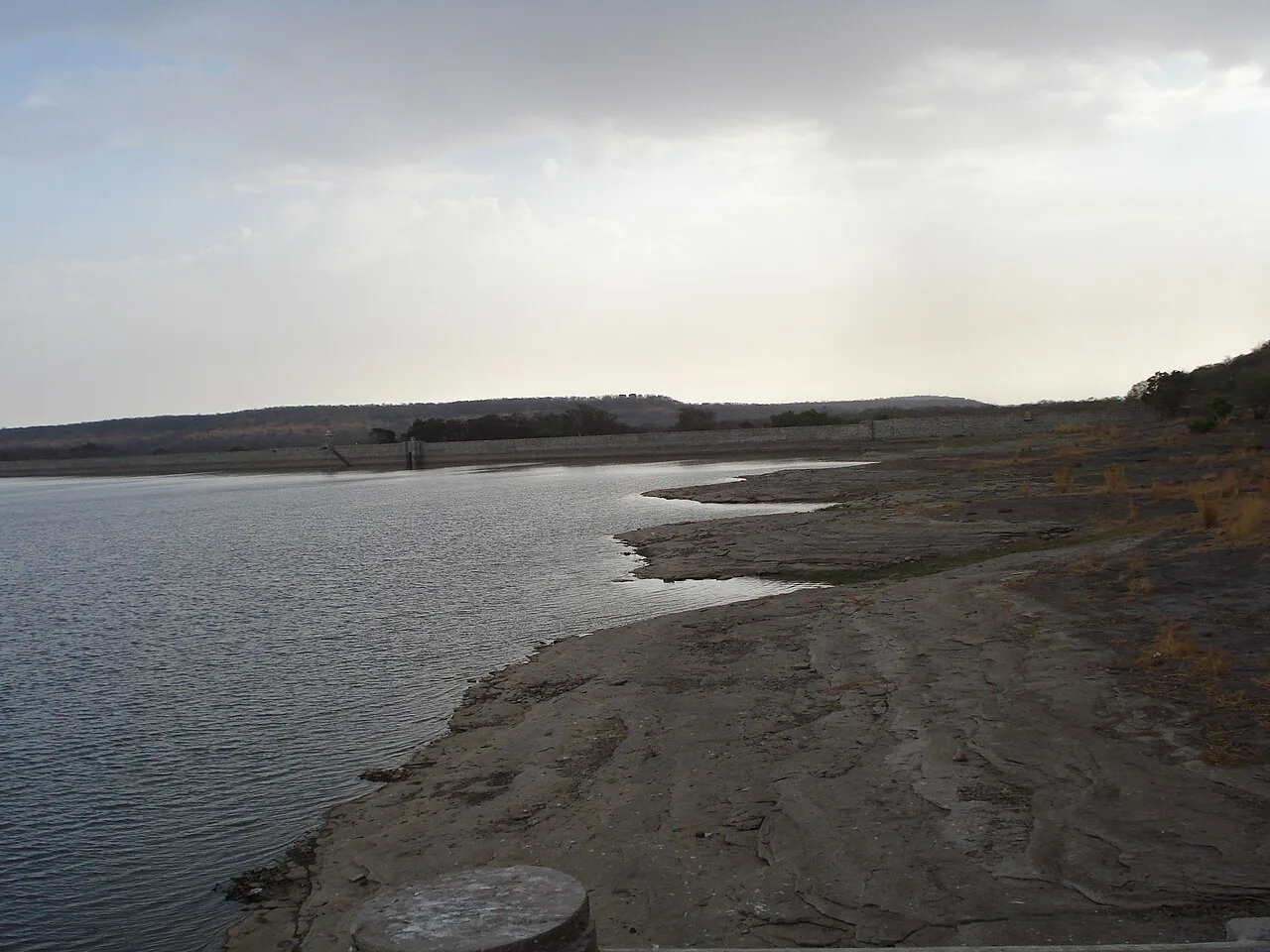
The surrounding area adds a different reason to visit. The Chambal River, about 20 kilometres away, is known as habitat for the Indian gharial, often called an alligator locally. Around 50 kilometres from town, a large siphon at the meeting of the Kuno River and the Chambal Right Main Canal is another notable engineering landmark. Sabalgarh is therefore a useful base for exploring heritage, waterways and the wider rural landscape of Morena district, rather than a destination known for a major shopping or resort scene.
Famous for: crafts, trade & products

Sabalgarh is not widely identified with a signature textile, handicraft, GI-tagged product or large manufacturing industry. Its strongest associations are instead its historic fort and the water infrastructure of the surrounding region. Visitors looking for locally made crafts or a particular specialty product should keep expectations modest and ask locally about current availability rather than assume there is a dedicated craft market.

The town’s shops and market area serve everyday needs for residents and nearby settlements. They are the practical places to look for groceries, household goods, snacks and routine travel supplies, while small eateries offer a chance to try familiar regional food. The fort and the Kuno–Chambal siphon are landmarks to visit, not retail destinations. For a wider choice of branded goods, specialist products or organized shopping, travellers may need to look to larger centres in Morena district or beyond. Sabalgarh’s identity is consequently more closely tied to its Gurjar heritage, fort ruins and position near the Chambal and Kuno waterways than to a distinctive commercial product.

History

Sabalgarh’s history is closely connected with its fort. The town is traditionally associated with Sabala Singh Gujjar, who founded it. In the 17th century, Gurjar sardar Sabal Singh, a noble in the court of the rulers of Karauli, built the fort. The complex combined defensive works with a main palace and other buildings, reflecting its role as a seat of power as well as a stronghold. Control of the fort changed hands among different rulers over time, although a simple, continuous account of each transfer is not well established.

The fort now stands in ruins, but it remains the most visible reminder of the town’s earlier political importance. Stories of ghosts and hauntings have attached themselves to the site and form part of local lore. In modern times, Sabalgarh has developed as a municipality within Morena district, serving its surrounding communities. The nearby Chambal Right Main Canal and the major siphon at its junction with the Kuno River also reflect the region’s more recent importance in water management and infrastructure.

Food, festivals & culture

Hindi is widely used in daily life in Sabalgarh, alongside local speech shaped by the linguistic traditions of northern Madhya Pradesh and neighbouring regions. There is no single food or sweet that defines the town for visitors. Local eateries and market stalls are the most practical places to sample everyday regional meals and familiar snacks; offerings vary, so travellers can ask what is freshly prepared rather than expect a fixed menu of specialties.

Holi in spring, Navratri and Dussehra in the autumn, and Diwali are among the major Hindu festivals observed in the area. Eid is also celebrated by Muslim communities. Worship and community gatherings take place at local temples and mosques, though Sabalgarh is not especially known for one nationally prominent shrine. Religious songs, bhajans and seasonal folk performance are part of the wider cultural life of the region. The fort’s ghost stories add a popular, informal strand to local culture, but the site’s documented interest is its architecture and history.

Visiting the city

The cooler months, roughly from October to March, are generally the most comfortable time to explore Sabalgarh and its exposed fort ruins. Summers can be very hot, while monsoon conditions may affect outdoor plans. Gwalior Airport is the nearest major airport commonly used for air access. Morena Junction is a useful broad-gauge rail connection; Sabalgarh also has a local railway station, but travellers should check whether services are operating before planning around it.

Auto-rickshaws and local vehicles are practical for getting around town; arrange transport in advance for the fort, river areas or the siphon outside town. Begin with Sabalgarh Fort and the central market area, then explore the surrounding countryside with a local driver. The Chambal River and the Kuno–Chambal siphon are separate excursions, so allow time for road travel and check local access conditions, especially near the river.

Trips from the city

Nearest places to visit from Sabalgarh

Our closest destination guides, by straight-line distance.

Gwalior Fort

76 km away · Gwalior district

Gwalior Fort

Gwalior Fort is an ancient hill stronghold in Madhya Pradesh, visited for its historic palaces, successive rulers and inscriptions, including an early place-value record of zero.

Jai Vilas Mahal

76 km away · Gwalior district

Jai Vilas Mahal

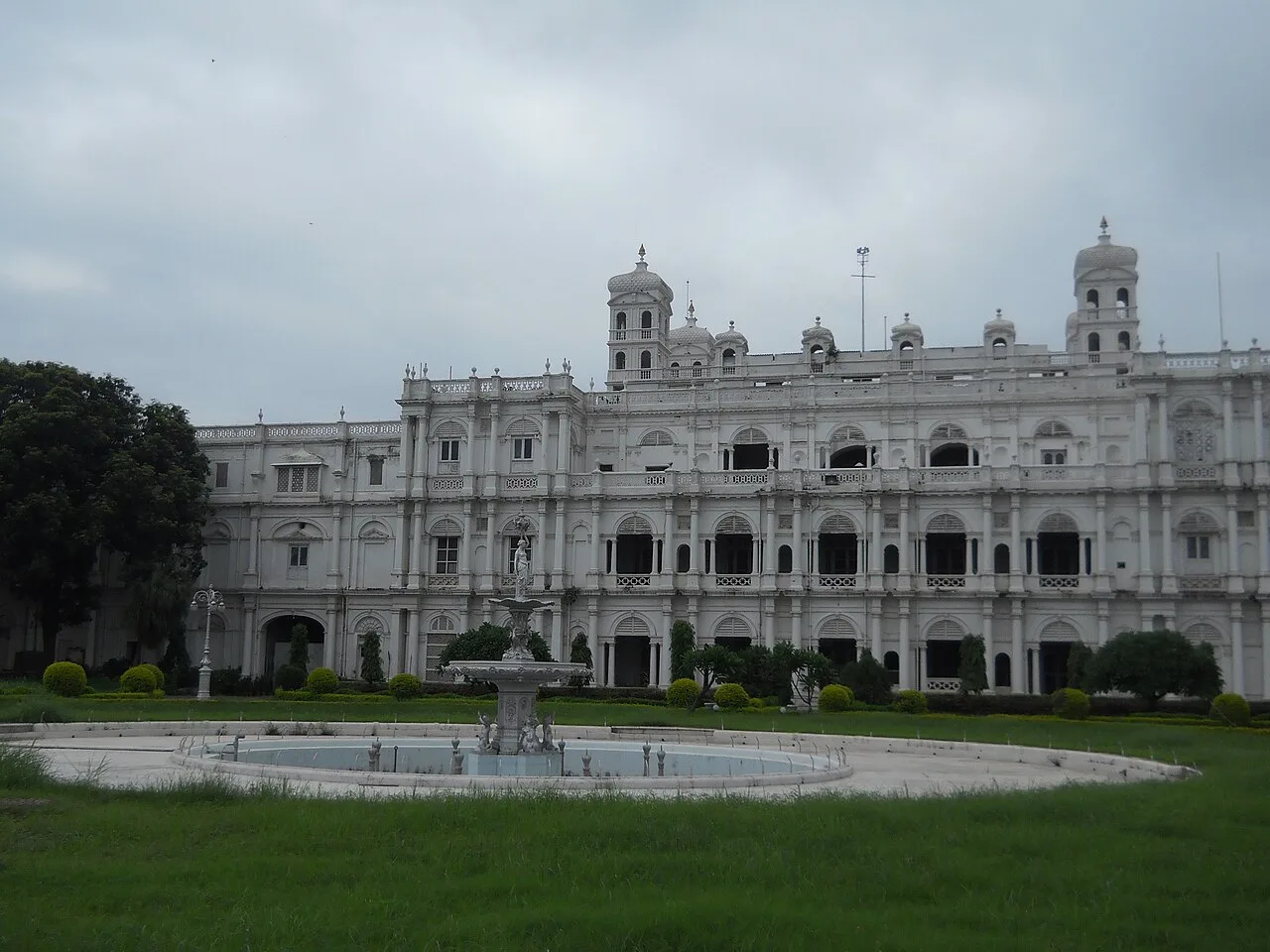
Jai Vilas Mahal is a royal residence dating to the 1800s in Gwalior, Madhya Pradesh. Visitors come to see the Jiwajirao Scindia Museum, which occupies most of the palace.

Sasbahu Temple

76 km away · Gwalior district

Sasbahu Temple

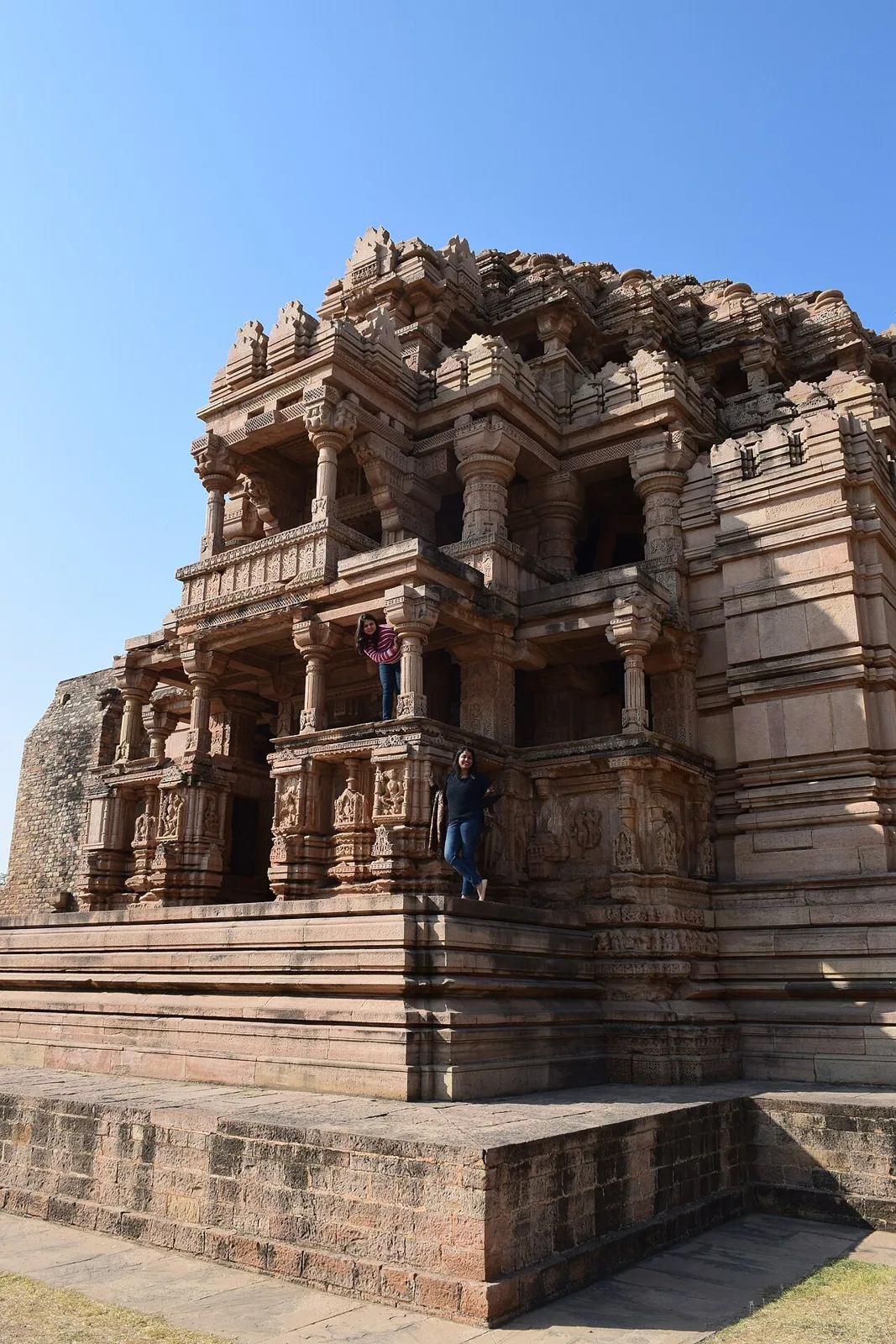
The Sasbahu Temples are a pair of eleventh-century shrines within Gwalior Fort, Madhya Pradesh. Visitors come to see their surviving architecture and damaged stone carvings.

Teli ka Mandir

76 km away · Gwalior district

Teli ka Mandir

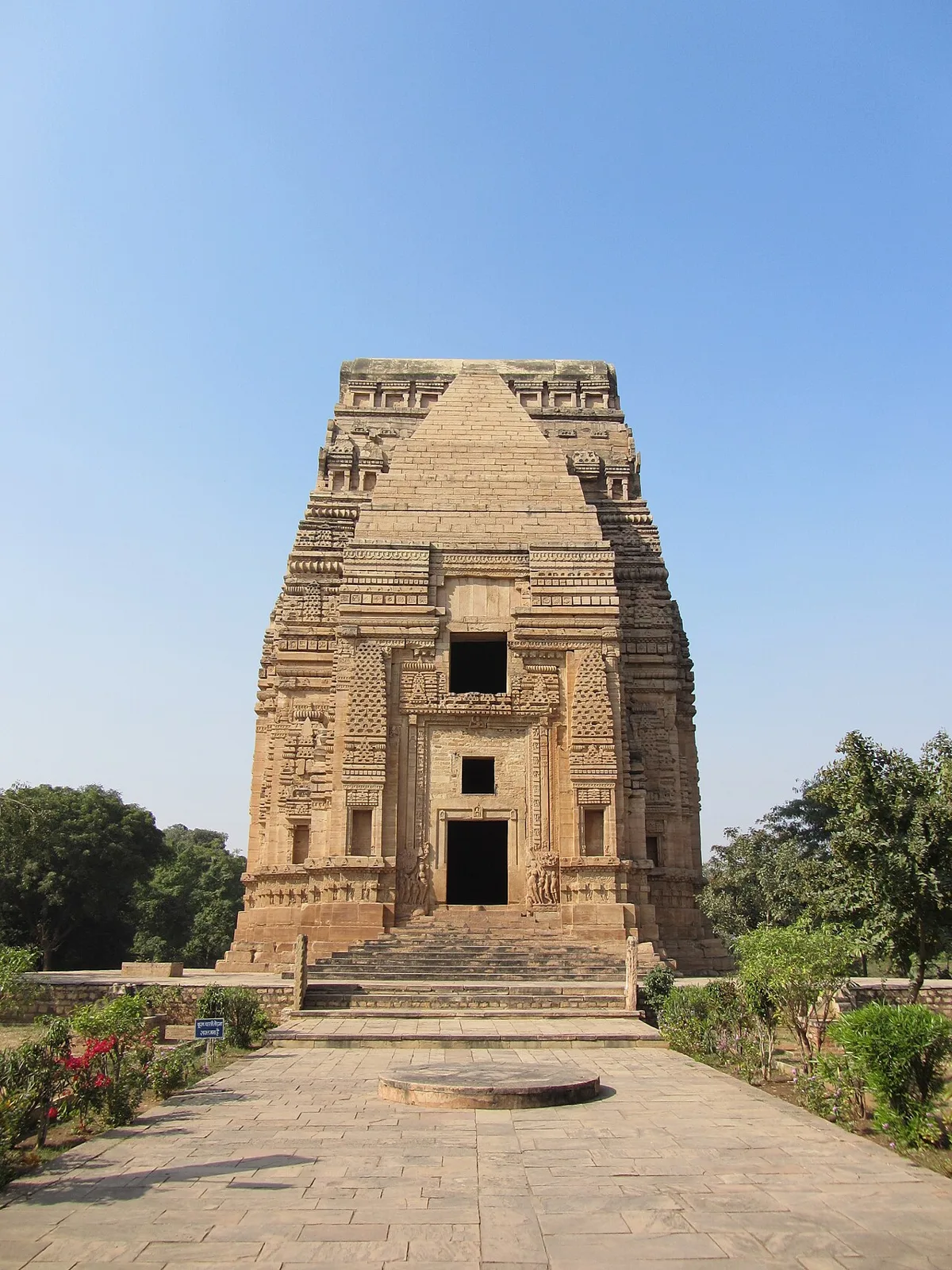
Teli ka Mandir is a Hindu shrine within Gwalior Fort, noted for its unusual rectangular sanctuary and blend of architectural traditions. Visitors come to see its distinctive design and historic character.

Bateshwar Hindu temples

81 km away · Morena district

Bateshwar Hindu temples

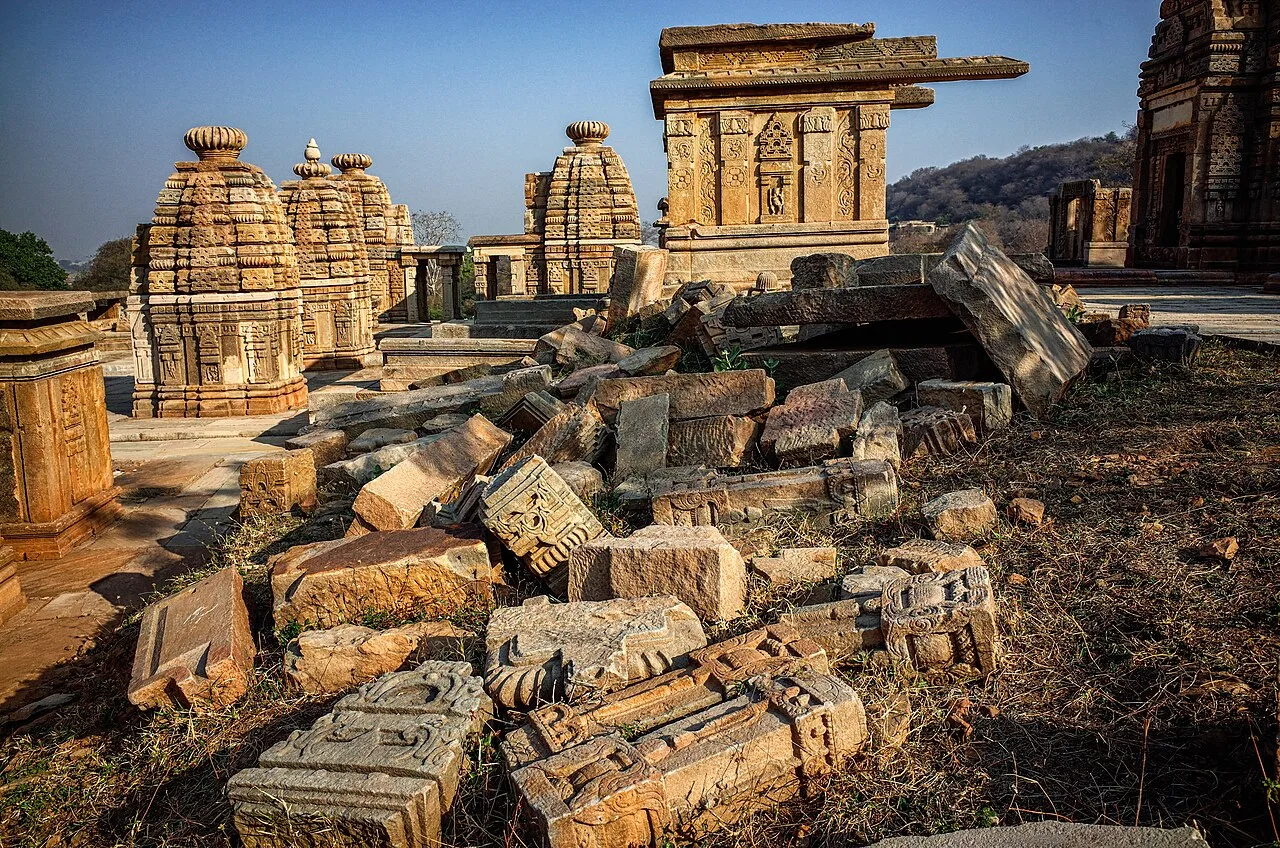
Bateshwar is a cluster of sandstone Hindu shrines and ruins in Madhya Pradesh, visited for its early temple architecture and the remains of a complex dedicated to Shiva, Vishnu and Shakti.

Chausath Yogini Temple

85 km away · Morena district

Chausath Yogini Temple

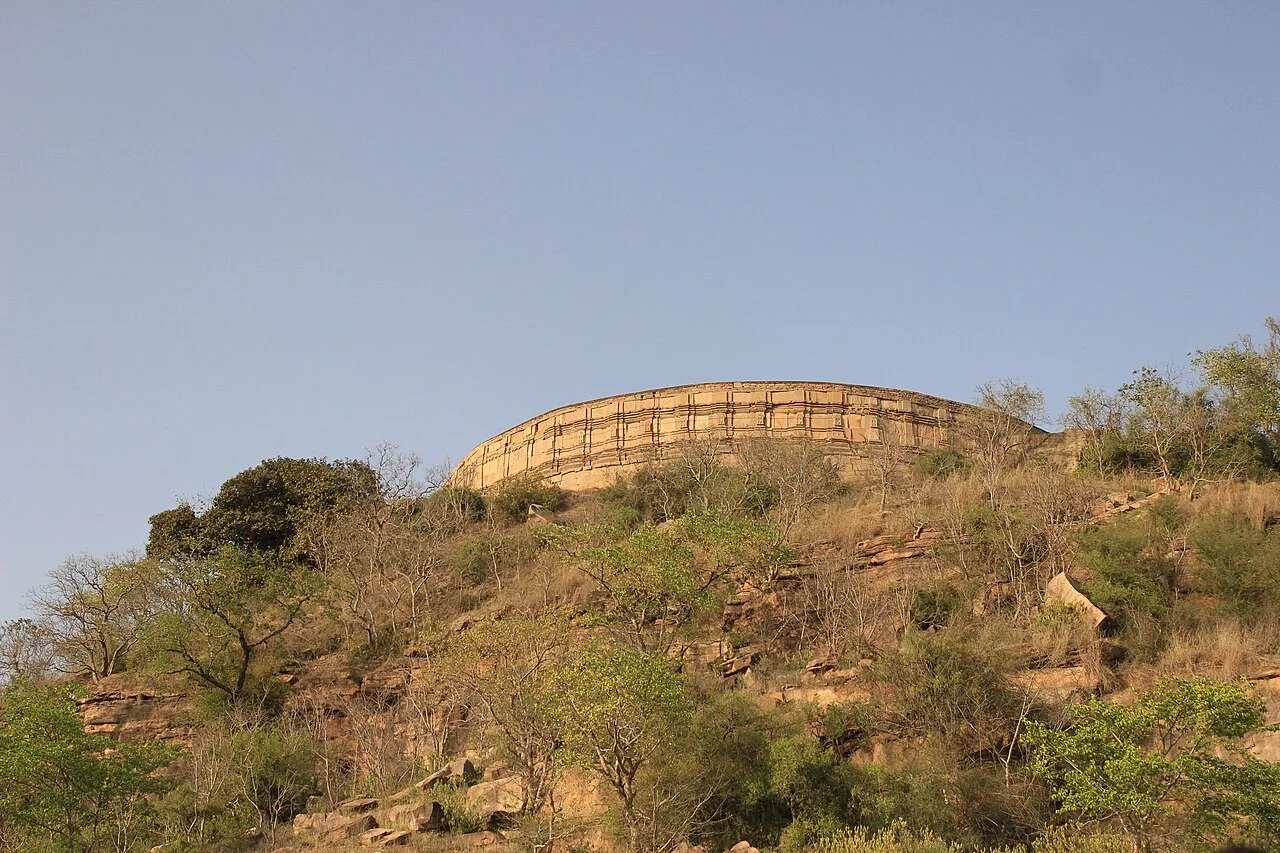
In Morena district, Madhya Pradesh, the 11th-century Chausath Yogini Temple is a Kachchhapaghata-period shrine. Visitors come to see its circular design and chambers associated with the yoginis.

Madhav National Park

93 km away · Shivpuri district

Madhav National Park

Madhav National Park is a protected area in Shivpuri district, Madhya Pradesh. Visitors come to explore its natural setting and see Sakhya Sagar, the reservoir within the park.

Gohad Fort

105 km away · Bhind district

Gohad Fort

Gohad Fort is a historic site in Gohad, Madhya Pradesh, and attracts interest for its historical importance; the town is 45 km from Gwalior.

Map

Sabalgarh on the map

  1. 1Gwalior Fort
  2. 2Jai Vilas Mahal
  3. 3Sasbahu Temple
  4. 4Teli ka Mandir
  5. 5Bateshwar Hindu temples
  6. 6Chausath Yogini Temple
  7. 7Madhav National Park
  8. 8Gohad Fort

Madhya Pradesh

Other cities to explore