Ghumoopedia — Explore, Discover, Experience
Sign in

City guide · Madhya Pradesh

Dindori

The district is home to Gond and Baiga communities, whose traditions are an important part of local identity. Visitors may come to explore the region’s rivers, forests and village life, or use Dindori as a base for journeys to sites elsewhere in the district.

Famous for

  • Narmada River setting
  • Gond and Baiga heritage
  • Ramgarh and Avantibai
  • Kodo-kutki millets

Why Dindori matters

The district is home to Gond and Baiga communities, whose traditions are an important part of local identity. Visitors may come to explore the region’s rivers, forests and village life, or use Dindori as a base for journeys to sites elsewhere in the district. The town itself is useful for local services, markets and connections rather than a concentration of large visitor attractions. Its regional importance is administrative as well as cultural: Dindori coordinates public services for a broad rural hinterland and links travellers to settlements across the district. The surrounding countryside and its living traditions are central to understanding the place.
Famous for: crafts, trade & products

Dindori is not chiefly known as a textile or manufacturing centre, and no widely established city-specific GI-tagged product defines its trade. Its strongest product association is with millets, especially kodo and kutki, which are grown in the wider region and feature in local food traditions. These grains and other everyday produce are most likely to be encountered through town shops and local markets rather than specialist tourist outlets.

Gond and Baiga artistic traditions are important to the district’s cultural identity. Work inspired by these traditions may appear at local fairs or community events, though availability varies and visitors should not assume there is a permanent craft market. Dindori’s markets primarily serve residents and nearby villages, with everyday goods, agricultural produce and household necessities. The town is a practical place to ask about locally made items or seasonal produce, but it is not widely recognised for a signature saree, textile, large-scale industry or dedicated craft bazaar. For a more meaningful encounter with regional art and products, seek out locally organised fairs and cultural events and ask about the makers and communities involved.

History

Dindori’s past is connected to the history of the Gond-ruled territories of central India. The area was once part of Mandla district, and Gond influence remains an important strand in its regional identity. Ramgarh, in present-day Dindori district, is remembered in local history and folklore through Rani Avantibai Lodhi, who is associated with resistance to British rule during the uprising of 1857.

Under colonial administration, the wider region was governed through changing territorial arrangements; the available local record does not support a detailed account of Dindori town’s development in that period. Its modern role became clearer when Dindori district was formed on 25 May 1998, with the town as its headquarters. The district became part of Jabalpur Division. Since then, Dindori has served as an administrative and service centre for surrounding rural settlements. Its growth is closely tied to government offices, local commerce and the needs of the district rather than to a major industrial or railway expansion.

Food, festivals & culture

Local food reflects the rural and tribal setting, with grains such as kodo and kutki, alongside rice, maize, pulses and seasonal vegetables, forming part of everyday meals. Recipes and ingredients vary between households and communities. Visitors are more likely to find simple regional cooking than a distinct restaurant-led food scene; ask locally about seasonal dishes and sweets, as availability can change. Mahua has cultural importance in some communities, but practices differ and should not be treated as universal.

Hindi is widely used, alongside regional speech and languages such as Gondi in some communities. Gond and Baiga traditions contribute to local music, oral storytelling, dance and visual art. Community and harvest celebrations are observed at different times of year; Holi, Diwali and other widely celebrated Hindu festivals are also part of the calendar. Karma and other community dances may be associated with local gatherings, though performances are not scheduled attractions. Temples and local places of worship serve residents, while village shrines and community customs reflect the area’s varied religious life.

Visiting the city

The cooler, drier months from October to March are generally the most comfortable for exploring Dindori and its surroundings. The nearest practical air gateway is Jabalpur Airport; Jabalpur Junction is a major railway gateway for onward road travel. Dindori itself is not a rail-connected town, so check current transport connections before setting out. Buses and shared or hired road transport serve regional routes, while local autos and taxis can help with short journeys where available.

Start around the town centre for everyday markets and civic buildings, then explore the Narmada-side setting and ask locally about access to nearby places of interest. Dindori works best as a base for district excursions, including Ramgarh, rather than as a large urban sightseeing destination. Road conditions and services can vary outside town, so allow flexibility for rural trips.

Trips from the city

Nearest places to visit from Dindori

Our closest destination guides, by straight-line distance.

Amarkantak

76 km away · Amarkantak district

Amarkantak

Amarkantak is a pilgrimage town and Nagar Panchayat in Anuppur, Madhya Pradesh, known for its river sources and religious associations, including the place linked to Kabir’s meditation.

Bandhavgarh Fort

83 km away · Bandhavgarh district

Bandhavgarh Fort

Bandhavgarh Fort is a historic stronghold in Umaria district, Madhya Pradesh, within Bandhavgarh National Park, drawing interest for its landscape and long political history.

Bandhavgarh National Park

85 km away · Bandhavgarh district

Bandhavgarh National Park

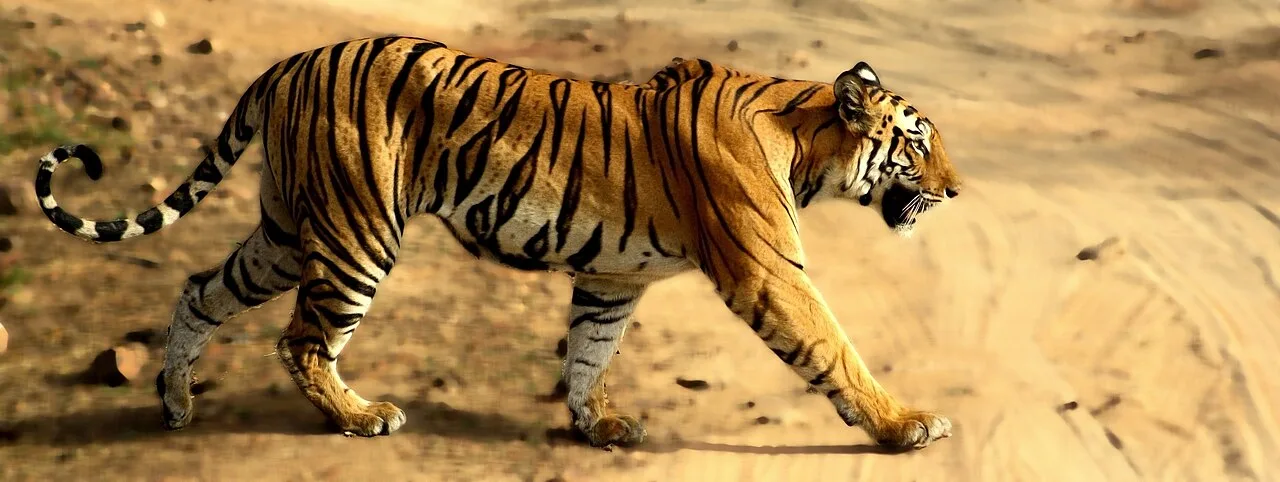
Bandhavgarh National Park, in Umaria district, Madhya Pradesh, is a protected area with extensive forests and diverse wildlife. Visitors are drawn especially by its tigers and other animals.

Kanha Tiger Reserve

91 km away · Kanha district

Kanha Tiger Reserve

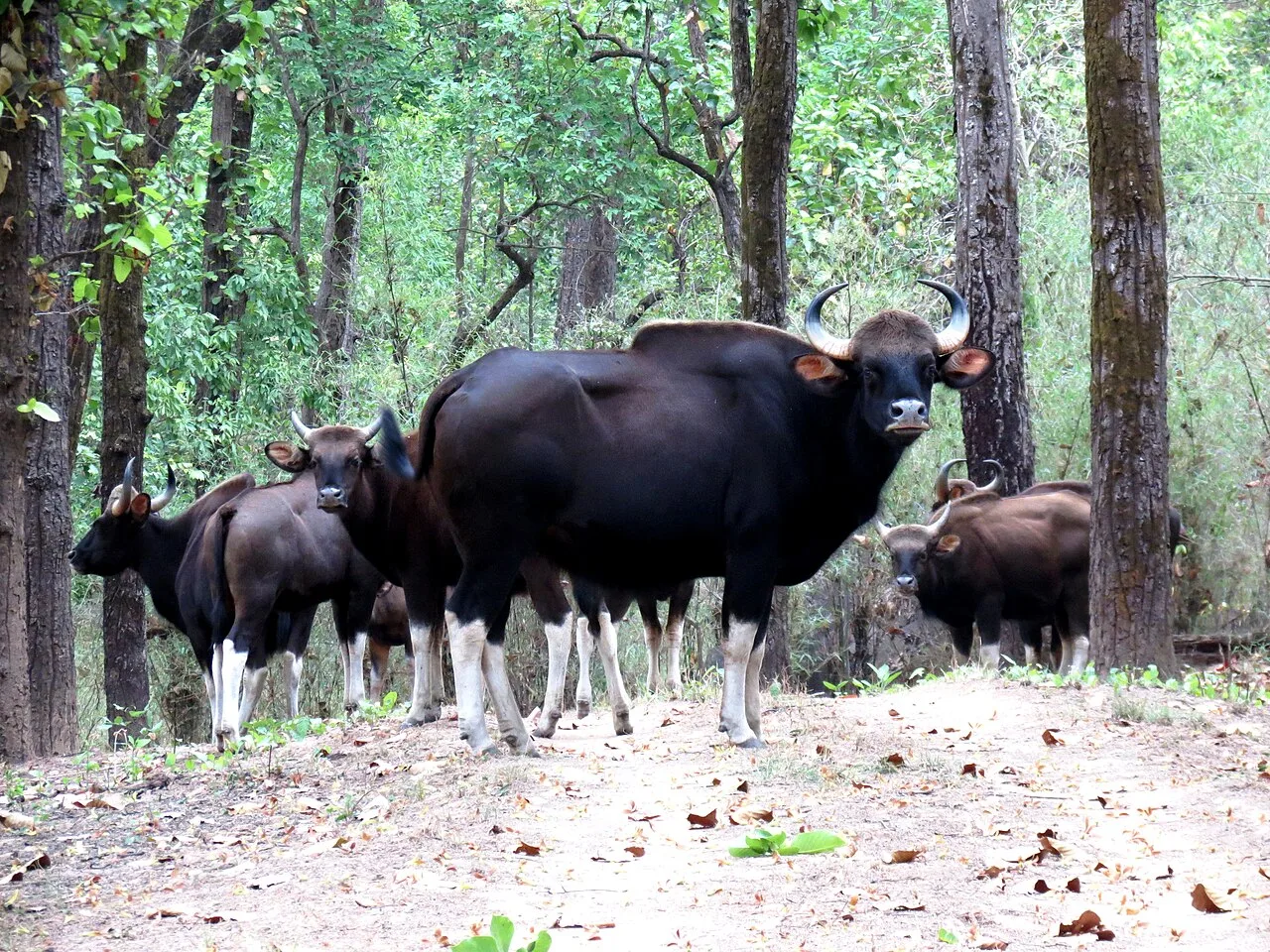
Situated in Madhya Pradesh, Kanha Tiger Reserve is a major protected area that draws visitors interested in Bengal tigers, barasingha and other wildlife, including leopards, sloth bears and dholes.

Madan Mahal

123 km away · Jabalpur district

Madan Mahal

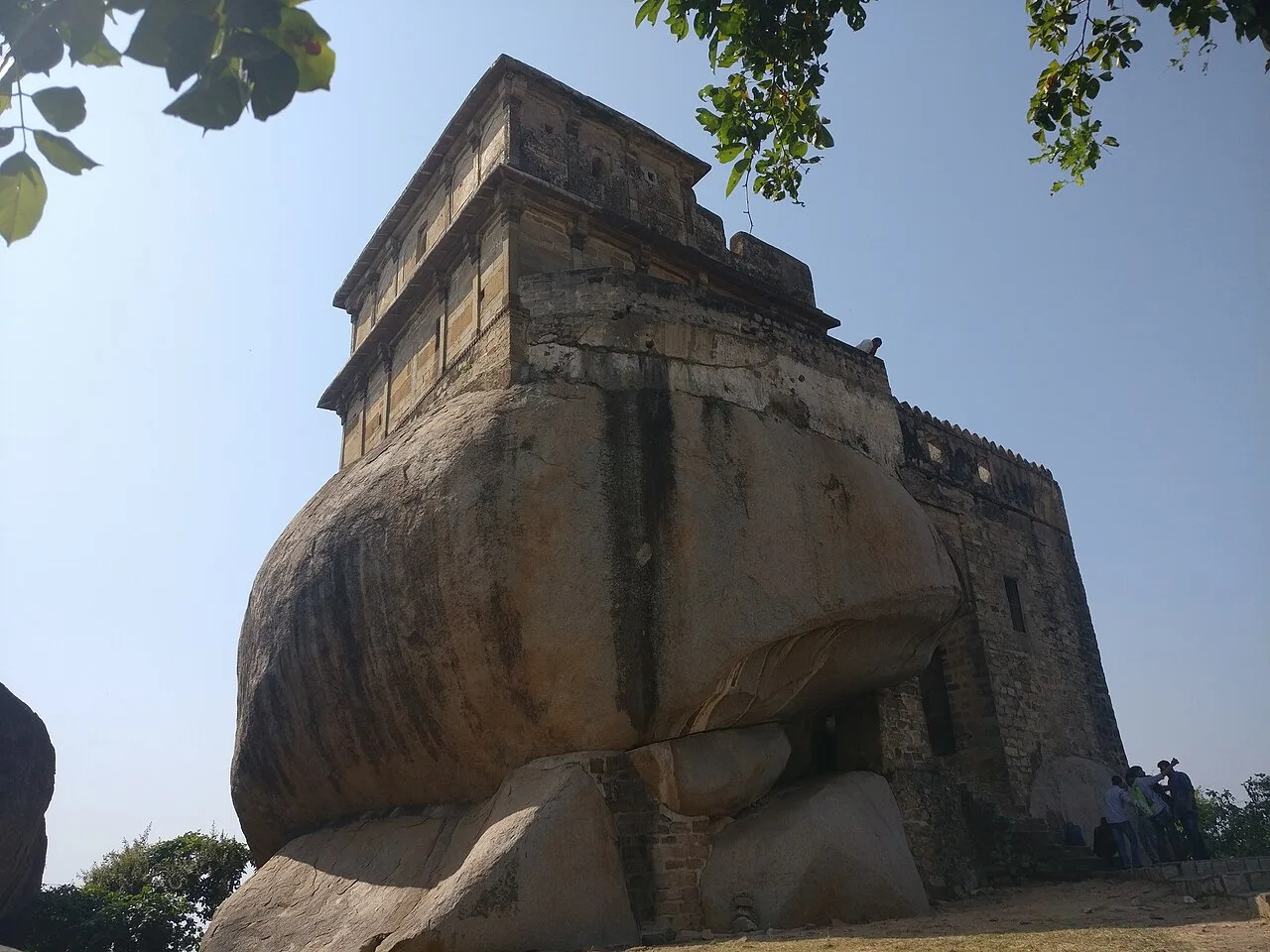
Madan Mahal is a suburb in Jabalpur district, Madhya Pradesh, best known for the historic Durgavati fort. Visitors come to see the hilltop fort associated with Raja Madan Singh.

Dhuandhar Falls

132 km away · Jabalpur district

Dhuandhar Falls

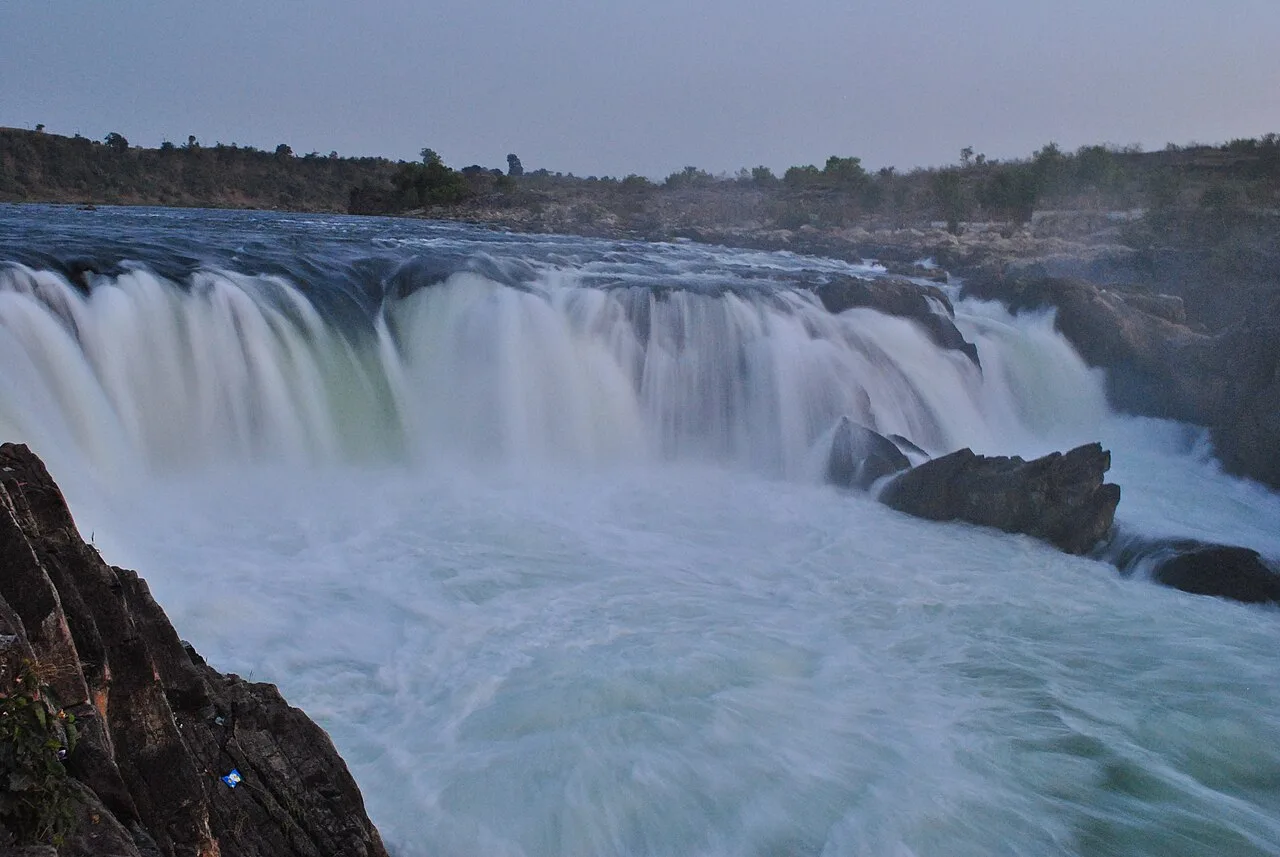
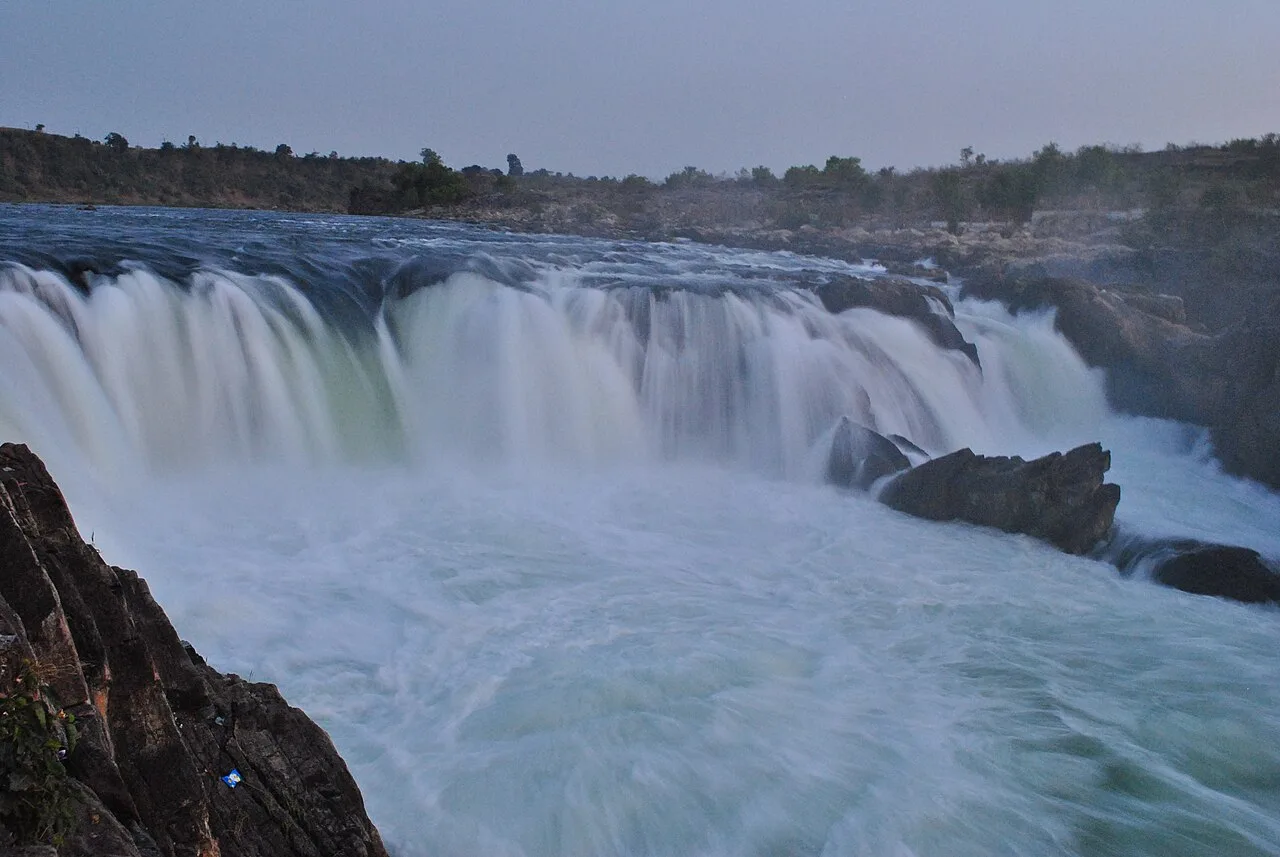
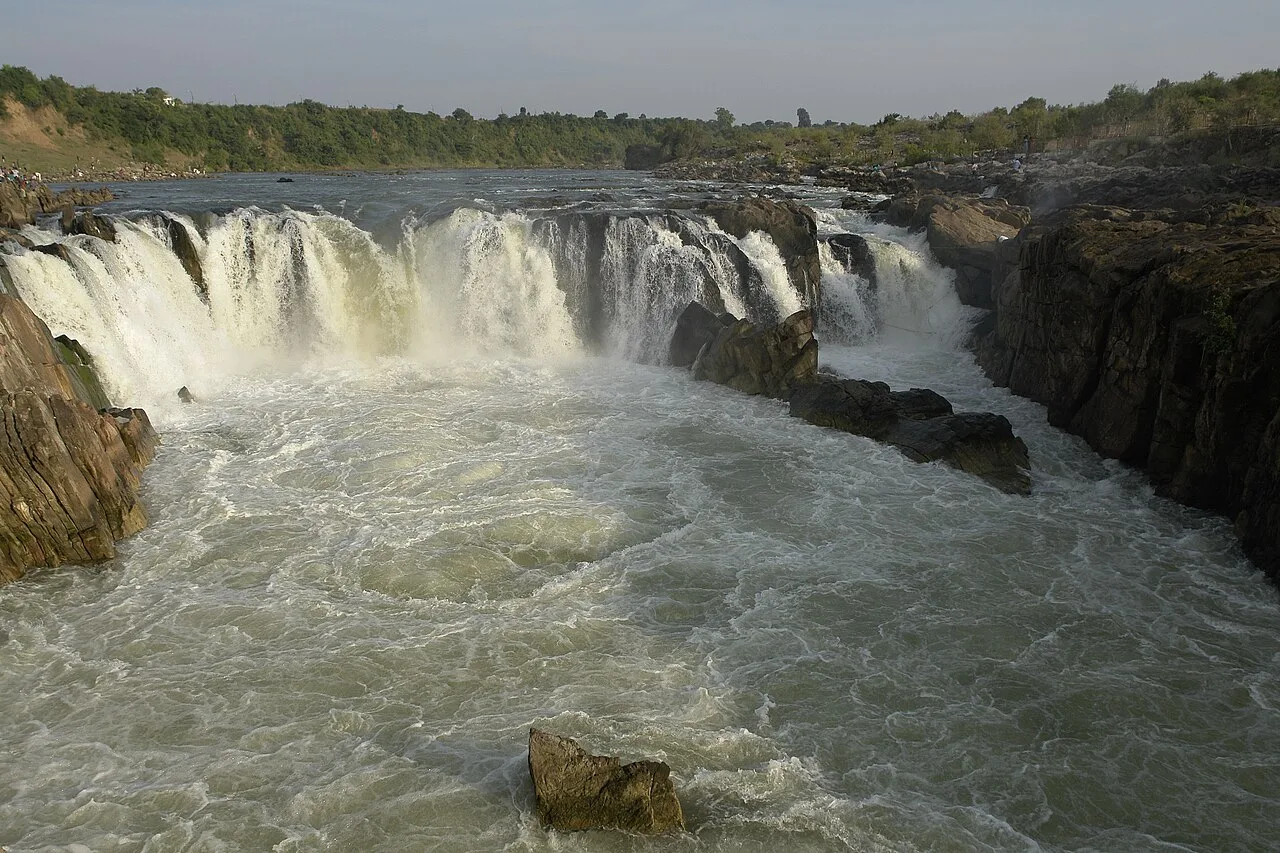
Dhuandhar Falls is a waterfall located in Jabalpur district, Madhya Pradesh. Visitors come to see the falls, a natural feature of the district.

Bhedaghat

133 km away · Jabalpur district

Bhedaghat

Bhedaghat, a nagar panchayat in Jabalpur district, Madhya Pradesh, draws visitors to the Narmada’s marble gorge and the misty cascade at Dhuandhar Falls.

Marble Rocks

133 km away · Jabalpur district

Marble Rocks

Marble Rocks is a gorge carved into marble by the Narmada at Bhedaghat, near Jabalpur in Madhya Pradesh. Visitors come to see the river-shaped landscape and locally made marble figures.

Map

Dindori on the map

  1. 1Amarkantak
  2. 2Bandhavgarh Fort
  3. 3Bandhavgarh National Park
  4. 4Kanha Tiger Reserve
  5. 5Madan Mahal
  6. 6Dhuandhar Falls
  7. 7Bhedaghat
  8. 8Marble Rocks

Madhya Pradesh

Other cities to explore