Ghumoopedia — Explore, Discover, Experience
Sign in
Maheshwar Ghats, near Palsud

City guide · Madhya Pradesh

Palsud

Palsud is a small town and Nagar Parishad in Barwani district, in western Madhya Pradesh. Its identity is closely tied to the Nimar region and its setting in the Satpura hills, beside the Goi River.

Famous for

  • Nimar-region setting
  • Goi River banks
  • Satpura landscape
  • Barwani district town

Why Palsud matters

Palsud is a small town and Nagar Parishad in Barwani district, in western Madhya Pradesh. Its identity is closely tied to the Nimar region and its setting in the Satpura hills, beside the Goi River. For visitors, that landscape and the experience of a smaller regional town are more central to its appeal than a major monument or a nationally known attraction.

Today Palsud serves as a local centre for residents of its surrounding area, with everyday shops and services concentrated around the town centre. It can also be a stopping point for travellers exploring the wider Barwani district and Nimar. The town is best described through its river-and-hill setting and regional character; there is no widely established signature craft, food or landmark for which it is known beyond the area. Visitors should plan around local transport and services rather than expect the infrastructure of a large tourist destination. A brief visit offers a glimpse of everyday life in this part of Madhya Pradesh and the landscapes around the Goi River.
Famous for: crafts, trade & products

Palsud is not widely associated with a particular textile, saree tradition, handicraft, GI-tagged product or large-scale industry. It is a local town in the Nimar region, and its shops primarily serve everyday needs. Travellers looking for a specific regional product should ask in the town’s central market or check with local residents, rather than expect a dedicated craft bazaar or a guaranteed selection of specialist goods.

The town’s commercial life is centred on local retail and services for Palsud and nearby settlements. No well-documented, visitor-oriented market or institution stands out as a city-wide attraction. Likewise, there is no established basis for describing a particular local product as a Palsud speciality. The wider Nimar and Barwani region has its own foodways and cultural traditions, but visitors should distinguish those regional associations from products made or sold specifically in Palsud. For a shopping-focused itinerary, it is sensible to treat Palsud as a practical stop for routine supplies and seek specialist shopping in larger regional centres.

History

Palsud’s history is best understood in the context of Nimar and the wider Barwani region. The area has long been shaped by settlement, farming, river routes and connections between communities across the Satpura landscape. However, a detailed, well-documented account of Palsud’s own early growth or local rulers is not readily established, so broader regional history should not be mistaken for a town-specific record.

During the colonial period, Barwani was a princely state under British paramountcy, and the surrounding region was administered through changing political arrangements. After independence and the formation of Madhya Pradesh, Palsud developed as a local urban centre within Barwani district. Its present civic identity is reflected in its status as a Nagar Parishad, serving residents through municipal administration and local services.

Food, festivals & culture

Daily life in Palsud reflects its Nimar setting and the mix of rural and town influences in Barwani district. Hindi is widely used, alongside regional speech such as Nimadi and, in the broader area, Bhili varieties. There is no clearly documented signature dish or sweet unique to Palsud. Visitors can expect familiar Madhya Pradesh and central Indian meals, with local eateries providing the best indication of what is prepared in season.

Holi, Diwali and Navratri are among the major Hindu festivals observed in the region, with dates following the Hindu lunar calendar. Tribal communities across parts of western Madhya Pradesh also maintain seasonal gatherings and traditions; the form and scale of observances vary from place to place. Music, dance and worship are generally rooted in community and religious occasions rather than staged tourist performances. Local temples and other places of worship are part of everyday town life, but visitors should ask locally about access and customary etiquette. Palsud is better approached as a place to encounter regional culture in ordinary settings than as a festival destination.

Visiting the city

The cooler months, roughly October to February, are generally the most comfortable time to visit. Summer can be very hot, while the monsoon brings greener scenery but may affect road conditions. The nearest major airport serving the area is Devi Ahilya Bai Holkar Airport in Indore. Palsud has no major railway station; Indore Junction is a principal rail gateway for onward travel, though travellers should check which railhead best suits their route. Road travel by bus, shared vehicle or taxi is the practical way to reach the town from regional centres.

In Palsud, explore the central market area for everyday town life and, where access is public, the Goi River’s banks. The surrounding Satpura scenery is another reason to pause, but confirm local road and access conditions before setting out. Services and visitor facilities are limited compared with larger cities, so arrange onward transport and accommodation in advance.

Trips from the city

Nearest places to visit from Palsud

Our closest destination guides, by straight-line distance.

Maheshwar Ghats

50 km away · Maheshwar district

Maheshwar Ghats

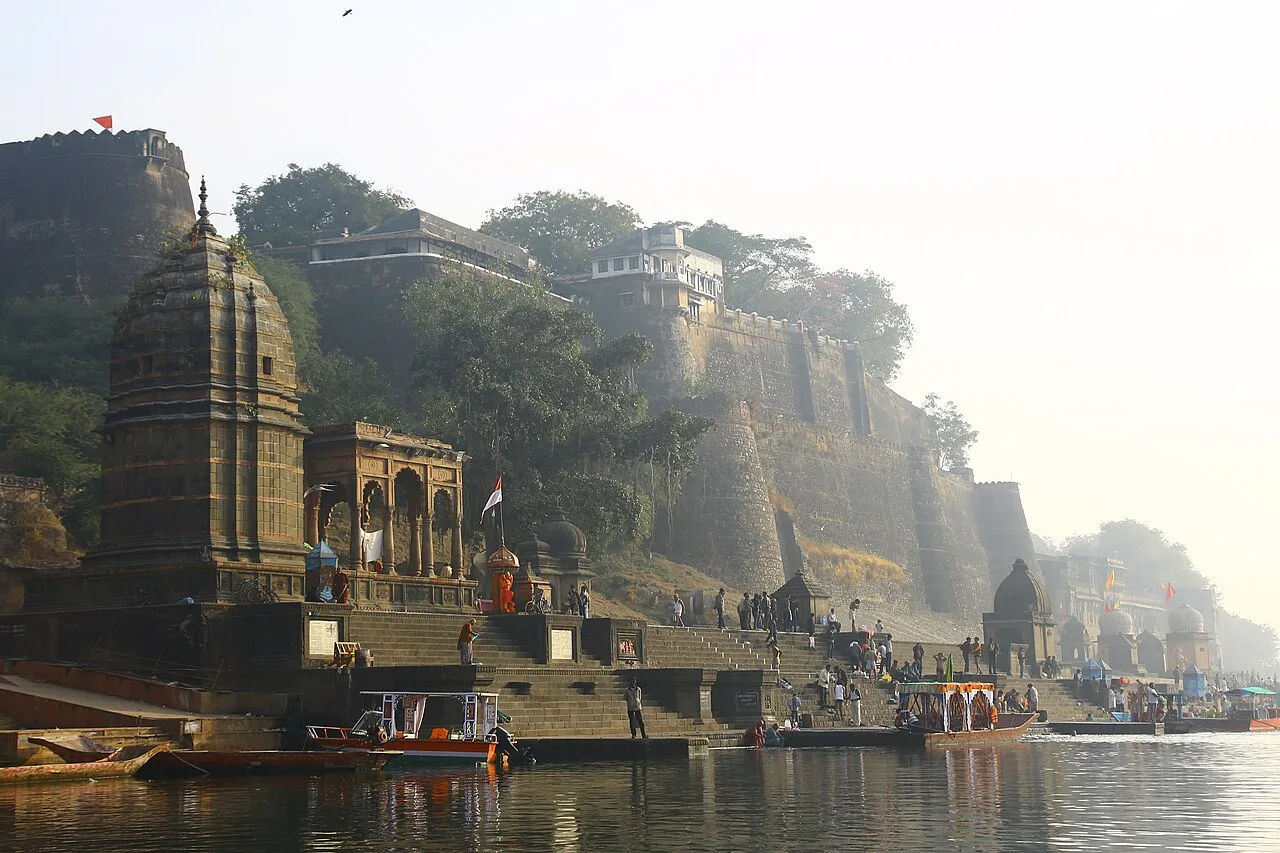
Maheshwar Ghats are riverfront steps in a historic town on the Narmada in Madhya Pradesh. Visitors come to see the ghats and learn about Maheshwar’s past as a capital under the Holkars.

Bagh Caves

58 km away · Dhar district

Bagh Caves

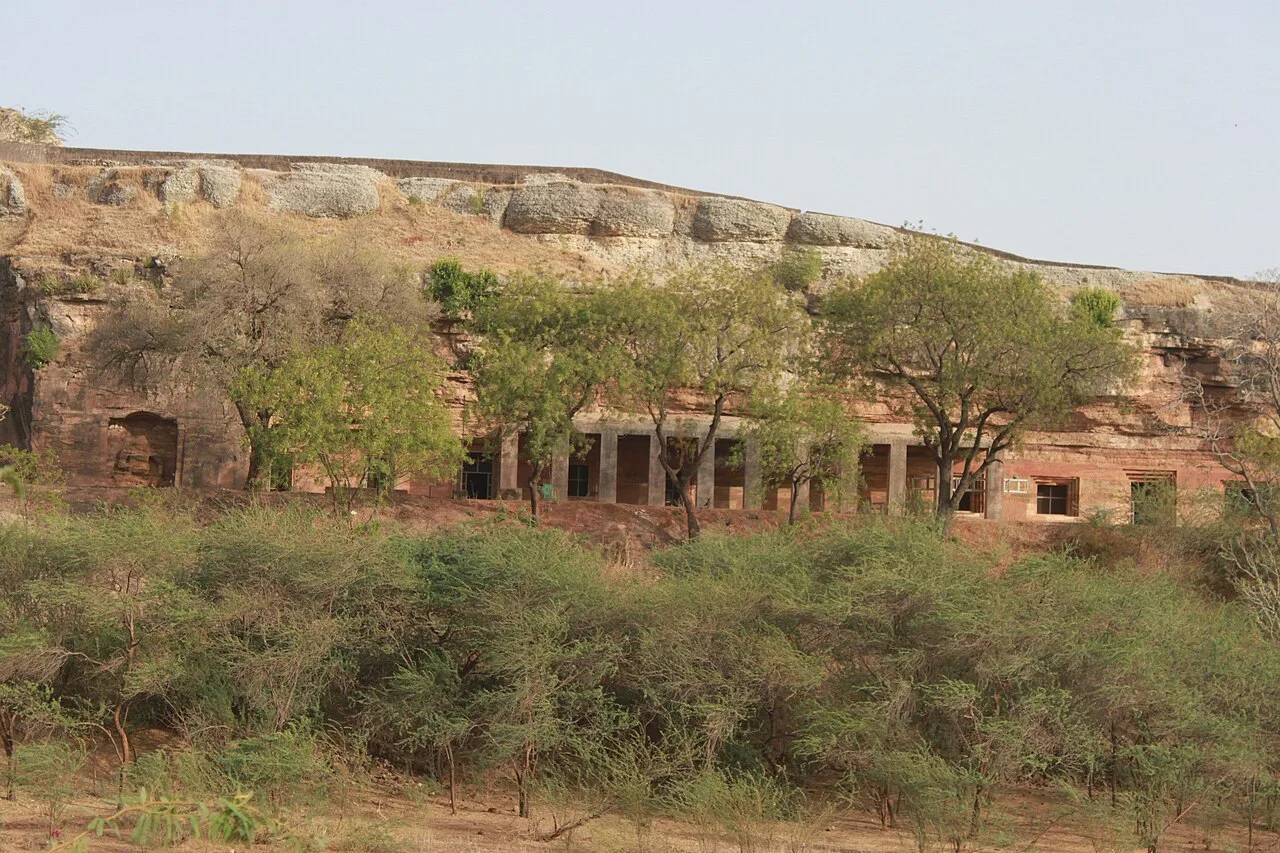
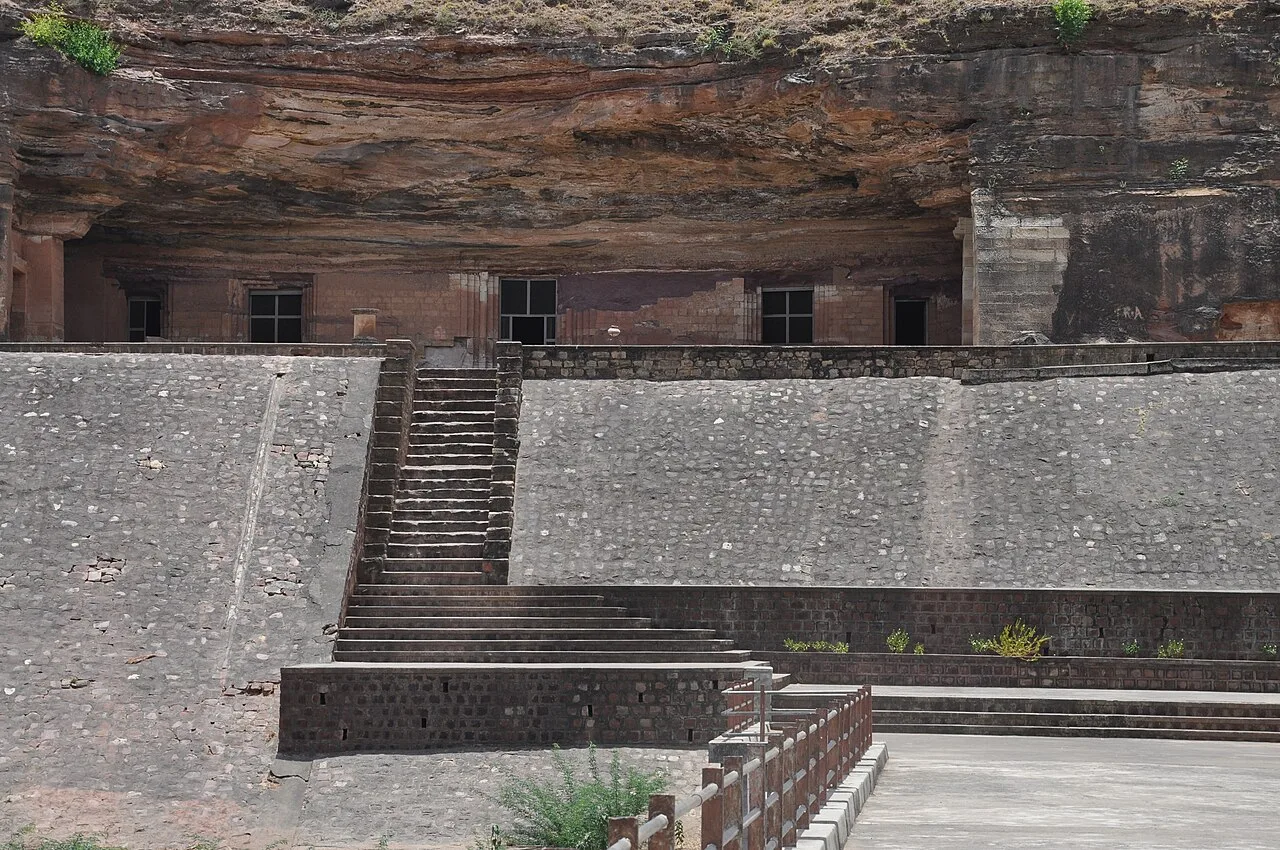
The Bagh Caves are Buddhist rock-cut monuments in Madhya Pradesh, known for their murals and monastic layouts. Visitors explore the surviving caves, including the painted Cave 4, called Rang Mahal.

Bagh (Bagh Print Village)

64 km away · Dhar district

Bagh (Bagh Print Village)

In Madhya Pradesh’s Dhar district, Bagh is a settlement associated with the Bagh Caves, whose Buddhist rock-cut chambers and murals attract visitors.

Hindola Mahal, Mandu

73 km away · Dhar district

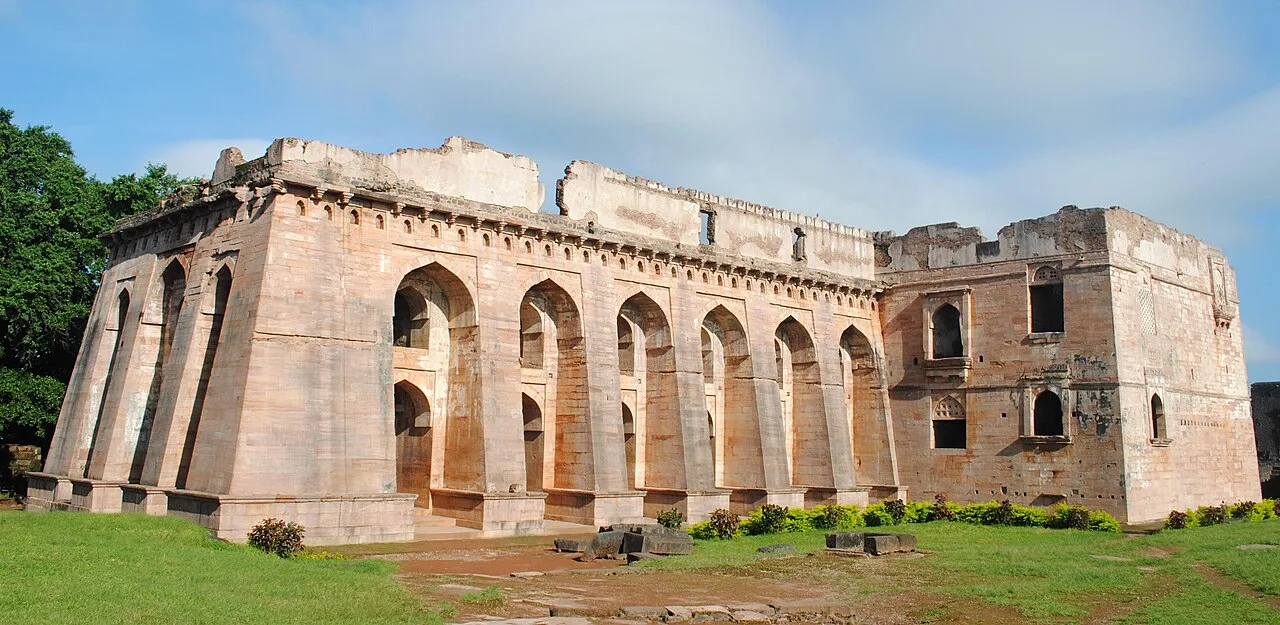
Hindola Mahal, Mandu

Hindola Mahal is a large assembly hall in Mandu, Madhya Pradesh. Visitors go to see it as a historic structure within the remains of the old city.

Mandu

73 km away · Dhar district

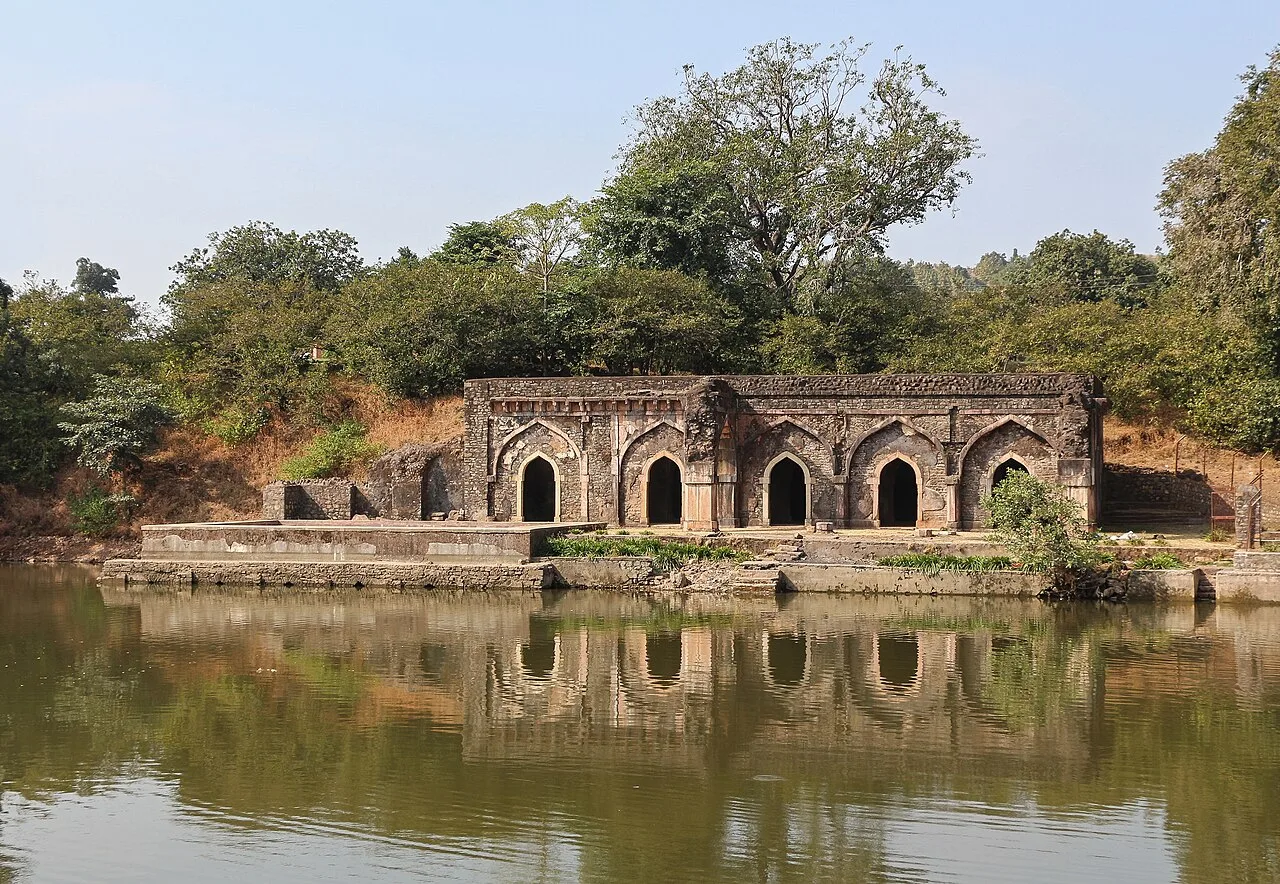
Mandu

Mandu, also known as Mandavgad, is an ancient settlement in Madhya Pradesh’s Dhar district. Visitors are drawn to its fortress setting and notable architecture.

Navdatoli Archaeological Site

73 km away · Khargone district

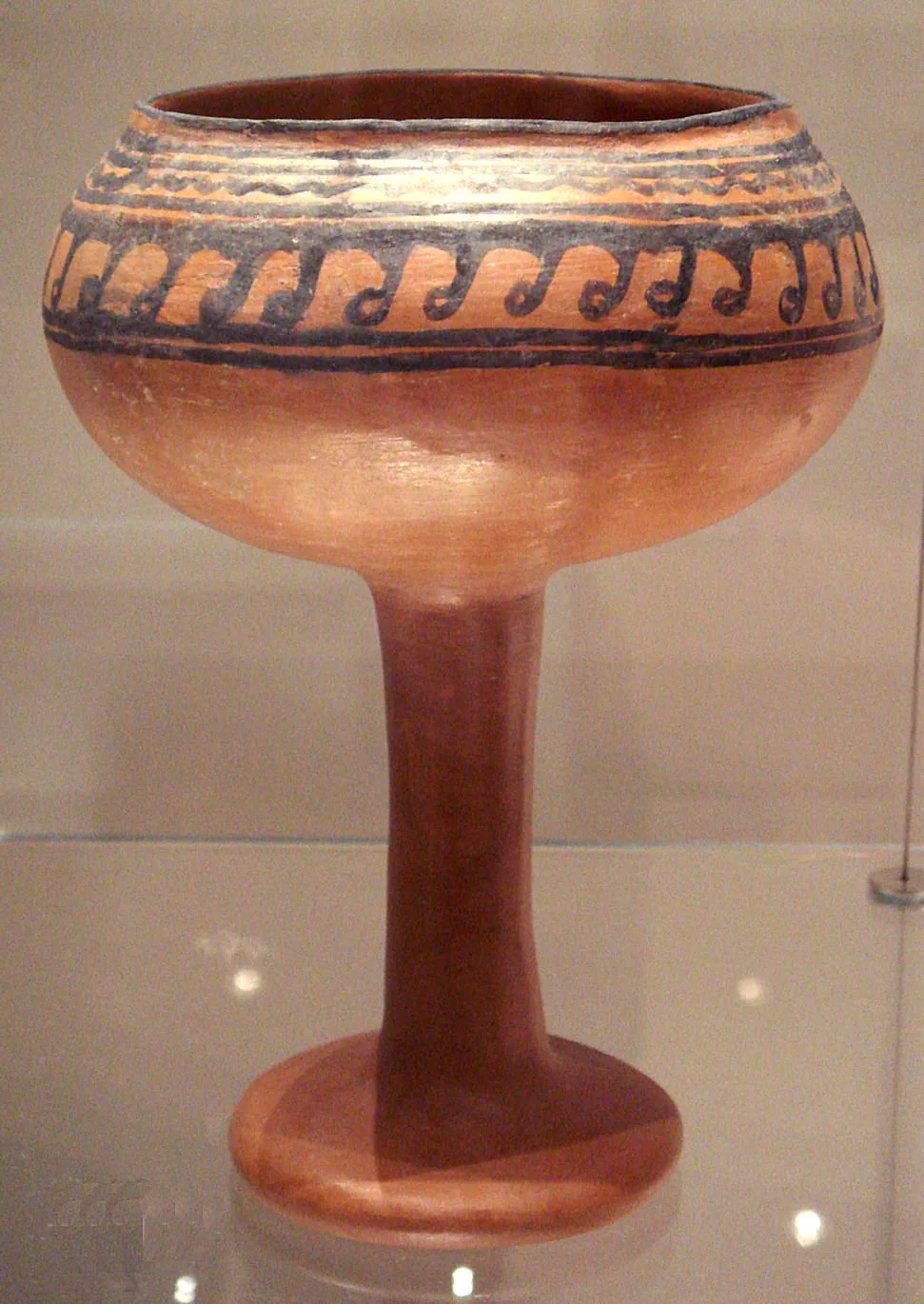
Navdatoli Archaeological Site

Navdatoli is both a present-day village and a Chalcolithic settlement on the Narmada in Madhya Pradesh. Visitors explore its archaeological history and the pottery associated with its successive phases.

Bhojshala

91 km away · Dhar district

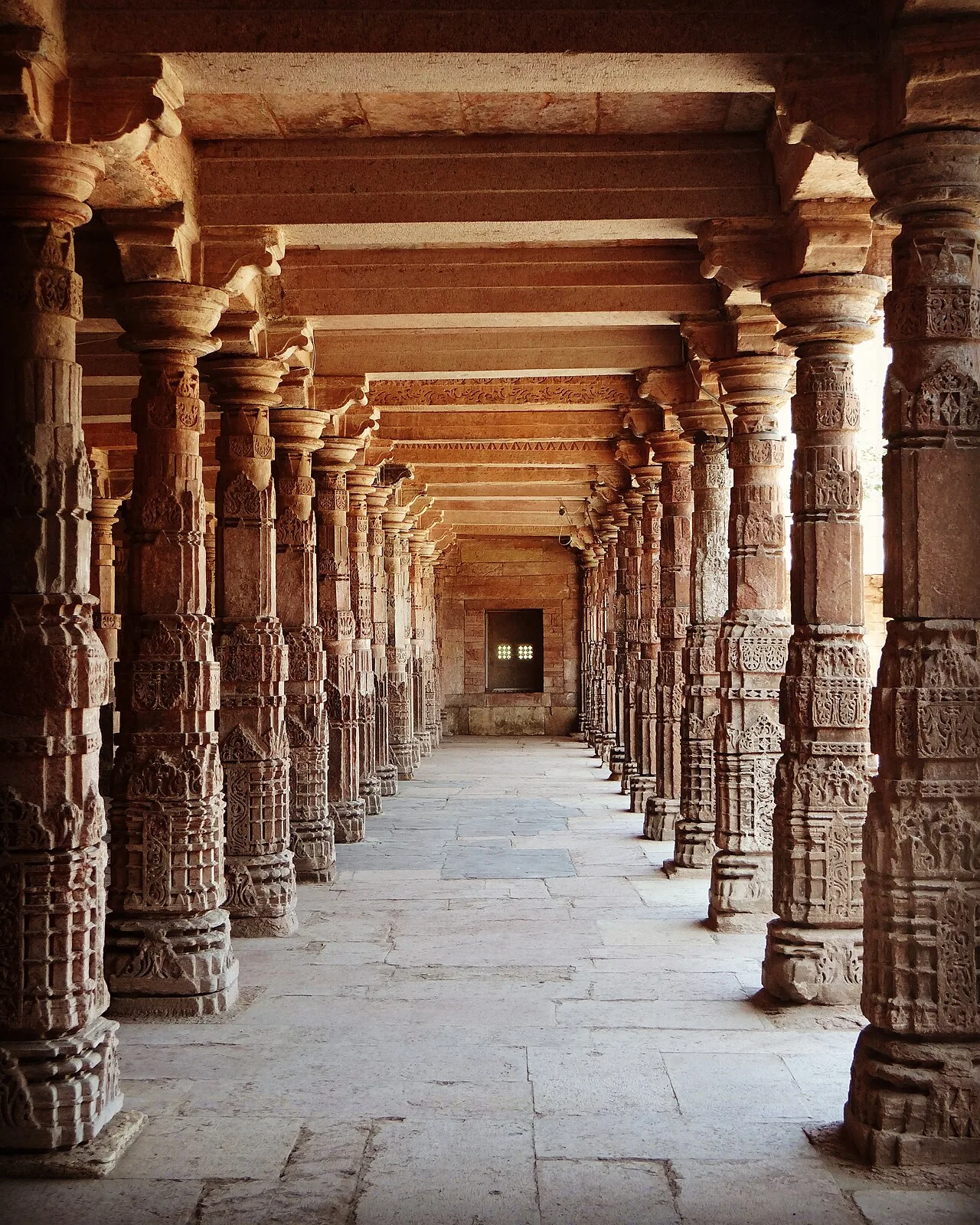
Bhojshala

Bhojshala is a historic complex in Dhar, Madhya Pradesh, associated with Sanskrit learning under the Paramāras. Visitors come to see its architecture, inscriptions and archaeological remains, as well as its layered religious history.

Omkareshwar Temple

130 km away · Omkareshwar district

Omkareshwar Temple

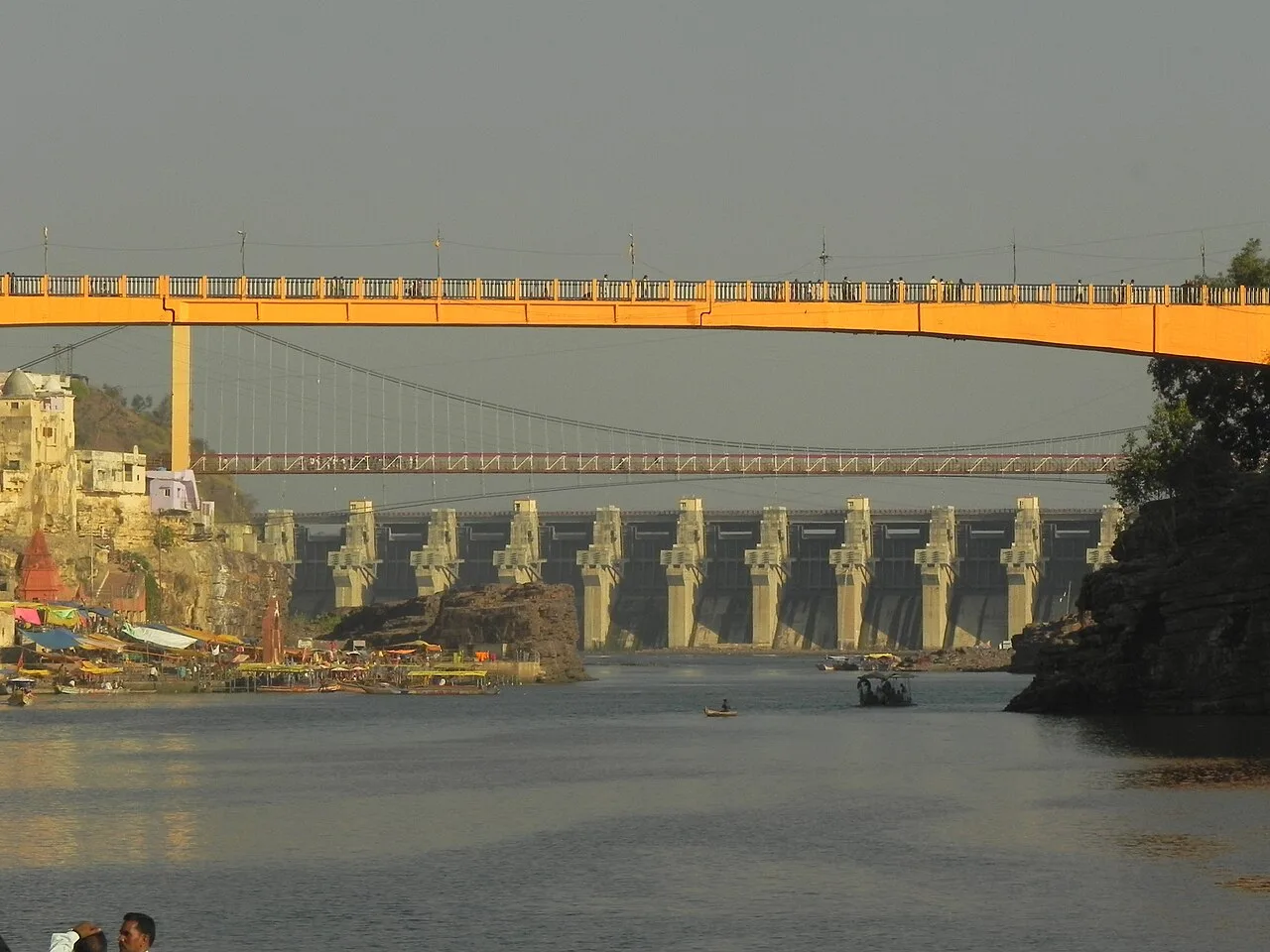
Omkareshwar is a Shiva shrine on Mandhata island in Madhya Pradesh, revered as one of the twelve Jyotirlingas. Pilgrims visit its two associated sanctuaries.

Map

Palsud on the map

  1. 1Maheshwar Ghats
  2. 2Bagh Caves
  3. 3Bagh (Bagh Print Village)
  4. 4Hindola Mahal, Mandu
  5. 5Mandu
  6. 6Navdatoli Archaeological Site
  7. 7Bhojshala
  8. 8Omkareshwar Temple

Madhya Pradesh

Other cities to explore