Ghumoopedia — Explore, Discover, Experience
Sign in
Kanch Mandir, near Dewas

City guide · Madhya Pradesh

Dewas

Dewas is a district headquarters in the Malwa region of western Madhya Pradesh, northeast of Indore. Its position on the plateau and near major regional routes has helped it develop as an administrative and industrial centre.

Famous for

  • Tekri hill temples
  • Dewas Bank Note Press
  • Twin Pawar princely states
  • Malwa industrial centre
  • Navratri temple pilgrimage

Why Dewas matters

Dewas is a district headquarters in the Malwa region of western Madhya Pradesh, northeast of Indore. Its position on the plateau and near major regional routes has helped it develop as an administrative and industrial centre. Manufacturing and agro-processing contribute to the city’s modern economy, while the government-run Bank Note Press is among its best-known institutions.

The city’s most prominent landmark is Devi Vashini hill, popularly called Tekri. Its temples to Tulja Bhawani, Chamunda Mata and Kalika Mata draw worshippers throughout the year, with especially large crowds during Navratri. Dewas also has an unusual princely history: two branches of the Pawar family governed separate states here during the British period. Visitors can combine a visit to Tekri with a look at the old city and its historic associations. Dewas is often explored as a short stop or a base for travel around Malwa, including nearby Indore and Ujjain; it offers a quieter, more locally focused experience than those larger visitor centres.
Famous for: crafts, trade & products

Dewas is better known for industry and its religious and princely heritage than for a signature saree, handicraft or GI-tagged product. The Bank Note Press, a major government institution, is a distinctive part of the city’s industrial identity, though it is not a regular visitor attraction. The wider industrial economy includes manufacturing and agro-processing. These activities are concentrated in industrial areas rather than presented as a craft district for tourists.

For everyday shopping, explore the central market streets and bazaars, where local shops serve residents with clothing, household goods, snacks and devotional items. Markets near the old city and routes leading to Tekri are convenient places to look for offerings and refreshments before or after visiting the temples. Malwa foods and sweets can be found at local eateries and sweet shops, although individual specialities vary by shop. Travellers seeking established handloom traditions or a particular regional craft may find a wider selection in larger Malwa cities. Dewas’s strongest associations remain its temples, its two former princely states and its role as an industrial centre.

History

Dewas’s political history is closely linked to the Pawar clan, a Maratha family whose influence grew during the expansion of the Maratha Empire. In the first half of the eighteenth century, brothers Tukoji Rao and Jivaji Rao established separate branches of authority. Under British rule, these became the princely states of Dewas Senior and Dewas Junior, each with its own court and administration. Both formed part of the Malwa Agency within the Central India Agency.

After independence in 1947, the rulers acceded to India. The states were incorporated into Madhya Bharat and, when that state was reorganised in 1956, became part of Madhya Pradesh. Dewas subsequently developed as the administrative centre of its district and as an industrial city. The Bank Note Press and other manufacturing activity reflect this modern growth. The hill temples, meanwhile, remain a longstanding focus of worship and a defining feature of the city’s identity.

Food, festivals & culture

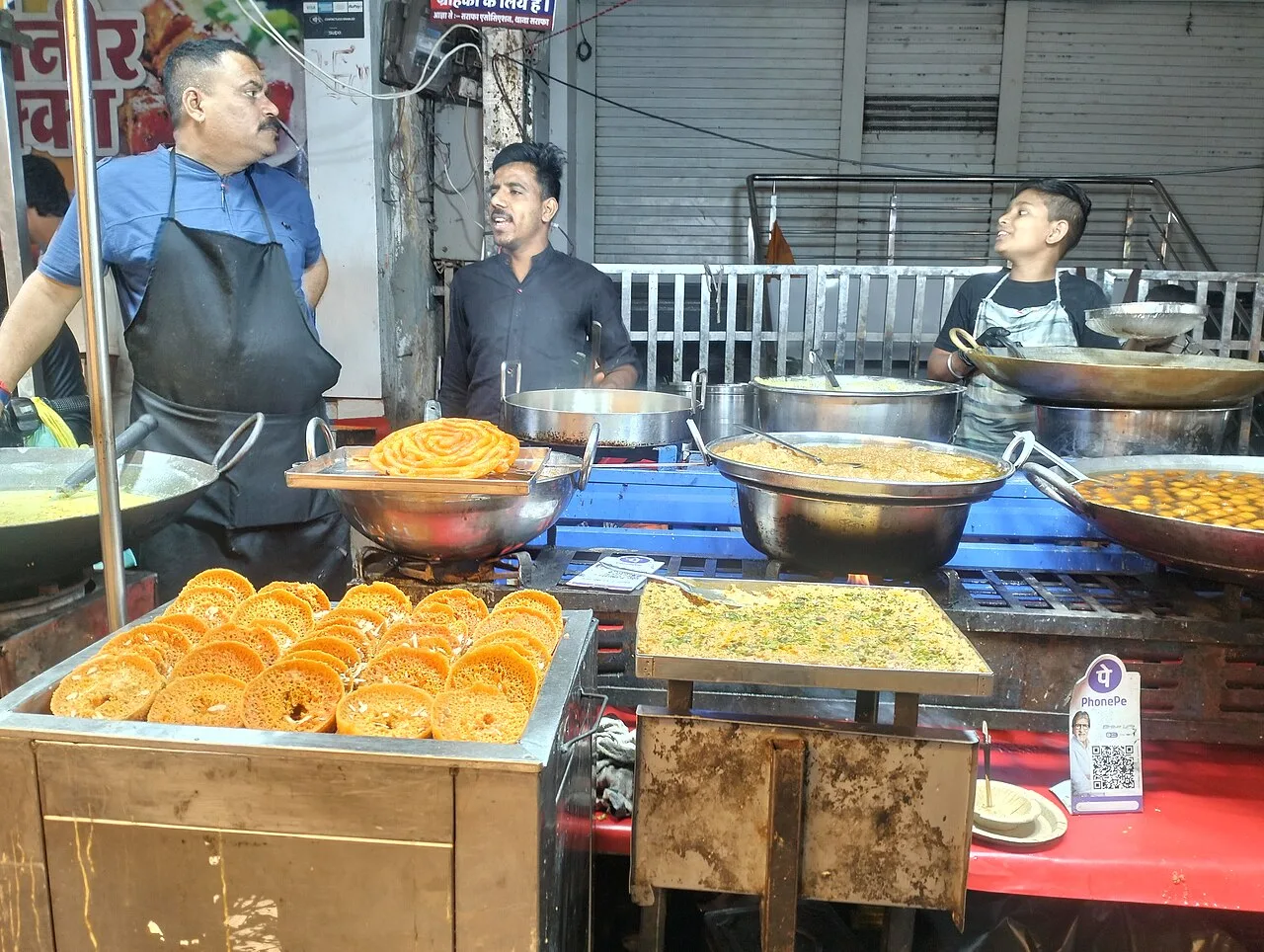
Dewas shares the food and festive rhythms of the Malwa region. Poha, often eaten for breakfast with sev, and jalebi are familiar choices; dal bafla and other hearty wheat-based meals are popular across the region. Sweet shops serve a range of Indian sweets, though no single sweet defines Dewas throughout the year. Hindi is widely used, while Malvi is heard in local conversation; Marathi also reflects the city’s historical links with Maratha rule.

Navratri, usually observed in spring and autumn, is especially significant at Tekri, where devotees visit the temples of Tulja Bhawani, Chamunda Mata and Kalika Mata. The hill is also visited during other Hindu festivals and on ordinary days of worship. Diwali and Holi are celebrated across the city. Religious life is visible in neighbourhood temples and shrines, while music and dance are often part of festival gatherings, devotional events and family celebrations. Dewas’s cultural character blends Malwa customs with the legacy of its former princely houses.

Visiting the city

The cooler months, generally October to March, are the most comfortable time to visit. Summer can be very hot, while the monsoon brings rain and greener views. The nearest airport with regular commercial connections is Devi Ahilya Bai Holkar Airport in Indore. Dewas Junction is the city’s main railway station, with rail links to regional and larger centres.

Auto-rickshaws, taxis and local transport are useful for getting around; arrange a vehicle for destinations beyond the central area. Start at Tekri for its temples and broad views, then explore the old-city streets and central bazaars for local food and everyday shopping. The areas around the railway station and main roads are practical for arrival and onward travel. Industrial zones are part of the city’s working life, but are not generally visitor districts. Indore makes a convenient gateway for travellers combining Dewas with other Malwa destinations.

Trips from the city

Nearest places to visit from Dewas

Our closest destination guides, by straight-line distance.

Kanch Mandir

31 km away · Indore district

Kanch Mandir

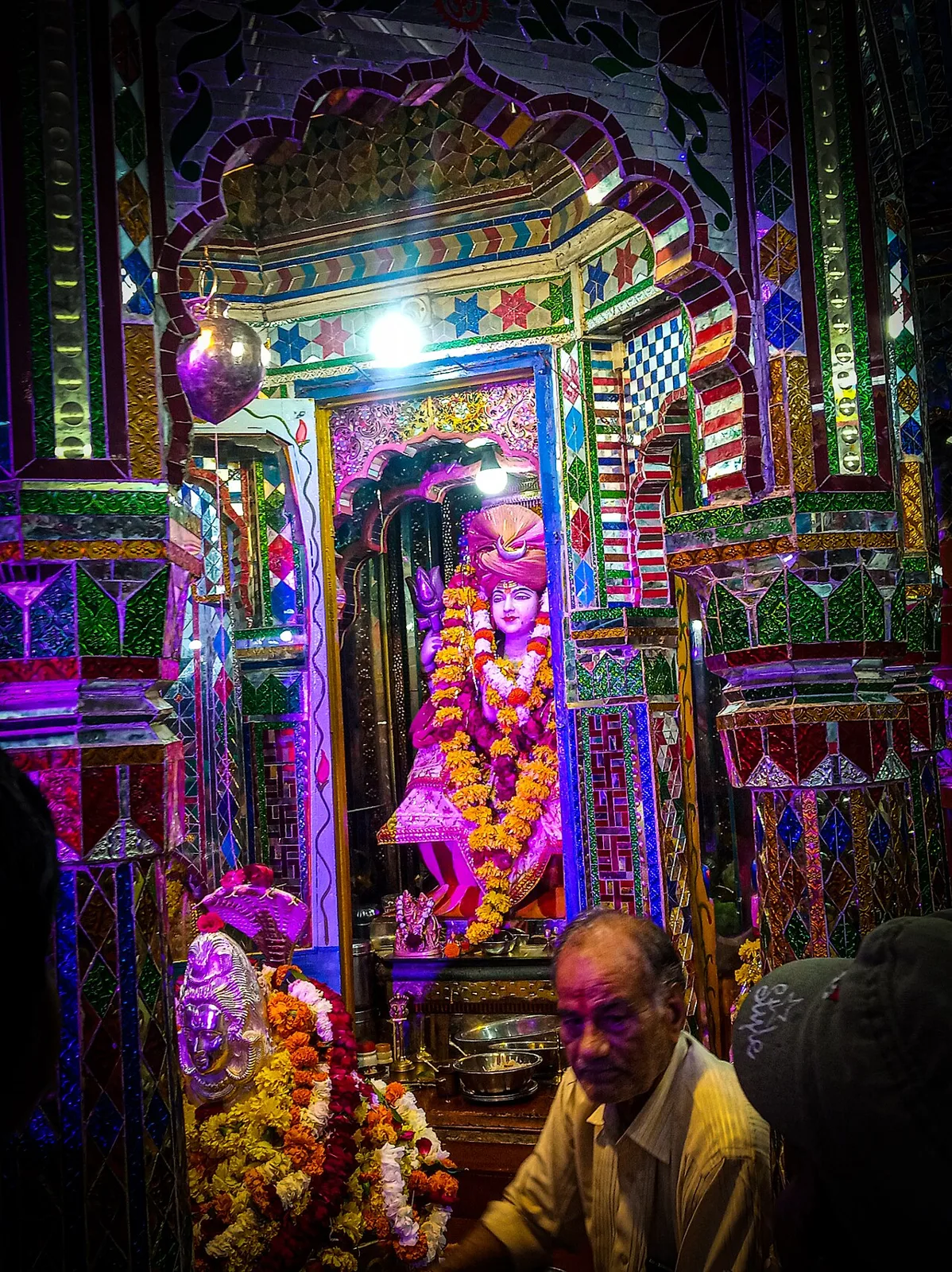
Kanch Mandir is a well-known Jain temple in Indore, built by Sir Seth Hukumchand Jain. Visitors come to see the place of worship whose name means Temple of Glass.

Rajwada

34 km away · Indore district

Rajwada

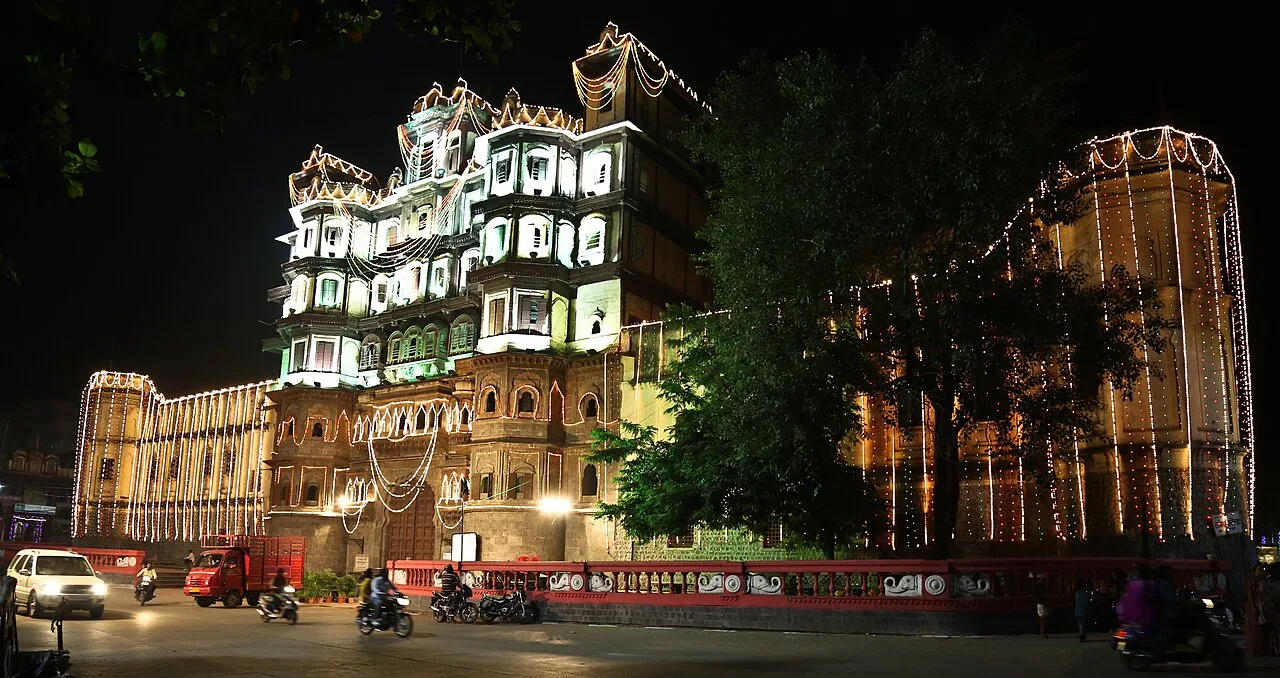
Rajwada is a historic, seven-storey Holkar residence in Indore. Visitors come for its period architecture, dynastic history and the garden with fountains and a waterfall.

Sarafa Bazaar

35 km away · Indore district

Sarafa Bazaar

In central Indore, Sarafa Bazaar is a jewellery-trading area by day that becomes a street-food destination at night, drawing visitors for its varied cuisine and evening atmosphere.

Mahakaleshwar Jyotirlinga

38 km away · Ujjain district

Mahakaleshwar Jyotirlinga

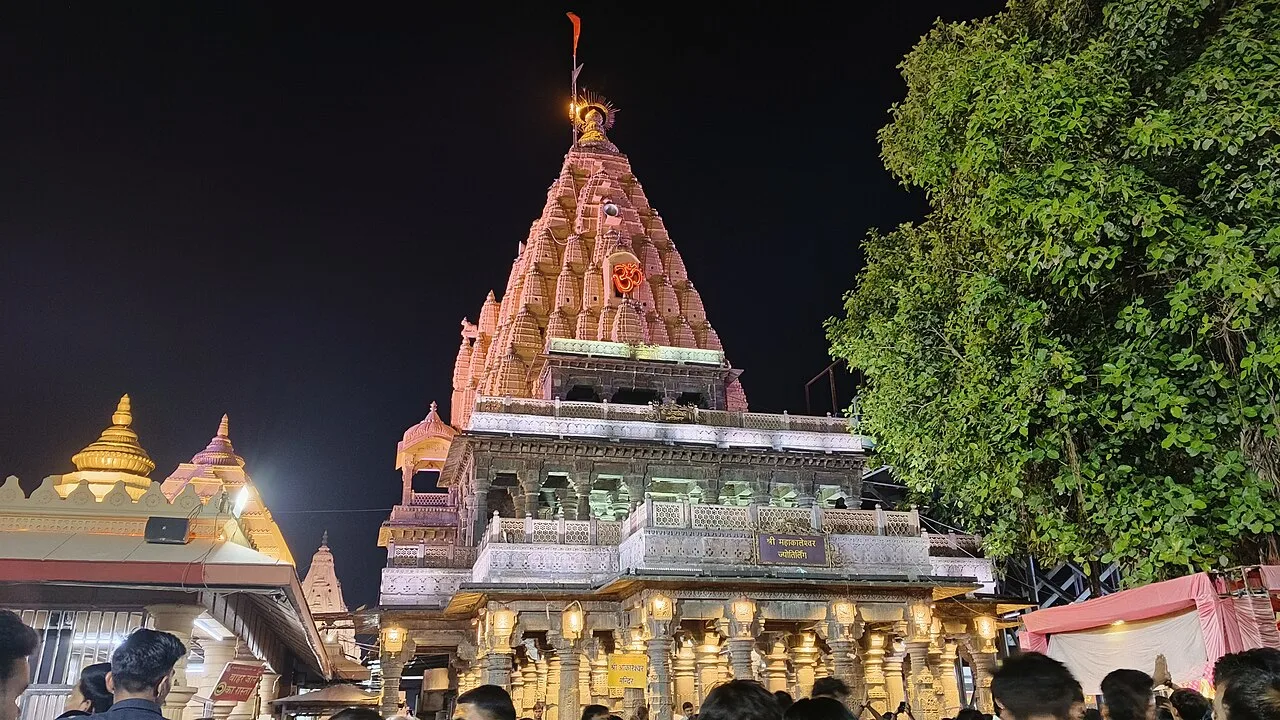
Mahakaleshwar Jyotirlinga is a Shiva temple in Ujjain, revered as one of twelve especially sacred Jyotirlinga shrines. Visitors come to worship its lingam, which is believed to be Swayambhu.

Ralamandal Wildlife Sanctuary

38 km away · Indore district

Ralamandal Wildlife Sanctuary

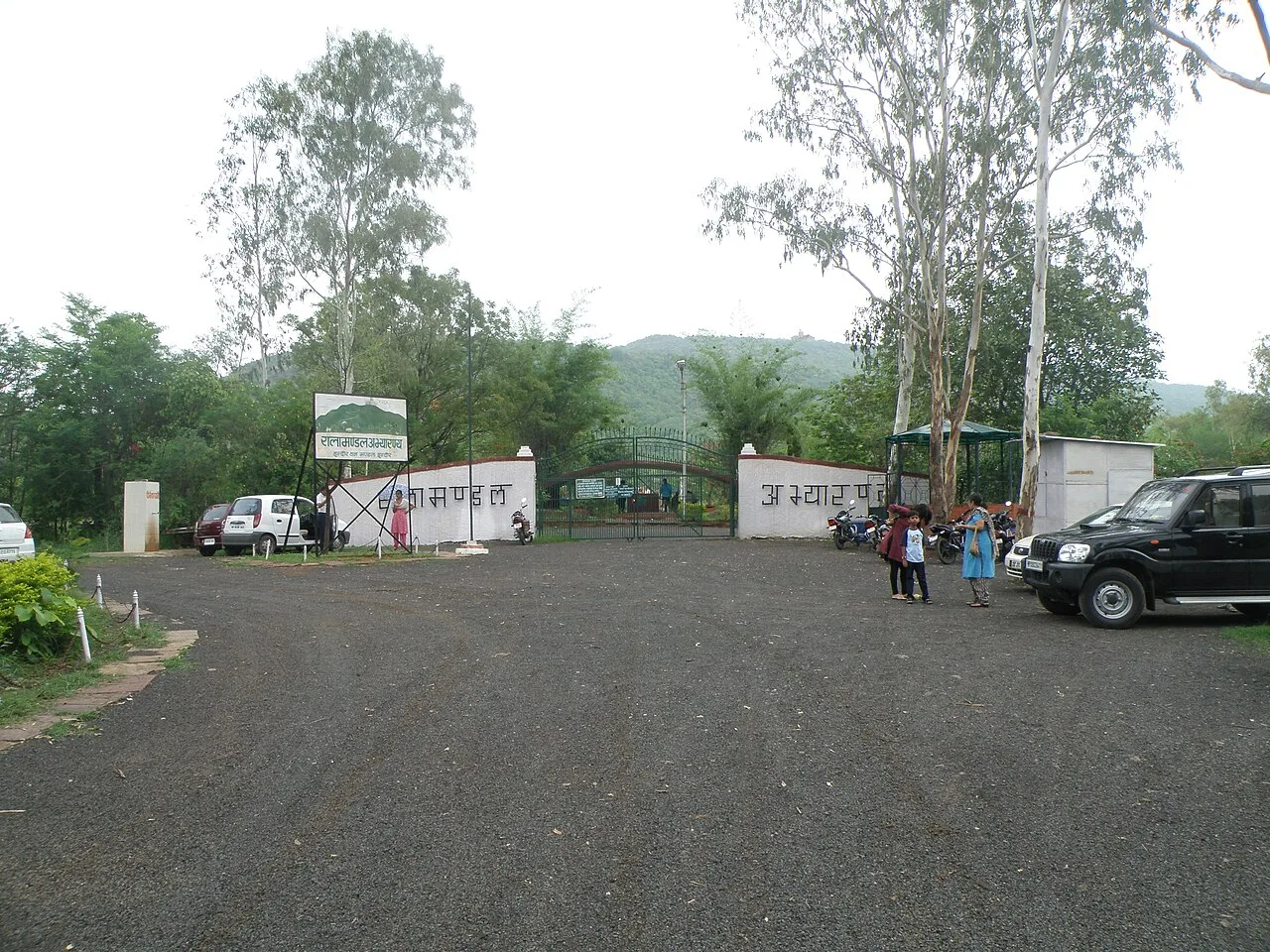
Established in 1989, Ralamandal Wildlife Sanctuary is a five-square-kilometre protected area in Indore district, Madhya Pradesh. Visitors come to see its birds, other wildlife and old hunting lodge.

Kal Bhairav Temple

41 km away · Ujjain district

Kal Bhairav Temple

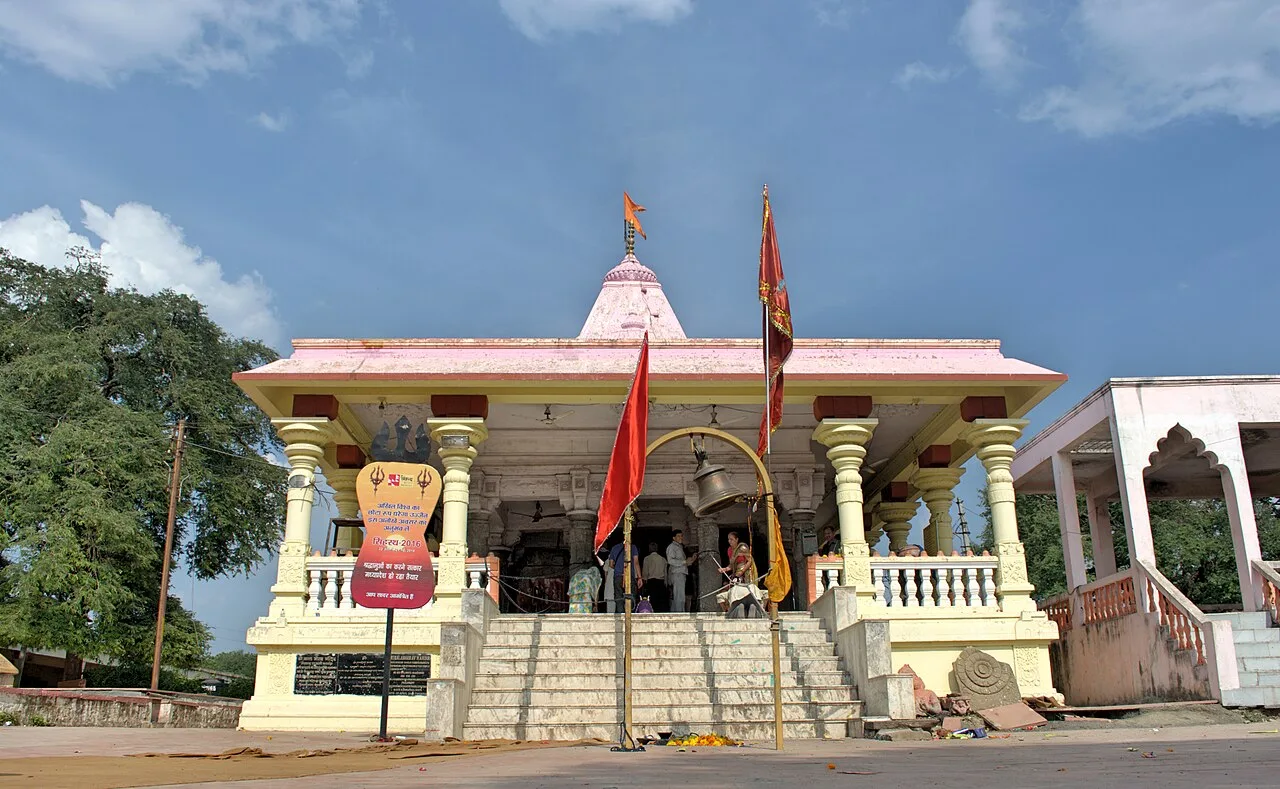
A Hindu shrine in Ujjain, Madhya Pradesh, Kal Bhairav Temple honours the city’s guardian deity. Worshippers visit its setting by the Shipra River, and liquor is among the offerings made there.

Omkareshwar Dam

81 km away · Khandwa district

Omkareshwar Dam

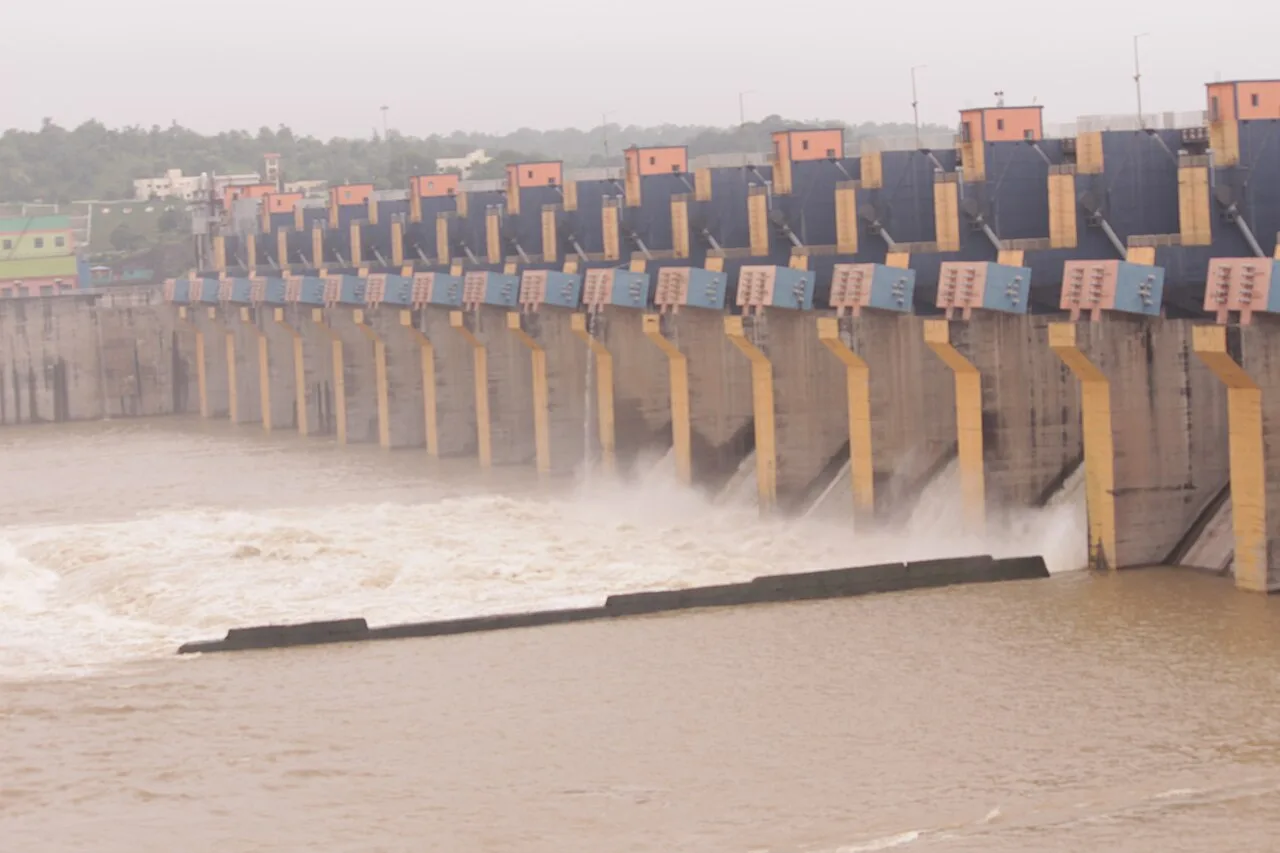
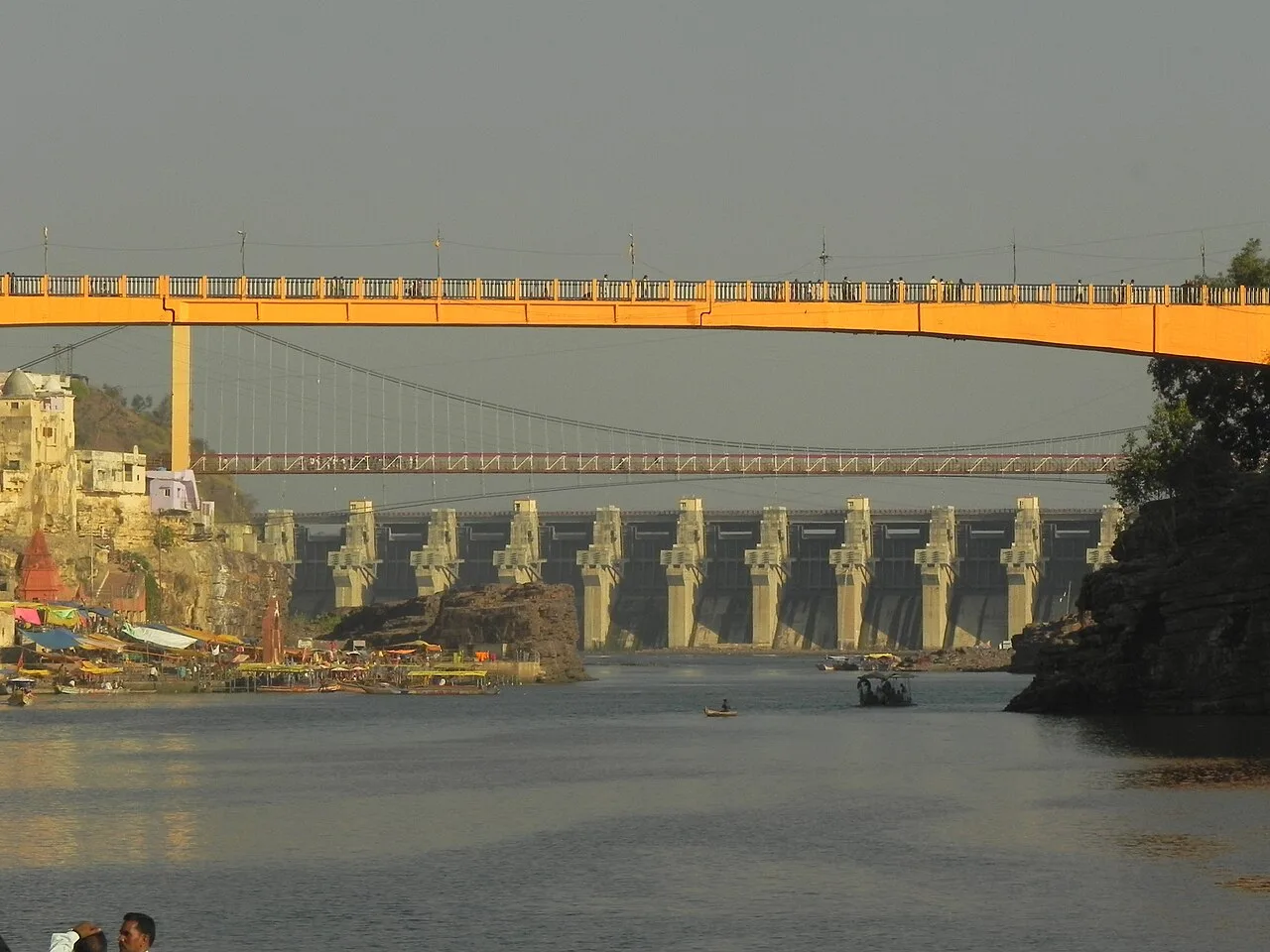
Omkareshwar Dam is a gravity dam on the Narmada in Madhya Pradesh, upstream of Mandhata. Visitors can view the structure and its associated hydroelectric station, built alongside an irrigation project.

Omkareshwar Temple

81 km away · Omkareshwar district

Omkareshwar Temple

Omkareshwar is a Shiva shrine on Mandhata island in Madhya Pradesh, revered as one of the twelve Jyotirlingas. Pilgrims visit its two associated sanctuaries.

Map

Dewas on the map

  1. 1Kanch Mandir
  2. 2Rajwada
  3. 3Sarafa Bazaar
  4. 4Mahakaleshwar Jyotirlinga
  5. 5Ralamandal Wildlife Sanctuary
  6. 6Kal Bhairav Temple
  7. 7Omkareshwar Dam
  8. 8Omkareshwar Temple

Madhya Pradesh

Other cities to explore