Ghumoopedia — Explore, Discover, Experience
Sign in

City guide · Madhya Pradesh

Shujalpur

Shujalpur is a regional town in Shajapur district, set in the Malwa plateau of western Madhya Pradesh. Its place in the area comes from its role as a market and service centre for surrounding villages, where agriculture remains central to livelihoods and trade.

Famous for

  • Ranoji Shinde’s chhatri
  • Ranoganj heritage
  • Malwa agricultural markets
  • Nevaj and Jamdad rivers

Why Shujalpur matters

Shujalpur is a regional town in Shajapur district, set in the Malwa plateau of western Madhya Pradesh. Its place in the area comes from its role as a market and service centre for surrounding villages, where agriculture remains central to livelihoods and trade. Wheat, soybean and cotton are among the crops grown locally, and the town’s schools, markets and government facilities serve a broad rural hinterland.

The most distinctive historical landmark is the chhatri, or cenotaph, associated with Maratha leader Ranoji Rao Shinde. He died here in 1745, and the memorial houses a Shiva temple. The locality is also known as Ranoganj. Shujalpur’s setting along the Nevaj and Jamdad rivers, together with its railway connections, adds to its importance as a transport and trading point. Visitors come chiefly for the Shinde memorial, the town’s everyday Malwa atmosphere and its links to the wider region, rather than for a large collection of purpose-built tourist attractions.
Famous for: crafts, trade & products

Shujalpur is best known for its agricultural economy and its historic association with the Shinde family. Wheat, soybean and cotton are grown in the surrounding countryside, and local markets serve farmers and nearby settlements. Visitors looking for regional produce or everyday goods can explore the town’s bazaars and market areas; availability varies with season and the agricultural cycle.

The chhatri of Ranoji Rao Shinde, which contains a Shiva temple, is the town’s most notable heritage site and a distinctive place to visit. Shujalpur does not have a widely established signature textile, handicraft or GI-tagged product. It is therefore better approached as a place to experience local trade and daily life than as a specialist craft-shopping destination. For practical purchases, look to general shops and market streets for household goods, clothing and locally traded food products. The town’s schools and government offices also reflect its role as a service centre for the surrounding district, though they are not visitor attractions in themselves.

History

Shujalpur’s best-known historical connection is with Ranoji Rao Shinde, an influential Maratha leader and the father of Mahadji Shinde, later known as Scindia. Ranoji died at Shujalpur in 1745. His cenotaph, locally called a chhatri, stands in the town and houses a Shiva temple; the area is also known as Ranoganj. This memorial gives Shujalpur a visible link to the Maratha history of Malwa.

Beyond that association, the town’s growth has been closely tied to its position among agricultural settlements. As regional administrations and transport networks developed, Shujalpur continued to serve nearby communities as a market and local service centre. The railway strengthened links with Bhopal, Ujjain and other towns, helping passengers and agricultural goods move through the area. In modern Madhya Pradesh, Shujalpur functions as a municipality in Shajapur district, with markets, schools and government facilities supporting its surrounding rural hinterland.

Food, festivals & culture

Shujalpur shares the foodways of the Malwa region. Poha, often eaten for breakfast, and jalebi are familiar favourites, while dal bafla and seasonal dishes made with local grains and vegetables are part of the broader regional table. These are regional foods rather than dishes unique to Shujalpur; visitors can look for them at local eateries and market-side food stalls.

Hindi is widely used, and Malwi is spoken across the region. The annual calendar follows major Hindu festivals, including Holi in spring, Navratri in autumn, Diwali in autumn, and Shivratri, which has particular resonance at a town landmark that houses a Shiva temple. Worship at local temples and family observances are part of everyday religious life. Folk music and dance traditions belong to the wider Malwa cultural landscape and are most likely to be encountered during festivals and community gatherings rather than in regular staged performances.

Visiting the city

The cooler, drier months from about October to March are generally the most comfortable time to visit; summer can be hot, while monsoon brings rain to the region. The nearest major airport is Raja Bhoj Airport in Bhopal. Shujalpur Railway Station is the town’s main rail stop, on the Ujjain–Sehore–Bhopal branch line, with connections to regional centres and other cities.

Within town, short distances can usually be covered by auto-rickshaw or local transport, with walking practical around central market streets. The Ranoganj area and Ranoji Shinde’s chhatri are the main places to explore for local history and worship. The bazaars offer a glimpse of daily trade, while the river corridors provide a sense of the town’s Malwa setting. For longer excursions, arrange onward transport locally.

Trips from the city

Nearest places to visit from Shujalpur

Our closest destination guides, by straight-line distance.

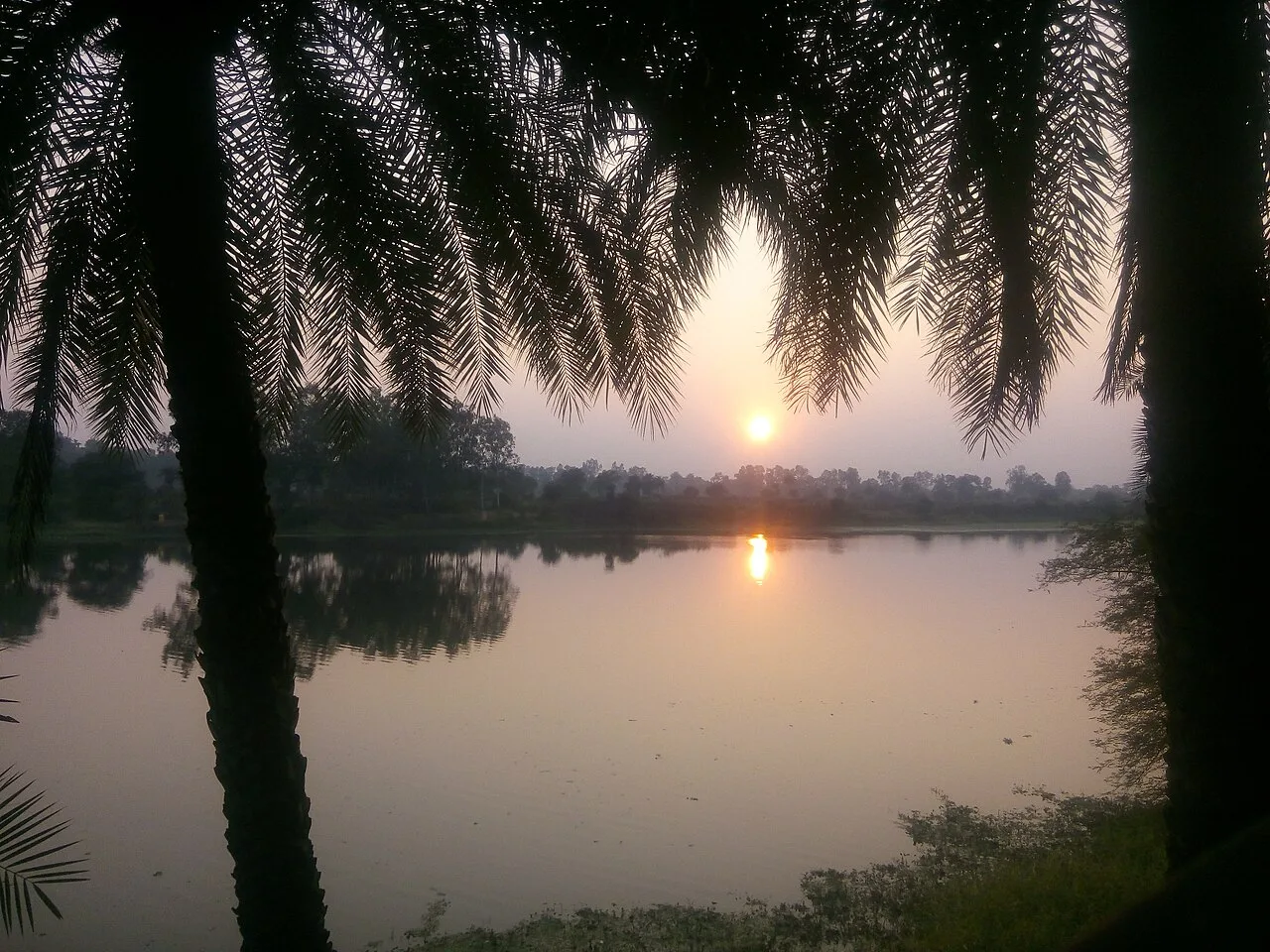
Bhoj Wetland, Bhopal

67 km away · Sehore district

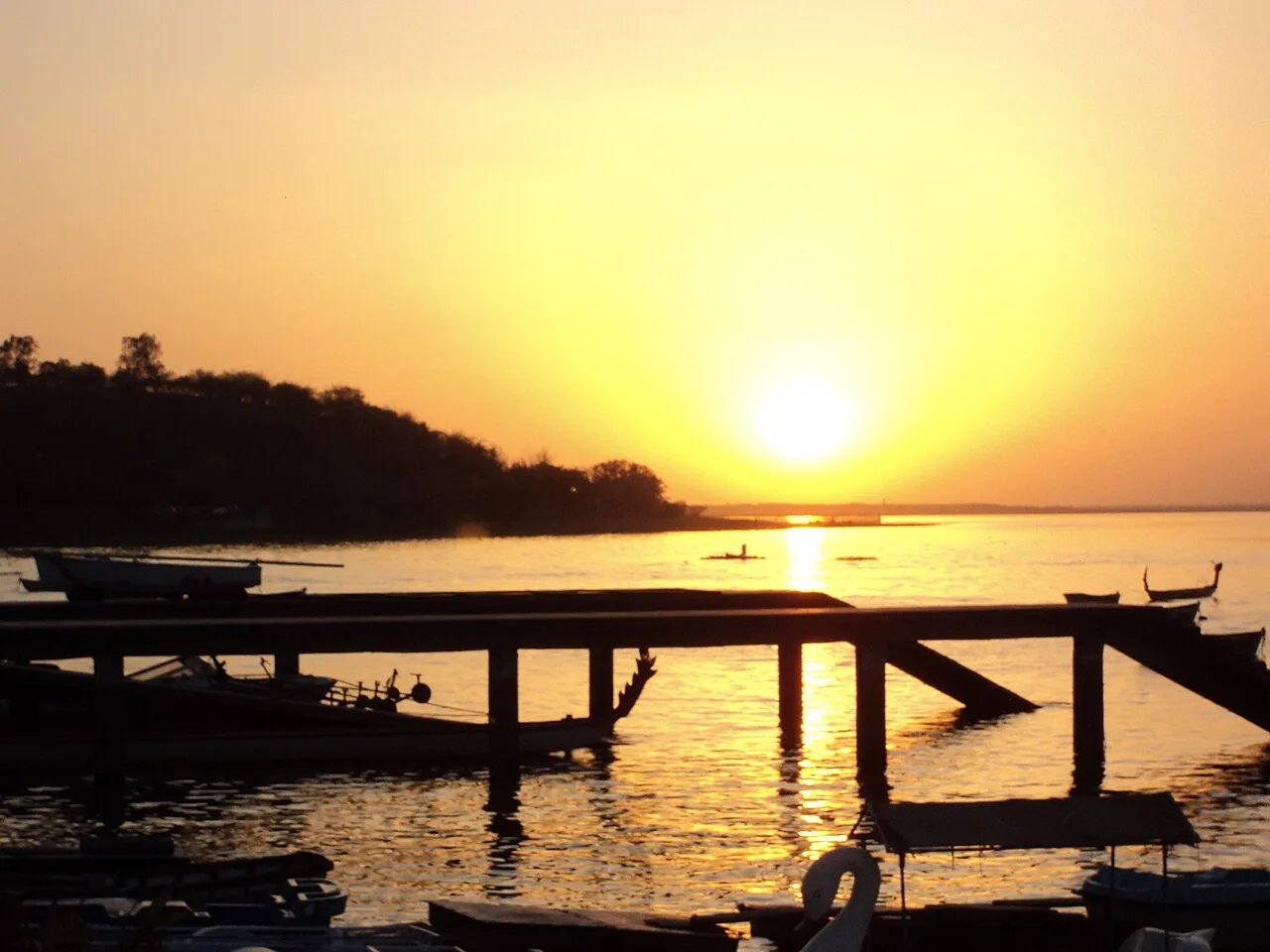
Bhoj Wetland, Bhopal

Bhoj Wetland is a two-lake complex in Bhopal, Madhya Pradesh. Visitors are drawn to its wetland habitats, varied wildlife and waterbirds.

Bhojtal

67 km away · Bhopal district

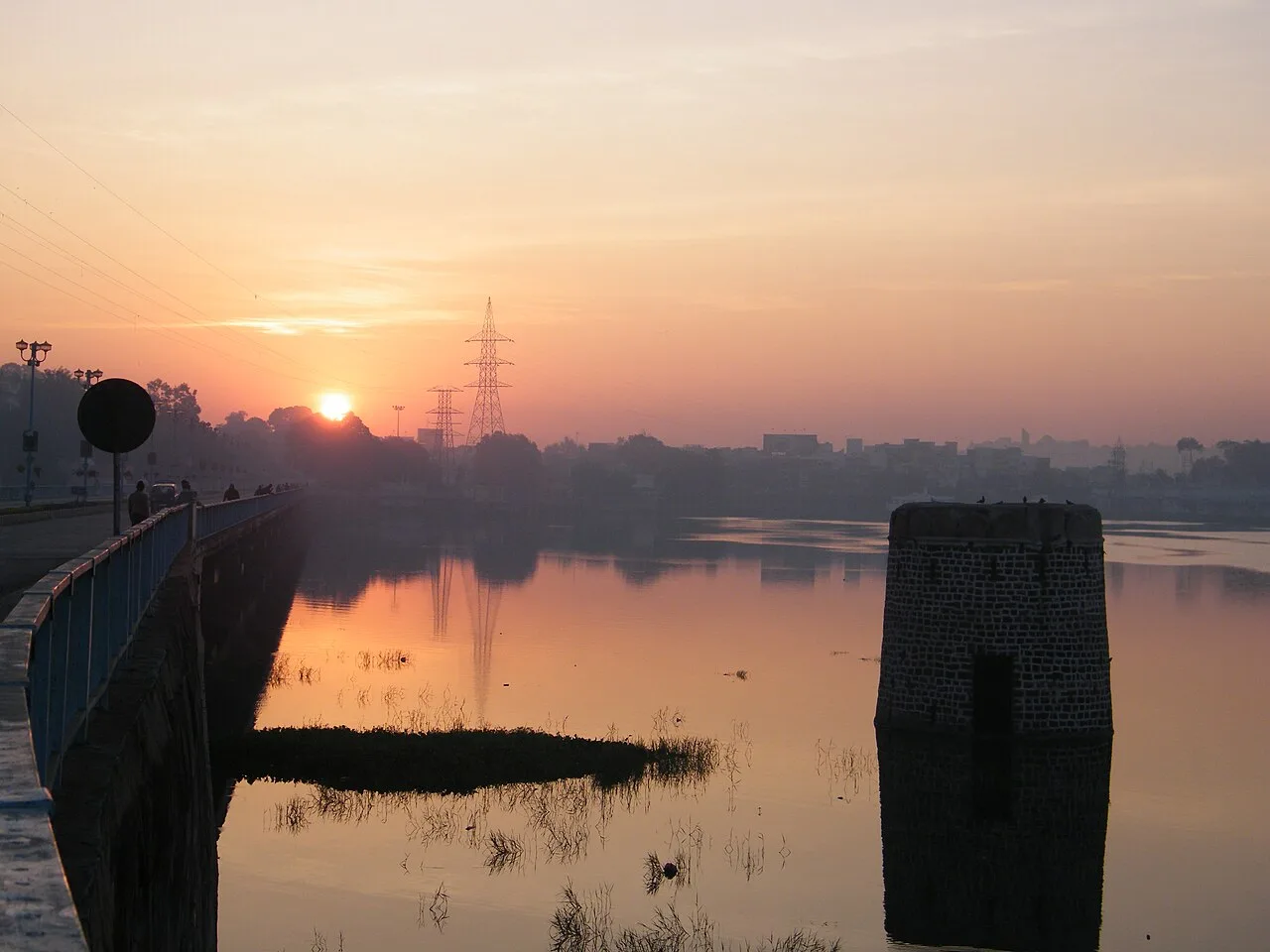
Bhojtal

Bhojtal, also called Upper Lake, is a large lake on Bhopal’s western side. Visitors can see it as part of the Bhoj Wetland, formed with nearby Lower Lake and designated a Ramsar site.

Van Vihar National Park

70 km away · Bhopal district

Van Vihar National Park

Van Vihar is a national park and zoological facility in Bhopal, visited for its animal habitats and a road that runs through the grounds.

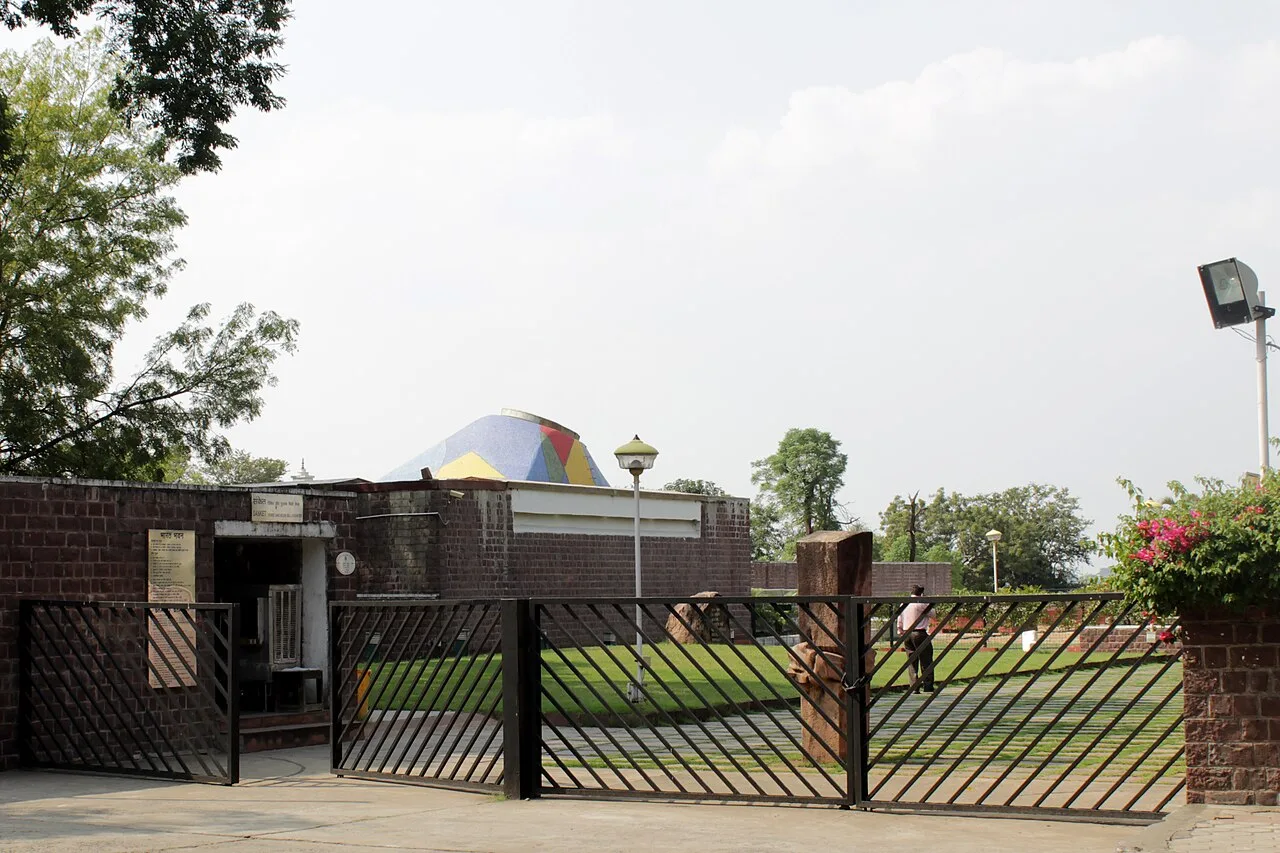
Bharat Bhavan

72 km away · Bhopal district

Bharat Bhavan

Bharat Bhavan is a government-established arts centre and museum in Bhopal, designed by Charles Correa. Visitors can explore its galleries, creative workshops, performance spaces and cultural collections.

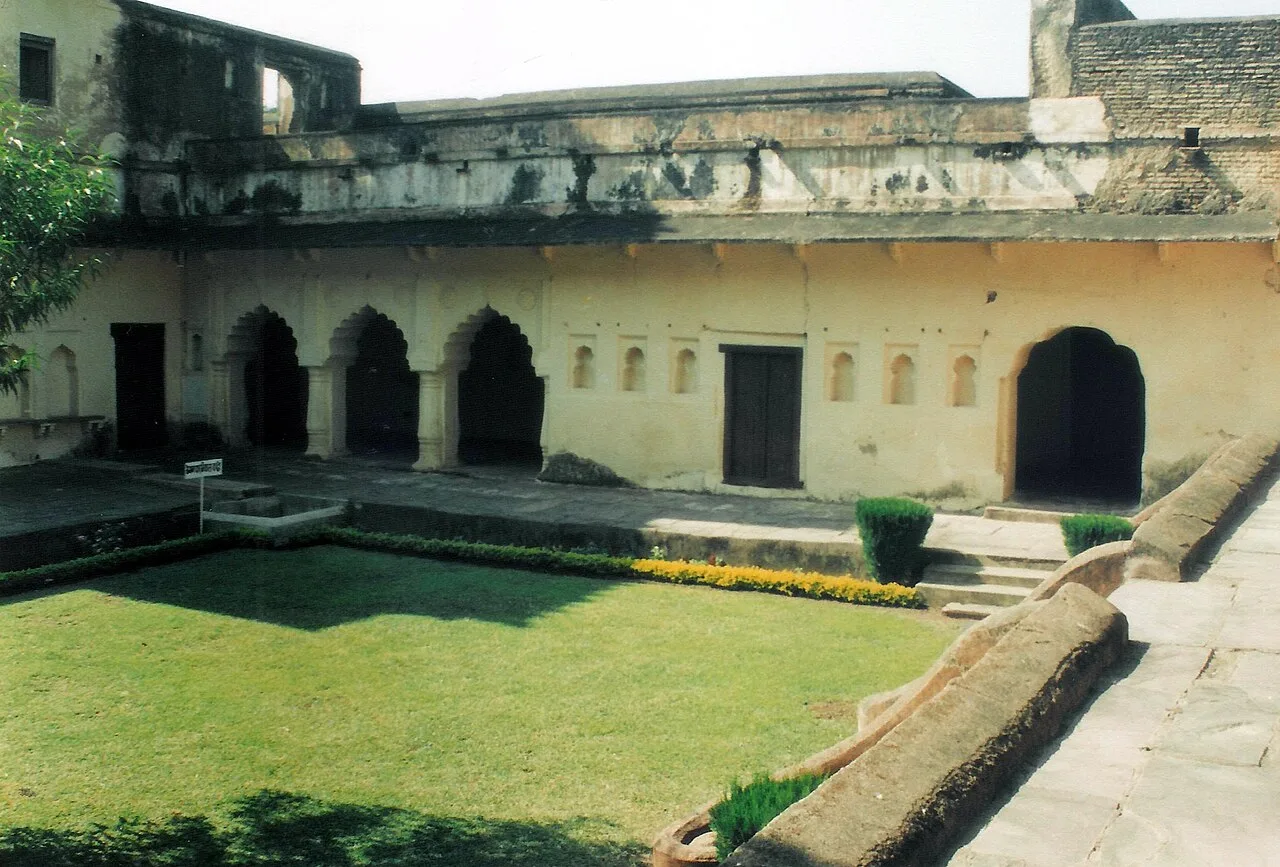
Islamnagar

72 km away · Bhopal district

Islamnagar

Islamnagar, officially Jagdishpur since February 2023, is a panchayat village in Bhopal district, Madhya Pradesh, visited for the ruined palaces built by Bhopal’s founder.

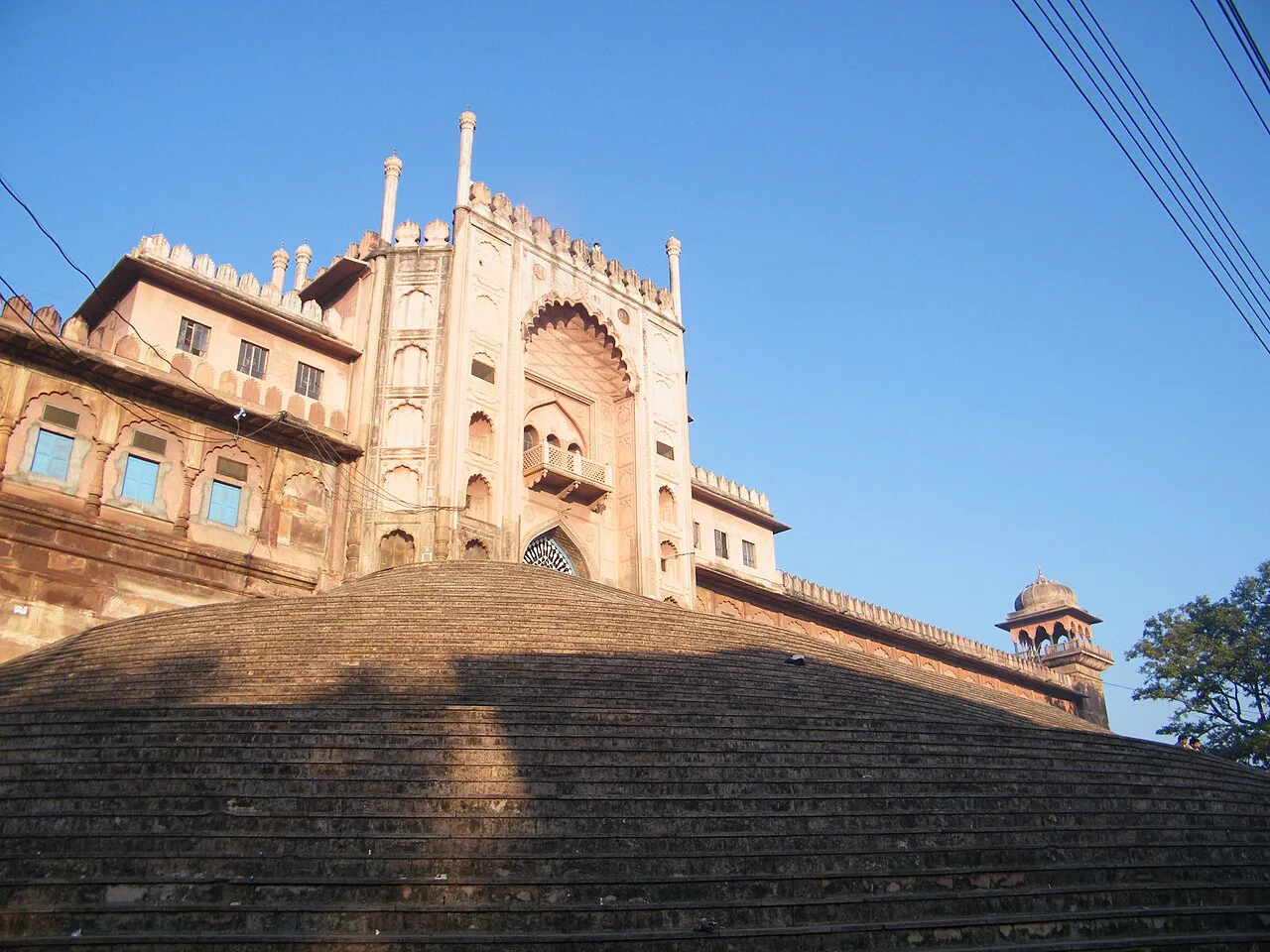
Taj-ul-Masajid

72 km away · Bhopal district

Taj-ul-Masajid

Taj-ul-Masajid is a Sunni mosque in Bhopal, Madhya Pradesh, associated with Tablighi Jamaat and the Deobandi movement. People visit for prayer and to see one of India’s largest mosques.

Bhojpur

96 km away · Raisen district

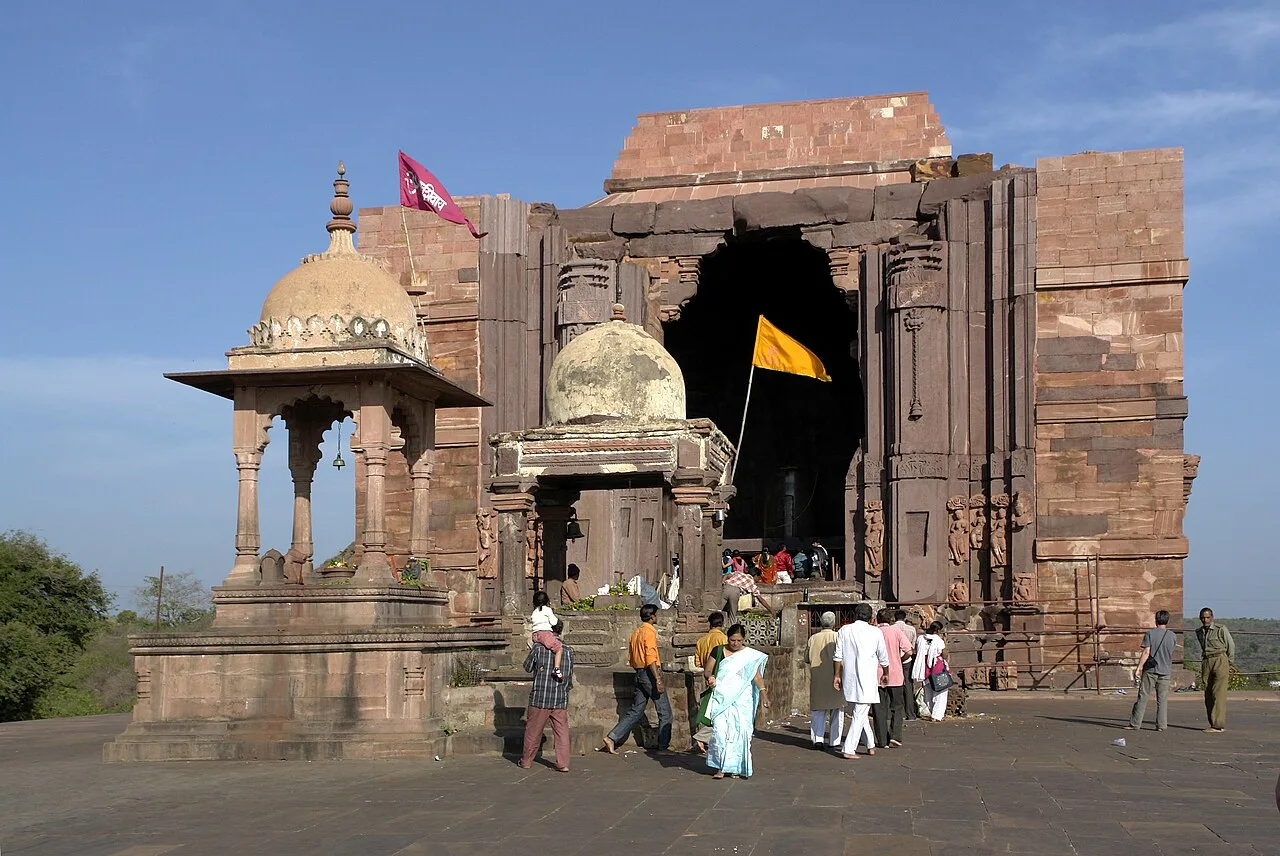
Bhojpur

Bhojpur, in Raisen district, Madhya Pradesh, is known for its historical and religious significance, attracting interest from people drawn to these aspects.

Kal Bhairav Temple

98 km away · Ujjain district

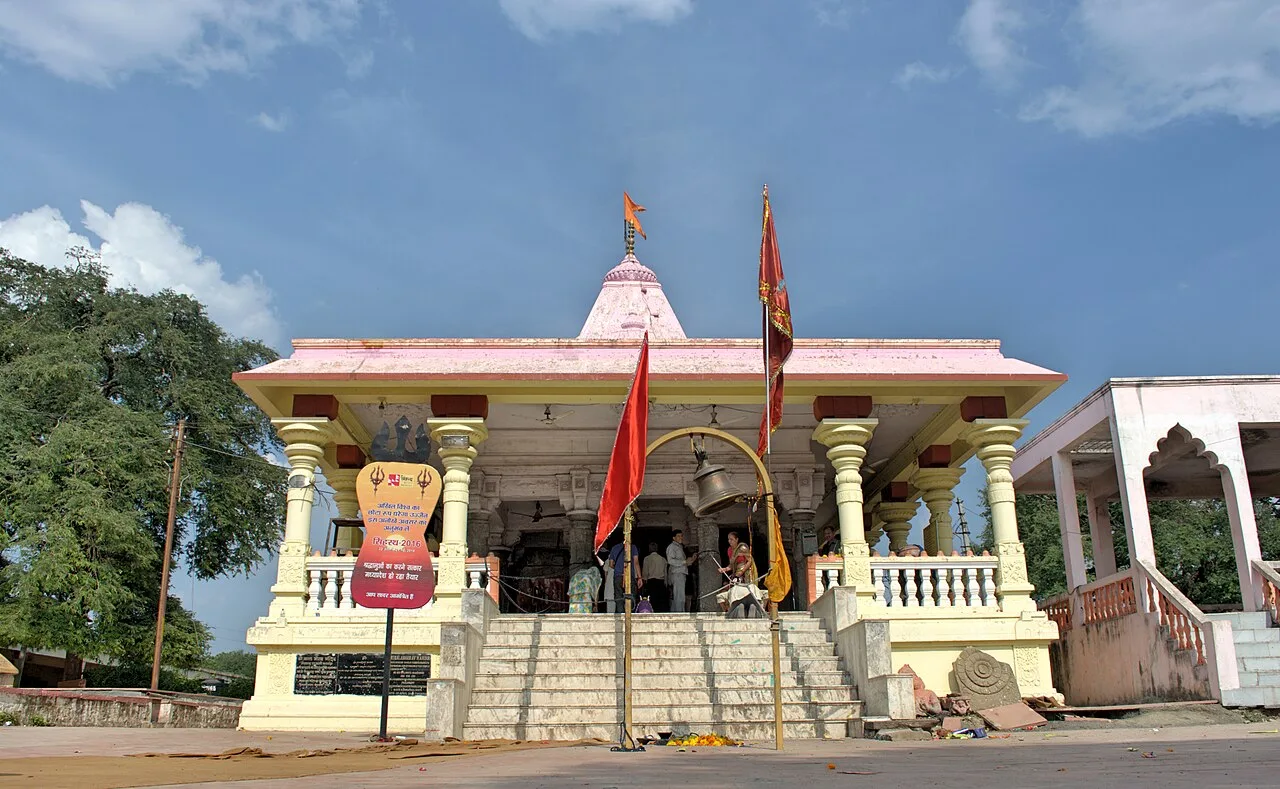
Kal Bhairav Temple

A Hindu shrine in Ujjain, Madhya Pradesh, Kal Bhairav Temple honours the city’s guardian deity. Worshippers visit its setting by the Shipra River, and liquor is among the offerings made there.

Map

Shujalpur on the map

  1. 1Bhoj Wetland, Bhopal
  2. 2Bhojtal
  3. 3Van Vihar National Park
  4. 4Bharat Bhavan
  5. 5Islamnagar
  6. 6Taj-ul-Masajid
  7. 7Bhojpur
  8. 8Kal Bhairav Temple

Madhya Pradesh

Other cities to explore