
District · Madhya Pradesh
Bhind
Bhind lies in northern Madhya Pradesh, in the Chambal region close to the Uttar Pradesh border.
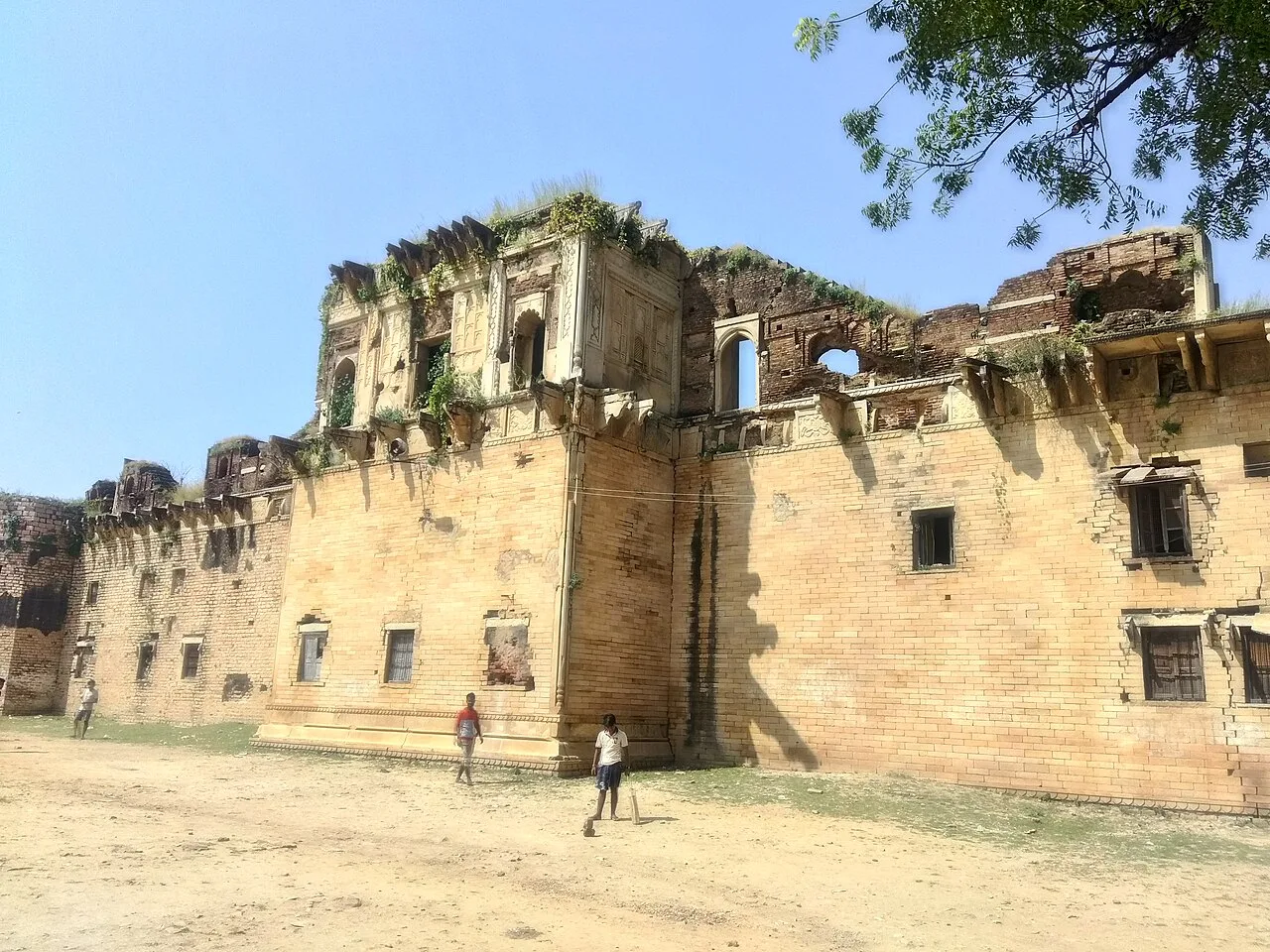
Bhind lies in northern Madhya Pradesh, in the Chambal region near the Uttar Pradesh border. Its landscape combines cultivated plains with the distinctive ravines and eroded gullies shaped by the Chambal and its tributaries. Farming and small-town life give the district much of its everyday character, while forts and historic settlements recall its strategic position between central India and the north. Gohad Fort is associated with the former Jat rulers of Gohad and is among the district’s notable heritage sites; Ater Fort is another reminder of the area’s layered past. Bhind is less a conventional sightseeing circuit than a place to explore regional history, riverine landscapes and the contrasts between open farmland and ravines.
Bhind lies in northern Madhya Pradesh, in the Chambal region close to the Uttar Pradesh border. It offers a view of a part of the state shaped by farming, small-town life and the striking ravines of the Chambal and its tributaries. The district is best known for its rugged riverine landscape and its historic forts and settlements, including Gohad Fort, associated with the former Jat rulers of Gohad. A visit suits travellers interested in regional history and landscapes rather than a packed sightseeing circuit. Bhind also makes a useful stop for understanding the transition between the plains of northern Madhya Pradesh and the Chambal belt.
Bhind’s past reflects its position between central India and the northern plains. The area was ruled at different times by regional powers and formed part of territories influenced by the Delhi Sultanate and the Mughal Empire. Gohad became an important centre under Jat rulers, whose legacy is represented by Gohad Fort. The region’s rulers also contended with the expanding Maratha power, including the Scindias of Gwalior, and control shifted during periods of political conflict. Under British paramountcy, much of the surrounding area was associated with the princely state of Gwalior rather than administered as a separate British province. After Indian independence, the former princely territories were integrated into the new Indian state structure. Bhind became part of Madhya Pradesh when the state was formed in 1956. Local traditions connect the district’s name with the sage Bhindi, though such accounts are best treated as legends rather than settled history. Its forts and older settlements remain reminders of the region’s strategic importance and changing political allegiances.
Bhind’s everyday food reflects the wider northern Madhya Pradesh and Chambal region rather than a separately documented district cuisine. Wheat-based rotis, lentils, seasonal vegetables and dairy feature in home-style meals, while local stalls may offer snacks such as kachori or samosa. Poha with jalebi is a familiar Madhya Pradesh breakfast, though availability and preparation vary by town. Travellers can also look for sweets such as gajak, enjoyed more broadly across the region. Small eateries may prepare a limited menu each day, so it is useful to ask what is fresh and being cooked locally.
Bhind is better known for its forts, agricultural landscape and Chambal setting than for a widely documented signature craft or handloom tradition. Local markets serve everyday needs, and visitors may encounter practical work by potters, tailors, carpenters and metalworkers, but these should not be mistaken for a distinctive district-wide art form. Madhya Pradesh has celebrated craft traditions elsewhere, including Chanderi weaving and Bagh printing; these are associated with other parts of the state, not specifically with Bhind. Ask locally about current artisan work or market displays, as small-scale activity can change over time.
Holi, Diwali, Dussehra, Navratri and Makar Sankranti are observed in Bhind and the wider region, with customs varying between towns and villages. Seasonal and religious fairs may also take place around temples and local gathering places; their dates and scale vary from year to year. These occasions can bring extra activity to markets and increase demand for rooms in Bhind and other towns, especially around major festivals. Travellers seeking a quieter visit should check local calendars and arrange accommodation ahead during busy periods.
Elsewhere in Madhya Pradesh
The district is largely a mix of cultivated plains and river-shaped terrain. The Chambal and its tributaries have cut ravines and eroded gullies into parts of the landscape, creating abrupt edges and uneven ground beside otherwise open farmland. The Chambal region forms part of Bhind’s western setting, while rivers and smaller watercourses influence local routes and agriculture. Towns are connected mainly by road, but journeys through rural areas can take longer where roads are narrow or the terrain is broken. Avoid approaching ravine edges without care, particularly after rain.
Bhind has hot summers, a monsoon season and cooler, generally more comfortable winters. Summer heat can make midday outings tiring, while monsoon rain may affect rural roads and access to areas beside ravines or rivers. Winter is usually the most pleasant season for exploring towns and heritage sites. The months from roughly October to March are generally the best time to visit, though conditions vary each year. Pack light, breathable clothing for warm days, a warmer layer for winter evenings, sun protection and sturdy walking shoes. During the monsoon, carry rain protection and check road conditions before setting out.
Bhind is connected by road with Gwalior and other towns in northern Madhya Pradesh, and road travel is a practical way to reach Gohad and other district sites. Bhind has a railway station; Gwalior Junction is a larger rail gateway for the region. The nearest operating airport is Gwalior’s Rajmata Vijaya Raje Scindia Airport, though onward travel is needed to reach Bhind. State buses and private buses serve regional routes, while autos, shared vehicles and hired cars can help with local journeys; transport may be less frequent outside towns. Check current services locally before travelling.
Road travel is the most practical way to move between Bhind, Gohad and other towns in the district. Local and regional buses connect some settlements, while shared vehicles and autos are more readily found in town centres; services may be limited in rural areas or later in the day. A hired car can make visits to Gohad Fort and countryside locations more flexible. Confirm return transport locally before travelling out of town. There is no need to plan on boat travel for ordinary district sightseeing.
2 days: Visit Gohad Fort from a Bhind base; sleep in Bhind both nights. 3 days: Visit Gohad Fort from Bhind and leave a day for a relaxed drive through the district; sleep in Bhind each night.
Bhind is the most practical base for a short visit, with the broadest choice of ordinary accommodation and access to local transport. Gohad may suit a day visit, but travellers should check in advance whether suitable rooms are available there. Expect a modest range of hotels and guesthouses in the district; homestays, government lodges or dharamshalas may be available in some places but should not be assumed. For a multi-day stay, confirm facilities and transport arrangements before travelling, particularly during festival periods.
Take care around ravines, riverbanks and eroded ground; keep back from unstable edges and avoid exploring them alone. Summer heat calls for water, sun protection and breaks, while monsoon conditions can make rural roads slippery or difficult. Use safe drinking water and take ordinary precautions with food and roadside meals. Road quality and mobile connectivity can vary outside towns, so share plans and confirm return transport before setting out. Watch for traffic and animals on rural roads. No special permit is generally associated with visiting Gohad Fort, but confirm official access rules if planning to enter any protected or restricted area.
- Morenaabout 20 km
- Gwaliorabout 36 km
- Etawah · Uttar Pradeshabout 67 km
- Datiaabout 84 km
- Agra · Uttar Pradeshabout 96 km
- Jhansi · Uttar Pradeshabout 109 km
- Shivpuriabout 121 km
- Orchhaabout 122 km
Straight-line distance between the centres of each district's destinations; road distance is longer.
All districts of Madhya Pradesh
Q: How many days should I spend in Bhind? A: Two days can cover a visit to Gohad Fort from Bhind; a third day allows a slower look at the district’s countryside. Q: When is the best time to visit? A: October to March is generally the most comfortable period, while summer can be very hot and monsoon travel may be less predictable. Q: What is the best base for exploring? A: Bhind is the practical base for most visitors, with Gohad suitable as a day visit. Q: How do I get to Bhind? A: Bhind is reachable by road and rail. Gwalior is a larger rail gateway and has the region’s nearest operating airport; onward travel is needed from there. Q: Is Bhind suitable for families or elderly travellers? A: Yes, with planning. Town visits are manageable, but uneven ground, ravines, summer heat and limited rural transport may make some outings unsuitable without support.
This page draws on our 1 destination guides for Bhind and is updated as our team checks it.
Be the first to share photos, stories, advice or a helpful contact for Bhind.
Loading…