
District · Madhya Pradesh
Chhindwara
Chhindwara lies in the Satpura highlands of southern Madhya Pradesh, between the state’s central districts and the Nagpur region of Maharashtra.
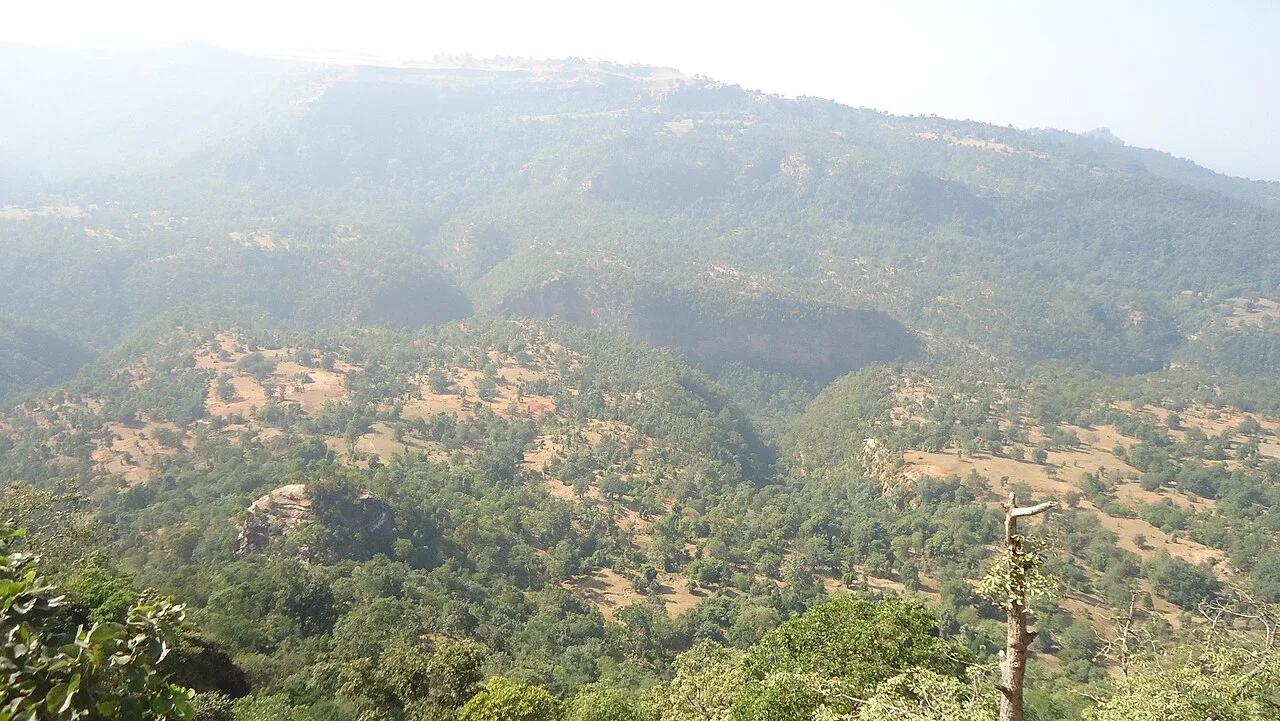
Chhindwara district lies on the Satpura plateau in southern Madhya Pradesh, where wooded hills, valleys, farms and small settlements shape the landscape. Tamia and the dramatic valley of Patalkot are among its best-known natural settings. The district has a strong presence of Gond and Korku communities, whose histories and livelihoods are closely connected with the region’s forests and countryside. Agriculture and local markets are also central to its character. Chhindwara city is the main urban centre, while travel beyond it leads into quieter rural and hilly areas. The district offers a less urban view of Madhya Pradesh, with landscapes and community traditions that vary across its settlements.
Chhindwara lies in the Satpura highlands of southern Madhya Pradesh, between the state’s central districts and the Nagpur region of Maharashtra. Its wooded hills, valleys and rural settlements offer a quieter, less urban experience of the state. The district is best known to travellers for Tamia and Patalkot, a steep-sided valley in Tamia tehsil, as well as for its forested countryside. Gond and Korku communities have longstanding ties to the region, and agriculture and local markets remain important parts of daily life. Chhindwara city is the main service centre; journeys beyond it reveal the district’s varied rural and hilly character.
Chhindwara’s past is connected with the history of the Satpura region and the Gond communities who have lived here for generations. The wider area was associated with Gond polities, including the kingdom centred at Deogarh, which became an important power in the region. Maratha influence followed, and the Bhonsles of Nagpur held authority over parts of the surrounding territory before British rule expanded in the nineteenth century. Under the British, the area was brought into a more formal district administration and became part of the Central Provinces, later known as the Central Provinces and Berar. After Indian independence, it was incorporated into Madhya Pradesh when the state was formed in 1956. Chhindwara’s modern history has also been shaped by farming, forest-based livelihoods, expanding road and rail links, and the growth of its namesake city as a regional centre. Gond and Korku histories and cultural practices remain an important part of the district’s identity.
Food in Chhindwara reflects the wider cuisine of Madhya Pradesh and central India rather than a single district-specific menu. Poha, often served with jalebi, is a familiar breakfast; bhutte ka kees and dal bafla are regional favourites. In rural and tribal areas, meals may also draw on seasonal crops and forest produce, with mahua used in some local food traditions. Recipes and availability differ between communities and seasons. Small eateries may prepare only a limited selection each day, so ask what is fresh. Vegetarian meals are widely available, and larger towns generally offer other options too.
Chhindwara’s craft traditions sit within the wider tribal and rural culture of central India. Gond painting is an established art tradition in Madhya Pradesh, though it is especially associated with communities and artists elsewhere in the state and should not be treated as exclusive to Chhindwara. Local craft availability can vary by town, market and season; visitors may find practical handmade goods alongside products brought in from other areas. Ask sellers about the maker and place of origin, particularly when looking for work that is specifically from the district.
Holi, Diwali, Navratri and other widely celebrated Hindu festivals are observed in Chhindwara city and its towns, often with local gatherings and market activity. Harvest-related observances and community celebrations also mark the agricultural calendar. In some Gond and other tribal communities, seasonal fairs and Madai gatherings are part of regional life; their timing and scale vary by locality. Larger festival periods can bring busier markets and more visitors to town centres, while accommodation in smaller settlements may be limited. Travellers planning to stay outside Chhindwara city should check local availability ahead of a festival period.
Elsewhere in Madhya Pradesh
The district occupies part of the Satpura plateau, with forested uplands, ridges, valleys, farmland and settlements spread across varied terrain. Patalkot is a notable valley in Tamia tehsil, while the wider Tamia area is known for wooded hills and viewpoints. Rivers and seasonal streams drain the countryside, though routes and access can be affected by local conditions, especially during the monsoon. Roads between the main town and hill settlements can be winding, and some rural stretches are slower to travel than the map may suggest. The landscape makes road journeys and local guidance important parts of planning.
Chhindwara has hot summers, a monsoon season and generally cooler, drier winters. Summer days can make outdoor walks tiring, while heavy monsoon spells may affect rural roads, trails and valley access. The most comfortable broad period for exploring is usually from October through February, though conditions vary and winter mornings and evenings can be cool. March and early summer may still suit travellers who plan activities for cooler parts of the day. Pack light, breathable clothing for warm weather, a warm layer for winter evenings, sturdy shoes, sun protection and rain protection during the monsoon. Check local road conditions before heading to Tamia or Patalkot.
Chhindwara Junction is the district’s principal railway station. For air travel, Nagpur’s Dr Babasaheb Ambedkar International Airport and Bhopal’s Raja Bhoj Airport are possible gateways; the more convenient choice depends on your route and onward connections. Chhindwara is linked by road with Nagpur and other regional centres, and buses and private vehicles serve the main town. For places such as Tamia and Patalkot, onward road travel is needed; local buses, shared vehicles and taxis may be less frequent outside urban areas. Check current services locally before travelling.
Chhindwara city is the district’s main transport and service hub, with road connections to towns and regional centres. Local buses, shared vehicles and private taxis may serve routes towards Tamia and other settlements, but services can be less frequent outside urban areas. Autos are useful for short trips within towns; they are not a substitute for arranging transport to more remote places. For Patalkot, plan the onward road journey from the Tamia area and confirm vehicle availability locally, especially for return travel. A private vehicle or locally arranged driver can offer more flexibility, while monsoon conditions may slow journeys.
2 days: Patalkot; sleep night 1 in Tamia. 3 days: Patalkot, allowing a slower visit to the valley; sleep night 1 in Tamia and night 2 in Chhindwara.
Chhindwara city is the practical base for rail connections, services and a wider choice of accommodation. Tamia is a useful base for a Patalkot visit and the surrounding hills, though options may be fewer and should be confirmed in advance. Depending on the locality, travellers may find hotels, simple guesthouses, homestays or government-run accommodation; availability and facilities vary. Dharamshalas may be available in some towns, but they are not a dependable option everywhere. For remote stays, ask locally about access, meals and transport before setting out.
Roads to hilly and rural areas can be narrow, winding or affected by rain; avoid rushing and check conditions before departure. Wear sturdy footwear on uneven ground and do not approach steep valley edges. Forests are wildlife habitat, so keep a respectful distance from animals and follow local guidance. Carry drinking water and basic medicines, and use treated or sealed water if you are unsure of the supply. Mobile connectivity may be patchy beyond towns, so share plans and arrange return transport in advance. Crowds can increase around festivals. Check current local restrictions with authorities; confirm officially whether any permit is required for your intended visit.
- Hoshangabadabout 27 km
- Narmadapuramabout 61 km
- Seoniabout 105 km
- Nagpur · Maharashtraabout 125 km
- Raisenabout 130 km
- Betulabout 131 km
- Amravati · Maharashtraabout 146 km
- Sanchiabout 155 km
Straight-line distance between the centres of each district's destinations; road distance is longer.
All districts of Madhya Pradesh
Q: How many days should I spend in Chhindwara district? A: Two days can allow for a visit to Patalkot; three days give more time for the valley and a less hurried stay. Q: When is the best time to visit? A: October to February is generally comfortable for travel, while monsoon conditions can affect roads and outdoor plans. Q: What is the best base for visiting Patalkot? A: Tamia is a practical base for the valley; Chhindwara city is better for transport links and a broader range of services. Q: How do I get to Chhindwara? A: Chhindwara Junction is the main railway station. Nagpur and Bhopal airports are possible air gateways, followed by onward road travel. Q: Is the district suitable for families or elderly travellers? A: Chhindwara city is accessible for many visitors, but Patalkot involves hilly roads and uneven terrain. Assess mobility needs and arrange suitable transport and support.
This page draws on our 1 destination guides for Chhindwara and is updated as our team checks it.
Be the first to share photos, stories, advice or a helpful contact for Chhindwara.
Loading…