
District · Madhya Pradesh
Chanderi
Chanderi is a historic town in Ashoknagar district, in northern Madhya Pradesh, near the meeting zone of the Malwa region and Bundelkhand.
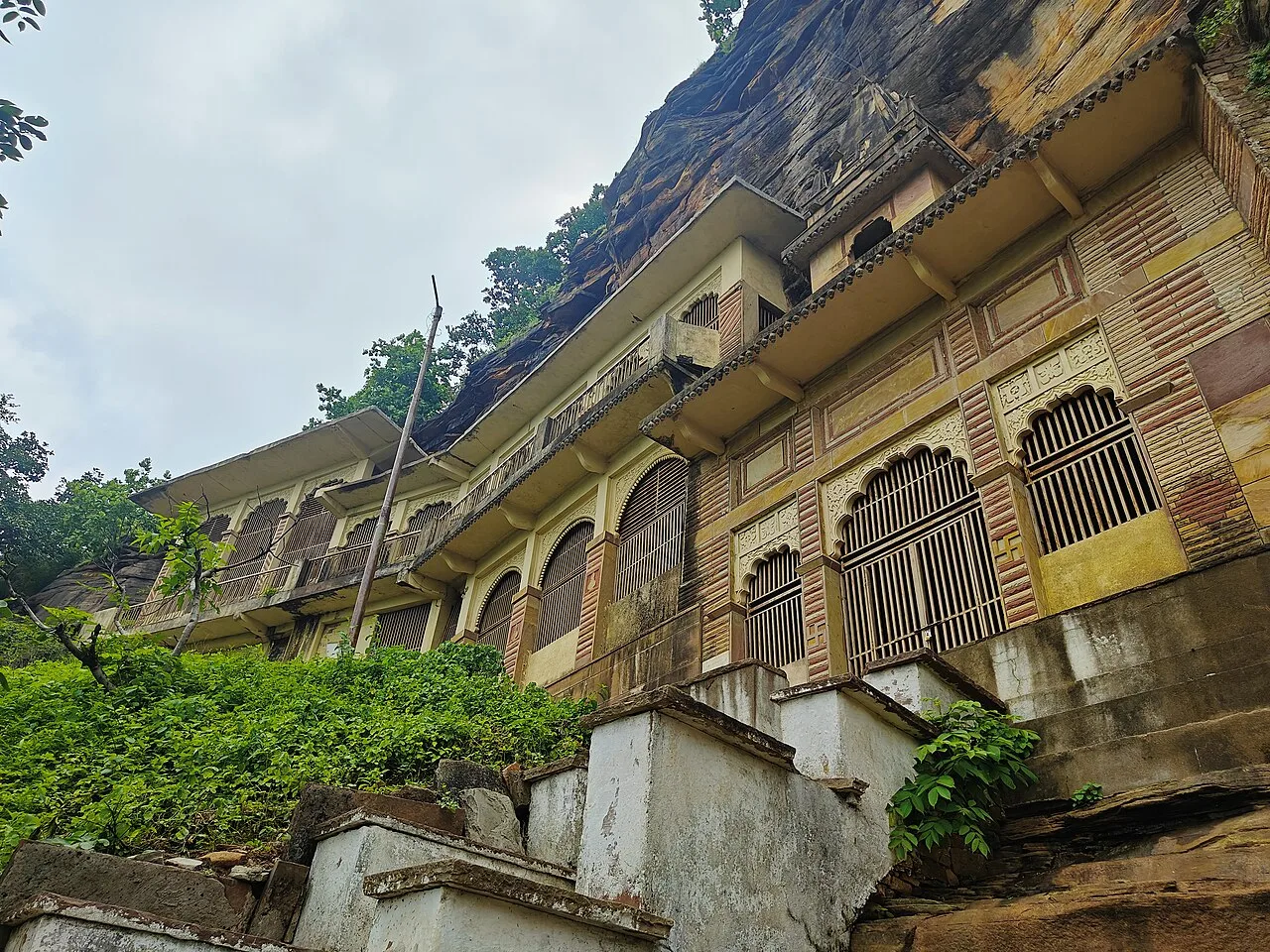
Chanderi is a historic town in Ashoknagar district, set among low hills and wooded countryside in north-central Madhya Pradesh, near the meeting of the Malwa and Bundelkhand regions. Its hilltop fort, old gateways, mosques, temples and other monuments reflect centuries of strategic importance on routes crossing central India. The town changed hands under several regional and imperial powers, including the Malwa sultans, the Mughals and the Bundelas, leaving a layered architectural character. Today, Chanderi is known both for its heritage and for its handwoven sarees. Its compact historic centre, surrounding landscape and continuing craft traditions give it a quieter character than Madhya Pradesh’s larger urban destinations.
Chanderi is a historic town in Ashoknagar district, in northern Madhya Pradesh, near the meeting zone of the Malwa region and Bundelkhand. There is no separate Chanderi district; this page focuses on the town and its surrounding area. Travellers come for Chanderi’s forts, old streets, historic buildings and long-standing handloom tradition, especially its distinctive silk sarees. The town offers a compact introduction to central Indian history and craft, and can suit visitors interested in heritage as well as textiles. Its hill setting and surviving historic fabric give the visit a different character from the larger cities of Madhya Pradesh.
Chanderi’s position on routes linking central India with northern India helped it grow as a fortified settlement and trading centre. Its recorded history spans several ruling powers, and the town’s monuments reflect changing political fortunes. In the early sixteenth century, Chanderi was held by the Rajput chief Medini Rai. In 1528, Mughal ruler Babur captured the town after a siege, a major episode in its history. It later came under successive regional powers, including the Malwa rulers and the Bundelas; control shifted again as Maratha influence expanded in central India. Chanderi eventually became part of the princely state of Gwalior under the Scindias, which entered the British system of princely states. After Indian independence, Gwalior joined the Indian Union and its territory was integrated into Madhya Pradesh. Chanderi is now a town in Ashoknagar district. It is not a separate district, so a distinct formation date for a “Chanderi district” does not apply. The town’s handloom tradition also became an enduring part of its identity, alongside its fort and historic architecture.
Food in Chanderi reflects the wider cooking traditions of Madhya Pradesh, with everyday meals shaped by local availability and household customs. Poha is a familiar breakfast across the state, while dal bafla and dal baati are hearty regional dishes; seasonal vegetables and simple lentil preparations are also common. Menus at small eateries may be limited, so it is useful to ask what has been cooked fresh that day. Vegetarian travellers generally have good options, and non-vegetarian dishes may be available too. These are regional favourites rather than foods unique to Chanderi; specialities such as Bhopal’s kebabs or Indore’s night-market snacks belong to those cities.
Chanderi is especially associated with its handwoven sarees, a celebrated textile tradition of the town and wider region. Weavers work with silk, cotton and blends to create lightweight fabrics, often recognised for their fine texture, subtle sheen and traditional motifs. The craft is part of local livelihoods as well as Chanderi’s identity, and visitors may find sarees and other woven products in town shops or craft outlets. Designs and production methods vary between makers, so buyers can ask about the fabric and weaving process. Chanderi textiles are regionally distinctive, but should not be confused with a craft tradition found only in one community or workshop.
Holi, Diwali and Navratri are observed in Chanderi and the wider region, with community gatherings and local worship adding activity around their usual seasons. Eid is also celebrated by local Muslim communities. These occasions may bring more visitors and make accommodation busier, particularly around major holiday periods, though crowds vary from year to year. Cultural or handloom events may be held locally, but their schedules are not fixed; check current local information before planning a visit around a specific event.
Elsewhere in Madhya Pradesh
Chanderi stands amid rugged, rocky hills and broken upland terrain on the northern side of Madhya Pradesh, near the broader Malwa–Bundelkhand region. The surrounding countryside includes scrub, cultivated land and patches of woodland, with seasonal watercourses rather than a coastal or large-river setting defining most visits. The hilltop fort and scattered historic sites make some exploration steep or uneven. Roads connect the town with nearby settlements, but rural routes can be slower and less direct than a map suggests, especially during the monsoon.
Chanderi has a typical central Indian seasonal pattern. Summers, broadly from March into June, are hot and sunny, so plan outdoor exploration for cooler parts of the day and carry water and sun protection. The monsoon usually runs from around June to September; the countryside becomes greener, but rain can make roads and stone paths slippery. Winter, from roughly November to February, is generally the most comfortable season for walking and sightseeing, with cooler mornings and evenings. October and early spring can also be pleasant. Pack breathable clothing, a hat and sunscreen in warm months, a light rain layer during monsoon, and an extra layer for winter evenings.
Chanderi is reached mainly by road, with connections from Ashoknagar and other towns in the surrounding region; the final approach is by local roads. Tikamgarh is identified as the nearest principal railway station by straight-line distance, while Gwalior (Rajmata Vijaya Raje Scindia) Airport is the nearest operating airport on the same basis. These may not be the most convenient gateways for every itinerary, so check onward road connections before travelling. Buses and hired vehicles can serve regional routes, while autos, local vehicles and walking are useful for getting around town. Check current services locally before setting out.
Chanderi is reached by road, with connections towards Ashoknagar and other nearby towns. Buses and shared vehicles may serve regional routes, but frequency and onward connections can vary, so confirm locally before relying on them. Within town, autos or locally arranged vehicles can help with longer hops; walking is practical for parts of the historic centre, though lanes and approaches may be steep or uneven. Taxis or private vehicles offer more flexibility for visiting sites outside the centre. Allow extra time for rural roads, particularly in wet weather, and arrange return transport in advance where services are limited.
2 days: Chanderi Town; sleep each night in Chanderi. 3 days: Chanderi Town; sleep each night in Chanderi, allowing more time for the town’s historic sites and handloom heritage.
Chanderi is the practical base for both suggested circuits, since the listed destination is the town itself. Accommodation options may include small hotels, guesthouses and locally run stays; availability and facilities can be more limited than in larger cities. Ashoknagar or other regional towns may offer alternatives for travellers continuing by road, but staying there adds travel time to Chanderi. Book ahead during public holidays or local events, and confirm current facilities directly before travelling.
Historic lanes, fort approaches and old stone surfaces can be steep, uneven or slippery, especially after rain; use sturdy footwear and take care on steps and edges. Summer heat calls for water, shade and sun protection. Use treated or sealed drinking water if unsure about local supplies. Road conditions and public transport can be variable outside town, so avoid assuming late connections and check routes locally. Mobile coverage may be inconsistent in rural stretches. Wildlife can occur in surrounding countryside, so keep a respectful distance and do not walk into wooded areas after dark. No special permit requirement is known for the listed town visit; confirm officially if plans include restricted or protected sites.
- Lalitpur · Uttar Pradeshabout 24 km
- Tikamgarhabout 67 km
- Orchhaabout 87 km
- Niwariabout 87 km
- Shivpuriabout 92 km
- Jhansi · Uttar Pradeshabout 94 km
- Sagarabout 107 km
- Datiaabout 111 km
Straight-line distance between the centres of each district's destinations; road distance is longer.
All districts of Madhya Pradesh
Q: How many days should I spend in Chanderi? A: Two days suit a focused visit; a third day allows a slower look at the town’s heritage and handloom tradition. Q: When is the best time to visit? A: Winter is generally most comfortable for walking and sightseeing. The monsoon is greener but can make paths slippery. Q: Where is the best base? A: Stay in Chanderi for the easiest access to the town’s historic centre and listed destination. Q: How do I get to Chanderi? A: Travel by road from regional towns such as Ashoknagar; check current bus or shared-vehicle connections before setting out. Q: Is Chanderi suitable for families or elderly travellers? A: Yes, with planning. Some historic routes involve uneven ground, steps and slopes, so choose accessible areas and allow a relaxed pace.
This page draws on our 1 destination guides for Chanderi and is updated as our team checks it.
Be the first to share photos, stories, advice or a helpful contact for Chanderi.
Loading…