
District · Uttar Pradesh
Jhansi
Jhansi is a historic city in the Bundelkhand region of southern Uttar Pradesh and a useful base for exploring the district.
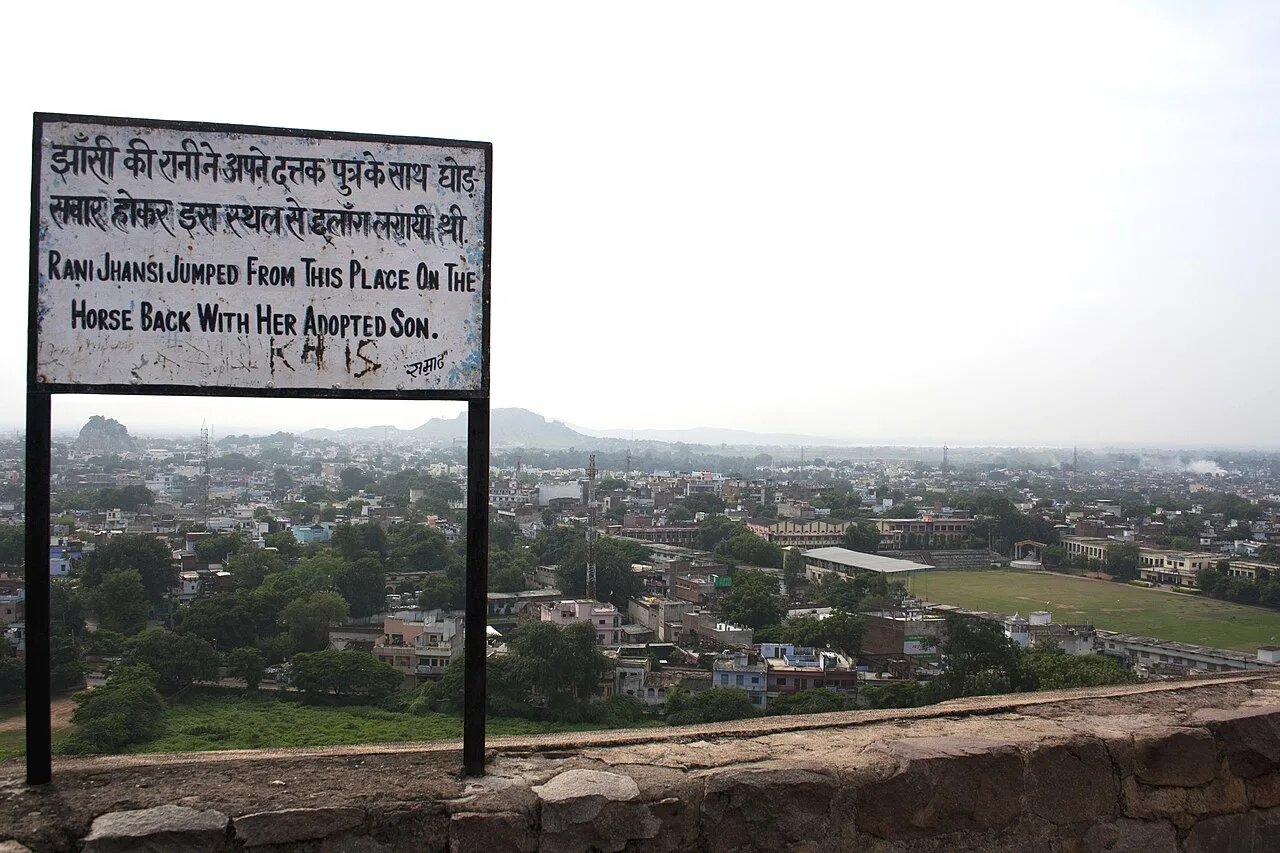
Jhansi lies in the Bundelkhand region of southern Uttar Pradesh, a landscape of rocky uplands, cultivated plains and seasonal streams. The district’s historic centre grew around Jhansi Fort, set on a rocky rise, and the palaces and old streets nearby. Its best-known figure is Rani Lakshmibai, whose resistance during the uprising of 1857 remains central to the city’s identity. Jhansi also developed as an important railway and road junction, linking Bundelkhand with other parts of north and central India. The city combines historic sites such as the fort and Rani Mahal with busy markets and modern neighbourhoods; the wider district is more rural and shaped by farming and the region’s dry seasons.
Jhansi is a historic city in the Bundelkhand region of southern Uttar Pradesh and a useful base for exploring the district. Its identity is closely associated with Jhansi Fort and Rani Lakshmibai, whose role in the uprising of 1857 is remembered across India. Rani Mahal offers another view of the city’s royal past, while the surrounding district has a quieter, largely rural character shaped by farming and seasonal water. Jhansi is also a major railway and road junction, making it a practical point of arrival for travel through Bundelkhand. Visitors come for its history, regional setting and links to the wider area.
Jhansi’s history reflects the changing powers of Bundelkhand. The region had connections with the Chandela kingdoms, whose influence was prominent in parts of central India during the medieval period, and later came under Bundela rulers. The fort at Jhansi is associated with the Bundela ruler Raja Bir Singh Deo of Orchha and is generally dated to the early seventeenth century. In the eighteenth century, Jhansi became an important seat of Maratha authority, governed by the Newalkar family. After the death of Raja Gangadhar Rao without a natural heir, the British annexed Jhansi in 1853. Rani Lakshmibai became a leading figure in the uprising of 1857; British forces captured the city in 1858. Jhansi subsequently formed part of British-administered territories and developed as a rail and administrative centre. After independence, it became part of Uttar Pradesh. The district’s present identity joins this layered political history with the continuing cultural traditions of Bundelkhand.
2 destination guides · 1 on the map
Jhansi Fort
Jhansi Fort is a historic stronghold on Bangira in Jhansi, Uttar Pradesh. Visitors can explore its links to the Karhade Brahmin rulers and the town’s later British-era history.
Rani Mahal
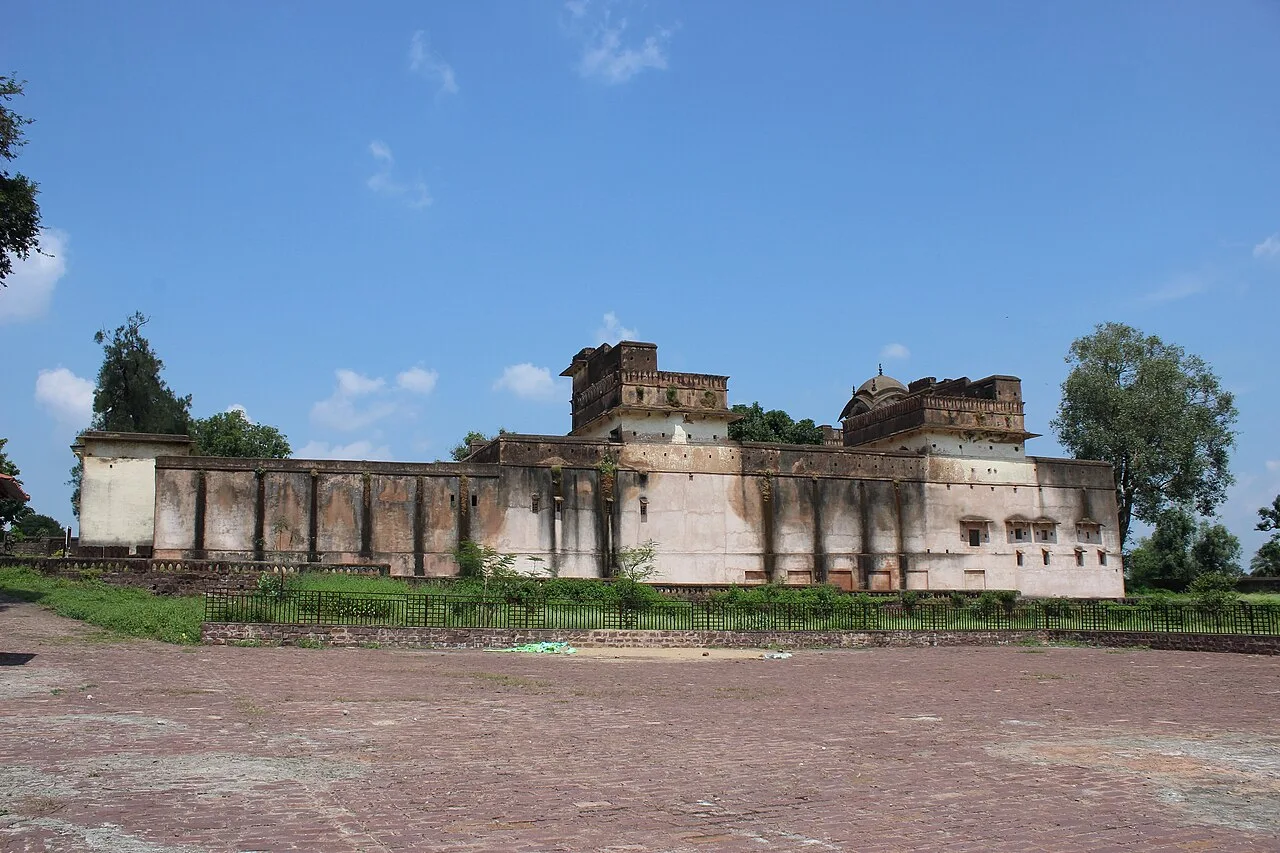
Rani Mahal is a palace or haveli in Jhansi district, Uttar Pradesh. Visitors come to see the place as an example of this type of building.
Food in Jhansi reflects Bundelkhand’s practical, seasonal cooking as well as wider Uttar Pradesh tastes. Meals commonly centre on wheat or millet breads, lentils and vegetables, with ingredients varying by season and household. In town, look for familiar snacks such as kachori, samosa and jalebi, alongside simple local meals. The state’s best-known specialities—such as Awadhi kebabs and biryani, Agra petha, or Varanasi chaat—belong to other regional food traditions rather than being specific to Jhansi. Ask what is freshly prepared; busy stalls serving food cooked to order are a sensible choice.
Jhansi is associated in Uttar Pradesh’s district craft listings with soft-toy making, a local craft tradition visitors may encounter in shops and markets. Across Bundelkhand, practical crafts and handmade goods vary from place to place, and pottery and other everyday handicrafts may be found in regional markets. The district is better known nationally for its history than for a single dominant handloom tradition. Ask sellers where an item was made, especially when buying goods described as local, since market stock can include products brought in from elsewhere.
Holi, Diwali, Dussehra and the Navratri festivals are observed in Jhansi and across Bundelkhand, with celebrations usually following the Hindu calendar. Religious gatherings and local fairs may take place at different times of year, though their scale and schedules vary by locality. These occasions bring activity to markets and public spaces; the larger festival periods can make transport busier and accommodation harder to find, especially in the city. Travellers planning around a festival should check local announcements and arrange rooms ahead where possible.
Elsewhere in Uttar Pradesh
Jhansi lies in Bundelkhand, a region of rocky uplands, low hills and cultivated plains. The district has seasonal streams and watercourses rather than a coastal landscape, and the flow of smaller waterways changes with the monsoon. Around the city, the fort’s rocky rise stands out against built-up neighbourhoods and farmland. The wider district is mostly rural, with fields and scattered wooded areas. In dry months, exposed ground and limited shade can make outdoor visits tiring; during and after monsoon rain, rural roads and tracks may become muddy or uneven.
Jhansi has hot summers, a monsoon season and cooler winters. The period from about October to March is generally the most comfortable for sightseeing, with winter mornings and evenings sometimes feeling cool. Summer heat can be intense, so plan outdoor visits for earlier or later in the day and carry water, sun protection and light clothing. Monsoon weather brings rain and greener fields, but showers can affect road conditions and outdoor plans. Pack breathable clothes for warm weather, a light layer for winter evenings and rain protection if travelling during the monsoon. Check the forecast before setting out.
Jhansi Junction is the principal railway station for the city and a major rail connection for Bundelkhand. Gwalior Airport is a nearby airport option, though flight availability and onward connections can vary. Jhansi is linked by major roads, including National Highways 44 and 27, and UPSRTC buses and private coaches connect it with cities in Uttar Pradesh and neighbouring states. Within the city, auto-rickshaws, e-rickshaws and taxis are useful for reaching the fort, Rani Mahal and other neighbourhoods; confirm local routes and availability on arrival. Check current services locally before travelling.
Jhansi city is the main base for reaching the district’s sights. Auto-rickshaws and e-rickshaws are useful for local trips, while taxis can be arranged for more flexible journeys. Local buses serve parts of the city and connect some nearby towns, though routes and frequency may vary; shared vehicles may also operate on regional roads. For travel beyond the city, confirm the return journey and road conditions locally, particularly in rural areas. The main road links connect Jhansi with other parts of Uttar Pradesh and neighbouring states. Allow extra time during busy periods or after heavy rain.
2 days: Rani Mahal, then Jhansi Fort; sleep both nights in Jhansi. 3 days: Jhansi Fort, then Rani Mahal; sleep all nights in Jhansi.
Jhansi city is the most practical base for both suggested circuits, with access to the district’s principal transport connections and listed destinations. The city generally offers hotels and guesthouses across different comfort levels, as well as dharamshalas and other simple accommodation. Homestays or government lodges may be available in the wider area, but options can be more limited outside the city and should be confirmed directly. During major festivals or busy travel periods, booking ahead is sensible. Choose a stay with convenient local transport if you prefer not to walk between neighbourhoods.
Summer heat can be strenuous, so carry drinking water, sun protection and any personal medication. Use care on uneven ground around historic structures and follow site instructions; take extra care with children and anyone with limited mobility. Monsoon rain can leave rural roads slippery or slow, so check conditions before travelling. Use reliable drinking water and take ordinary food and insect precautions. Road connectivity is generally strongest around the city and main routes; mobile coverage may be less consistent in rural areas. Crowds can build during festivals. No special permit requirement is assumed for the listed destinations; confirm any current access rules with official sources before travel.
- Orchha · Madhya Pradeshabout 14 km
- Niwari · Madhya Pradeshabout 14 km
- Datia · Madhya Pradeshabout 27 km
- Shivpuri · Madhya Pradeshabout 76 km
- Tikamgarh · Madhya Pradeshabout 88 km
- Gwalior · Madhya Pradeshabout 94 km
- Chanderi · Madhya Pradeshabout 94 km
- Bhind · Madhya Pradeshabout 109 km
Straight-line distance between the centres of each district's destinations; road distance is longer.
Q: How many days should I spend in Jhansi district? A: Two days can cover the listed destinations at an unhurried pace; allow an extra day if you want a slower visit or time for local travel. Q: When is the best time to visit? A: October to March is generally the most comfortable period for sightseeing. Summer is hot, while monsoon rain can affect outdoor plans. Q: Where is the best base for these circuits? A: Jhansi city is the most practical base, with the main transport connections and accommodation options. Q: How do I get to Jhansi? A: Jhansi Junction is the principal rail station. Road services connect the city with other places in Uttar Pradesh and neighbouring states; Gwalior Airport is a nearby flight option, with onward connections to arrange. Q: Is Jhansi suitable for families or elderly travellers? A: Yes, with planning. The historic sites can involve uneven surfaces and walking, so allow time, use local transport where helpful and check accessibility conditions in advance.
This page draws on our 2 destination guides for Jhansi and is updated as our team checks it.
Be the first to share photos, stories, advice or a helpful contact for Jhansi.
Loading…