
District · Uttar Pradesh
Lucknow
Lucknow is the capital of Uttar Pradesh and a major cultural and administrative centre of the Awadh region.
Lucknow district lies on the alluvial plains of central Uttar Pradesh, with the Gomti River shaping the capital city's landscape. Its best-known heritage reflects the patronage of the Nawabs of Awadh, whose architectural and cultural legacy remains central to Lucknow's identity. Bara Imambara, Chota Imambara and Rumi Darwaza anchor the historic city; the gateway was built by Nawab Asaf-ud-Daula in 1784. Husainabad Clock Tower adds another landmark to this heritage area. Hazratganj represents the city's commercial heart, while Gomti Nagar's Ambedkar Memorial Park offers a contrasting modern commemorative landscape. The State Museum and Lucknow Zoo broaden the sightseeing mix. Beyond these urban attractions, the district includes agricultural countryside typical of the Gangetic plain.
Lucknow is the capital of Uttar Pradesh and a major cultural and administrative centre of the Awadh region. Travellers come for the city’s Nawabi-era architecture, including Bara Imambara, Chota Imambara and Rumi Darwaza, as well as the history preserved at The Residency and the State Museum. Its heritage is also expressed through food, crafts and long-standing cultural traditions. Hazratganj offers a contrasting commercial district, while Gomti Nagar has modern public spaces such as Ambedkar Memorial Park and Janeshwar Mishra Park. The district also extends into the agricultural plains around the city, making Lucknow a useful base for exploring central Uttar Pradesh.
The Lucknow region formed part of successive north Indian states and empires, including the Delhi Sultanate and Mughal Empire. Awadh emerged as a distinct political power in the eighteenth century under Mughal-appointed governors who became increasingly independent. In 1775, Nawab Asaf-ud-Daula moved the Awadh capital from Faizabad to Lucknow, encouraging courtly architecture, literature, music and other arts. Bara Imambara and Rumi Darwaza date to the late eighteenth century; the imambara complex was built during a famine-relief project. The East India Company annexed Awadh in 1856. During the uprising of 1857, the British Residency became a major site of siege and conflict. British rule was consolidated afterwards, and Lucknow developed as an administrative centre under the Raj. Following India’s independence in 1947, the city became the capital of Uttar Pradesh. The present district is centred on Lucknow city and its surrounding Gangetic plain; its boundaries and administration have been shaped by modern state and district governance.
11 destination guides
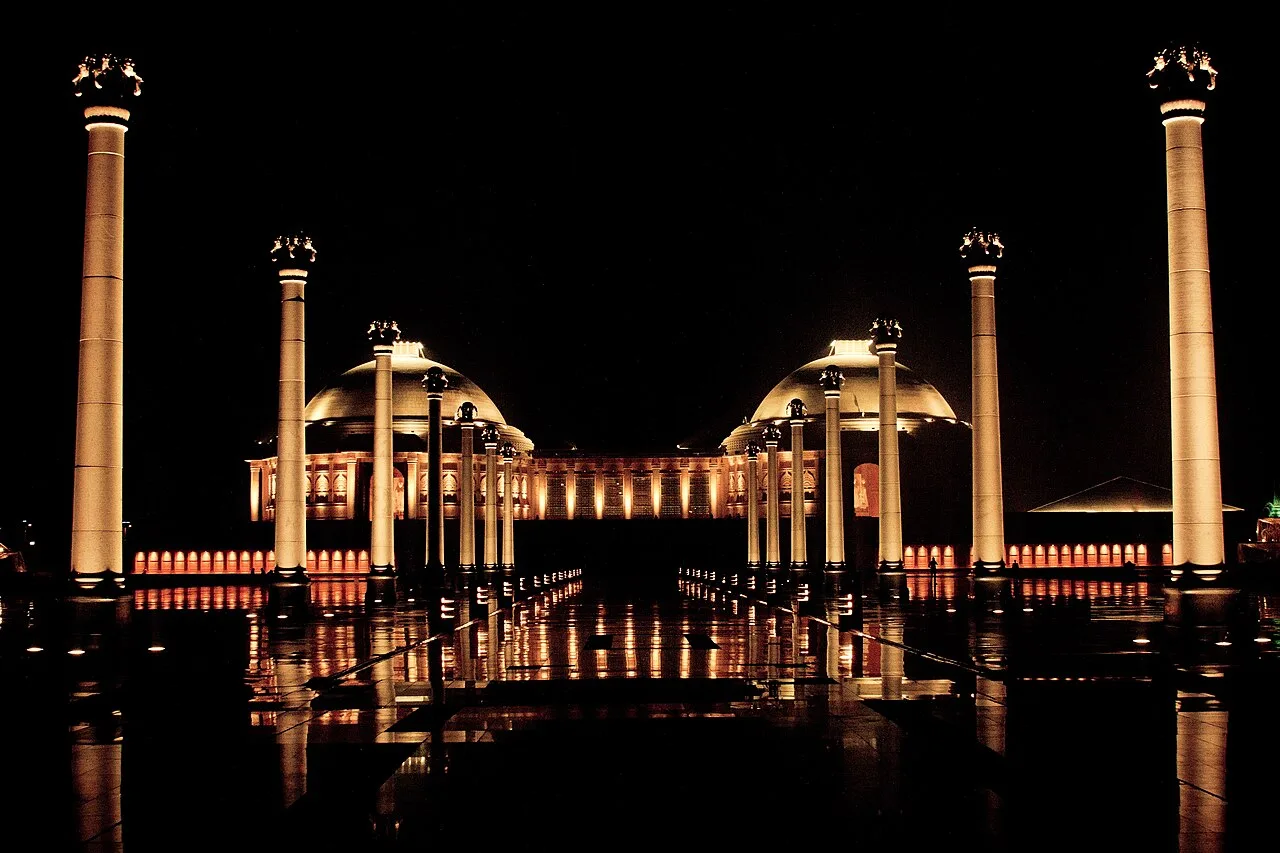
Ambedkar Memorial Park
Dr. Bhimrao Ambedkar Samajik Parivartan Sthal in Gomti Nagar, Lucknow, is a public memorial honouring B. R. Ambedkar and other leaders. Visitors come to view its commemorative features, including 124 monumental elephants.
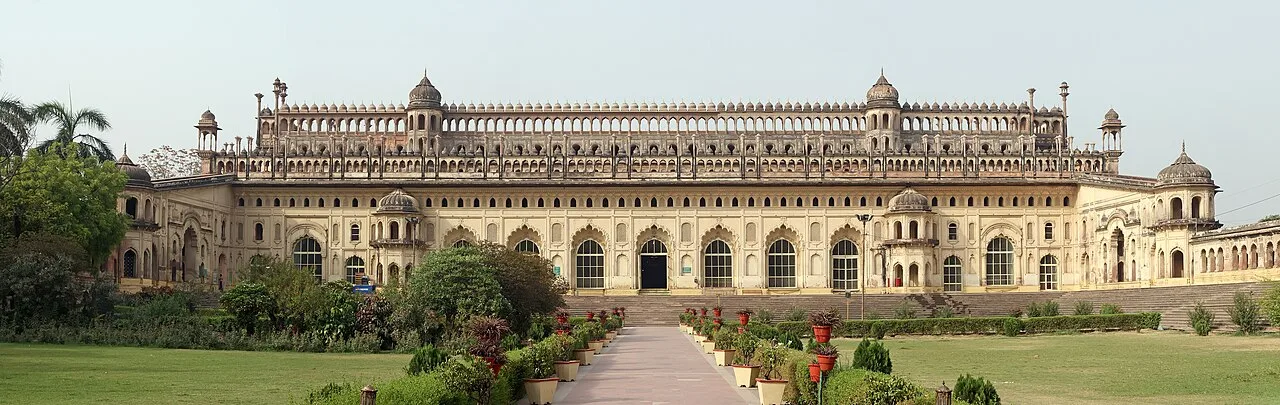
Bara Imambara
Bara Imambara, also known as the Asafi Imambara, is a religious complex in Lucknow. Visitors come to see its imambara and mosque and its status as a nationally important monument.
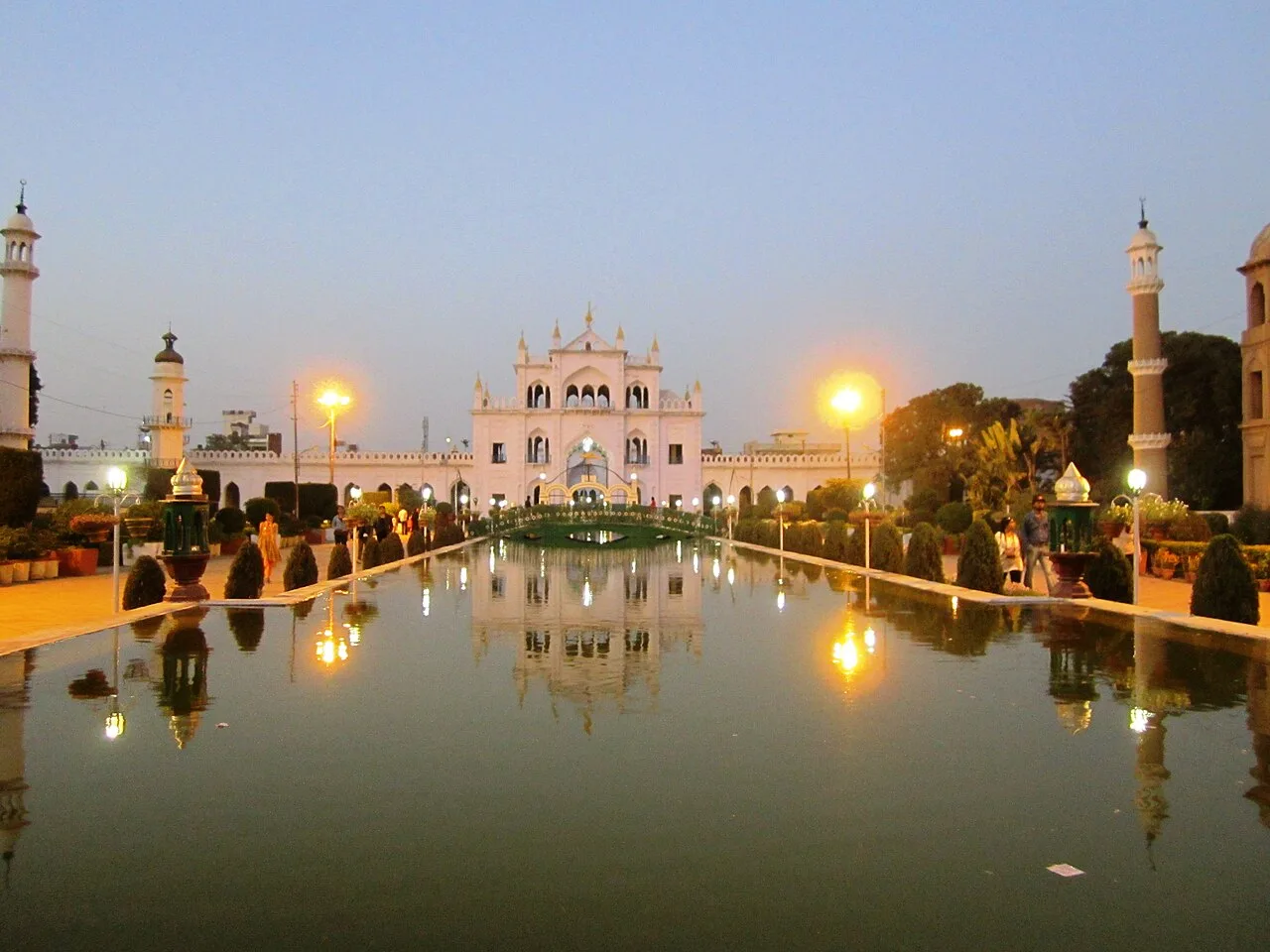
Chota Imambara
Chota Imambara, also called Imambara Hussainabad Mubarak, is a Shia religious hall and mausoleum in Lucknow. Visitors come to see its decorated interiors, calligraphy and distinctive ceremonial features.
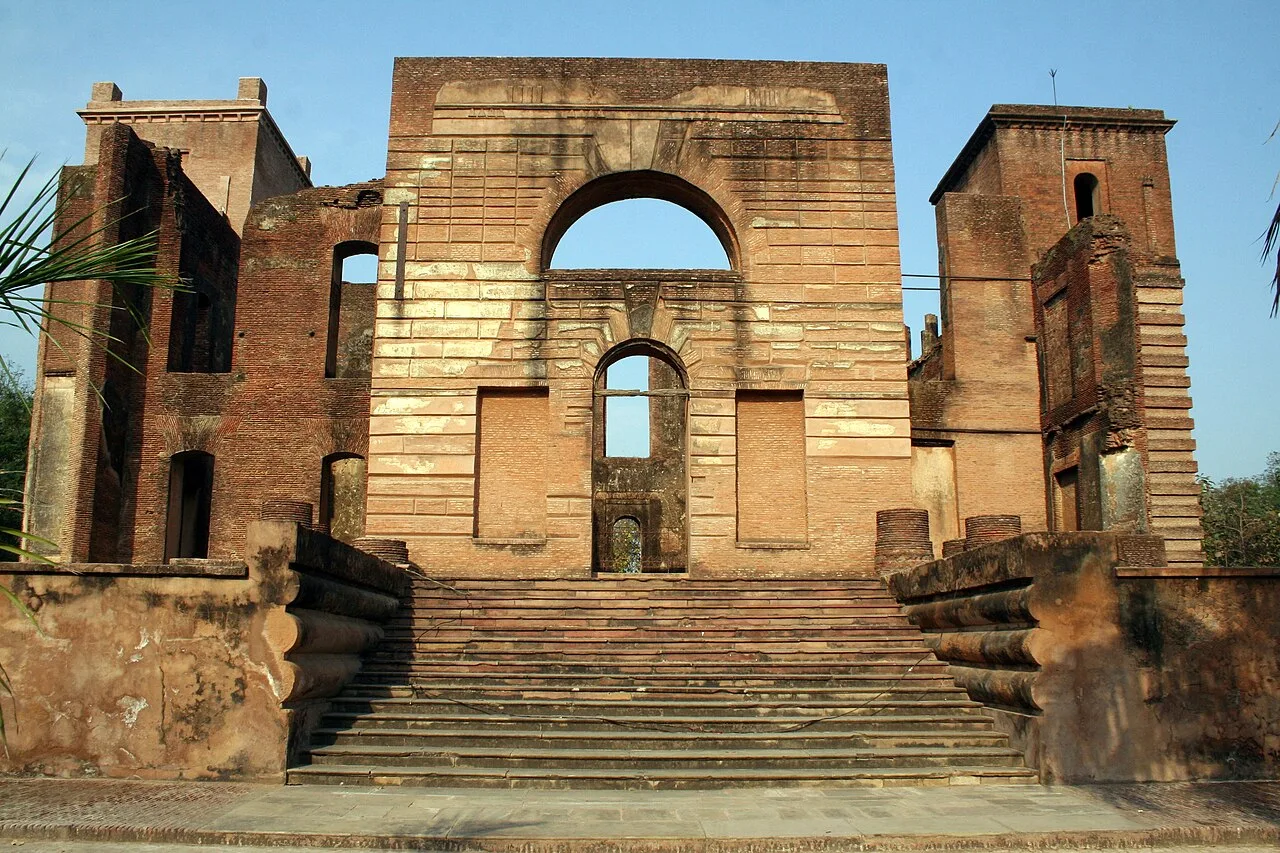
Dilkusha Kothi
Dilkusha Kothi is an eighteenth-century English Baroque residence in Lucknow, now a monument of surviving towers, outer walls and gardens, visited for its historic remains and links to the 1857 siege.
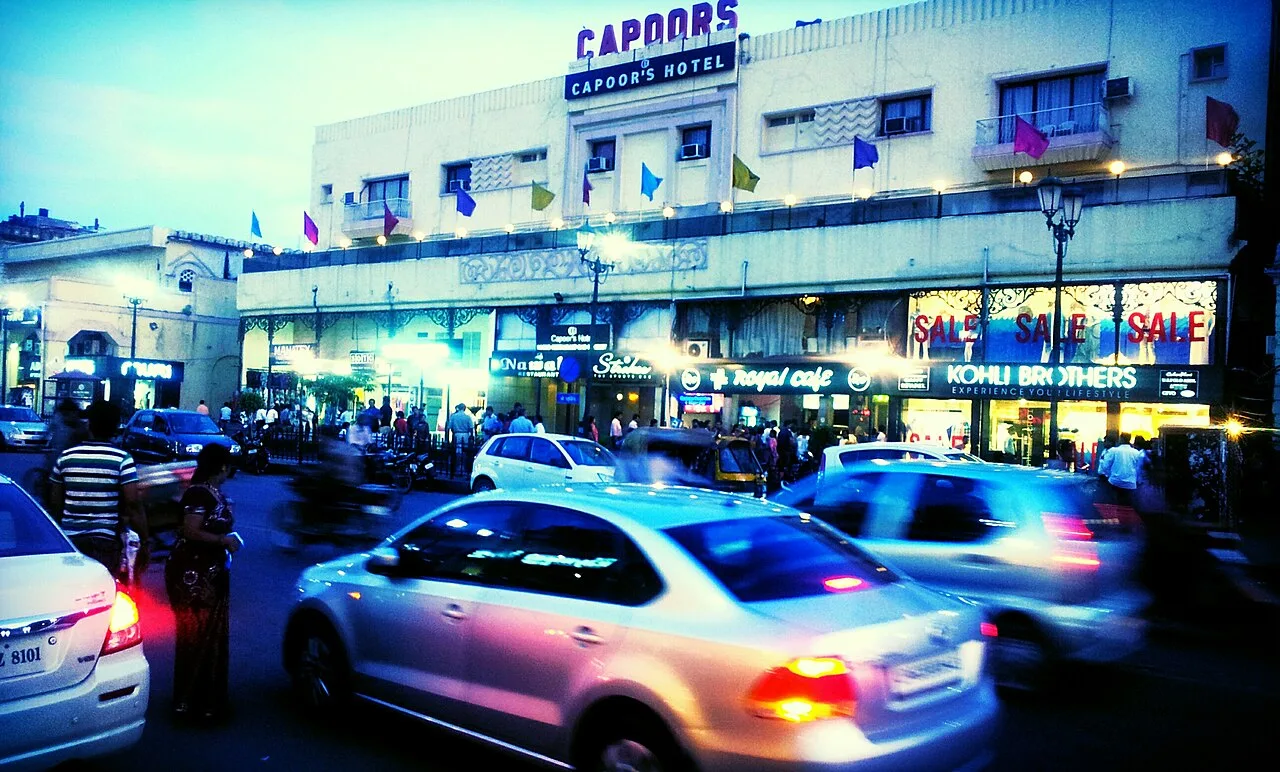
Hazratganj Market
Hazratganj Market is a commercial and shopping area in Lucknow, Uttar Pradesh. Visitors come for its bazaars, retail and dining options, entertainment venues and access to the metro.
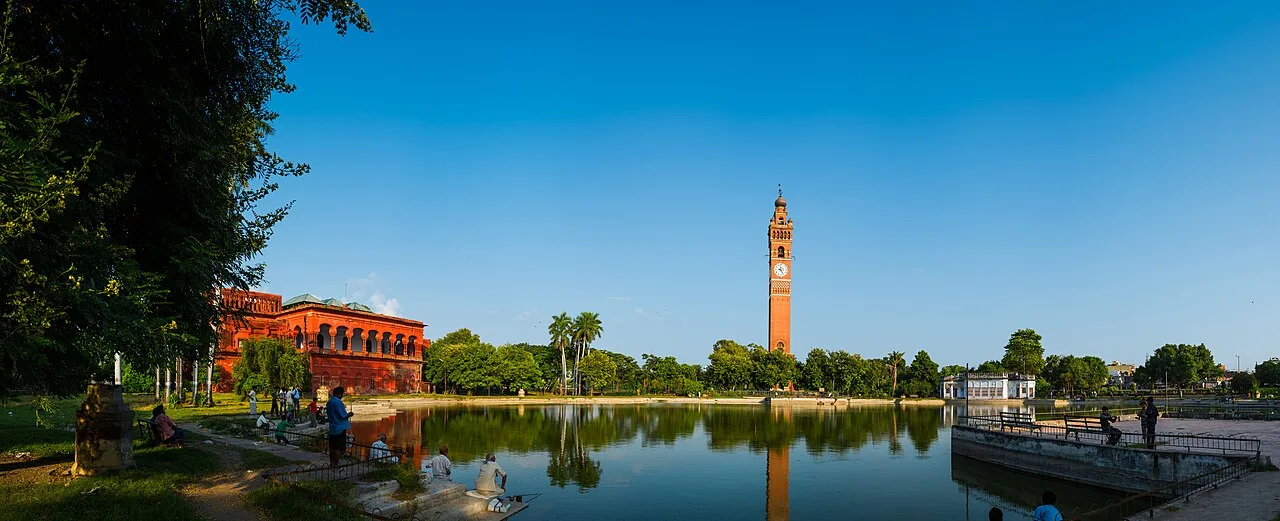
Husainabad Clock Tower
Husainabad Clock Tower is a historic structure in Lucknow, Uttar Pradesh, built to commemorate an official’s arrival. Visitors come to see its combination of Mughal and Victorian architectural features.
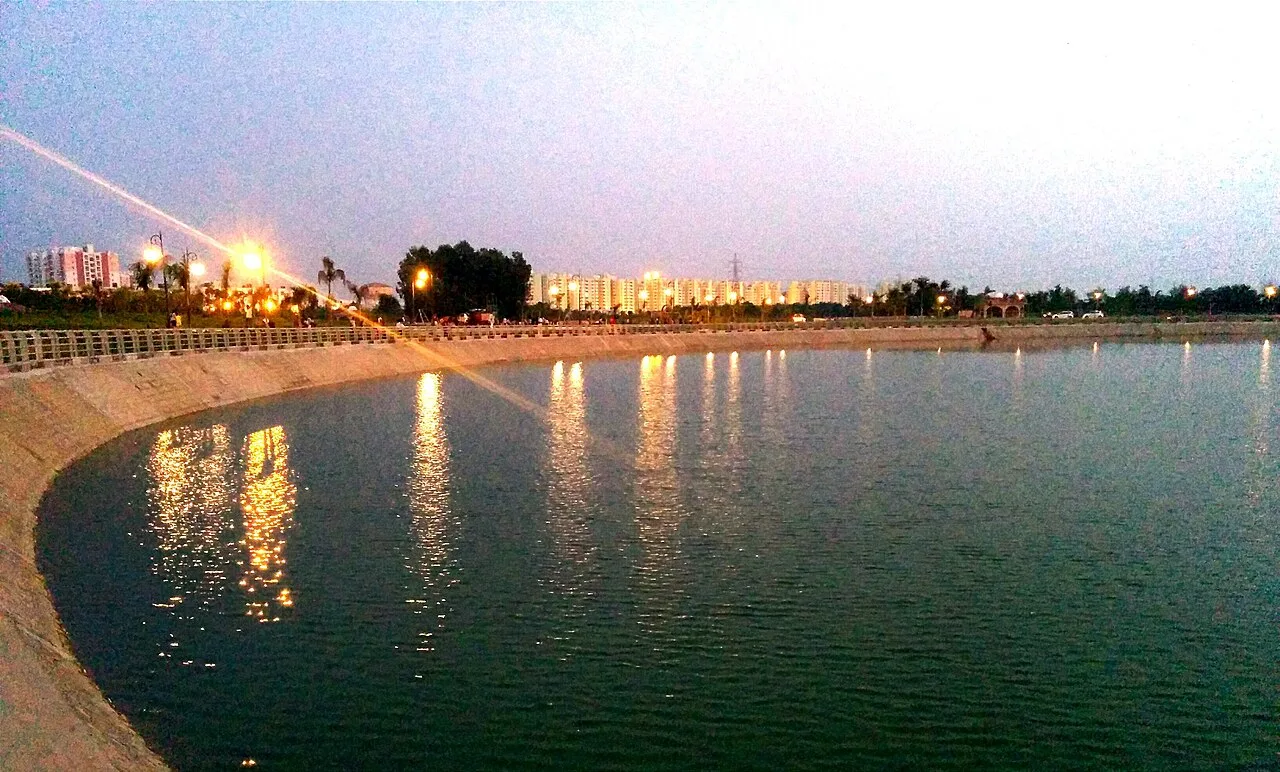
Janeshwar Mishra Park
Located in Gomti Nagar, Lucknow, Janeshwar Mishra Park is a vast urban green space named for Samajwadi Party politician Janeshwar Mishra; visitors come to spend time in this city park.
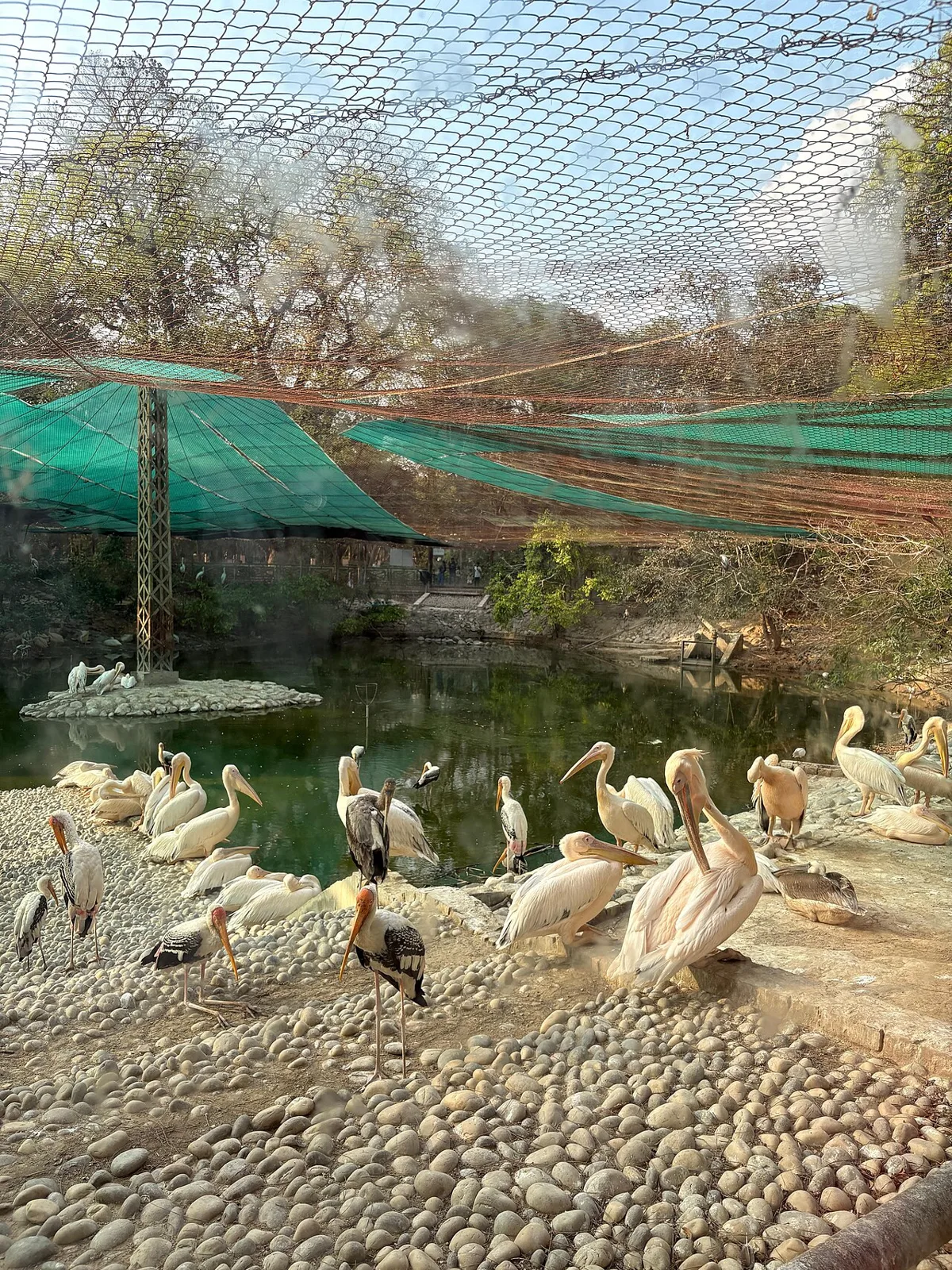
Lucknow Zoo (Nawab Wajid Ali Shah Prani Udyan)
Lucknow Zoo, also called Nawab Wajid Ali Shah Prani Udyan, is a large zoological garden in Uttar Pradesh’s capital, known for its history and its connection to a royal visit.
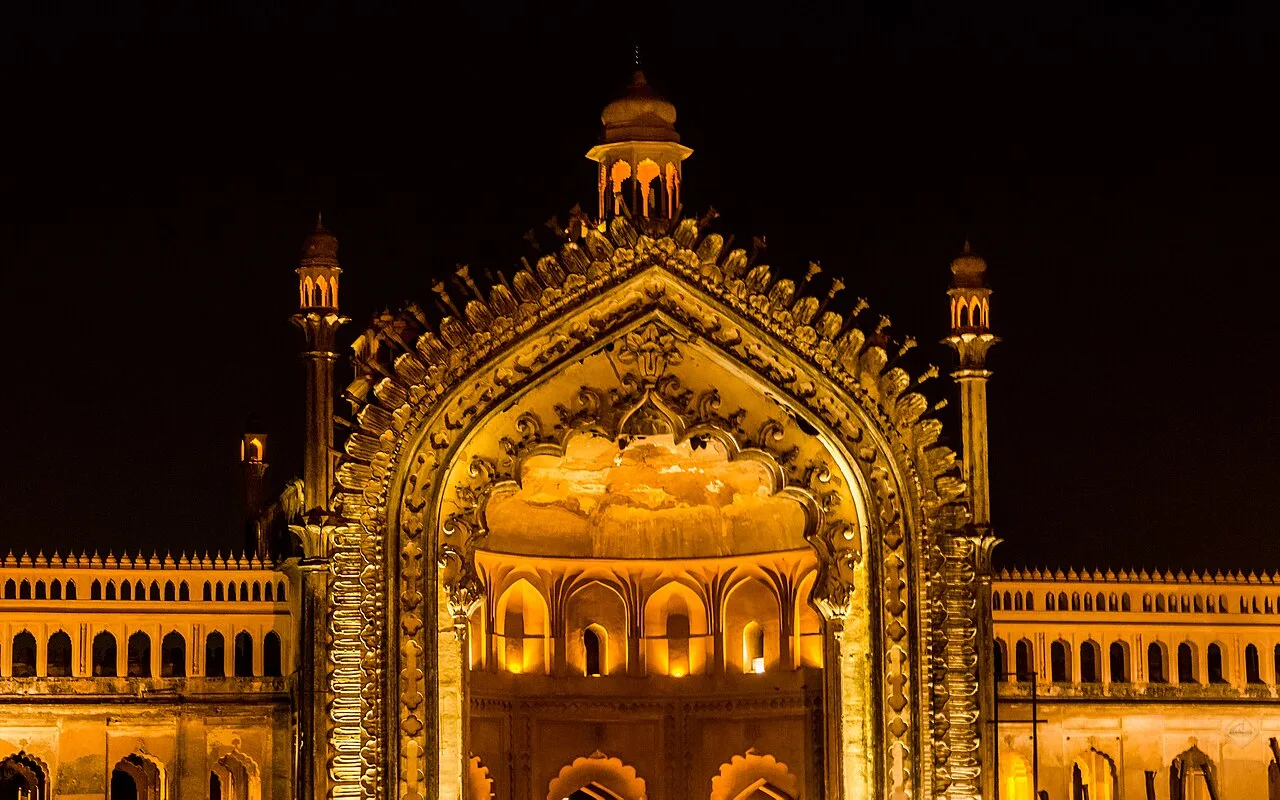
Rumi Darwaza
Rumi Darwaza is an 18th-century gateway in Lucknow, known for its Awadhi design and links to the city’s past. Visitors come to see its architecture and historic setting.
Lucknow is a major centre of Awadhi cooking, known for kebabs, biryani and breads such as sheermal. Galouti kebabs are especially associated with the city, while kakori kebabs take their name from Kakori in Lucknow district. Slow cooking and carefully balanced spices are important features of the wider Awadhi tradition, including dum preparations cooked in sealed vessels. Meat dishes are prominent, but vegetarian meals, snacks and sweets are also available. Ask small eateries what has been prepared fresh that day. For street food, favour busy stalls cooking to order, and pace yourself with richer dishes.
Lucknow is particularly associated with chikankari, a delicate embroidery tradition worked on garments and household textiles. Traditionally recognised for fine white threadwork on light fabric, it is also produced today in varied colours and materials. Zardozi, using metallic threads and decorative embellishments, is another established craft associated with the city and the wider region, especially for festive and bridal clothing. When shopping, ask whether a piece is hand-embroidered or machine-made, examine the reverse and finishing, and compare workmanship rather than relying only on labels.
Muharram is especially significant in Lucknow, where Shia observances and processions reflect the city’s religious and cultural history. Eid, Diwali, Holi and Dussehra are also celebrated, alongside seasonal events such as the Lucknow Mahotsav when scheduled. These occasions can bring crowds, traffic diversions and increased demand for rooms, particularly around prominent religious sites and central areas. Festival dates follow religious or annual calendars and vary from year to year. Visitors should check local announcements, allow extra travel time and book accommodation ahead during major observances.
Elsewhere in Uttar Pradesh
Lucknow district lies on the level alluvial plain of central Uttar Pradesh. The Gomti River passes through the city and has influenced its settlement, parks and urban development. There are no major hills or coastal areas, and much of the district beyond the built-up city is agricultural countryside. The flat terrain generally makes road travel straightforward, but urban traffic can slow journeys between the old city, Hazratganj and Gomti Nagar. Riverside and park areas offer open space within the urban environment; during the monsoon, rain can affect roads and low-lying spots.
Lucknow has hot summers, a summer monsoon and cool winters. The hottest period is generally from late spring into early summer, when shade, water and lighter clothing are useful. Monsoon rains usually arrive in summer and can make roads slower or waterlogged. Winter is more comfortable for walking and sightseeing, though mornings and evenings can be chilly and fog may affect road or rail journeys. October to March is generally the most suitable period for a visit. Pack breathable clothing for warmer days, a light layer for winter evenings, comfortable walking shoes, sun protection and rain protection during the monsoon.
Lucknow is served by Chaudhary Charan Singh International Airport and the major railway hub of Lucknow Charbagh. Check the exact station named on your ticket, as the city has several railway stations. Road approaches include the Agra–Lucknow Expressway and connections towards Kanpur, Ayodhya and other Uttar Pradesh centres. Within the city, the metro is useful along its corridor; buses, taxis, auto-rickshaws and e-rickshaws provide onward connections. Explore compact heritage areas on foot where conditions allow, allowing extra time for traffic between the old city, Hazratganj and Gomti Nagar. Check current services locally.
The city’s metro serves part of Lucknow and can be useful where stations suit your route. City buses, app-based taxis, conventional taxis, auto-rickshaws and e-rickshaws provide other ways to move between sights; availability and traffic conditions vary. The old-city monuments are relatively close together and can be explored on foot in suitable weather, while trips to Hazratganj, the State Museum, Lucknow Zoo and Gomti Nagar are better planned with road travel. Allow extra time for congestion and check current local services. For countryside journeys within the district, arrange road transport in advance rather than relying on frequent connections.
2 days: Bara Imambara → Rumi Darwaza → Chota Imambara → Husainabad Clock Tower → The Residency; sleep in Lucknow each night. Next day: Hazratganj Market → State Museum, Lucknow → Lucknow Zoo (Nawab Wajid Ali Shah Prani Udyan); sleep in Lucknow. 3 days: Bara Imambara → Rumi Darwaza → Chota Imambara → Husainabad Clock Tower; sleep in Lucknow. Next day: The Residency → Dilkusha Kothi → State Museum, Lucknow → Lucknow Zoo (Nawab Wajid Ali Shah Prani Udyan); sleep in Lucknow. Final day: Hazratganj Market → Ambedkar Memorial Park → Janeshwar Mishra Park.
Lucknow city is the practical base for all the listed destinations, with accommodation options ranging from larger hotels and business hotels to guesthouses and homestays. Staying near the central areas can suit visits to Hazratganj and the older monuments, while Gomti Nagar is convenient for Ambedkar Memorial Park and Janeshwar Mishra Park. Choose a base according to your planned routes and check road access, especially during busy festival periods. Dharamshalas and government accommodation may be available, but facilities, eligibility and booking arrangements vary and should be confirmed directly.
Lucknow is a large, busy city: take care in traffic, use marked crossings where possible and allow extra time for road journeys. Summer heat calls for water, shade and sun protection; monsoon rain can cause slippery pavements or waterlogging, while winter fog may disrupt travel. Use drinking water from a trusted source and take normal precautions with food. Parks and the zoo have managed visitor areas; follow posted guidance and do not approach or feed animals. Mobile connectivity is generally available in the city but can vary. No special district entry permit is generally required; confirm current access rules with official sources for any attraction or event.
- Unnaoabout 39 km
- Kanpur Nagarabout 74 km
- Raebareliabout 105 km
- Ayodhyaabout 125 km
- Shravastiabout 131 km
- Prayagrajabout 180 km
- Orchha · Madhya Pradeshabout 284 km
Straight-line distance between the centres of each district's destinations; road distance is longer.
Q: How many days should I spend in Lucknow district? A: Two days can cover several central highlights; three days allows a more relaxed visit to the wider set of listed destinations. Q: When is the best time to visit? A: October to March is generally most comfortable for sightseeing. Summer is hot, and monsoon rain can affect travel. Q: Where is the best base? A: Lucknow city is the most practical base, with central areas and Gomti Nagar useful for different groups of sights. Q: How do I get to Lucknow? A: The city is served by Chaudhary Charan Singh International Airport and major railway stations, including Lucknow Charbagh. Confirm the station shown on your ticket. Q: Is Lucknow suitable for families or elderly travellers? A: Yes, though traffic, walking distances and steps at some heritage sites may require planning. Taxis can reduce walking, and visitors should check accessibility at individual attractions.
This page draws on our 11 destination guides for Lucknow and is updated as our team checks it.
Be the first to share photos, stories, advice or a helpful contact for Lucknow.
Loading…