
District · Uttar Pradesh
Sonbhadra
Sonbhadra lies in the southeastern corner of Uttar Pradesh, on a plateau fringe where the state meets Madhya Pradesh, Chhattisgarh, Jharkhand and Bihar.
Sonbhadra occupies the southeastern corner of Uttar Pradesh, where the Vindhyan plateau meets wooded hills, valleys and river basins. The Son, Rihand and Kanhar rivers shape parts of its varied terrain, while the Rihand reservoir is a prominent feature. The district borders Madhya Pradesh, Chhattisgarh, Jharkhand and Bihar, giving it a character distinct from much of the state. Its history is reflected in places such as Vijaygarh Fort, while Salkhan Fossils Park preserves evidence of very ancient life. Forests and rural settlements sit alongside mines, dams and major energy installations. Robertsganj is the district headquarters; Renukoot and Obra are among its other important towns.
Sonbhadra lies in the southeastern corner of Uttar Pradesh, on a plateau fringe where the state meets Madhya Pradesh, Chhattisgarh, Jharkhand and Bihar. Its mix of hills, forests, river valleys and reservoirs feels different from the Ganga plain. The district is known for its mineral and energy industries, as well as historic sites and geological heritage. Vijaygarh Fort offers a glimpse of its fort-building past, while Salkhan Fossils Park draws visitors interested in ancient life and rock formations. Sonbhadra suits travellers looking for a quieter, spread-out itinerary that combines history, geology and rural landscapes.
Sonbhadra lies in a frontier region between the Ganga plain and central India, and its wider past reflects the influence of kingdoms centred on Kashi and other north Indian powers. Local forts and archaeological remains point to layers of regional rule, though the dates and origins attributed to individual sites are not always settled. Vijaygarh Fort is a visible reminder of this fort-building history; popular accounts of its origins should be treated with care. Under British rule, the area was administered within Mirzapur district, first in the North-Western Provinces and later the United Provinces. Forests, river valleys and mineral resources shaped local administration and livelihoods. After independence, the area remained part of Mirzapur district in Uttar Pradesh. Sonbhadra district was formed on 4 March 1989, carved out of Mirzapur district. Its name is associated with the Son River. In the modern period, mining, dams and power generation have made the district an important industrial area alongside its rural and forest landscapes.
2 destination guides
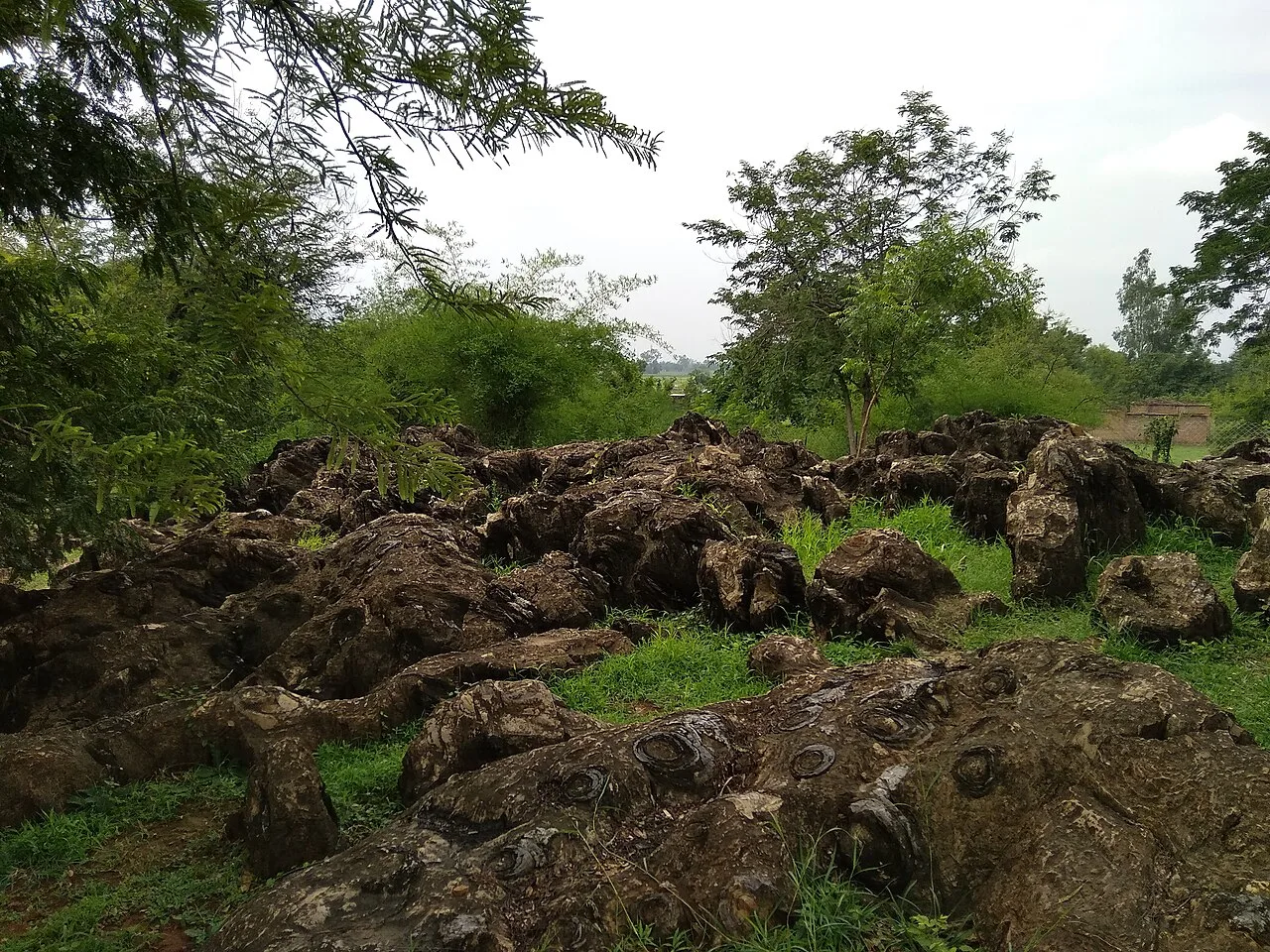
Salkhan Fossils Park
Salkhan Fossils Park is a geological site in Sonbhadra, Uttar Pradesh, visited for its ancient stromatolites and ring-shaped fossil traces on boulders.
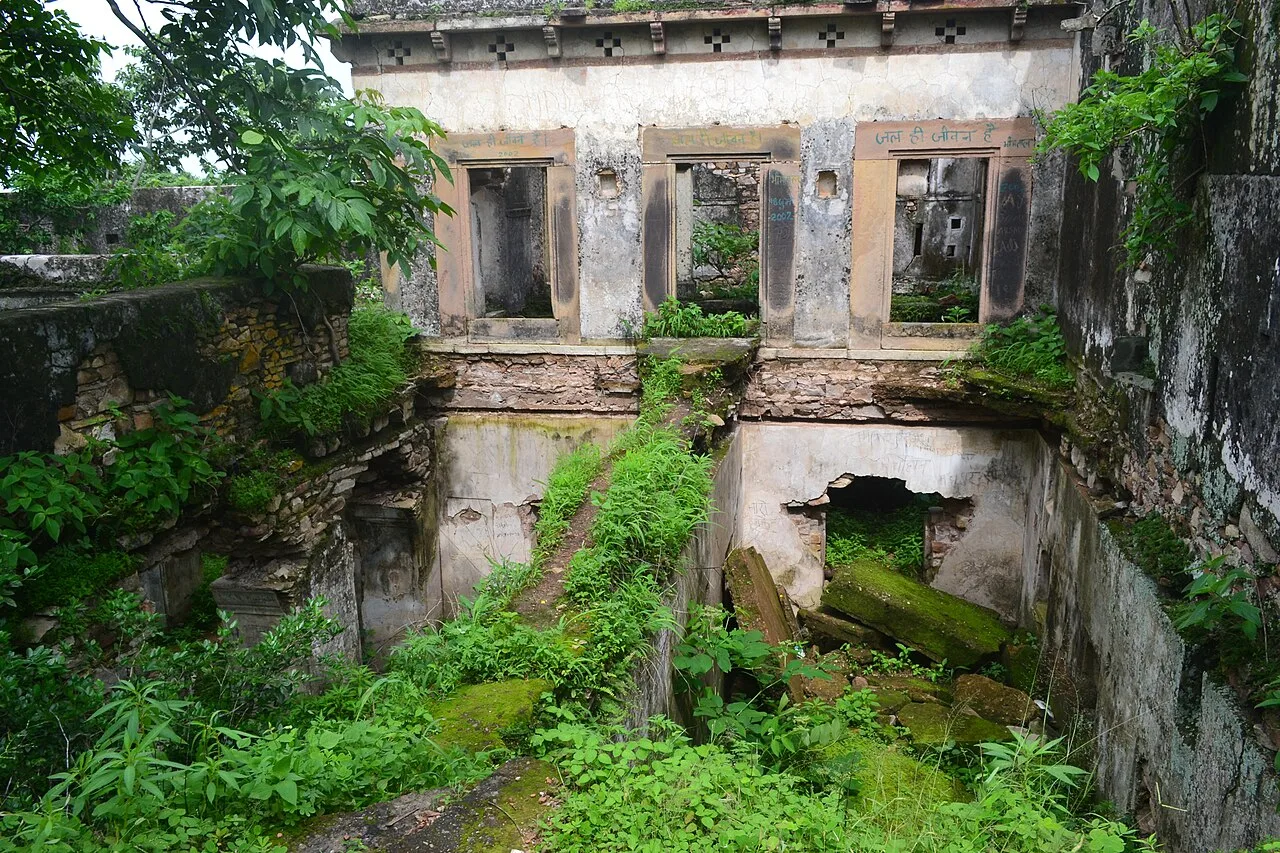
Vijaygarh Fort
Vijaygarh Fort is a historic stronghold near Mau Kalan in Sonbhadra, set among the Kaimur hills. Visitors come to see its remains, inscriptions, ponds, temples and cave paintings, and learn of its link to Chandrakanta.
Everyday food in Sonbhadra draws on the wider eastern Uttar Pradesh tradition: rice or wheat served with lentils, seasonal vegetables, chutneys and pickles. Meals and ingredients vary between towns and villages, so ask what is freshly prepared rather than expecting one defining district dish. Varanasi, the wider regional food centre, is known for kachori-sabzi, tamatar chaat, lassi and Banarasi paan; these are regional specialties, not exclusive to Sonbhadra. Small eateries may offer a limited daily menu. At street stalls, choose busy places where food is cooked fresh.
Sonbhadra does not have one widely documented signature craft, and craft traditions can vary across its towns and communities. In villages, visitors may encounter practical handmade goods such as baskets, bamboo or leaf items, and pottery; availability is local and can be seasonal. These are better understood as everyday regional skills than as a guaranteed tourist market. For wider eastern Uttar Pradesh context, Varanasi is renowned for silk weaving, but that tradition should not be mistaken for a district-specific Sonbhadra craft. Ask locally about makers and community-produced work.
Diwali, Holi, Navratri and Chhath are observed in the district, as elsewhere in Uttar Pradesh. In communities across the region, including tribal communities, seasonal celebrations such as Karma and Sarhul may also be marked; customs vary from place to place. Local religious gatherings and fairs can accompany festival periods, but their scale and timing differ between towns and villages. Larger towns may be busier around major holidays, so travellers should check accommodation availability in advance, especially if visiting during a local event.
Elsewhere in Uttar Pradesh
Sonbhadra is a large, varied district of plateau country, rocky uplands, forested hills and river valleys. The Kaimur hills shape parts of the terrain, while the Son and its tributaries run through the region. Reservoirs and dams, including the Rihand area, are also prominent features. Settlements and sights are spread across a wide area, and roads may cross hilly or forested stretches. This landscape makes travel rewarding but less suited to a tightly packed itinerary; allow time for road journeys and check local access conditions before setting out.
Sonbhadra has hot summers, a monsoon season and cooler winters. Summer days can be demanding for outdoor visits, particularly on exposed rocky terrain. Monsoon rains bring greener scenery but may make some rural roads or paths difficult, and conditions can change quickly. The cooler months, broadly from October to March, are generally the most comfortable for visiting the fort and fossil park. Pack sun protection and water in warmer months, and bring light rainwear during the monsoon. Winter mornings and evenings can feel cool, so carry an extra layer. Check local weather and road conditions before travel.
Robertsganj railway station is the nearest principal rail station for many visits to the district, while Lal Bahadur Shastri International Airport in Varanasi is the nearest major operating airport. From Varanasi and other regional centres, roads connect to Robertsganj and towns such as Renukoot and Obra. Buses and private vehicles are useful for reaching the district; local buses, shared vehicles and taxis can help with onward travel, though options may be limited outside larger towns. The district is spread out, so plan connections between attractions in advance. Check current services locally before travelling.
Robertsganj is a useful starting point for journeys around the district, with road connections to towns such as Chopan, Obra, Renukoot and Duddhi. Local buses and shared jeeps serve some routes, but services may be less frequent for smaller villages and individual sights. Autos are useful for shorter trips in towns; a hired car or taxi offers more flexibility for visiting Vijaygarh Fort and Salkhan Fossils Park. Confirm the final approach and road conditions locally, as access can involve rural or hilly roads. Do not assume public transport will reach every site entrance.
2 days: Vijaygarh Fort → Salkhan Fossils Park; sleep night 1 in Robertsganj. 3 days: Salkhan Fossils Park → Vijaygarh Fort; sleep nights 1 and 2 in Robertsganj.
Robertsganj is the most practical base for a short visit to both listed destinations, with town services and a range of basic hotels and lodges. For itineraries focused on the district’s southern or industrial areas, Renukoot or Obra may be more convenient, though they are not as central to this pair of sights. Basic guesthouses and dharamshalas may be available in some towns; homestays and government accommodation are less predictable. Confirm facilities and availability before travelling, particularly during holidays.
The fort and fossil park are in terrain where uneven ground, loose rock and exposed paths may make walking difficult; wear sturdy footwear and avoid wandering off established routes. Heat, monsoon showers and reduced visibility can affect outdoor visits and rural roads. Forested areas are wildlife habitat, so keep a respectful distance from animals and avoid entering isolated areas alone. Use safe drinking water and carry essentials, as services and mobile connectivity can be limited outside towns. Check road and site access locally before departure. No special permit requirement is confirmed here; ask the relevant local authority whether any access permission is currently needed.
- Kaimur · Biharabout 64 km
- Mirzapurabout 76 km
- Varanasiabout 80 km
- Rohtas · Biharabout 89 km
- Chandauliabout 125 km
- Koriya · Chhattisgarhabout 127 km
- Aurangabad · Biharabout 133 km
- Palamu · Jharkhandabout 136 km
Straight-line distance between the centres of each district's destinations; road distance is longer.
Q: How many days should I spend in Sonbhadra? A: Two days can cover Vijaygarh Fort and Salkhan Fossils Park at a measured pace; add a day if you want more time for road travel. Q: When is the best time to visit? A: The cooler months, broadly October to March, are generally most comfortable for outdoor sightseeing. Q: What is the best base for these sights? A: Robertsganj is a practical base for visiting both listed destinations. Q: How do I get to Sonbhadra? A: You can travel by road or by rail to stations serving the district; check current connections and arrange local transport for the sights. Q: Is Sonbhadra suitable for families or elderly travellers? A: Yes, with planning, but uneven paths, heat and rural road conditions may make some visits challenging for people with limited mobility.
This page draws on our 2 destination guides for Sonbhadra and is updated as our team checks it.
Be the first to share photos, stories, advice or a helpful contact for Sonbhadra.
Loading…