
District · Uttar Pradesh
Prayagraj
Prayagraj lies in the Ganga-Yamuna plains of southern-central Uttar Pradesh and is best known as a major pilgrimage centre at the rivers’ confluence.
Prayagraj district lies in the fertile Gangetic plains of eastern Uttar Pradesh, where the Ganga and Yamuna meet; Hindu tradition holds that the invisible Saraswati joins them at the Triveni Sangam. The confluence has made Prayag an important pilgrimage centre for centuries, and the city hosts the Kumbh Mela. Its history also includes the Mughal period, when Emperor Akbar built a fort here, and the colonial era, when the city was known as Allahabad. The city’s parks, museums and historic homes reflect its role in India’s public and cultural life, including the freedom movement. Today, pilgrimage, education, administration and river-city life shape the district’s character.
Prayagraj lies in the Ganga-Yamuna plains of southern-central Uttar Pradesh and is best known as a major pilgrimage centre at the rivers’ confluence. Triveni Sangam draws visitors for its religious importance and for the large gatherings held on the riverbanks. The district also offers a varied visit: Mughal history at Allahabad Fort, colonial-era public spaces and architecture, the Nehru family’s Anand Bhavan, and the tombs and gardens of Khusro Bagh. It can suit travellers interested in faith, history and museums, as well as those making a longer journey through Uttar Pradesh.
Prayag has been an important pilgrimage centre since ancient times, associated with the meeting of the Ganga and Yamuna and with religious traditions that also describe a third, unseen river. The wider region formed part of successive north Indian states and empires, including Maurya and Gupta realms, and later came under the Delhi Sultanate and Mughal rule. In 1583, the Mughal emperor Akbar built Allahabad Fort at the confluence and developed the city as an important centre. The name Allahabad became prominent under Mughal rule; Prayag remained in use for the sacred place and its older identity. During the colonial period, the East India Company and then the British Crown made Allahabad an administrative centre, and the district took shape within British provincial administration. The city was involved in the uprising of 1857 and later became a significant centre of political activity in the independence movement. Anand Bhavan is associated with the Nehru family and that period. In 2018, the city’s official name changed from Allahabad to Prayagraj; many historic sites and institutions retain Allahabad in their names.
8 destination guides · 7 on the map
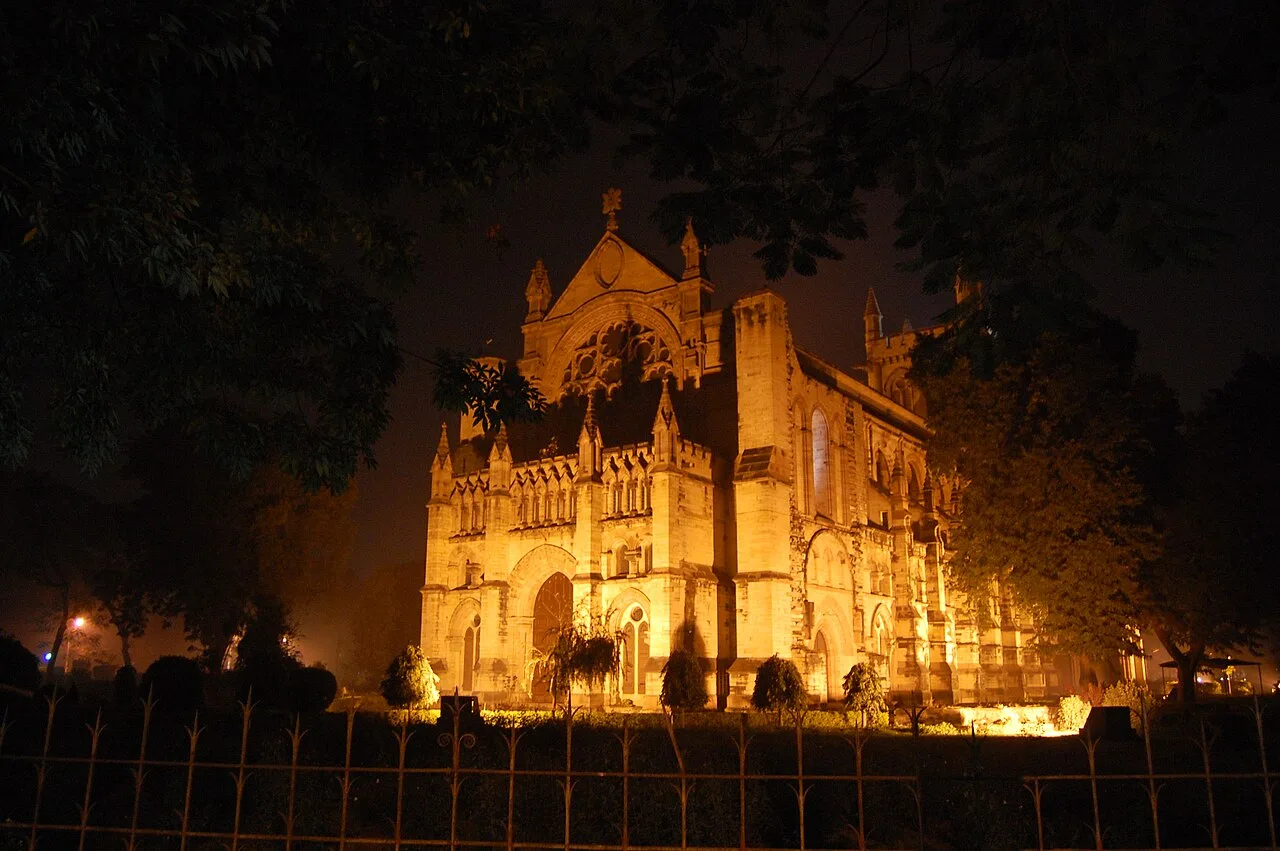
All Saints Cathedral, Prayagraj
All Saints Cathedral is a Church of North India landmark in Prayagraj, valued for its Gothic Revival architecture and its history as a church designed during British rule.
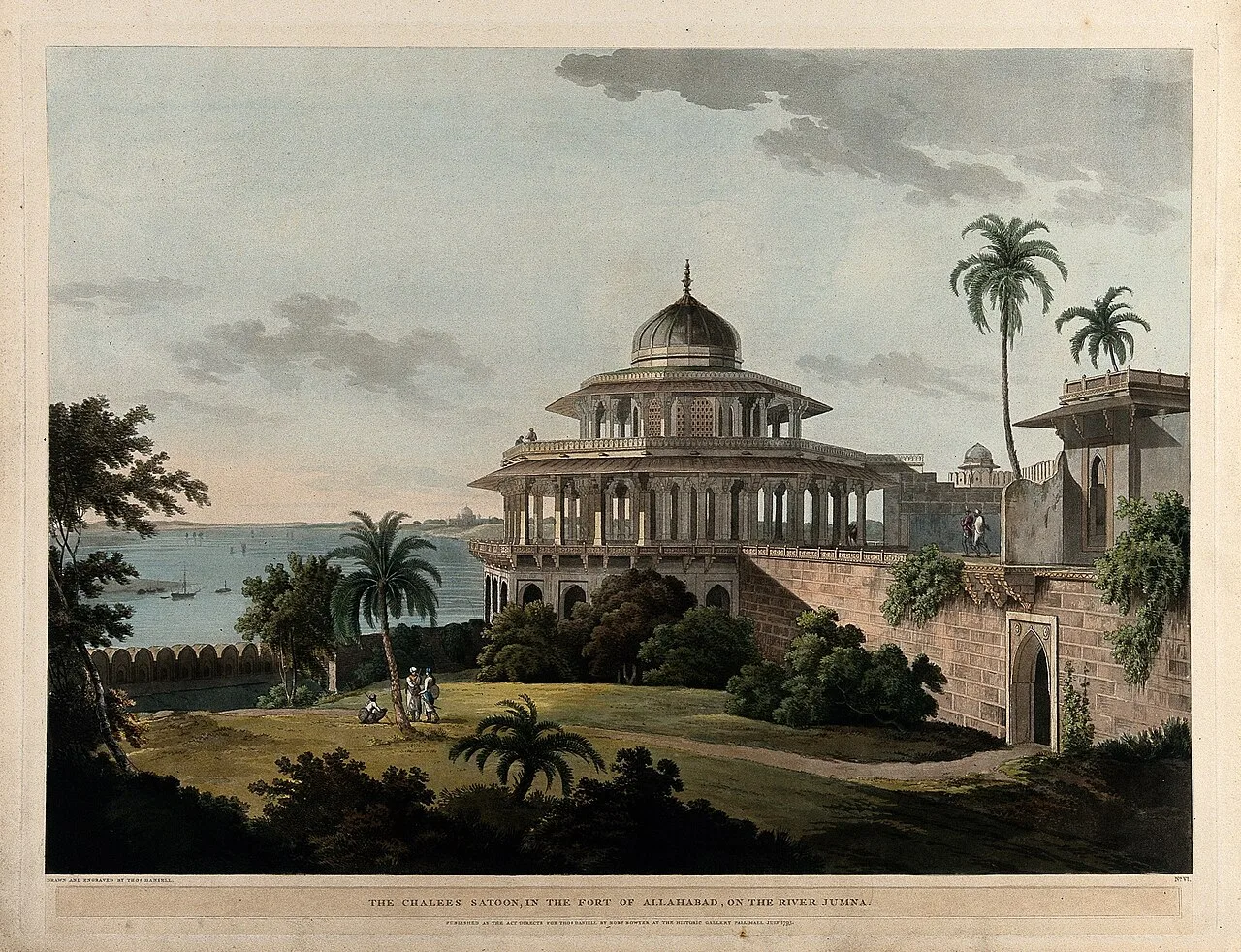
Allahabad Fort
Allahabad Fort is a Mughal-era fort in Prayagraj, built under Akbar in 1583. Visitors can see its riverside setting and a monument recognised for national importance.
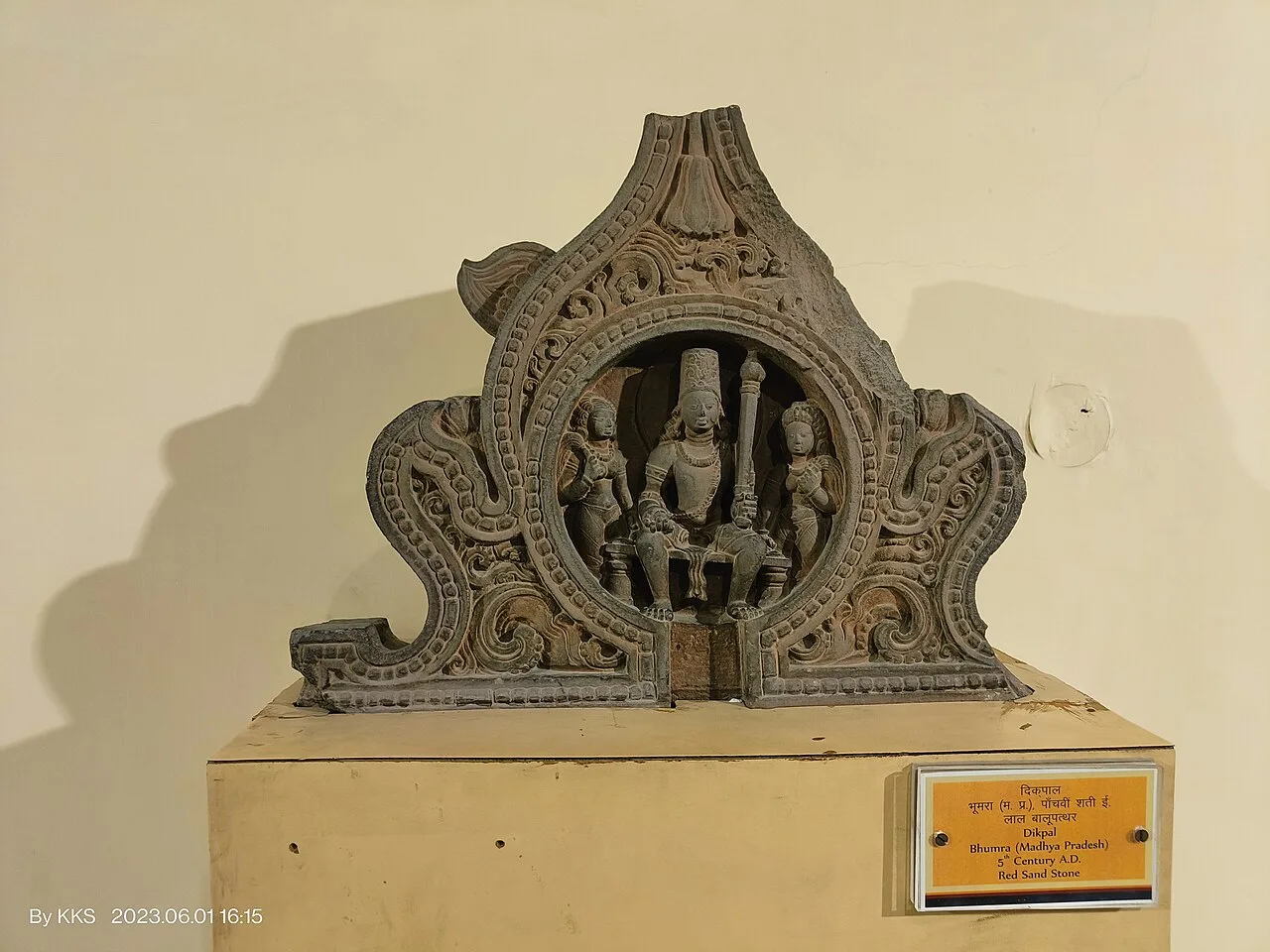
Allahabad Museum
Set in Prayagraj’s Chandrashekhar Azad Park, the Allahabad Museum is a national-level institution. Visitors come to see its art collections and prehistoric rock paintings, as well as explore its research work.
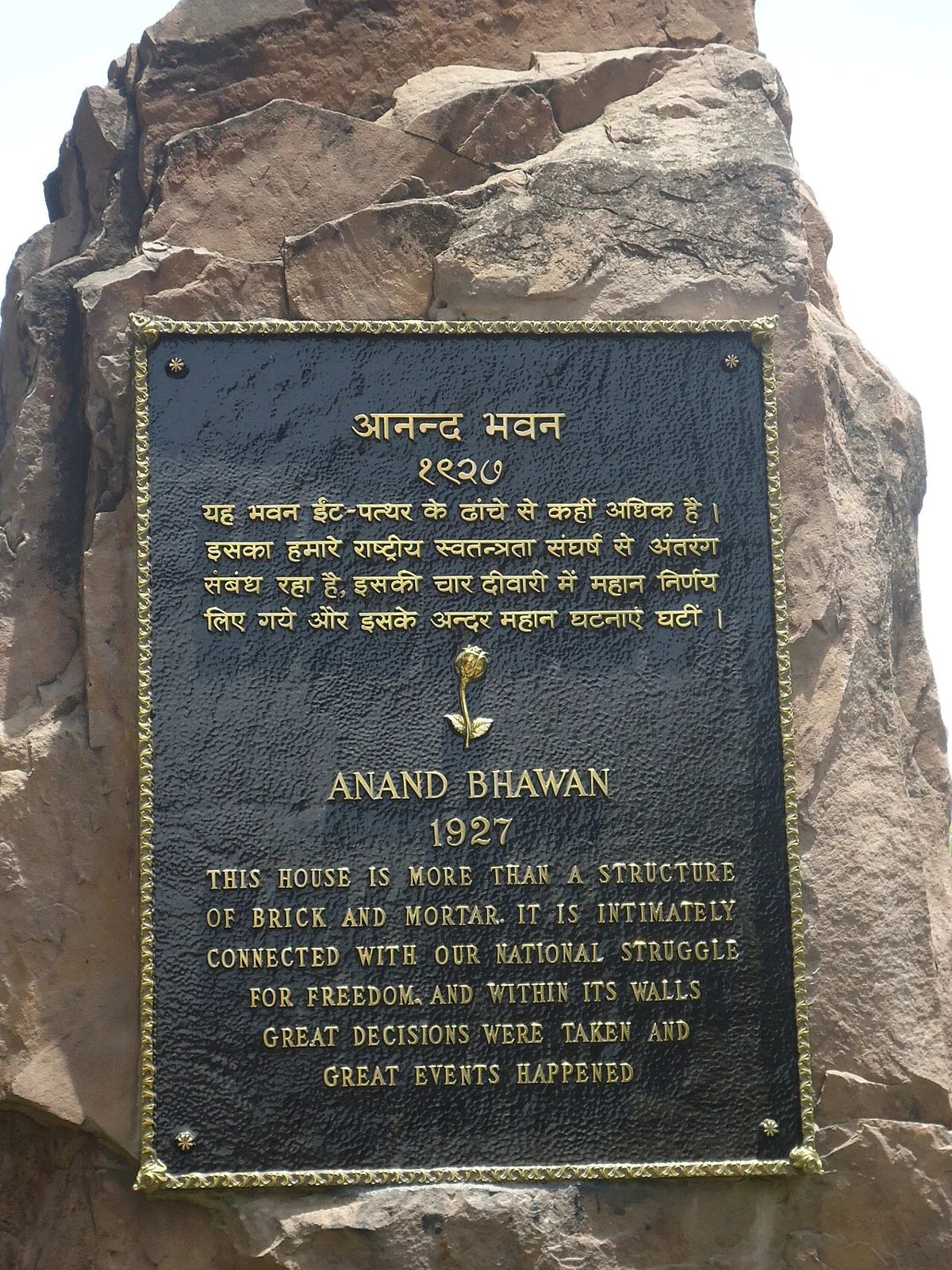
Anand Bhavan
Anand Bhavan is a Nehru family residence in Prayagraj that became a house museum. Visitors come to explore its family history and attend astronomy and science shows at Jawahar Planetarium.
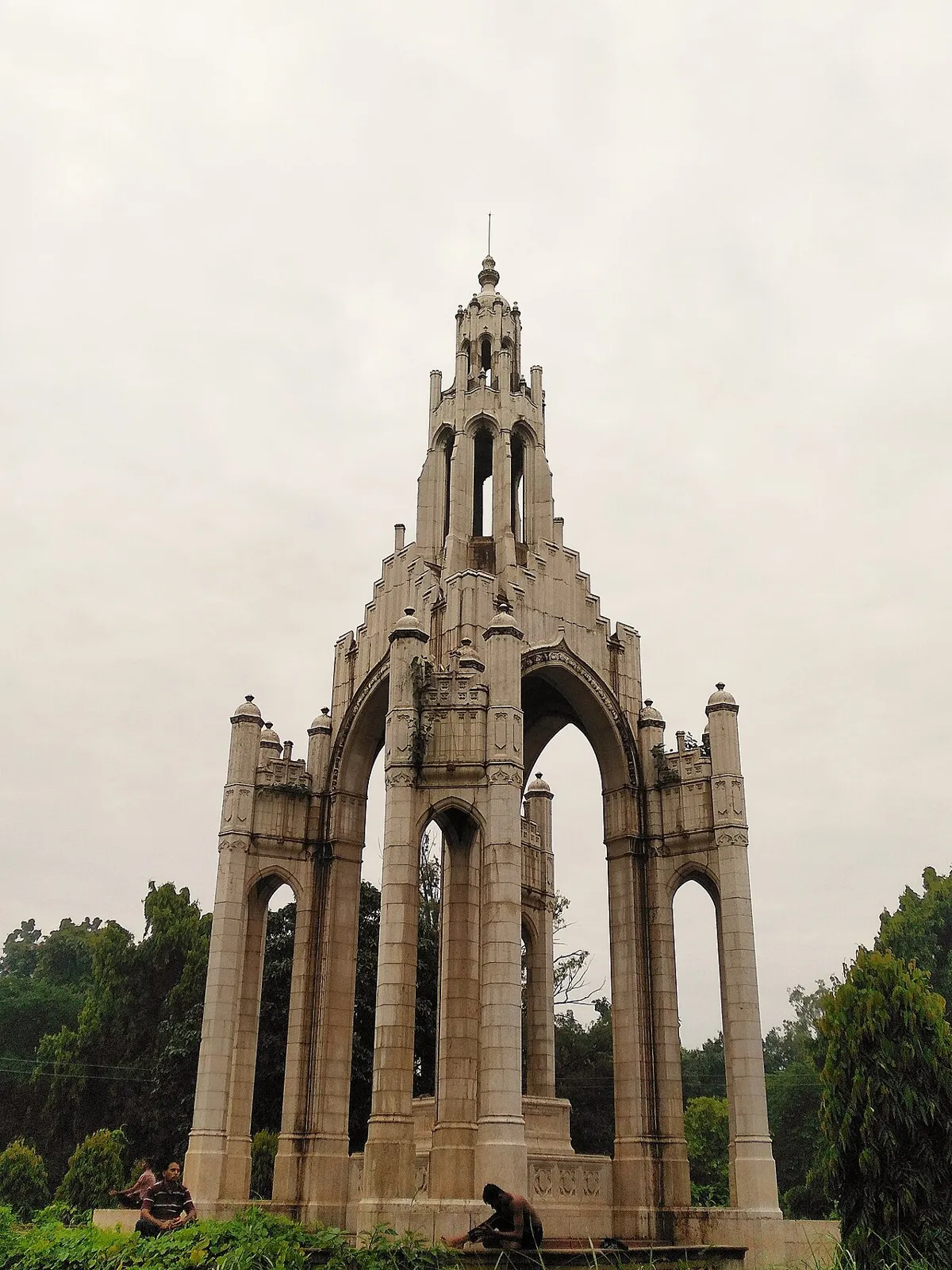
Chandra Shekhar Azad Park
Chandra Shekhar Azad Park is a 54-hectare public garden in Prayagraj, Uttar Pradesh. Visitors come for its association with revolutionary Chandra Shekhar Azad and the city’s past.
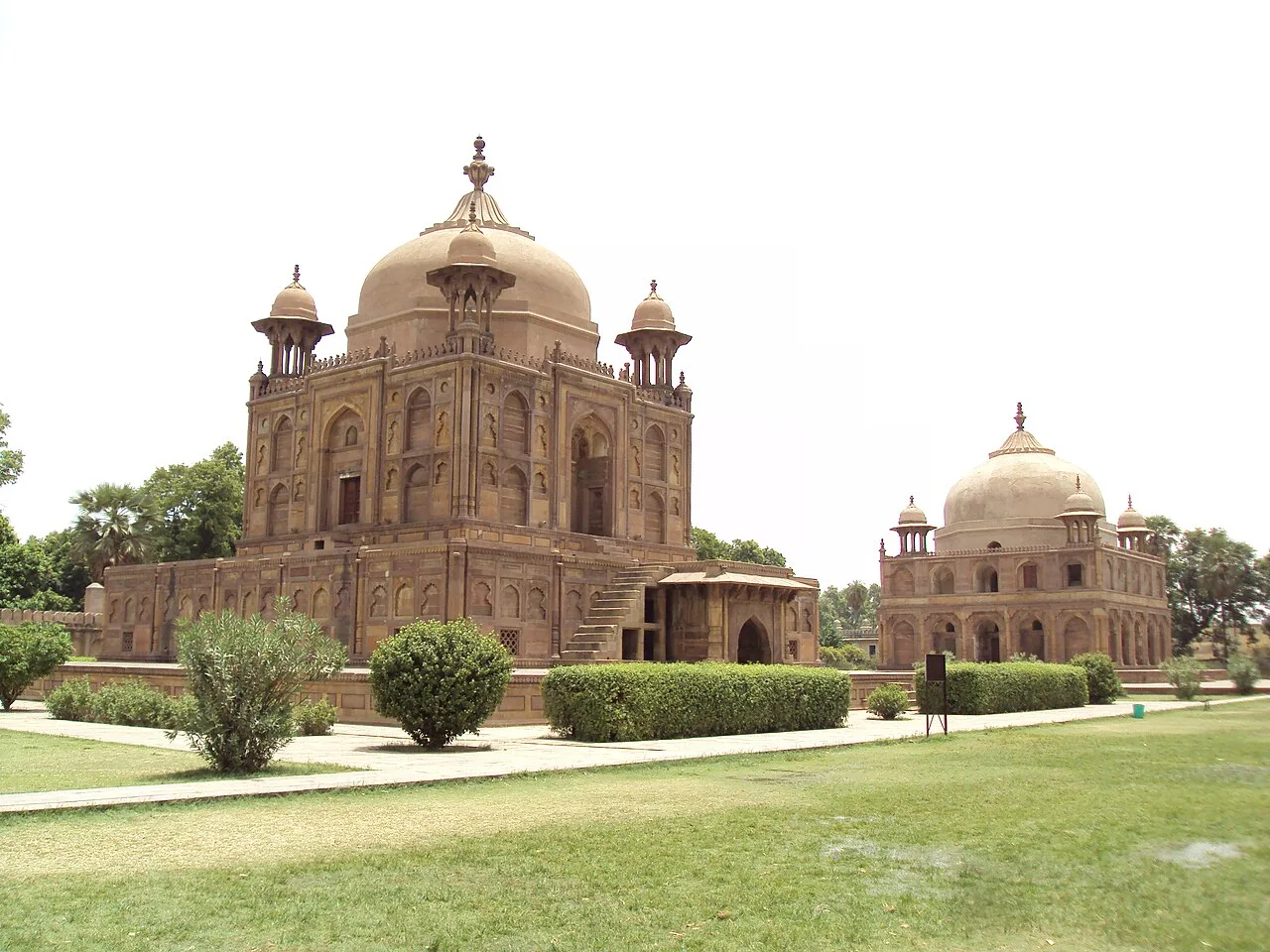
Khusro Bagh
Khusro Bagh is a walled garden and burial complex in Prayagraj. Visitors come to see its four tombs and explore its connections with Jahangir and his family.
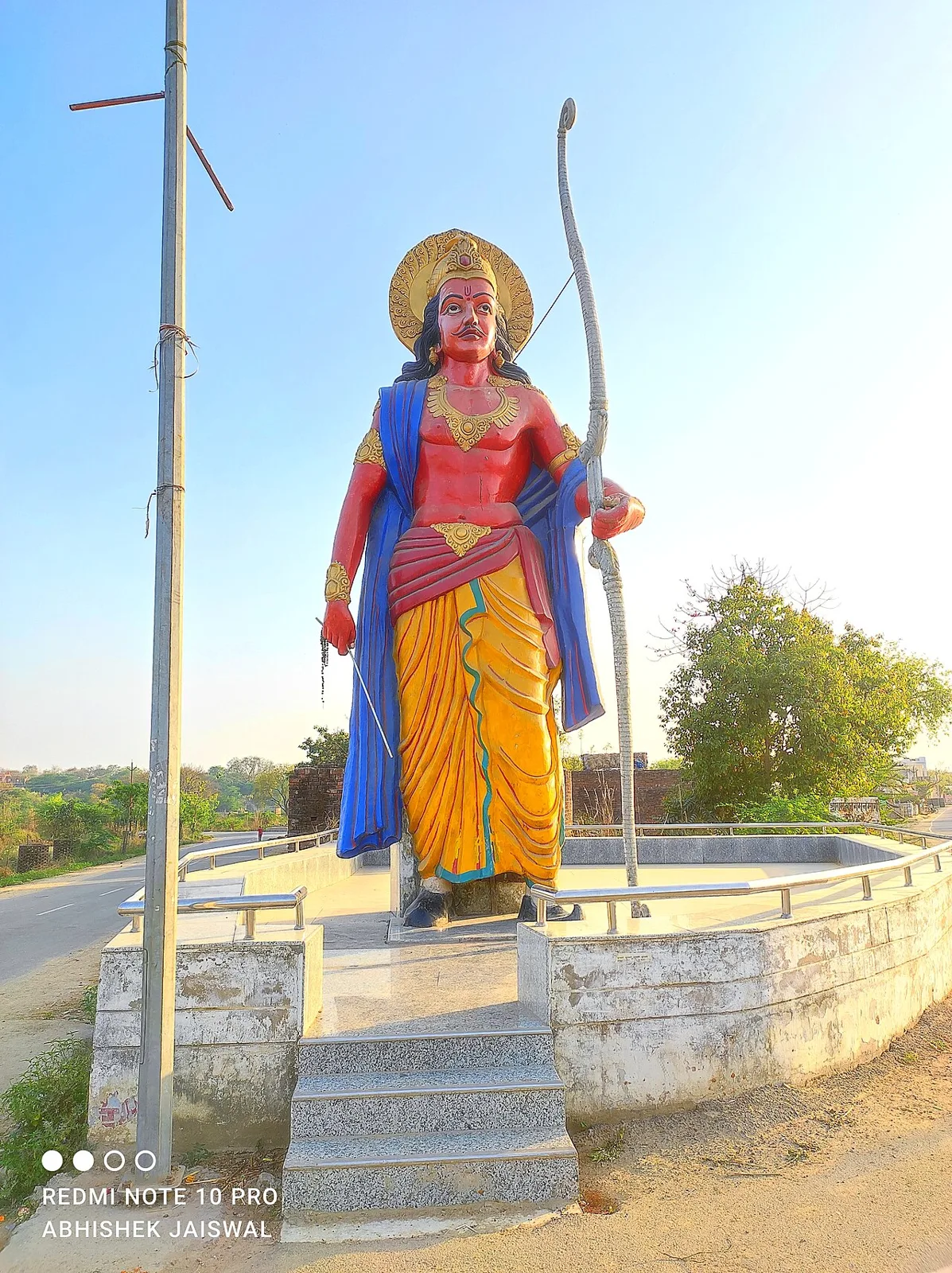
Shringverpur
The Uttar Pradesh village of Shringverpur is also known as Shringaverpur or Singraur; its alternate names help visitors identify the settlement in references using different spellings.
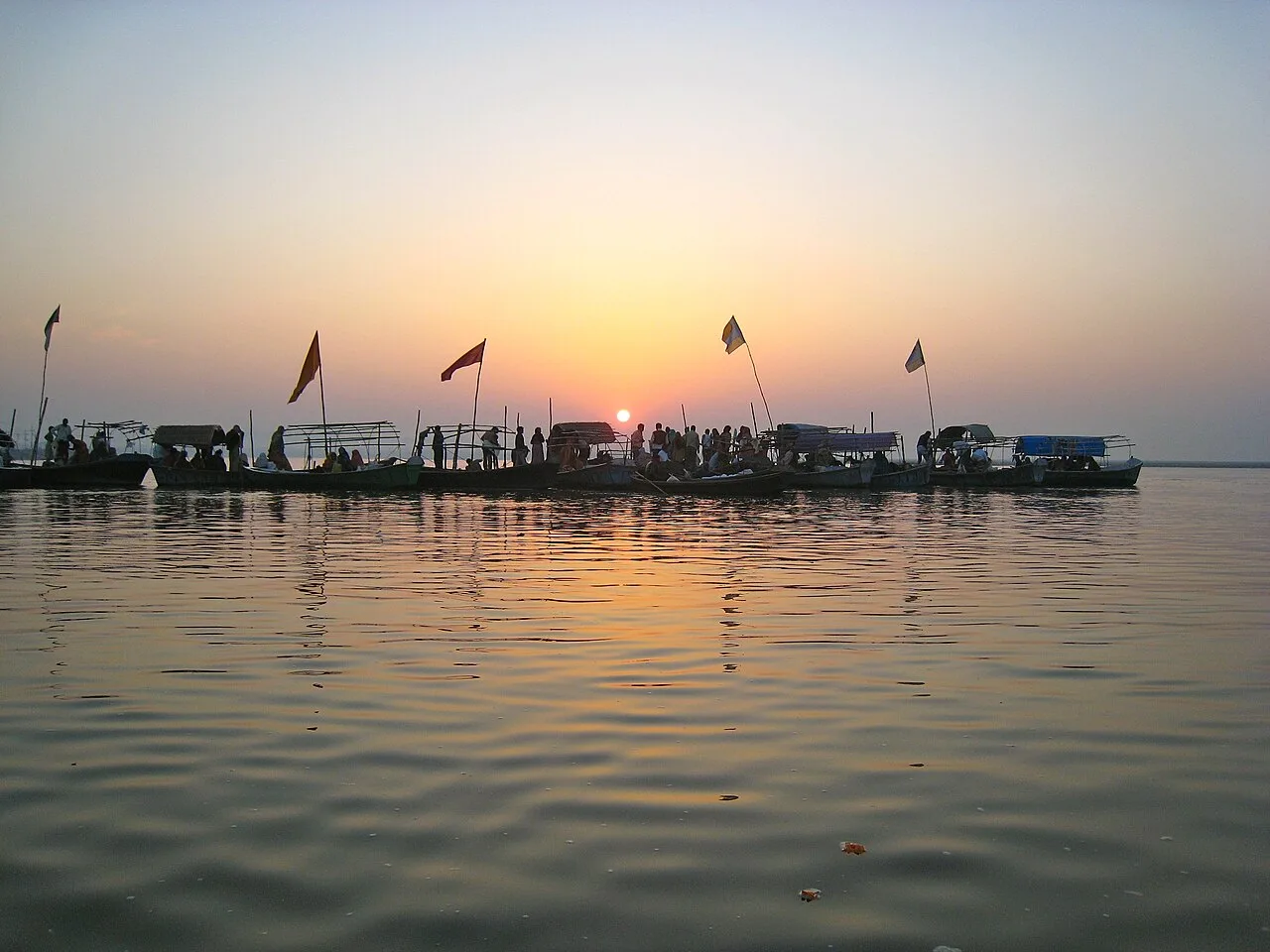
Triveni Sangam
Triveni Sangam, in Prayagraj district of Uttar Pradesh, is revered in Hindu belief as a meeting of three rivers; visitors come to bathe for spiritual purification and release from rebirth.
Food in Prayagraj reflects the wider food traditions of Uttar Pradesh. Kachori with sabzi, chaat, samosas and sweets are familiar choices at local eateries and market stalls; guavas associated with the Allahabad region are also well known. Menus and specialities vary by neighbourhood and season, so ask what is freshly prepared. Across Uttar Pradesh, regional favourites include Awadhi kebabs and biryani, Agra petha, Mathura peda and Varanasi kachori-sabzi, though these are associated with other centres rather than specific to Prayagraj. For street food, choose busy stalls where dishes are cooked fresh.
Prayagraj is better known for its pilgrimage, history and literary associations than for a single widely documented district-specific craft. The wider Uttar Pradesh region has varied craft traditions, including chikankari embroidery from Lucknow, Banarasi silk weaving and brassware from Moradabad; these are regional examples, not crafts unique to Prayagraj. Handloom textiles, pottery and other everyday crafts can be found in markets across the state, with local availability changing by shop and season. Visitors interested in craft should ask sellers about an item's place of origin and how it was made.
The annual Magh Mela takes place around the Sangam during the Hindu month of Magh, generally in winter, and attracts pilgrims and visitors from across the region. Kumbh and Maha Kumbh gatherings are held periodically according to the Hindu calendar; these can bring exceptionally large crowds and make accommodation and local transport harder to arrange. Other widely observed festivals include Holi, Diwali and Dussehra, with celebrations varying by neighbourhood. During major bathing days and large religious gatherings, riverfront access, roads and public spaces can be congested. Book a room well ahead if visiting during a major mela.
Elsewhere in Uttar Pradesh
The district is mostly level, fertile Indo-Gangetic plain, with the Ganga and Yamuna shaping its best-known landscape at Triveni Sangam. Their floodplains and riverbanks influence settlement, agriculture and seasonal access; water levels and currents can change with the monsoon. Away from the city, the terrain remains largely open and rural rather than hilly or forested. Shringverpur is among the places associated with the Ganga’s banks. River travel and views are part of the visitor experience, but walking routes and boat access may be affected by river conditions and mela arrangements.
Prayagraj has hot summers, a monsoon season and cooler winters. Summer heat can make outdoor sightseeing tiring, so plan for shade, water and lighter daytime activity. Monsoon rains can bring waterlogged streets and changing river conditions; allow flexibility for travel. Winter is generally the most comfortable season for sightseeing and is also when the Magh Mela takes place, bringing heavier crowds. October to March is often a practical period to visit, while major mela dates can change the experience considerably. Pack sun protection and breathable clothing for warm weather, and a warm layer for winter mornings and evenings; carry rain protection during the monsoon.
Prayagraj is served by Prayagraj Junction, a major railway station, and Prayagraj (Bamrauli) Airport. Rail and road connections link the city with other centres in Uttar Pradesh, including Varanasi, Kanpur and Lucknow. Major highways serve road journeys into the district; buses and private coaches operate on regional routes, though services can vary. Within the city, auto-rickshaws, e-rickshaws, taxis and local buses are common ways to get around. Boats may operate near the Sangam, depending on river conditions and local arrangements. Check current services locally before travelling.
Prayagraj city sights can generally be reached by auto-rickshaw, local bus, taxi or hired car, though traffic and mela diversions can affect journeys. Rail services connect the city with other parts of Uttar Pradesh and India, and road links serve nearby towns and villages. Reaching Shringverpur or other rural destinations may require a taxi or locally available shared transport; confirm the return option before setting out. Boats operate around the Sangam when river and administrative conditions allow, but access may change during high water or large gatherings. Check current routes locally, especially during festivals.
2 days: Triveni Sangam → Allahabad Fort → Chandra Shekhar Azad Park → Allahabad Museum; sleep Night 1 in Prayagraj. 3 days: Triveni Sangam → Allahabad Fort → Khusro Bagh → Anand Bhavan → All Saints Cathedral, Prayagraj; sleep Nights 1 and 2 in Prayagraj. 4 days: Triveni Sangam → Allahabad Fort → Shringverpur → Anand Bhavan → Allahabad Museum → Chandra Shekhar Azad Park; sleep Nights 1, 2 and 3 in Prayagraj.
Prayagraj city is the most practical base for the Sangam, museums, historic sites and most suggested circuits. It offers a range of hotels, guesthouses, dharamshalas and other budget-to-midrange stays; family rooms and quieter options should be checked directly. During the Magh Mela or a Kumbh gathering, temporary accommodation may also be available, but demand is high and arrangements can change. For a visit to Shringverpur, staying in Prayagraj and making a day trip is generally simpler than relying on limited rural lodging. Confirm location and access before booking.
Take care near the rivers: currents, changing water levels, slippery banks and crowded bathing areas can pose risks. Follow local instructions and use established bathing or boat arrangements rather than entering the water alone. Drink treated or sealed water and take precautions against heat, sun and monsoon-related waterlogging. Traffic can be dense, and road conditions outside the city may vary; allow extra time and confirm transport back from rural sites. Mobile connectivity is generally available in the city but may be less reliable in crowded areas. Some parts of Allahabad Fort may have restricted access. No protected-area permit is generally relevant to these listed visits, but confirm current access rules with official sources.
- Kaushambiabout 47 km
- Raebareliabout 76 km
- Jaunpurabout 91 km
- Mirzapurabout 91 km
- Rewa · Madhya Pradeshabout 107 km
- Chitrakoot · Madhya Pradeshabout 114 km
- Varanasiabout 118 km
- Chandauliabout 145 km
Straight-line distance between the centres of each district's destinations; road distance is longer.
Q: How many days should I spend in Prayagraj district? A: Two days cover several central sights; three or four days allow a slower visit and a trip to Shringverpur. Q: When is the best time to visit? A: October to March is generally more comfortable, though major mela periods bring much larger crowds. Q: Where is the best base for sightseeing? A: Prayagraj city is the most convenient base for the listed destinations and transport connections. Q: How can I get to Prayagraj? A: The city is connected by rail and road; check current services and onward transport when planning your journey. Q: Is Prayagraj suitable for families or elderly travellers? A: Yes, with planning. Choose accessible transport, avoid peak crowds where possible, and take extra care around riverbanks and in summer heat.
This page draws on our 8 destination guides for Prayagraj and is updated as our team checks it.
Be the first to share photos, stories, advice or a helpful contact for Prayagraj.
Loading…