
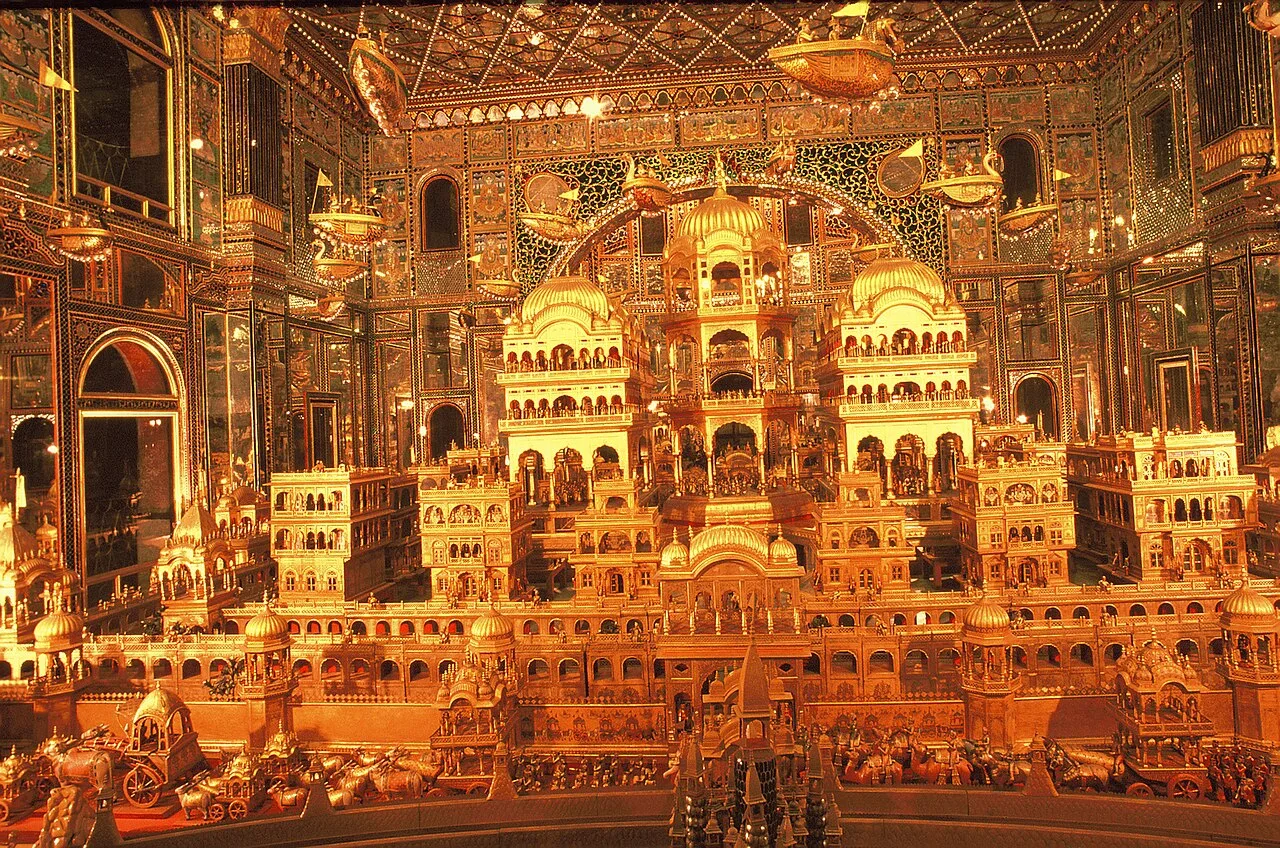
District · Uttar Pradesh
Ayodhya
Ayodhya district lies in the Awadh region of Uttar Pradesh, on the plains of the Saryu River.
Ayodhya district lies in the fertile, largely level plains of eastern Uttar Pradesh, where the Saryu flows through a landscape shaped by the wider Gangetic river system. Its best-known city, Ayodhya, is closely associated with the ancient kingdom of Kosala and the Ramayana, and has long been an important Hindu pilgrimage centre. Temples, riverfront ghats and places of worship sit alongside the everyday life of a growing regional city. The district’s character is shaped by this mix of religious observance, historic memory and modern travel. Beyond the pilgrimage core, the surrounding countryside is largely agricultural, with settlements connected by roads and rail to other parts of Uttar Pradesh.
Ayodhya district lies in the Awadh region of Uttar Pradesh, on the plains of the Saryu River. It is best known as a major centre of Hindu pilgrimage associated with the traditions of Rama, and its temples, old-town lanes and river ghats draw visitors throughout the year. The district’s published sights include Ram Mandir, Hanuman Garhi, Kanak Bhawan and Guptar Ghat, offering a mix of religious visits and riverside experiences. Ayodhya is also connected with the history of Awadh, particularly the nearby historic urban centre of Faizabad. Travellers can visit for pilgrimage, regional heritage and an introduction to the customs and devotional life of this part of Uttar Pradesh.
Ayodhya is associated in Hindu religious tradition with the ancient kingdom of Kosala and the life of Rama. These traditions have shaped the city’s importance as a pilgrimage centre, though accounts from epic literature should be distinguished from evidence for specific historical events. The wider region later formed part of successive north Indian kingdoms and political territories. In the eighteenth century, the Nawabs of Awadh developed Faizabad as a prominent centre of their court; the capital later shifted to Lucknow. The British annexed Awadh in 1856, and the region was affected by the uprising of 1857 and the subsequent establishment of British rule. After independence, the area was administered within Uttar Pradesh, with district boundaries and administrative arrangements changing over time. The district was long known as Faizabad district; in 2018, the Uttar Pradesh government renamed it Ayodhya district. Its history today is visible in both its living pilgrimage traditions and the broader heritage of Awadh.
5 destination guides · 4 on the map
Ayodhya Old Town
Ayodhya Old Town is the historic centre of a city in Uttar Pradesh, associated with early Buddhist and Jain traditions and the Hindu epic Ramayana. Visitors come chiefly for its religious importance and links to Rama.
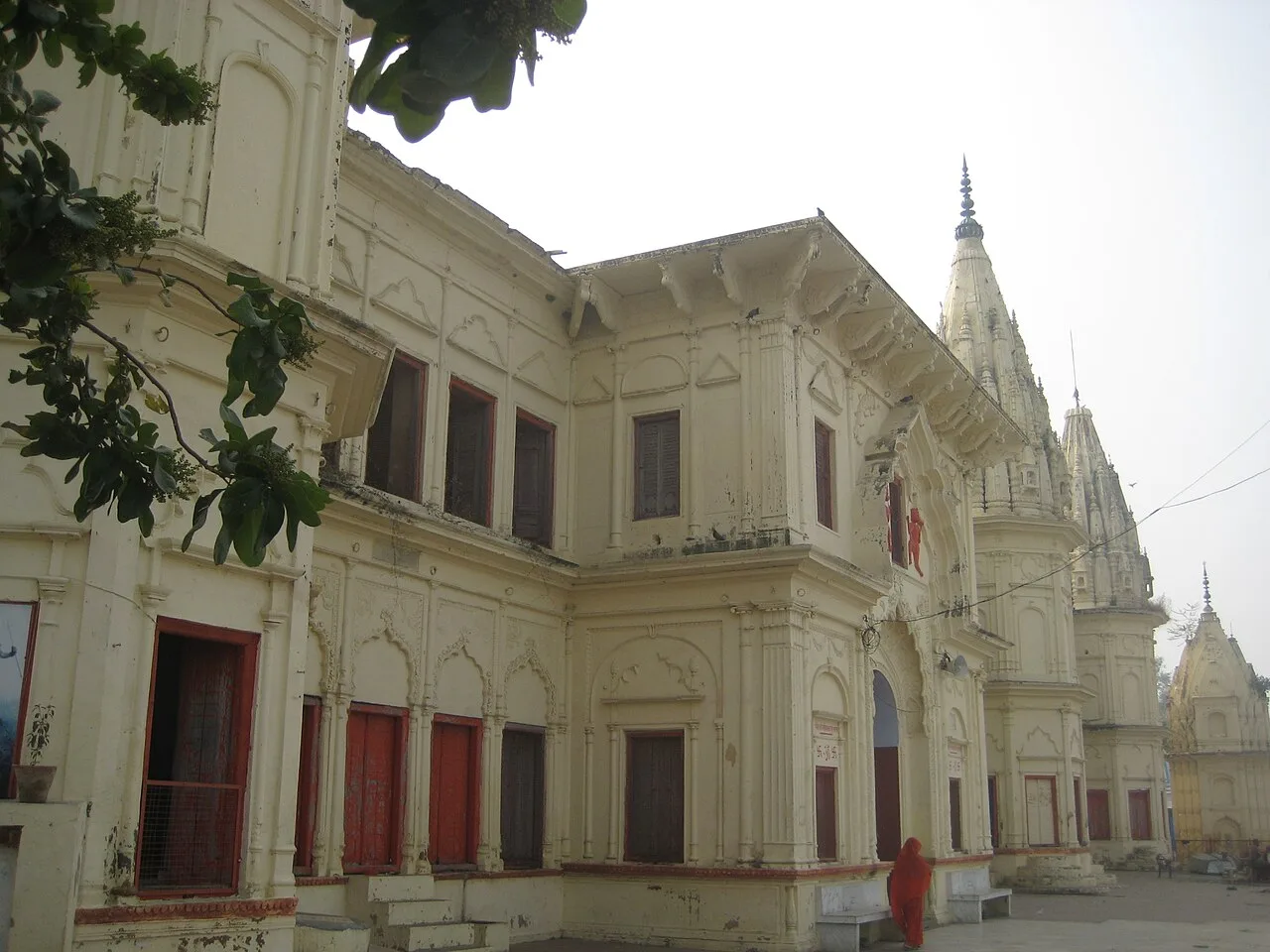
Guptar Ghat
Guptar Ghat is a heritage site in Ayodhya district, Uttar Pradesh. Visitors interested in heritage may seek it out because of this classification.
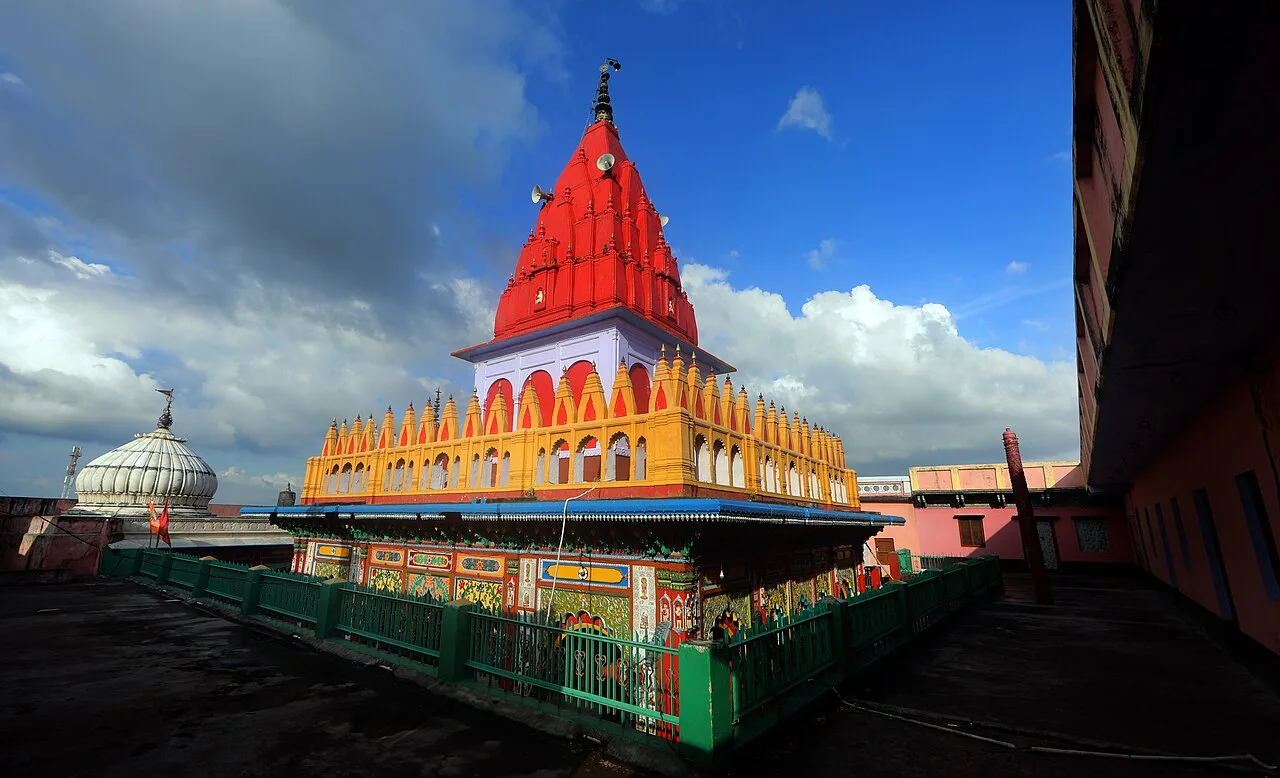
Hanuman Garhi
Hanuman Garhi is a Hindu shrine to Hanuman in Ayodhya, Uttar Pradesh. People visit to worship there, and it is counted among the city’s important temples.
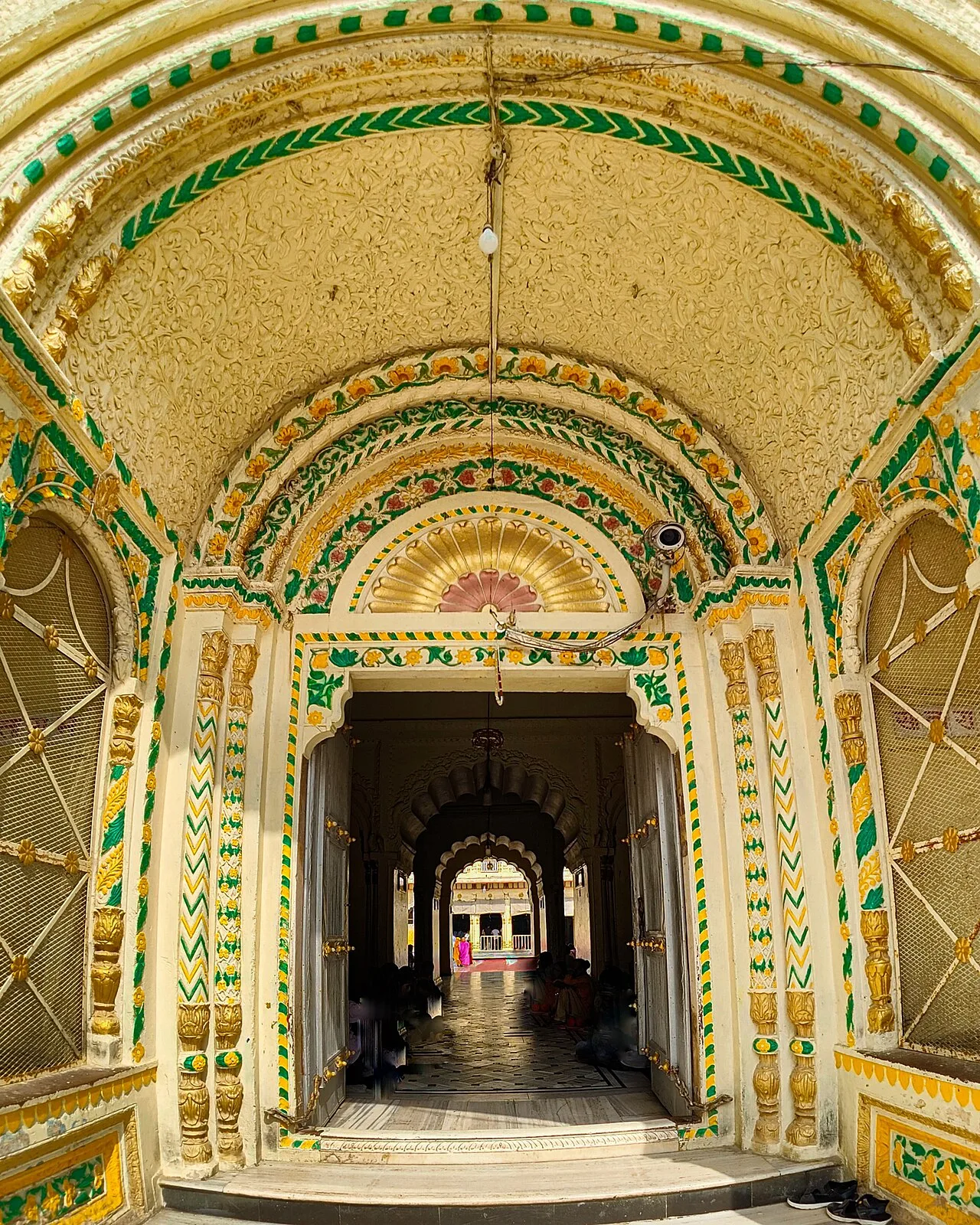
Kanak Bhawan
Kanak Bhawan is an Ayodhya temple linked to the stories of Rama and Sita, whose images are enshrined there. Visitors come to see the shrine and learn its traditional history.
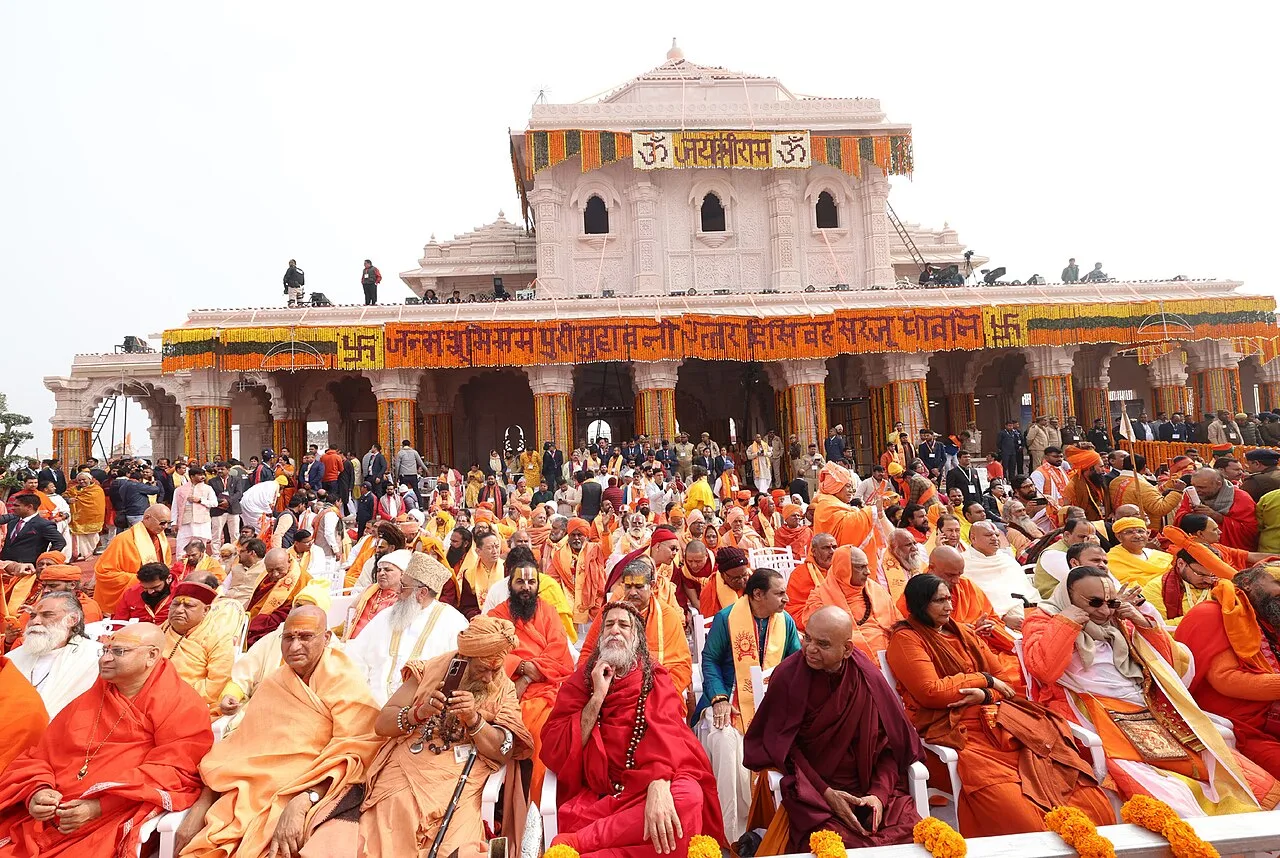
Ram Mandir
Ram Mandir is a Hindu temple complex in Ayodhya, Uttar Pradesh. Visitors come to worship at a place many Hindus regard as the birthplace of Rama.
Food in Ayodhya reflects the wider cuisine of Uttar Pradesh and the vegetarian traditions common around its pilgrimage sites. Visitors can find kachori, puri-sabzi, seasonal sweets and snacks at local eateries, though menus vary. Across the state, specialities include Awadhi kebabs, biryani and sheermal in Lucknow, Agra’s petha, and Mathura’s peda; these are regional examples rather than foods specific to Ayodhya. Ask what has been prepared fresh that day. Street food can be rich, so choose busy stalls where dishes are cooked to order, and take care with drinking water.
Ayodhya is best known to visitors for its religious architecture and devotional arts, while many of the region’s better-documented craft traditions are associated with other Uttar Pradesh centres. Lucknow, in the wider Awadh region, is renowned for chikankari embroidery and zardozi metal-thread work. These are regional traditions, not crafts unique to Ayodhya. Markets in and around pilgrimage sites may offer devotional images, decorative items and souvenirs, but materials and workmanship vary. For handmade textiles or crafts, look for clear information about origin and production rather than assuming an item was made locally.
Ram Navami, usually in spring, brings pilgrims for observances connected with Rama. Diwali in autumn is marked by celebrations across the region, and Ayodhya’s public festivities can draw large crowds. The Shravan Jhula Mela, generally during the monsoon season, is another important period of religious activity. Ram Lila performances and other observances may also take place around the festival calendar. During major events, roads and access around central religious sites can become congested, and accommodation may fill earlier than usual. Visitors planning a festival-season trip should allow extra time and check local arrangements before travelling.
In this district
Elsewhere in Uttar Pradesh
The district is part of the broad, mostly level alluvial plains of the middle Gangetic region. The Saryu River is its defining natural feature, with ghats and settlements shaping much of the visitor experience. There are no major hills or coastal areas on the usual Ayodhya sightseeing circuit, and travel is mainly through built-up neighbourhoods and agricultural plains. The river and its banks can look and feel different across the seasons; monsoon conditions may affect riverside access and local roads. In the city, short distances between religious sites can still take time because of narrow lanes, pedestrian activity and crowd controls.
Ayodhya has hot summers, a monsoon season and cooler winters. Summer days can be uncomfortable for extended outdoor visits, so plan for shade, water and rest breaks. Monsoon months bring humid conditions and rain that may affect road travel or access to riverfront areas. Winter is generally more comfortable for walking and sightseeing, though mornings and evenings can be cool or foggy. The cooler months are often the easiest time for a visit, while spring can also suit travellers who want to attend seasonal observances. Pack breathable clothing, sun protection and comfortable walking shoes; carry a light layer in winter and rain protection during the monsoon.
Ayodhya Dham Junction is the principal railway station for the city, and Maharishi Valmiki International Airport, Ayodhya, serves air travellers. Road connections link Ayodhya with Lucknow, Gorakhpur and other cities in Uttar Pradesh; buses and private coaches operate on regional routes, though services can change. Within the city, auto-rickshaws, e-rickshaws and taxis are useful for reaching sites, while walking may be convenient in parts of the old town. Traffic and access arrangements can vary around busy pilgrimage areas. Check current services locally before travelling.
Ayodhya and Faizabad form the main urban area for visitors, with road connections to other towns in the district and onward links across Uttar Pradesh. Local buses serve some routes, while auto-rickshaws, e-rickshaws and taxis are commonly used for getting between railway stations, hotels and central sights. In the old town, walking is often practical, but narrow streets and crowd-control arrangements can make vehicle access limited or slow. Boats may sometimes be available around the riverfront, but services and access depend on local conditions; confirm locally rather than relying on them for essential travel. Leave extra time during festivals and busy pilgrimage periods.
2 days: Ayodhya Old Town → Hanuman Garhi → Ram Mandir → Kanak Bhawan; night 1: Ayodhya. 3 days: Ayodhya Old Town → Ram Mandir → Hanuman Garhi → Kanak Bhawan; nights 1 and 2: Ayodhya; Guptar Ghat; night 3: Ayodhya.
Ayodhya is the most convenient base for visits to the old town, temples and riverfront. The adjoining Faizabad area offers another base, with road access to the main sights and a broader range of everyday services. Visitors can generally find hotels, guesthouses, homestays and religious accommodation such as dharamshalas; government-run lodging may also be available, but availability varies. During major festivals and pilgrimage events, rooms can be difficult to secure, so arrange a stay in advance and confirm its location and access arrangements.
The main visitor circuit is urban and level, but temple approaches can involve steps, uneven surfaces and crowded lanes. Older visitors should allow time for rests and check access conditions at individual sites. Summer heat, monsoon rain and winter fog can affect comfort and road travel; drink safe, sealed or properly treated water. Wildlife is not a routine concern on the central sightseeing circuit. Mobile connectivity is generally available, though heavy crowds may disrupt access or traffic. Expect security checks and temporary restrictions around major religious sites. Special permits are not generally part of visits to these listed sights, but check official notices for current entry rules and event-related restrictions.
- Shravastiabout 81 km
- Gorakhpurabout 115 km
- Raebareliabout 120 km
- Lucknowabout 125 km
- Jaunpurabout 126 km
- Prayagrajabout 153 km
- Chandauliabout 162 km
Straight-line distance between the centres of each district's destinations; road distance is longer.
Q: How many days should I spend in Ayodhya district? A: Two days can cover the main urban sights; three days allow a slower visit and time at Guptar Ghat. Q: When is the best time to visit? A: The cooler months are generally most comfortable for walking and sightseeing. Festival periods are lively but busier. Q: Where is the best base? A: Ayodhya is the most convenient base for the temples, old town and riverfront; Faizabad is another practical option. Q: How do I get to Ayodhya? A: The area is connected by road and rail. From local stations or bus connections, use an auto-rickshaw, e-rickshaw or taxi to reach your accommodation. Q: Is Ayodhya suitable for families and elderly travellers? A: Yes, with planning. Crowds, heat, walking and steps at some sites may be challenging, so allow extra time and check access arrangements.
This page draws on our 5 destination guides for Ayodhya and is updated as our team checks it.
Be the first to share photos, stories, advice or a helpful contact for Ayodhya.
Loading…