
District · Uttar Pradesh
Saharanpur
Saharanpur is a northwestern Uttar Pradesh district where the agricultural plains meet the Shivalik foothills, with Haryana and Uttarakhand nearby.
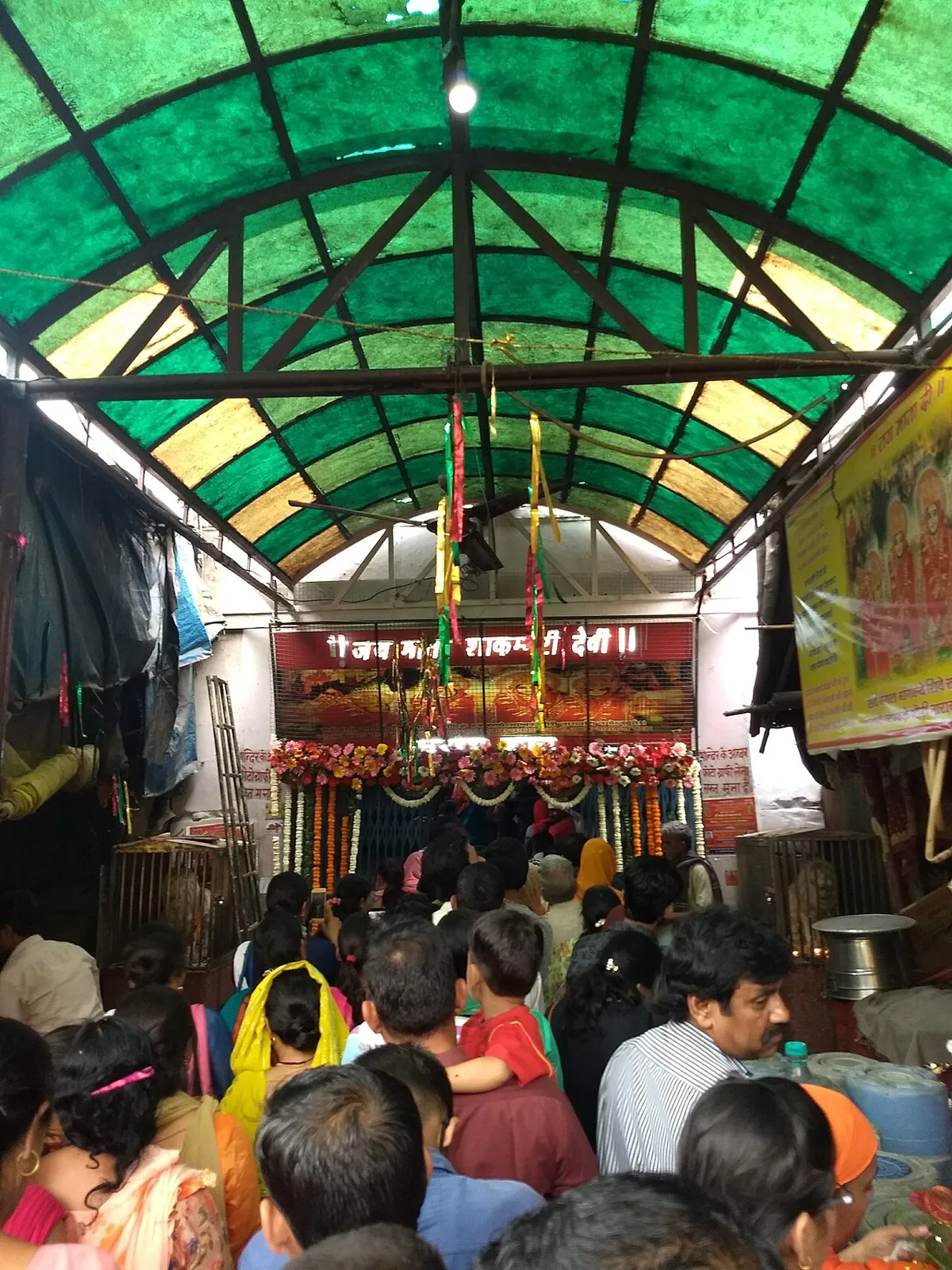
Saharanpur lies in northwestern Uttar Pradesh, where the fertile plains approach the Shivalik foothills and the Yamuna marks the boundary with Haryana. Sugarcane fields, orchards and busy market settlements give the district a character shaped by both agriculture and trade. Its position near present-day Uttarakhand and Haryana has long encouraged movement between the plains and the Himalayan foothills. Mughal-era connections and later colonial administration form part of its historical background. Saharanpur city is especially associated with carved wooden furniture and decorative work. For pilgrims, Shakumbhari Devi Temple, set towards the foothills near Behat, is an important sacred destination and a major focus of the district’s visitor appeal.
Saharanpur is a northwestern Uttar Pradesh district where the agricultural plains meet the Shivalik foothills, with Haryana and Uttarakhand nearby. Its location has made it a longstanding corridor between the plains and the Himalayan region. Sugarcane, orchards and market activity shape much of its rural and urban character. Saharanpur city is particularly known for carved wooden furniture and decorative woodwork. The district’s best-known pilgrimage destination is Shakumbhari Devi Temple, towards the foothills near Behat. A visit suits travellers interested in regional craft, agricultural landscapes and a temple journey, rather than a concentration of many major tourist attractions.
The Saharanpur region has long been part of the settled and cultivated north Indian plains, close to routes leading towards the Himalayan foothills. It came under the authority of successive north Indian powers, including the Delhi Sultanate and the Mughal Empire; political control in the wider region shifted during periods of imperial change. In the eighteenth century, Mughal authority weakened and local powers, including Rohilla, Maratha and Sikh forces, competed for influence in parts of the surrounding region. The East India Company extended its control over the area after its victory over the Marathas in 1803, and Saharanpur developed as a centre of colonial administration. The district’s administrative boundaries and arrangements changed over time, so its present form should not be assumed to match its earliest limits. The wider region was affected by the uprising of 1857. In later decades, Saharanpur city grew as a market and craft centre, with wood carving becoming a distinctive local trade. The district is now part of Uttar Pradesh, formed as a state in 1950.
Food in Saharanpur draws on the everyday cooking of western Uttar Pradesh rather than a single signature district dish. Wheat rotis, dal, seasonal vegetable preparations, curd and pickles are common meal staples. The surrounding sugarcane-growing belt makes gur, or jaggery, a familiar regional product, particularly during the crushing season. Market eateries offer North Indian snacks such as samosas, kachori, jalebi and chaat, though availability varies. Around pilgrimage stops, look for simple vegetarian meals and ask what has been freshly prepared. Prefer busy stalls serving hot food, and use safe drinking water.
Saharanpur is widely known for wood carving, with workshops producing furniture, screens, boxes, trays and other decorative objects. Floral patterns, foliage and geometric designs appear across this craft tradition, which supports networks of carvers, carpenters and finishers. Work ranges from small souvenirs to elaborate furnishings, so compare the quality of carving, joints and surface finishing before buying. Ask sellers about the wood species and its sourcing, and distinguish solid wood from composite materials. Workshop visits, where welcomed, can reveal the skill behind pieces that otherwise appear only as finished showroom goods.
Navratri is an important season for worship at Shakumbhari Devi Temple, and pilgrimage activity can increase around the shrine during these periods. Hindu festivals such as Holi and Diwali are also observed across the district, while Muslim communities mark Eid and other religious occasions. Local fairs and temple gatherings may bring heavier traffic and larger crowds near pilgrimage sites, particularly during festival periods. Accommodation in Saharanpur city can be busier at these times, so visitors making a specific festival journey should arrange their stay ahead and allow extra time for road travel.
Elsewhere in Uttar Pradesh
The district lies mainly on the level, fertile plains of northwestern Uttar Pradesh, rising towards the Shivalik foothills in the north. The Yamuna forms part of its boundary with Haryana, while other waterways and seasonal streams shape local farming and drainage. Sugarcane fields, orchards and settlements dominate much of the cultivated landscape; the northern margins become more wooded and uneven. Most journeys are straightforward on the plains, but travel towards foothill temples can take longer, especially after rain. The transition from farmland to wooded slopes is a defining feature of a visit to Shakumbhari Devi Temple.
Saharanpur has hot summers, a monsoon season and cool winters. Summer, broadly from April into June, can make midday travel tiring, so carry sun protection and water. Monsoon weather usually falls in the middle part of the year; rain can slow road journeys and make foothill routes muddy or slippery. Winter is cooler, with mist possible on some mornings. October to March is generally the most comfortable period for sightseeing and a temple visit, though winter layers are useful. Pack comfortable walking shoes, a light rain layer during the monsoon, and modest clothing suitable for a place of worship.
Saharanpur Junction is the district’s principal railway gateway, with onward road transport available from the city. For flights, Dehradun’s Jolly Grant Airport is a regional option; Delhi’s Indira Gandhi International Airport offers a wider range of connections. Compare onward road arrangements before choosing an airport. Saharanpur is linked by road with Delhi, Yamunanagar, Dehradun and other western Uttar Pradesh towns, with state-run and private buses serving regional routes. Auto-rickshaws and e-rickshaws handle many local journeys, while hired cars can help with foothill destinations. For Shakumbhari Devi Temple, confirm onward transport towards Behat and the shrine. Check current services locally.
Saharanpur city is the district’s main transport hub, with road connections to Behat and other towns, as well as onward links towards neighbouring states. Auto-rickshaws and e-rickshaws are useful for many journeys within the city. For Shakumbhari Devi Temple, arrange onward transport towards Behat and confirm the final leg locally, particularly during busy pilgrimage periods. A hired car can offer more flexibility for a temple visit or travel between several parts of the district.
2 days: Shakumbhari Devi Temple; sleep both nights in Saharanpur city. 3 days: Shakumbhari Devi Temple; sleep in Saharanpur city each night, allowing a more relaxed visit.
Saharanpur city is the most practical base for visitors arriving by rail or planning a short district stay. It offers a range of ordinary hotels and guesthouses, with basic services and transport connections. For a visit focused on Shakumbhari Devi Temple, staying in the city allows travellers to arrange onward road transport while keeping a broader choice of accommodation. Simple lodgings or dharamshalas may be available in pilgrimage areas, but facilities can vary and should be checked in advance. Do not assume that homestays or government lodges are available at every stop.
Use reputable transport and check local road conditions before travelling towards the foothills, especially after heavy rain, when surfaces may be slippery. Carry drinking water and use sealed or safely treated supplies; bring any medicines you need, as services can be limited outside the city. Keep belongings secure in crowded markets and during temple gatherings, and follow local instructions at the shrine. Mobile connectivity may be less dependable on rural routes. Avoid approaching wildlife if encountered near wooded areas. No special permit is generally associated with an ordinary visit to the temple, but confirm official local guidance if access restrictions or advisories are announced.
Q: How many days should I spend in Saharanpur district? A: One or two days can suit a focused visit to Shakumbhari Devi Temple; allow more time if travelling at a relaxed pace. Q: When is the best time to visit? A: October to March is generally the most comfortable season, while monsoon rain can complicate foothill journeys. Q: Where is the best base? A: Saharanpur city is the practical base for transport links and a wider choice of accommodation. Q: How do I get to Saharanpur? A: Saharanpur Junction is the main rail gateway; road connections and regional buses link the city with nearby towns. Dehradun and Delhi airports are possible flight gateways, with onward road travel. Q: Is Saharanpur suitable for families or elderly travellers? A: Yes, with planning. Arrange reliable transport to the temple, allow extra time on uneven or wet routes, and check how much walking is involved.
This page draws on our 1 destination guides for Saharanpur and is updated as our team checks it.
Be the first to share photos, stories, advice or a helpful contact for Saharanpur.
Loading…