
District · Uttar Pradesh
Meerut
Meerut lies in western Uttar Pradesh, in the fertile upper Ganga-Yamuna Doab and within reach of the wider Delhi region.
Meerut district lies in the fertile Upper Ganga-Yamuna Doab of western Uttar Pradesh, a largely level alluvial plain shaped by farming, canals and expanding towns. Sugarcane and wheat are among its important crops, while Meerut city is a busy commercial and educational centre. The region has deep historical associations: Hastinapur is identified in epic tradition with the Kuru kingdom and is also an important Jain pilgrimage centre; these narratives should be distinguished from what archaeology can establish. Meerut itself is closely associated with the 1857 uprising, which began here among sepoys. Today the district brings together pilgrimage sites, cantonment-era heritage, markets and modern industry.
Meerut lies in western Uttar Pradesh, in the fertile upper Ganga-Yamuna Doab and within reach of the wider Delhi region. It is best known for its association with the uprising of 1857, the Shiva shrine Augharnath Temple (Kali Paltan Mandir), and Hastinapur Heritage Town, a place linked to the ancient Kuru kingdom in epic tradition and important to Jain pilgrimage. The district offers a mix of urban history, religious sites and agricultural plain rather than mountain or wilderness travel. It suits visitors interested in the region’s layered past and those combining Meerut with other western Uttar Pradesh destinations. The published places listed here are a selective guide, not a complete inventory of local sites.
Hastinapur is traditionally identified with the capital of the Kuru kingdom in the Mahabharata, though epic tradition and archaeological evidence should not be treated as the same kind of historical record. The wider upper Doab formed part of successive north Indian realms, including the Maurya and Gupta empires, and later came under the Delhi Sultanate and Mughal rule. Maratha influence reached the region before the East India Company extended its control in the early nineteenth century. Meerut became an important British military station, or cantonment. In 1857, Indian soldiers there rebelled against Company rule, an event that helped trigger a wider uprising across north India. British administration consolidated the surrounding territory into Meerut district during the early nineteenth century. The area remained part of the United Provinces under British rule and, after independence, became part of Uttar Pradesh. Over time, administrative boundaries in the region changed as new districts were formed, so present-day Meerut district is smaller than some historical descriptions of the wider Meerut area.
2 destination guides · 1 on the map
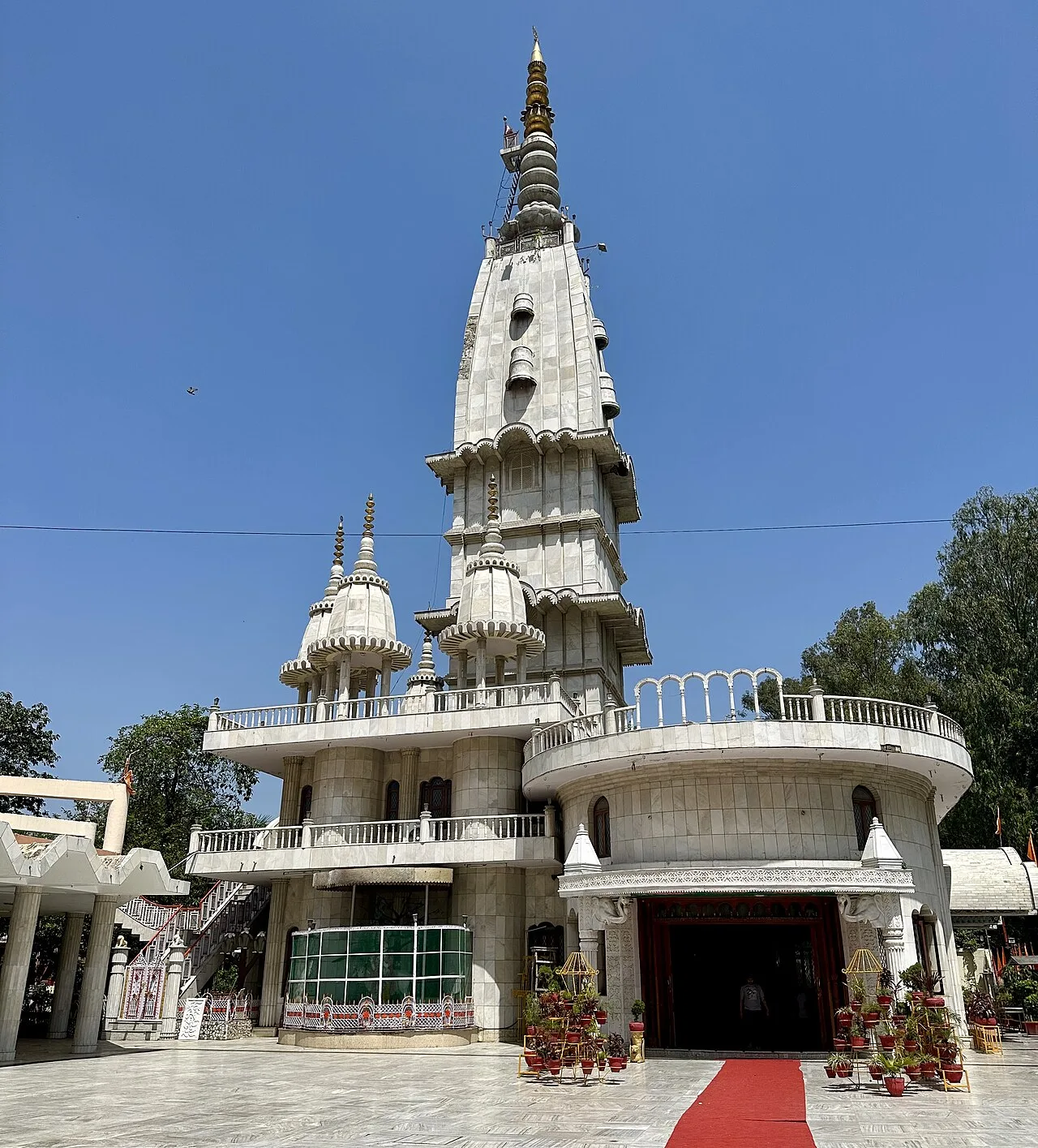
Augharnath Temple (Kali Paltan Mandir)
Augharnath Temple, also called Kali Paltan Mandir, is a Shiva shrine in Meerut, Uttar Pradesh. Visitors come to see its well, remembered for its connection with the 1857 uprising.
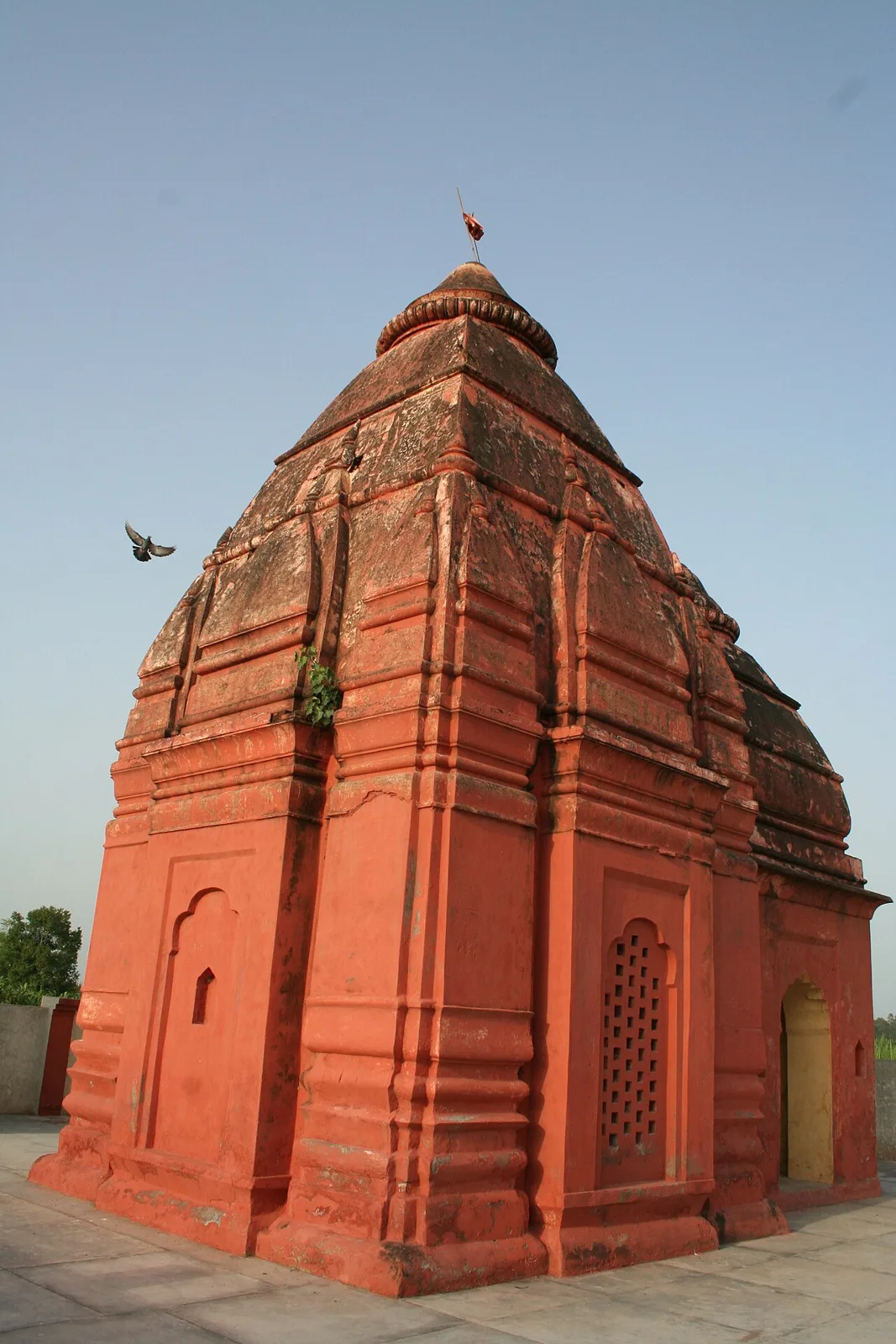
Hastinapur Heritage Town
Hastinapur is a town in Uttar Pradesh’s Meerut district, known for its place in Hindu accounts of the Kuru kingdom and its Jain associations with three Tirthankaras.
Meerut is especially associated with revri and gajak, sesame-and-jaggery sweets often enjoyed in cooler months. Everyday food reflects the wider western Uttar Pradesh region: wheat breads, lentils, seasonal vegetables and dairy products are common, with local menus varying between town eateries and rural communities. Across Uttar Pradesh, popular specialities include Agra’s petha and bedai-jalebi and Mathura’s peda, but these are regional foods rather than Meerut specialities. Ask what has been freshly prepared; busy stalls cooking food to order are a sensible choice for street snacks.
Meerut’s best-known making traditions are small-scale manufacturing rather than a single signature handloom craft. The city has a long-standing reputation for sports goods, including cricket equipment, and for metal scissors. Workshop skills can include shaping, fitting and finishing products, with makers and businesses operating at different scales. These industries are part of Meerut’s commercial identity, though products and their origins can vary. Visitors looking for locally made goods can explore city markets and ask sellers about where an item was produced.
Holi, Diwali, Navratri and other widely observed Hindu festivals are celebrated across the district, with temple visits and local gatherings particularly visible during major observances. Maha Shivaratri draws worshippers to Shiva shrines, including Augharnath Temple. Hastinapur also receives Jain pilgrims for religious observances and gatherings through the year; the busiest periods can vary with the Jain calendar. Festival days may bring heavier traffic, crowded temple approaches and greater demand for rooms, especially in Meerut city. In Hastinapur, accommodation choices are more limited, so visitors should check availability ahead of a major religious visit.
Elsewhere in Uttar Pradesh
Meerut district is mainly level alluvial plain in the upper Ganga-Yamuna Doab. Agricultural fields, settlements, roads and canals shape much of the view; there are no substantial hills or coastline. The Ganga lies along the eastern side of the district region, while smaller rivers and drainage channels cross the plain. The flat terrain generally makes road travel straightforward, though traffic around built-up areas can slow journeys. Monsoon showers can affect rural roads and fields, while winter fog may reduce visibility. The landscape is cultivated and settled, so visitors should not expect extensive wilderness or large forest areas.
Meerut has hot summers, a monsoon season and cool winters. Summer heat can make midday sightseeing tiring, while the monsoon brings spells of rain and occasionally slower road travel. Winter is often comfortable for outdoor visits, although mornings can be cold and fog may affect visibility and travel. The milder months from autumn through early spring are generally the most pleasant time to explore the district. Carry light, breathable clothing and sun protection in warm weather; during the monsoon, bring rain protection and footwear suited to wet surfaces. In winter, pack warm layers, particularly for early starts.
Meerut City is the principal railway station serving the city. For air connections, Indira Gandhi International Airport in Delhi is a major option for the district; check for other suitable current services before travelling. Road links, including the Delhi-Meerut Expressway, connect Meerut with Delhi and other towns in western Uttar Pradesh. Hastinapur and other sites outside the city require onward road travel. Buses, taxis, auto-rickshaws and e-rickshaws can help with local journeys, though availability varies by place and time. Check current services locally before setting out.
Meerut city is the main transport hub, with road connections to towns across the district and onward links to the wider western Uttar Pradesh region. Local buses and shared vehicles serve some routes, but frequency and coverage can vary, especially outside the city. Auto-rickshaws are useful for shorter trips within built-up areas; taxis or a hired car offer more flexibility for reaching Hastinapur and combining stops. Check return options before travelling to smaller towns, and allow extra time for congestion, roadworks, monsoon conditions or winter fog. There are no boat journeys needed for the listed destinations.
2 days: Augharnath Temple (Kali Paltan Mandir) → Hastinapur Heritage Town; sleep night 1 in Meerut. 3 days: Hastinapur Heritage Town → Augharnath Temple (Kali Paltan Mandir); sleep night 1 in Hastinapur and night 2 in Meerut.
Meerut city is the most practical base for visitors prioritising Augharnath Temple (Kali Paltan Mandir), with a broader choice of hotels and guesthouses. Hastinapur works for a slower visit to its heritage and pilgrimage setting, but its accommodation selection is more limited; guesthouses or dharamshalas may be available, depending on the season and visitor demand. For a two-town circuit, staying first in Meerut and then in Hastinapur can reduce backtracking. Confirm facilities and room availability directly before travel, particularly during religious gatherings.
The district is largely level, but pavements and temple approaches may be uneven or crowded; take care in busy areas and follow local guidance at places of worship. Summer heat calls for shade, water and breaks, while monsoon rain and winter fog can make roads more hazardous. Use clean, sealed or properly treated drinking water and take ordinary food-safety precautions. Traffic can be dense in Meerut city, and mobile connectivity may be less consistent in rural stretches. The listed destinations do not ordinarily require a special travel permit; confirm any current access rules with official local sources before setting out.
- Haridwar · Uttarakhandabout 88 km
- East Delhi · Delhiabout 95 km
- North Delhi · Delhiabout 96 km
- Central Delhi · Delhiabout 96 km
- Gautam Buddh Nagarabout 97 km
- Sonipat · Haryanaabout 99 km
- New Delhi · Delhiabout 100 km
- South East Delhi · Delhiabout 101 km
Straight-line distance between the centres of each district's destinations; road distance is longer.
Q: How many days should I spend in Meerut district? A: Two days can cover the listed Meerut and Hastinapur destinations at a measured pace; three days allow more time in each place. Q: What is the best time to visit? A: Autumn through early spring is generally most comfortable, while summer heat and monsoon rain can make travel less convenient. Q: Where is the best base? A: Meerut city offers the widest choice of stays and transport; spend a night in Hastinapur if you want a slower visit there. Q: How do I get to the district? A: Meerut is connected by road and rail with the wider region. From the city, continue to local sights by bus, shared vehicle, auto-rickshaw or taxi. Q: Is the district suitable for families or elderly travellers? A: Yes, with planning. Choose comfortable transport, allow rest breaks, and check walking surfaces and accommodation facilities, especially in Hastinapur.
This page draws on our 2 destination guides for Meerut and is updated as our team checks it.
Be the first to share photos, stories, advice or a helpful contact for Meerut.
Loading…