
District · Uttarakhand
Haridwar
Haridwar district is a meeting point of the Ganga plain and the Shivalik foothills in north-western Uttarakhand.
Haridwar district lies in north-western Uttarakhand, where the Shivalik foothills meet the broad Ganga plain. The Ganga flows through the district, shaping its farms, settlements and religious life. Haridwar city is a major Hindu pilgrimage centre, known for riverside bathing and ceremonies at Har Ki Pauri; temples at Kankhal and on the nearby hills add to its sacred landscape. The district also includes Roorkee, a historic town associated with engineering and education, and rural areas of intensive agriculture. Its character brings together pilgrimage, everyday urban life and access to the Garhwal foothills. Large religious gatherings, especially the Kumbh Mela, can transform travel and crowd patterns across the region.
Haridwar district is a meeting point of the Ganga plain and the Shivalik foothills in north-western Uttarakhand. It is best known for Haridwar’s pilgrimage sites and riverside ceremonies, while Kankhal adds temples and Roorkee offers a different perspective on the region’s engineering and educational history. Travellers can also visit the Sufi shrine at Kaliyar Sharif and reach forested areas of Rajaji National Park. The district suits journeys that combine religious sites, busy towns and rural scenery, and it provides a gateway towards Rishikesh and the Garhwal foothills. Major religious gatherings can substantially change crowd levels and travel conditions.
Haridwar’s importance as a place of pilgrimage is rooted in long-standing Hindu traditions associated with the Ganga and its passage from the hills to the plains. The city has also been known by names including Mayapuri in religious and historical accounts. Across different periods, the wider region lay within the sphere of north Indian kingdoms and empires; control shifted over time, and the plains and nearby Garhwal territories did not always share the same rulers. Kankhal developed as an important centre of worship, while the shrine at Kaliyar reflects the region’s Sufi heritage. Under British rule, Roorkee became closely associated with the Ganga Canal, built in the mid-19th century, and with engineering education. The engineering college established there in 1847 later became the University of Roorkee and is now IIT Roorkee. Haridwar district was formed in 1988, when the area was part of Uttar Pradesh. It became part of Uttarakhand when the new state was created in 2000. The Kumbh Mela has continued to bring large pilgrimage gatherings to Haridwar at intervals.
10 destination guides · 8 on the map
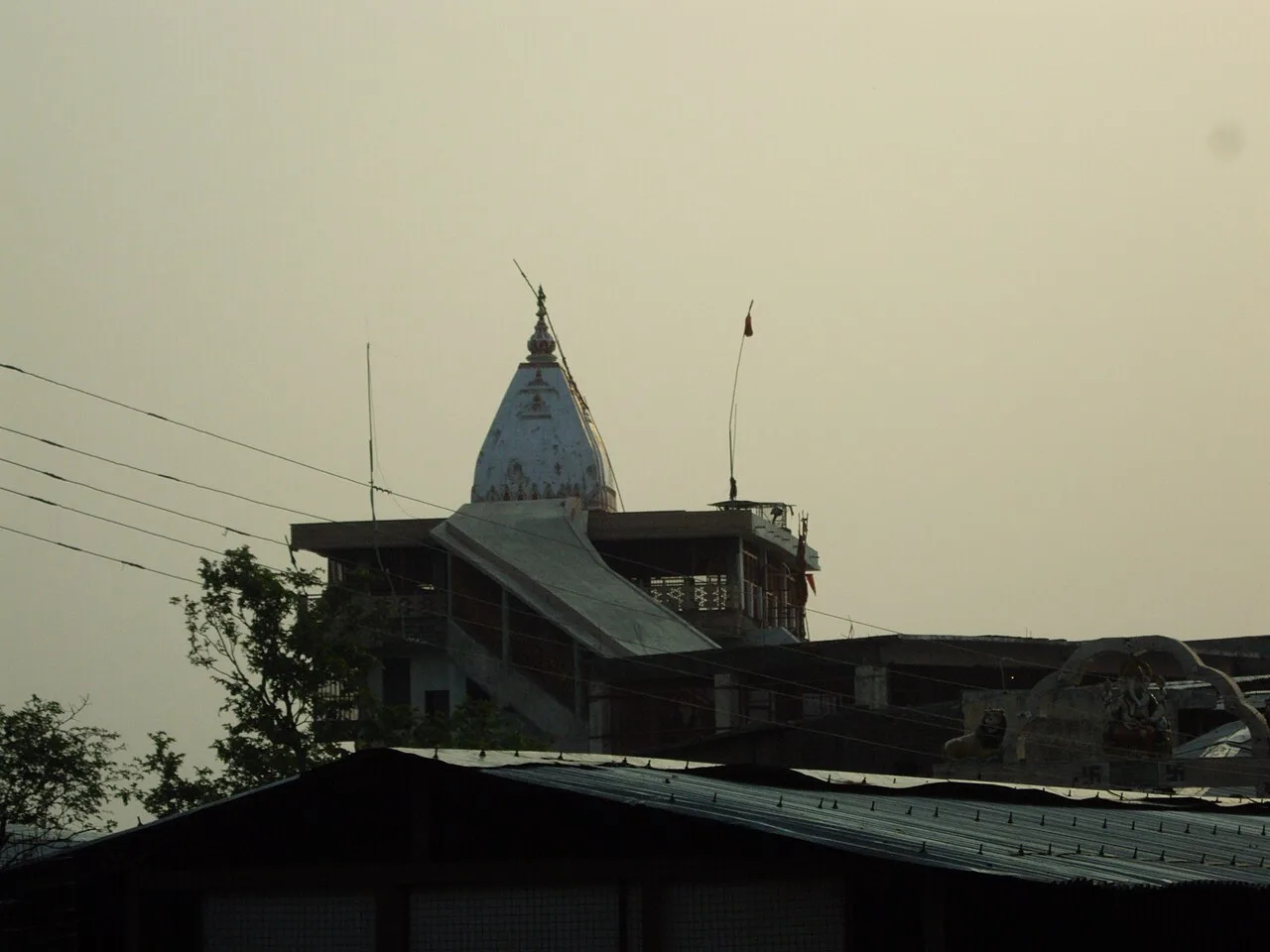
Chandi Devi Temple
A shrine to Goddess Chandi Devi in Haridwar, the temple draws worshippers to Neel Parvat and is revered as a Siddh Peetha associated with wishes being fulfilled.
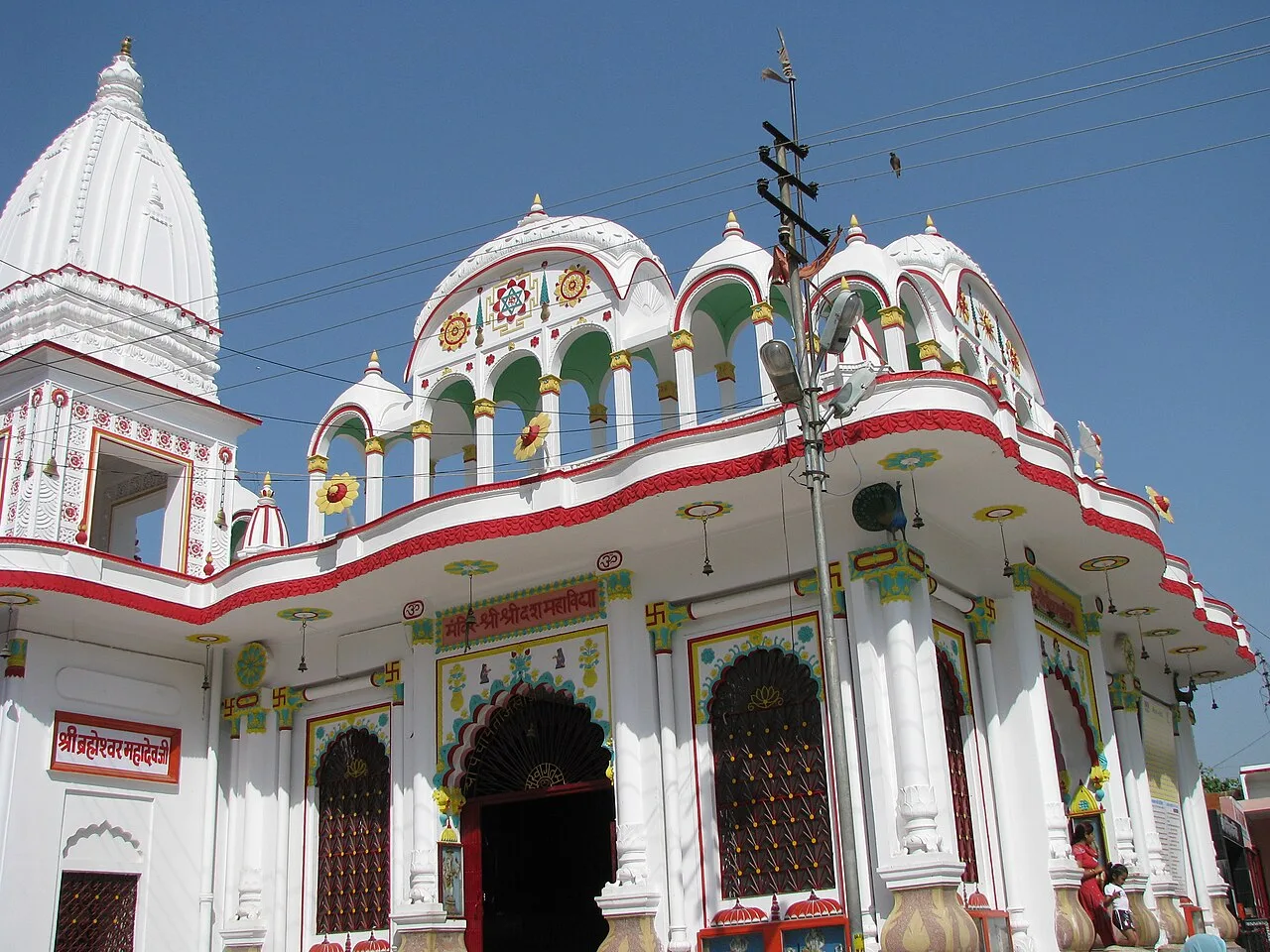
Daksheswar Mahadev Temple
In Kankhal near Haridwar, Daksheswar Mahadev Temple is a shrine to Shiva. Shaivaite devotees make pilgrimages there, particularly for Maha Shivaratri.
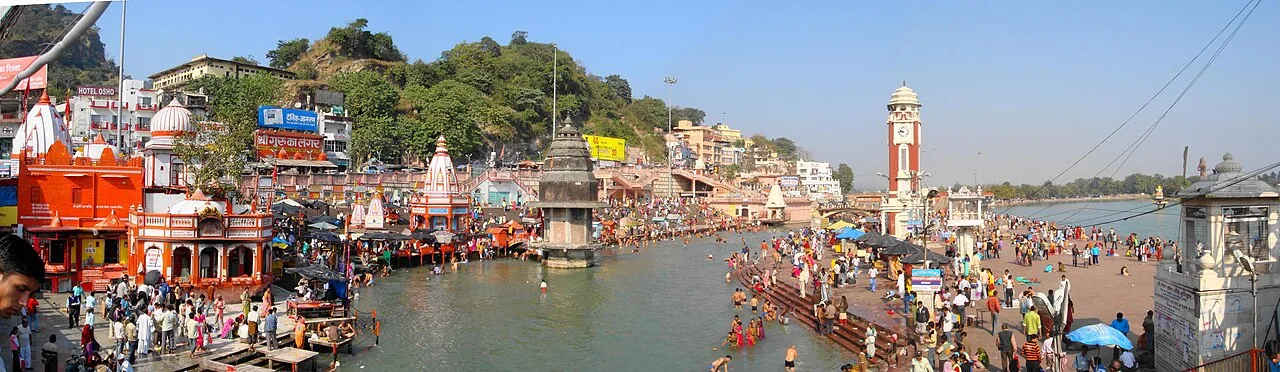
Har Ki Pauri
Har Ki Pauri is a sacred riverside ghat in Haridwar, Uttarakhand, visited for its religious significance and for festivals such as Kumbh Mela, Ardh Kumbh Mela and Vaisakhi.
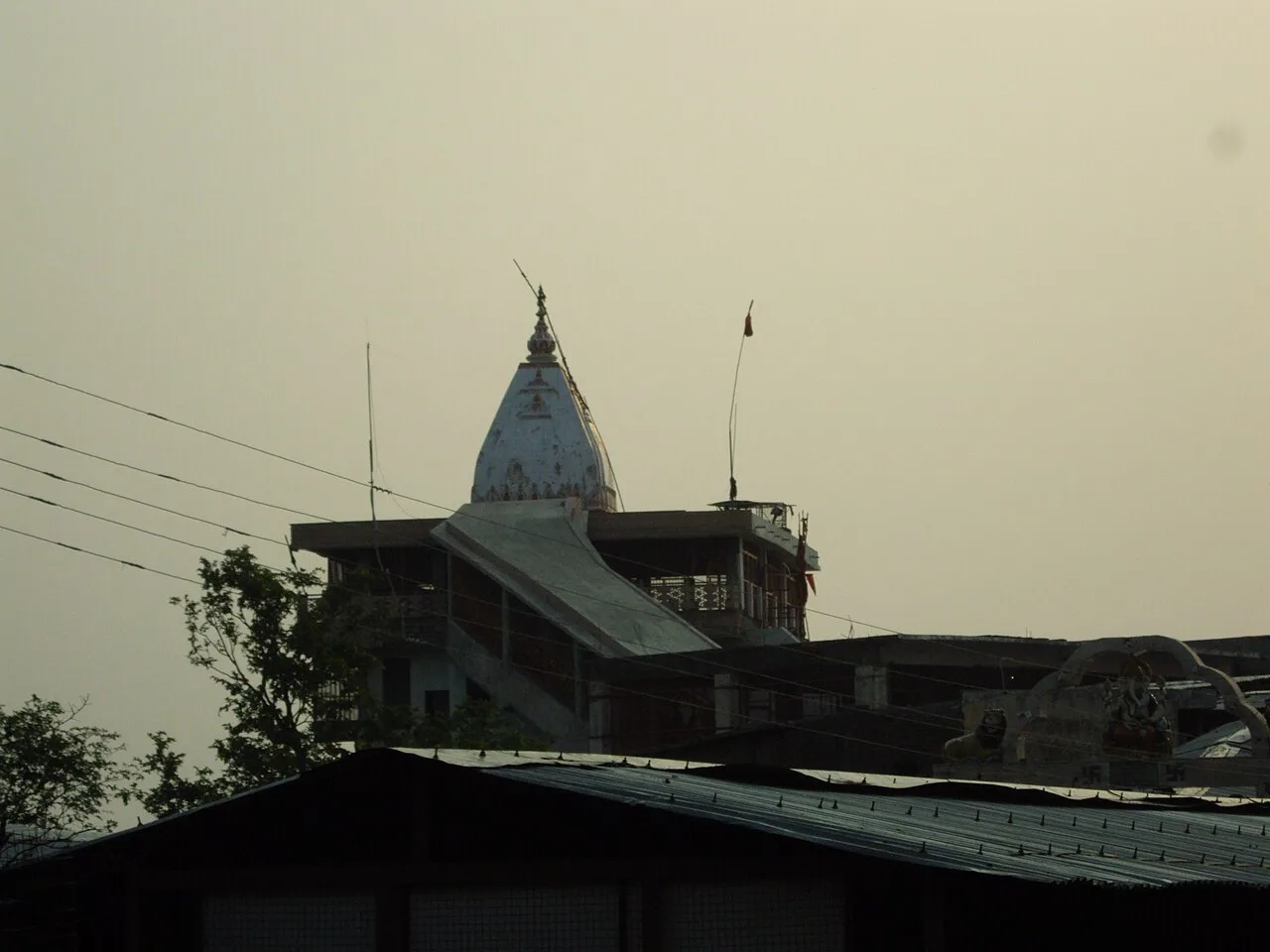
Haridwar
Haridwar is a city and municipal corporation in Uttarakhand, known for Hindu religious gatherings, river-bathing rites and as a route to important places of worship.
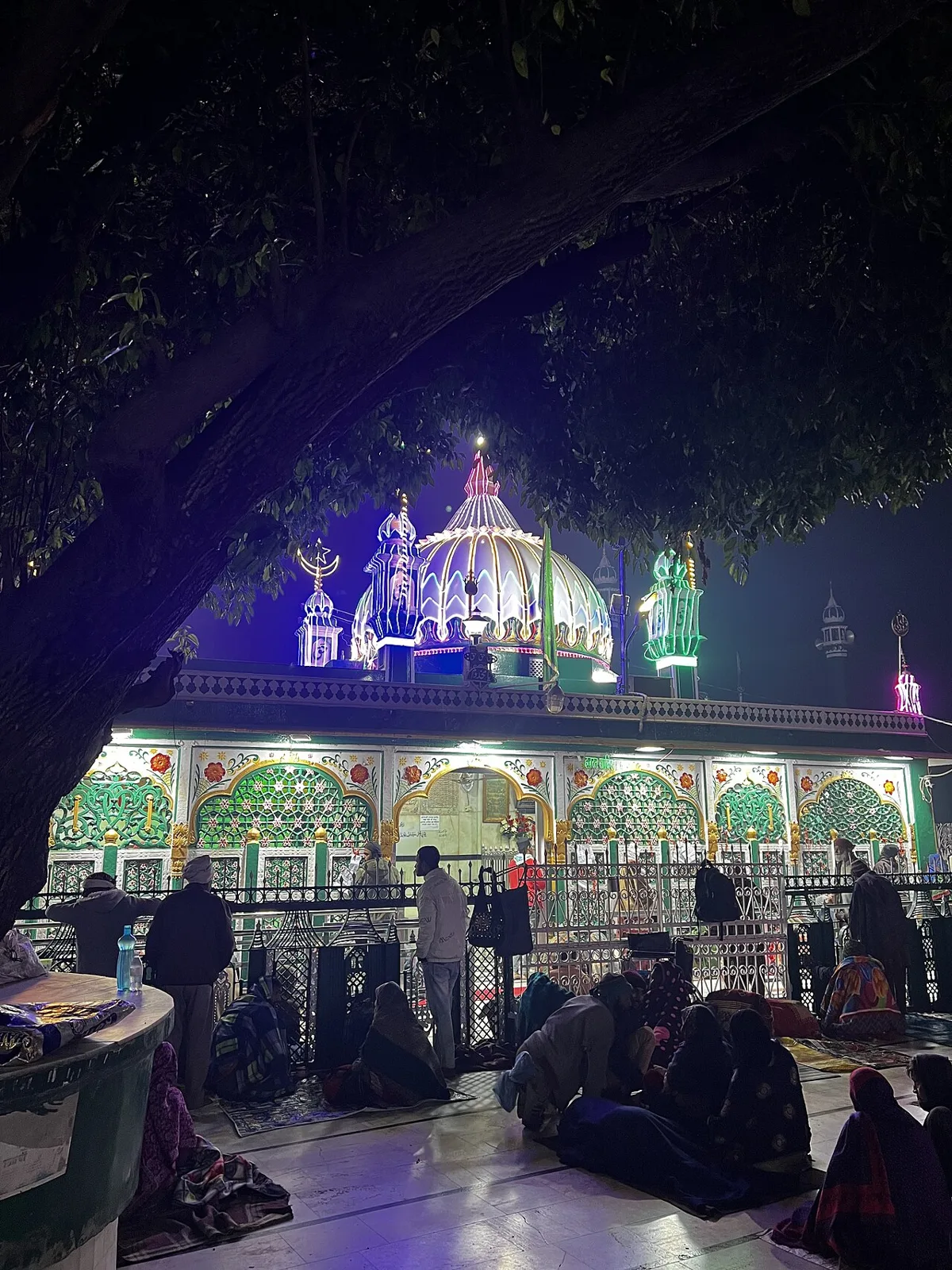
Kaliyar Sharif
Kaliyar Sharif is a Sufi shrine in Haridwar district dedicated to Alauddin Sabir Kaliyari, a 13th-century Chishti saint. People visit to honour Sabir Pak at a place respected by Muslims, Hindus and others.
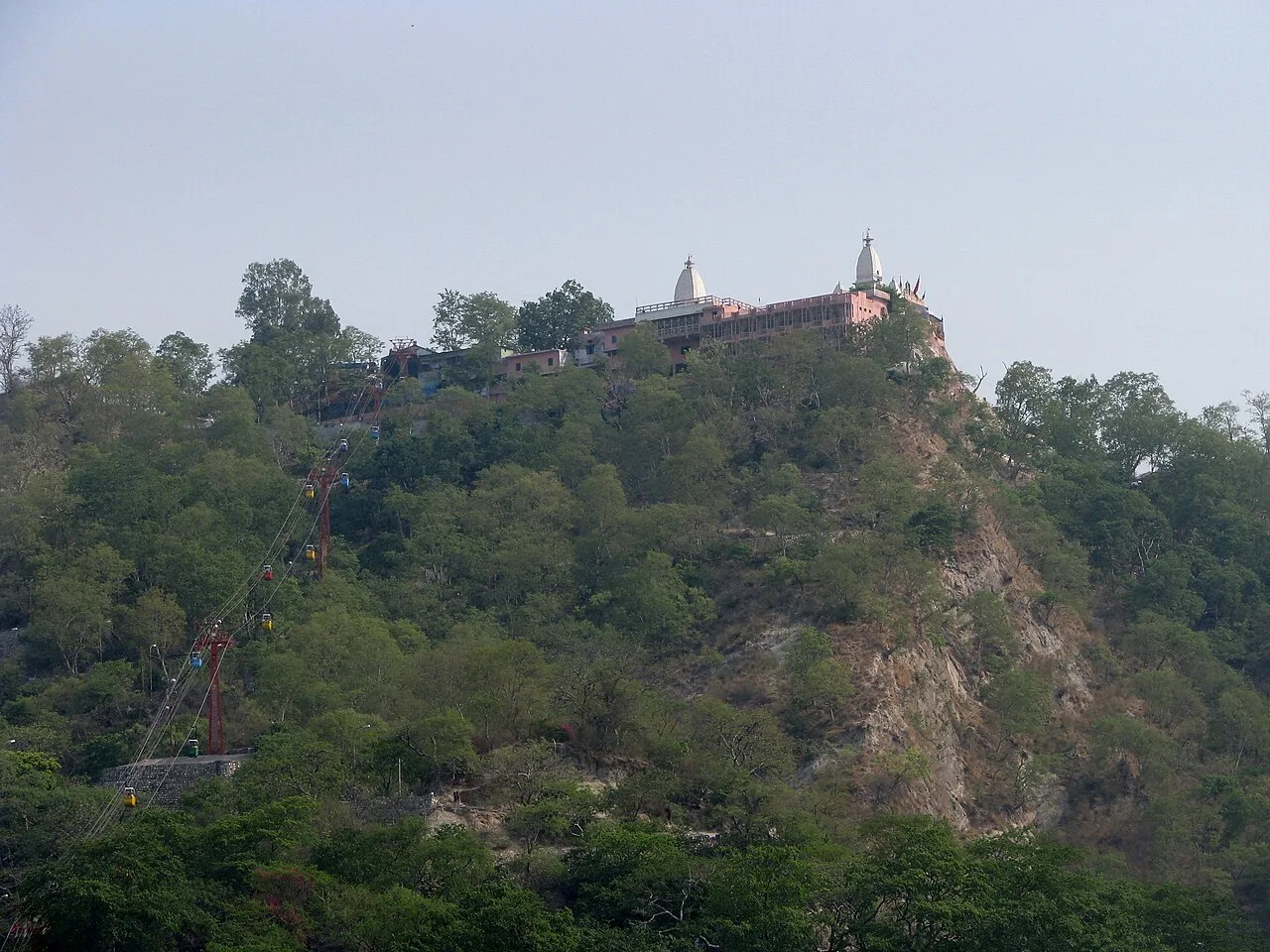
Mansa Devi Temple
Mansa Devi Temple is a shrine to the goddess Mansa Devi on Bilwa Parvat in Haridwar. Pilgrims visit to worship her, seek the fulfilment of wishes and take part in temple customs.
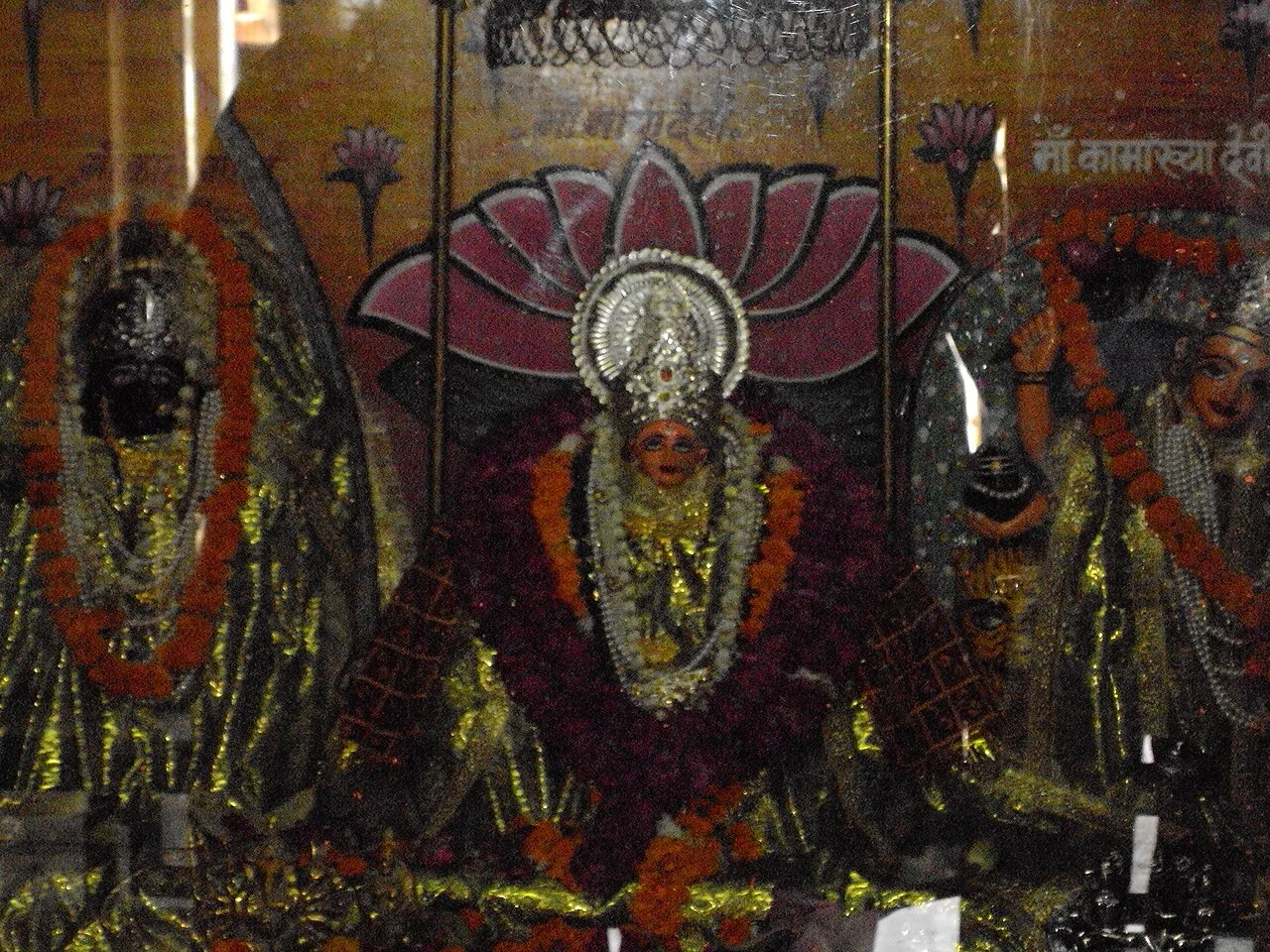
Maya Devi Temple
Maya Devi Temple is a shrine to Maya in Haridwar, Uttarakhand. Visitors come to worship at a site regarded as a Shakta pitha and one of the city’s three siddha pithas.
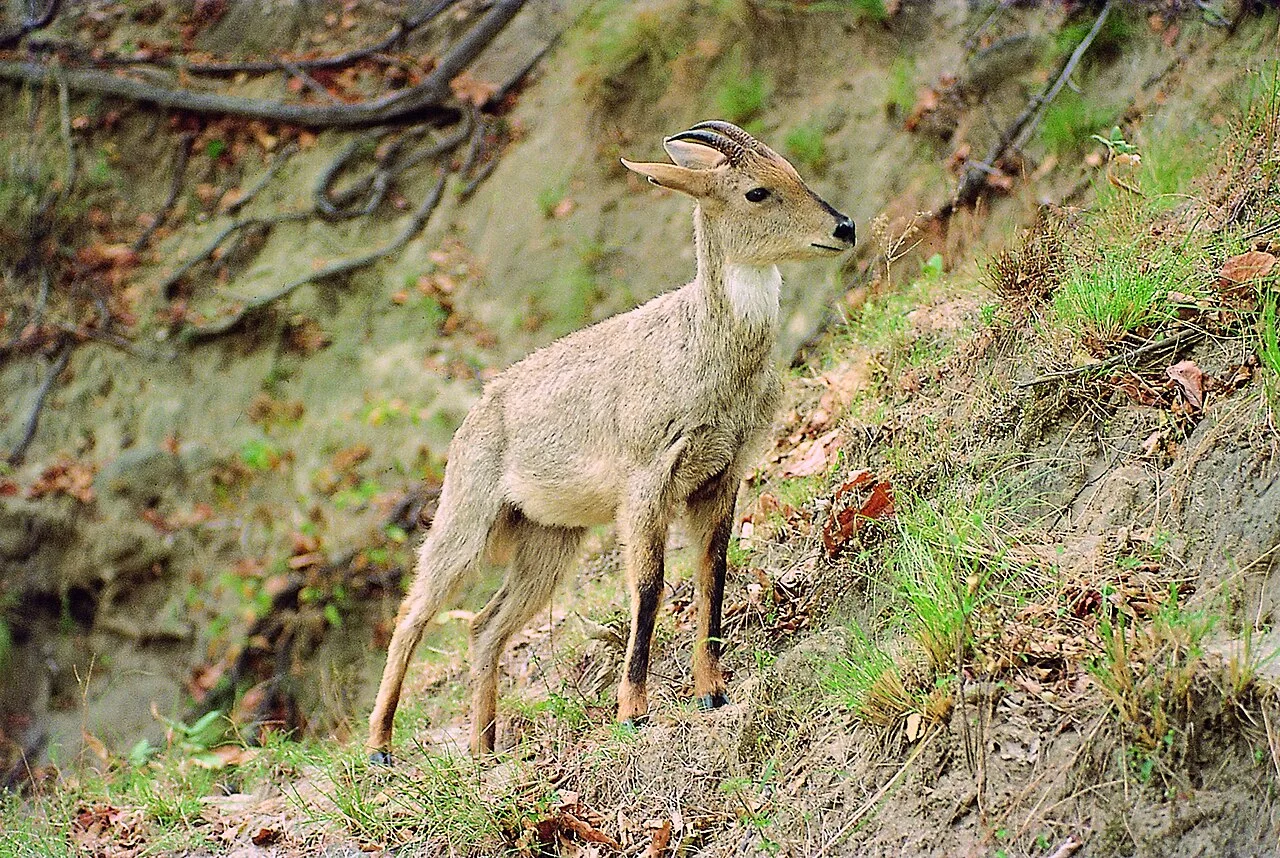
Rajaji National Park
Rajaji National Park is a protected area and tiger reserve in Uttarakhand, spanning Haridwar, Dehradun and Pauri Garhwal districts. Visitors come for its wildlife and Sivalik setting.
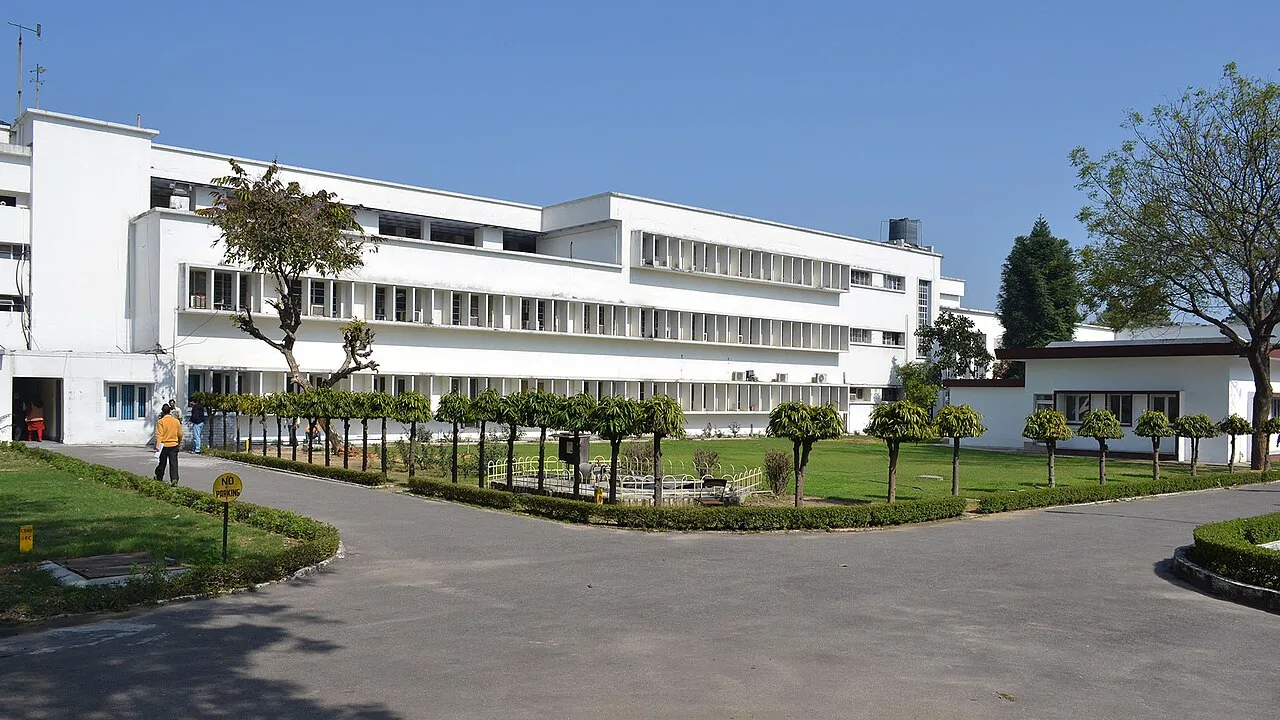
Roorkee
Roorkee is a city and municipal corporation in Uttarakhand’s Haridwar district, known for the Ganges Canal, the Indian Institute of Technology Roorkee and its historic military cantonment.
Haridwar’s old bazaars are known for vegetarian snacks such as kachori and aloo puri, often served with lassi. The city has a strong vegetarian food tradition, and alcohol is generally not served in its central pilgrimage areas. Across Uttarakhand, regional dishes include kafuli, a leafy-green curry; phaanu and chainsoo, made with lentils; aloo ke gutke; and bhatt ki churkani. Mandua rotis and jhangora kheer are also found in the wider region. These foods are not exclusive to Haridwar, and menus vary; ask small eateries what has been freshly prepared that day.
Haridwar is not especially known for one defining craft tradition, but visitors may encounter religious objects and devotional goods in its pilgrimage markets. Across Uttarakhand, craft traditions vary between the plains and hill communities. Ringaal bamboo work, woollen weaving, wood carving and copperware are among the crafts associated with parts of the state. Aipan, a ritual floor and wall art made with geometric motifs, is particularly associated with Kumaon rather than Haridwar. Availability in the district varies, so ask sellers about an item’s material and place of origin.
The Kumbh Mela and Ardh Kumbh Mela draw pilgrims to Haridwar at intervals, with large crowds affecting roads, public spaces and room availability. The annual Kanwar Yatra, usually during the monsoon season, brings many Shiva devotees through the district and can prompt traffic controls. Ganga Dussehra, generally in late spring or early summer, and Kartik Purnima in autumn are also observed around the river and temples. Hindu festivals such as Diwali and Navratri are celebrated locally. Dates vary by religious calendar; check local advisories and arrange accommodation early during major gatherings.
In this district
The district spans the transition from the Shivalik foothills to the flatter, intensively farmed Ganga plain. The Ganga and its channels shape settlements, fields and pilgrimage sites, while the foothill margins include forest and wildlife habitat. Haridwar and Kankhal are busy urban centres; Roorkee and smaller agricultural settlements give the district a broader, less pilgrimage-focused character. Roads are generally easiest across the plains, while routes near forested and hilly edges may be slower or subject to local conditions. Rajaji National Park extends across several districts, including parts of Haridwar district.
Summers are generally hot, with the foothills sometimes feeling less exposed than the open plains. The monsoon, usually from around June into September, brings humid conditions, rain and possible disruption to roads and river access. Winters are cooler, and mornings can be misty, especially in the plains. October to March is often the most comfortable period for sightseeing, though major pilgrimage events can make travel crowded. Pack light, breathable clothing for warm months, a light rain layer during the monsoon and warmer layers for winter mornings and evenings. Comfortable walking shoes and sun protection are useful in every season.
Haridwar Junction is the district’s main rail gateway, with services linking it to major cities; Roorkee is another important railway stop within the district. The nearest major airport is Jolly Grant Airport near Dehradun, followed by a road journey. Haridwar is connected by road to Delhi, Dehradun and Rishikesh, and buses and taxis serve routes across the region. Within Haridwar city, e-rickshaws, auto-rickshaws, cycle rickshaws and taxis are useful; services can be affected by crowds during major religious gatherings. Check current services locally before travelling.
Haridwar city’s sights can be reached by auto-rickshaw, e-rickshaw, cycle rickshaw and taxi, though access near busy ghats may be restricted during gatherings. Local buses and shared vehicles connect Haridwar with towns such as Roorkee, while taxis offer more flexibility for visiting Kankhal, Kaliyar Sharif and other sites. Road travel links the district’s main towns and continues towards Dehradun and Rishikesh. Services and journey times can be affected by traffic, religious processions, monsoon conditions and temporary diversions. Confirm current local transport arrangements before setting out; do not assume river boats operate as regular visitor transport.
2 days: Haridwar → Maya Devi Temple → Har Ki Pauri → Mansa Devi Temple; night 1: Haridwar. 3 days: Haridwar → Daksheswar Mahadev Temple → Shantikunj → Chandi Devi Temple; nights 1–2: Haridwar. 4 days: Roorkee → Kaliyar Sharif → Haridwar → Rajaji National Park; night 1: Roorkee, nights 2–3: Haridwar.
Haridwar is the most practical base for visiting the city’s temples, ghats, Kankhal and Shantikunj, and it offers a range of hotels, dharamshalas and other pilgrim accommodation. Roorkee can suit visitors focusing on the town and Kaliyar Sharif, with hotels and guesthouse-style stays generally available. For a forest-focused visit, check whether accommodation is available and permitted for the intended area of Rajaji National Park; options may be limited compared with the towns. Book ahead during major religious gatherings, when rooms can fill quickly.
Expect dense crowds around ghats and temples during festivals; agree on a meeting point and keep valuables secure. River currents can be strong, so follow local instructions and avoid entering the water where bathing is restricted or unsafe. Use treated or sealed drinking water and take care with food hygiene. Monsoon rain can affect roads and river access. In forest areas, follow park rules, keep to authorised routes and do not approach or feed wildlife. Mobile connectivity may be weaker near forested edges. Confirm current access rules and any required permissions for Rajaji National Park with official authorities before travel.
- Pauri Garhwalabout 40 km
- Tehri Garhwalabout 49 km
- Dehradunabout 49 km
- Yamunanagar · Haryanaabout 73 km
- Sirmaur · Himachal Pradeshabout 88 km
- Meerut · Uttar Pradeshabout 88 km
- Rudraprayagabout 110 km
- Karnal · Haryanaabout 117 km
Straight-line distance between the centres of each district's destinations; road distance is longer.
Q: How many days should I spend in Haridwar district? A: Two days can cover key Haridwar sights; three or four days allow time for Kankhal, Roorkee, Kaliyar Sharif or a forest visit. Q: When is the best time to visit? A: October to March is often comfortable for sightseeing. Check crowd and travel advisories around major religious gatherings and monsoon conditions. Q: Where is the best base for a first visit? A: Haridwar is the most convenient base for the main pilgrimage sites; Roorkee can work well for the district’s western towns. Q: How do I get to the district? A: Haridwar Junction is the main rail gateway, and Roorkee is another rail stop. Jolly Grant Airport near Dehradun is the nearest major airport, followed by a road journey. Q: Is the district suitable for families or elderly travellers? A: Yes, but busy ghats, uneven walking surfaces, steps and crowds may be challenging. Plan breaks, check access arrangements and choose transport and sites to suit individual mobility.
This page draws on our 10 destination guides for Haridwar and is updated as our team checks it.
Be the first to share photos, stories, advice or a helpful contact for Haridwar.
Loading…