
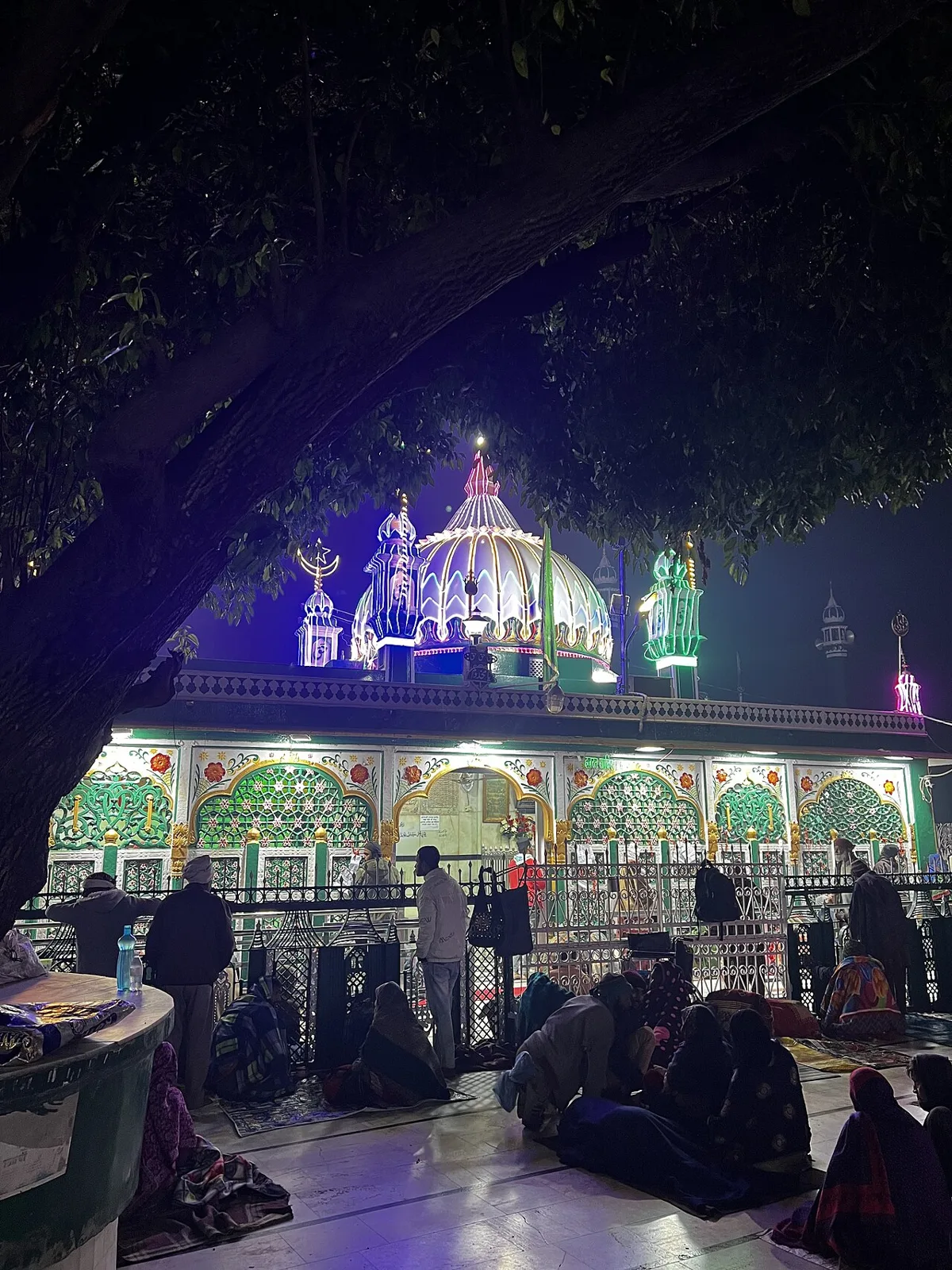
Kaliyar Sharif
Kaliyar Sharif is a Sufi shrine in Haridwar district dedicated to Alauddin Sabir Kaliyari, a 13th-century Chishti saint. People visit to honour Sabir Pak at a place respected by Muslims, Hindus and others.
Key facts · verified by Ghumoopedia editors
- Type of place
- Heritage monument
- Best time to visit
- March to June and September to November; December to February for snow in the hills; July to September only for the Valley of Flowers
- Verified
- 21 Nov 2026
In Uttarakhand, near Haridwar and Roorkee, Kaliyar Sharif is also called Piran Kaliyar Sharif, Kaliyar Sharif Dargah and Dargah Sabir Pak. Its mausoleum commemorates Alauddin Sabir Kaliyari, known as Sabir Pak, a Chishti Sufi who lived in the 13th century. The shrine was built by Ibrahim Lodhi, an Afghan ruler of the Delhi Sultanate. Sabir Pak was Baba Farid’s nephew and successor, and established the Sabiriya branch of the Chishti order. Muslims hold the site in especially high regard; Hindus and followers of other religions also revere it. Uttarakhand, the Devbhumi or land of the gods, spans the Garhwal and Kumaon Himalaya: the Char Dham shrines and Panch Prayag confluences, Haridwar and Rishikesh on the Ganga, colonial hill stations such as Mussoorie, Nainital and Ranikhet, Corbett and Rajaji tiger reserves, the alpine Valley of Flowers, and Garhwali, Kumaoni, Jaunsari and Bhotiya communities with their folk songs, temple fairs and Aipan art. The plains around Haridwar and Udham Singh Nagar are hot from April to June; hill towns stay mild in summer and cold in winter, with snow above about 2,000 m from December to February. The monsoon (July to September) brings heavy rain, landslides and frequent road closures. High shrines such as Kedarnath and Badrinath open only from about late April or May until around Diwali. The usual best time to visit is March to June and September to November; December to February for snow in the hills; July to September only for the Valley of Flowers. Timings, fees and access arrangements must be confirmed locally. For official information, see Uttarakhand Tourism at https://uttarakhandtourism.gov.in.
Why it matters
Piran Kaliyar Sharif, also called Dargah Sabir Pak, is an important Sufi shrine in Haridwar district, near Roorkee. It is associated with Alauddin Sabir Kaliyari, a 13th-century Chishti Sufi and the founder of the Sabiriya branch of the order. Muslims visit the dargah as a place of devotion and pilgrimage; the shrine is also respected by Hindus and people of other faiths. Its continuing role in local religious life makes it a significant destination in Uttarakhand’s cultural landscape, as well as a place to learn about Chishti traditions.
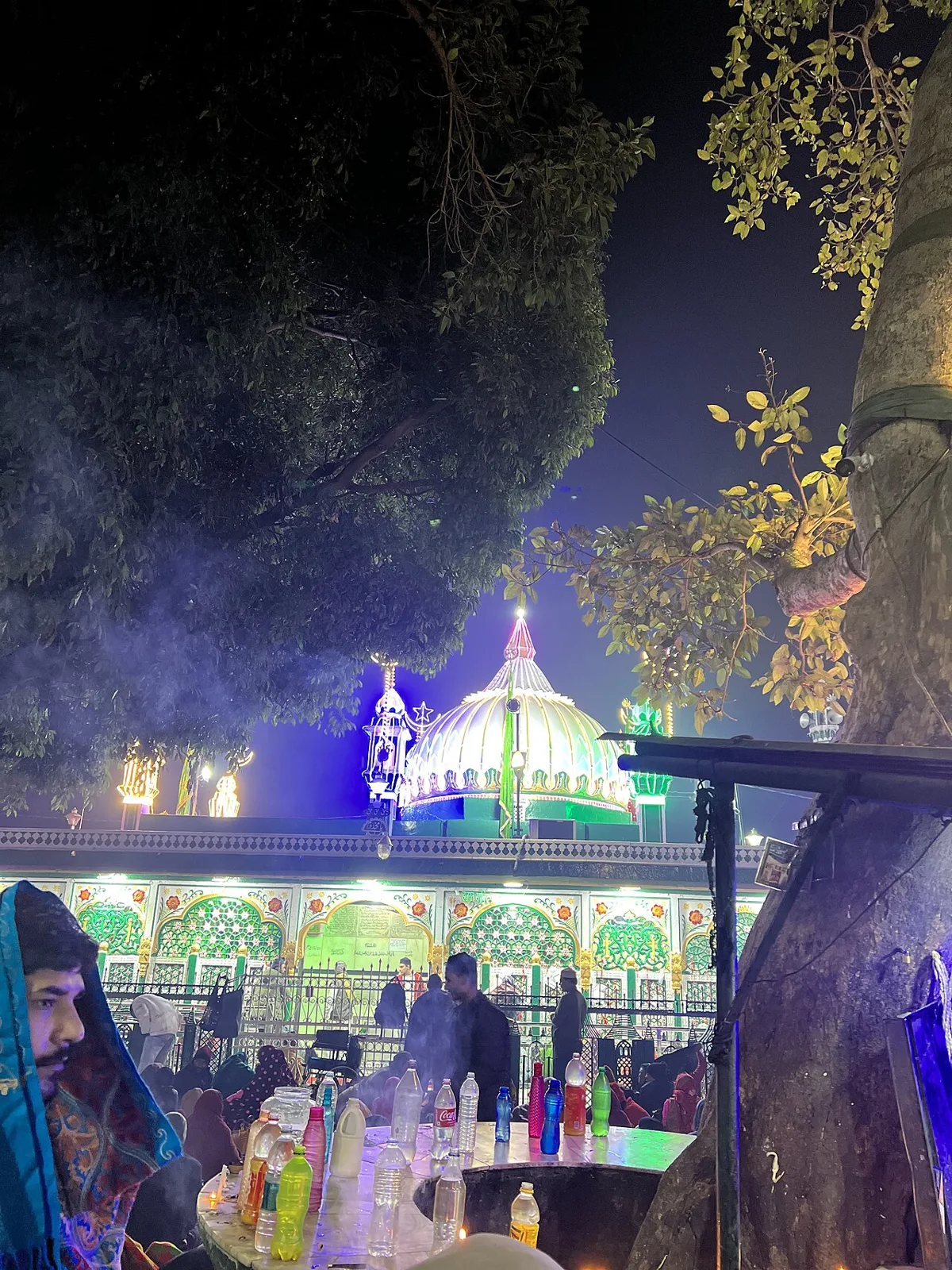
Alauddin Sabir Kaliyari, known as Sabir Pak, is remembered as a 13th-century Sufi of the Chishti order. He was the nephew and successor of Baba Farid and is regarded as the founder of the Sabiriya branch. The dargah developed around his tomb at Kaliyar, near Roorkee, and became a destination for devotees from the region and beyond. The shrine’s construction is traditionally attributed to Ibrahim Lodhi, the Afghan ruler of the Delhi Sultanate. This association places the building’s patronage in a later period than Sabir Pak’s life; the precise construction history and chronology should be treated with care unless confirmed by an authoritative source. The complex has continued to serve as a place of worship and pilgrimage, with the tomb and its surroundings maintained and adapted over time. As with many active shrines, present-day finishes and arrangements may reflect successive repairs and additions rather than a single original building phase. For details of documented conservation work or the shrine’s formal heritage status, consult the managing authority or relevant heritage records.
Origin stories & folklore
According to local tradition, Sabir Pak was known for exceptional patience and devotion, qualities reflected in the name “Sabir.” Stories about his spiritual power and blessings form part of the shrine’s devotional identity. Visitors may hear accounts of prayers being answered or of the saint’s continuing protection; these are matters of belief, not claims that can be established as historical fact. The dargah’s reputation as a place where people of different faiths come to seek blessings is also part of its living story. Ask respectfully before recording or sharing a local account, since traditions may vary between families and communities.
Architecture & design
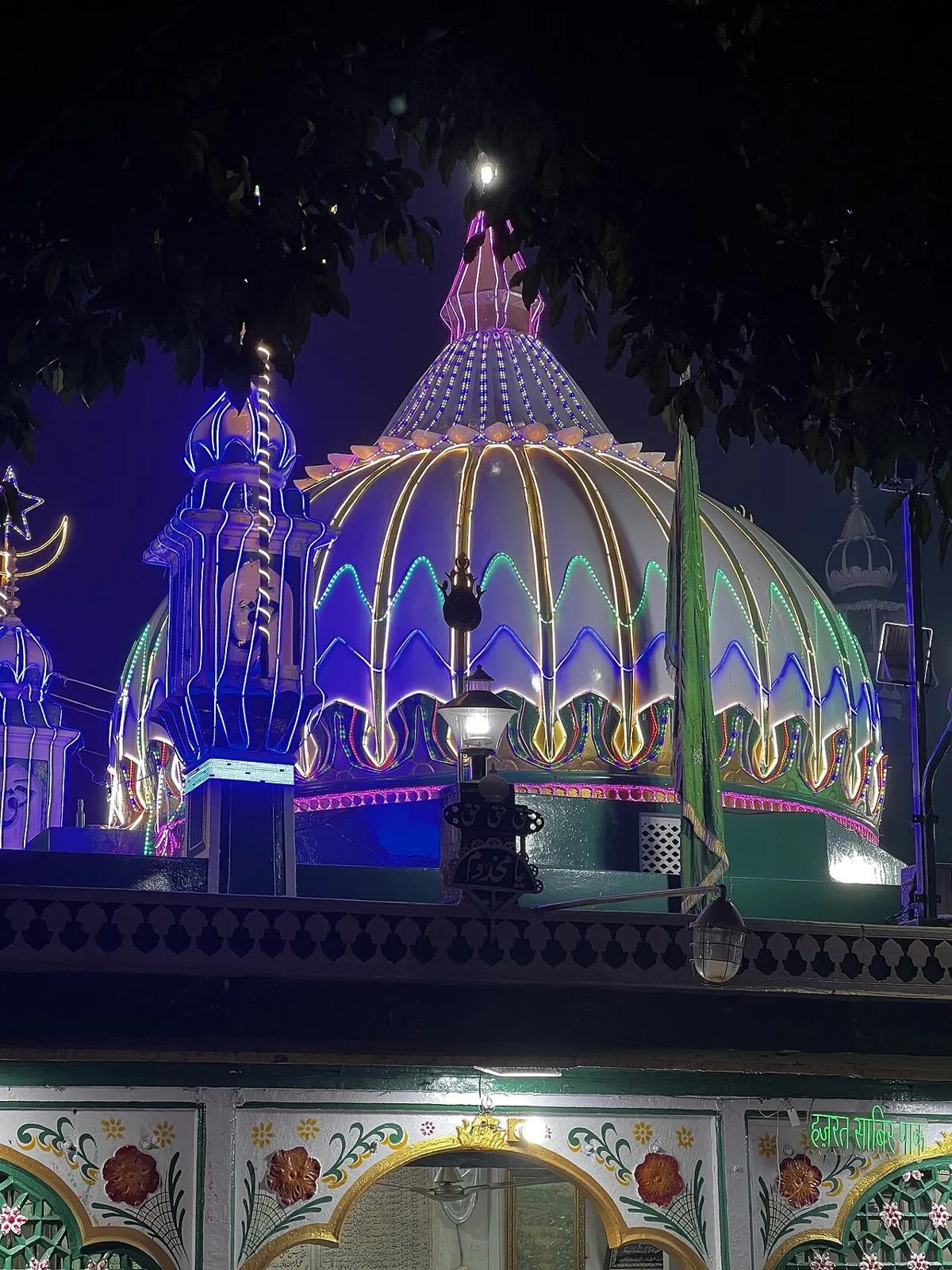
The shrine is an active dargah centred on the tomb of Sabir Pak. Its layout brings visitors toward the tomb enclosure, with surrounding spaces used for prayer, devotional visits and gatherings. The complex is traditionally associated with patronage by Ibrahim Lodhi, though the history of individual building elements is not fully established here. The visible structure should be understood as a religious site that has been cared for and altered over time, rather than assumed to survive unchanged from one construction period. Visitors may notice the tomb enclosure, entryways and decorative details, but materials and finishes can vary across the complex and may include later work. Follow the circulation and any barriers in place, and do not enter restricted areas. For architectural dates, conservation details or the meaning of specific features, rely on shrine staff or a qualified local guide rather than inferring a date from appearance alone.
Important objects & sculptures
The central object of devotion is the tomb of Sabir Pak, approached as a sacred place rather than a museum exhibit. Visitors may see devotional cloth offerings, flowers or other items placed in accordance with local practice; arrangements can change with ceremonies and shrine management. Look for any inscriptions or calligraphic decoration that is accessible to visitors, but do not assume that every feature is original or dated. The site’s most meaningful “collection” is its continuing devotional use and the practices around the tomb. Avoid touching, moving or leaning on objects, and follow staff guidance about offerings and restricted areas.
Use Kaliyar Sharif as a base to understand local life: walk through the market, look for local crafts such as Dehradun basmati rice, rudraksha beads and brassware in Haridwar, Garhwali woollens and local pulses, honey and rhododendron squash and ask your host about nearby viewpoints and short excursions. Always ask before photographing people, homes or ceremonies. A comfortable itinerary is one main visit in the morning, a local meal at midday and a short nearby stop before an afternoon return. In the hot months, plan outdoor sightseeing for early morning and late afternoon; the Ganga aarti at dusk is the highlight of a day in Haridwar or Rishikesh. Use the district list on this site to find other places in Haridwar, but check the route and its condition before combining stops. If a festival is on — such as the Kumbh and Ardh Kumbh at Haridwar, the Kanwar Yatra in July, Ganga Dussehra, the Nanda Devi Raj Jat, Phool Dei and Harela, or the Uttarayani fair at Bageshwar — roads and stays can be busy, and the experience can be unforgettable. Leave no litter: many sites are protected by the communities around them.
Suggested itineraries
Half day: Arrive in the morning; allow 1–2 hours for a respectful visit to the shrine and its surroundings; spend 30–60 minutes in the market; have a local meal before returning. Full day: Visit the shrine in the morning; take time for the nearby market and lunch; travel to Haridwar for an afternoon visit to Har Ki Pauri or a temple; finish with the Ganga aarti if conditions and travel time allow. Gentler option: Arrange a vehicle drop-off as close as permitted, visit the main shrine at an unhurried pace, rest as needed, and skip crowded market lanes.
Kaliyar Sharif is a living pilgrimage site, where visitors come to pray, pay respects and seek blessings. The shrine is revered by Muslims and also visited by people of other faiths, giving it a notable place in the region’s shared devotional life. Hindi and Urdu are commonly useful languages in the area; other local languages may also be heard. During gatherings, devotional recitation and Sufi music may form part of the atmosphere, though programming varies. Dress modestly, keep voices low in prayer spaces and observe local customs around the tomb. Ask permission before photographing worshippers, shrine workers or ceremonies.
Festivals & events
The annual Urs, commemorating Sabir Pak, is the principal gathering associated with the shrine. Its dates follow the Islamic calendar and shift from year to year, so check with the dargah before planning a visit. The occasion can bring increased pilgrimage, devotional gatherings and busy market activity. Ramadan and the two Eid festivals are also important in the wider Muslim community, although arrangements at the shrine may vary. Haridwar’s major religious events, including the Kanwar Yatra in July and Kumbh or Ardh Kumbh when scheduled, can affect traffic and accommodation across the region. Expect larger crowds during significant observances and follow instructions from shrine staff.
Local food in Uttarakhand includes kafuli (spinach curry), phaanu and chainsoo (lentil dishes), aloo ke gutke, bhatt ki churkani, mandua (finger-millet) rotis, jhangora kheer, singori and bal mithai from Almora, with rhododendron (buransh) squash in spring. Ask what is fresh that day; many small eateries cook a limited daily menu. Haridwar is strictly vegetarian and alcohol-free; its old bazaars are famous for kachori, aloo puri and lassi, while Dehradun has bakeries, momos and Tibetan food around the Clock Tower and Rajpur Road. Remote sites may have no restaurant at all. Carry water and snacks, eat a proper breakfast before long drives, and ask your accommodation for a packed lunch if you are heading out early. Try a home-cooked or local thali meal when you can — it is often the best food on the route. Choose busy, clean places, drink sealed or filtered water, and carry your packaging back with you.
Shopping & local experiences
The lanes around the shrine usually have small shops serving pilgrims, where visitors may find devotional items, flowers, sweets or other offerings; availability varies. Haridwar’s markets offer a broader choice of religious souvenirs, rudraksha beads and brassware, while regional food products can be sought from reputable local sellers. Dehradun basmati rice, Garhwali woollens, pulses, honey and rhododendron squash are examples of regional products mentioned in local travel guidance, but they may not be made or sold in Kaliyar itself. Ask about provenance, avoid bargaining that disrupts religious activity and carry reusable bags.
March to June and September to November; December to February for snow in the hills; July to September only for the Valley of Flowers
These figures are calculated from map coordinates — actual road distance is longer. Haridwar, Rishikesh (Yog Nagari Rishikesh) and Dehradun stations and Dehradun's Jolly Grant Airport are the gateways to Garhwal; Kathgodam station and Pantnagar Airport serve Kumaon; Ramnagar station serves Corbett. Beyond these, travel is by road. Within Haridwar and Dehradun, e-rickshaws, autos, city buses and app cabs cover short hops; allow extra time during the Kanwar Yatra, Kumbh and holiday weekends, when traffic is heavily restricted. When comparing train, bus and flight, count the complete door-to-door time: a flight saves the most time only if the onward road transfer is short, while an overnight train can save a hotel night. Haridwar and Dehradun are well linked by overnight trains, Shatabdi and Vande Bharat services from Delhi, and Dehradun's Jolly Grant Airport has direct flights from several metros; a fast train is often quicker door to door than flying. Book your return before you leave, because seats fill quickly on weekends, festivals and holidays. Current train numbers, timings, return services and fares are not listed here; check IRCTC and NTES for trains and the airline's own schedule for flights. No permit is needed for most of Uttarakhand, but Char Dham pilgrims (Yamunotri, Gangotri, Kedarnath and Badrinath) and Hemkund Sahib pilgrims must register online with Uttarakhand Tourism before travelling, and areas near the Tibet border such as Adi Kailash, Om Parvat, Niti and Nelong valleys need an Inner Line Permit.
Getting around
Kaliyar Sharif is reached by road from the Roorkee and Haridwar area. On arrival, local autos or taxis may be available for the final approach; availability can vary, especially during large gatherings. Ask the driver about the appropriate drop-off point, since vehicle access and parking arrangements may be restricted near the shrine. The market and shrine area are best explored on foot, with care in crowded lanes. Local buses can help with travel between larger towns, but visitors should check routes and service conditions locally. Allow extra time during festivals and major pilgrimage periods.
Hours, tickets & permissions
Entry conditions can vary with worship, ceremonies and crowd management. The shrine is an active religious site, so visitors may be asked to observe modest dress, remove footwear in designated areas or follow restrictions around the tomb. Ticketing, identity requirements, photography rules and access to particular spaces should be checked locally; do not assume they are unchanged from a previous visit. Confirm current opening arrangements and any fees with the dargah’s managing authority before travelling.
Facilities
Facilities at the shrine and in the surrounding locality can vary. Basic food and small shops are usually available around the pilgrimage area, while a wider choice of services can be found in Roorkee or Haridwar. Toilets, drinking-water points, seating, parking and help from shrine staff may be available, but their location, condition and accessibility should be checked on arrival. ATMs and larger medical services are more likely in the nearby towns than immediately beside the shrine. If you need a guide or assistance, ask the shrine office or a trusted local host; verify arrangements before relying on them.
Accessibility
The shrine and surrounding market are active, sometimes crowded spaces, and visitors should expect walking on paved or uneven sections. Wheelchair and stroller movement may be difficult, particularly during gatherings. Older visitors or anyone with limited mobility may find it easier to travel with a companion, arrange a nearby vehicle drop-off where allowed, and visit at a quieter time. Shade and seating can be limited in some areas, so take breaks and carry water. Ask shrine staff about current access conditions before setting out.
No permit is needed for most of Uttarakhand, but Char Dham pilgrims (Yamunotri, Gangotri, Kedarnath and Badrinath) and Hemkund Sahib pilgrims must register online with Uttarakhand Tourism before travelling, and areas near the Tibet border such as Adi Kailash, Om Parvat, Niti and Nelong valleys need an Inner Line Permit. Carry a photo ID at all times and save the emergency number 112 and your accommodation's contact offline. Summer heat is the main weather risk — carry water, wear a hat and avoid the midday sun; in the monsoon, allow extra time when roads flood. Watch your belongings in crowds and on public transport, and follow posted instructions.
Photography
Soft morning or late-afternoon light can suit exterior views, but crowd levels and access vary. Photography may be restricted inside the shrine or during prayers and ceremonies, so check posted notices and ask shrine staff before taking pictures. Always seek consent before photographing worshippers, families, shrine workers or offerings. Keep cameras unobtrusive and do not interrupt devotional activity. Drone use may require permissions and can be inappropriate around a religious gathering; do not fly one without checking applicable rules and obtaining the required authorisation.
Choose a stay by the full journey to Kaliyar Sharif, not just the district name. Haridwar has ashrams, dharamshalas and hotels near Har Ki Pauri; Dehradun has stays in every range along Rajpur Road and near the railway station. In summer, check air-conditioning; in the monsoon, check that the property is accessible if roads flood. Book in advance for weekends, festivals and the peak season (March to June and September to November; December to February for snow in the hills; July to September only for the Valley of Flowers). Confirm the exact location, meals included, check-in time and cancellation terms in writing. Avoid sending money to unverified contacts or touts at stations. Carry some cash, as card and digital payments can be unreliable in remote areas.
Haridwar offers established places to combine with a visit, including Har Ki Pauri and the Mansa Devi and Chandi Devi temples. These are separate stops and require additional travel and time. Roorkee is the nearest larger town for services and a change of pace; check locally for suitable visitor attractions and access arrangements. Rajaji National Park is in the wider Haridwar region, but it is not an immediate shrine-side stop and requires separate transport and planning. During major festivals, allow extra time between destinations and check road restrictions before combining visits.
For couples, Kaliyar Sharif rewards a slow pace: arrive early for soft light and fewer crowds, share a local meal and keep the evening free. The evening Ganga aarti at Har Ki Pauri, a walk among the Sal trees at the Forest Research Institute or a drive up to Mussoorie for sunset makes the trip memorable. Public displays of affection can be frowned upon in conservative communities and at religious sites, so be discreet. Keep a buffer in your itinerary, because weather and road conditions can delay plans.
Q: How much time should I allow for a visit? A: Allow a few hours for the shrine and nearby market; add more time if you plan to travel onward to Haridwar. Q: When is a good season to visit? A: March to June and September to November are generally useful travel periods in the region. Check weather and road conditions before travelling. Q: Is there an entry ticket, and what are the rules? A: Current entry arrangements and any fees should be confirmed with the shrine. Modest dress and respect for worship spaces are expected. Q: Can children and elderly visitors visit? A: Yes, but crowds, uneven paths and possible steps may make the visit tiring. Keep children close and plan a slower visit for older travellers. Q: Where can I stay nearby? A: Roorkee and Haridwar offer the most practical bases for accommodation. Book ahead during the Urs and major regional pilgrimage periods.
Be the first to share photos, stories, advice or a helpful contact for Kaliyar Sharif.
Loading…