Ghumoopedia — Explore, Discover, Experience
Sign in
Adi Kailash, Uttarakhand

State · North India

Uttarakhand

Char Dham pilgrimages, Himalayan treks and the Ganga's source valleys.

Capital
Dehradun
Districts
13
Destinations
109
Plan a trip in Uttarakhand

Overview

Understanding Uttarakhand

Culture

Garhwali and Kumaoni folk traditions.

Food

  • Kafuli
  • Bal mithai

Festivals

  • Kumbh Mela (Haridwar)
  • Nanda Devi Raj Jat

Experiences here

  • Mountain
  • Spiritual
  • Wildlife
  • Festivals

Verified by the Ghumoopedia editorial team on 21 Nov 2026. Written and reviewed by Ghumoopedia's editors. Timings, fees and permits can change, so check them with the managing authority shortly before you travel.

The complete guide

Uttarakhand: a traveller's guide

Why visit

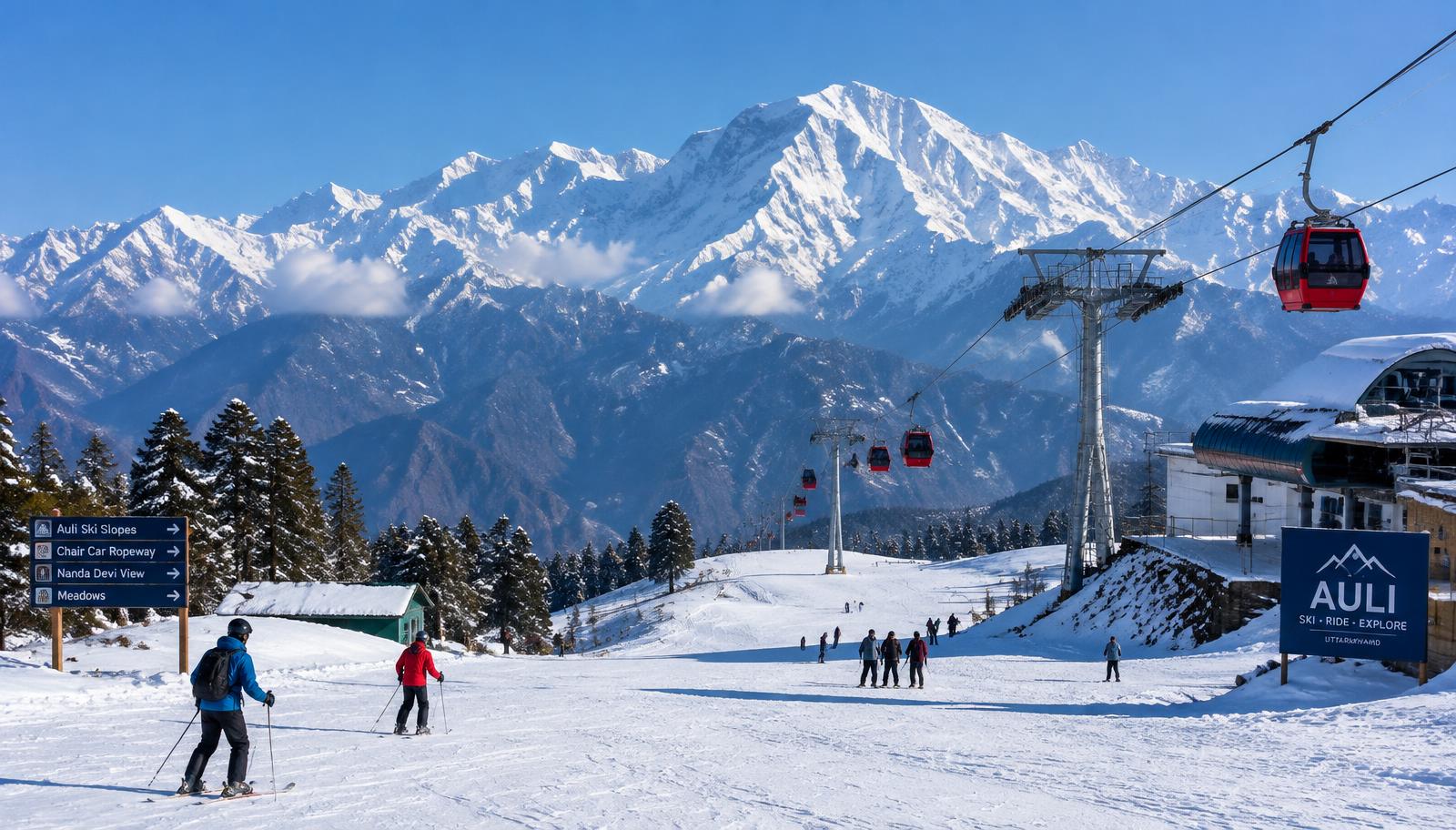
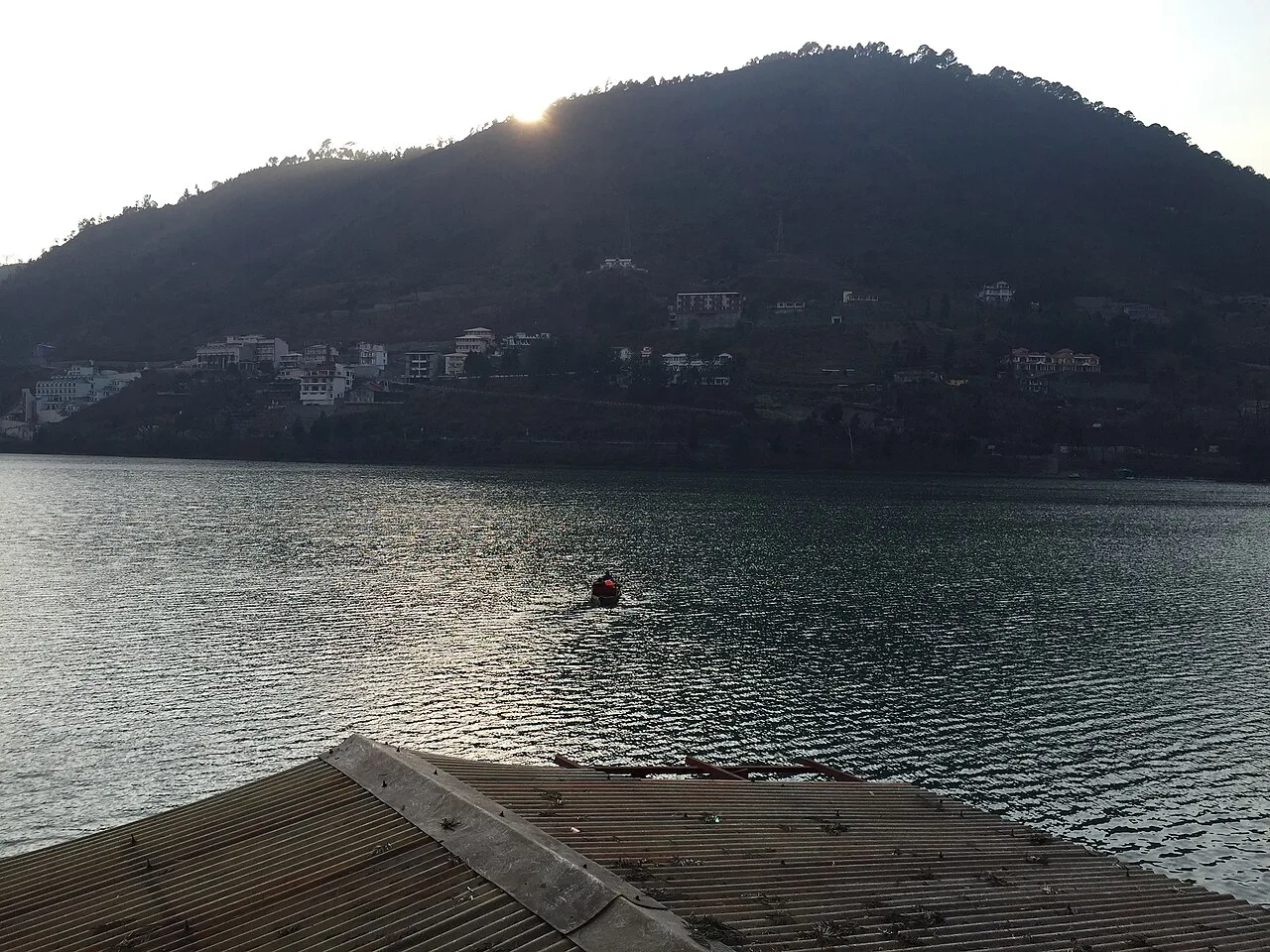
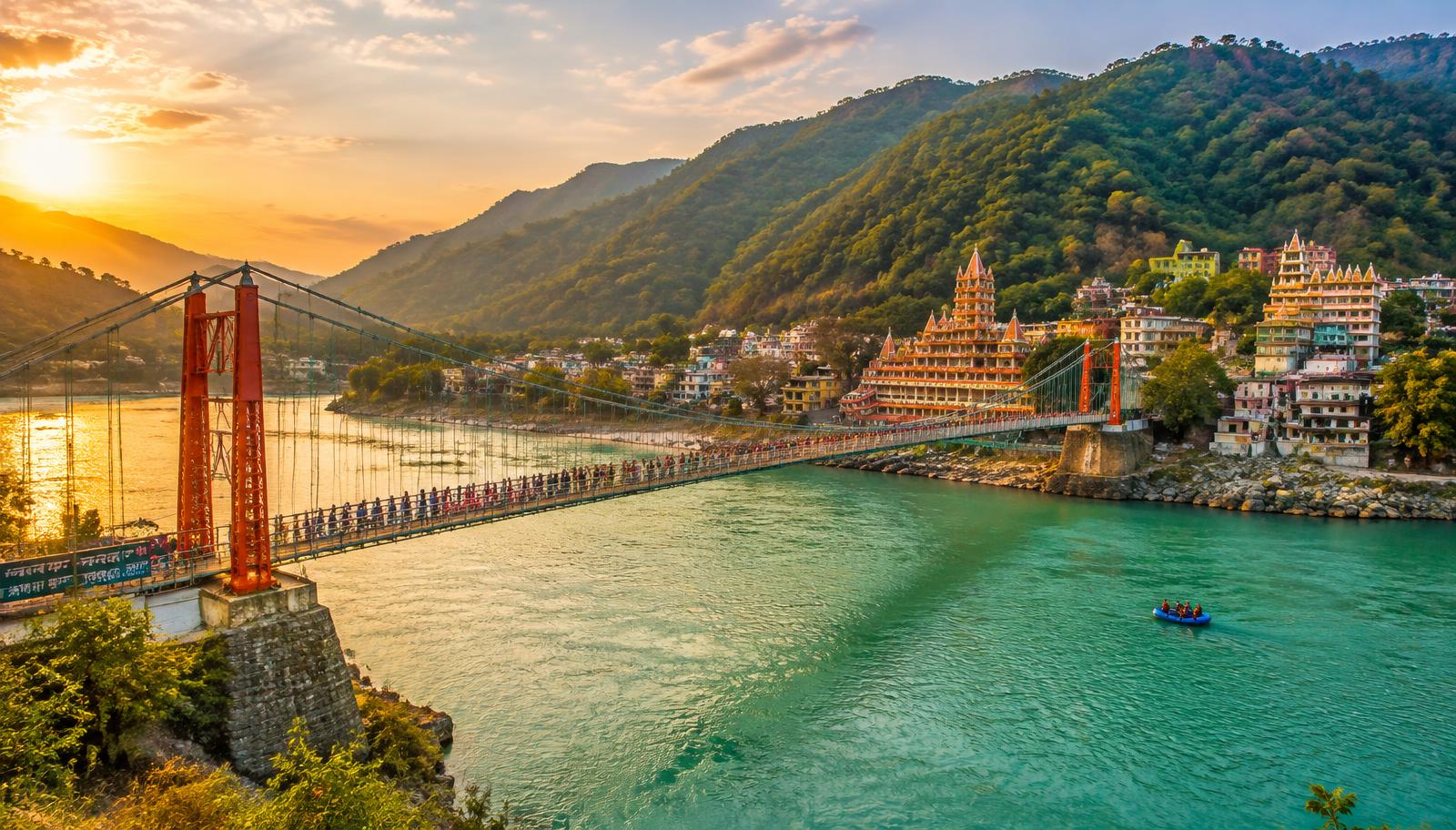
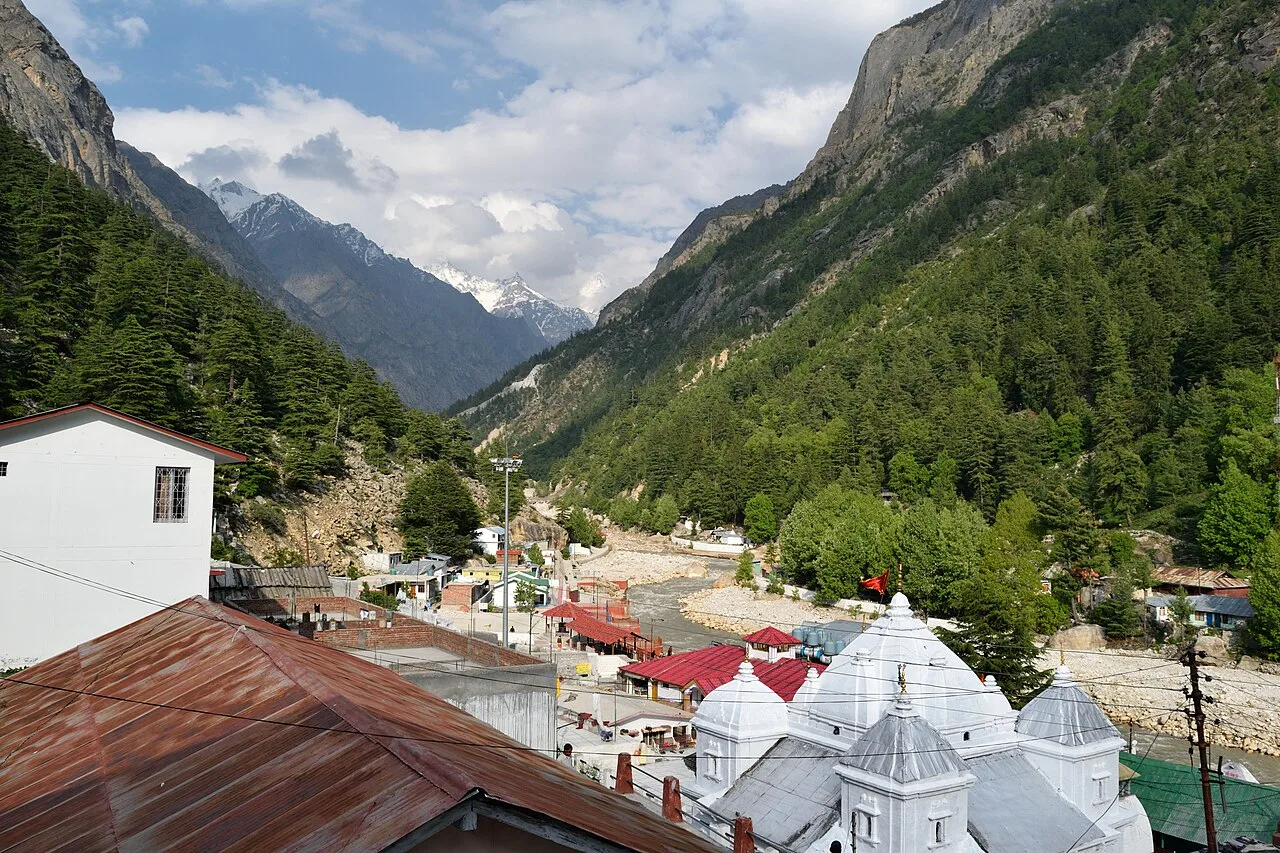
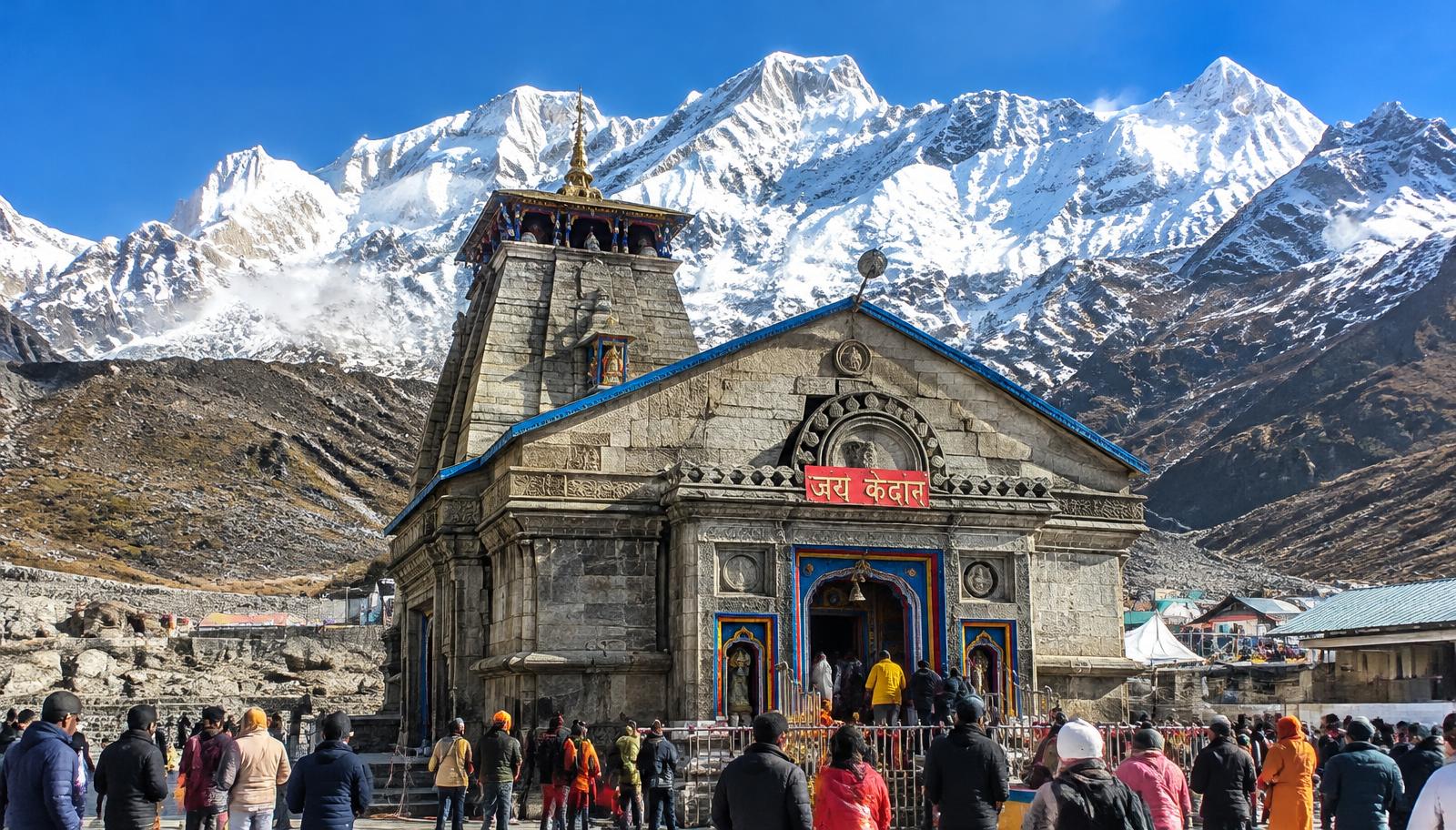
Uttarakhand brings together sacred river valleys, forested foothills and high Himalayan country in a compact but remarkably varied state. Its best-known journeys follow the Char Dham pilgrimage circuit, while quieter routes lead to alpine lakes, village trails and the Ganga’s source valleys. Visitors can watch the river gather strength at Devprayag, walk the ghats of Haridwar and Rishikesh, or head towards Gangotri and Harsil beneath steep mountain walls. In Kumaon, Nainital, Kausani, Mukteshwar and Munsiyari offer lake, ridge and high-range scenery; Auli and the meadows around Joshimath draw walkers and winter-sports visitors.

The state suits both devotional travel and active holidays, but its appeal is not limited to either. Forest reserves, birding areas, old temples, hill towns and welcoming market villages offer reasons to linger between long drives. Garhwali and Kumaoni traditions shape local music, food and seasonal celebrations, while dishes such as kafuli and the sweet bal mithai give each journey a taste of place. Dehradun, the winter capital, makes a practical starting point for western Garhwal; Kathgodam and the Kumaon road network serve the east. Distances can be slow in the hills, so the most rewarding trips allow time for the journey itself.
Landscape & climate

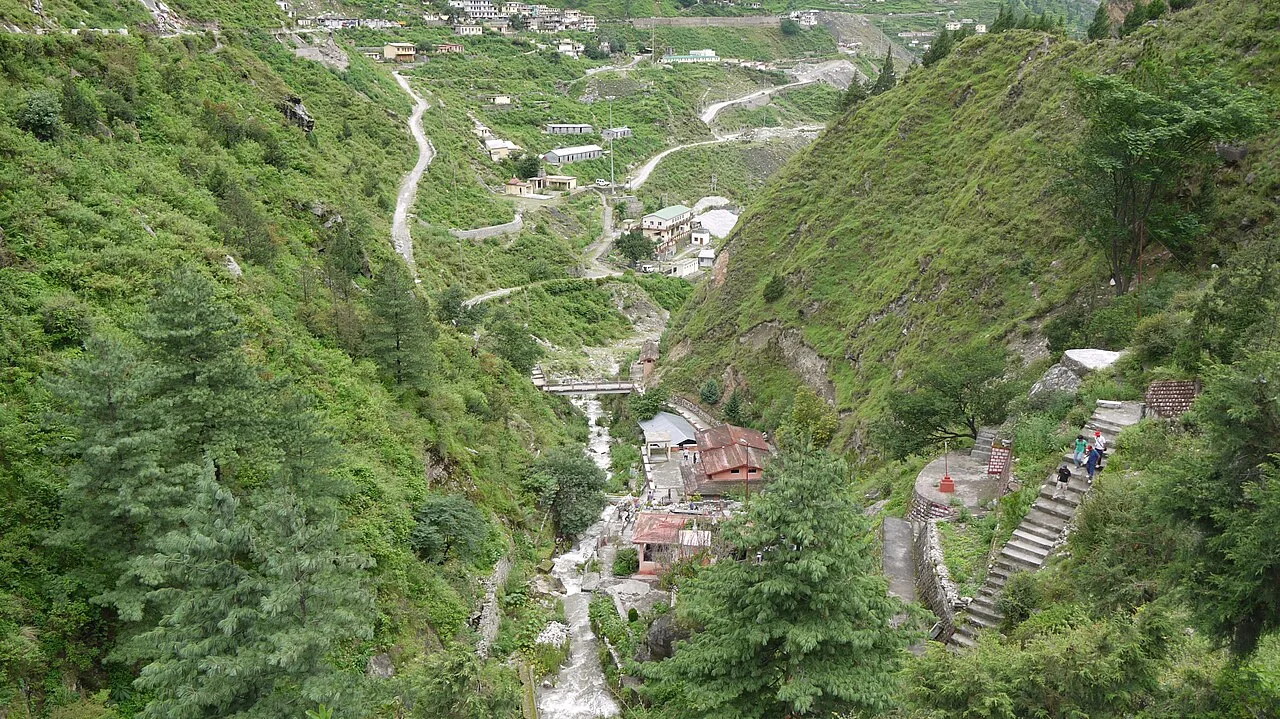
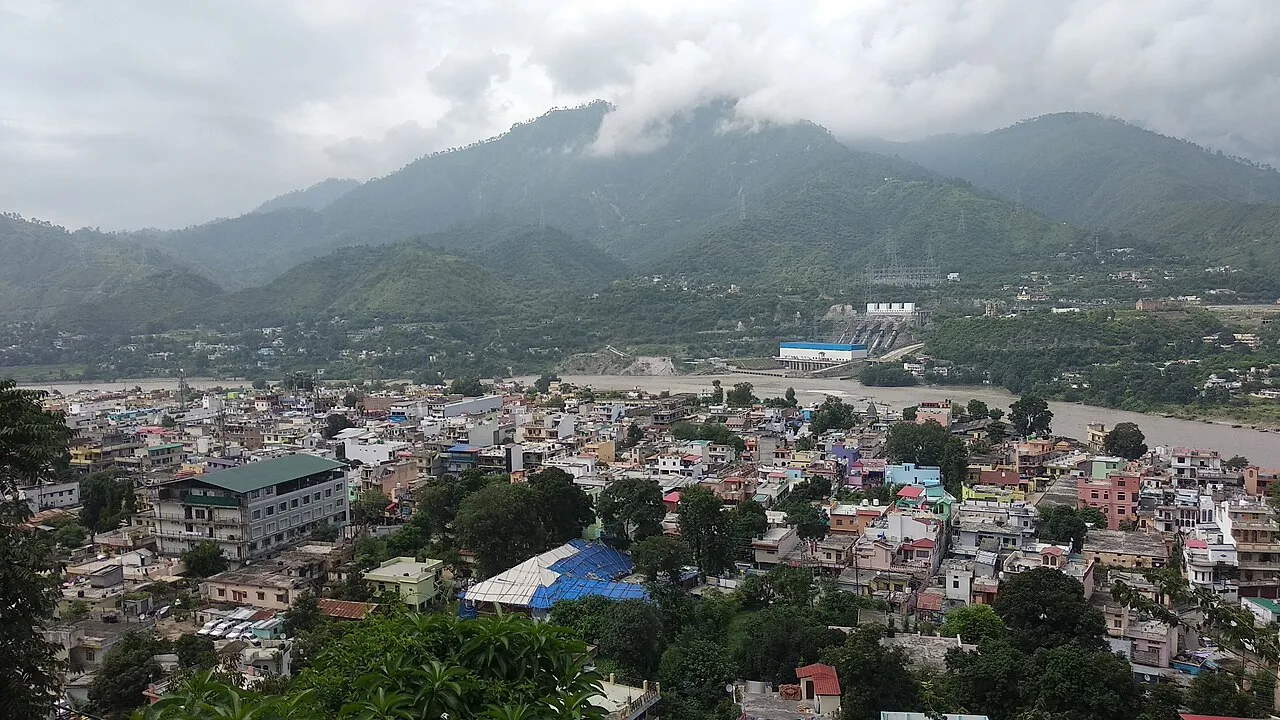
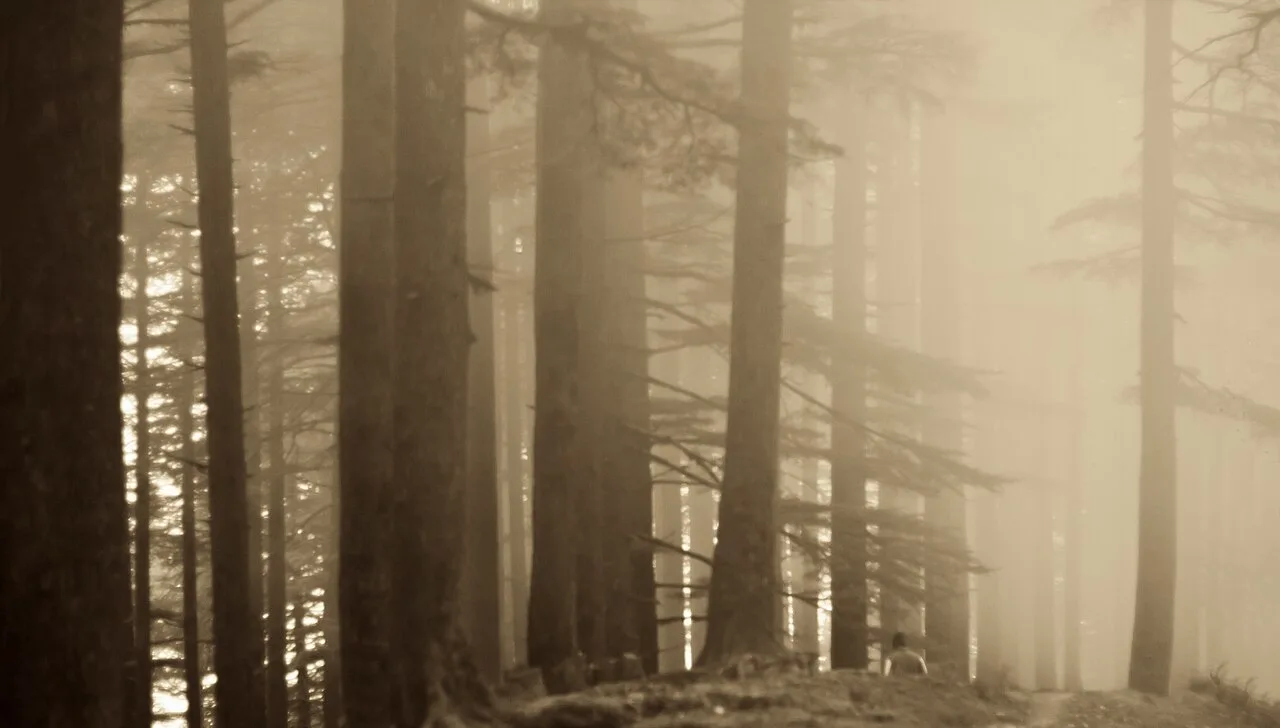
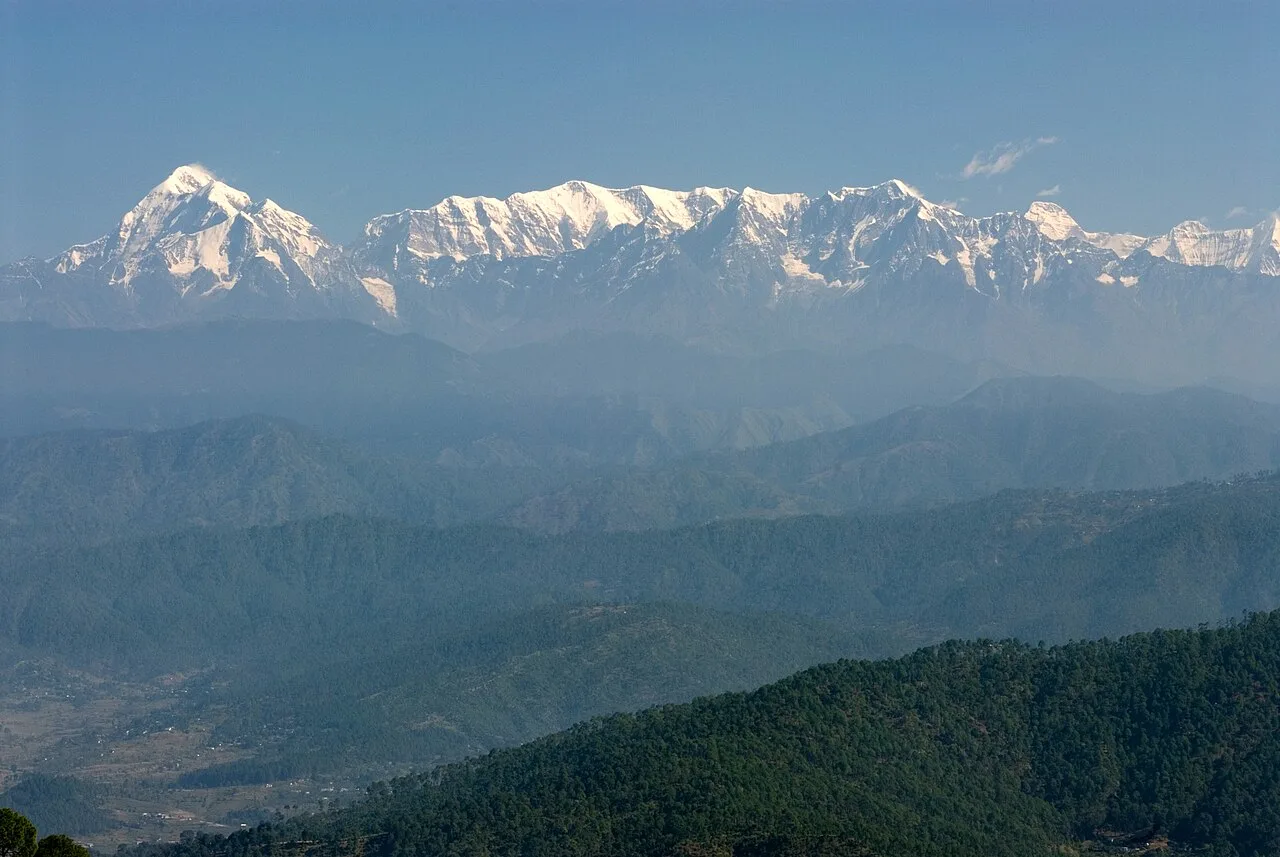
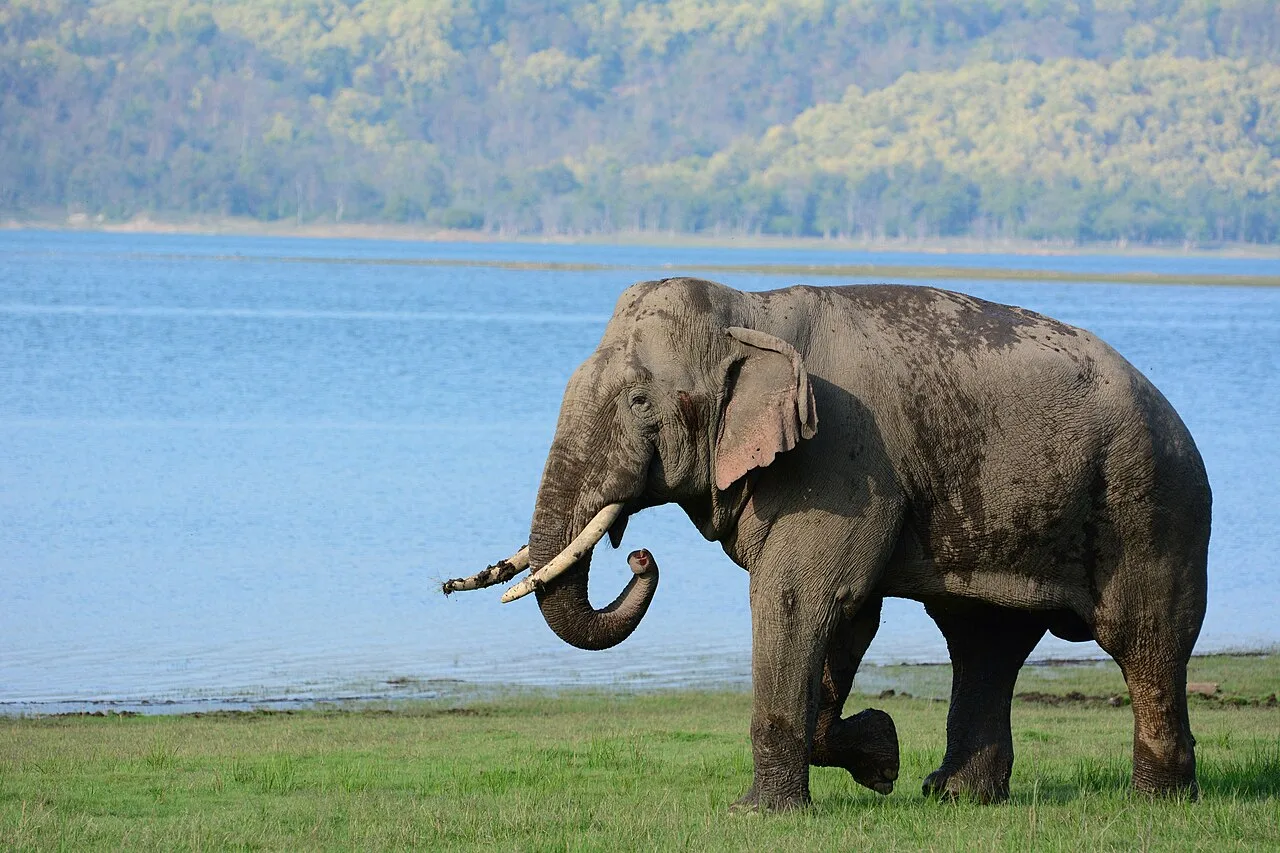
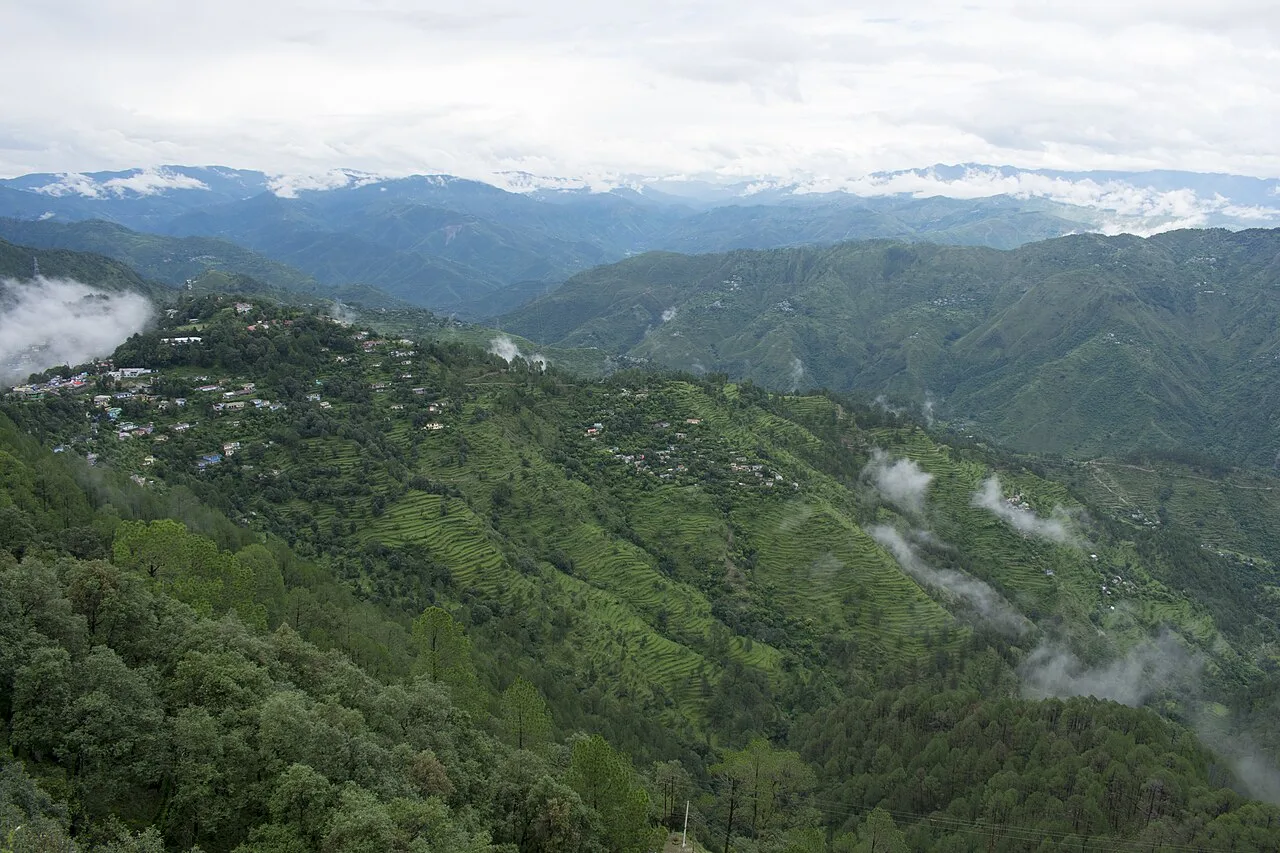
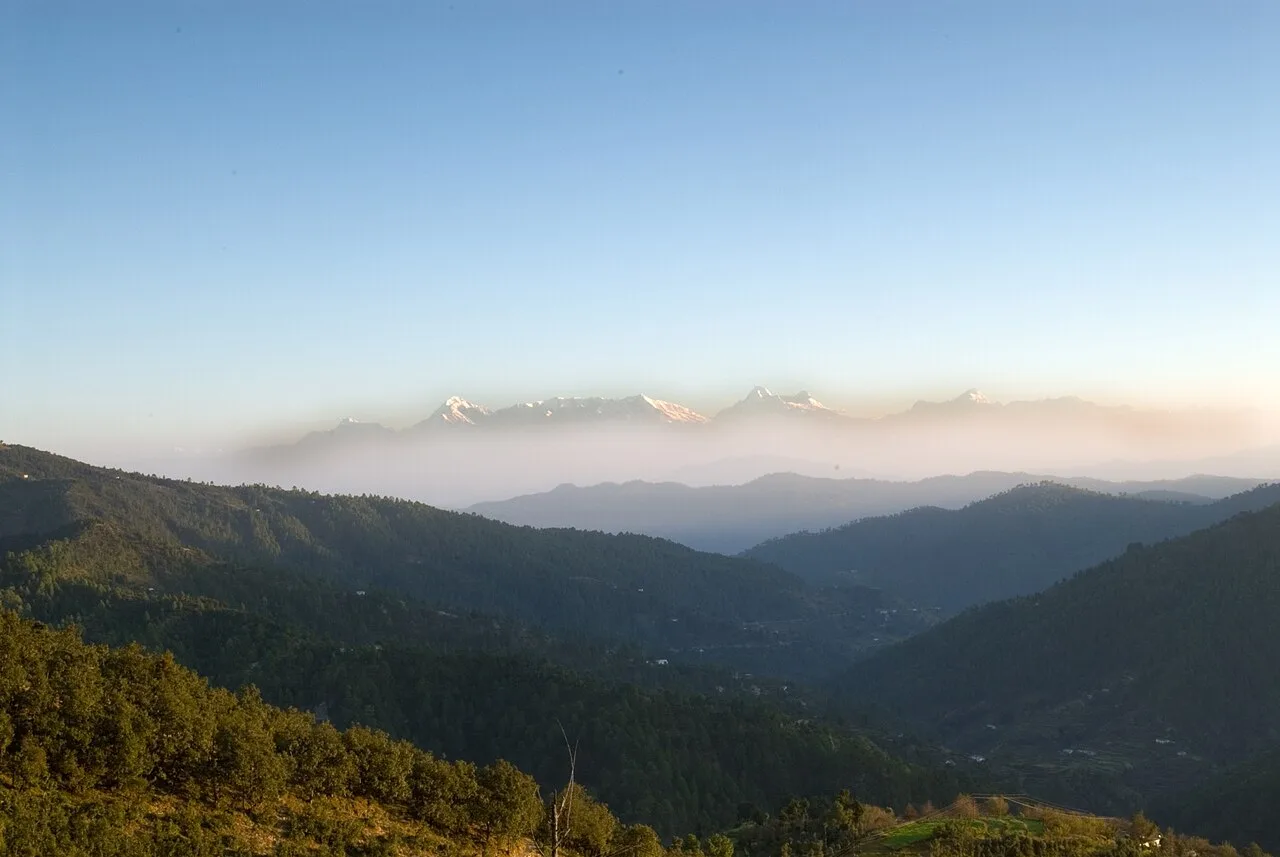
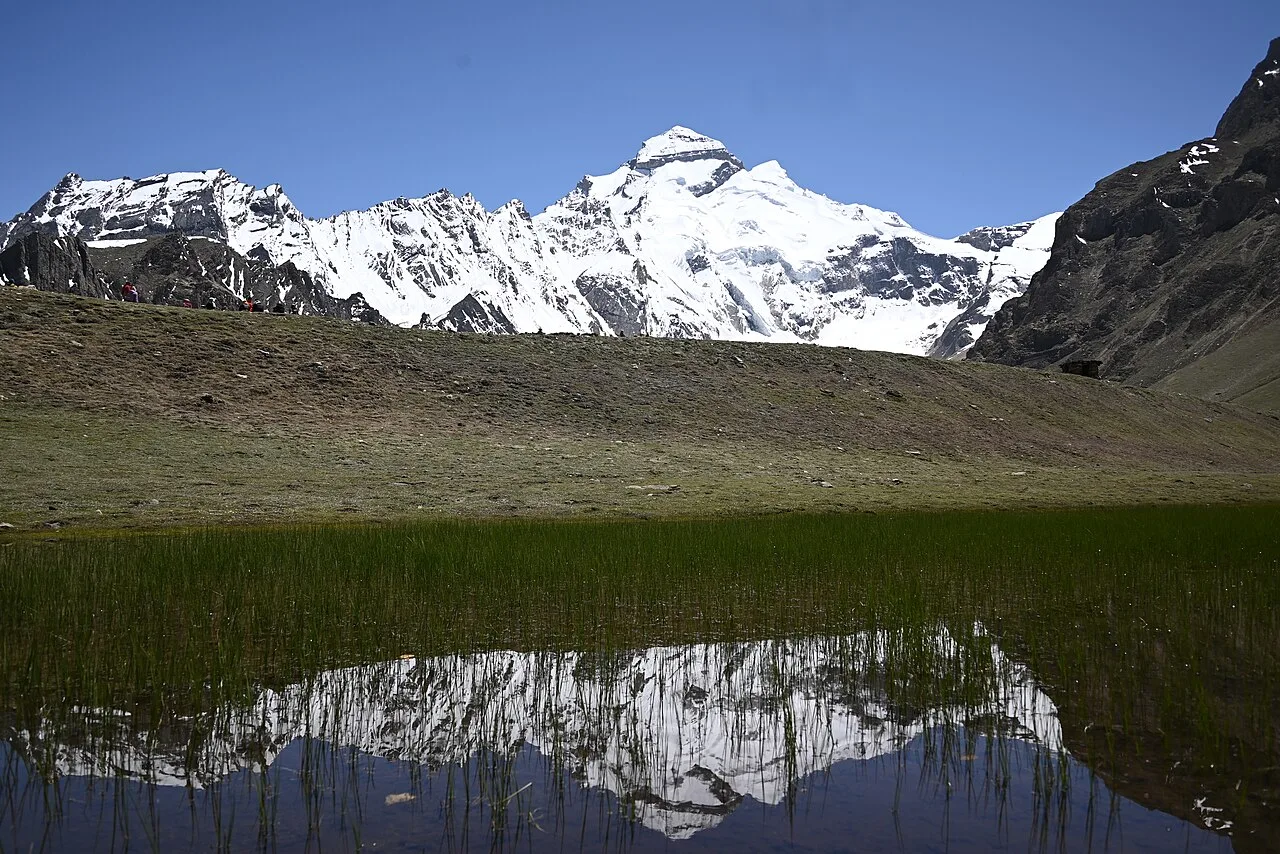
Uttarakhand rises from the Terai and Bhabar plains into the Shivalik foothills, the broad Doon Valley and the Lesser and Greater Himalaya. The western Garhwal ranges include high peaks, glaciers and pilgrimage valleys; Chamoli and Uttarkashi contain some of the state’s most dramatic mountain country. Kumaon, to the east, includes the Nanda Devi region, the Pindari Glacier approaches and forested ridges around Almora and Nainital. The northern border meets Tibet, while Nepal lies to the east. Nanda Devi National Park and other protected landscapes conserve high-altitude habitats, and lower slopes carry oak, rhododendron, pine and mixed broadleaf forests.
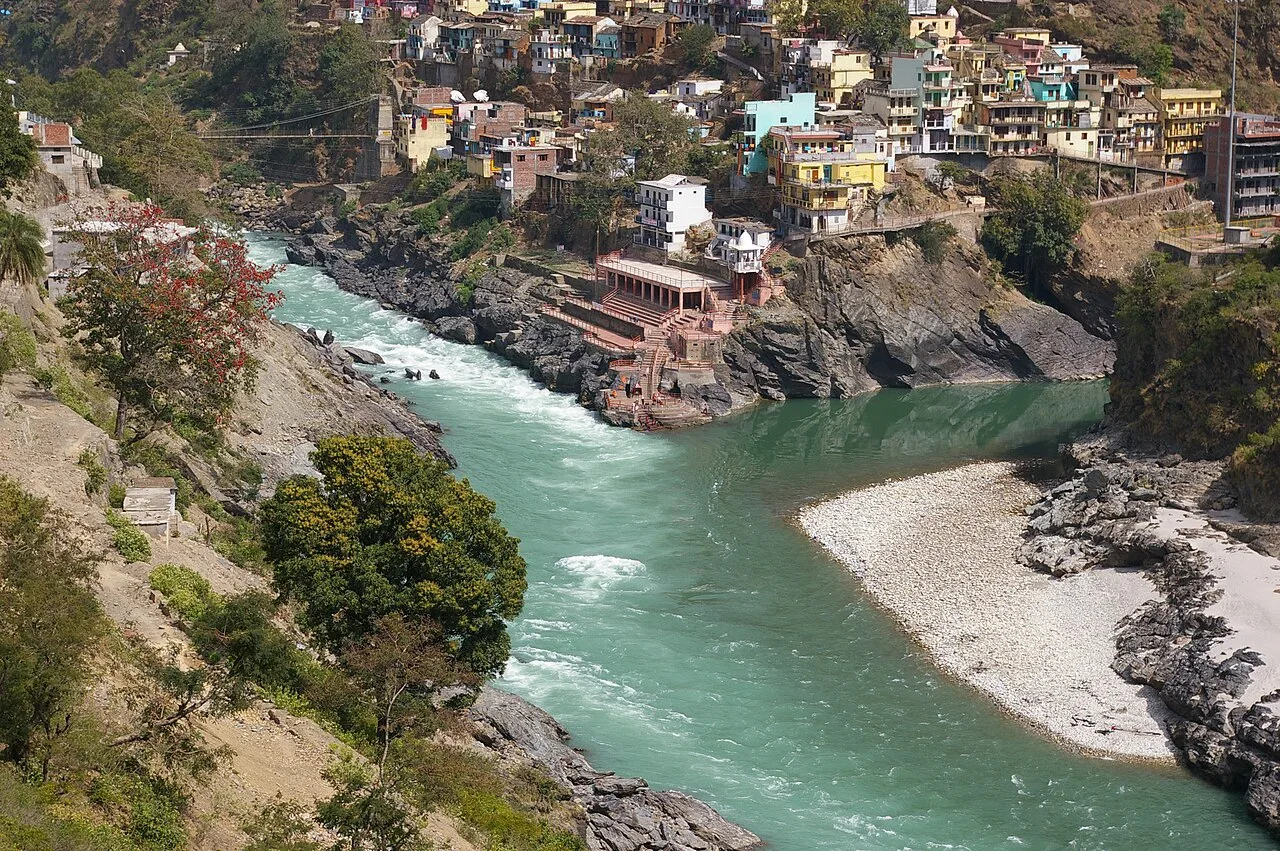
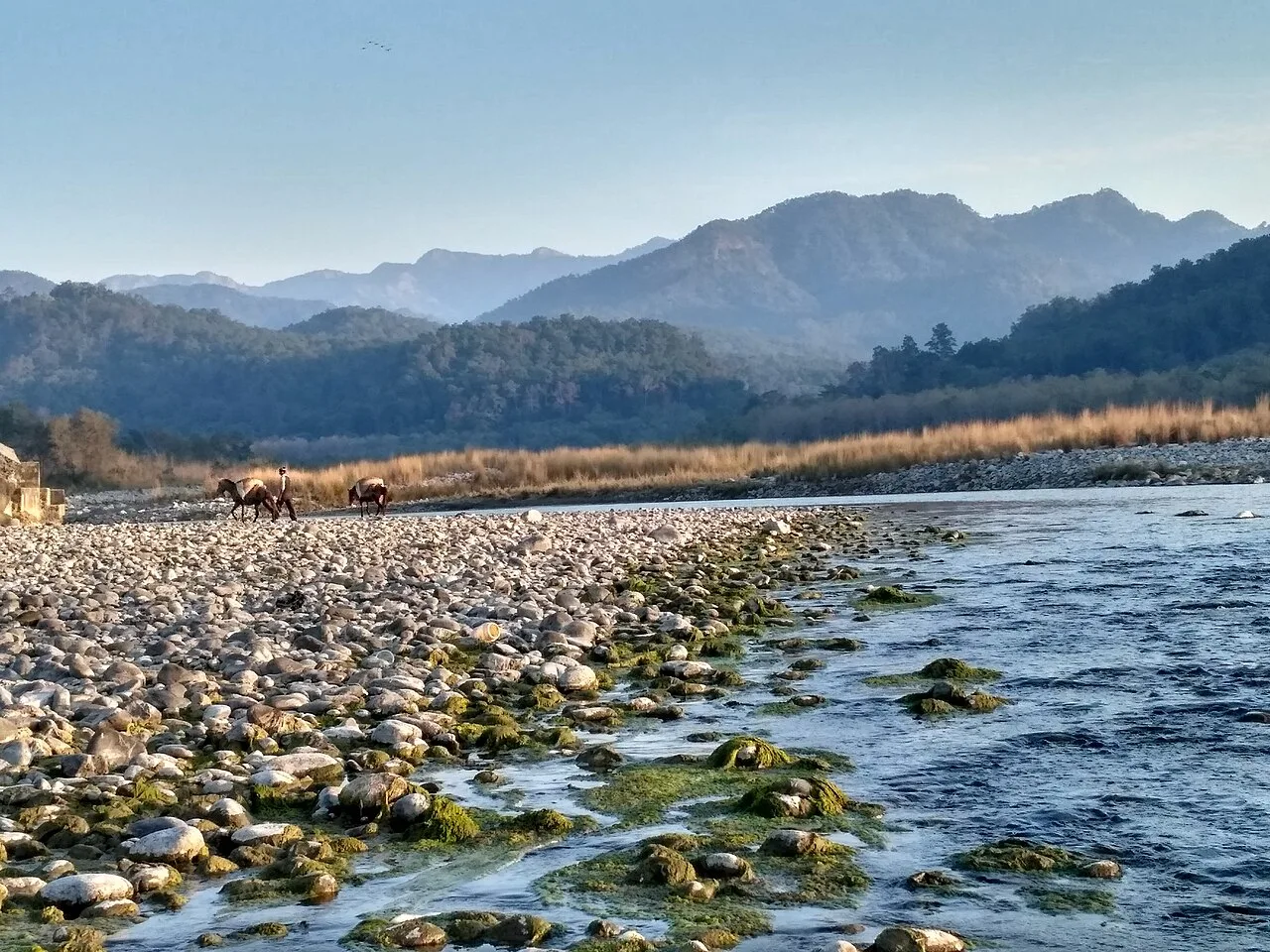
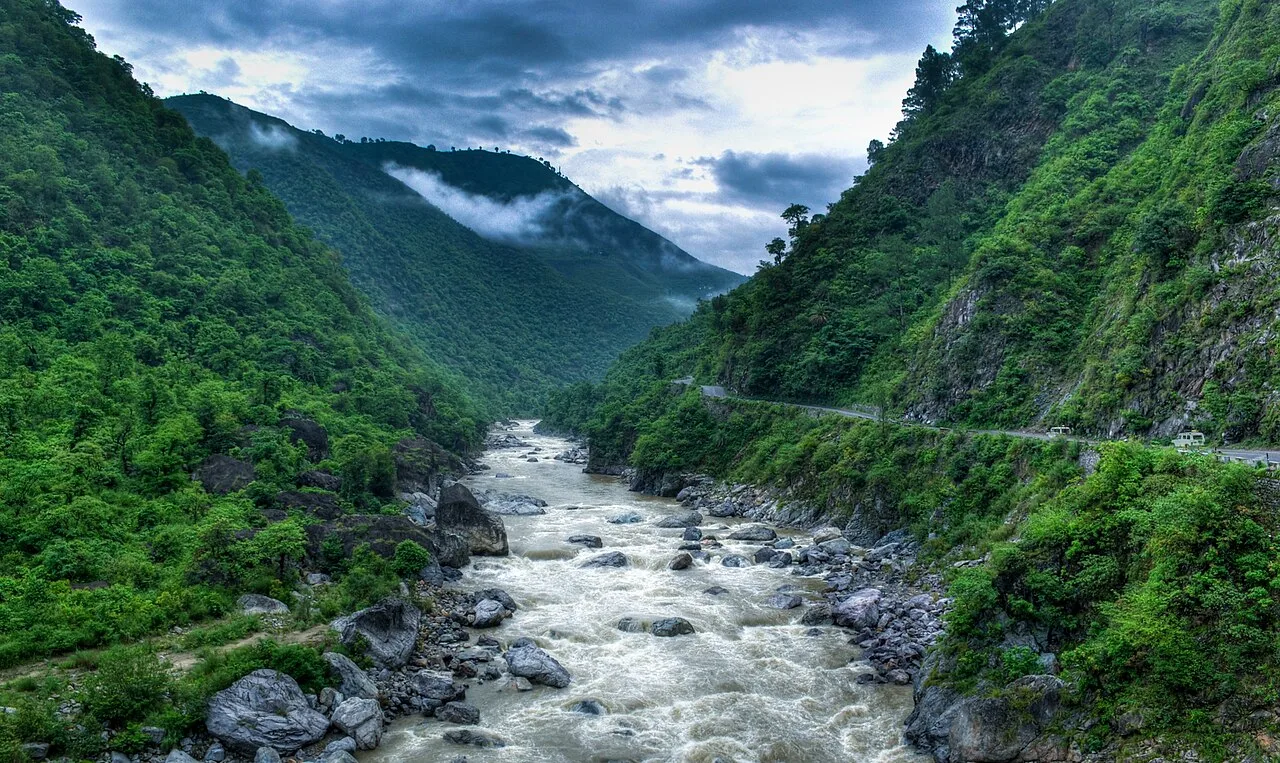
The Bhagirathi and Alaknanda meet at Devprayag to form the Ganga; the Yamuna rises near Yamunotri, and the Kali marks part of the eastern frontier. Rivers cut deep gorges and open into gentler valleys, but roads may be exposed to landslides and flood damage. Climate varies sharply with elevation: the plains can be hot in summer, mid-hill towns are generally milder, and high settlements have long, cold winters with snow. Spring brings blossoms and clear walking weather, while the monsoon, usually from June into September, turns slopes green but can disrupt travel. Autumn is often crisp and clear, and winter brings snow to higher routes and ski areas such as Auli.

History & heritage

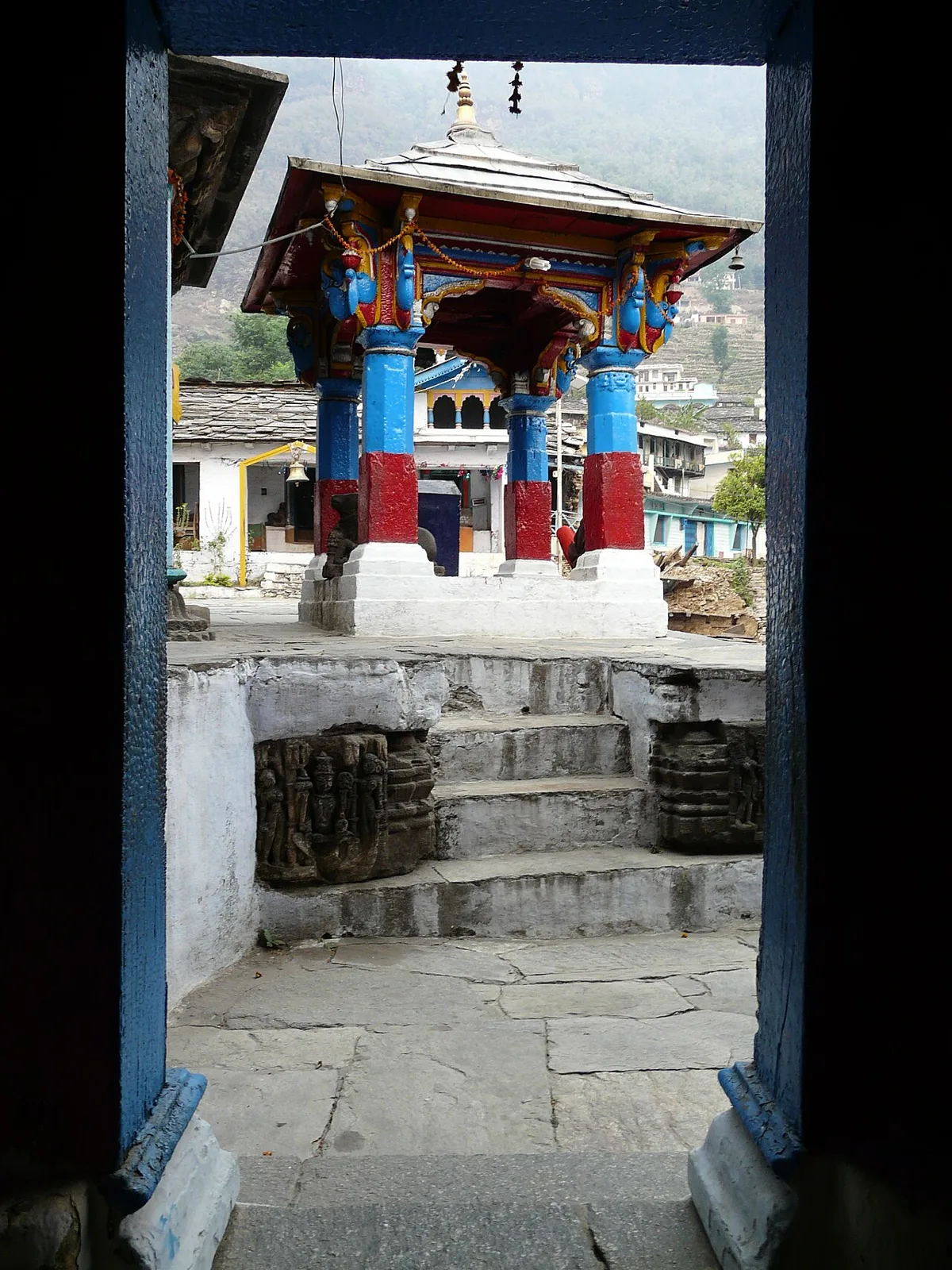
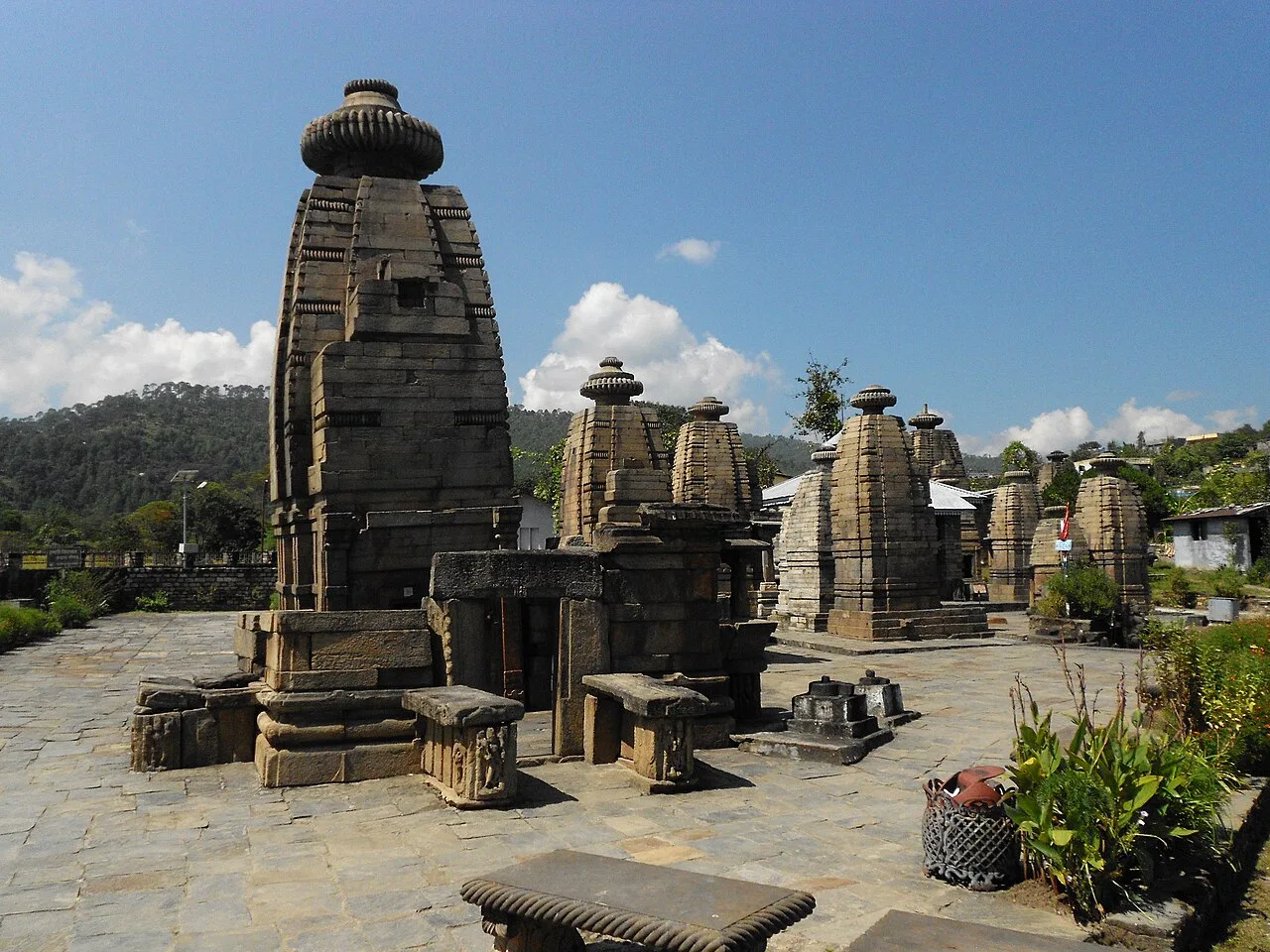
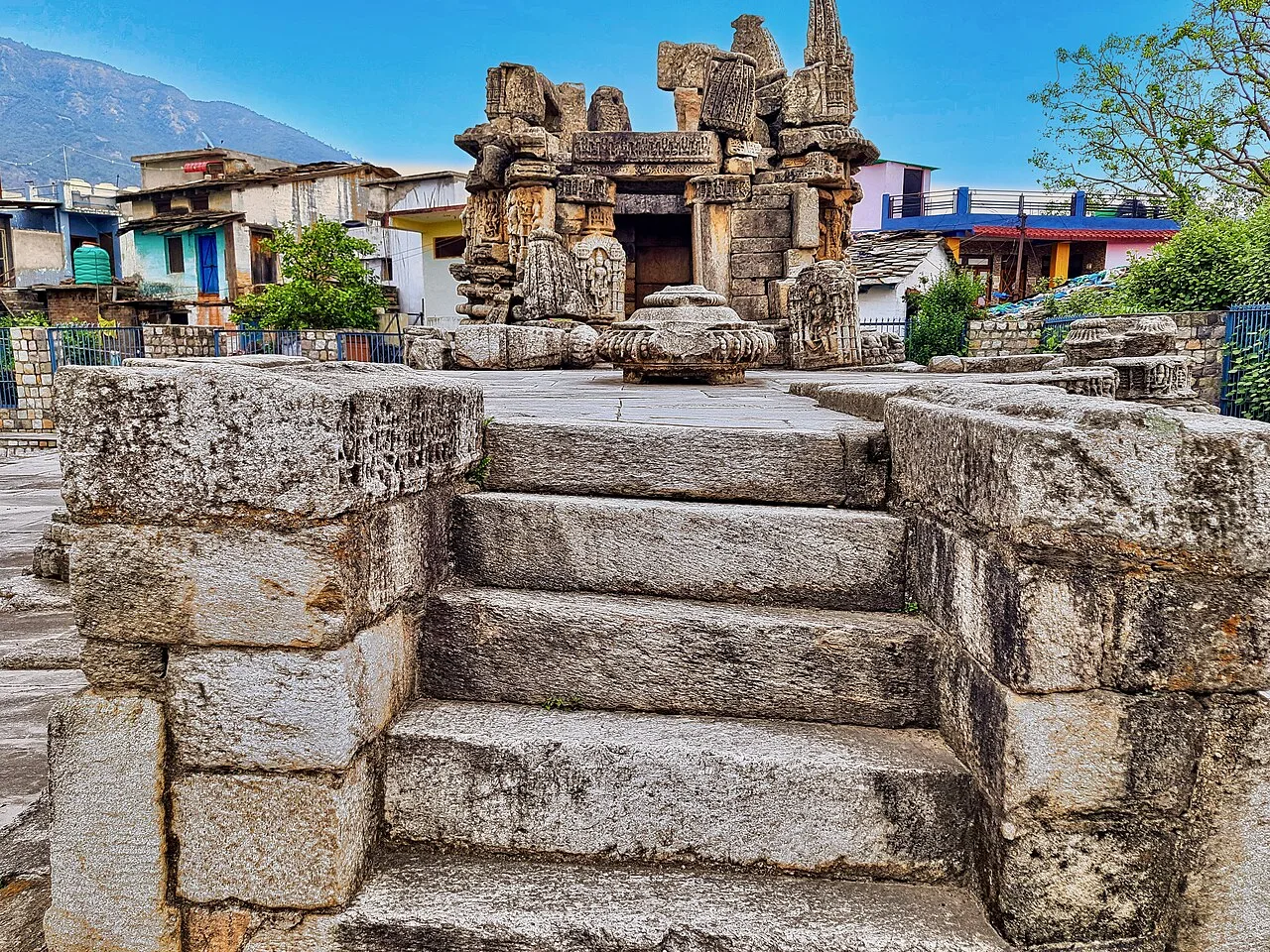
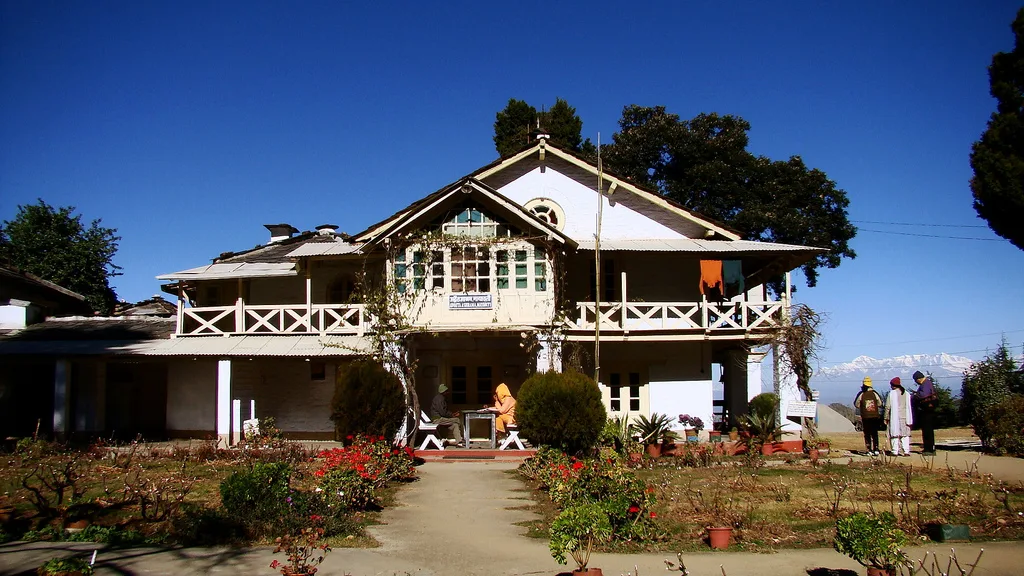
The region’s history is closely tied to mountain kingdoms, pilgrimage routes and trade across Himalayan passes. Sacred traditions associate the upper valleys with ancient epics and with Shiva and Vishnu, while archaeological remains and inscriptions attest to long-established settlement. The Katyuri rulers held influence across parts of Kumaon and adjoining regions in the early medieval period; temples around Jageshwar and the old capital area of Baijnath preserve important traces of this era. Later, the Chand dynasty ruled much of Kumaon from centres including Champawat and Almora. In Garhwal, the Panwar rulers established a kingdom whose capital shifted over time, eventually settling at Tehri. Local principalities, temple estates and village communities all shaped the region’s political and cultural life.

Gorkha forces extended their control into Kumaon and Garhwal in the late eighteenth century. After the Anglo-Nepalese War, the 1816 settlement brought much of the region under British rule, while the princely state of Tehri Garhwal continued separately. British administration developed hill stations, roads and forest policies, and pilgrimage centres such as Haridwar and Rishikesh remained important meeting places. The area also became known for military service and, later, for movements focused on forest rights and environmental protection; the Chipko movement of the 1970s began in the Garhwal Himalaya and drew national attention to community-led forest conservation.

After independence, Tehri Garhwal joined the Indian Union in 1949, and the wider hill region was administered within Uttar Pradesh. A long campaign for a separate state reflected demands for local representation and attention to mountain communities. Uttarakhand was formed on 9 November 2000 as Uttaranchal, and its name was changed to Uttarakhand in 2007. Dehradun became its winter capital, while Gairsain has been designated the summer capital. Today, the state’s heritage is visible in its temples, forts, colonial-era hill settlements, pilgrimage paths and the continuing traditions of its many districts.

Culture, people & festivals

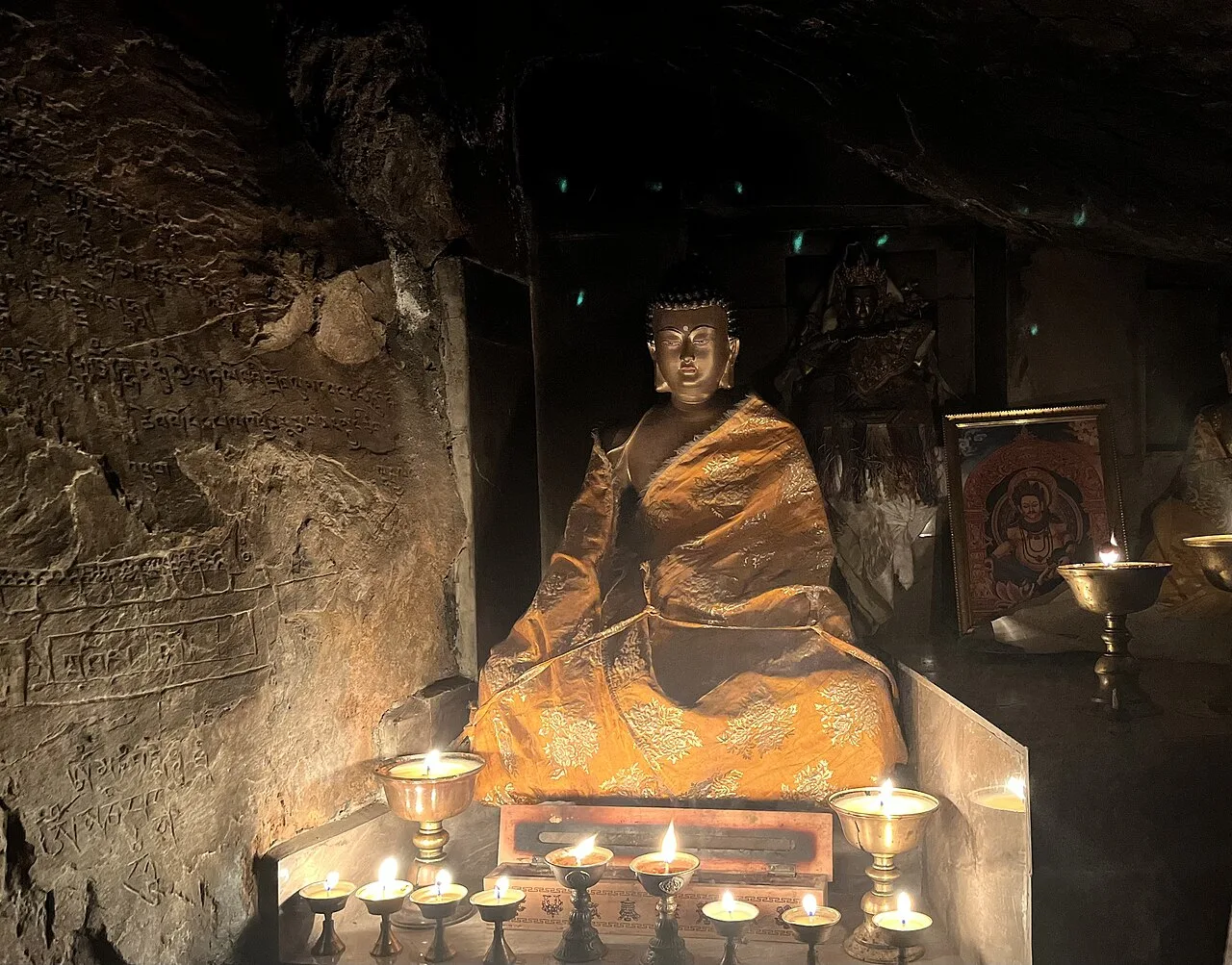
Garhwali and Kumaoni are the principal regional languages, each with local varieties; Hindi is widely used, and Urdu, Punjabi, Jaunsari, Bhotiya languages and other community languages are also heard. Garhwal and Kumaon have distinct folk traditions, yet both share strong links to farming seasons, village life and mountain deities. Folk songs accompany weddings, harvests and communal work. Garhwali jhora and chhopati, and Kumaoni jhora, chanchari and chholiya dance, are among the forms visitors may encounter at fairs and cultural events. Chholiya, performed with martial movements and instruments, is especially associated with wedding processions. Communities include Rajputs, Brahmins, Scheduled Caste groups, Jaunsari people and several high-Himalayan communities, including Bhotia groups; religious life includes Hindu, Muslim, Sikh, Buddhist and Christian traditions.

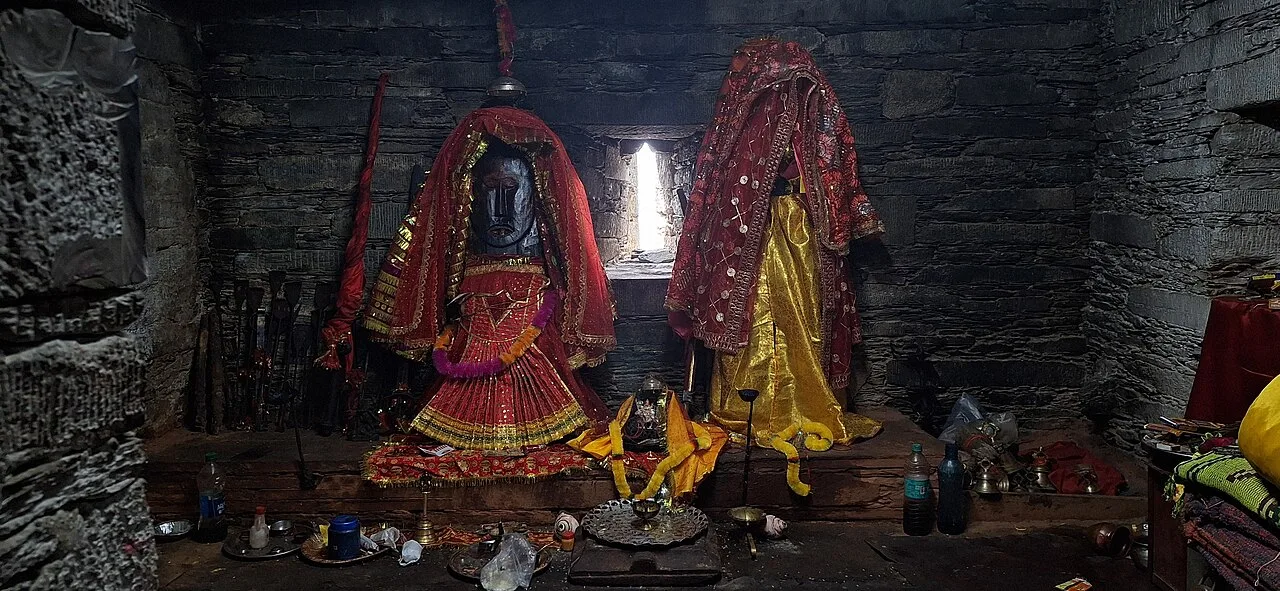
Festivals often follow the agricultural calendar and the Hindu lunar calendar, so dates shift from year to year. Phool Dei, usually in March, welcomes spring with flowers placed at doorways, while Harela, generally in July, celebrates greenery and the monsoon season, especially in Kumaon. Uttarayani fairs take place around mid-January, and Nanda Devi celebrations honour the goddess in several Kumaoni and Garhwali communities. The Nanda Devi Raj Jat is a major high-altitude pilgrimage, traditionally held at intervals of about twelve years, often in the late monsoon; its schedule should be checked locally. Haridwar’s Kumbh Mela is held in years determined by the traditional cycle, with an Ardh Kumbh midway between major gatherings. Pilgrimage fairs, temple rituals and the evening Ganga aarti at Haridwar and Rishikesh remain living expressions of faith rather than staged attractions.

Food & flavours

Uttarakhand cooking draws on grains, pulses, seasonal greens and ingredients suited to hill farming. Mandua, or finger millet, and jhangora, a local barnyard millet, appear as rotis, porridges and everyday accompaniments; rice is common in the lower valleys and plains. Garhwali kafuli is a thick preparation of leafy greens, often spinach or fenugreek, cooked with local seasonings and served with rice. Phaanu, made from soaked and ground lentils, and chainsoo, traditionally prepared with roasted black gram, are hearty regional dishes. Kumaoni kitchens offer bhatt ki churkani, a black soybean curry, and aloo ke gutke, spiced potatoes often served with a sesame-based sauce. Recipes vary considerably between households and districts.

Food changes with altitude and season: hill homes make use of pulses, wild greens and stored grains, while the Terai reflects a wider mix of North Indian cuisines. Bhangjeera, or perilla seed, and jakhiya are distinctive seasonings, and gahat (horse gram) is used in soups and dals. Meat dishes are eaten in some communities, although many pilgrimage centres and households favour vegetarian food. Bal mithai, a fudge-like sweet coated with small sugar balls, is associated especially with Almora; singori, wrapped in a fragrant leaf, is another Kumaon speciality. Jhangora kheer and arsa, a festive sweet, are also worth seeking out. In towns such as Dehradun and Rishikesh, cafés and restaurants serve a broader range of Indian and international food alongside regional dishes.

Crafts, textiles & what to buy

Craft traditions reflect both local materials and the skills of village households. Kumaoni aipan is a ritual art made with white designs on a red background, traditionally painted at thresholds and on floors for ceremonies; it is also sold on paper, cloth and household objects. Ringal, a local dwarf bamboo, is woven into baskets and practical containers, while wood carving, especially around Kumaon, appears on doors, windows and household furnishings. Wool-working remains important in colder districts, where handwoven blankets and garments make use of locally spun or traded wool. In the highlands, Bhotia communities have long made warm textiles, including the woven cloth known as thulma, as well as rugs and other woollen goods.

GI-tagged products associated with Uttarakhand include Aipan, Ringal Craft, Munsyari Rajma, Kumaon Chyura Oil, Tejpat, Bhotia Dan, Thulma and Rangwali Pichhoda, the latter a traditional Kumaoni ceremonial garment. Munsyari and other high Kumaon markets are useful places to look for regional pulses and woollens; Almora and nearby towns offer a wider selection of Kumaoni crafts and foods. Dehradun, Nainital and Rishikesh have shops selling goods from across the state. Buy directly from makers or reputable cooperatives where possible, ask about materials and origin, and choose items that can be carried without damaging fragile work. GI status identifies a product’s geographic association; it does not by itself guarantee that every item bearing a similar name is locally made.

Getting there & getting around

Jolly Grant Airport, serving Dehradun and Rishikesh, is the main air gateway for Garhwal. Pantnagar Airport serves the Kumaon foothills, though flight options can be limited and should be checked before planning around them. Dehradun, Haridwar, Rishikesh, Roorkee, Kotdwar, Kathgodam and Tanakpur are among the principal rail points. Haridwar and Dehradun are useful for western destinations, while Kathgodam is a common rail approach to Nainital, Almora and the wider Kumaon region. Rail journeys generally end in the plains or foothills; onward travel into mountain districts is by road.

National highways including NH 7, NH 9 and NH 109 connect parts of the state to neighbouring regions and provide links into the hills. The Delhi–Dehradun road corridor is a major approach from the national capital, while routes through Rishikesh lead towards Devprayag, Rudraprayag, Joshimath and the Badrinath side of the Char Dham circuit. Road journeys to Gangotri pass through Uttarkashi and Harsil; Kumaon access commonly runs from Kathgodam towards Nainital, Almora, Bageshwar and Pithoragarh. Buses and shared or private vehicles connect larger towns, but services thin out on remote roads. Local taxis are useful for last-mile travel, and walking remains necessary on many trails. Allow generous time: narrow mountain roads, weather and road works can change journey plans, and some destinations require a final trek.

When to go & travel tips

For most hill journeys, April to June and September to November bring a useful balance of accessible roads and comfortable walking weather. Spring is especially pleasant around Nainital, Almora and Mukteshwar; autumn often offers clear mountain views. High pilgrimage routes and trekking areas are generally visited in the warmer months, subject to local access and weather conditions. Auli is a winter destination when snow conditions permit, while the Terai and plains are best explored in cooler months. The monsoon can bring heavy rain, landslides and road closures, so check current local and official travel advisories before setting out.

Pack layers, rain protection, sturdy footwear and sun protection; high-altitude nights can be cold even after warm days. Ascend gradually, stay hydrated and take altitude symptoms seriously, particularly on treks and high pilgrimage routes. Check road status, weather and any route-specific registration or access requirements with official authorities before travel; rules can change, and permits should never be assumed. Dress respectfully at shrines, follow photography instructions, and remove footwear where requested. Keep distance from wildlife, carry back rubbish and avoid disturbing forests or riverbanks. Mountain streams can be swift, and steep trails require care. During busy festival and pilgrimage periods, book transport and stays ahead where possible, while keeping plans flexible for weather-related delays.

Highlights

Where to begin

City by city

Cities & hubs of Uttarakhand

Every sight is grouped under its city — places within about 12 km together, day trips within 40 km alongside — even across district lines. Open a city to see its attractions.

See every city, town and village of Uttarakhand

Dehradun
Dehradun8 places to see

Doon Valley · Forest Research Institute · Landour · Mussoorie

Haridwar
Haridwar7 places to see

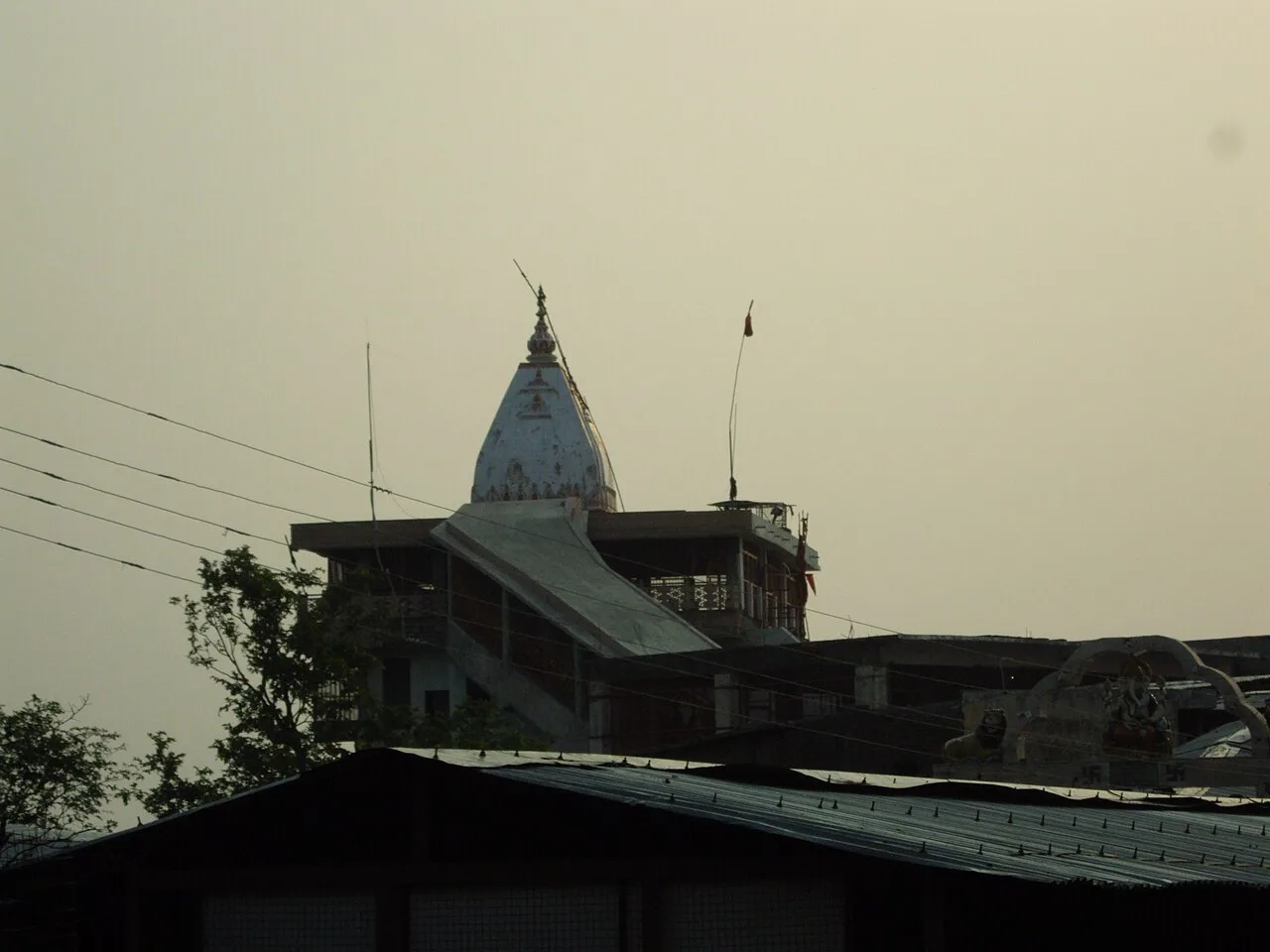
Chandi Devi Temple · Daksheswar Mahadev Temple · Har Ki Pauri · Mansa Devi Temple

Almora
Almora5 places to see

Binsar Wildlife Sanctuary · Kasar Devi Temple · Katarmal Sun Temple · Jageshwar Temples

Badrinath Temple
Badrinath5 places to see

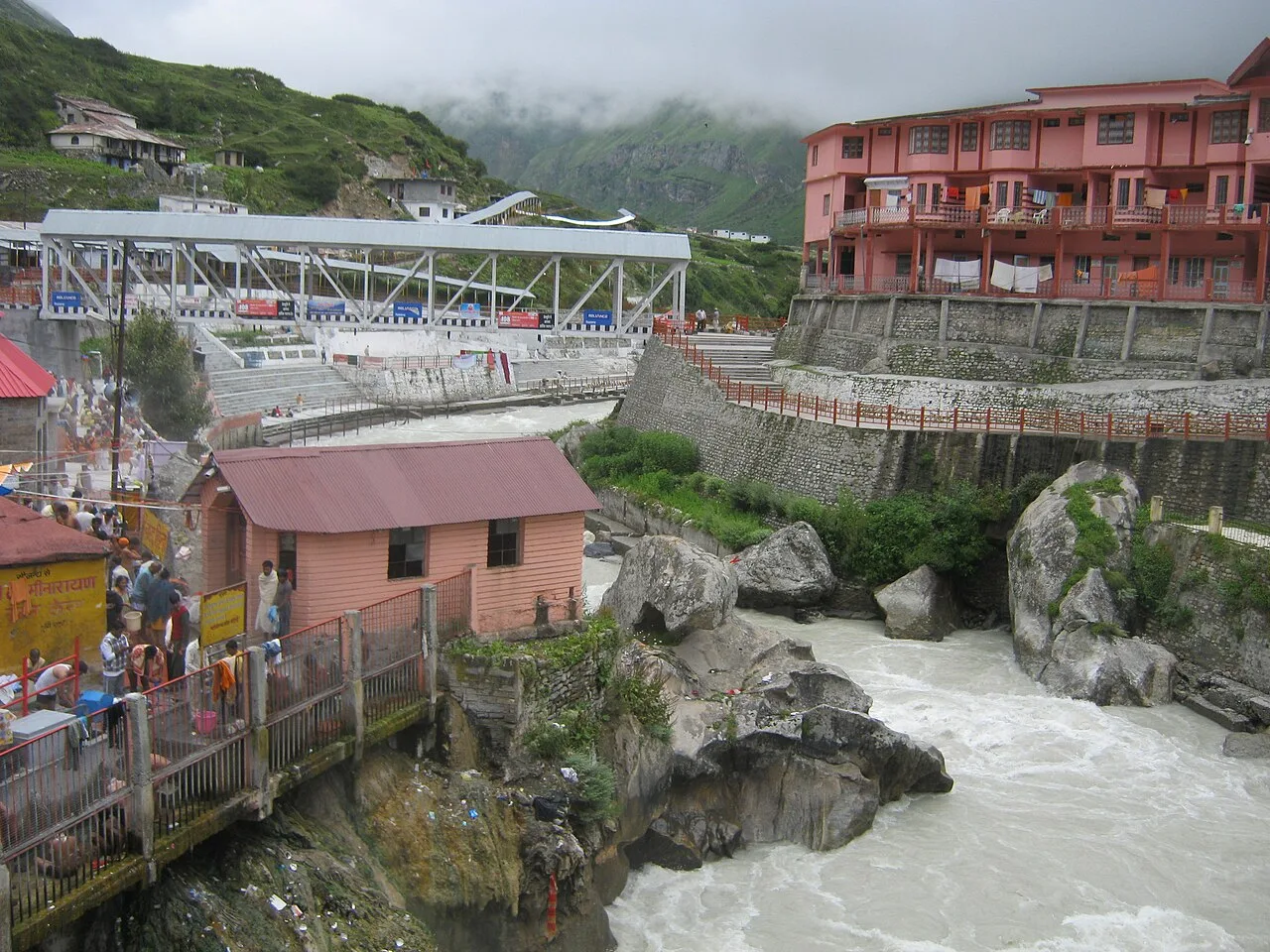
Badrinath Temple · Mana Village · Valley of Flowers National Park · Vasudhara Falls

Bhimtal
Nainital5 places to see

Kainchi Dham · Nainital Lake · Naukuchiatal

Rishikesh
Rishikesh5 places to see

Beatles Ashram · Nilkanth Mahadev · Parmarth Niketan · Ram Jhula

Ukhimath
Ukhimath5 places to see

Deoria Tal · Guptkashi · Tungnath Temple · Madhyamaheshwar Temple

Champawat
Champawat4 places to see

Advaita Ashrama, Mayavati · Baleshwar Temple · Lohaghat

Joshimath
Joshimath4 places to see

Auli · Nanda Devi National Park · Roopkund

Uttarkashi
Uttarkashi4 places to see

Dayara Bugyal · Dodital · Yamunotri Temple

Gangotri
Gangotri3 places to see

Harsil · Nelang Valley

Kedarnath
Kedarnath3 places to see

Gangotri Glacier · Triyuginarayan Temple

Srinagar
Pauri3 places to see

Dhari Devi Temple

Bageshwar
Bageshwar2 places to see

Chaukori

Chakrata
Chakrata2 places to see

Lakhamandal

Dhanaulti
Dhanaulti2 places to see

Surkanda Devi Temple

Dharchula
Dharchula2 places to see

Askot Musk Deer Sanctuary

Kausani
Kausani2 places to see

Baijnath Temple

Munsiari
Munsiari2 places to see

Pindari Glacier

New Tehri
New Tehri2 places to see

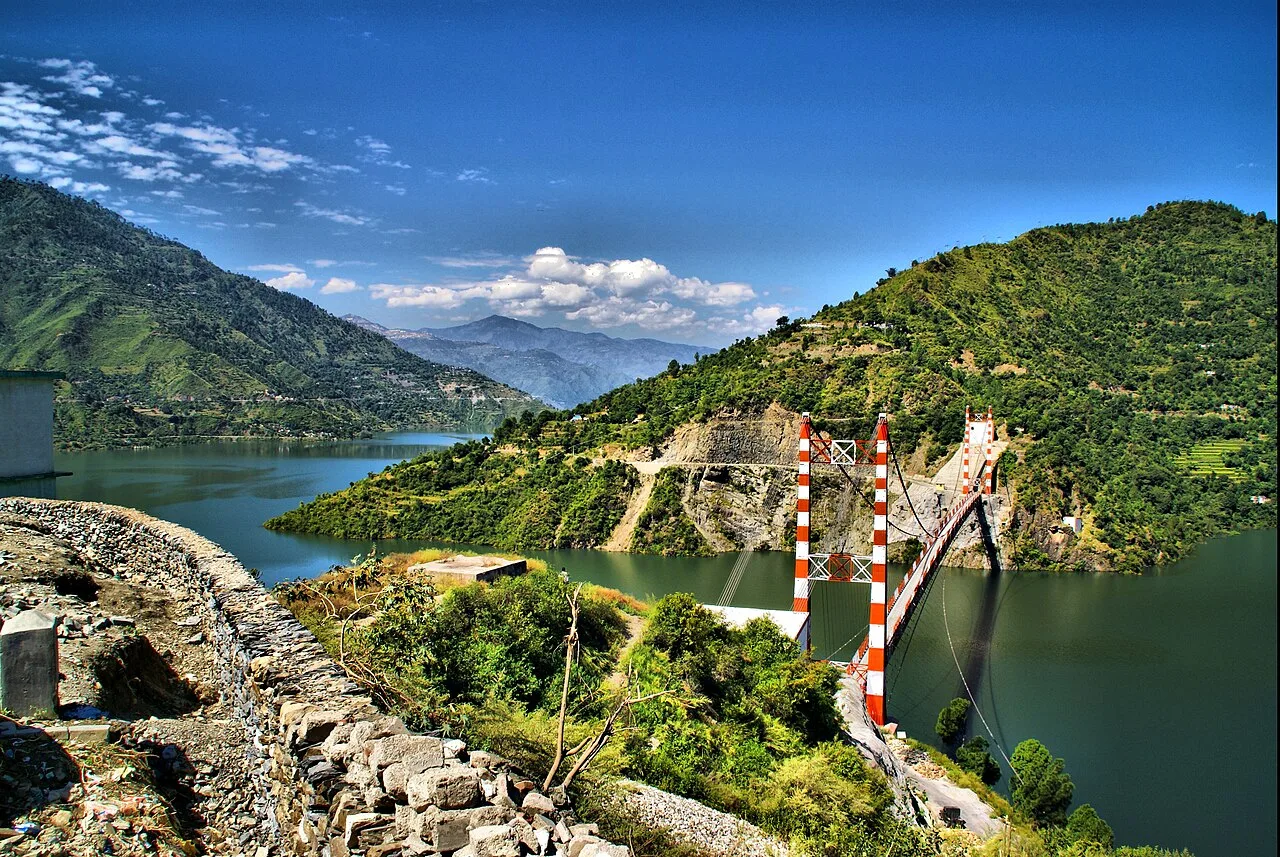
Tehri Dam

Chamba1 place to see

Sights in and around Chamba

Chamoli Gopeshwar
Chamoli Gopeshwar1 place to see

Sights in and around Chamoli Gopeshwar

Devprayag
Devprayag1 place to see

Sights in and around Devprayag

Dwarahat
Dwarahat1 place to see

Sights in and around Dwarahat

Haldwani
Haldwani1 place to see

Sights in and around Haldwani

Jim Corbett National Park
Kalagarh Project Colony1 place to see

Jim Corbett National Park

Karnaprayag
Karnaprayag1 place to see

Sights in and around Karnaprayag

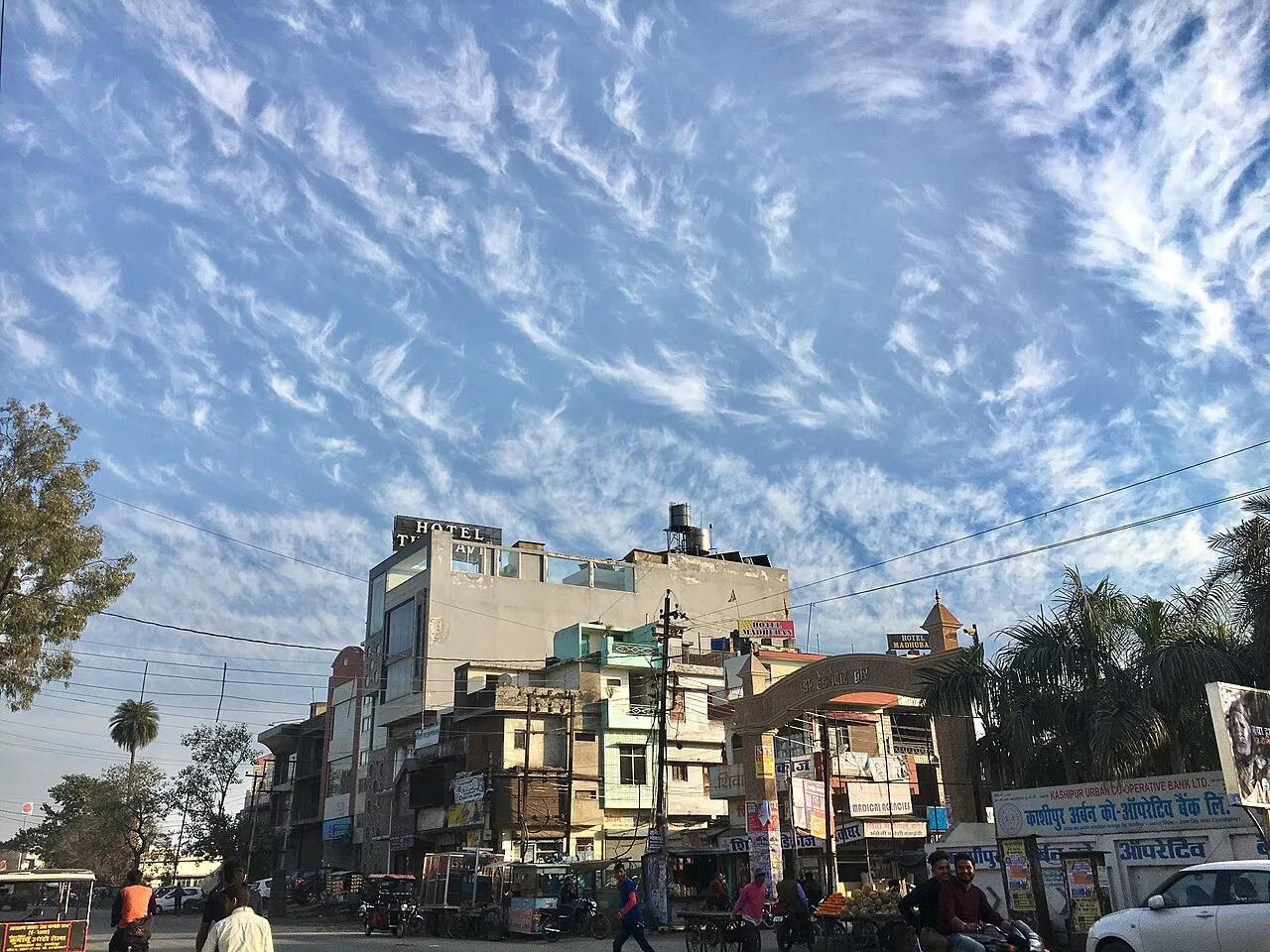
Kashipur
Kashipur1 place to see

Sights in and around Kashipur

Kotdwar
Kotdwar1 place to see

Sights in and around Kotdwar

Lansdowne
Lansdowne1 place to see

Sights in and around Lansdowne

Mukteshwar
Mukteshwar1 place to see

Sights in and around Mukteshwar

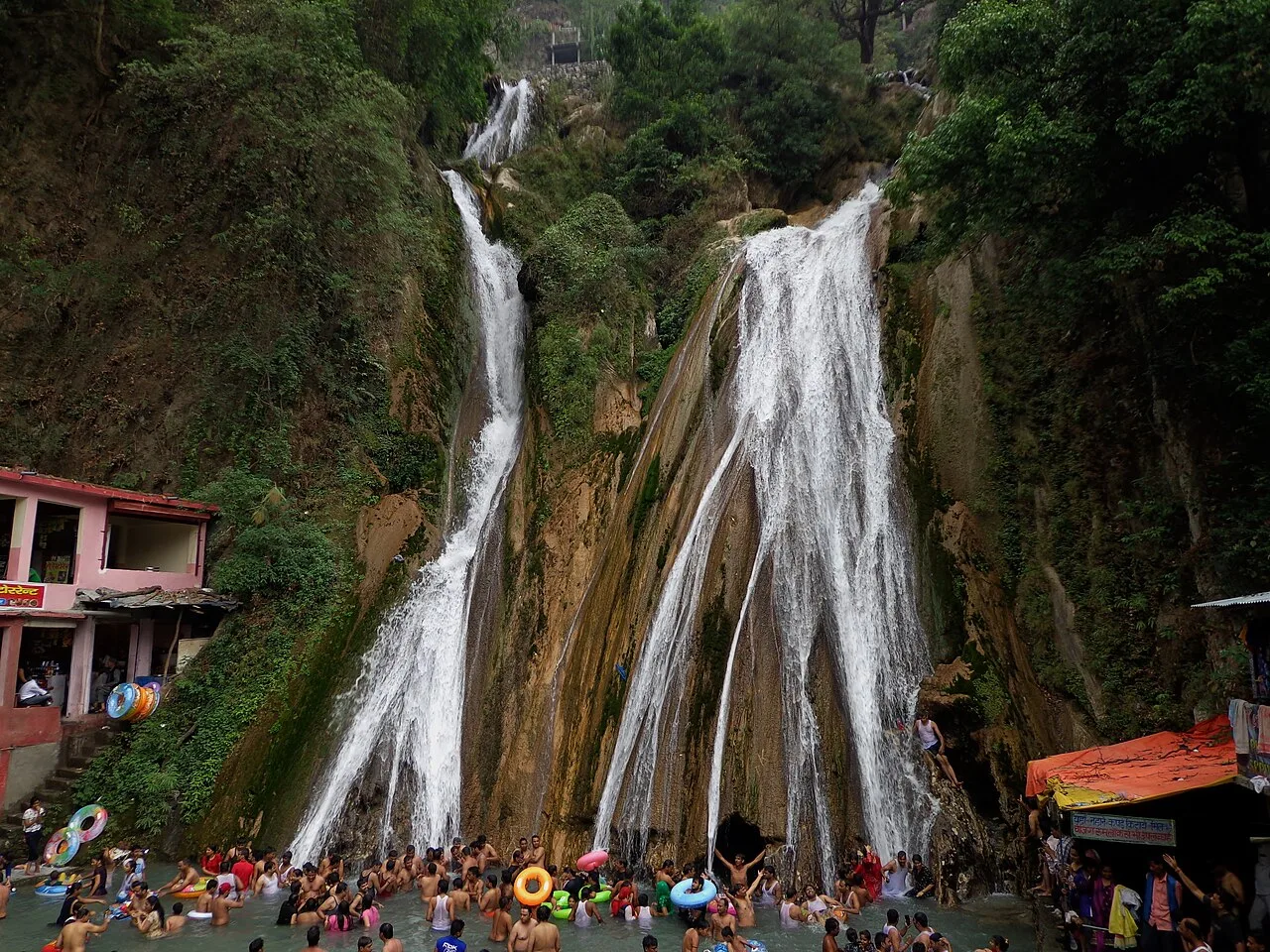
Kempty Falls
Mussoorie1 place to see

Kempty Falls

Pithoragarh
Pithoragarh1 place to see

Sights in and around Pithoragarh

Ramnagar
Ramnagar1 place to see

Sights in and around Ramnagar

Ranikhet
Ranikhet1 place to see

Sights in and around Ranikhet

Roorkee
Roorkee1 place to see

Sights in and around Roorkee

Rudraprayag
Rudraprayag1 place to see

Sights in and around Rudraprayag

Rudrapur
Rudrapur1 place to see

Sights in and around Rudrapur

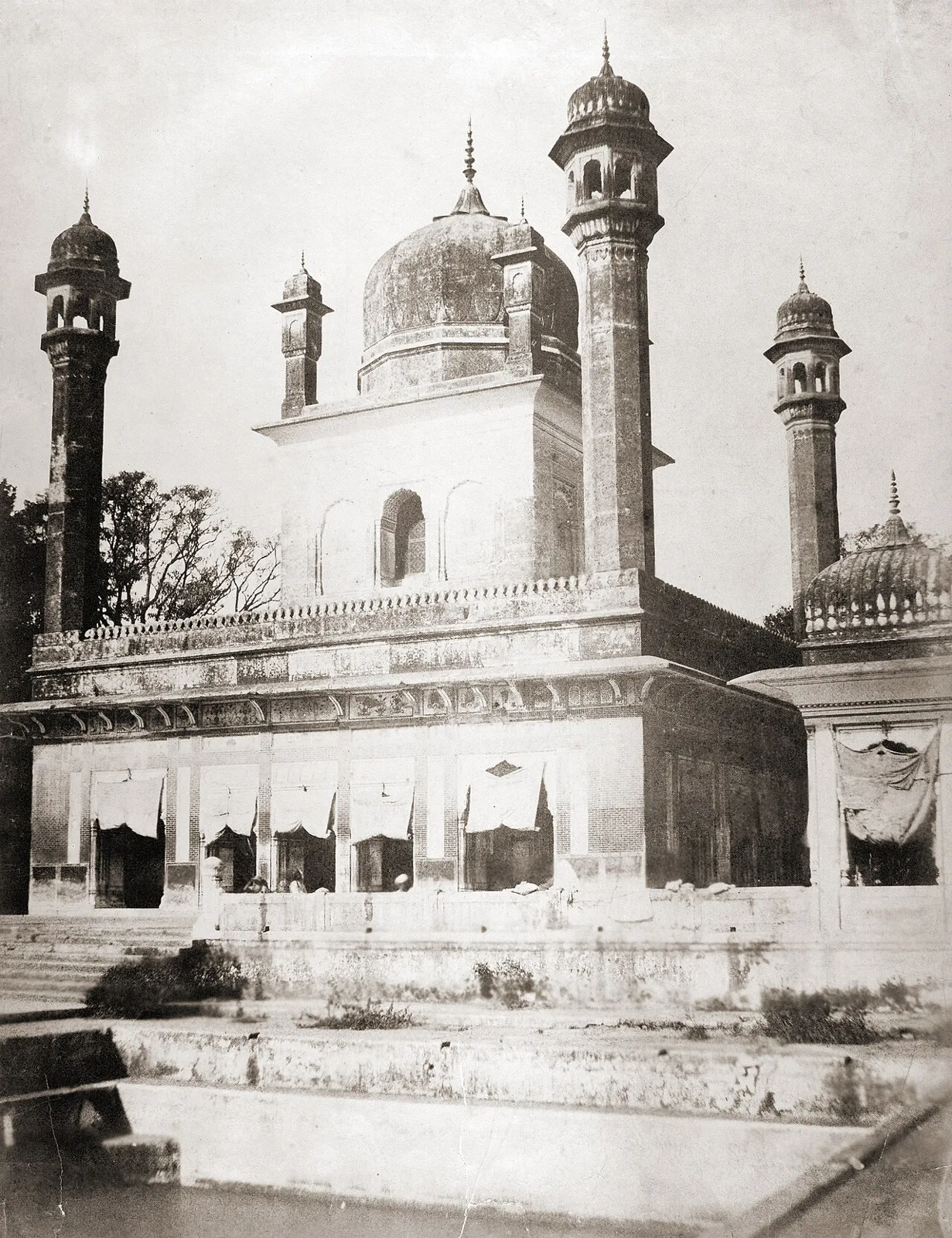
Nanakmatta Sahib
Sitarganj1 place to see

Nanakmatta Sahib

Away from the cities — 15 more places by district

District discovery

Uttarakhand: 13 districts covered

Open a district to see its destinations and neighbours. More districts are added as our team writes them.

13 of 13 districts have destination guides

Destinations

Every guide in this state

Open a district to see its cities and towns, villages and places to see.

Almora8 places
Bageshwar4 places
Chamoli11 places
Champawat5 places
Dehradun14 places
Haridwar10 places
Nainital10 places
Pauri Garhwal9 places
Pithoragarh8 places
Rudraprayag9 places
Tehri Garhwal8 places
Udham Singh Nagar3 places

Cities & towns

Places to see

Uttarkashi10 places

Festivals & fairs

The calendar here

Full calendar

14 Jan 2027 – 20 Apr 2027

Haridwar Ardh Kumbh

Har Ki Pauri and the Ganga ghats, Haridwar · Kumbh & Pilgrimage

Four months of bathing days on the Ganga, with the akharas' Amrit Snans at Har Ki Pauri.

ConfirmedUttarakhand

Festivals of Uttarakhand through the year

Usual season and where each is best known. Exact dates follow local calendars — linked festivals have dated guides.

  • Kumbh and Ardh KumbhHaridwar district; Kumbh every 12 years
  • Char Dham yatra openingApril–May, Akshaya TritiyaYamunotri, Gangotri, Kedarnath and Badrinath.
  • Nanda Devi Raj Jatroughly every 12 yearsChamoli district; Nanda Devi Mela at Almora each year.
  • Uttarayani / Ghughuti14 JanuaryBageshwar district.
  • Harela (July) and Phool Dei (March): Kumaon traditions
  • HilljatraAugust–SeptemberPithoragarh.
  • Jauljibi MelaNovemberPithoragarh district.
  • Ganga DussehraMay–JuneHaridwar and Rishikesh.
  • International Yoga FestivalMarchRishikesh, Dehradun district.
From travellers and locals

Be the first to share photos, stories, advice or a helpful contact for Uttarakhand.

Loading…