
Ghumoopedia — Explore, Discover, Experience
Sign in
New Tehri, near New Tehri

City guide · Uttarakhand

New Tehri

New Tehri is a city and municipal board in Uttarakhand’s Tehri Garhwal district, serving as the district headquarters. People may travel there for district-level administrative matters.

Famous for

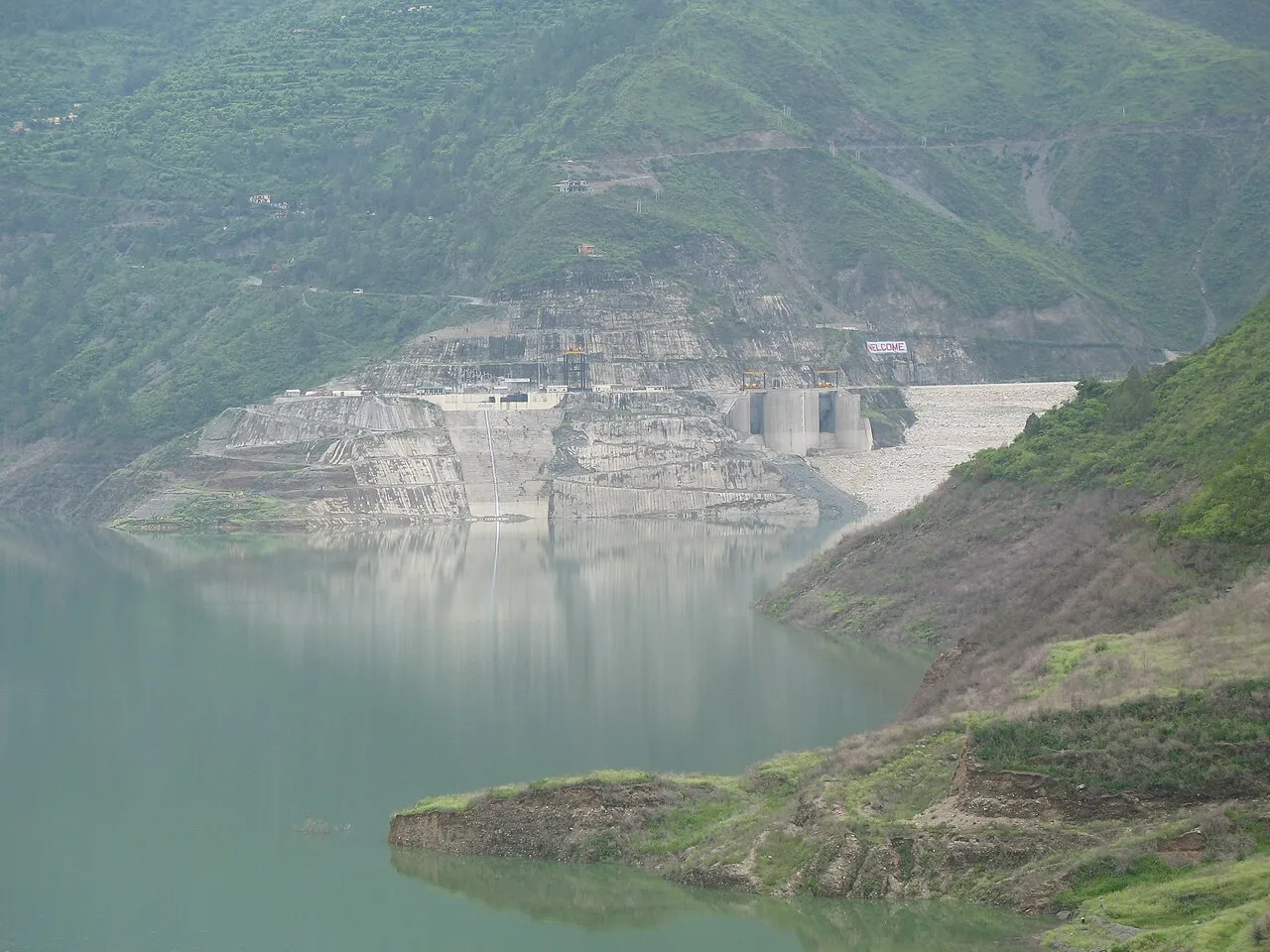
  • Tehri Dam
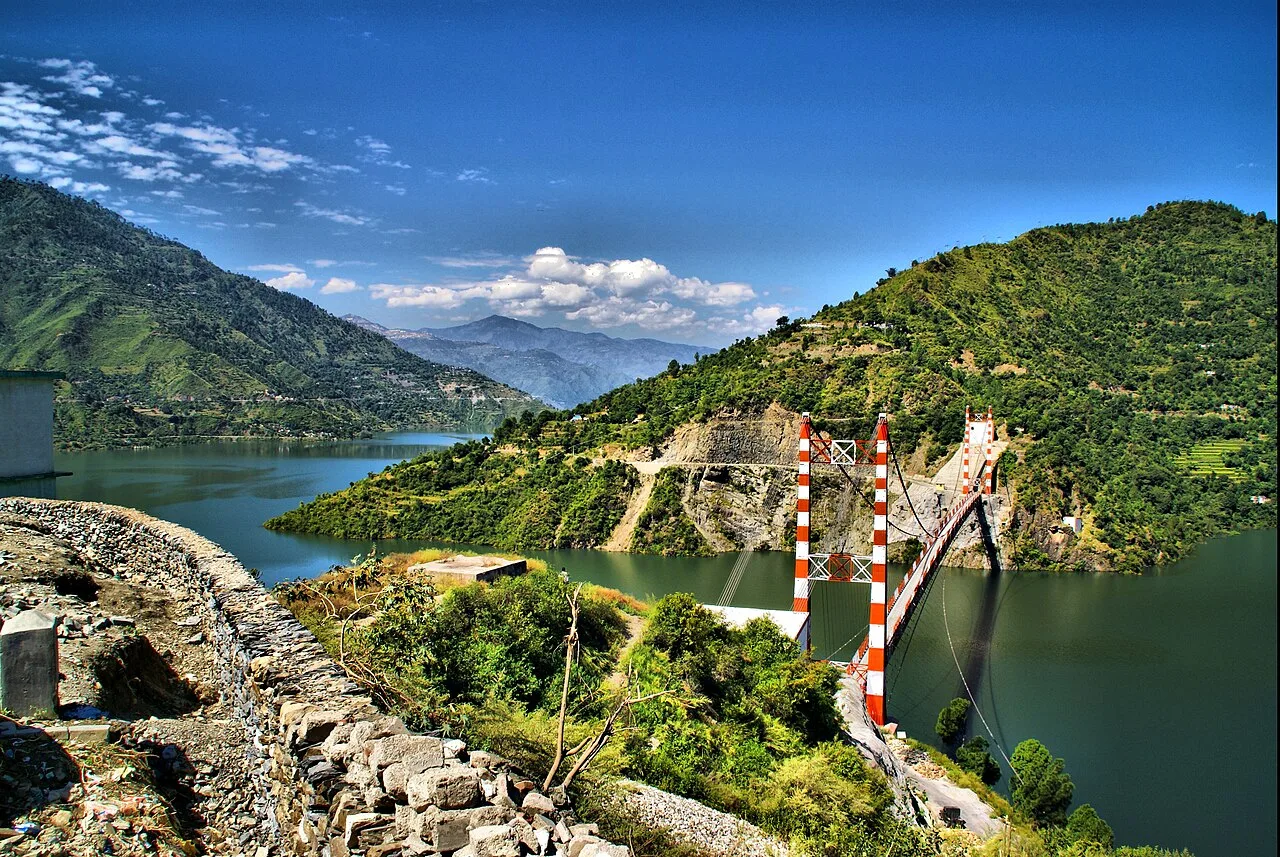
  • Tehri Lake
  • Chipko movement protests
  • Tehri Garhwal headquarters
  • Garhwali hill culture
In the city
2
District
Tehri Garhwal

Why New Tehri matters

New Tehri is the administrative headquarters of Tehri Garhwal district, set on a ridge above the reservoir created by the Tehri Dam. Its planned streets and hillside setting distinguish it from many older towns in the region. The dam and the broad expanse of Tehri Lake are its most recognisable landmarks, drawing visitors for lakeside views, boating and other water-based activities when available. The town also serves as a practical base for exploring nearby parts of Garhwal, including Chamba and the surrounding mountain country.

New Tehri carries a complex history: the reservoir submerged the former town of Tehri, and residents were relocated to the new settlement. The dam’s construction also made the area a focal point for protests led by environmentalist Sunderlal Bahuguna and other opponents. Today, government offices, local businesses and residential neighbourhoods give New Tehri an important civic role, while its landscape and history make it a worthwhile stop for travellers interested in Himalayan development and its consequences.
Famous for: crafts, trade & products

New Tehri is best known for the Tehri Dam and the reservoir it formed, rather than for a signature textile, craft or manufactured product. The dam is a major hydropower project and a defining feature of the district’s economy and landscape. Tehri Lake has also become a focus for tourism, with visitor activities and facilities concentrated around accessible lakeside points such as Koti Colony; availability can vary by season and local conditions.

The town’s shops and markets mainly serve residents and travellers with everyday goods, food and basic supplies. Baurari and the central commercial areas are useful places to look for these necessities. Garhwali foods and ingredients, including mandua (finger millet), jhangora (barnyard millet) and locally grown pulses, may appear in shops or eateries, but selection is not guaranteed. Regional woollens and handicrafts may also be encountered through small retailers, though New Tehri is not widely known as a specialised craft market. Visitors seeking a particular local product should ask locally about current availability rather than expect a dedicated bazaar or a recognised city-specific GI product.

History

The earlier town of Tehri stood where the Bhagirathi and Bhilangna rivers meet. It was also known as Ganeshprayag and became the seat of the princely state of Tehri Garhwal. Its location connected it with the river valleys and pilgrimage routes of the wider Garhwal region.

The building of the Tehri Dam transformed the area. As the reservoir rose, the old town was submerged and its residents were moved to New Tehri, a planned settlement developed on higher ground to accommodate the displaced population and district administration. This relocation reshaped local life and the region’s landscape. The project also prompted sustained opposition, notably protests led by Sunderlal Bahuguna and fellow activists associated with the environmental concerns of the Chipko movement. New Tehri subsequently grew as the district headquarters, with government offices, housing and commercial services forming the centre of a modern hill town whose history remains closely tied to the dam.

Food, festivals & culture

Daily life in New Tehri reflects Garhwali traditions as well as its role as a district centre. Hindi is widely used, while Garhwali is spoken in many local and surrounding communities. Home-style regional food may include kafuli, phanu, chainsoo and mandua roti; jhangora kheer is a familiar millet-based sweet. What is served varies between homes and eateries, and the town is not especially known for a single signature dish.

Hindu festivals such as Diwali, Holi, Navratri and Makar Sankranti are observed, alongside regional celebrations including Harela in the monsoon season and Phool Dei in spring. Garhwali folk songs and dance traditions, including Pandav Nritya, form part of community and festival life, though performances are not a daily visitor attraction. Local temples and neighbourhood shrines provide places of worship; the wider district also has important pilgrimage sites. Visitors should ask locally about services or festival events, as schedules and public access can vary.

Visiting the city

Spring and autumn are generally pleasant seasons for exploring New Tehri and the surrounding hills. Summer can also be comfortable, while monsoon travel may involve heavy rain, mist or road disruption; winter is colder, especially in the evenings. Check local road and lake conditions before setting out.

The nearest airport with regular commercial connections is Jolly Grant Airport near Dehradun. The main rail access is through Rishikesh, including Yog Nagari Rishikesh station; onward travel to New Tehri is by road. Taxis and buses connect the town with nearby centres, while local taxis are useful for reaching spread-out viewpoints and lakeside areas. Explore the central town and Baurari for shops and services, then visit accessible viewpoints and the Koti Colony side of Tehri Lake. Chamba makes a convenient nearby excursion.

Attractions

Places to visit in New Tehri

Sights within about 12 km of each other, even when they fall in different districts.

Map

New Tehri on the map

  1. 1New Tehri
  2. 2Tehri Dam

Uttarakhand

Other cities to explore