Ghumoopedia — Explore, Discover, Experience
Sign in
Haridwar, near Haridwar

City guide · Uttarakhand

Haridwar

Haridwar is a city and municipal corporation in Uttarakhand, known for Hindu religious gatherings, river-bathing rites and as a route to important places of worship.

Famous for

  • Ganga Aarti at Har Ki Pauri
  • Kumbh Mela
  • Kanwar pilgrimage
  • Chota Char Dham gateway
  • BHEL and SIDCUL industries
In the city
7
District
Haridwar

Why Haridwar matters

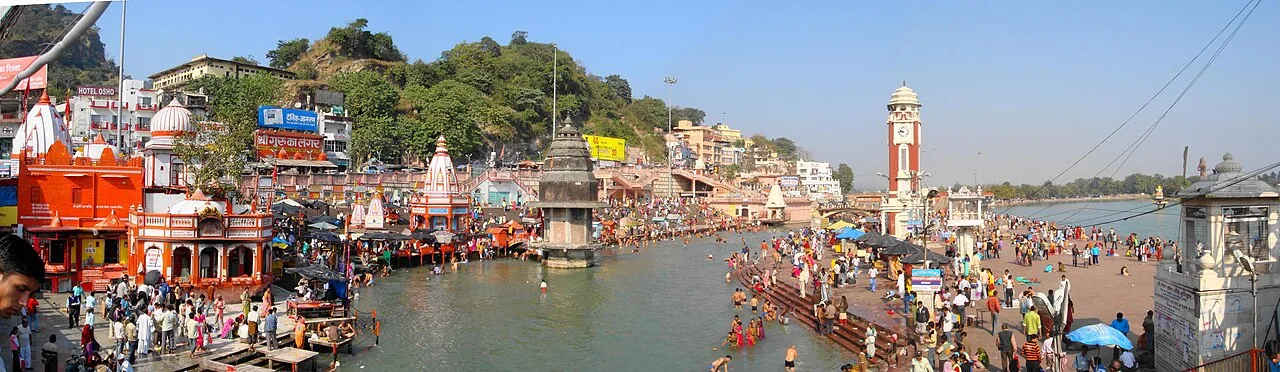
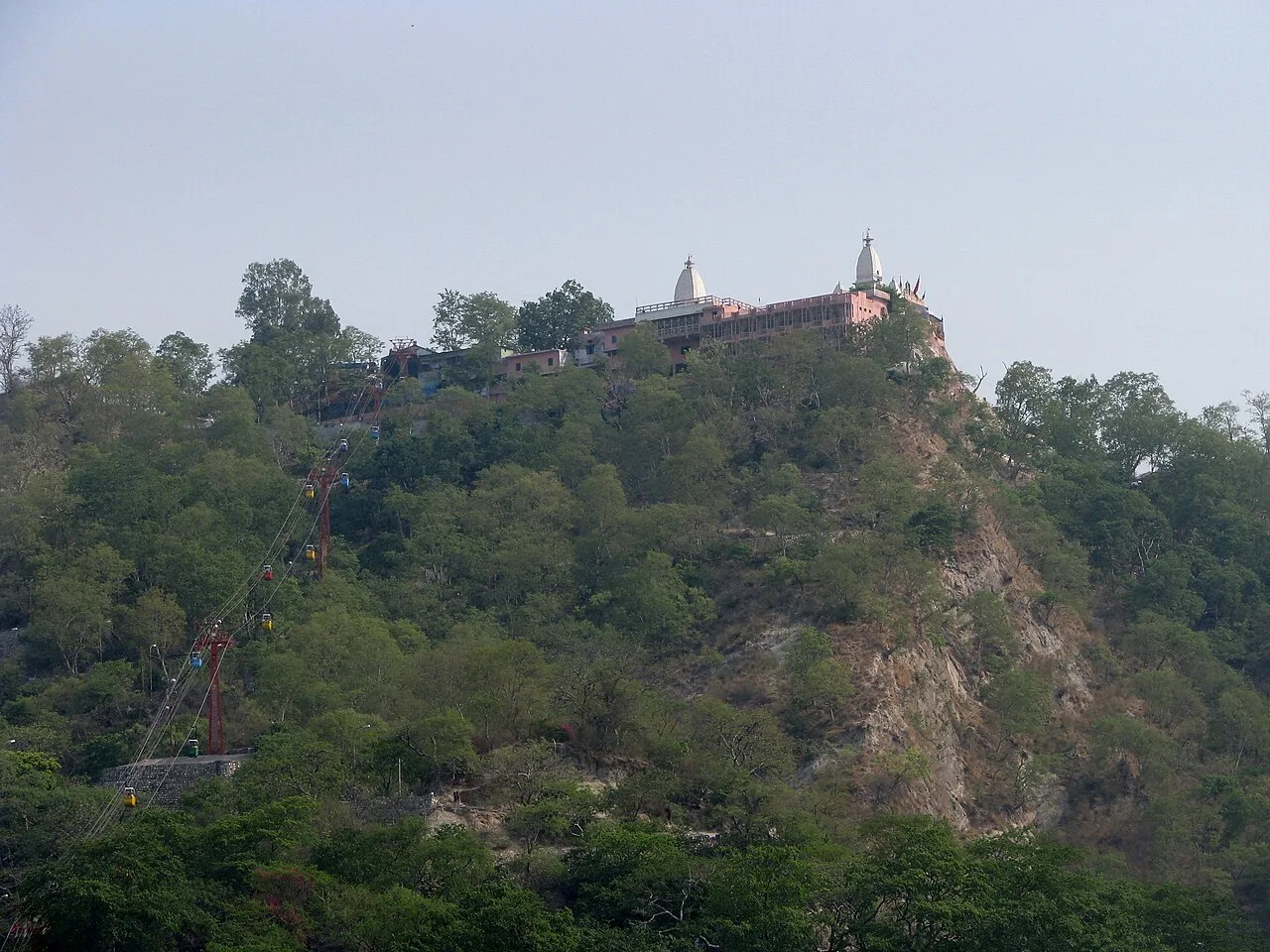
Haridwar stands where the Ganga leaves the Himalayan foothills and enters the plains, making it both a major pilgrimage centre and a gateway to Uttarakhand’s mountain shrines. Many visitors come to bathe at the river ghats, attend the evening Ganga Aarti at Har Ki Pauri, or visit temples such as Mansa Devi and Chandi Devi. The city is also an important starting point for journeys to the Chota Char Dham destinations of Gangotri, Yamunotri, Kedarnath and Badrinath.

Its religious calendar brings large gatherings, especially for the Kumbh Mela and the annual Kanwar pilgrimage. Haridwar also serves residents and travellers as a commercial and transport centre for the surrounding region. Beyond pilgrimage, it has a substantial industrial presence, including the BHEL township and the SIDCUL industrial estate. This mix of riverfront worship, pilgrimage routes and modern industry gives Haridwar a role that extends well beyond its temples and ghats.
Famous for: crafts, trade & products

Haridwar is better known for pilgrimage commerce and manufacturing than for a signature textile or handicraft tradition. Around Har Ki Pauri, Moti Bazaar and Bara Bazaar, shops cater to worshippers with puja supplies, prayer beads, small religious images, copper and brass ritual vessels, devotional books and souvenirs. Sweets and packaged offerings are also widely available. These are useful visitor purchases, though the city is not especially associated with a distinct GI-tagged craft or textile.

The city’s industrial economy includes the BHEL complex, which makes heavy electrical equipment, and the SIDCUL industrial estate, home to a range of manufacturing and consumer-goods businesses. Patanjali Yogpeeth, just outside the central city, is associated with Ayurvedic and wellness products; its retail outlets and other shops in the region sell items such as herbal preparations and personal-care goods. For a more everyday market experience, explore the busy lanes near the railway station and the bazaars leading towards the ghats. Check product labels and packaging when buying wellness goods, and treat religious items as souvenirs rather than locally made crafts unless their origin is clearly stated.

History

Haridwar has long been a sacred crossing on the Ganga. It is referred to in religious traditions by names including Gangadwara and Mayapuri, and is associated with stories of the river’s descent and the sage Kapila. Archaeological evidence indicates early settlement in the region; the city later came under Maurya and Kushan rule. A Chinese traveller in the seventh century recorded a settlement identified with Mayapuri. The town grew around its riverfront shrines and bathing places, and its importance as a pilgrimage centre continued under the Delhi Sultanate and Mughal rule.

In the early nineteenth century, the region passed from Garhwal rule to the East India Company after the Anglo-Nepalese War and the Treaty of Sugauli. British-era canal works reshaped the area: the Upper Ganges Canal, opened in 1854, drew water from the river at Haridwar for irrigation. In modern times, the BHEL township and the SIDCUL industrial estate added major employment and manufacturing to the city’s longstanding religious and commercial role.

Food, festivals & culture

Haridwar’s food culture reflects its steady flow of pilgrims. Many eateries serve vegetarian meals, alongside familiar North Indian snacks such as aloo puri, kachori and chaat. Jalebi, rabri and other milk-based sweets are common in the bazaars, while shops near the ghats sell prasad and food for offerings. Dining choices and practices vary, but the central pilgrimage areas are strongly shaped by the city’s devotional setting.

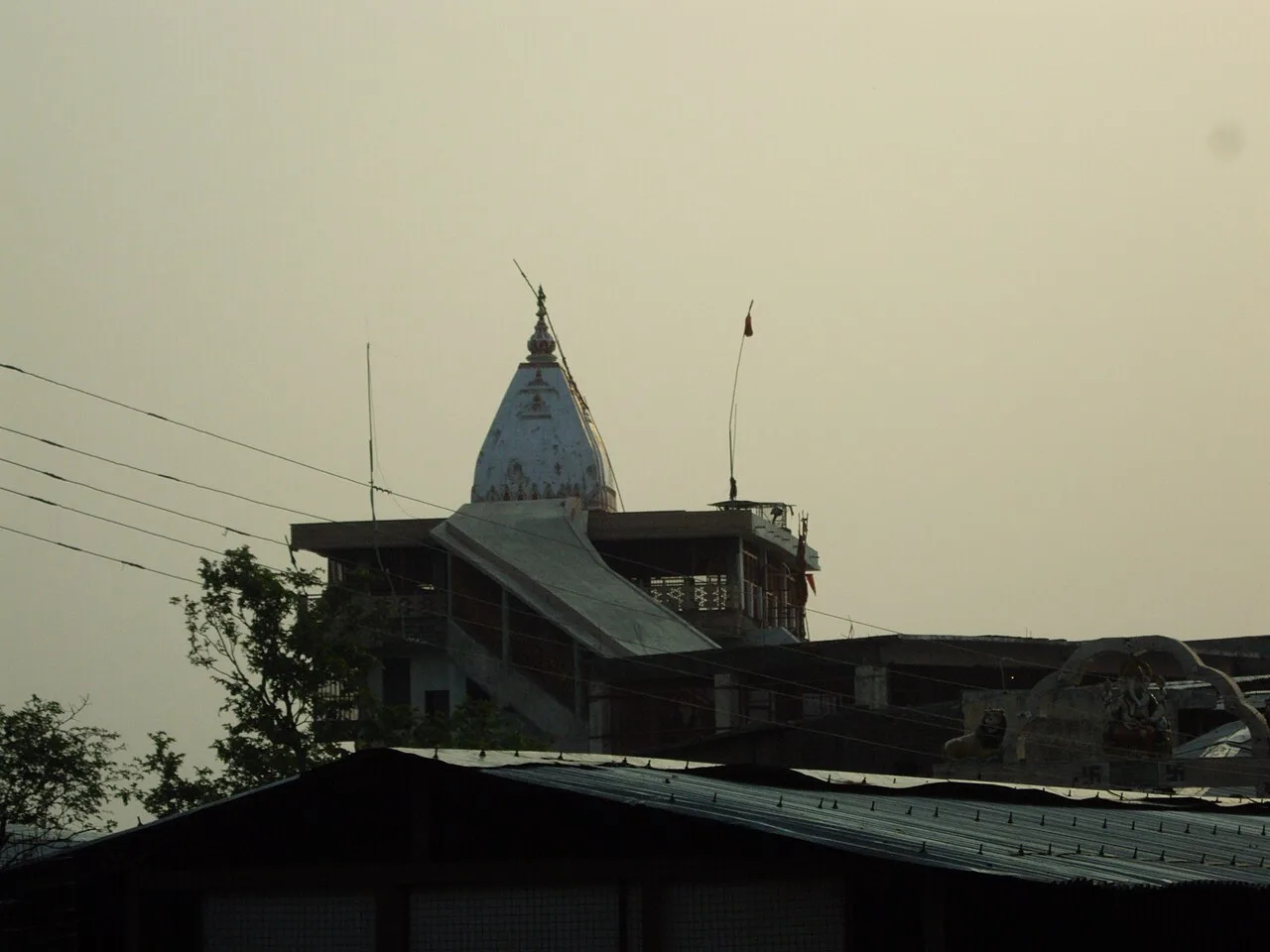
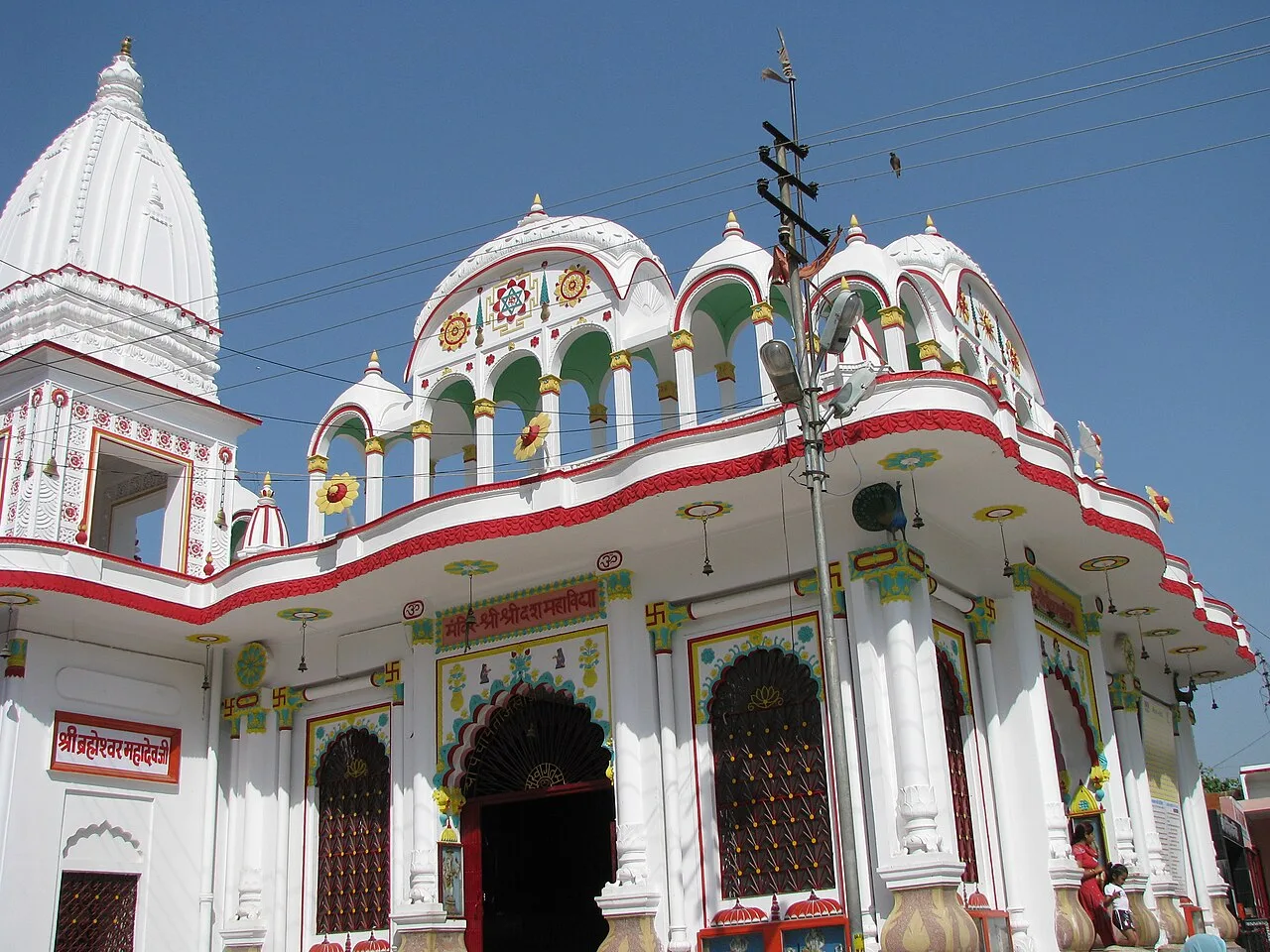
The Kumbh Mela, held in Haridwar on a traditional cycle of about twelve years, is its largest religious gathering. The Kanwar Yatra brings Shiva devotees carrying Ganga water during the monsoon month of Shravan, usually in July or August. Ganga Dussehra, around May or June, and Kartik Purnima in autumn are also associated with river worship. Hindi is widely spoken, with Khari Boli common locally and Garhwali heard among residents from the hills. Bhajans, satsang and devotional music are central to public religious life. Har Ki Pauri, the hilltop temples of Mansa Devi and Chandi Devi, and the shrines of Kankhal are among the city’s important places of worship.

Visiting the city

October to March is generally a comfortable season to visit, while summer can be hot and monsoon rain may disrupt travel. Major pilgrimage periods bring exceptional crowds, so allow extra time around the ghats and bazaars. Jolly Grant Airport near Dehradun is the nearest airport; Haridwar Junction is the main railway station.

Auto-rickshaws, e-rickshaws and taxis connect the station, markets and temple areas. The central streets can be congested, and walking is often practical around the riverfront. Explore Har Ki Pauri and the neighbouring Moti Bazaar and Bara Bazaar for ghats, worship and shopping. Kankhal offers historic temples and a quieter feel, while Bhimgoda is known for its river and canal setting. Check local conditions before heading to the hilltop temples or travelling during large religious gatherings.

Attractions

Places to visit in Haridwar

Sights within about 12 km of each other, even when they fall in different districts.

Map

Haridwar on the map

  1. 1Haridwar
  2. 2Chandi Devi Temple
  3. 3Daksheswar Mahadev Temple
  4. 4Har Ki Pauri
  5. 5Mansa Devi Temple
  6. 6Maya Devi Temple
  7. 7Rajaji National Park

Uttarakhand

Other cities to explore