
Ghumoopedia — Explore, Discover, Experience
Sign in
Ranikhet, near Ranikhet

City guide · Uttarakhand

Ranikhet

Ranikhet is a hill station and army cantonment in Almora district, Uttarakhand. Visitors come for its elevated setting and views towards the western Himalayan peaks.

Famous for

  • Kumaon Regiment headquarters
  • Chaubatia orchards
  • Himalayan ridge views
  • Jhula Devi Temple
  • Colonial cantonment
In the city
1
District
Almora

Why Ranikhet matters

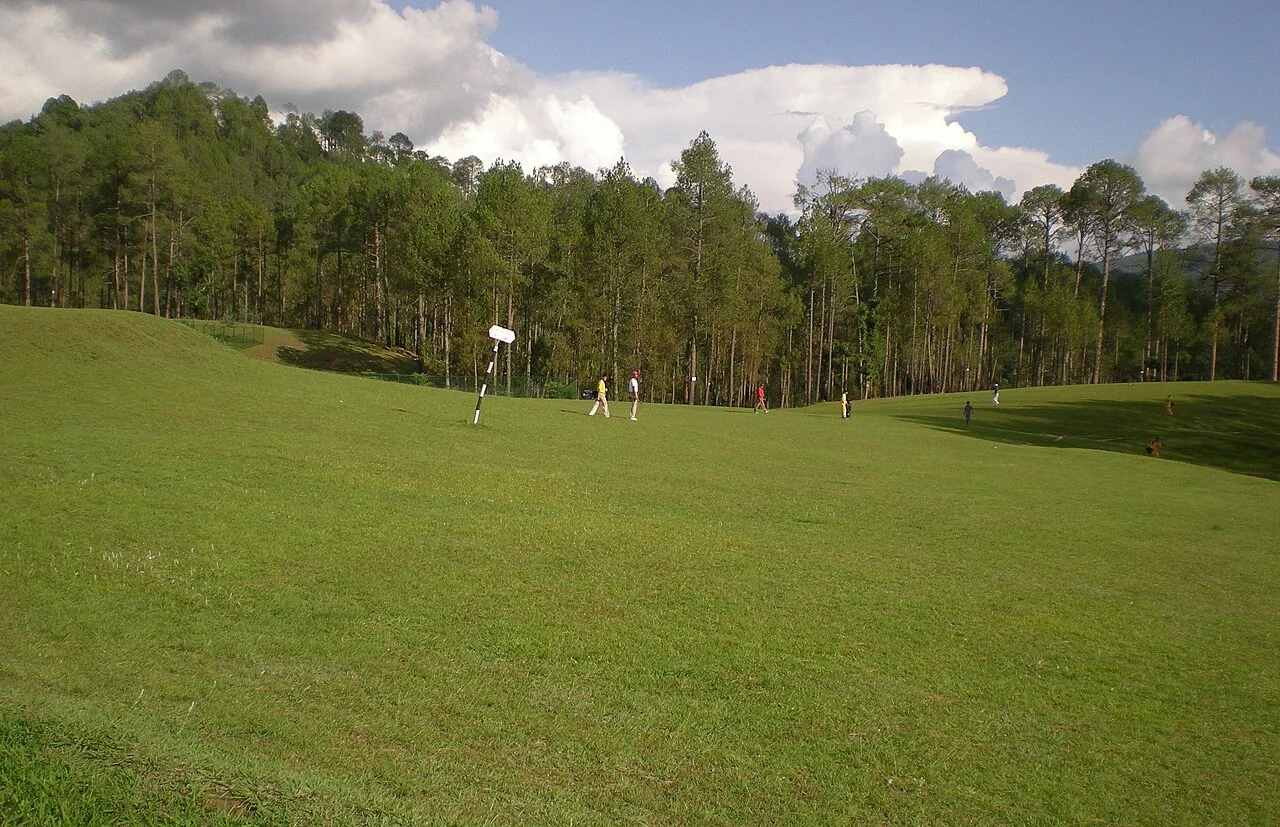
Ranikhet is a hill station and cantonment in Almora district, set among pine and oak forests at about 1,869 metres. Its wooded ridges, open views towards the western Himalaya and relatively calm hill-town atmosphere draw visitors seeking walks, temples and a cooler change from the plains. The nearby Chaubatia area is known for its fruit orchards, while the cantonment’s golf course and old military setting add to the town’s distinctive character.

Ranikhet also matters as an administrative and military centre. It is the headquarters of the Kumaon Regiment and Naga Regiment, and the Indian Army continues to maintain the cantonment. The town serves as a base for visiting nearby places in the Kumaon hills, including Almora, Dwarahat and the villages around Majkhali. Rather than a large commercial resort, it is a working cantonment town where military institutions, local services and tourism share a forested landscape. Its appeal lies in this combination of Himalayan scenery, regional history and a quieter pace of travel.

Famous for: crafts, trade & products

Ranikhet is not a major textile, handicraft or industrial centre, and it has no widely recognised city-specific GI-tagged product. Its best-known local produce is associated with the orchards at Chaubatia, where apples and other temperate fruits are grown. Seasonal fruit and processed fruit products are linked with the area, though availability varies. The town’s shops mainly serve residents and visitors with everyday goods, snacks, woollens and souvenirs rather than a specialised craft market.

Visitors can browse the shops around the main bazaar for regional foods and practical travel items. Kumaoni products, such as woollen goods or locally made household crafts, may appear in general shops, but they are regional rather than exclusive to Ranikhet. For a stronger sense of local production, explore the Chaubatia orchard area and ask locally about seasonal fruit products. The cantonment and its military institutions, especially the Kumaon Regiment, are among the town’s most prominent institutions; access to military premises is restricted, so visitors should follow posted rules. Ranikhet’s identity rests more on its orchards, cantonment heritage and landscape than on a signature textile or manufacturing trade.

History

The name Ranikhet means “Queen’s Meadow” in Kumaoni. Local legend says that Katyuri ruler Sudhardev won the affection of Queen Padmini here, and that she chose the place as her residence; no palace from the story survives. The area came under Nepalese rule during the late eighteenth-century expansion into Kumaon, before the region passed to British control in the early nineteenth century.

British officers first used nearby hill locations as military stations. In 1868, Ranikhet was selected for a cantonment, which was established the following year. The British made it a summer retreat and set up the Kumaon Regiment’s headquarters there. The cantonment, forests and roads shaped the town’s growth, and its administration remains closely connected to the armed forces. Today Ranikhet is a cantonment town in Almora district and the headquarters of its tehsil and subdivision. Proposals to create a separate Ranikhet district have been discussed in modern times, but the district was not formally established.

Food, festivals & culture

Ranikhet’s everyday culture is part of the wider Kumaoni tradition. Kumaoni is widely associated with the region, while Hindi is commonly used in public life. Local and regional meals include bhatt ki churkani, aloo ke gutke and madua (finger-millet) roti. Almora’s bal mithai and the Kumaon sweet singori are familiar regional treats that visitors may find in shops, though they are not exclusive to Ranikhet.

Harela, a monsoon-season festival observed in July, welcomes the rains and celebrates greenery; Holi in spring and Diwali in autumn are also widely marked. Nanda Devi fairs and celebrations take place in Kumaon, with timing varying by locality. Folk traditions include songs and group dances such as jhora and chanchari, heard especially at community gatherings. Places of worship include Jhula Devi Temple, associated with bells offered by devotees, and Mankameshwar Temple near the cantonment. These sit alongside the town’s military presence, giving Ranikhet a mix of Kumaoni community life and cantonment character.

Visiting the city

March to June is a comfortable season for walks and clear-day views; September and October are also pleasant after the monsoon. Winters are cold, and snowfall can occur, while monsoon weather may bring cloud and wet roads. The nearest airport commonly used for Ranikhet is Pantnagar Airport. Kathgodam is the main railway gateway for the Kumaon hills; onward travel is by road.

Taxis and local vehicles connect the bazaar with nearby sights, and a hired vehicle is useful for exploring beyond town. In Ranikhet, spend time around the cantonment bazaar, Jhula Devi Temple and the forested ridge roads. Chaubatia is known for its orchards, while Upat and Majkhali offer open views and quieter countryside. Respect cantonment boundaries and follow signs, as some areas are military property.

Attractions

Places to visit in Ranikhet

Sights within about 12 km of each other, even when they fall in different districts.

Map

Ranikhet on the map

  1. 1Ranikhet

Uttarakhand

Other cities to explore