
Ghumoopedia — Explore, Discover, Experience
Sign in
Jim Corbett National Park, near Kalagarh Project Colony

City guide · Uttarakhand

Kalagarh Project Colony

Kalagarh Project Colony is a small settlement in Uttarakhand’s Pauri Garhwal district, best understood through the Ramganga Dam and the forested landscape around it. The colony developed to house people associated with the dam project, giving the place a practical, work-centred character rather than the scale or commercial life of a major town.

Famous for

  • Ramganga Dam
  • Kalagarh reservoir
  • Corbett forest gateway
  • Project Colony
In the city
0
Nearby
1
District
Nainital
Plan a trip

Why Kalagarh Project Colony matters

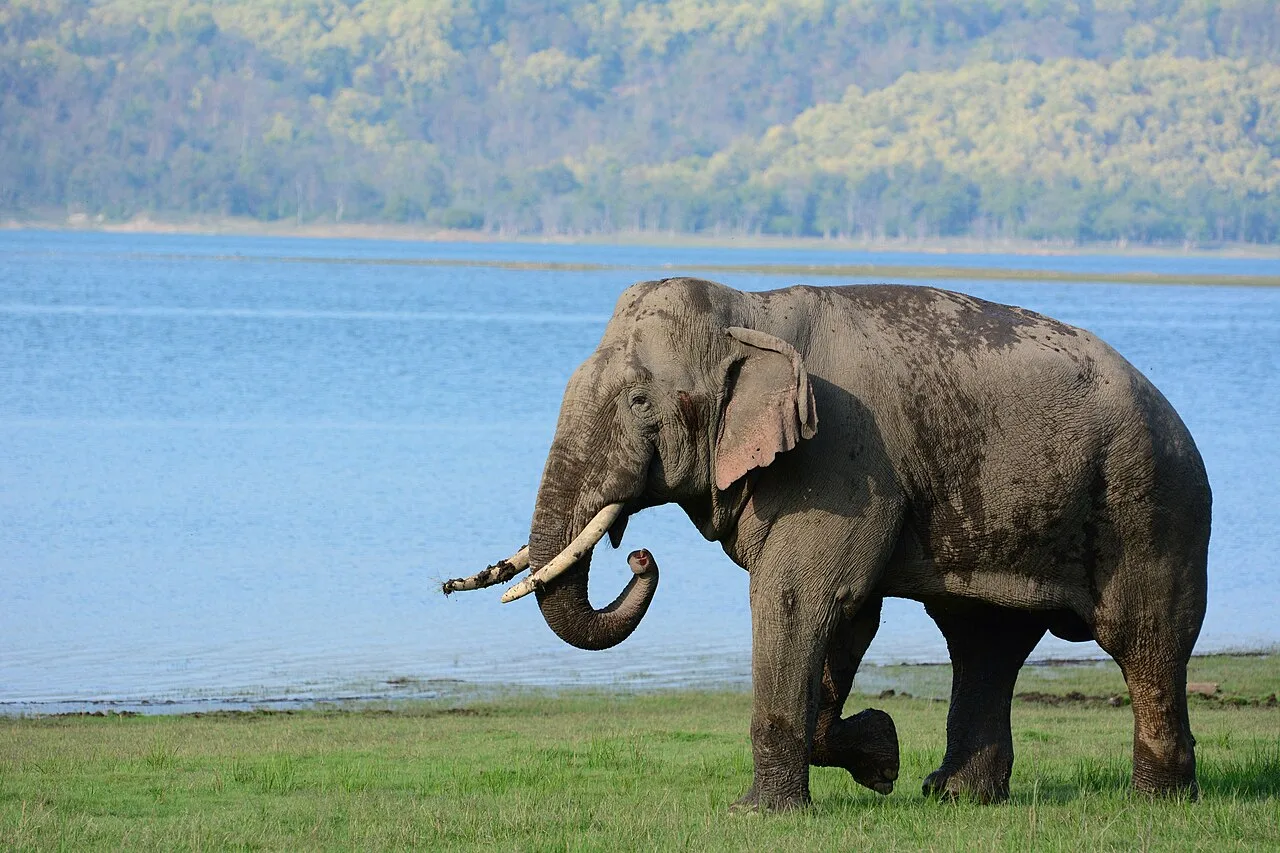
Kalagarh Project Colony is a small settlement in Uttarakhand’s Pauri Garhwal district, best understood through the Ramganga Dam and the forested landscape around it. The colony developed to house people associated with the dam project, giving the place a practical, work-centred character rather than the scale or commercial life of a major town. Its position beside the Ramganga reservoir and near the southern reaches of the Corbett landscape makes it a point of interest for travellers drawn to water, hills and wildlife country.

The dam is the area’s defining landmark, while nearby protected forests—including the Kalagarh forest division and Sonanadi Wildlife Sanctuary—add ecological importance. The wider Corbett reserve is known for its rich forests and wildlife, though sightings are never guaranteed and access is governed by park rules. Kalagarh is not a conventional tourist hub: visitors come mainly for the surrounding landscape, the reservoir and onward exploration, often using larger nearby towns for accommodation and services. Its importance today lies in the overlap of a major water-and-power project, a resident colony and a sensitive conservation region.

Famous for: crafts, trade & products

Kalagarh is not widely known as a textile, handicraft or specialty-product centre, and it has no established city bazaar associated with a signature craft or GI-tagged product. Its identity is tied instead to the Ramganga Dam, the reservoir and the settlement created around the project. Visitors should not expect dedicated craft emporiums or a large shopping district within the colony.

Everyday provisions and basic services are typically the focus of local shops. For a broader choice of groceries, household goods and regional products, travellers can look to larger nearby towns such as Kotdwar or Ramnagar, depending on their route. Uttarakhand foods and locally made items may be encountered through ordinary shops or eateries, but availability varies and they are not a defining Kalagarh trade. The surrounding region’s best-known draw is its natural landscape rather than manufactured goods: forest, river valley and reservoir scenery. Because the dam and nearby conservation areas are managed sites, visitors should check local access rules rather than assume that all project or forest areas are open for informal visits.

History

Kalagarh Project Colony grew in connection with the Ramganga Dam project. The settlement’s layout and purpose reflect the needs of people working on or supporting a large infrastructure undertaking, rather than the gradual expansion of an old market town. The dam reshaped the local landscape by impounding the Ramganga and creating a substantial reservoir, while associated project activity brought housing and services to this forest-edge area.

The surrounding forests have a longer history of official management. In the nineteenth century, colonial forest authorities began regulating woodland use in parts of the wider region; later, protected-area boundaries and conservation programmes gave the landscape a stronger wildlife-management role. Corbett National Park, established in 1936, became an important part of that regional history, and the wider reserve later incorporated the Kalagarh forest division and Sonanadi Wildlife Sanctuary. Today, Kalagarh’s story is closely linked to both the continuing presence of the dam and the conservation landscape around it. The colony remains a functional settlement, not a heritage centre built around a historic ruling dynasty.

Food, festivals & culture

Kalagarh’s everyday culture reflects its small, work-linked community and its setting in Garhwal. Hindi is widely used, alongside Garhwali and other languages spoken by residents who have moved to the area for work. There is no distinctive city cuisine or large performance tradition associated specifically with the colony. Regional Uttarakhand dishes such as mandua roti, chainsoo, kafuli and jhangora kheer may be found in local homes or eateries, though menus and availability vary. Simple North Indian meals are more typical for visitors seeking food locally.

Holi and Diwali are celebrated, while Makar Sankranti and seasonal observances such as Harela connect with broader Uttarakhand traditions. Folk music and dance from Garhwal may feature at community or family celebrations, rather than as regular staged attractions. Small temples and neighbourhood shrines serve local worshippers; Kalagarh is not known as a major pilgrimage centre. Visitors should approach religious spaces respectfully and ask locally before photographing ceremonies or people.

Visiting the city

The cooler months, broadly autumn through spring, are generally the most comfortable for exploring the area. Monsoon travel can bring heavy rain, slippery roads and changes to access conditions. Jolly Grant Airport near Dehradun is a principal air gateway, while Kotdwar is the main nearby railway station. From either, onward travel is usually by road; taxis or private vehicles are practical, as local public transport and visitor services are limited. Ramnagar can also be useful for arranging access to Corbett areas, depending on the itinerary.

Explore the dam and reservoir surroundings only where access is permitted, and check local rules before entering project or forest land. Kalagarh itself is compact; the colony, river-side landscape and nearby forest approaches are the main areas of interest. Plan food, fuel and overnight stays ahead, as facilities are more limited than in larger towns. Wildlife viewing requires authorised access and should never involve approaching animals or leaving designated routes.

Short trips

Around Kalagarh Project Colony

Within about 40 km — easy half-day or day trips from the city.

Map

Kalagarh Project Colony on the map

  1. 1Jim Corbett National Park

Uttarakhand

Other cities to explore