Ghumoopedia — Explore, Discover, Experience
Sign in
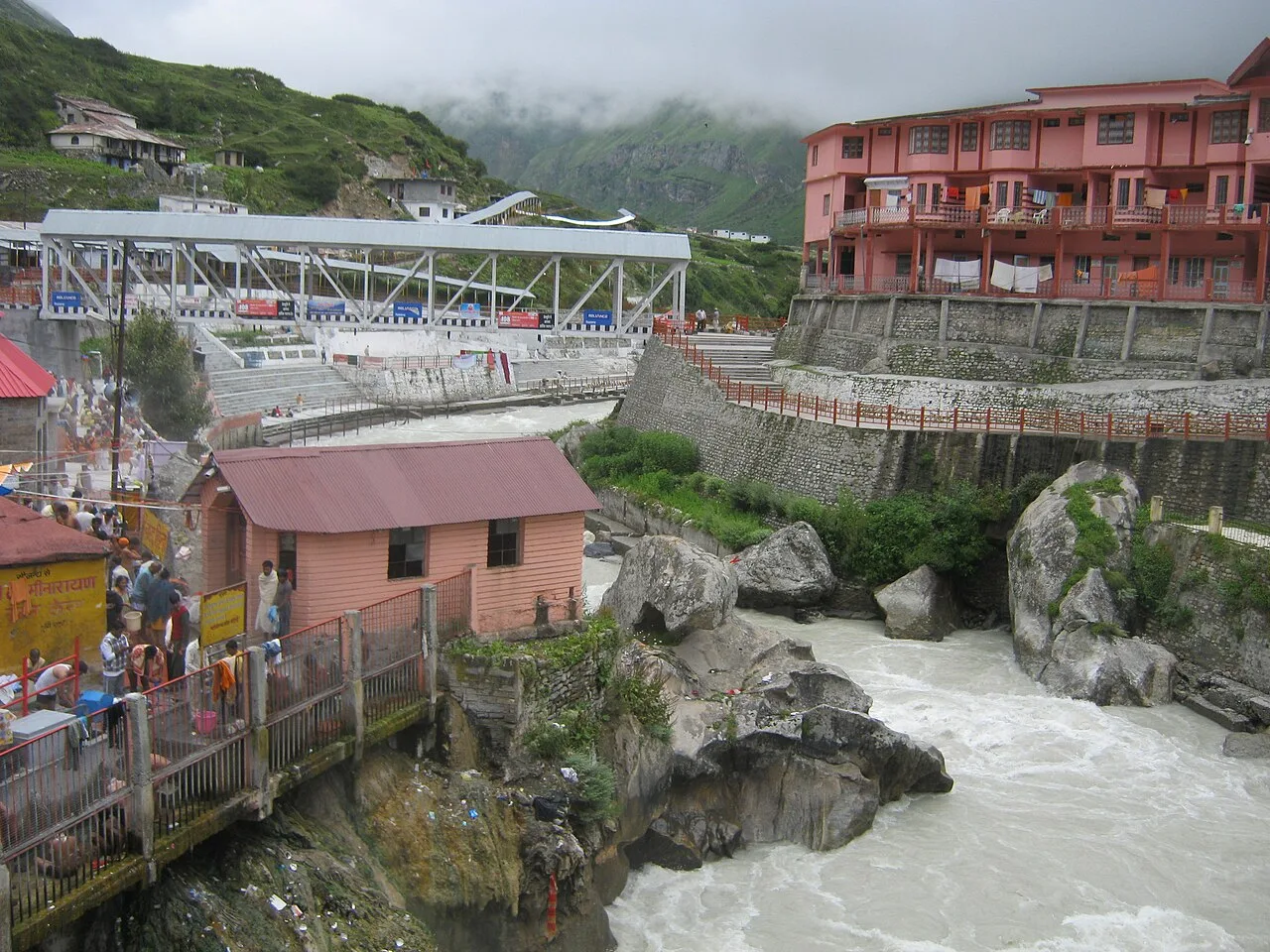
Badrinath Temple, near Badrinath

City guide · Uttarakhand

Badrinath

Badrinath is a Himalayan pilgrimage town in Chamoli district, set beside the Alaknanda River between the Nar and Narayana ranges. Its importance centres on Badrinath Temple, a major Vaishnavite shrine and one of the four destinations of India’s Char Dham pilgrimage, as well as part of the smaller Chota Char Dham circuit.

Famous for

  • Badrinath Temple
  • Char Dham pilgrimage
  • Alaknanda River
  • Tapt Kund hot springs
  • Mana village
In the city
4
Nearby
1
District
Chamoli

Why Badrinath matters

Badrinath is a Himalayan pilgrimage town in Chamoli district, set beside the Alaknanda River between the Nar and Narayana ranges. Its importance centres on Badrinath Temple, a major Vaishnavite shrine and one of the four destinations of India’s Char Dham pilgrimage, as well as part of the smaller Chota Char Dham circuit. The temple draws pilgrims from across India during its seasonal opening, while the surrounding landscape attracts trekkers, mountaineers and visitors interested in Garhwal’s sacred geography.

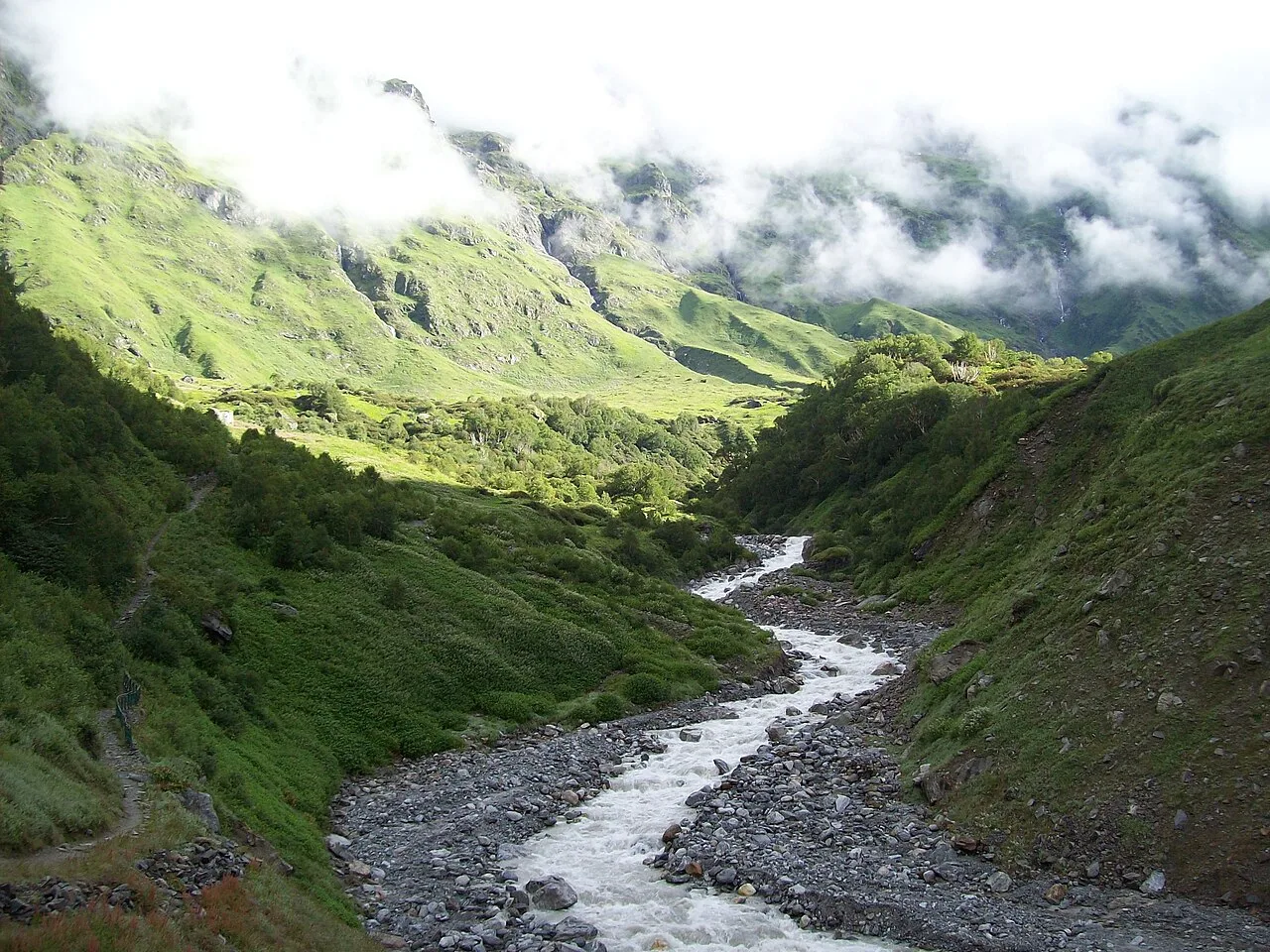
At about 3,100 metres, Badrinath is also a useful base for visiting nearby sites, including the hot springs at Tapt Kund and Mana, a village north of town. Views of the Alaknanda valley and the surrounding peaks are central to the experience, though weather and road conditions can change quickly. The town’s services and activity are closely tied to the pilgrimage season; it is quieter in winter, when heavy snow closes the temple and limits access. Badrinath matters both as a living centre of worship and as a gateway to the upper Garhwal Himalaya.
Famous for: crafts, trade & products

Badrinath is not known as a textile, handicraft or industrial centre, and no signature local craft or GI-tagged product is closely associated with the town. Its economy is shaped mainly by pilgrimage and seasonal travel. Shops and small stalls around the temple approach and bazaar sell puja materials, offerings, prasad, devotional souvenirs, basic provisions and warm clothing suited to the high-altitude climate. These are convenient visitor goods rather than evidence of a large local manufacturing trade.

Pilgrims can find flowers, incense, lamps and other ritual supplies near the temple precinct, while seasonal eateries, guesthouses and travel services support visitors during the months when the route is open. Woollen caps, gloves and shawls are useful purchases in the cold, but may come from wider regional supply chains rather than local workshops. For Garhwal handicrafts and a broader choice of regional products, visitors are more likely to find them in larger towns along the route, such as Joshimath or Rishikesh. Badrinath’s strongest identity is therefore its shrine, sacred landscape and pilgrimage services, not a particular market product.

History

Badrinath’s history is closely connected to the temple and to pilgrimage routes through the Garhwal Himalaya. Hindu tradition associates the area, also called Badarikashrama, with Vishnu and the sages Nara and Narayana. A longstanding account holds that Adi Shankaracharya found a black image of Badrinarayan in the Alaknanda River and established it in a shrine here. The image was later moved to the present temple by a Garhwal ruler in the sixteenth century. The temple has suffered damage from earthquakes and avalanches and has been repaired over time.

For generations, reaching Badrinath involved a long journey on foot. The settlement remained small and seasonal, with few dwellings beyond those serving the temple, but its pilgrimage drew increasing numbers of visitors. Improved roads and transport have made access easier, and the town has developed accommodation, food and other visitor services. Even so, its growth remains shaped by the short annual pilgrimage season, difficult mountain terrain and the need to manage access during severe weather.

Food, festivals & culture

Badrinath’s daily life is shaped by worship at the temple and by the rhythm of the pilgrimage season. Visitors generally find simple vegetarian meals, including rice, lentils, vegetables and familiar North Indian dishes. Uttarakhand foods such as mandua roti, aloo ke gutke and jhangora kheer are associated with the wider region, though availability in town can vary with the season. Local eateries and guesthouses tend to serve practical, warming meals suited to the cold mountain climate.

Hindi is widely used, while Garhwali is spoken across the surrounding region; Sanskrit forms part of temple rituals and devotional recitation. Bhajans, prayers and ceremonial music are prominent around the shrine. The temple season opens and closes with ceremonies whose dates vary each year, and festivals such as Janmashtami and the Badri-Kedar Utsav bring additional religious and cultural activity. The temple is the central place of worship, with Tapt Kund and Brahma Kapal also important for ritual bathing and rites. Customs are devotional and visitors should dress respectfully and follow temple guidance.

Visiting the city

The main visiting season is generally from late spring to early autumn, when the temple is open and roads are more accessible. May and June can be busy; September and early October may offer a quieter visit, but monsoon rain can bring landslides and road disruption. Winter brings severe cold and the temple closes for the season. Check current road and temple conditions before travelling.

Jolly Grant Airport near Dehradun is the nearest airport. Rishikesh is the closest railway station; Haridwar is a major railhead with broader connections. Badrinath is reached by road, commonly via Rishikesh, Devprayag, Rudraprayag and Joshimath. Local exploration is mostly on foot around the temple precinct, Tapt Kund and Brahma Kapal. Mana village, a short drive or walk north of town, is a worthwhile excursion. Allow time for the altitude and changing mountain weather.

Attractions

Places to visit in Badrinath

Sights within about 12 km of each other, even when they fall in different districts.

Short trips

Around Badrinath

Within about 40 km — easy half-day or day trips from the city.

Map

Badrinath on the map

  1. 1Badrinath Temple
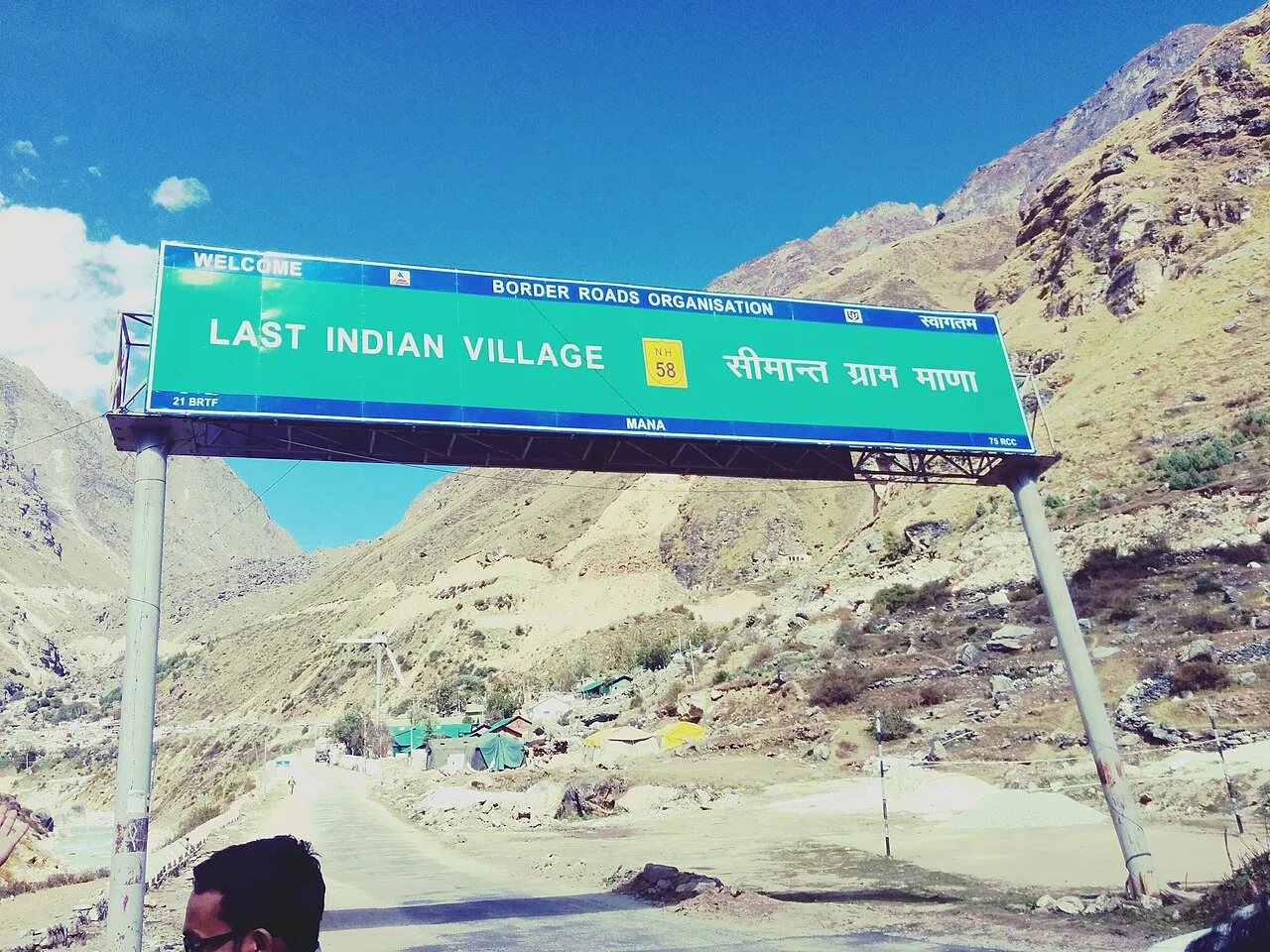
  2. 2Mana Village
  3. 3Valley of Flowers National Park
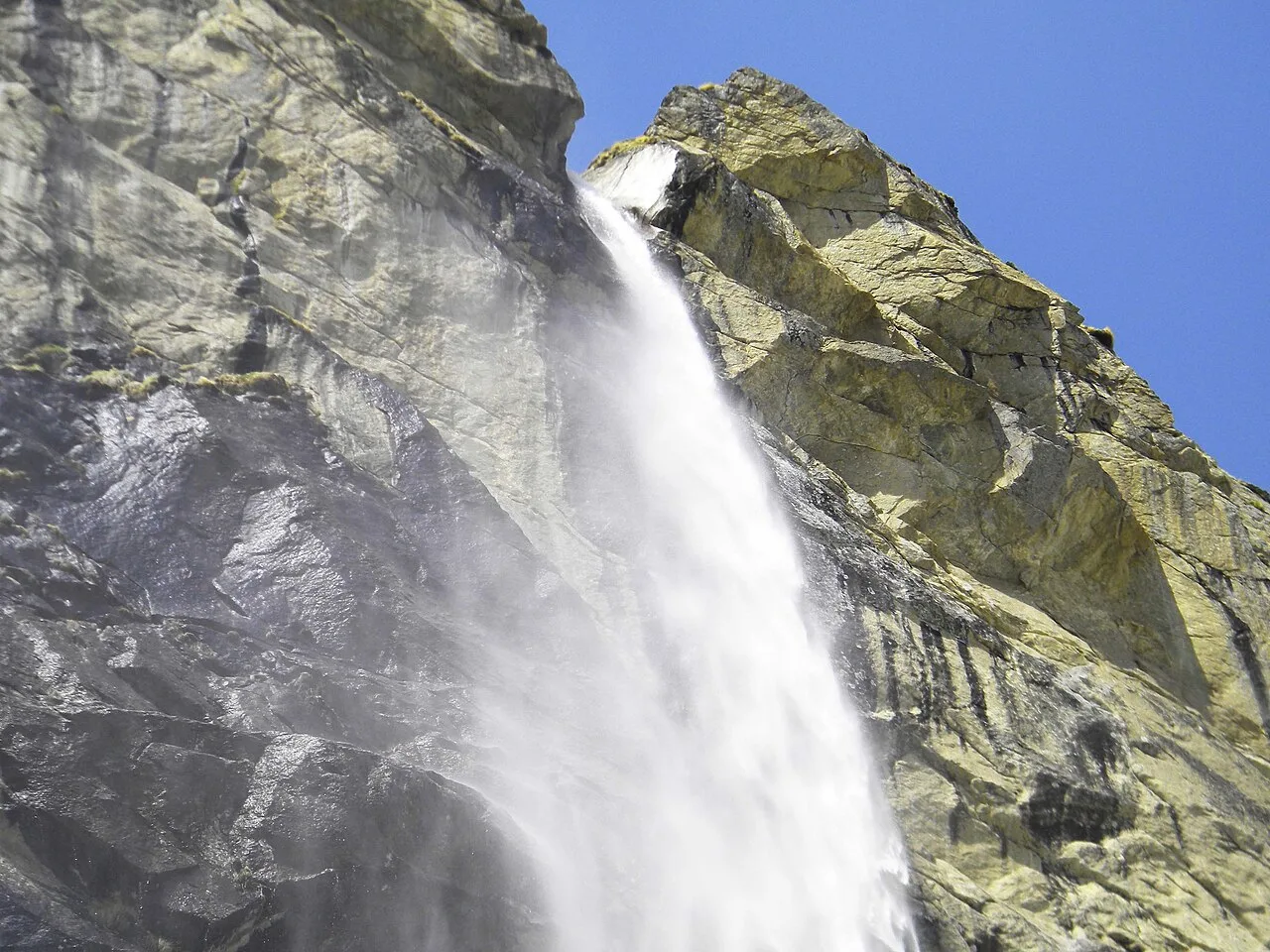
  4. 4Vasudhara Falls
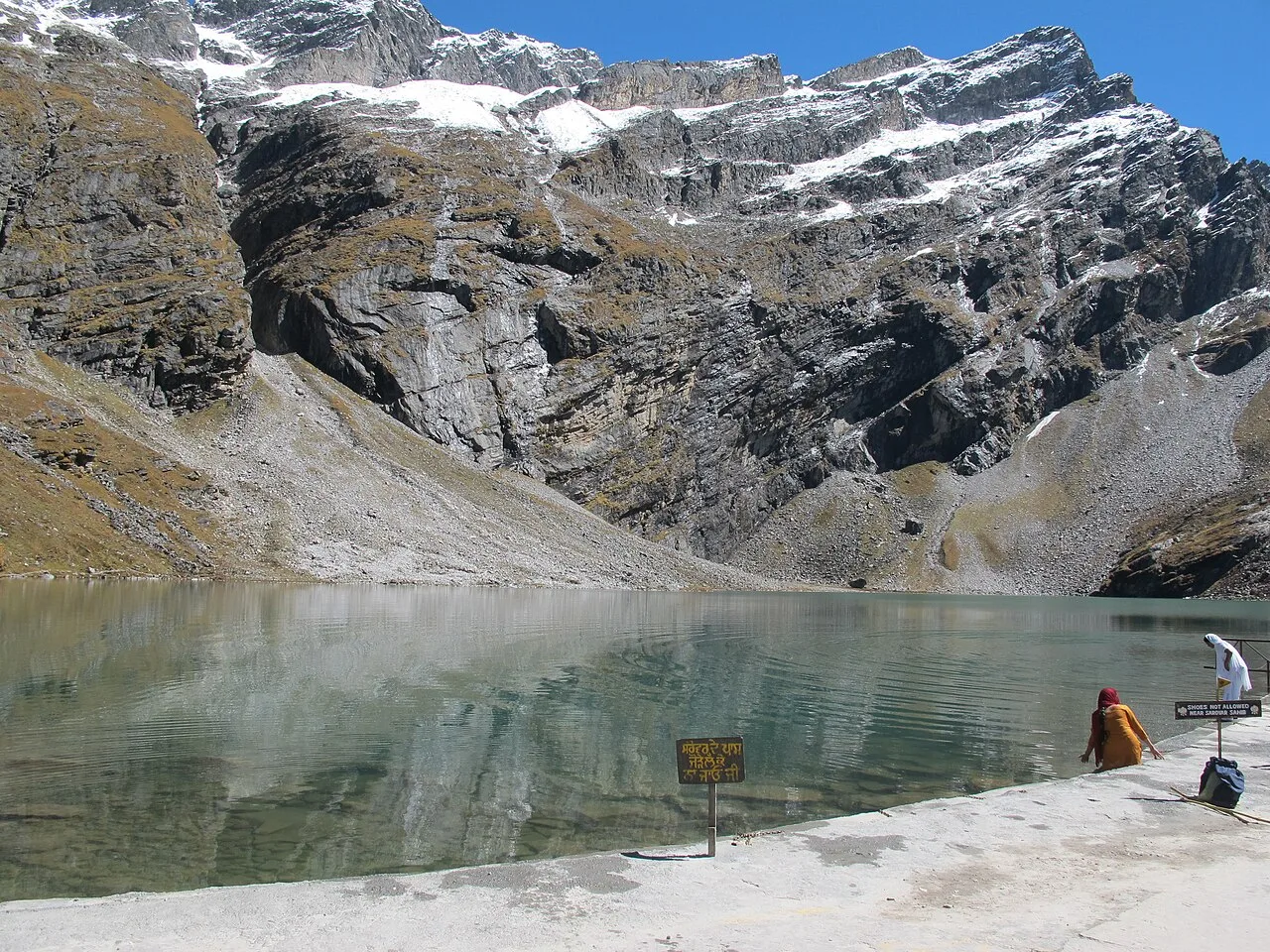
  5. 5Hemkund Sahib

Uttarakhand

Other cities to explore