
Ghumoopedia — Explore, Discover, Experience
Sign in
Uttarkashi, near Uttarkashi

City guide · Uttarakhand

Uttarkashi

Uttarkashi is a city in Uttarakhand and the administrative headquarters of Uttarkashi district. People may visit it to attend to matters connected with the district administration.

Famous for

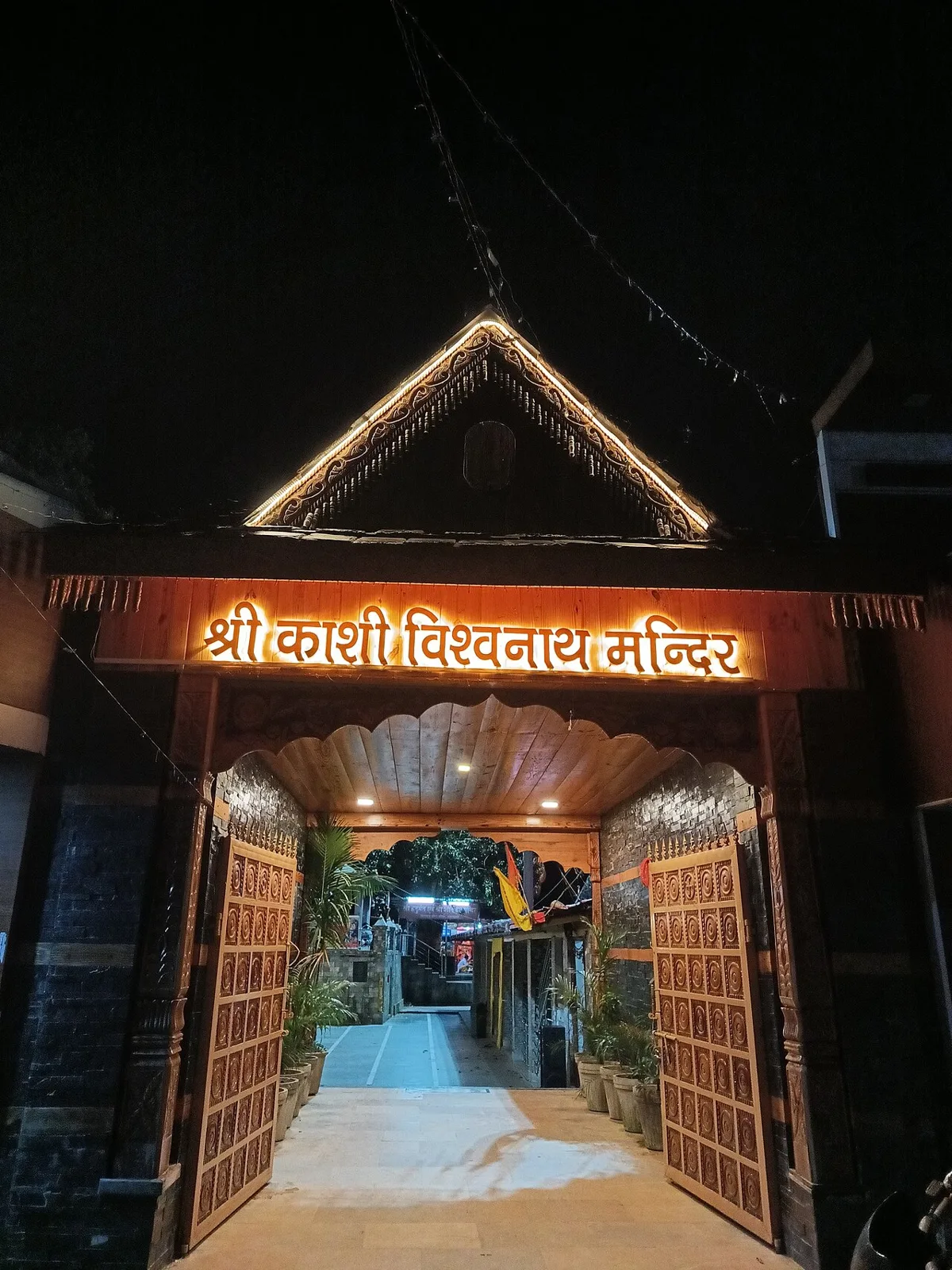
  • Kashi Vishwanath Temple
  • Gangotri pilgrimage gateway
  • Bhagirathi river town
  • Nehru Institute of Mountaineering
  • Magh Mela celebrations
In the city
1
Nearby
3
District
Uttarkashi

Why Uttarkashi matters

Uttarkashi is a mountain town on the Bhagirathi River and the administrative headquarters of Uttarkashi district. It is an important service centre for the surrounding Himalayan settlements and a familiar stop for people travelling towards Gangotri, one of the principal pilgrimage sites of Uttarakhand. The town’s name and religious character are closely associated with its Kashi Vishwanath Temple, which draws worshippers throughout the year.

Uttarkashi also has a strong connection with mountaineering and outdoor education. The Nehru Institute of Mountaineering, based here, trains climbers and supports expeditions in the region’s high mountains. Visitors come for temple visits, the river setting and access to trekking and pilgrimage routes, as well as for the town’s everyday bazaar and mountain-town atmosphere. At about 1,165 metres above sea level, it is a lower-altitude base than many of the destinations reached from it, though the surrounding roads and trails climb into demanding terrain.
Famous for: crafts, trade & products

Uttarkashi is better known for pilgrimage, mountain travel and regional trade than for a large textile or manufacturing industry. Its bazaar serves local residents, pilgrims and trekkers, with shops selling everyday provisions, clothing, woollens and outdoor supplies. There is no widely recognised city-specific saree tradition or GI-tagged product associated with Uttarkashi. Visitors looking for local goods may find produce and foods brought in from the wider district, including apples, pulses and other seasonal harvests; availability varies through the year.

Small shops and market stalls are the most practical places to browse, rather than dedicated craft districts or large handicraft centres. Traditional crafts and household goods from the wider Garhwal region may appear in local trade, but they are not the town’s defining commercial speciality. The Nehru Institute of Mountaineering is a notable institution and gives Uttarkashi a national profile in mountaineering education. For visitors, the central bazaar is useful for supplies and a glimpse of regional commerce, while the temple precinct is the town’s most prominent religious and visitor centre.

History

Uttarkashi’s importance grew from its position in the Bhagirathi valley and its role as a religious centre. The Kashi Vishwanath Temple anchors a long-standing tradition of worship, and the town is often understood in relation to the sacred city of Kashi. For centuries, settlements in this part of the Garhwal Himalaya were shaped by pilgrimage, local agriculture and links between mountain villages and regional markets.

The area became part of the Tehri Garhwal princely state, established in the early nineteenth century under British paramountcy. After India became independent, Tehri Garhwal joined the Indian Union. Uttarkashi district was created in 1960, and the town developed further as its administrative headquarters, bringing government services and improved road connections. In modern times, pilgrimage traffic, tourism and mountaineering education have added to its regional role. The town and its surrounding valleys have also faced the challenges of a Himalayan setting, including earthquakes, landslides and disruptions to transport.

Food, festivals & culture

Garhwali and Hindi are commonly heard in Uttarkashi; Hindi is widely used for communication with visitors. The town’s food reflects the wider Garhwal region, with staples such as mandua (finger millet), local pulses and seasonal vegetables. Dishes such as kafuli, chainsoo and aloo ke gutke are associated with regional cooking, though menus and household traditions vary. Simple meals and tea shops around the bazaar cater to residents, pilgrims and travellers.

The Magh Mela, held around mid-January, is a notable local gathering, bringing together religious observances, market stalls and cultural events. Diwali, Holi, Navratri and other Hindu festivals are also observed. The Kashi Vishwanath Temple is a central place of worship, and the nearby Shakti Temple is known for its large iron trident. Devotional singing and Garhwali folk music are part of local celebrations; dance and performance traditions are often presented during fairs and community events. The town’s religious life is also closely connected to the seasonal pilgrimage routes leading towards Gangotri.

Visiting the city

April to June and September to November are generally comfortable periods to visit. The monsoon can bring heavy rain and landslide-related road disruption, while winter is cold. Jolly Grant Airport in Dehradun is the nearest airport, and Dehradun Railway Station is a main rail connection; the onward journey is by road. Shared jeeps, buses and taxis connect Uttarkashi with other towns, while local taxis are useful for nearby travel.

Explore the central bazaar and the area around Kashi Vishwanath Temple, then walk by the Bhagirathi where conditions allow. Uttarkashi is also a practical base for journeys towards Gangotri and nearby mountain routes. Check current road and weather conditions before setting out, especially during the rainy season or for high-altitude excursions.

Attractions

Places to visit in Uttarkashi

Sights within about 12 km of each other, even when they fall in different districts.

Short trips

Around Uttarkashi

Within about 40 km — easy half-day or day trips from the city.

Map

Uttarkashi on the map

  1. 1Uttarkashi
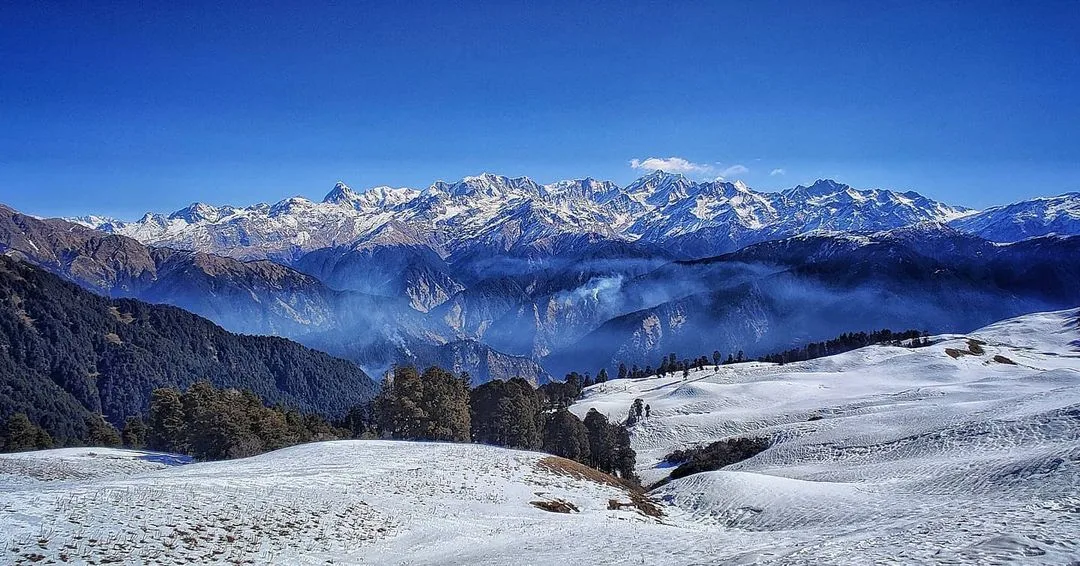
  2. 2Dayara Bugyal
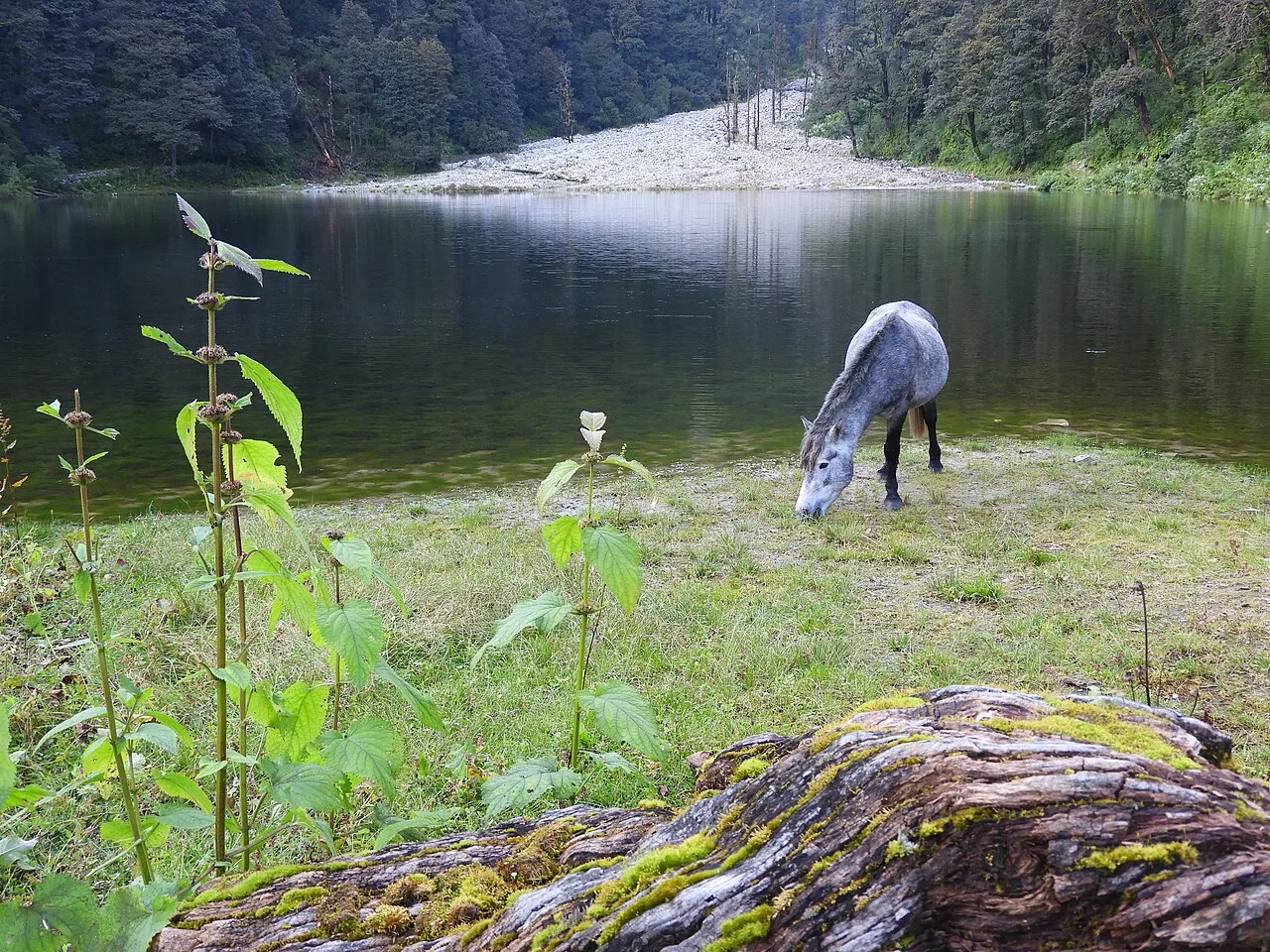
  3. 3Dodital
  4. 4Yamunotri Temple

Uttarakhand

Other cities to explore