
Ghumoopedia — Explore, Discover, Experience
Sign in
Lansdowne, near Lansdowne

City guide · Uttarakhand

Lansdowne

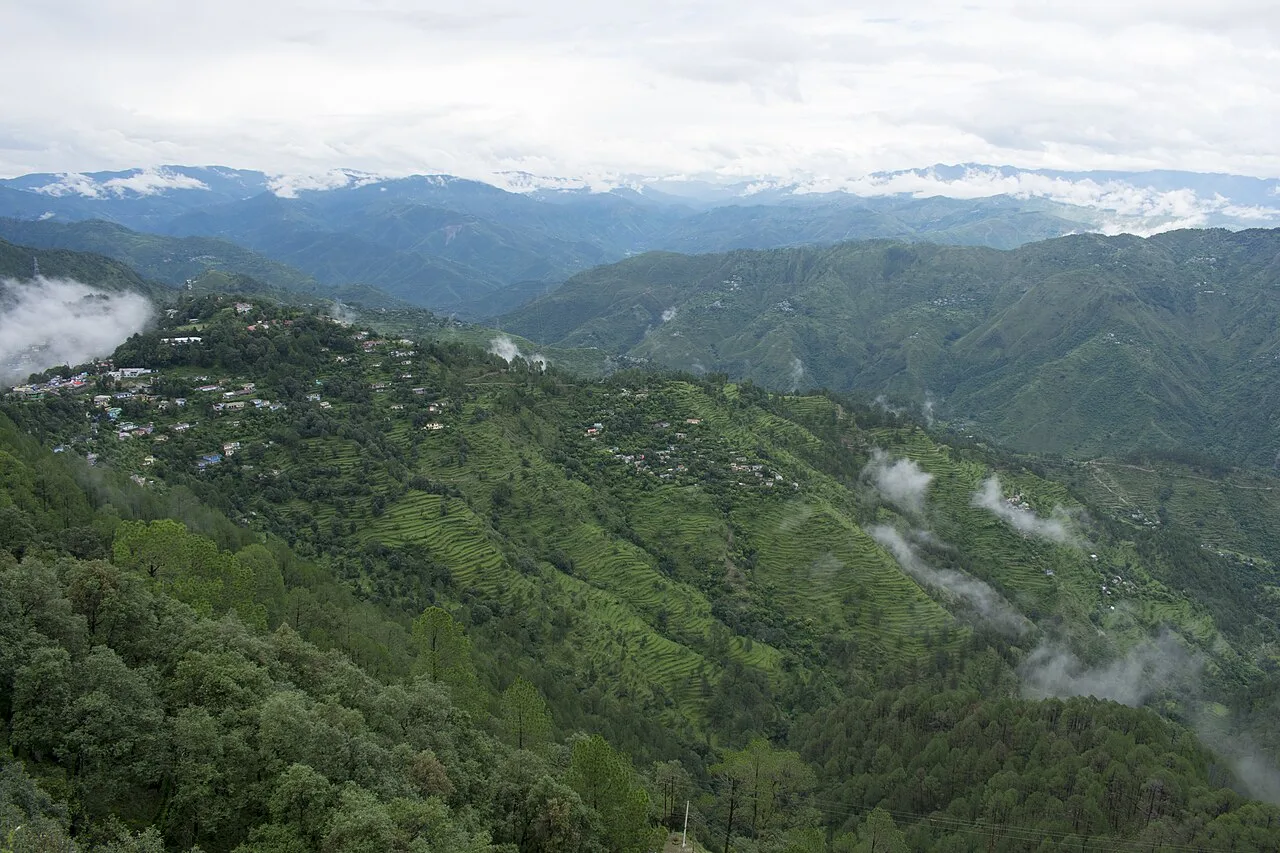
Set in Uttarakhand’s Garhwal Himalayas, Lansdowne is a hill cantonment with British-era military origins. Visitors come to its mountain setting and to learn of its role as the Garhwal Rifles’ headquarters.

Famous for

  • Garhwal Rifles headquarters
  • Colonial-era cantonment
  • Himalayan viewpoints
  • Darwan Singh Museum
  • Quiet hill-station setting
In the city
1
District
Pauri Garhwal

Why Lansdowne matters

Lansdowne is a small cantonment town in Pauri Garhwal district, set among the pine-covered hills of the Garhwal Himalaya at about 1,700 metres. Its military identity is central to its character: the town is the headquarters of the Garhwal Rifles, a regiment of the Indian Army, and retains a measured, orderly feel unlike busier hill resorts. The cantonment was established in 1887 and named after Lord Lansdowne, then Viceroy of India.

Visitors come for forested walks, mountain views and a cooler retreat, as well as for the town’s churches and military heritage. The Garhwal Rifles Regimental Museum, also known as Darwan Singh Sanghralaya, presents the regiment’s history and artefacts. Viewpoints such as Tip-in-Top and the small lake at Bhulla Tal are popular stops. Lansdowne is also a useful base for exploring the surrounding hills, though it is best approached as a peaceful, compact destination rather than a centre for extensive shopping or nightlife. Military premises and some memorial areas have restricted access.

Famous for: crafts, trade & products

Lansdowne is known more for its cantonment heritage, forest setting and Garhwal Rifles institutions than for textiles, handicrafts or large-scale trade. The Darwan Singh Sanghralaya displays photographs, weapons, campaign records and medals relating to the regiment. The War Memorial on the regiment’s Parade Ground is another notable landmark, but access is subject to military permission; visitors should follow current entry rules rather than assume it is open to the public.

The town does not have a widely recognised local textile tradition, major craft market or GI-tagged product specifically associated with it. Small shops in the central bazaar area serve everyday needs and visitors can look for packaged snacks and locally sourced foods, but the selection is modest compared with larger Uttarakhand towns. Regional products such as woollens, honey or forest produce may appear in shops seasonally, though availability and provenance vary. Lansdowne’s strongest draw is therefore its historic regimental identity and natural surroundings, not a distinctive shopping district. For a broader choice of Garhwali crafts and regional goods, travellers may find more options in larger towns elsewhere in the region.

History

Before it became a cantonment, the settlement was known as Kaludanda, a Garhwali name commonly explained as referring to dark hills. In 1887, during British rule, the first battalion of the Garhwal Rifles moved here from Almora and the town began to develop as a military training and administrative centre. It was named Lansdowne after the British viceroy of the period. Its hill location and purpose-built cantonment shaped the town’s compact layout and enduring military character.

Lansdowne also became a centre for activity among freedom fighters in British Garhwal. After independence, its role as the home of the Garhwal Rifles continued, with the regiment’s centre remaining an important institution. The military presence still influences access to some sites and the pace of development. In recent decades, Lansdowne has also attracted visitors seeking a quieter hill retreat, while retaining much of its cantonment-era atmosphere and avoiding the scale of development seen in busier Himalayan resorts.

Food, festivals & culture

Lansdowne’s everyday culture reflects the wider Garhwal region and the town’s long military association. Garhwali is spoken locally, alongside Hindi; English is also understood in many visitor-facing settings. Regional meals may include mandua roti, chainsoo, kafuli and jhangora preparations, though menus vary between homes and eateries. Tea, simple snacks and familiar North Indian dishes are easy to find. The town is not especially known as a destination for sweets or a distinctive food market.

Residents observe festivals common across Uttarakhand and north India, including Makar Sankranti in winter, Holi in spring, and Dussehra and Diwali in autumn. Harela, a seasonal festival associated with greenery and agriculture, is also celebrated in the region, though local customs differ. Garhwali folk songs and dances are part of regional celebrations, while regimental traditions contribute another strand to local life. St Mary’s Church and St John’s Church reflect the cantonment’s colonial past; Hindu places of worship in and around town serve local communities. Tarkeshwar Mahadev, outside Lansdowne, is a notable temple destination in the surrounding hills.

Visiting the city

Spring and autumn are generally pleasant for walks and clear views. Summer offers a cooler escape, while the monsoon can bring heavy rain, mist and disrupted road travel; winters are cold. Jolly Grant Airport near Dehradun is the nearest airport, and Kotdwar is the main railway station for Lansdowne. From Kotdwar, continue by road; buses and shared or private vehicles connect the wider area, while local sightseeing is usually done on foot or by road transport.

Explore the compact town centre, its cantonment-era churches, Bhulla Tal and the viewpoints around Tip-in-Top. The Darwan Singh Sanghralaya is a key stop for regimental history. Check access arrangements before visiting military premises or the War Memorial. Roads are winding, so allow time for the hill journey and check local conditions during the rainy season.

Attractions

Places to visit in Lansdowne

Sights within about 12 km of each other, even when they fall in different districts.

Map

Lansdowne on the map

  1. 1Lansdowne

Uttarakhand

Other cities to explore