
Ghumoopedia — Explore, Discover, Experience
Sign in
Roorkee, near Roorkee

City guide · Uttarakhand

Roorkee

Roorkee is a city and municipal corporation in Uttarakhand’s Haridwar district, known for the Ganges Canal, the Indian Institute of Technology Roorkee and its historic military cantonment.

Famous for

  • Upper Ganges Canal
  • IIT Roorkee
  • Solani Aqueduct
  • Roorkee Cantonment
  • Bengal Engineer Group
In the city
1
District
Haridwar

Why Roorkee matters

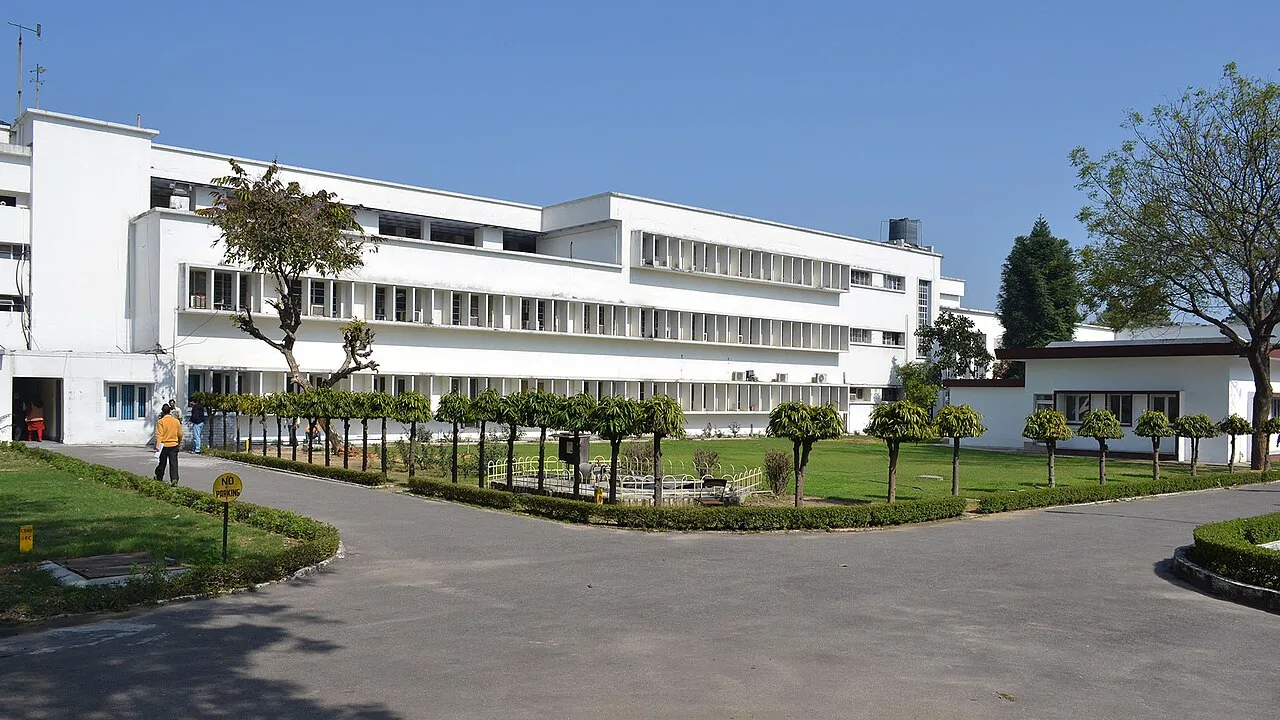
Roorkee is a regional centre in Haridwar district, set on the plains below the Siwalik foothills and shaped by the Upper Ganges Canal, which runs through the city. Its engineering heritage remains visible in the canal and the Solani Aqueduct, while IIT Roorkee—one of India’s oldest engineering institutions—gives the city a prominent academic and research role. The Roorkee Cantonment and the Bengal Engineer Group and Centre are another enduring part of its identity.

Visitors come for the city’s engineering landmarks, its institutional history and its position between Haridwar, Dehradun and the Himalayan foothills. Nearby Piran Kaliyar is an important pilgrimage destination, and Haridwar is an easy regional excursion. Roorkee is also a practical base for travel across western Uttarakhand. Its character blends a busy university town with a military centre and a market city, rather than a conventional hill-station atmosphere.

Famous for: crafts, trade & products

Roorkee is best known for engineering, education and water-management history, not for a signature textile, handicraft or GI-tagged product. The Upper Ganges Canal project helped transform the town, and IIT Roorkee continues its association with engineering and research. The Bengal Engineer Group and Centre and the cantonment add a military-engineering dimension. These institutions are central to the city’s identity, though access to campus or defence facilities may be limited.

For everyday shopping, the central market and bazaars offer clothing, household goods, groceries and ready-to-eat snacks for local residents and students. Visitors can look around the main bazaar and commercial streets near the railway station for practical purchases and regional food, rather than expecting specialist craft emporiums. Roorkee’s food shops and sweet sellers reflect broader North Indian tastes. For locally made souvenirs or particular regional products, ask in shops whether an item is genuinely produced nearby; the city is not especially associated with a named craft tradition or a single celebrated local product.

History

Roorkee appears in the Ain-i-Akbari as a pargana, but for centuries it remained a small settlement within the Landhaura estate. British control began in 1824. The town’s major transformation followed the start of work on the Upper Ganges Canal in 1842. The canal opened in 1854, and its construction brought engineering works, workshops and a growing settlement to the area. The Solani Aqueduct became a notable part of the project.

An engineering school began teaching in 1845 and was formally constituted in 1847. It later became Thomason College of Civil Engineering, then the University of Roorkee in 1949, and IIT Roorkee in 2001. The Bengal Sappers and Miners arrived in 1853, establishing the military presence that continues through the Roorkee Cantonment and Bengal Engineer Group. The municipality was created in 1868, and the railway reached the town in 1886. Roorkee became part of Uttarakhand when the state was formed in 2000.

Food, festivals & culture

Roorkee’s everyday food reflects the wider cuisine of western Uttar Pradesh and Uttarakhand: wheat breads, lentils, seasonal vegetables and North Indian snacks are common. In the bazaars, visitors can look for chaat, kachori, samosas, jalebi and familiar milk-based sweets. These are everyday regional favourites rather than dishes unique to Roorkee. The town’s student population also supports a varied mix of casual eateries and tea stalls.

Hindi is widely used, with Urdu, Punjabi and other regional languages also heard. Hindu festivals such as Holi, Diwali and Navratri are observed, alongside Eid and other Muslim festivals; dates follow the relevant calendars. The nearby shrine at Piran Kaliyar draws pilgrims, particularly during its annual Urs, whose timing varies. Roorkee’s places of worship include temples, mosques, gurdwaras and churches, reflecting a diverse local community. Music and dance are often connected to family celebrations and seasonal festivals, with regional North Indian traditions prominent.

Visiting the city

October to March is generally the most comfortable period to visit, with cooler days than the hot pre-monsoon months. The monsoon, usually from mid-June into September, brings heavy rain and humidity. The nearest airport is Jolly Grant Airport in Dehradun; Roorkee Railway Station is the city’s main rail station. Haridwar is a nearby transport hub and a convenient excursion.

Auto-rickshaws, cycle-rickshaws and taxis are useful for getting around; confirm access rules before visiting institutional or cantonment sites. Explore the canal-side parts of town, the central bazaar and the area around the station for everyday city life. IIT Roorkee’s historic setting is a major point of interest, though visitor access can be restricted. Piran Kaliyar, outside the city, makes a popular pilgrimage outing.

Attractions

Places to visit in Roorkee

Sights within about 12 km of each other, even when they fall in different districts.

Map

Roorkee on the map

  1. 1Roorkee

Uttarakhand

Other cities to explore