Ghumoopedia — Explore, Discover, Experience
Sign in
Almora, near Almora

City guide · Uttarakhand

Almora

Almora is a municipal corporation and cantonment in Uttarakhand, and the administrative centre of its district. Visitors are drawn by its Kumaoni cultural heritage, historic associations and views of Himalayan peaks.

Famous for

  • Bal mithai
  • Singori sweets
  • Nanda Devi temple
  • Chand-era heritage
  • Kumaoni culture
  • Himalayan ridge views
In the city
4
Nearby
1
District
Almora

Why Almora matters

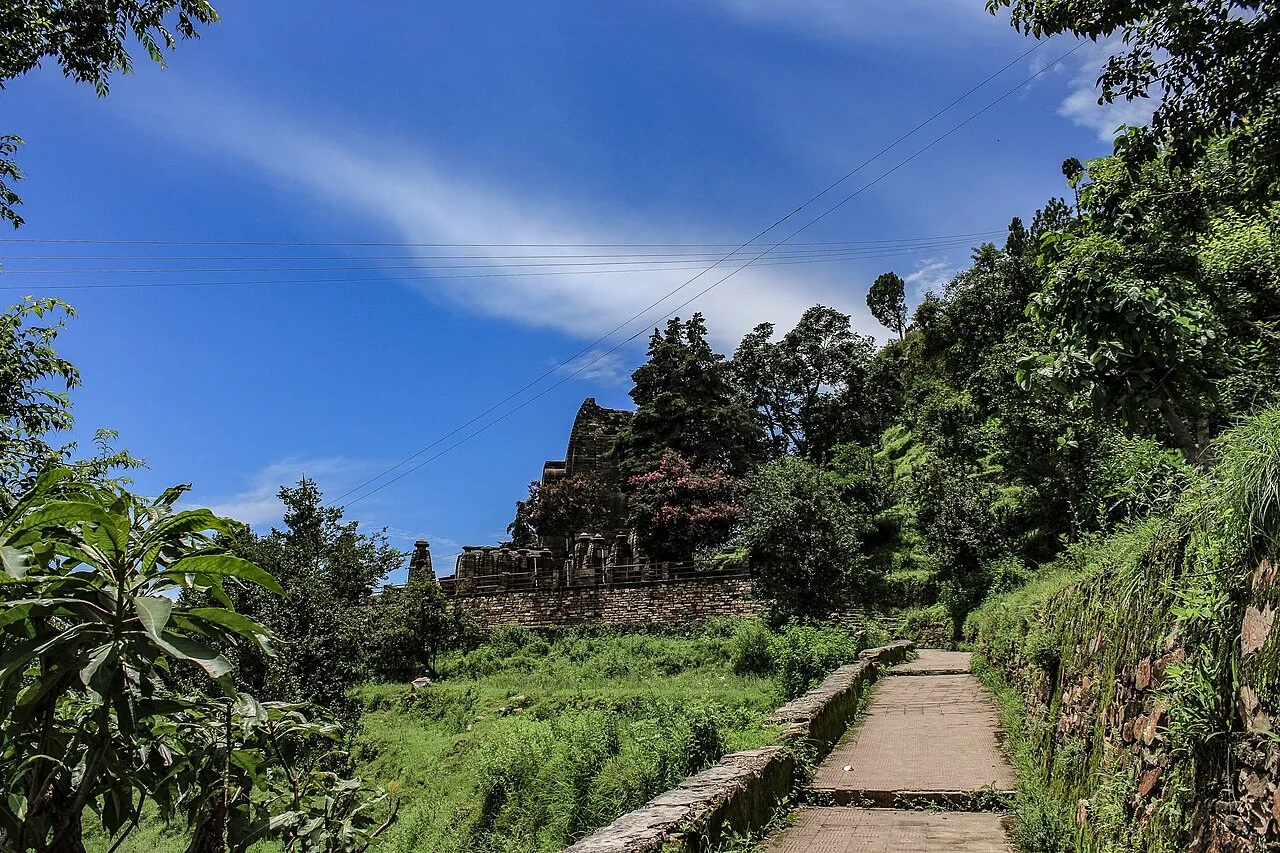
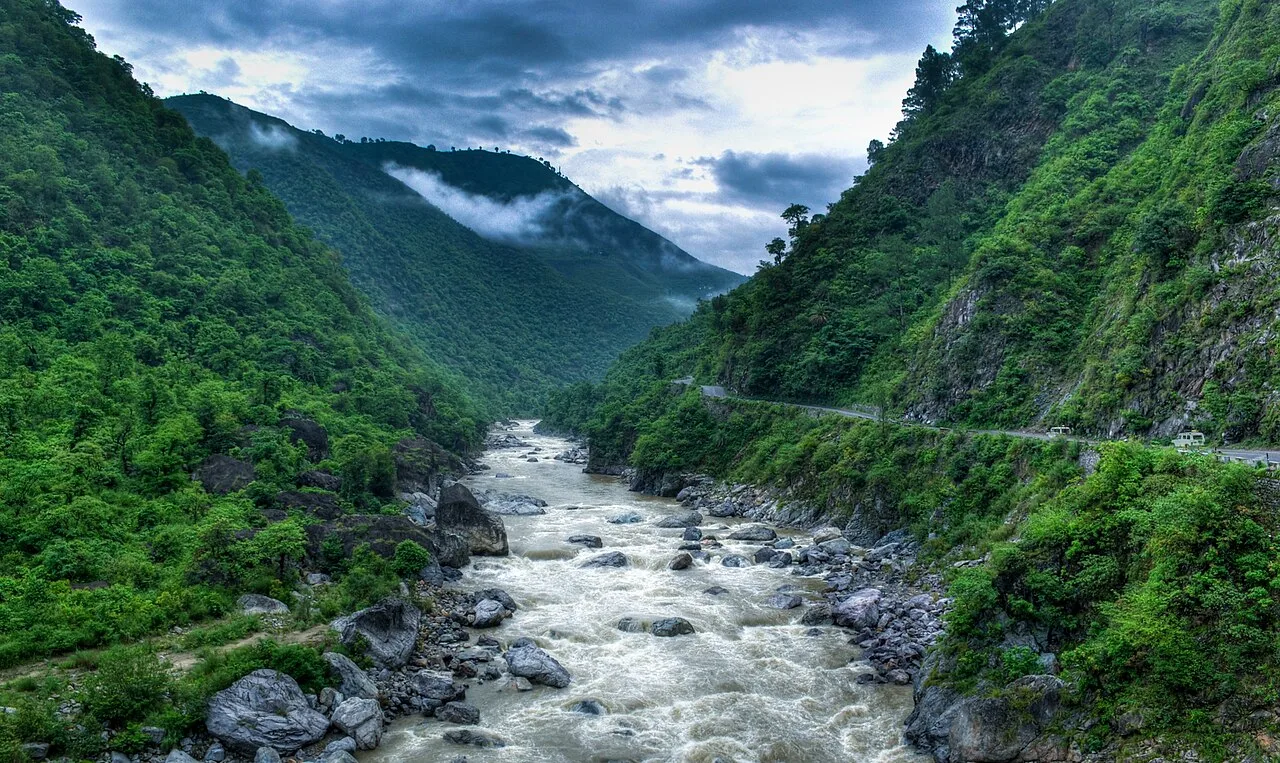
Almora is a historic hill town and the administrative centre of Almora district, set along a ridge in the Kumaon Himalaya. Its position above the Koshi and Suyal river valleys gives it broad mountain views on clear days, while its old streets and temples reflect its long role as a centre of Kumaoni life. The town is often used as a base for exploring nearby temples, forested hills and villages, as well as the wider Kumaon region.

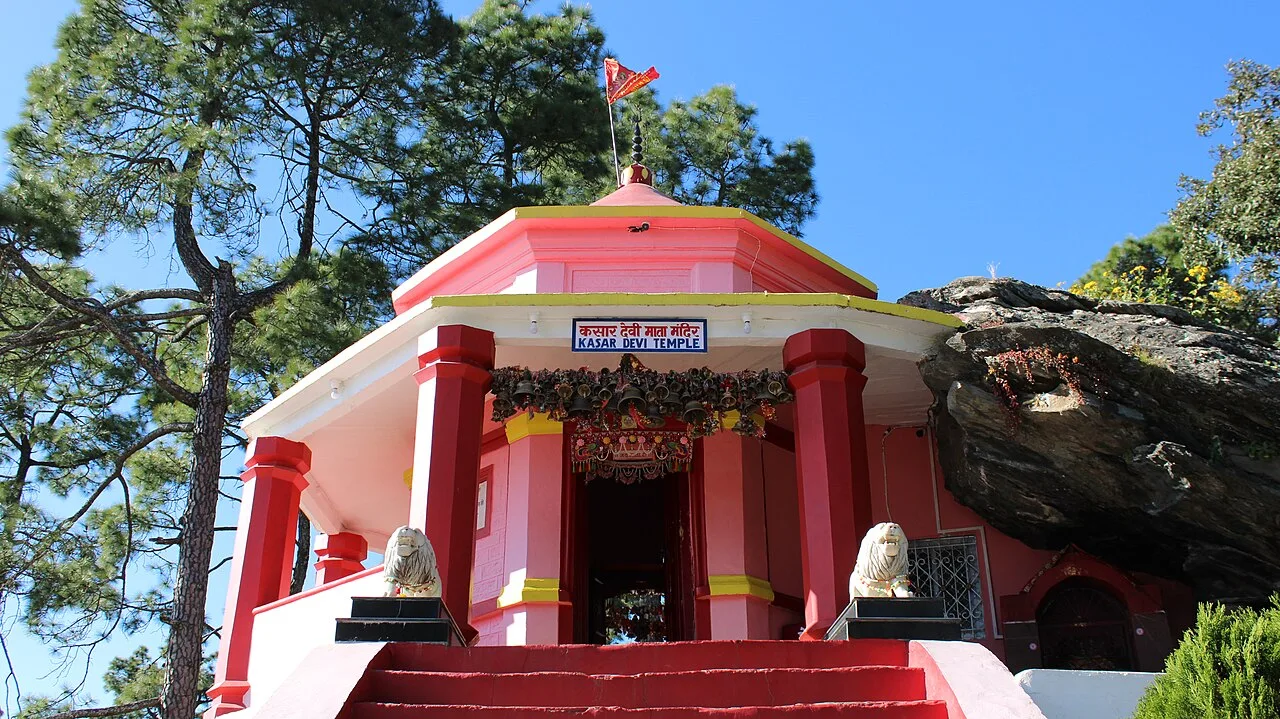
Visitors come for the historic bazaar, the Nanda Devi temple and the town’s distinctive ridge-top setting. Kasar Devi, known for its hillside temple and views, lies nearby. Almora is also closely associated with Kumaoni food and traditions, especially bal mithai and singori sweets. Today it serves district administration, education and local commerce, with Soban Singh Jeena University among its institutions. Its appeal is less about resort-style attractions than the combination of regional culture, everyday hill-town life and access to the surrounding landscape.
Famous for: crafts, trade & products

Almora is best known for bal mithai, a dark, khoya-based sweet coated with small white sugar balls, and singori, a milk sweet traditionally wrapped in a leaf. Both are popular edible gifts and are sold by sweet shops in the town’s central bazaar. Local shops also offer Kumaoni woollens, including shawls and other warm garments, along with household goods and regional souvenirs. Aipan, the red-and-white ritual art of Kumaon, appears on पूजा-room decorations, textiles and craft items; availability varies between shops and seasonal craft displays.

The old market is spread along the ridge, with Lala Bazaar and neighbouring lanes providing a good place to browse for sweets, clothing and everyday local products. Almora is a regional trading and service centre rather than a major textile or large-scale manufacturing hub, so specialist craft choices may be limited. Visitors interested in Kumaoni traditions can ask locally about craft exhibitions and cultural outlets. The town is also an educational centre, with Soban Singh Jeena University based here.

History

The Almora region has a much older settlement history, but the town took shape under the Chand rulers of Kumaon. Kalyan Chand is credited with founding Almora in 1568, and the town became an important seat of Chand power. Earlier rule in the area included the Katyuri dynasty. The Chand court occupied sites in what are now parts of the town, and temples built during this period remain significant landmarks.

In 1791, Gorkha forces took Almora as they expanded west from Nepal. Their rule ended during the Anglo-Gorkha War: British forces captured the town in 1815, and the 1816 Treaty of Sugauli formalised the transfer of territory to the East India Company. The British used Almora as an administrative and military centre, including establishing a cantonment, but unlike some Himalayan hill stations, it had already developed as a town before colonial rule. In modern Uttarakhand, Almora remains the district headquarters and an important centre for regional administration, education and trade.

Food, festivals & culture

Kumaoni food is central to Almora’s identity. Local meals may include bhatt ki churkani, a black-soybean curry, aloo ke gutke, spiced potatoes, and hearty lentil preparations known as dals or ras. Bal mithai and leaf-wrapped singori are the town’s best-known sweets. Kumaoni is widely spoken alongside Hindi, and local song traditions include seasonal and community music, as well as forms such as jhora and chanchari. Chholiya, a sword dance performed at weddings and other celebrations, is associated with the wider Kumaon region.

The Nanda Devi temple is an important place of worship and the focus of Almora’s Nanda Devi fair, usually held in September. Harela, a festival welcoming the monsoon and associated with planting, is observed in summer, while Phool Dei marks the arrival of spring. Temples and shrines are woven into daily life across the town; the Chitai Golu Devta temple and Kasar Devi temple are also popular visits in the surrounding area. Festival dates can vary with the traditional calendar.

Visiting the city

For comfortable weather and clearer mountain views, consider visiting from March to June or September to November. The monsoon, generally from July into September, can bring heavy rain, low visibility and road disruption. Pantnagar Airport is the nearest airport commonly used for Almora, while Kathgodam railway station is the main railhead for onward road travel. From either, continue by road; taxis and buses connect Almora with Kumaon’s larger towns.

Within Almora, taxis and shared vehicles are useful for longer trips, while the ridge-top bazaar is best explored on foot. Allow time for Lala Bazaar, the Nanda Devi temple and the old town lanes. Kasar Devi and Chitai are convenient nearby excursions. Roads are winding, and travel times can vary with weather and traffic, so keep plans flexible.

Attractions

Places to visit in Almora

Sights within about 12 km of each other, even when they fall in different districts.

Short trips

Around Almora

Within about 40 km — easy half-day or day trips from the city.

Map

Almora on the map

  1. 1Almora
  2. 2Binsar Wildlife Sanctuary
  3. 3Kasar Devi Temple
  4. 4Katarmal Sun Temple
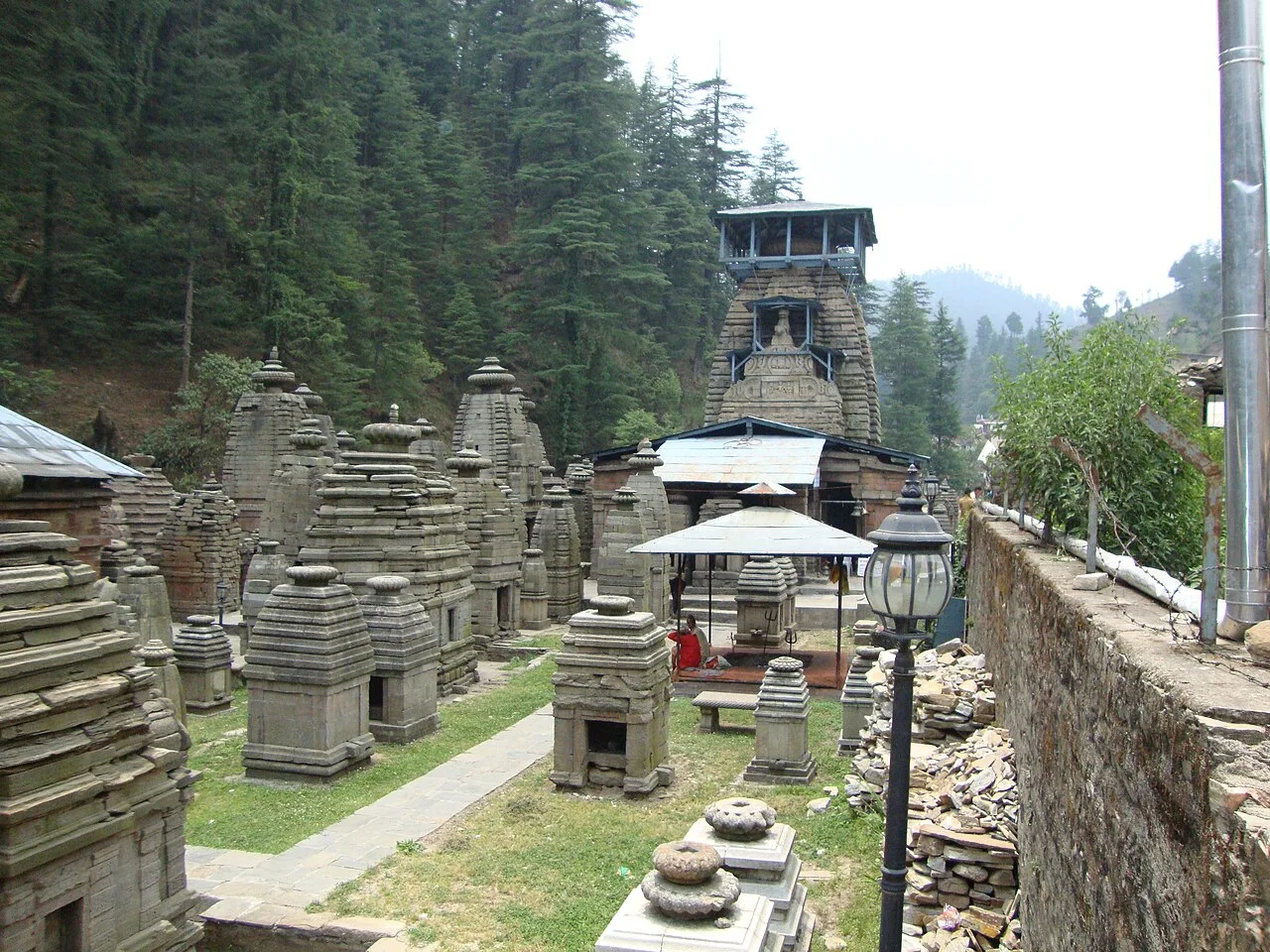
  5. 5Jageshwar Temples

Uttarakhand

Other cities to explore