
Jageshwar Temples
Jageshwar Temples is an ancient Hindu temple complex in Uttarakhand’s Almora district. People visit for Shaivite worship, its varied shrine architecture and annual religious festivals.
Key facts · verified by Ghumoopedia editors
- Type of place
- Temple / pilgrimage site
- Best time to visit
- March to June and September to November; December to February for snow in the hills; July to September only for the Valley of Flowers
- Nearest railway station
- Kathgodam · about 51 km (straight line)
- Nearest airport
- Pithoragarh (Naini Saini) Airport (limited flights) · about 37 km (straight line)
- Verified
- 21 Nov 2026
Plan a trip from Jageshwar Temples — a day-by-day route through places nearby.
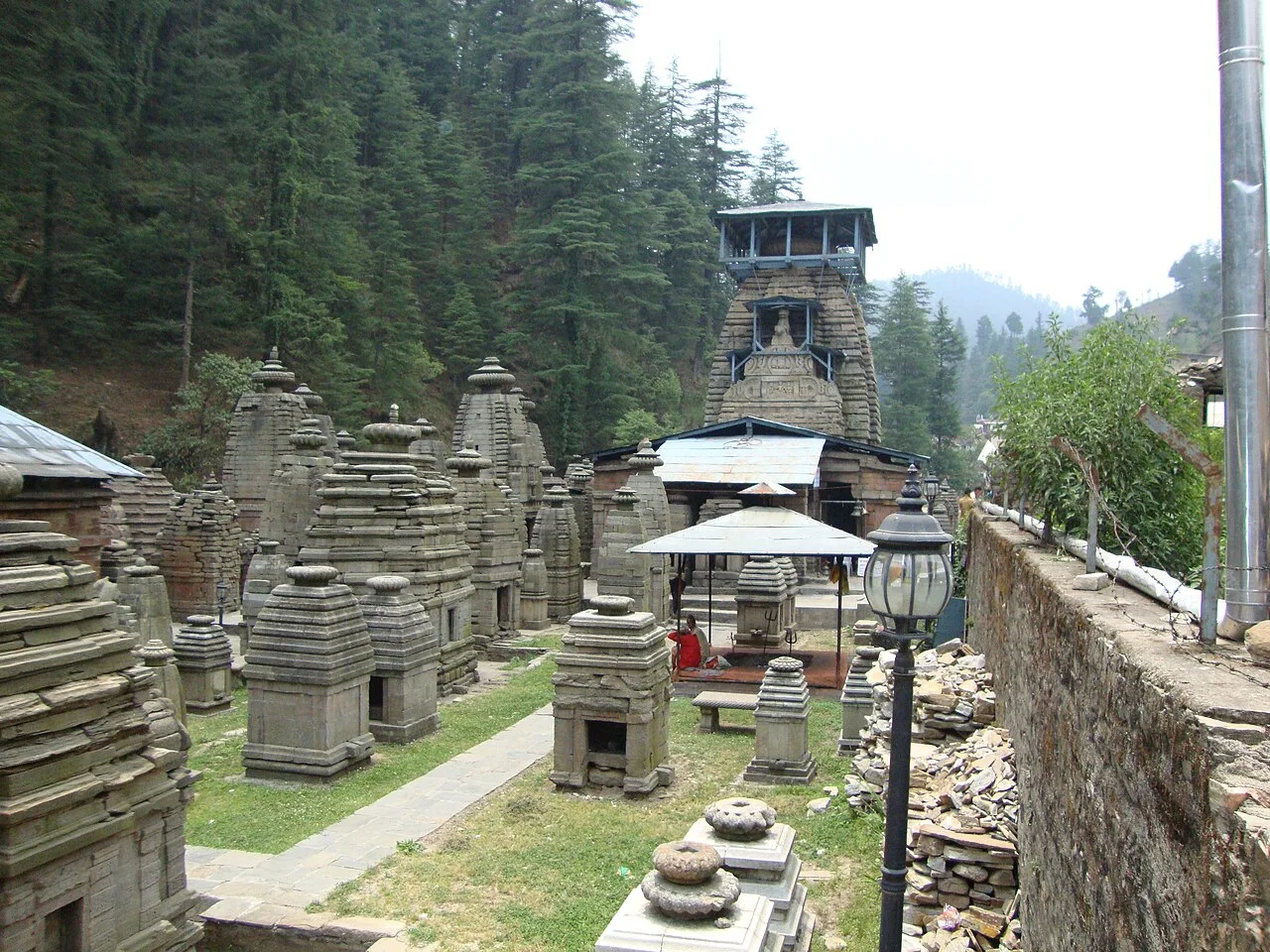
Jageshwar is a pilgrimage settlement in Almora district, in the Himalayan state of Uttarakhand. Its temples are linked with Shaivism and form one of that tradition’s dhams. Indian law protects the site, which is administered by the Archaeological Survey of India (ASI). The valley contains several temple groups, notably the Dandeshwar and Jageshwar clusters. The group of 125 ancient temples dates from the seventh to the fourteenth century. Across the valley, the clusters comprise more than 200 stone structures made from cut stone. Many are small, while some are larger. New shrines were also built at certain locations during the twentieth century. Most buildings follow the North Indian Nagara style, though a few display South or Central Indian designs. Many are dedicated to Shiva; nearby shrines also represent Vishnu, Shakti goddesses and Surya. The monuments include Dandeshwar Temple, Chandi-ka-Temple, Jageshwar Temple, Kuber Temple and Mritunjaya Temple, along with Nanda Devi or Nau Durga, the Nava-grah temple, a pyramidal shrine and Surya Temple. The Jageshwar Monsoon Festival takes place in Shravan, which falls across July and August. The annual Maha Shivratri Mela is held in early spring. Another Himalayan shrine called Jageshwar Temple stands at Dalash in Himachal Pradesh. Uttarakhand, the Devbhumi or land of the gods, spans the Garhwal and Kumaon Himalaya: the Char Dham shrines and Panch Prayag confluences, Haridwar and Rishikesh on the Ganga, colonial hill stations such as Mussoorie, Nainital and Ranikhet, Corbett and Rajaji tiger reserves, the alpine Valley of Flowers, and Garhwali, Kumaoni, Jaunsari and Bhotiya communities with their folk songs, temple fairs and Aipan art. The plains around Haridwar and Udham Singh Nagar are hot from April to June; hill towns stay mild in summer and cold in winter, with snow above about 2,000 m from December to February. The monsoon (July to September) brings heavy rain, landslides and frequent road closures. High shrines such as Kedarnath and Badrinath open only from about late April or May until around Diwali. The usual best time to visit is March to June and September to November; December to February for snow in the hills; July to September only for the Valley of Flowers. Timings, fees and access arrangements must be confirmed locally. For official information, see Uttarakhand Tourism at https://uttarakhandtourism.gov.in.
Why it matters
Jageshwar is a pilgrimage town in Almora district, in Uttarakhand’s Kumaon region. Its stone temples are important to Shaiva worship and form one of the region’s recognised pilgrimage centres. The Archaeological Survey of India (ASI) protects and manages the principal temple site. The valley contains clusters including Jageshwar and Dandeshwar, with temples associated mainly with Shiva and others with Vishnu, Shakti and Surya. The group is widely described as comprising about 125 ancient temples, while the wider valley includes more than 200 stone temple structures, including later additions. For visitors, the setting among deodar trees and the concentration of historic shrines make Jageshwar both a place of worship and a significant heritage landscape.
Jageshwar’s temples are generally dated from the early medieval period through the later medieval centuries, with many commonly placed between the seventh and fourteenth centuries. Their development took place over time rather than as a single building project. The temples reflect the religious importance of Shaivism in Kumaon and the patronage of rulers, local elites and communities in the region. The Katyuri rulers are often associated with early temple-building in Kumaon, but individual builders and dates are not firmly established for every shrine. Later Chand-period influence and continued local worship contributed to the area’s changing religious landscape. The valley includes distinct temple clusters, especially at Jageshwar and Dandeshwar, as well as structures built or rebuilt in more recent times. Stone temples were constructed and maintained across the centuries, and some have undergone repairs and conservation. The principal group is protected and managed by the Archaeological Survey of India. Its temples provide evidence of changing architectural forms and devotional practices in the central Himalaya; visitors should treat traditional dates and attributions as approximate unless a specific monument has reliable documentation.
Origin stories & folklore
According to local belief, the forested valley is a place where Shiva manifested or meditated, giving the area its enduring association with the deity. Stories connect Jageshwar with the presence of Shiva among the deodar trees and with the spiritual power of the surrounding landscape. Some devotees understand the temples as a sacred gathering of Shiva shrines rather than as monuments from one historical period. Accounts and explanations can vary between local guides, worshippers and written sources, so these stories are best received as living traditions rather than verified historical events. The nearby forests and mountain setting remain part of how many visitors experience the sacred character of Jageshwar.
Architecture & design
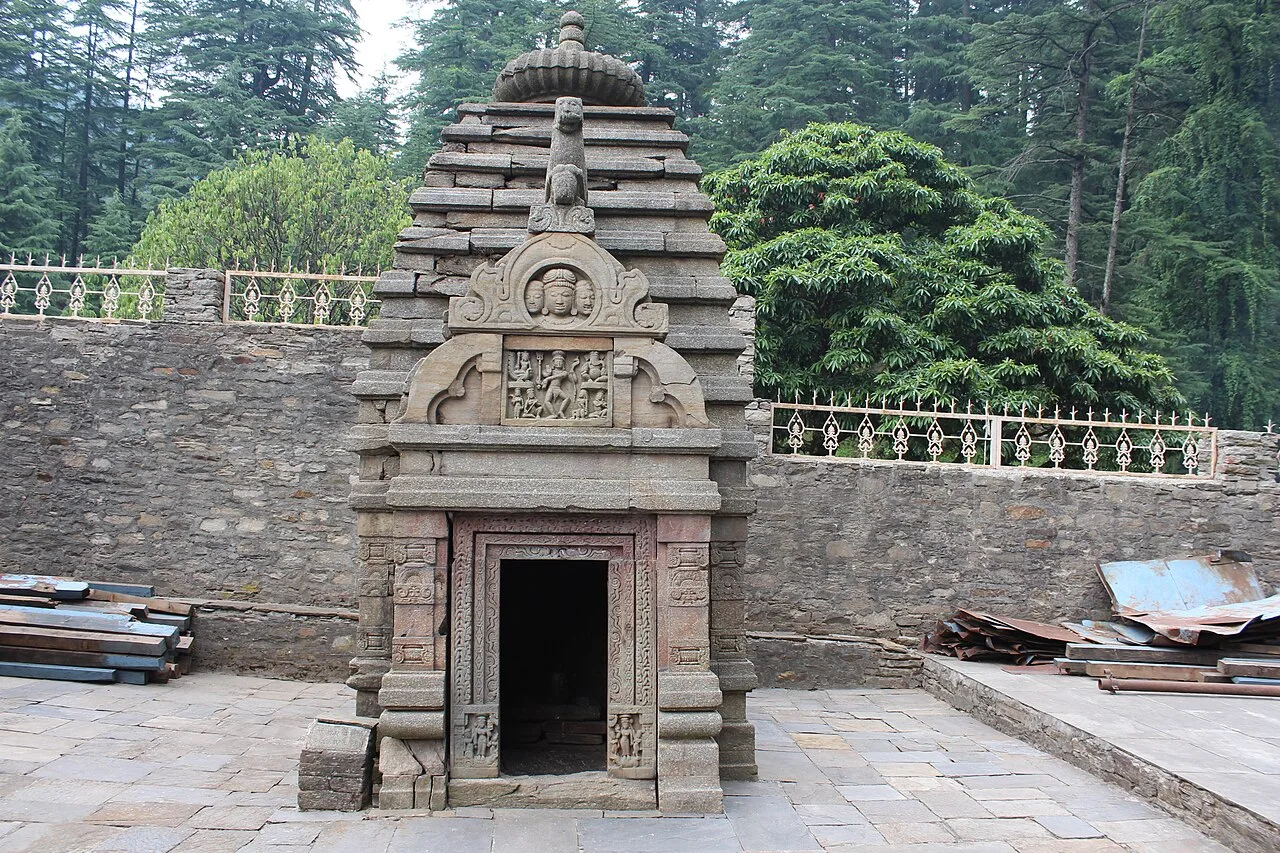
Jageshwar’s temples are chiefly built of cut stone and arranged in compact clusters across the valley. Most follow forms of the North Indian Nagara tradition, although the wider group includes variations that scholars associate with other regional architectural influences. Many shrines are small, while a few are more substantial. Their characteristic features include compact sanctums, rising tower-like roofs and carved stone details; individual buildings differ in plan and ornament. Shiva lingas are central to many shrines, while other temples serve different Hindu deities. The grouped layout creates a sequence of courtyards and enclosed sacred spaces rather than one single monumental complex. Deodar woodland and the valley’s terrain shape the setting and approach. The surviving structures show how temple forms were adapted to local materials and building practices over several centuries. Some newer structures also stand in the valley, so not every temple visitors encounter belongs to the same historical period.
Important objects & sculptures
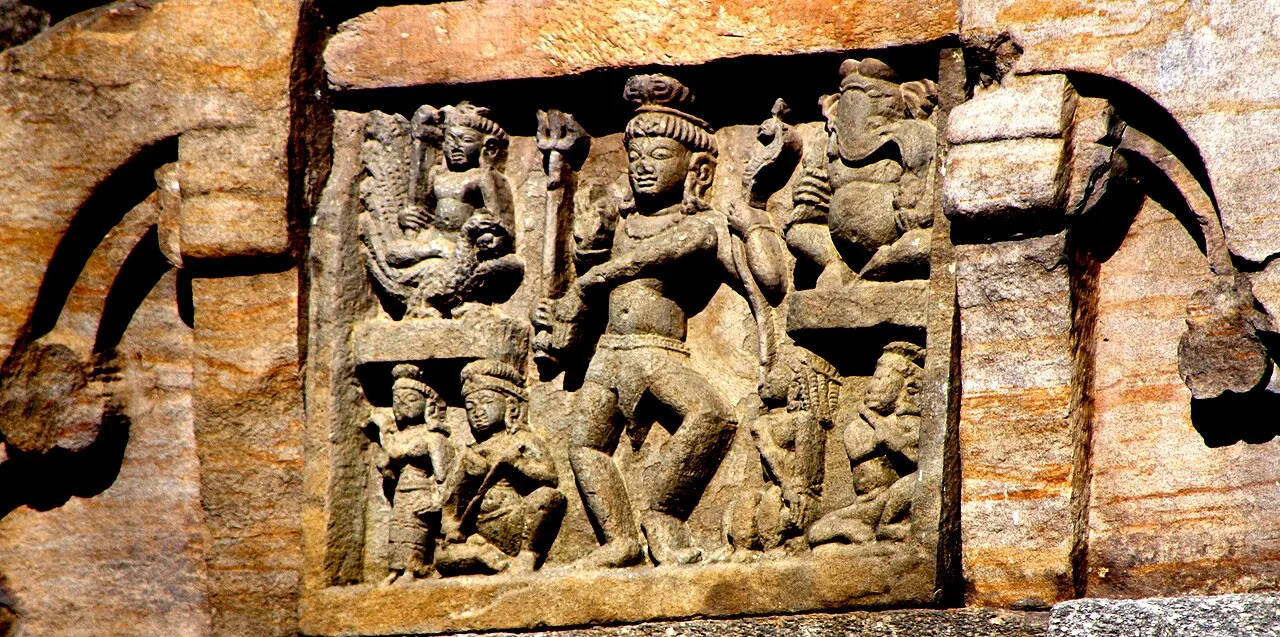
Look for the stone lingas in Shiva shrines and the carved architectural details around temple doorways, pillars and exterior walls. Sculptural images associated with Hindu deities appear across the complex, though their subjects and condition vary from one shrine to another. Carvings and architectural fragments can help visitors notice differences between temples rather than treating the group as a uniform set. The site also has inscriptions and sculptural material associated with its long history, but interpretation and dating should be left to reliable signage or specialist sources. Do not touch, climb on or apply substances to sculptures unless a worshipper’s practice is explicitly permitted by the temple authorities. Some objects may be within active sanctums or otherwise restricted, so view them from the areas open to visitors.
Religious significance
Jageshwar is chiefly a Shaiva pilgrimage centre, and many of its temples are dedicated to Shiva. Worshippers visit the shrines for darshan, prayer and offerings, and the site remains an active place of devotion as well as a protected heritage complex. Ritual practice may vary by shrine and season; daily worship is conducted by temple priests, while pilgrims may offer flowers, water or other customary items where permitted. The presence of temples associated with Vishnu, Shakti and Surya also reflects the broader range of Hindu traditions represented in the valley. Visitors who do not come to worship can still observe respectfully from public areas. Follow the instructions of priests and staff, and do not assume that every sanctum or ritual space is open to general entry.
Visit Jageshwar Temples with time to observe daily prayers and rituals respectfully. Follow the posted rules on footwear, photography, phones and dress — large temples have separate darshan queues and paid special-entry tickets, and some prohibit phones and leather items inside. Beware of unofficial 'guides' or agents offering quick darshan for a fee. A comfortable itinerary is one main visit in the morning, a local meal at midday and a short nearby stop before an afternoon return. In the mountains, mornings are clearest; clouds often roll in by noon, so start early for Himalayan views. Use the district list on this site to find other places in Almora, but check the route and its condition before combining stops. If a festival is on — such as the Kumbh and Ardh Kumbh at Haridwar, the Kanwar Yatra in July, Ganga Dussehra, the Nanda Devi Raj Jat, Phool Dei and Harela, or the Uttarayani fair at Bageshwar — roads and stays can be busy, and the experience can be unforgettable. Leave no litter: the Himalayan valleys have little waste collection, so carry a refillable bottle and bring your rubbish back down.
Suggested itineraries
Half day: Spend about two to three hours visiting the main Jageshwar temple cluster, observing the shrines and allowing time for prayer or quiet reflection; add a short stop at Dandeshwar if conditions and transport allow. Full day: Set aside a relaxed morning for the Jageshwar cluster, take a local midday meal, then visit Dandeshwar and another nearby stop such as Vriddha Jageshwar, subject to road conditions and local advice. Gentler option: Choose the main cluster only, move at an unhurried pace, rest between shrines and skip uneven or steep paths.
Jageshwar lies in Kumaon, where Kumaoni language and customs are part of everyday regional life; Hindi is also widely used with visitors. Pilgrimage, temple fairs and seasonal gatherings connect the site to local religious life. Around the valley, visitors may encounter regional food, traditional hospitality and practices shaped by mountain communities. Aipan, the decorative folk art made in parts of Kumaon, is a wider regional tradition rather than something guaranteed to be displayed at the temples. Music and dress vary with occasion and community, so avoid treating festival clothing or ritual activity as a performance for tourists. Ask before photographing people, and give worshippers space during prayers and offerings.
Festivals & events
The Jageshwar Monsoon Festival is held during Shravan, which usually falls in July and August, drawing pilgrims during an important month for Shiva worship. Maha Shivratri is also marked by an annual mela in early spring, with devotional activity and increased visitor numbers. Festival dates follow the Hindu calendar and vary from year to year. The monsoon season can bring rain and difficult road conditions, while major observances may make the temple area busier than usual. Check locally for current arrangements and allow extra time for travel and respectful movement around worshippers.
Local food in Uttarakhand includes kafuli (spinach curry), phaanu and chainsoo (lentil dishes), aloo ke gutke, bhatt ki churkani, mandua (finger-millet) rotis, jhangora kheer, singori and bal mithai from Almora, with rhododendron (buransh) squash in spring. Ask what is fresh that day; many small eateries cook a limited daily menu. Hill food is simple and warming, with plenty of vegetarian options; in pilgrim towns many eateries serve only vegetarian food without onion or garlic, and alcohol and meat are banned in places such as Haridwar, Rishikesh and the Char Dham towns. Remote sites may have no restaurant at all. Carry water and snacks, eat a proper breakfast before long drives, and ask your accommodation for a packed lunch if you are heading out early. If prasad is offered, accept it according to local custom. Choose busy, clean places, drink sealed or filtered water, and carry your packaging back with you.
Shopping & local experiences
Small local shops may sell worship offerings, refreshments and simple souvenirs, though the selection is limited compared with Almora. Look for locally made Kumaoni products or regional foods in Almora rather than assuming that every item sold at the temple is locally produced. Aipan-inspired crafts and other Kumaoni handicrafts make thoughtful souvenirs when their origin is clear. Try regional food at local eateries, subject to availability and dietary needs. Buy respectfully, avoid products made from protected wildlife or archaeological material, and carry purchases and packaging out of the valley responsibly.
March to June and September to November; December to February for snow in the hills; July to September only for the Valley of Flowers
The nearest principal railway station by straight-line distance is Kathgodam, roughly 51 km away. The nearest operating airport by straight-line distance is Pithoragarh (Naini Saini) Airport (limited flights), roughly 37 km away. These figures are calculated from map coordinates — actual road distance is longer, and mountain roads mean even short distances can take hours. Haridwar, Rishikesh (Yog Nagari Rishikesh) and Dehradun stations and Dehradun's Jolly Grant Airport are the gateways to Garhwal; Kathgodam station and Pantnagar Airport serve Kumaon; Ramnagar station serves Corbett. Beyond these, travel is by road. From Haridwar, Rishikesh, Dehradun or Kathgodam, take a Uttarakhand Roadways (UTC) or GMOU bus, a shared jeep or a reserved taxi; in the hills, shared jeeps leave early from town taxi stands and fill up fast, while a reserved taxi gives flexibility for temples and viewpoints. Mountain roads close at night in many areas, so plan to arrive before dark. When comparing train, bus and flight, count the complete door-to-door time: a flight saves the most time only if the onward road transfer is short, while an overnight train can save a hotel night. For the Garhwal hills, an overnight train to Haridwar, Rishikesh or Dehradun (or a flight to Jolly Grant Airport, Dehradun) is the usual start; for Kumaon, trains run to Kathgodam and flights to Pantnagar. The road journey into the mountains takes most of a day, so do not plan sightseeing on arrival. Book your return before you leave, because seats fill quickly on weekends, festivals and holidays. Current train numbers, timings, return services and fares are not listed here; check IRCTC and NTES for trains and the airline's own schedule for flights. No permit is needed for most of Uttarakhand, but Char Dham pilgrims (Yamunotri, Gangotri, Kedarnath and Badrinath) and Hemkund Sahib pilgrims must register online with Uttarakhand Tourism before travelling, and areas near the Tibet border such as Adi Kailash, Om Parvat, Niti and Nelong valleys need an Inner Line Permit.
Confirm onward and return timings on IRCTC / NTES, the state bus operator or your airline before travel. A dash means current timings or fares have not been verified.
Getting around
The temple clusters are spread through a small valley, so visitors generally move between them on foot. Roads reach the Jageshwar area, but local public transport may be limited and services can vary by season. A reserved taxi or local vehicle can help with arrival, onward travel and stops in the surrounding area; confirm where vehicles may park and whether the final approach requires walking. Shared vehicles may be available on regional routes, but do not assume frequent service. The paths between shrines can be uneven, so allow time and avoid rushing. Ask locally about road conditions before combining Jageshwar with other hill stops.
Hours, tickets & permissions
Entry arrangements can differ between the protected temple complex and individual active shrines. Some areas may have specific darshan procedures, restrictions on footwear or belongings, and limits on photography or access to sanctums. Rules can change during festivals, conservation work or religious observances. There may be a formal entry or ticket process for parts of the site; do not rely on old online information about fees or inclusions. Confirm current opening arrangements, access rules and any applicable fees with the Archaeological Survey of India or local temple authorities before visiting.
Facilities
Facilities in the temple area are modest and can vary. Toilets, drinking water, small food options and vehicle parking may be available nearby, but visitors should check locally and carry water and any personal essentials. Shops and places to eat are more limited than in a larger town, particularly outside busy periods. Do not assume that ATMs, medical services or an official guide are available at the site; Almora offers a wider range of services. Ask staff or local authorities about authorised interpretation and current visitor arrangements rather than accepting unsolicited offers.
Accessibility
The temples occupy a mountain valley, and visiting involves walking between buildings on paths that may be uneven, sloping or affected by rain. Steps and raised thresholds occur at some shrines, and access to inner sanctums may be restricted. Shade is available in parts of the deodar setting, but it is not continuous across every path. The site may be challenging for wheelchair users and strollers, and visitors with limited mobility should expect barriers rather than assume step-free access. Older visitors may find a slower visit with frequent rests more comfortable. Check current conditions with local authorities, and consider limiting the visit to the most accessible parts of the main cluster.
No permit is needed for most of Uttarakhand, but Char Dham pilgrims (Yamunotri, Gangotri, Kedarnath and Badrinath) and Hemkund Sahib pilgrims must register online with Uttarakhand Tourism before travelling, and areas near the Tibet border such as Adi Kailash, Om Parvat, Niti and Nelong valleys need an Inner Line Permit. Carry a photo ID at all times and save the emergency number 112 and your accommodation's contact offline. Mountain roads are narrow and prone to landslides, especially from July to September; travel in daylight, use experienced local drivers, check the state disaster authority's road updates and keep a spare day in your plan for closures. Char Dham pilgrims must register online with Uttarakhand Tourism before travelling. Watch your belongings in crowds and on public transport, and follow posted instructions.
Visitor rules
Treat Jageshwar as both a place of worship and a protected archaeological site. Wear respectful clothing, remove footwear where instructed, and follow posted rules for phones, photography and entry to individual shrines. Do not touch or climb on sculptures, enter restricted areas, or interrupt prayers and rituals. Ask before photographing worshippers or priests. Carry rubbish out of the valley and avoid single-use plastic where possible. Follow directions from ASI staff and temple authorities, especially during festivals or conservation work. Do not accept unofficial offers that promise special access or a quicker darshan.
Photography
Soft morning light can bring out the stonework and forest setting, while overcast conditions are common in the monsoon. Photograph the temples only where permitted: restrictions may apply inside shrines, during worship or to particular images. Check notices and ask staff rather than assuming that phone photography is allowed. Be discreet around devotees and never interrupt a ritual for a picture. Drone use may be restricted by heritage, safety or aviation rules; obtain the necessary permissions before considering it. Keep tripods and equipment from blocking paths or temple entrances.
Choose a stay by the full journey to Jageshwar Temples, not just the district name. GMVN (Garhwal Mandal Vikas Nigam) and KMVN (Kumaon Mandal Vikas Nigam) run tourist rest houses across the hills, alongside homestays registered under the state's homestay scheme and small hotels; in pilgrim towns, dharamshalas and temple committee guesthouses are common. In summer, check air-conditioning; in the monsoon, check that the property is accessible if roads flood. Book in advance for weekends, festivals and the peak season (March to June and September to November; December to February for snow in the hills; July to September only for the Valley of Flowers). Confirm the exact location, meals included, check-in time and cancellation terms in writing. Avoid sending money to unverified contacts or touts at stations. Carry some cash, as card and digital payments can be unreliable in remote areas.
Within the valley, Dandeshwar is an important temple cluster to combine with the main Jageshwar group. Vriddha Jageshwar is another nearby pilgrimage stop, though the approach involves mountain travel and should be checked locally. Almora offers a larger town setting, regional services and additional cultural stops. Chitai Golu Devta Temple and Katarmal Sun Temple are other established heritage and pilgrimage sites in Almora district, but they require separate road journeys. Binsar is also a recognised nature destination in the district. Check route conditions and travel time before planning multiple stops in one day.
For couples, Jageshwar Temples rewards a slow pace: arrive early for soft light and fewer crowds, share a local meal and keep the evening free. Sunrise over the Himalaya from a ridge-top homestay, a forest walk or an evening by a quiet lake makes the trip memorable. Public displays of affection can be frowned upon in conservative communities and at religious sites, so be discreet. Keep a buffer in your itinerary, because weather and road conditions can delay plans.
Q: How much time should I allow for a visit? A: A few hours can cover the main temple cluster at an unhurried pace. Add time for Dandeshwar or other nearby stops. Q: When is a good season to visit? A: Spring and autumn are generally comfortable for travel. Shravan brings a major pilgrimage season, but monsoon rain can affect roads. Q: Is entry free, and do I need a permit? A: Entry arrangements and any fees can change. Check current requirements with the ASI or temple authorities before travelling. Q: Can children and elderly visitors manage the site? A: Many visitors can see the main cluster, but uneven paths, steps and slopes may be tiring. Take breaks and assess mobility needs. Q: Where can I stay nearby? A: Accommodation may be available around Jageshwar, with a broader choice of services in Almora. Confirm availability and road conditions locally.
Be the first to share photos, stories, advice or a helpful contact for Jageshwar Temples.
Loading…