
District · Uttarakhand
Almora
Almora offers a broad introduction to Kumaon, a historic region of Uttarakhand known for hill towns, pilgrimage traditions and mountain landscapes.
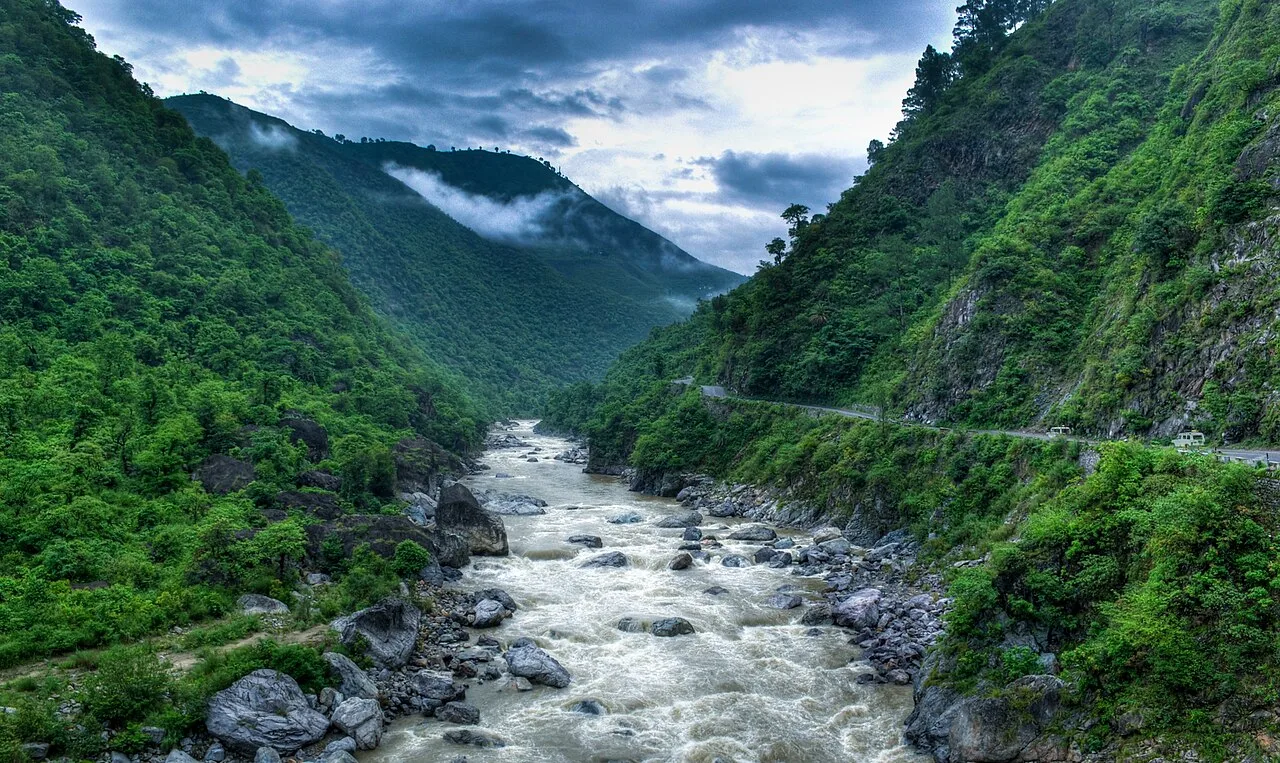
Almora district spreads across the Kumaon Himalaya, with forested ridges, terraced fields, river valleys and, on clear days, views towards snow-covered peaks. Its towns and villages sit among pine, oak and rhododendron woodland, while winding mountain roads connect settlements at different elevations. Almora town became an important centre of the Chand dynasty, whose rulers made it their capital in the 16th century. Temples, traditional stone and timber buildings, and the cantonment town of Ranikhet reflect different layers of the region’s history. The district’s character combines Kumaoni language and customs, pilgrimage sites, hill-town life and access to quieter rural landscapes.
Almora offers a broad introduction to Kumaon, a historic region of Uttarakhand known for hill towns, pilgrimage traditions and mountain landscapes. Travellers come for the Chand-era heritage of Almora, the temple complexes at Jageshwar and Katarmal, and the cantonment setting of Ranikhet. The district also provides access to forested areas such as Binsar Wildlife Sanctuary and to quieter villages beyond the main roads. Kumaoni customs, local markets and seasonal fairs add a cultural dimension to visits. It suits travellers who want to combine heritage and sacred sites with time among the ridges and valleys of the middle Himalaya.
The Almora region has been shaped by successive Himalayan kingdoms. The Katyuri rulers, whose power was centred in parts of present-day Kumaon, left a legacy of temples and settlements; Dwarahat is among the places associated with this earlier period. The Chand dynasty later established its rule in Kumaon. In the 16th century, Chand ruler Kalyan Chand made Almora an important capital, and the town developed as a political and commercial centre. The region subsequently came under Gorkha rule. British forces took control of Kumaon in 1815, after the Anglo-Gorkha conflict, and Almora became part of the colonial administration. Ranikhet developed as a British cantonment and hill station. The modern Almora district was formed in 1891, when the Kumaon administrative area was reorganised. After Indian independence, it became part of Uttar Pradesh and then, in 2000, the newly formed state of Uttarakhand. Temple sites, cantonment buildings and the old town preserve different parts of this layered history.
8 destination guides · 7 on the map
Almora
Almora is a municipal corporation and cantonment in Uttarakhand, and the administrative centre of its district. Visitors are drawn by its Kumaoni cultural heritage, historic associations and views of Himalayan peaks.
Binsar Wildlife Sanctuary
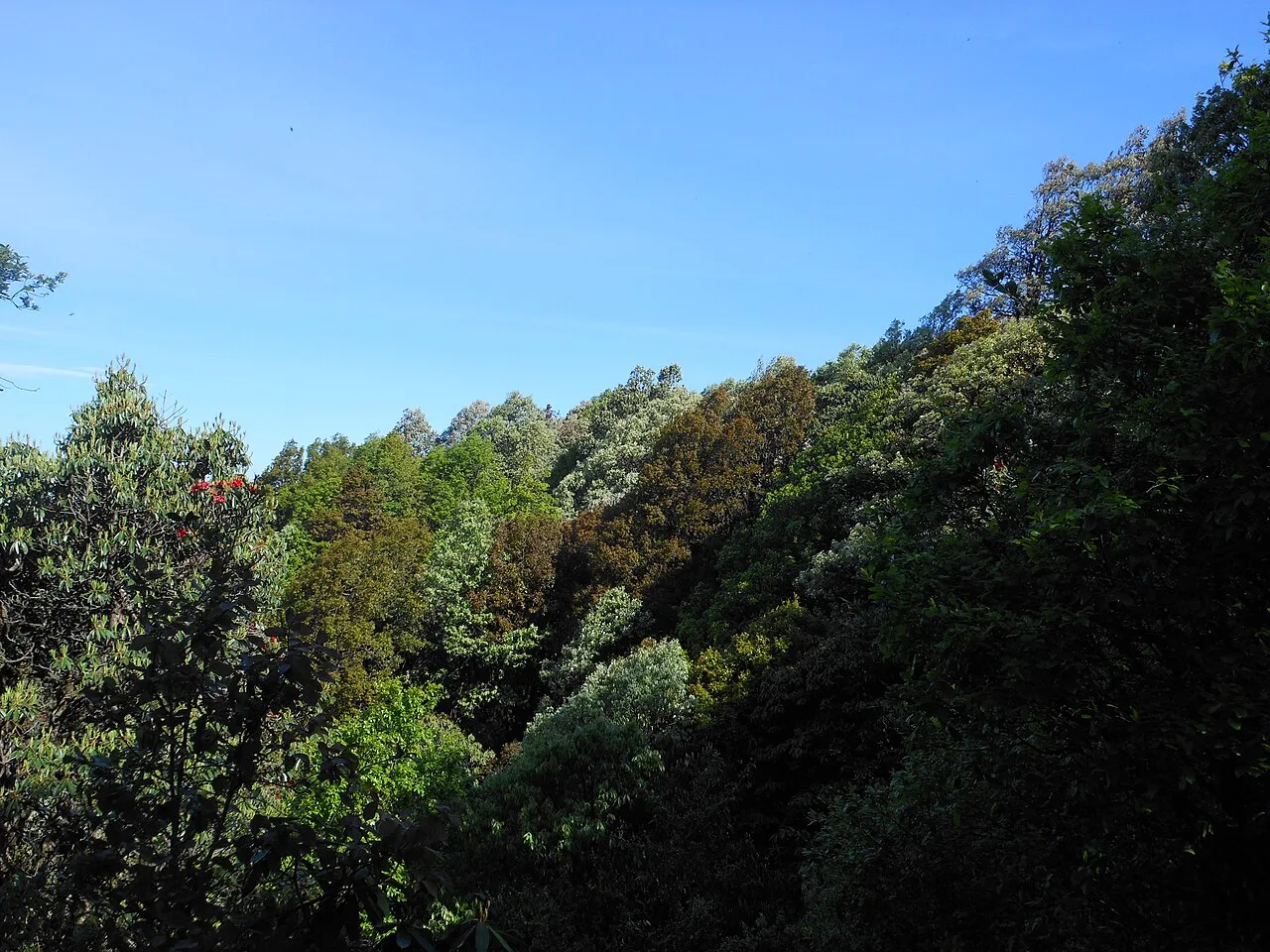
Binsar Wildlife Sanctuary, in Uttarakhand’s Almora district, preserves broad-leaved oak forests. Visitors are drawn by this woodland and its birdlife, with more than 200 bird species recorded.
Chitai Golu Devta Temple
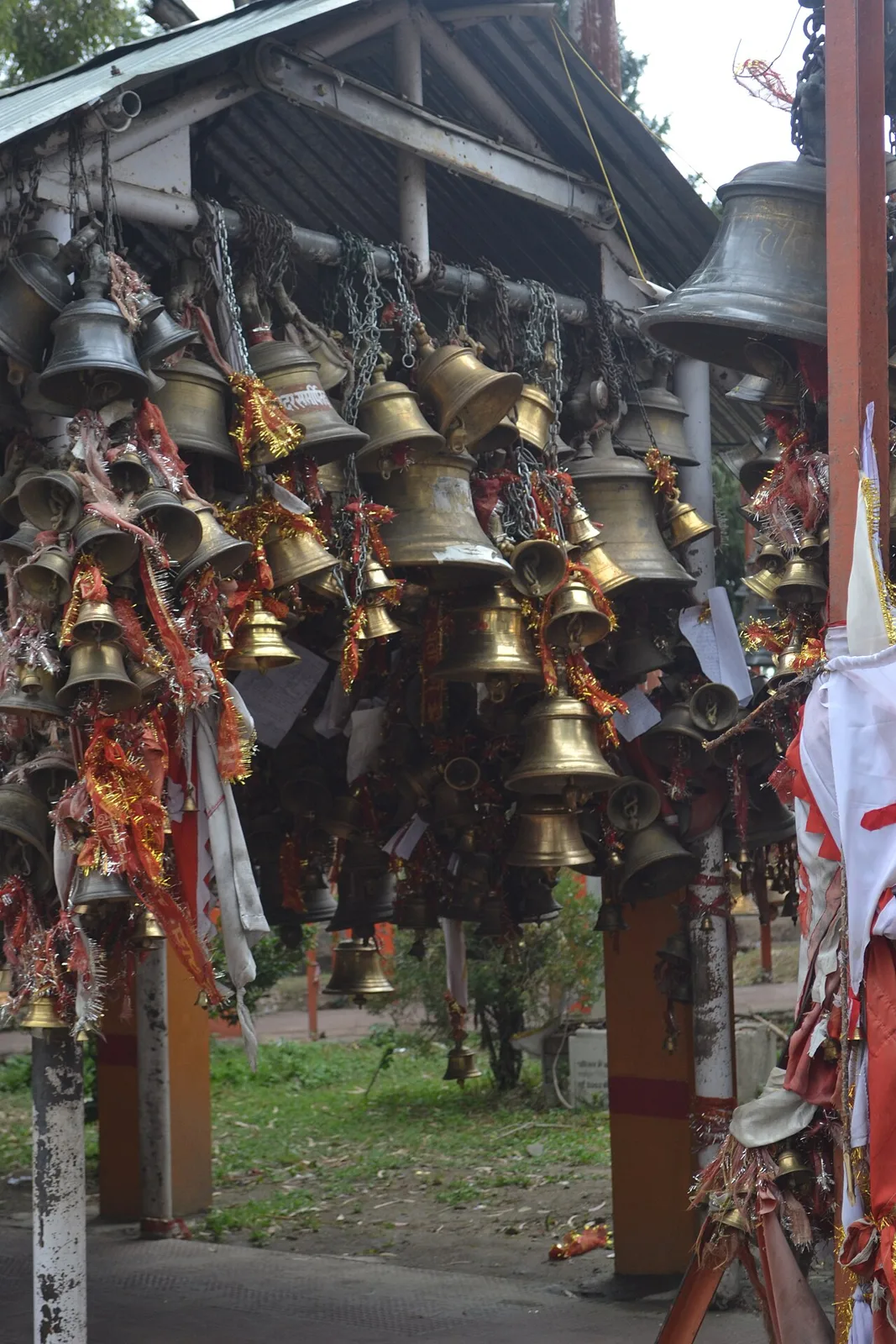
Chitai Golu Devta Temple is a sacred temple in Almora district, Uttarakhand, visited by people seeking a place for worship and religious observance.
Dwarahat
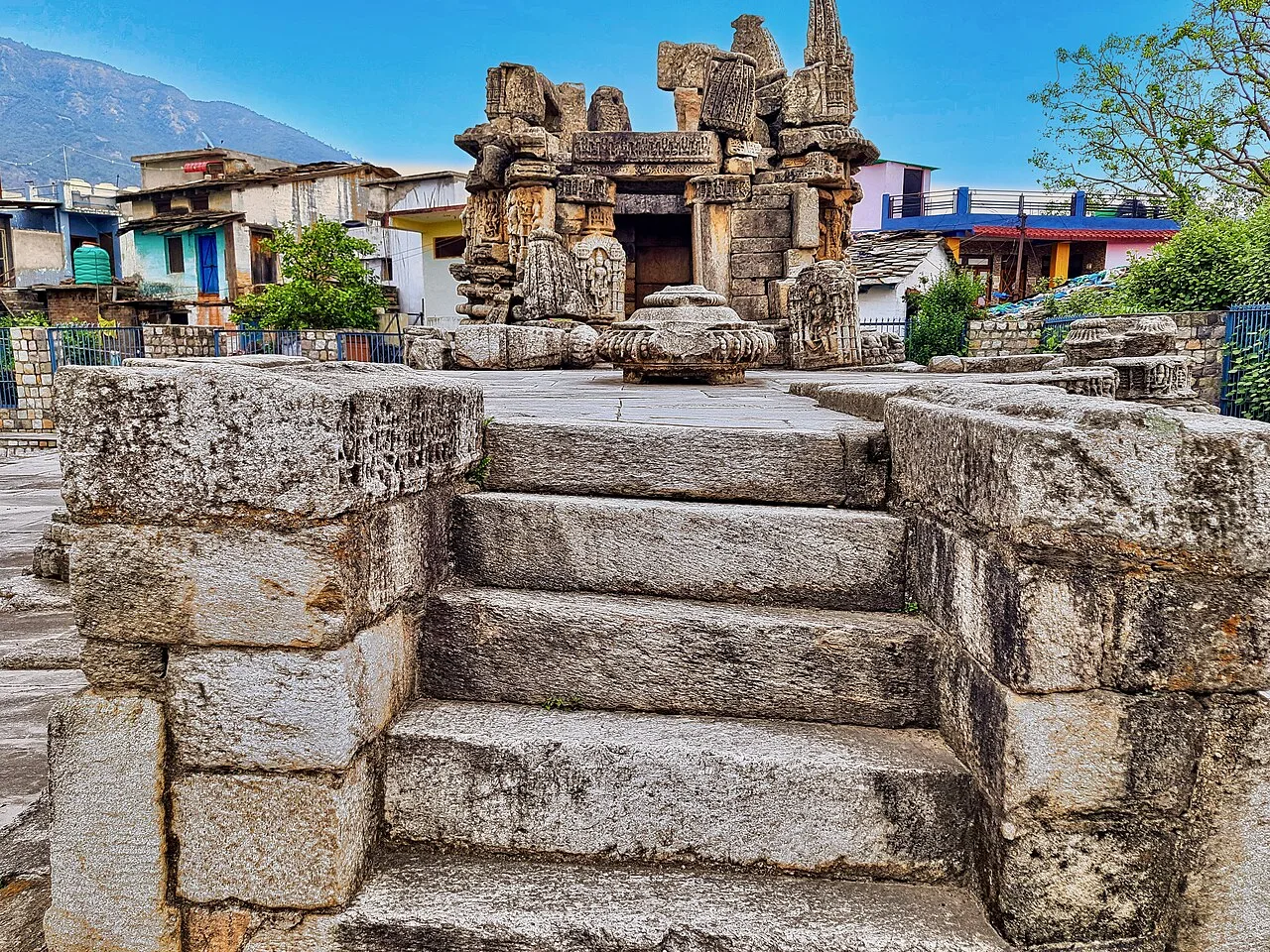
Dwarahat is a Kumaon town in Uttarakhand’s Almora district, noted for its cultural heritage and historical associations with the Katyuri dynasty. Visitors come to explore its past.
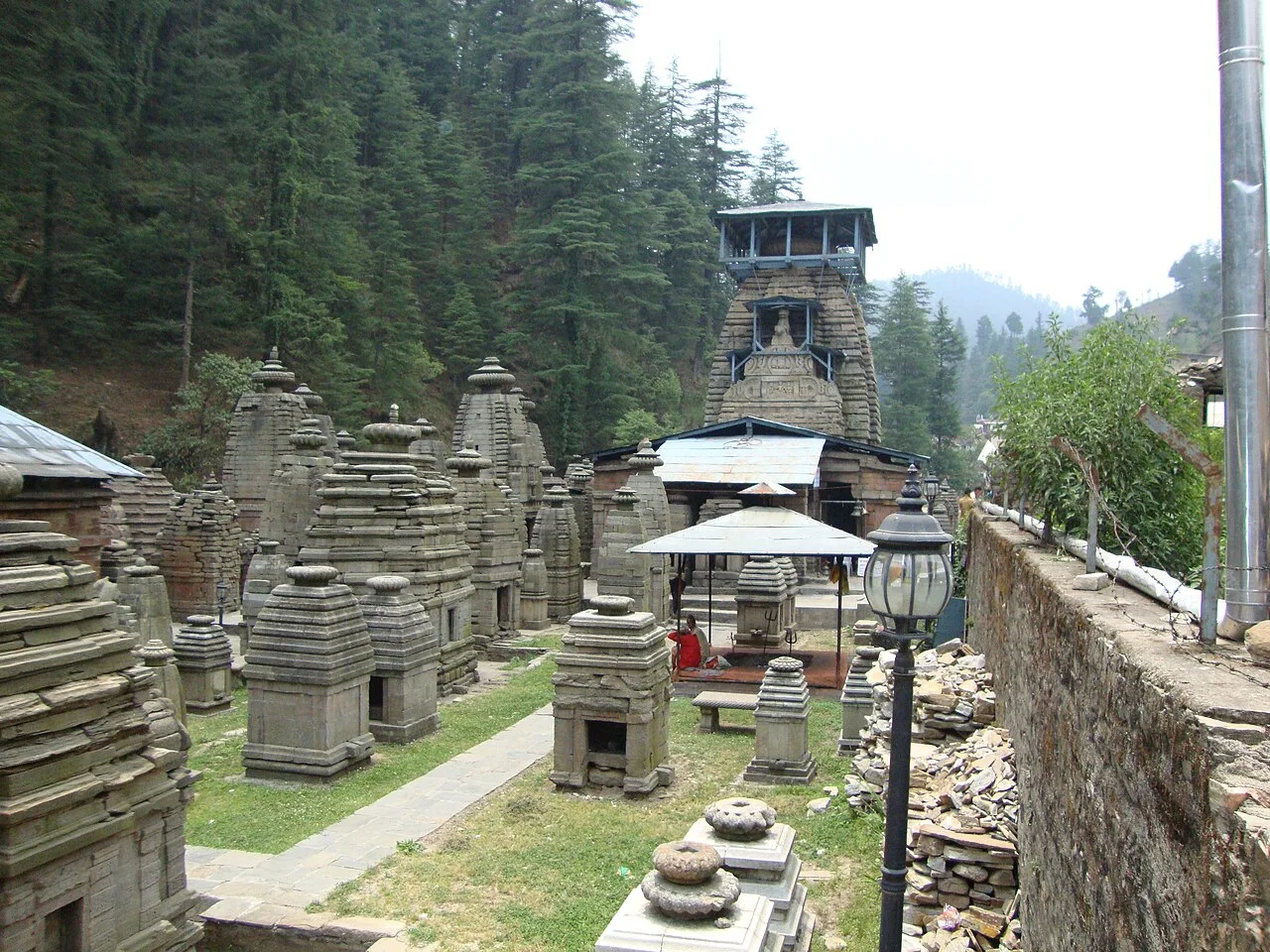
Jageshwar Temples
Jageshwar Temples is an ancient Hindu temple complex in Uttarakhand’s Almora district. People visit for Shaivite worship, its varied shrine architecture and annual religious festivals.
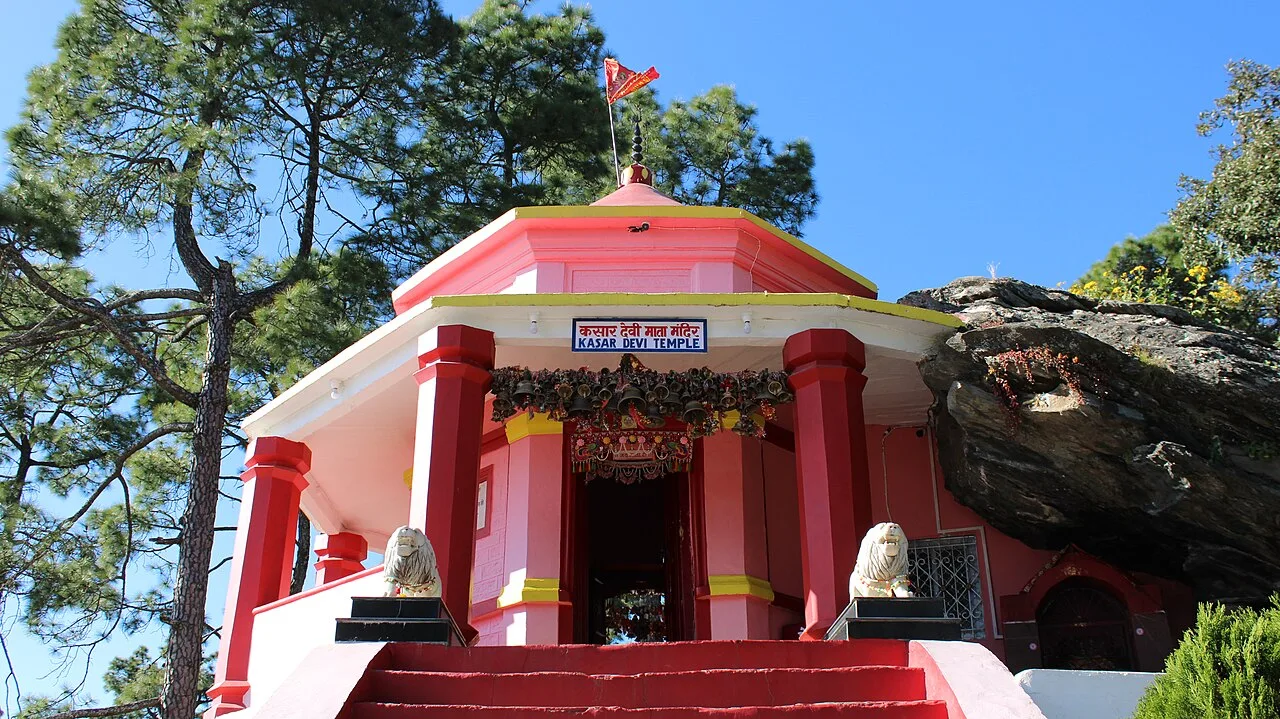
Kasar Devi Temple
Kasar Devi is a village near Almora, Uttarakhand, centred on a temple dedicated to a form of Goddess Durga. Visitors come for its religious significance and spiritual and artistic associations.
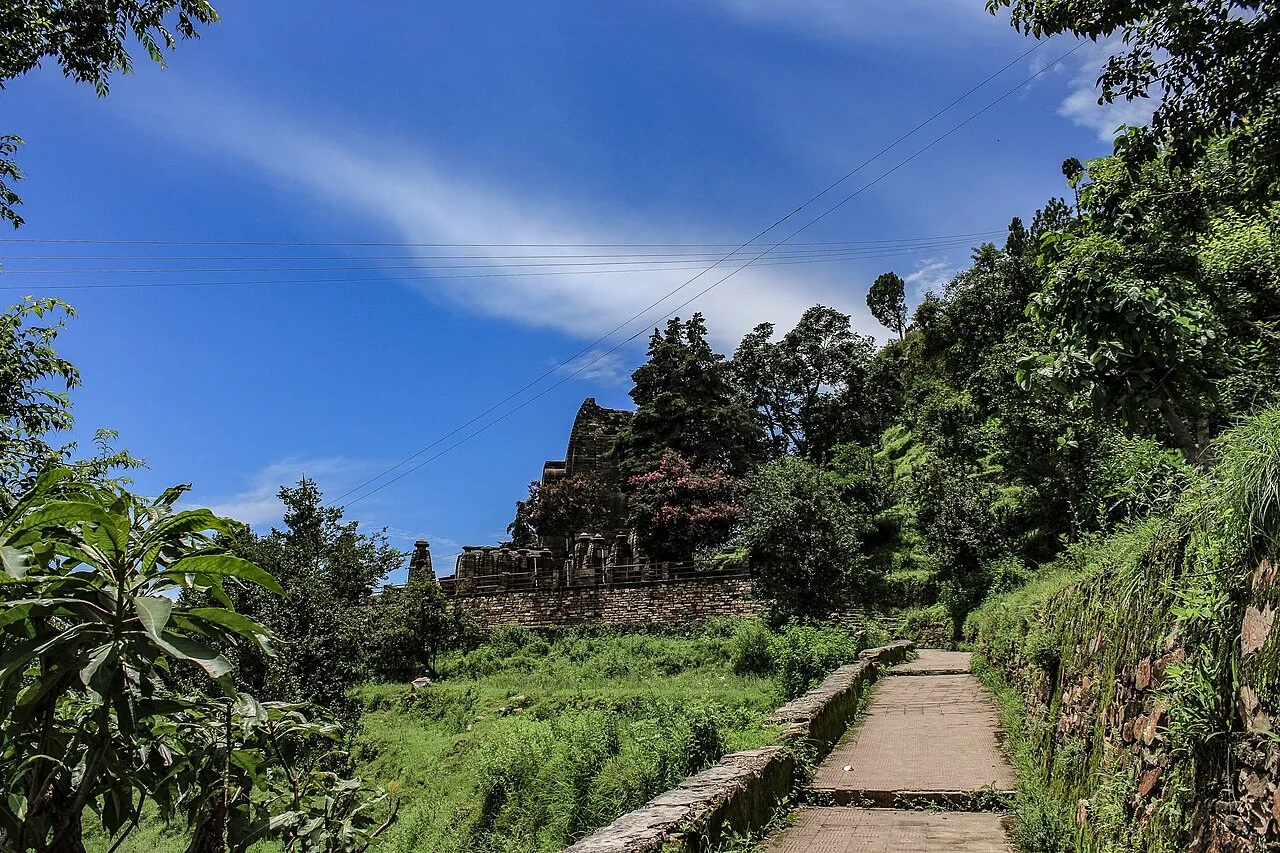
Katarmal Sun Temple
The Katarmal Sun Temple is a religious site in Almora district, Uttarakhand. Visitors come to see it in the remote settlement of Katarmal, within the Kumaon Division.
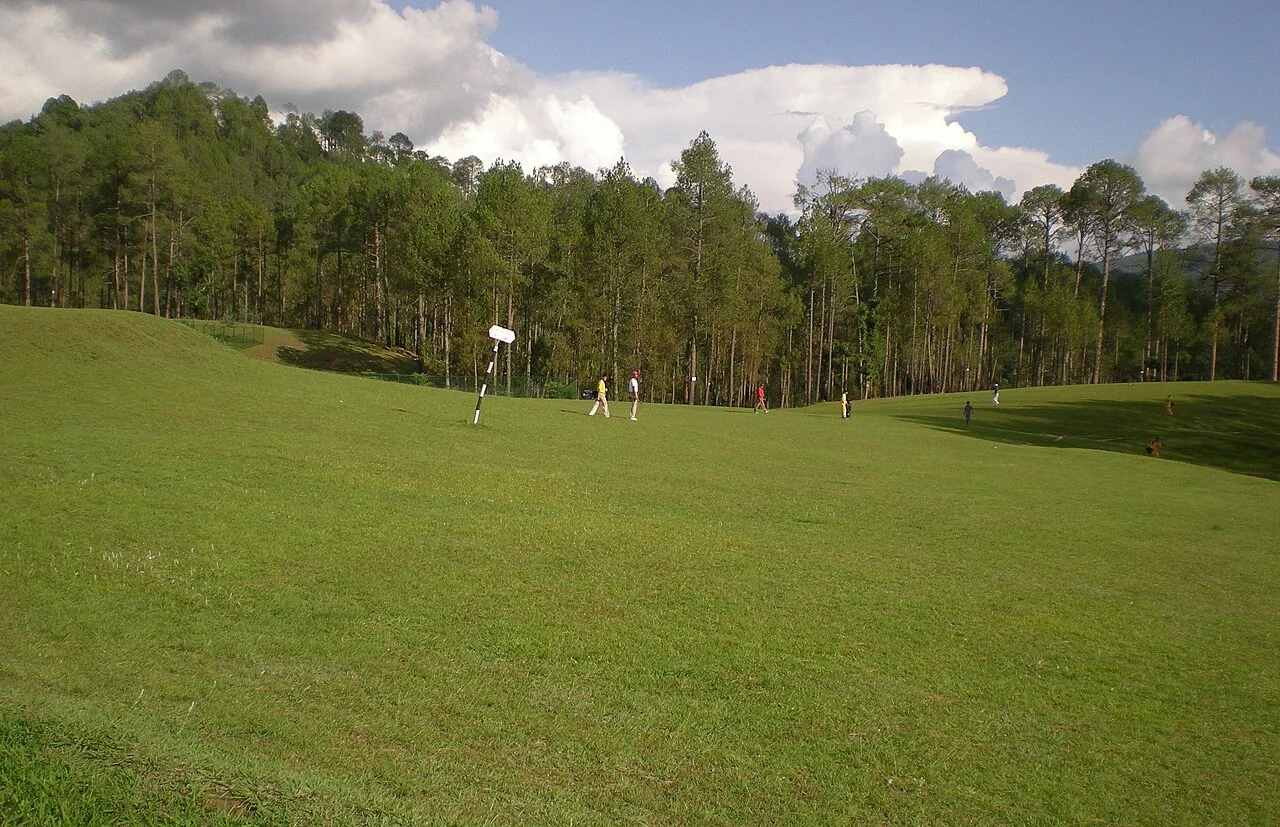
Ranikhet
Ranikhet is a hill station and army cantonment in Almora district, Uttarakhand. Visitors come for its elevated setting and views towards the western Himalayan peaks.
The district shares the wider Kumaoni tradition of hearty dishes shaped by local grains, pulses and seasonal produce. Common foods include kafuli, a leafy-green curry; phaanu and chainsoo, made with lentils; bhatt ki churkani; and aloo ke gutke, often served with mandua (finger millet) roti. Jhangora kheer is a familiar sweet dish, while Almora is known for bal mithai and singori. Buransh, or rhododendron, squash is enjoyed seasonally. Small eateries may offer a limited menu, so ask what has been cooked fresh that day; vegetarian options are common.
Aipan, a ritual art made with white designs on a red background, is a well-known Kumaoni tradition and appears on floors, walls and household objects during festivals and ceremonies. Almora and the surrounding region also have traditions of copper and brass work, wood carving, woollen weaving and basketry using locally available grasses or bamboo. These skills vary between communities and villages, and not every craft is made throughout the district. Visitors looking for locally produced work can ask about its maker and materials, since shop labels may describe a broader Kumaoni or Uttarakhand tradition rather than an Almora-specific one.
Harela, a Kumaoni festival associated with the monsoon season and new growth, is generally observed in July. Phool Dei, a spring observance, is marked in March in parts of the region. The Nanda Devi fair in Almora is usually held in September and can draw visitors from across Kumaon, making central areas busier and accommodation more sought after. Uttarayani fairs take place around January in Kumaon, though events and scale vary by town. During major fairs, book rooms ahead where possible and expect busier roads, markets and public spaces.
Elsewhere in Uttarakhand
The district occupies a series of ridges and valleys in the Kumaon Himalaya, with terraced cultivation on slopes and pine, oak and rhododendron forests at different elevations. Rivers and streams, including the Kosi, Suyal and Ramganga systems, drain the region. Settlements such as Almora and Ranikhet sit on ridges, while temples and villages may lie down side roads or in secluded valleys. These changes in elevation make journeys slower than map distances may suggest; winding roads, bends and occasional narrow stretches shape most travel between sights.
Spring and early summer, roughly March to June, are often comfortable for sightseeing, with clearer conditions possible before the monsoon. The summer months can be warm in lower valleys and milder at higher settlements. Monsoon weather, generally from June into September, brings cloud, heavy rain at times and possible landslides or road disruption. Autumn, especially October and November, often brings clearer skies and is a good season for views. Winters are cold, particularly at night, and higher areas can experience frost or occasional snowfall. Pack layers, sturdy footwear and rain protection; bring warmer clothing for winter and early mornings.
Kathgodam is a commonly used railway gateway for Almora district, while Pantnagar Airport is one option for air travel; services and onward connections can be limited. Almora town and other settlements are reached by mountain roads linking the district with Haldwani and Kathgodam, as well as with neighbouring Kumaon towns. Buses and shared jeeps serve some routes, but coverage and frequency vary. Taxis are useful for reaching temples, villages and other sites beyond the main towns; allow extra time for winding roads and changing conditions. Check current services locally before travelling.
Mountain roads link Almora with Kathgodam and Haldwani, and connect it to Ranikhet, Dwarahat, Jageshwar and other Kumaon towns. Local buses and shared jeeps operate on some routes, but coverage and frequency vary, especially for smaller villages and temple sites. Taxis are useful for reaching places such as Katarmal Sun Temple and Binsar Wildlife Sanctuary, or for combining stops in one outing. Autos may be available for local journeys in larger towns, but are not a reliable option throughout the district. There are no practical boat routes between the listed sights. Check road conditions and transport locally before setting out.
2 days: Almora → Kasar Devi Temple → Chitai Golu Devta Temple. Sleep each night in Almora. 3 days: Almora → Katarmal Sun Temple → Jageshwar Temples. Sleep night 1 in Almora and night 2 near Jageshwar Temples. 4 days: Ranikhet → Dwarahat → Jageshwar Temples → Almora → Binsar Wildlife Sanctuary. Sleep night 1 in Ranikhet, night 2 near Jageshwar Temples and night 3 in Almora.
Almora is the most practical base for town heritage, Kasar Devi Temple, Chitai Golu Devta Temple and day trips towards Katarmal Sun Temple or Binsar Wildlife Sanctuary. Ranikhet works well for a western-district circuit, while staying near Jageshwar Temples can reduce backtracking on a temple-focused trip. Hotels and guesthouses are found in larger towns; homestays and smaller lodgings are available in some villages. Government lodges and dharamshalas may serve particular locations, but availability and facilities vary. Reserve ahead during popular fair periods and peak travel seasons.
Expect steep slopes, uneven temple paths and long road journeys with sharp bends; wear secure footwear and avoid rushing between stops. Monsoon rain can trigger landslides, fallen branches or delays, so check local road advice and allow flexibility. Wildlife lives in forest areas: keep a respectful distance, do not feed animals and follow sanctuary instructions. Use treated or reliably supplied drinking water. Mobile connectivity can be patchy outside towns. Crowds may increase during fairs. Ordinary district travel does not generally require an Inner Line Permit; for Binsar Wildlife Sanctuary, confirm current entry requirements with the forest authorities before visiting.
- Bageshwarabout 27 km
- Nainitalabout 31 km
- Champawatabout 53 km
- Udham Singh Nagarabout 78 km
- Pithoragarhabout 98 km
- Chamoliabout 102 km
- Pilibhit · Uttar Pradeshabout 110 km
- Rampur · Uttar Pradeshabout 111 km
Straight-line distance between the centres of each district's destinations; road distance is longer.
Q: How many days should I spend in Almora district? A: Two days can cover Almora and nearby sights; three to five days allows more time for temple sites, Ranikhet or Binsar. Q: When is the best time to visit? A: March to June and October to November are often good for sightseeing and clearer conditions; monsoon travel can be disrupted by rain. Q: What is the best base for exploring? A: Almora is a useful central base for many listed sights. Ranikhet or a stay near Jageshwar Temples can suit more focused circuits. Q: How do I get to the district? A: Kathgodam is a common rail gateway and Pantnagar is an air option; continue by road, checking current connections locally. Q: Is Almora suitable for families or elderly travellers? A: Yes, with planning. Choose accessible stays, allow extra time on mountain roads and check walking surfaces and elevation changes at each site.
This page draws on our 8 destination guides for Almora and is updated as our team checks it.
Be the first to share photos, stories, advice or a helpful contact for Almora.
Loading…