
District · Uttarakhand
Dehradun
Capital district: Doon valley, Mussoorie and Rishikesh.
Dehradun district stretches from the broad Doon Valley, between the Sivalik foothills and the Lesser Himalayas, to higher, forested country around Mussoorie, Chakrata and Jaunsar-Bawar. Its landscapes include river valleys, sal forests, orchards and mountain slopes, with the city of Dehradun serving as Uttarakhand’s winter capital and largest urban centre. The city grew as an administrative and educational hub, and its institutions, markets and varied communities give it a cosmopolitan character. Elsewhere, hill towns and rural settlements preserve distinct local ways of life. The district is both a destination in its own right and a gateway to Garhwal, bringing together urban culture, pilgrimage routes and Himalayan scenery.
Dehradun district brings together Uttarakhand’s winter capital, the broad Doon Valley and hill country extending to Mussoorie, Chakrata and Jaunsar-Bawar. It is a useful place to experience the contrast between a busy educational and administrative city, forested foothills and quieter Himalayan settlements. Visitors come for urban landmarks such as the Forest Research Institute and Mindrolling Monastery, river and cave scenery, hill walks and colonial-era hill towns. The district also provides a gateway towards Garhwal and Rishikesh, where pilgrimage and river-based activities are prominent. Its varied terrain and communities make it rewarding for travellers who want both city culture and mountain scenery.
The Doon Valley and surrounding hills have been shaped by changing regional powers and local communities. The Garhwal kingdom held influence over parts of the region, while Jaunsar-Bawar developed its own distinct social and cultural traditions. Dehradun’s growth is commonly linked to the establishment of Guru Ram Rai’s dera in the valley in the late seventeenth century; the name is often explained through “dera” and “dून”, the local word for valley. Gurkha rule expanded into the region in the early nineteenth century. After the Anglo-Nepalese War, the British took control of the Doon in 1815, and British administration and institutions helped shape the modern town. Dehradun district was organised under British rule in the nineteenth century, commonly dated to 1871. The city later became known for forestry, education and military institutions. After India’s independence, it remained an important centre in Uttar Pradesh until Uttarakhand was formed in 2000, when Dehradun became the state capital and its winter capital.
14 destination guides · 11 on the map
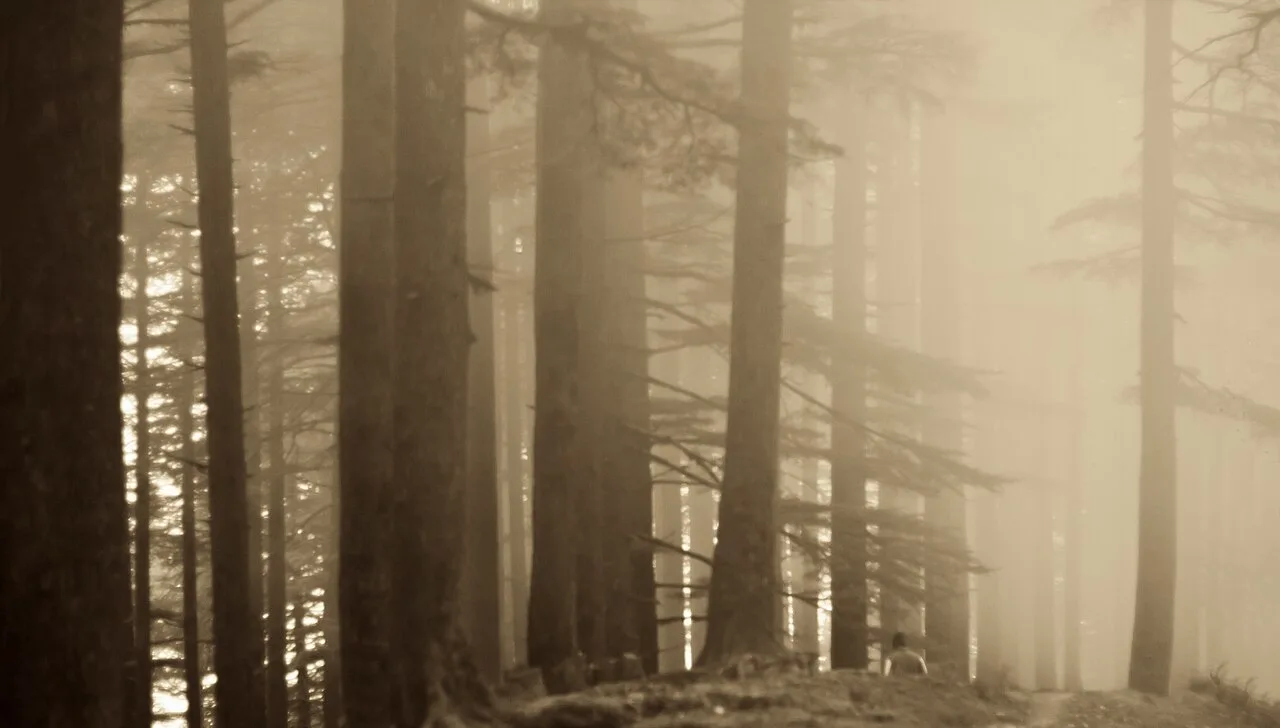
Chakrata
Chakrata is a hill settlement and administrative tehsil in Uttarakhand’s Dehradun district. Visitors come for its elevated setting between the Tons and Yamuna rivers and its historic military association.
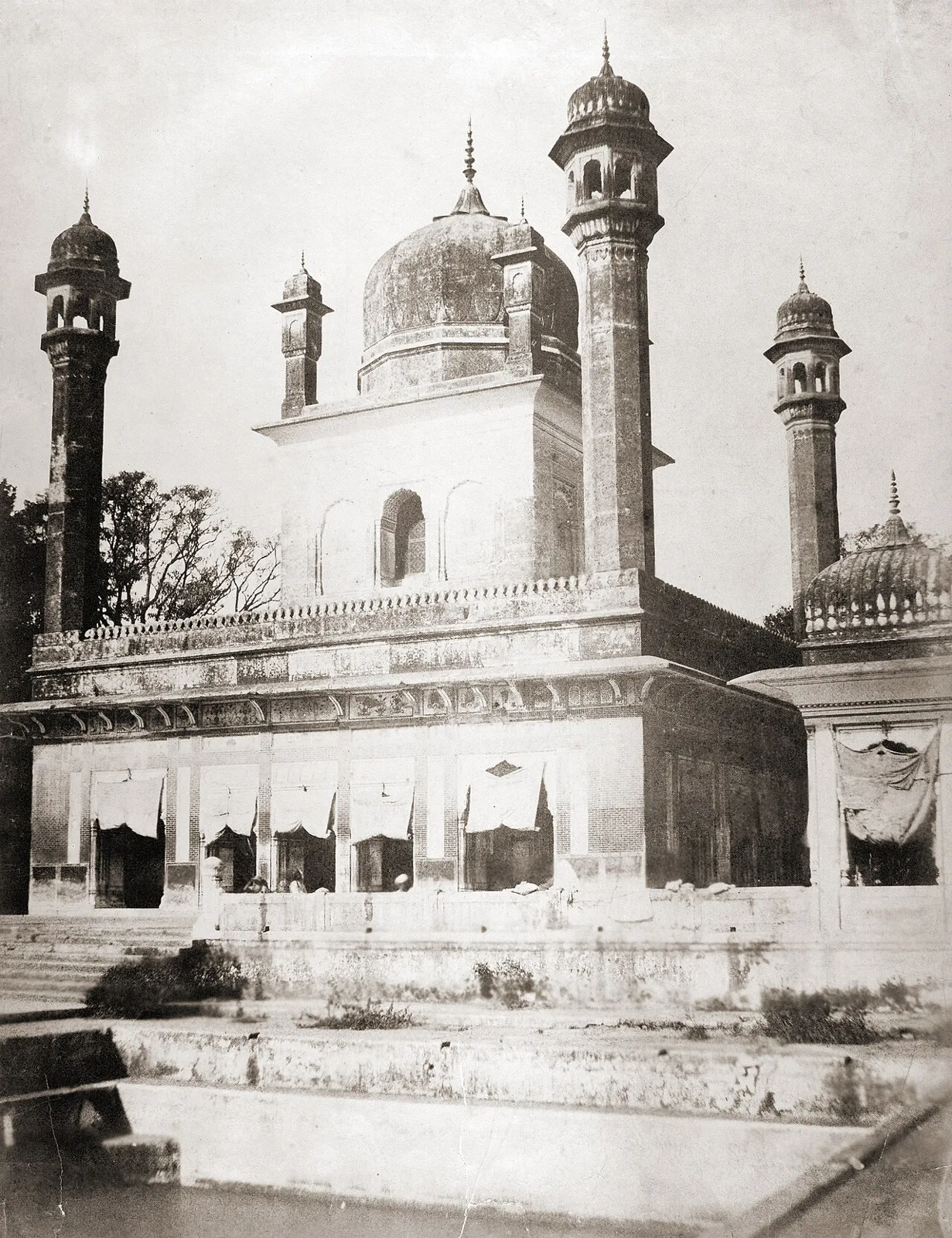
Dehradun
Dehradun, also called Dehra Doon, is Uttarakhand’s winter capital and its largest city by population. Its Doon Valley setting and concentration of educational, research and military institutions are among its principal points of interest.
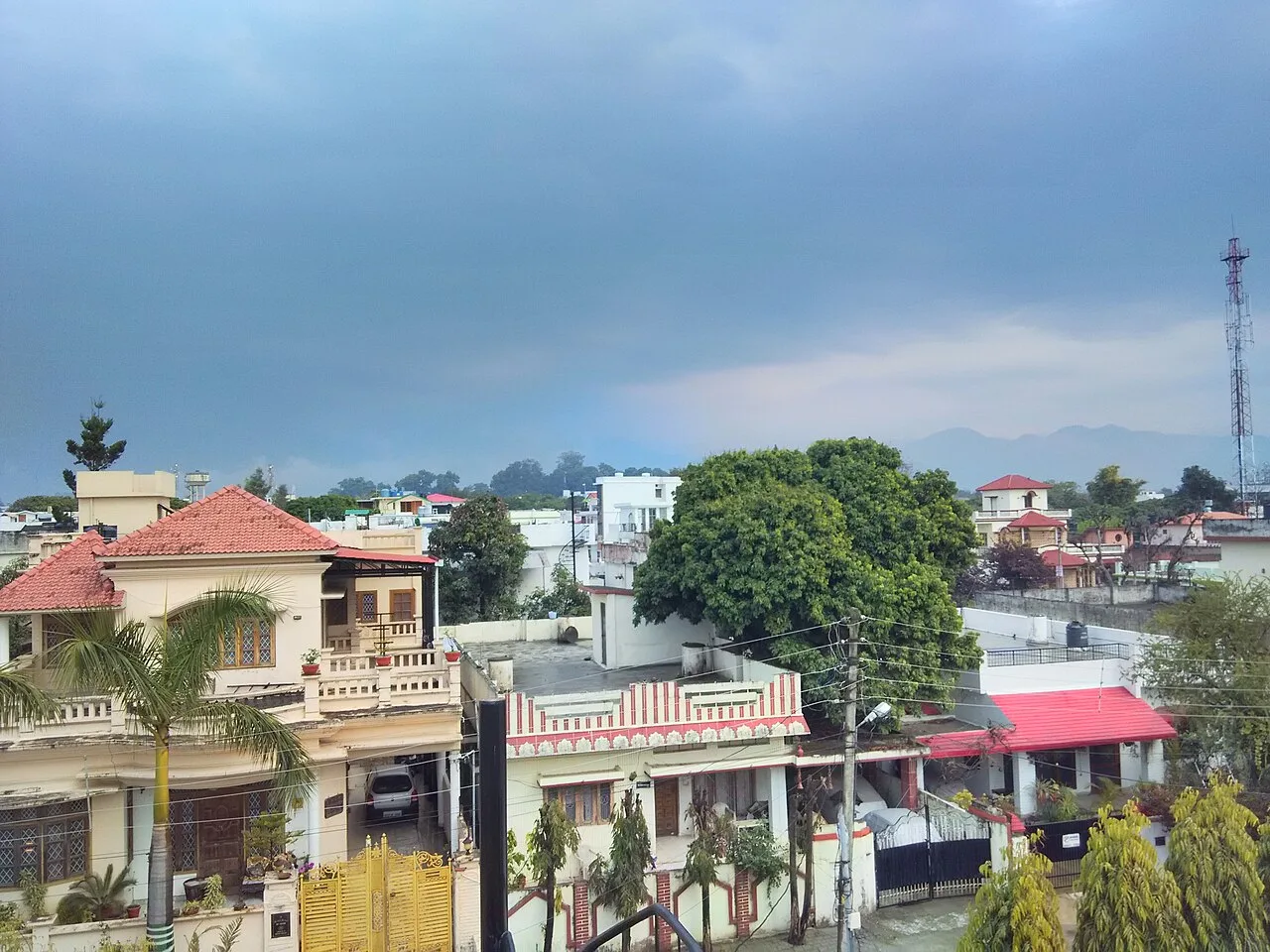
Doon Valley
The Doon Valley is a broad, extended valley between two Himalayan hill ranges, spanning Uttarakhand and Himachal Pradesh. Visitors encounter it as the setting for Dehradun.
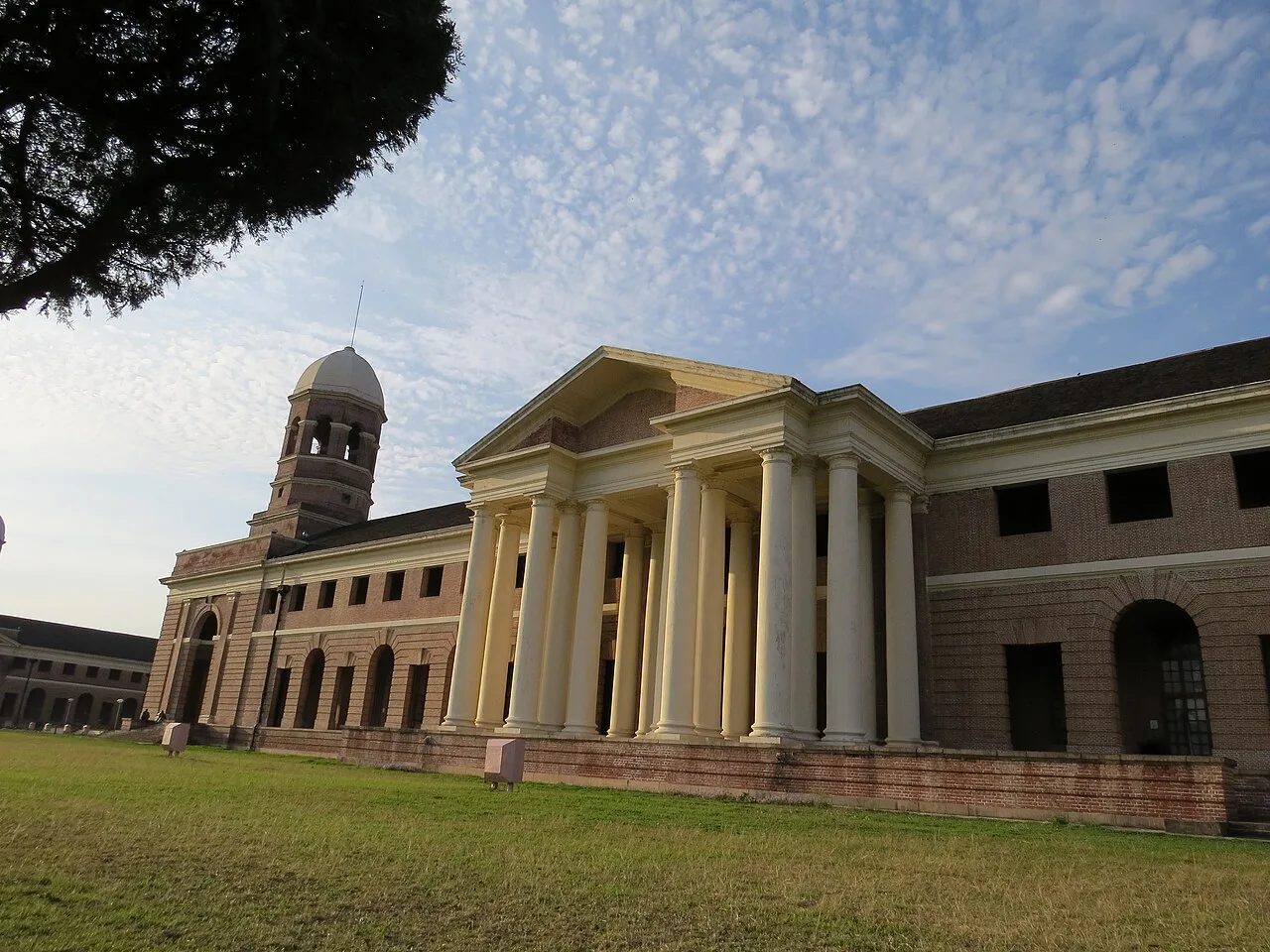
Forest Research Institute
The Forest Research Institute in Dehradun is a forestry research and training institution. Its role in preparing forest-service personnel and its association with a national training academy make it a notable place of interest.
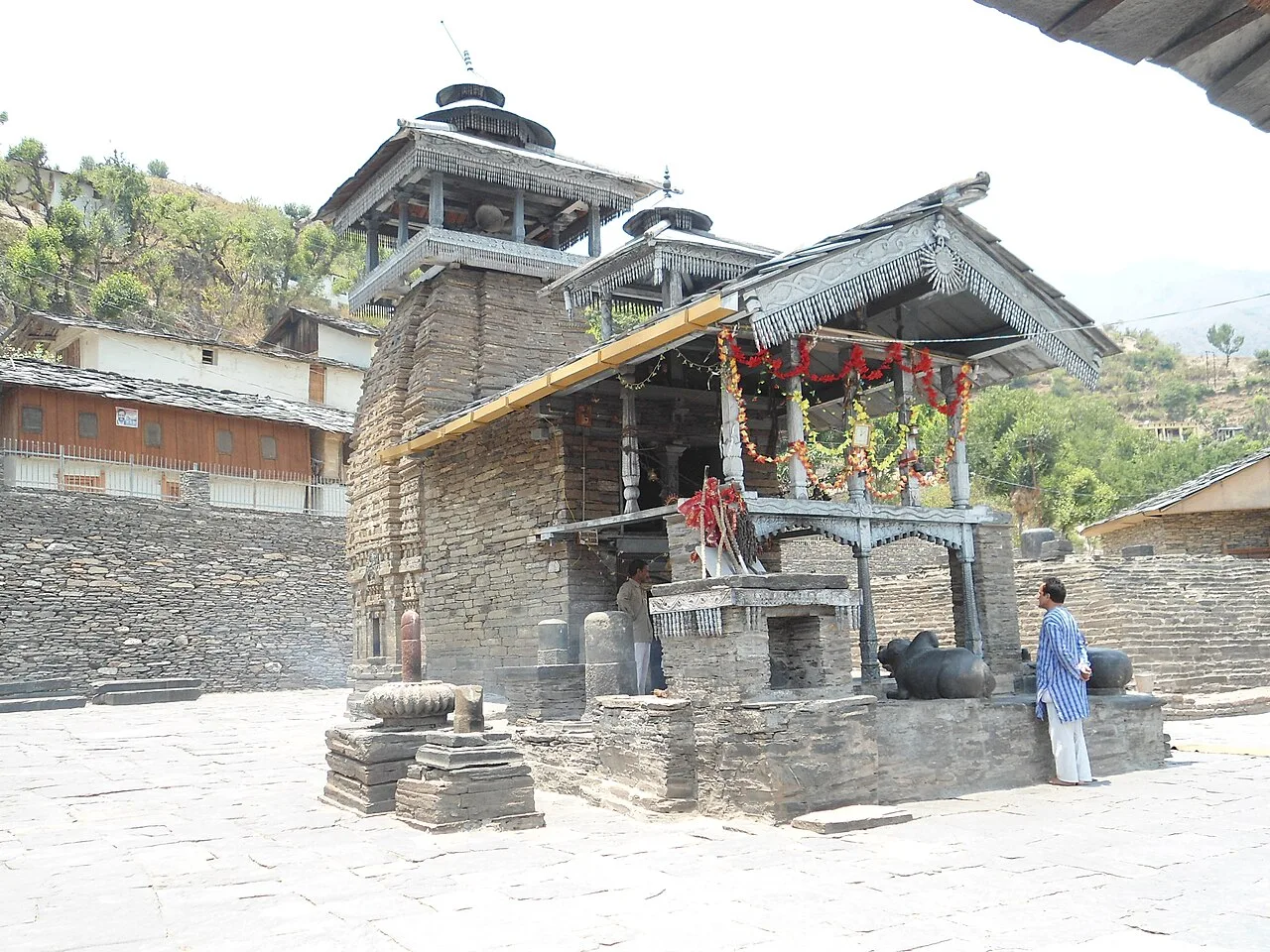
Lakhamandal
Lakhamandal is an ancient Hindu temple complex in Uttarakhand’s Jaunsar-Bawar region, known for Shiva worship; Shaivites visit because they believe the shrine can help end misfortune.
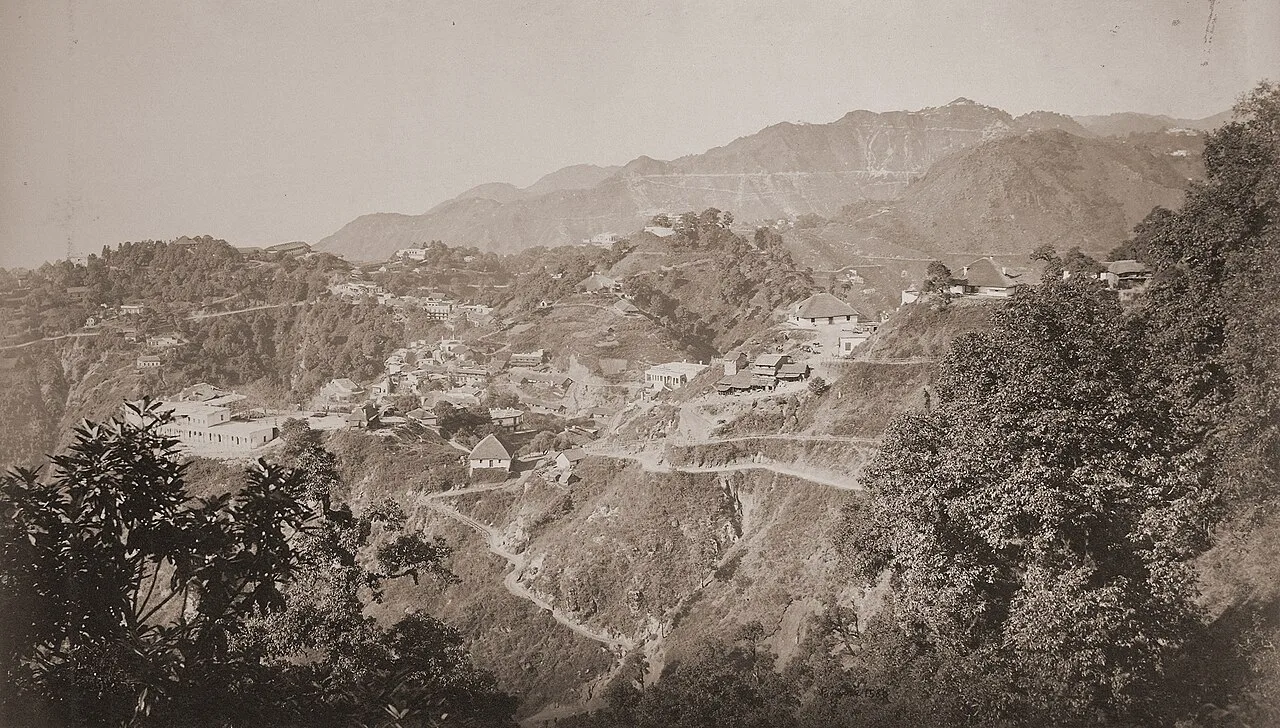
Landour
Landour, beside Mussoorie in Uttarakhand, forms part of a hill station associated with the British Raj. Visitors are interested in the history and shared identity of the two settlements.
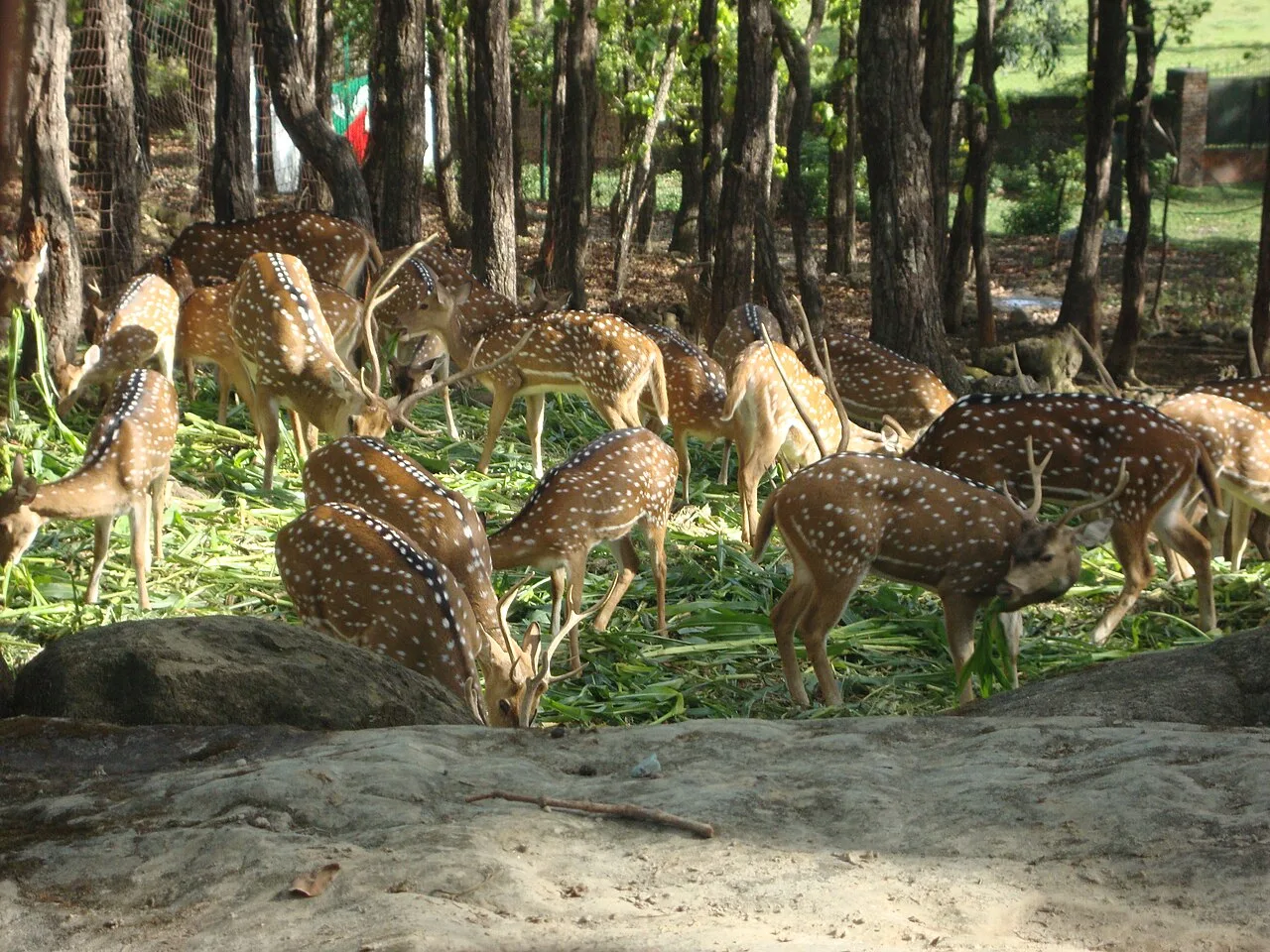
Malsi Deer Park
Malsi Deer Park is a protected natural area in Dehradun district, Uttarakhand. Visitors come to experience a place designated for nature protection.
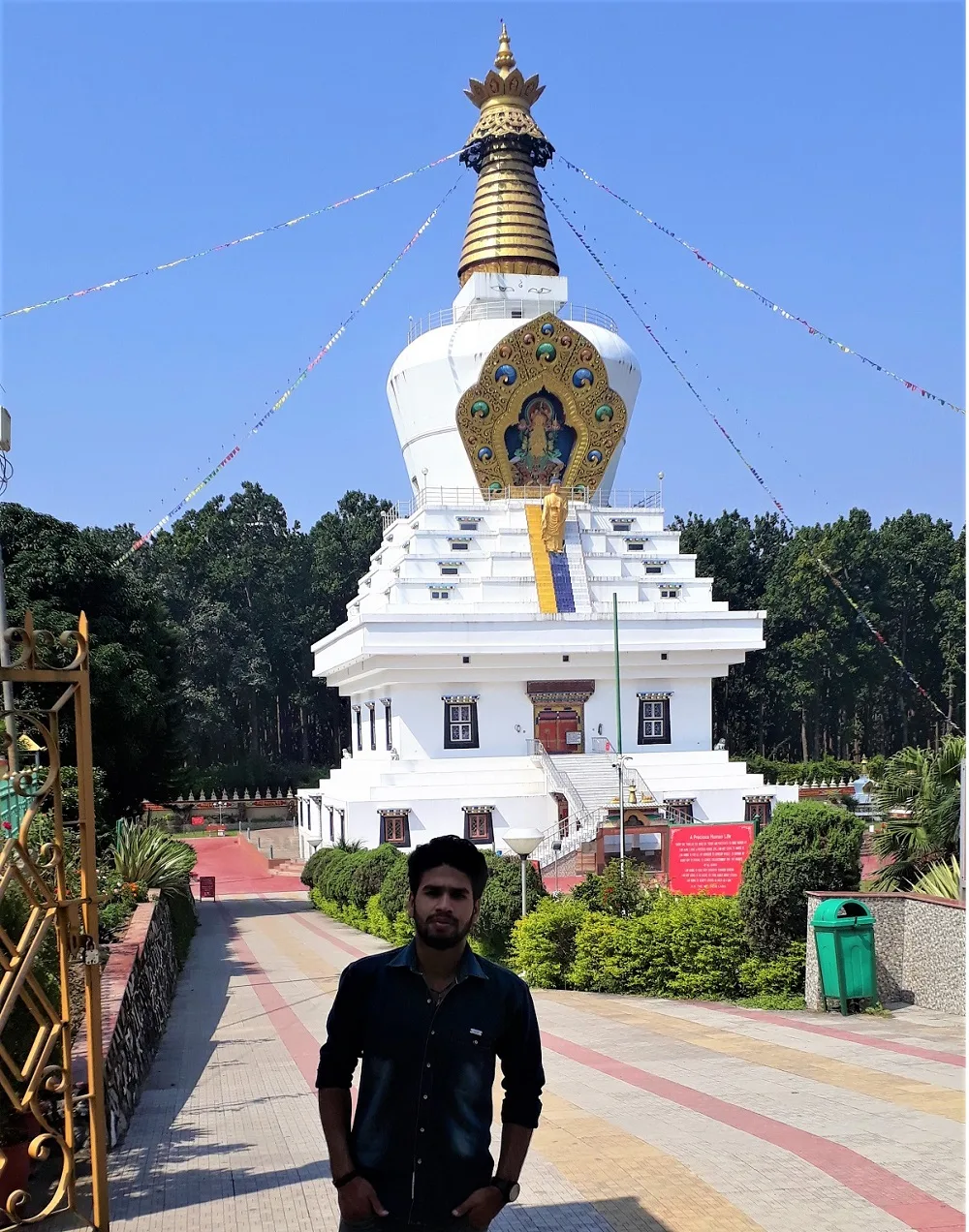
Mindrolling Monastery
Mindrolling Monastery is a Buddhist monastery in Uttarakhand’s Dehradun district. Visitors come to see the monastery and its Buddhist identity.
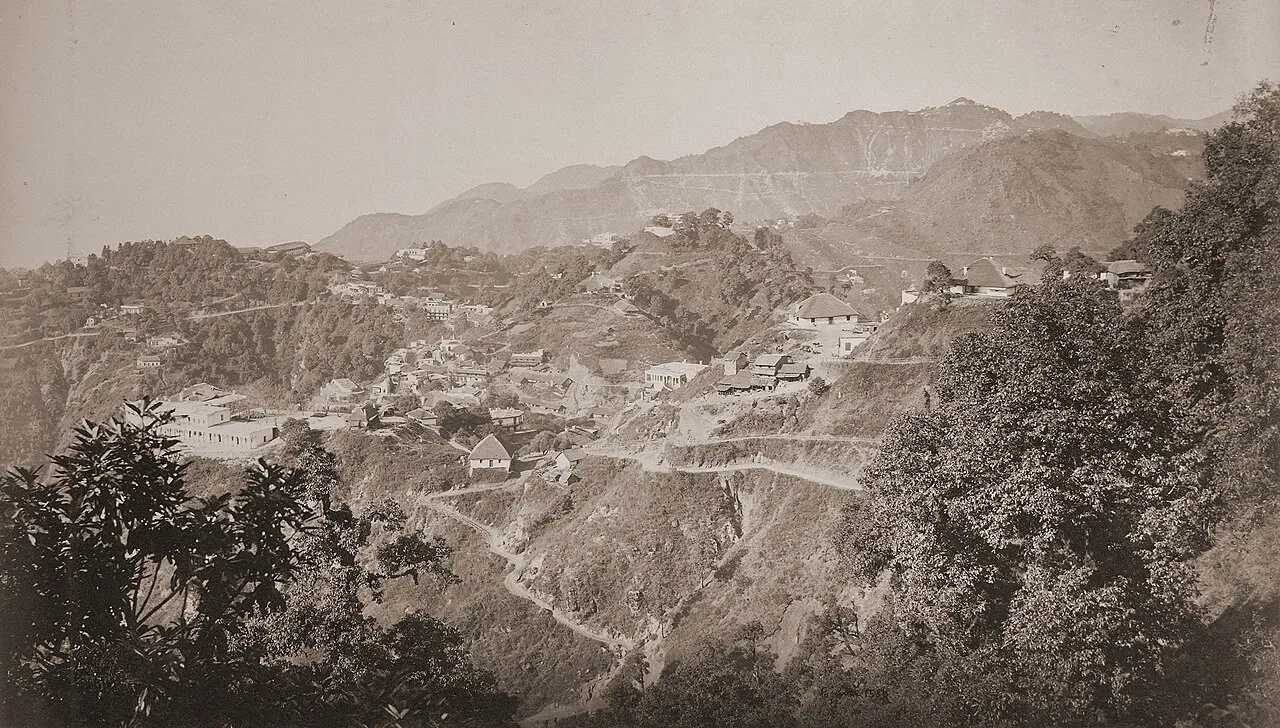
Mussoorie
A Uttarakhand hill town with municipal-board status, Mussoorie attracts visitors with its Himalayan setting, snow ranges to the north-east and the Doon Valley and Sivalik Hills to the south.
The district’s food reflects the wider culinary traditions of Uttarakhand, alongside Dehradun city’s diverse eateries. Regional dishes include kafuli, a leafy-green curry; phaanu and chainsoo, hearty lentil preparations; aloo ke gutke; bhatt ki churkani; and mandua rotis. Jhangora kheer is a popular millet-based dessert, while buransh squash is associated with the spring rhododendron season. In Dehradun, bakeries, momos and Tibetan-influenced food add to the choice. Menus in smaller eateries can be limited and seasonal, so ask what has been prepared that day. These dishes are regional rather than exclusive to the district.
Craft traditions in Dehradun district sit within the broader handmade culture of Uttarakhand and the western Himalayas. In Jaunsar-Bawar, clothing and adornment reflect a strong regional identity, though designs and practices vary between communities. Across the state, artisans make baskets and household goods from ringal, a local bamboo, and weave woollen items suited to mountain life. Wood carving and metalwork are also found in parts of Uttarakhand. Availability varies, and these traditions should not be assumed to be specific to Dehradun district; visitors can ask local markets or cultural centres about work made nearby.
Dehradun’s Jhanda Mela, associated with the Guru Ram Rai Darbar, draws devotees and visitors in the spring, usually around the period after Holi; it can make the city busier and accommodation harder to find. Shivratri brings gatherings at Shiva temples, including Tapkeshwar. In Jaunsar-Bawar, the Bissu fair and other seasonal celebrations reflect local traditions and are generally held in spring. The Kumbh Mela is a wider regional event centred on Haridwar, not Dehradun district, but can increase demand for rooms and transport across the region. Check local calendars before travelling during major events.
In this district
The Doon Valley lies between the Sivalik foothills and the Lesser Himalayas, with the city set among rivers, streams and sal forest. Higher ground rises towards Mussoorie and Landour, while Chakrata and Jaunsar-Bawar have forested ridges, orchards and steep-sided valleys. The Ganga flows through Rishikesh on the district’s eastern side; smaller streams and seasonal channels shape local routes. Travel is easiest across the valley floor, but roads become winding and slower as they climb into the hills. Rain, landslides and narrow mountain roads can affect journeys, particularly during the monsoon.
Summer is generally warm in Dehradun and milder in the higher hill towns, making spring and early summer popular for visits. The monsoon, usually from June into September, brings heavy rain, humid conditions and possible road disruption. Autumn is often a comfortable season for sightseeing, with clearer conditions after the rains. Winters are cool in the valley and colder in Mussoorie, Chakrata and other higher areas; fog can affect the Doon. March to June and September to November are commonly convenient periods to visit, though conditions vary by altitude. Pack light layers, rain protection during the monsoon, and warm clothing for winter or high-altitude evenings.
Dehradun railway station is the district’s principal rail gateway, and Jolly Grant Airport, also called Dehradun Airport, serves air travellers. Dehradun is connected by road with Delhi, Haridwar, Rishikesh and other towns in Uttarakhand and neighbouring states. From the city, roads climb to Mussoorie and continue towards Chakrata and Jaunsar-Bawar; hill journeys can be slow, especially in poor weather. Buses and shared or private taxis link major towns, while autos and local taxis are useful within Dehradun. Public transport may be less frequent in remote areas, where advance planning helps. Check current services locally before setting out.
Dehradun is the main road and public-transport hub. Local buses, shared vehicles, autos and taxis serve many city routes, while taxis and buses connect it with Mussoorie, Rishikesh and other larger towns. Shared jeeps and private vehicles are useful on hill routes towards Chakrata and Jaunsar-Bawar, where services can be less frequent. Rishikesh and Mussoorie are also served by local taxis and buses, but reaching scattered sights may require a hired vehicle or a walk. Roads can be congested near popular sites and slow in the hills, so allow flexibility and confirm current connections locally.
2 days: Dehradun → Tapkeshwar Temple → Robber's Cave (Guchhupani) → Sahastradhara → Forest Research Institute → Mindrolling Monastery; sleep night 1 in Dehradun. 3 days: Dehradun → Malsi Deer Park → Mussoorie → Landour; sleep night 1 in Dehradun and night 2 in Mussoorie. 4 days: Dehradun → Chakrata → Lakhamandal → Rishikesh → Triveni Ghat; sleep night 1 in Dehradun, night 2 in Chakrata and night 3 in Rishikesh.
Dehradun is the most practical base for city sights and onward connections, with a broad choice of hotels, guesthouses and homestays. Mussoorie and Landour suit hill-town visits and offer hotels, guesthouses and homestays; rooms can be in demand during holidays. Chakrata is a quieter base for the western hills, with smaller hotels, homestays and some government or forest accommodation where available. Rishikesh has hotels, guesthouses, ashrams and dharamshalas, and works well for the Ganga and Triveni Ghat. In smaller settlements, confirm availability and facilities ahead.
Mountain roads are winding, and monsoon rain, fog or landslides can delay travel; check local road advice before setting out and avoid rushing after dark. Wear shoes with good grip around streams, caves and wet paths, where rocks can be slippery and water levels may rise quickly. Keep food secured and do not approach or feed wildlife in forest areas. Use treated or reliably safe drinking water. Crowds can build around popular sites and festivals, so take care of belongings. Mobile connectivity may be patchy in remote hills. Confirm access rules with local or official authorities for any restricted forest or cantonment site; requirements can vary.
- Tehri Garhwalabout 22 km
- Yamunanagar · Haryanaabout 48 km
- Haridwarabout 49 km
- Sirmaur · Himachal Pradeshabout 52 km
- Pauri Garhwalabout 53 km
- Uttarkashiabout 84 km
- Rudraprayagabout 100 km
- Solan · Himachal Pradeshabout 115 km
Straight-line distance between the centres of each district's destinations; road distance is longer.
Q: How many days should I spend in Dehradun district? A: Two days can cover key city sights; allow three or four days to add Mussoorie, Chakrata or Rishikesh, keeping in mind that hill journeys take time. Q: When is the best time to visit? A: Spring, early summer and autumn are generally convenient. The monsoon can disrupt road travel, while winter brings colder conditions in the hills. Q: Where is the best base? A: Dehradun is best for city attractions and transport connections. Choose Mussoorie, Chakrata or Rishikesh when focusing on those areas. Q: How do I get to the district? A: Dehradun is served by rail and Jolly Grant Airport, and has road links with Delhi, Haridwar, Rishikesh and other towns. Local onward options include buses and taxis. Q: Is the district suitable for families and elderly travellers? A: Dehradun and Rishikesh have accessible urban services, but steep paths, uneven ground and long or winding hill drives may be challenging. Choose stops and walks to suit individual mobility.
This page draws on our 14 destination guides for Dehradun and is updated as our team checks it.
Be the first to share photos, stories, advice or a helpful contact for Dehradun.
Loading…