
District · Uttarakhand
Pauri Garhwal
Pauri Garhwal links the Shivalik foothills with the forested ridges and river valleys of the Garhwal Himalaya.
Pauri Garhwal stretches from the Shivalik foothills into the forested ridges and river valleys of the Garhwal Himalaya. Its towns and villages sit among steep slopes, oak and pine forests, and views towards higher Himalayan peaks on clear days. The district includes the hill town of Pauri, the Alaknanda-side city of Srinagar, the southern railhead of Kotdwar and the cantonment town of Lansdowne. Srinagar was an important centre of the historic Garhwal kingdom, while Lansdowne developed as a British-era military cantonment. Today, the district combines pilgrimage routes and market towns with quieter rural landscapes. Its character is shaped by mountain life, Garhwali language and traditions, and journeys between the plains and the hills.
Pauri Garhwal links the Shivalik foothills with the forested ridges and river valleys of the Garhwal Himalaya. It is known for the hill town of Pauri, the historic centre of Srinagar, Lansdowne’s British-era cantonment, and Kotdwar’s role as a southern gateway from the plains. Travellers come for mountain scenery, Garhwali culture, temple visits and journeys through quieter hill country. The Alaknanda valley and roads connecting the towns make the district part of wider Garhwal travel routes. Some listed ashram and riverfront destinations, including Ram Jhula and Parmarth Niketan, are in Rishikesh outside the district and are best treated as regional extensions.
The region’s history is associated with the Garhwal kingdom, ruled for centuries by the Panwar, or Parmar, dynasty. Srinagar became an important royal and administrative centre; the kingdom is commonly associated with the consolidation of Garhwal under Ajay Pal in the medieval period. The Gorkhas invaded Garhwal in the early nineteenth century. After their defeat by the British, the territory was divided: much of the western region came under British administration, while Tehri Garhwal continued as a princely state. Lansdowne developed as a British military cantonment in the late nineteenth century and was named after Viceroy Lord Lansdowne. After independence, the administrative boundaries of the hill districts changed. Pauri Garhwal district took its present district identity when the former Garhwal district was reorganised in 1960, with Chamoli becoming a separate district. Uttarakhand became a state in 2000. The region’s history is also reflected in its pilgrimage routes, temple traditions, cantonment heritage and long-standing links between hill settlements and the plains.
9 destination guides
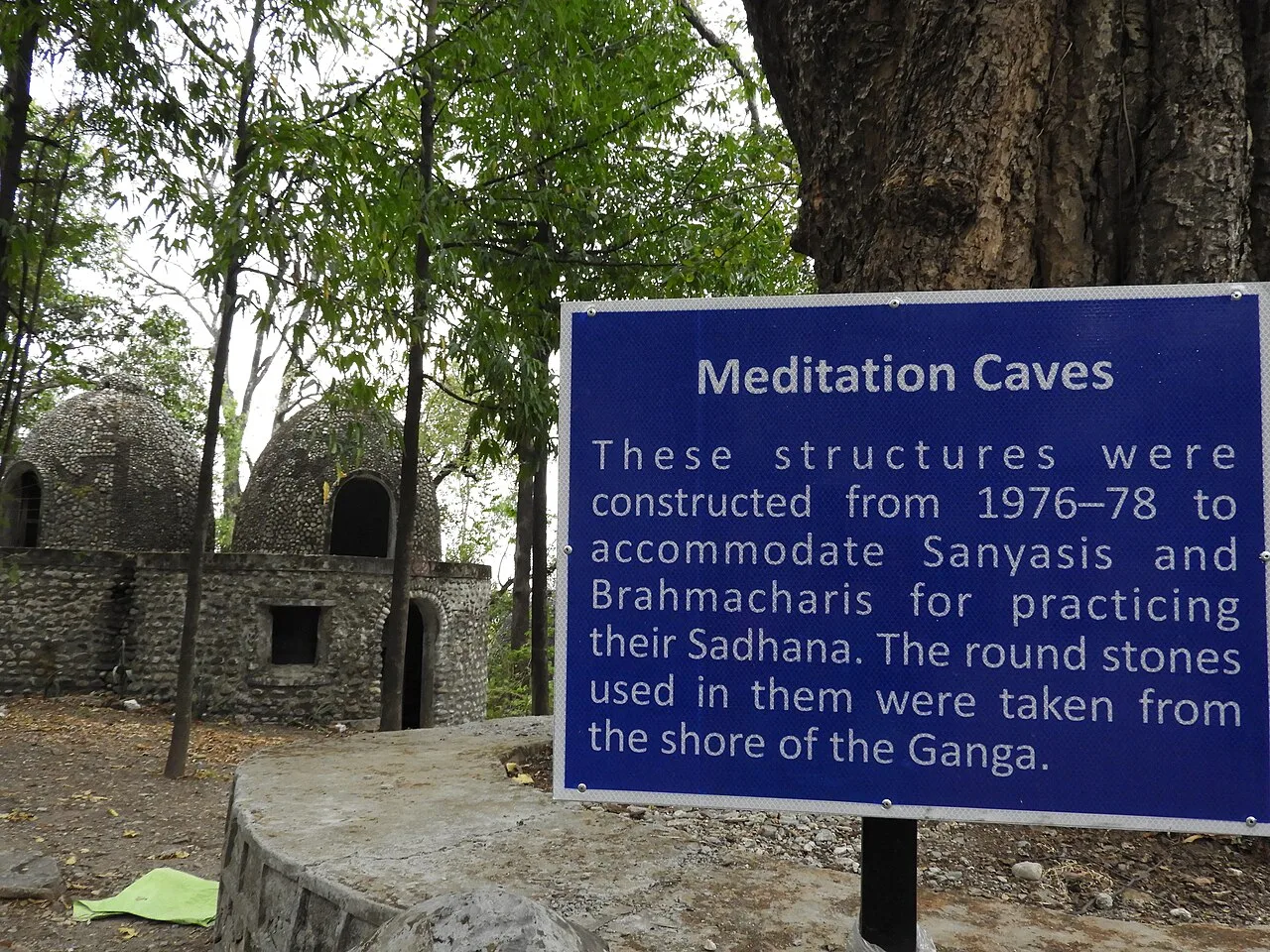
Beatles Ashram
Also called Chaurasi Kutia, this former meditation centre near Rishikesh is known for the Beatles’ 1968 visit. People come to see the site and its Beatles-era history.
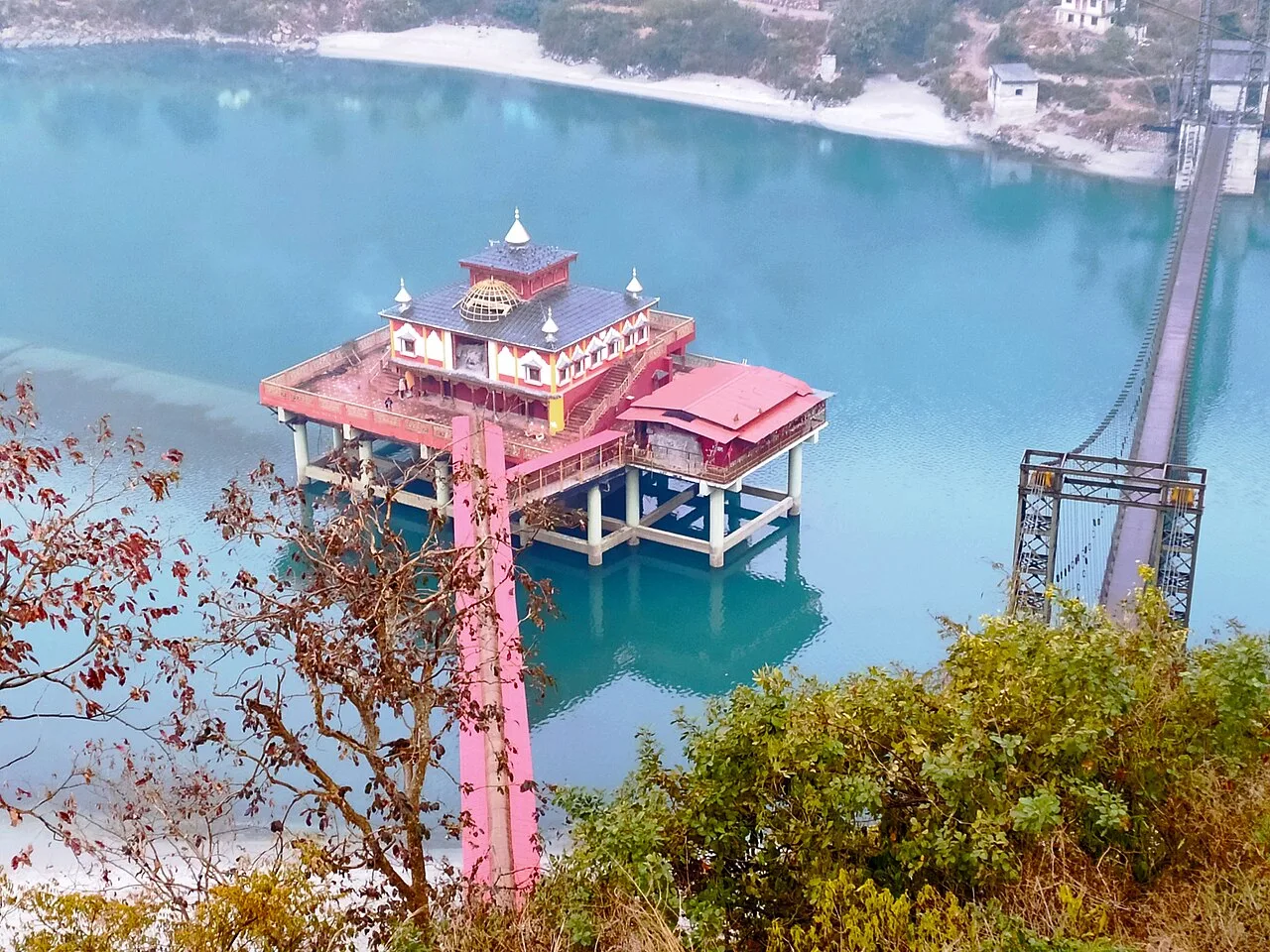
Dhari Devi Temple
Dhari Devi Temple is a Hindu shrine in Uttarakhand’s Pauri Garhwal district, beside the Alaknanda River. Visitors come to worship the goddess regarded as the state’s guardian and protector of the Char Dham.
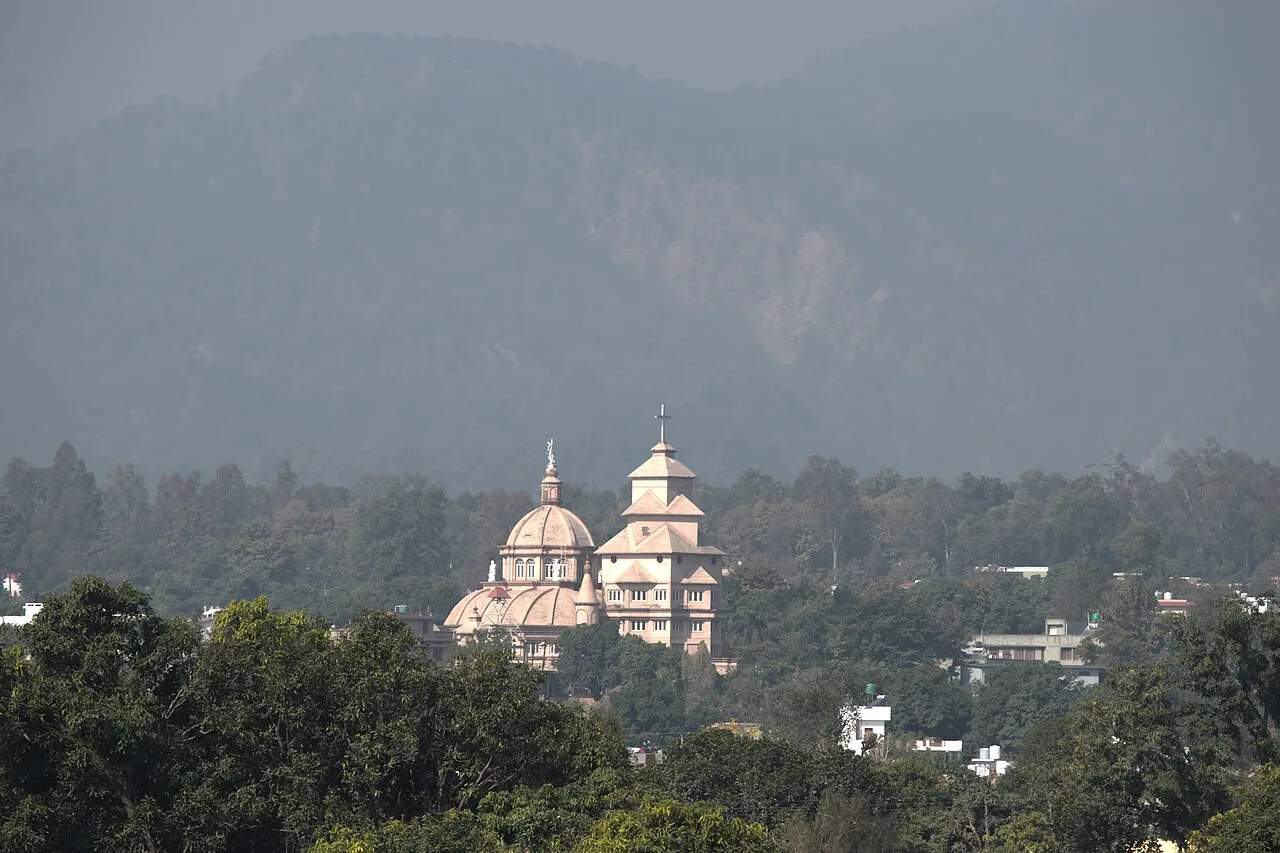
Kotdwar
Kotdwar is a city and municipal corporation in Uttarakhand’s Pauri Garhwal district. Travellers come for its role as an entry point to the hills and to visit Sidhbali Temple.
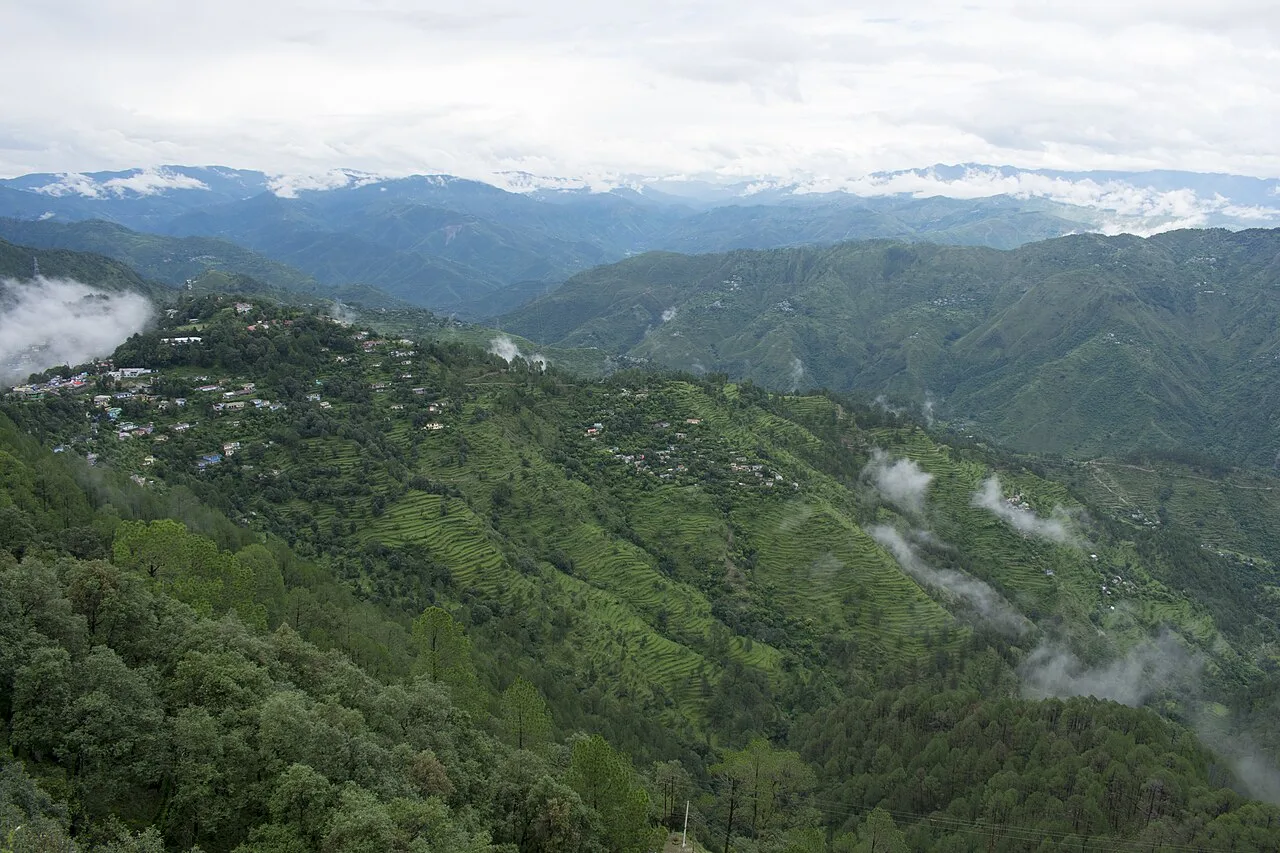
Lansdowne
Set in Uttarakhand’s Garhwal Himalayas, Lansdowne is a hill cantonment with British-era military origins. Visitors come to its mountain setting and to learn of its role as the Garhwal Rifles’ headquarters.
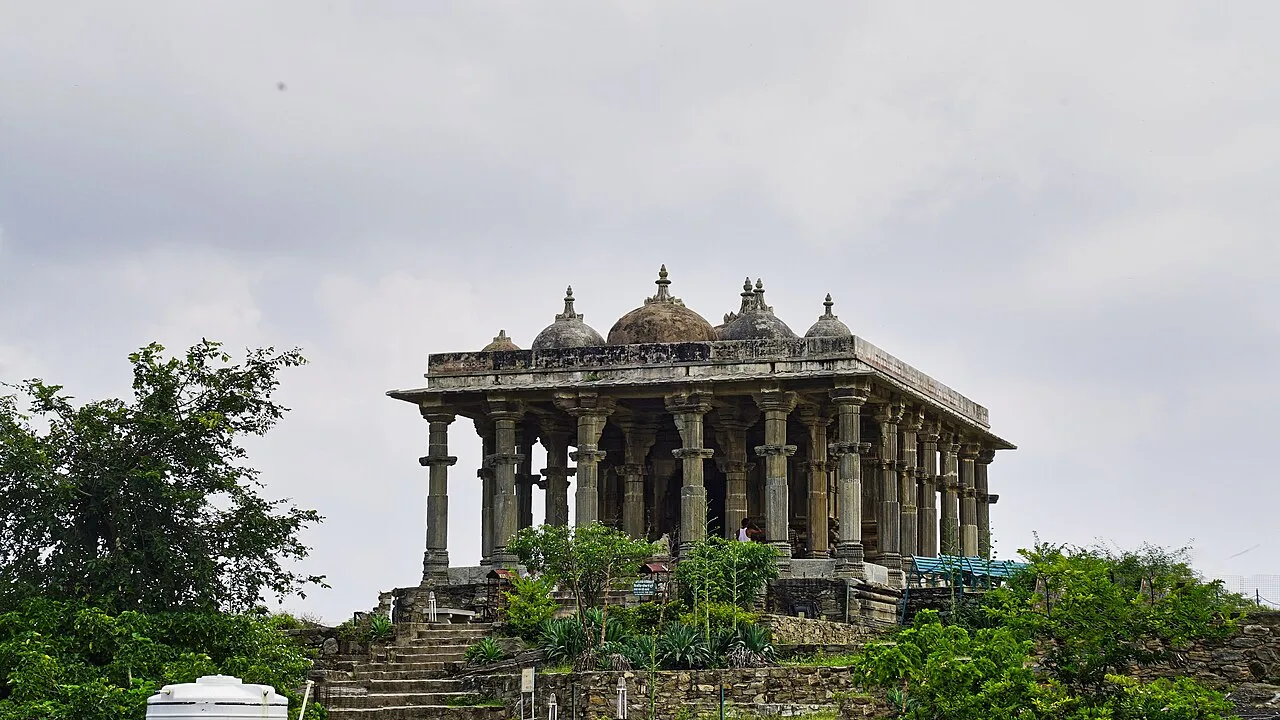
Nilkanth Mahadev
Nilkanth Mahadev is a temple in Pauri Garhwal, Uttarakhand, honouring Shiva in his Nilkanth form. Hindu pilgrims visit it as a place of worship.
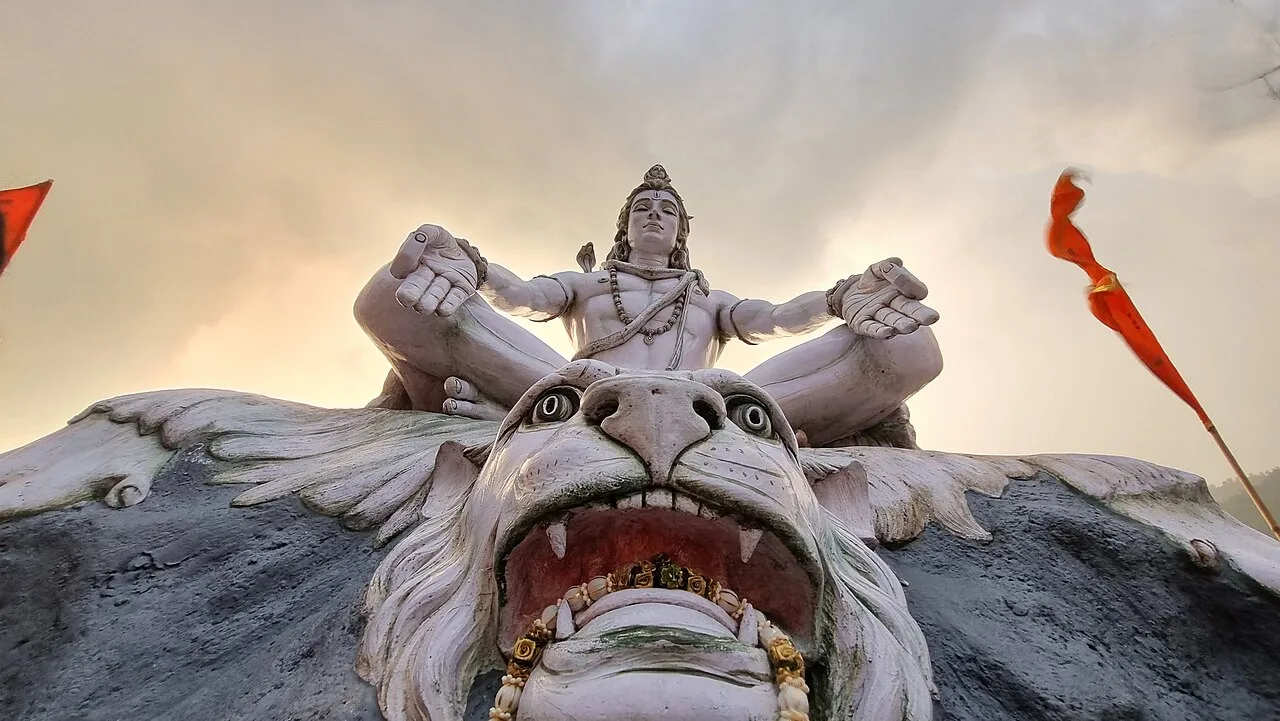
Parmarth Niketan
Parmarth Niketan is an ashram in Rishikesh, Uttarakhand. Visitors come to it as a place of ashram life in Pauri Garhwal district.

Pauri
Pauri is a town in Uttarakhand’s Pauri Garhwal district. Its significance comes from being the Garhwal Division’s headquarters and the seat of the Divisional Commissioner.
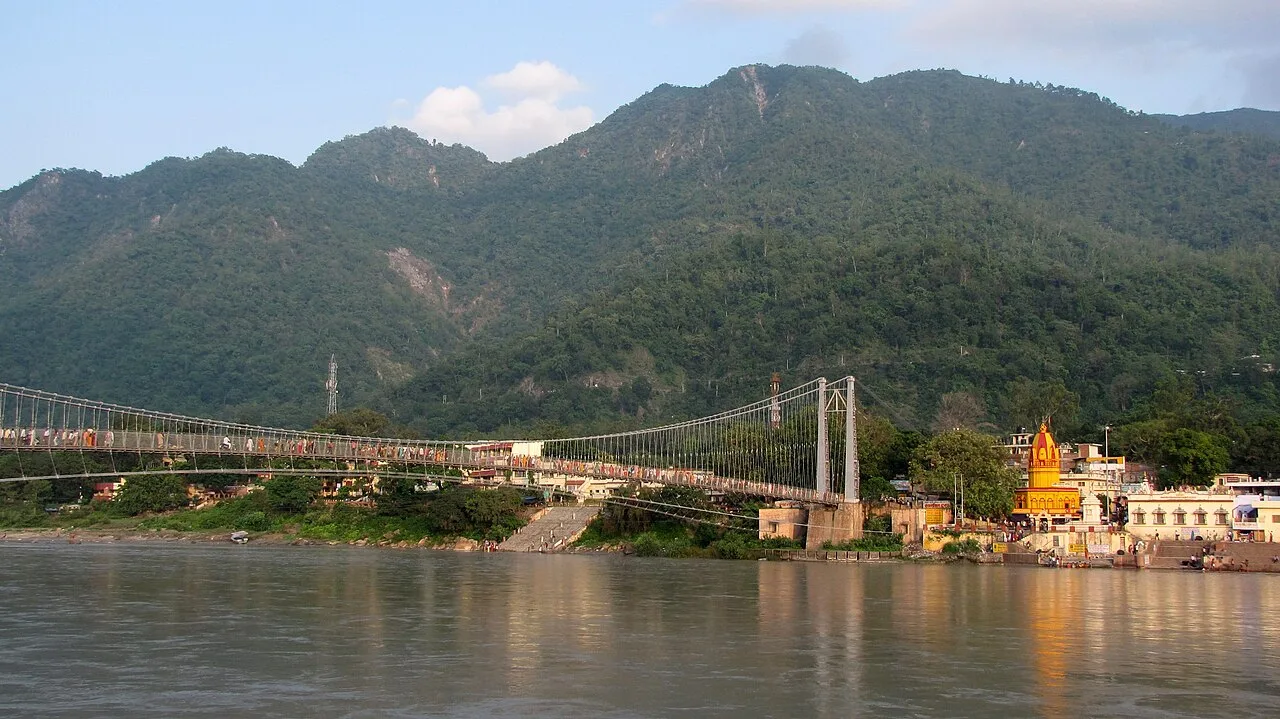
Ram Jhula
Ram Jhula is a 750-foot iron bridge over the Ganges near Rishikesh, linking Sivananda Nagar and Swargashram. It provides a route to nearby ashrams, religious centres and temples.
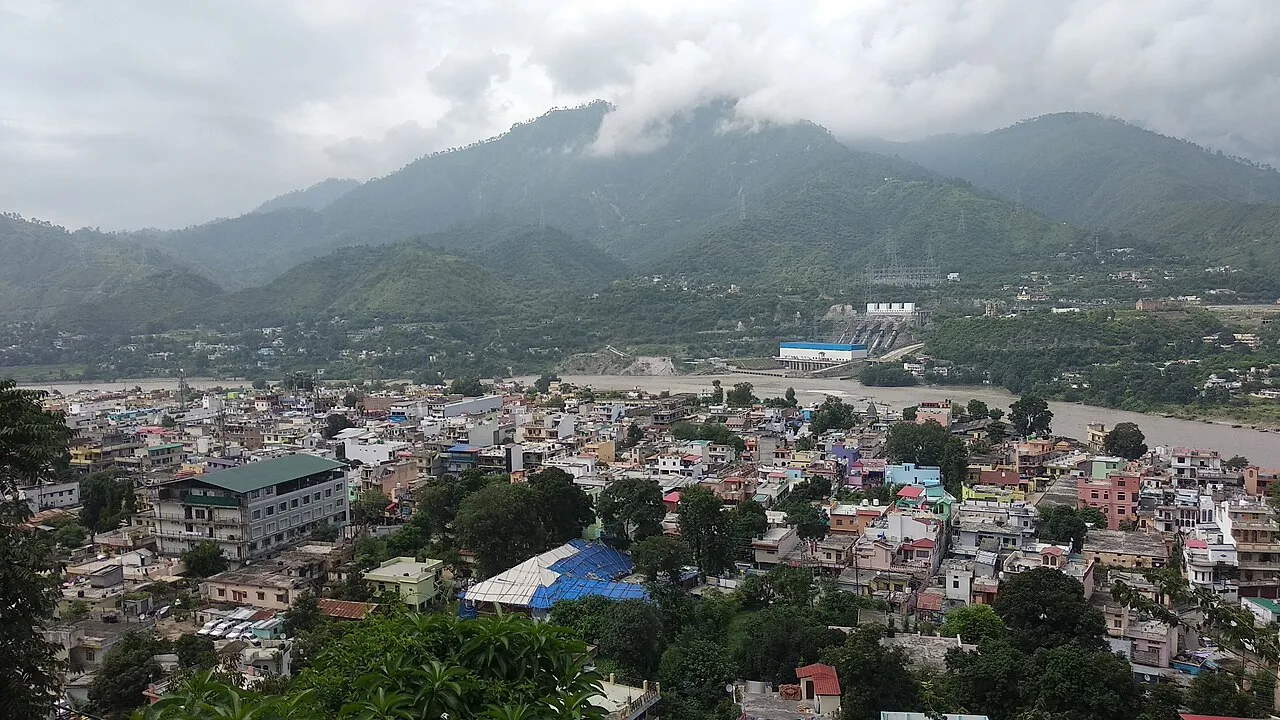
Srinagar
A city with a municipal corporation, Srinagar is in Uttarakhand’s Pauri Garhwal district. Travellers in the area may visit it, with Pauri town, the district headquarters, roughly 33 km away.
Food here reflects wider Garhwali and Uttarakhand traditions, with filling lentil dishes, seasonal greens and grains suited to a cool mountain climate. Look for kafuli, a leafy-green curry; phaanu and chainsoo, preparations made with lentils; bhatt ki churkani; and aloo ke gutke. Mandua, or finger-millet, is made into rotis, while jhangora, a local millet, is used in kheer. Buransh, or rhododendron, squash is a seasonal drink in spring. Menus vary between towns and villages; ask what has been cooked fresh. Pilgrim-area eateries may serve vegetarian food without onion or garlic.
Craft traditions vary across Pauri Garhwal and the wider Uttarakhand region. Ringal, a mountain bamboo, is used by craftspeople for practical items such as baskets and household goods. Wool is also woven and made into warm clothing in parts of the region, though what is available differs from place to place. Carved woodwork can be seen in Garhwal's traditional buildings and religious architecture. These crafts are part of living local traditions, but are not necessarily made or sold in every town; ask locally about current workshops and markets.
Holi, Diwali, Makar Sankranti and Basant Panchami are observed across the district, alongside local temple festivals and village fairs that reflect Garhwali customs. Harela, a seasonal festival associated with greenery and agricultural life in Uttarakhand, is also celebrated in the region. Religious gatherings and fairs can bring extra visitors to temples and market towns, while major holiday periods may make road travel and rooms busier. Celebrations vary by locality and community; check locally for current event arrangements, as smaller fairs may not follow a widely publicised schedule.
Elsewhere in Uttarakhand
The district rises from lower foothills into steep Himalayan ridges, with settlements spread along winding roads and slopes. Oak and pine forests cover many higher areas, while sal and other woodland occur at lower elevations. The Alaknanda, Ramganga and Nayar river systems shape valleys and travel corridors. Pauri and Lansdowne occupy elevated settings, while Kotdwar lies nearer the plains. Mountain roads often follow ridgelines or descend into valleys, so journeys between nearby places can take longer than the map suggests and may be affected by weather or road work.
Spring and early summer are generally pleasant for hill travel, though lower Kotdwar can feel warmer than Pauri or Lansdowne. The monsoon, usually from around June to September, brings heavy showers that can cause landslides, road delays and reduced visibility. Autumn is often clear and well suited to views and walking. Winters are cold in the higher towns, especially in the mornings and evenings; occasional snowfall is possible at higher elevations. March to June and September to November are commonly comfortable periods to visit. Pack layered clothing, sturdy footwear and sun protection, and carry rainwear during the monsoon or shoulder seasons.
Jolly Grant Airport near Dehradun is the main air gateway for Pauri Garhwal. Kotdwar is the railhead for the district's southern side, while Yog Nagari Rishikesh is commonly used for destinations farther into Garhwal. Road journeys from Haridwar, Rishikesh, Dehradun or Kotdwar connect with towns such as Pauri, Srinagar and Lansdowne; onward travel follows winding mountain roads. Buses and shared jeeps serve some routes, while taxis can help with less frequent connections and local visits. Services and road conditions vary by route and season, so check current services locally.
Roads connect Kotdwar with Lansdowne and the hill routes towards Pauri and Srinagar; onward journeys involve winding mountain roads. Local buses and shared jeeps operate on some routes, but service frequency varies, particularly for smaller settlements. Taxis are useful for reaching viewpoints, temples and places with limited public transport. Autos are available in some town areas, while walking is often the simplest way to explore central markets. There are no routine boat links between the district’s main towns. Rishikesh-side sites in the destination list are outside Pauri Garhwal and are reached from Rishikesh; check current road and public-transport conditions before setting out.
2 days: Kotdwar → Lansdowne; sleep in Lansdowne on night 1. 3 days: Pauri → Srinagar → Dhari Devi Temple; sleep in Pauri on night 1 and Srinagar on night 2. 4 days: Kotdwar → Lansdowne → Pauri → Srinagar → Dhari Devi Temple; sleep in Lansdowne, Pauri and Srinagar on nights 1, 2 and 3.
Lansdowne works well for a short cantonment and forest visit, while Pauri and Srinagar are practical bases for exploring central and northern parts of the district. Kotdwar suits arrivals from the plains and visits to the southern side. Accommodation ranges from hotels and guesthouses to homestays; government lodges and dharamshalas may be available in some places, with facilities varying by location. Book ahead during holidays and busy pilgrimage periods, and confirm availability and road access directly before travelling.
Expect steep roads, sharp bends and changing weather; avoid rushing between towns and check for landslide or road-closure updates, especially during the monsoon. In forested areas, keep a respectful distance from wildlife, do not feed animals and avoid isolated walks after dark. Use treated or reliably safe drinking water. Mobile coverage can be patchy outside towns, so share plans and carry essential medicines. Crowds may build around temples and festivals. For any separately notified restricted forest or protected area, confirm access rules and permit requirements with the relevant authorities before visiting.
- Tehri Garhwalabout 37 km
- Haridwarabout 40 km
- Dehradunabout 53 km
- Rudraprayagabout 70 km
- Yamunanagar · Haryanaabout 96 km
- Uttarkashiabout 97 km
- Sirmaur · Himachal Pradeshabout 105 km
- Chamoliabout 111 km
Straight-line distance between the centres of each district's destinations; road distance is longer.
Q: How many days should I spend in Pauri Garhwal? A: Two days can cover one compact area; three or four days allow more time for the district’s spread-out towns and mountain roads. Q: What is the best time to visit? A: March to June and September to November are generally comfortable. Monsoon travel can be disrupted by rain and road conditions. Q: Where is the best base? A: Choose Lansdowne for its cantonment setting, Pauri or Srinagar for central and northern routes, and Kotdwar for the southern side. Q: How do I get to the district? A: Kotdwar is the southern railhead. Jolly Grant Airport and the rail station at Rishikesh are commonly used gateways, followed by road travel. Q: Is the district suitable for families or elderly travellers? A: Yes, with planning. Choose shorter road legs and accessible stays, allow extra time on winding roads, and check walking requirements at each site.
This page draws on our 9 destination guides for Pauri Garhwal and is updated as our team checks it.
Be the first to share photos, stories, advice or a helpful contact for Pauri Garhwal.
Loading…