
District · Uttarakhand
Bageshwar
Bageshwar is part of Kumaon in Uttarakhand, linking inhabited river valleys and hill towns with routes into the higher Kumaon Himalaya.
Bageshwar district lies in the Kumaon region of Uttarakhand, where settled valleys and forested hills rise towards the high Himalaya. Its landscape includes the town of Bageshwar, Kausani’s mountain setting and routes into the upper Kumaon ranges, including the trekking approach to Pindari Glacier. Bageshwar town stands at the confluence of the Saryu and Gomati rivers and is an important local centre. The district’s history is visible in its religious sites: Baijnath’s temple complex is associated with the Katyuri period, while Bagnath Temple stands by the rivers in Bageshwar. Pilgrimage, farming and mountain travel shape a region whose towns and villages retain a quieter, rural character.
Bageshwar is part of Kumaon in Uttarakhand, linking inhabited river valleys and hill towns with routes into the higher Kumaon Himalaya. It is best known for Bageshwar town’s Bagnath Temple and river confluence, the historic temple complex at Baijnath, Kausani’s mountain setting, and the trekking approach to Pindari Glacier. The district offers a mix of pilgrimage, village life, forested hills and mountain travel rather than a single resort centre. It can suit visitors combining cultural stops with a quieter hill stay, while trekkers can use it as a base for planning journeys into the upper ranges.
The history of Bageshwar is closely tied to the wider Kumaon region. The Katyuri dynasty, which held power in parts of Kumaon during the early and medieval periods, is associated with the old settlement of Kartikeyapura at present-day Baijnath and its temple complex. The Chand rulers later established their kingdom in Kumaon, with their influence extending across the region from the medieval period. In the late eighteenth century, Kumaon came under Gorkha rule; after the Anglo-Gorkha War, it passed to British administration in 1815. Bageshwar remained within the administrative territory of Almora during the colonial period and after independence. Its temples and the annual fair at Bageshwar reflect the continuing importance of pilgrimage and local exchange. The modern district was formed in 1997, when it was separated from Almora district in Uttar Pradesh. It became part of Uttarakhand when the state was created in 2000. Agriculture, local trade and seasonal travel have remained central to life in its towns and villages.
4 destination guides
Bageshwar
Bageshwar is a town and municipal board in Uttarakhand’s Bageshwar district, visited for its temples, river setting and links to the region’s religious and political history.
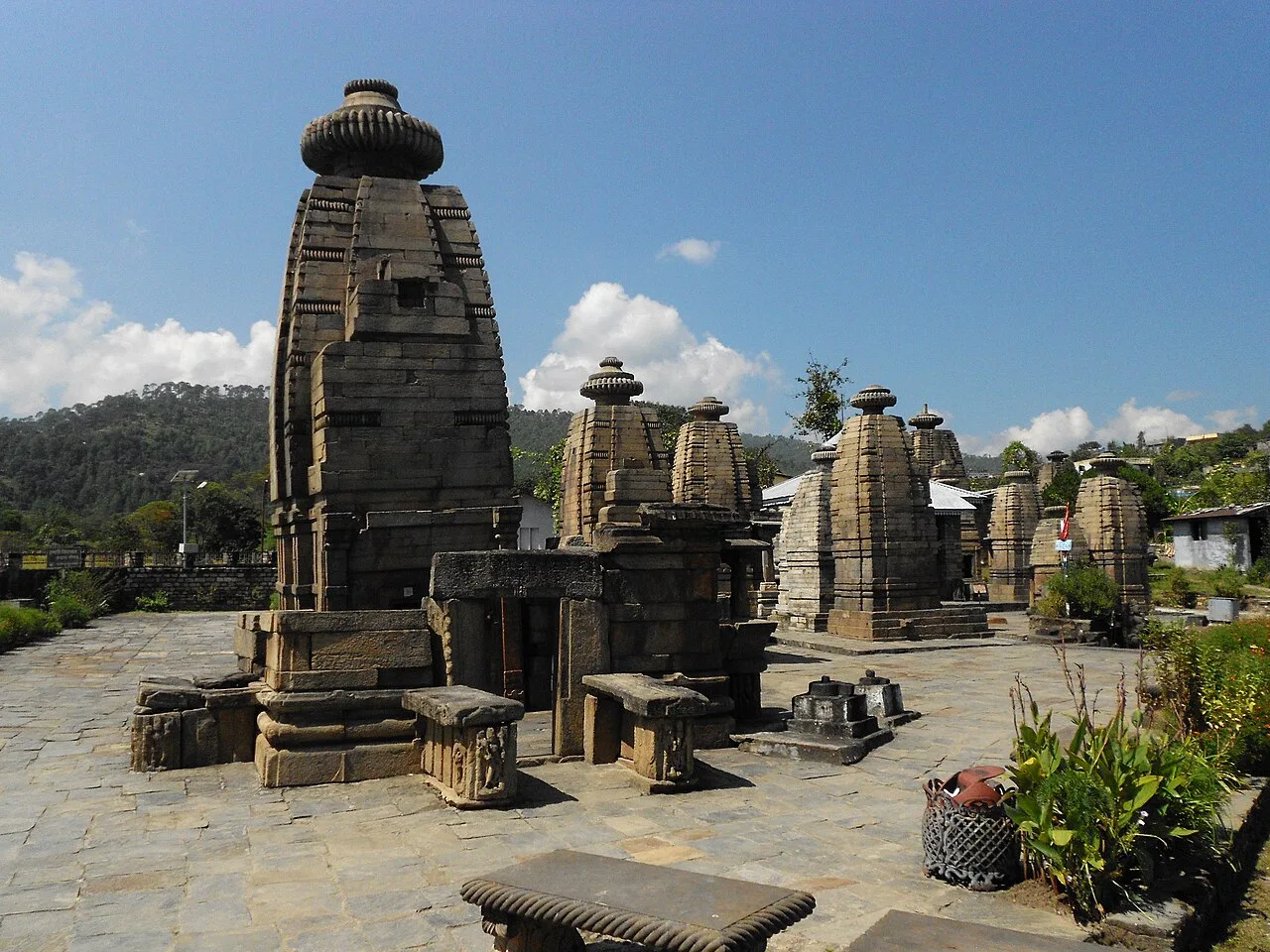
Baijnath Temple
Baijnath Temple, in Uttarakhand’s Bageshwar district, is known for its ancient temples and ties to the Katyuri kings. Visitors come to explore this historic religious site.
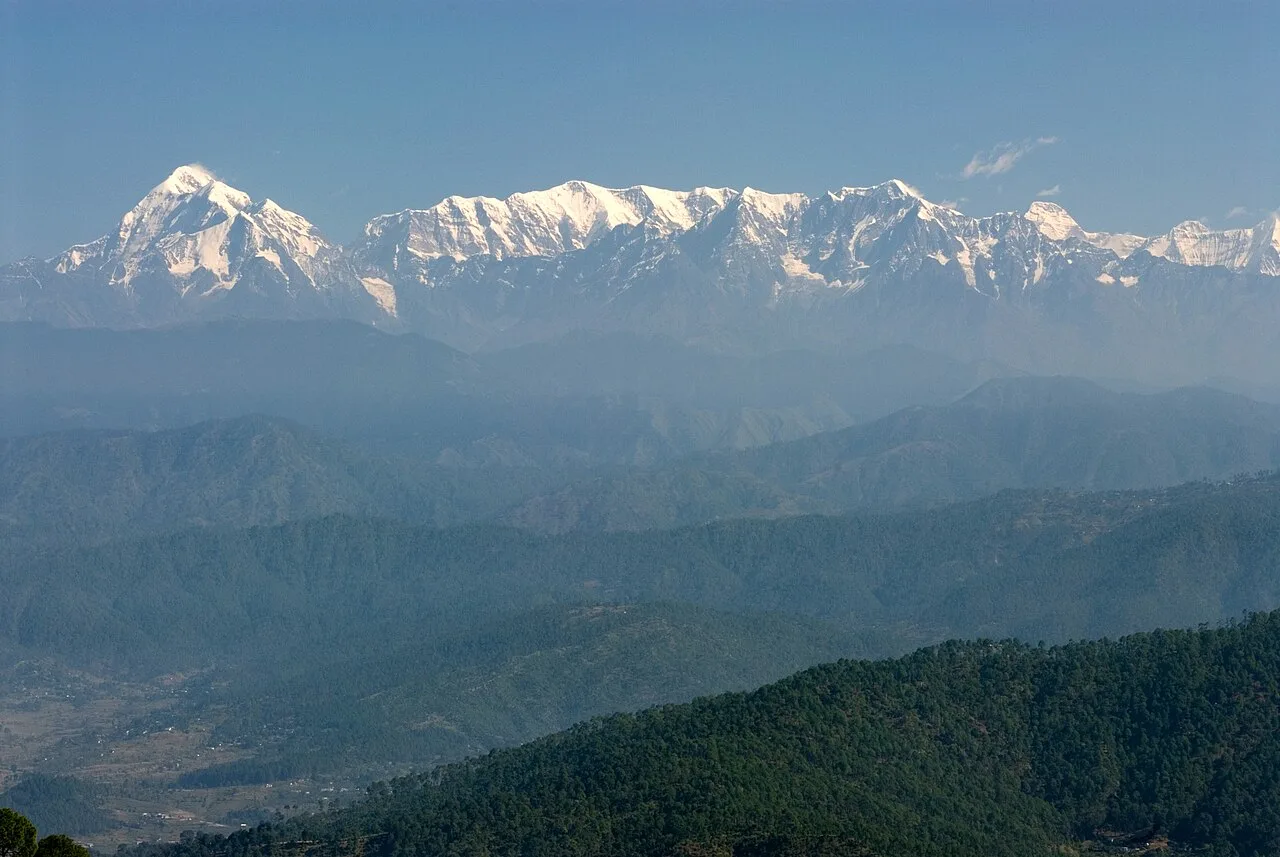
Kausani
Kausani is a hill station and village in Uttarakhand’s Bageshwar district, drawing visitors for its Himalayan scenery and wide views of Trisul, Nanda Devi and Panchchuli.
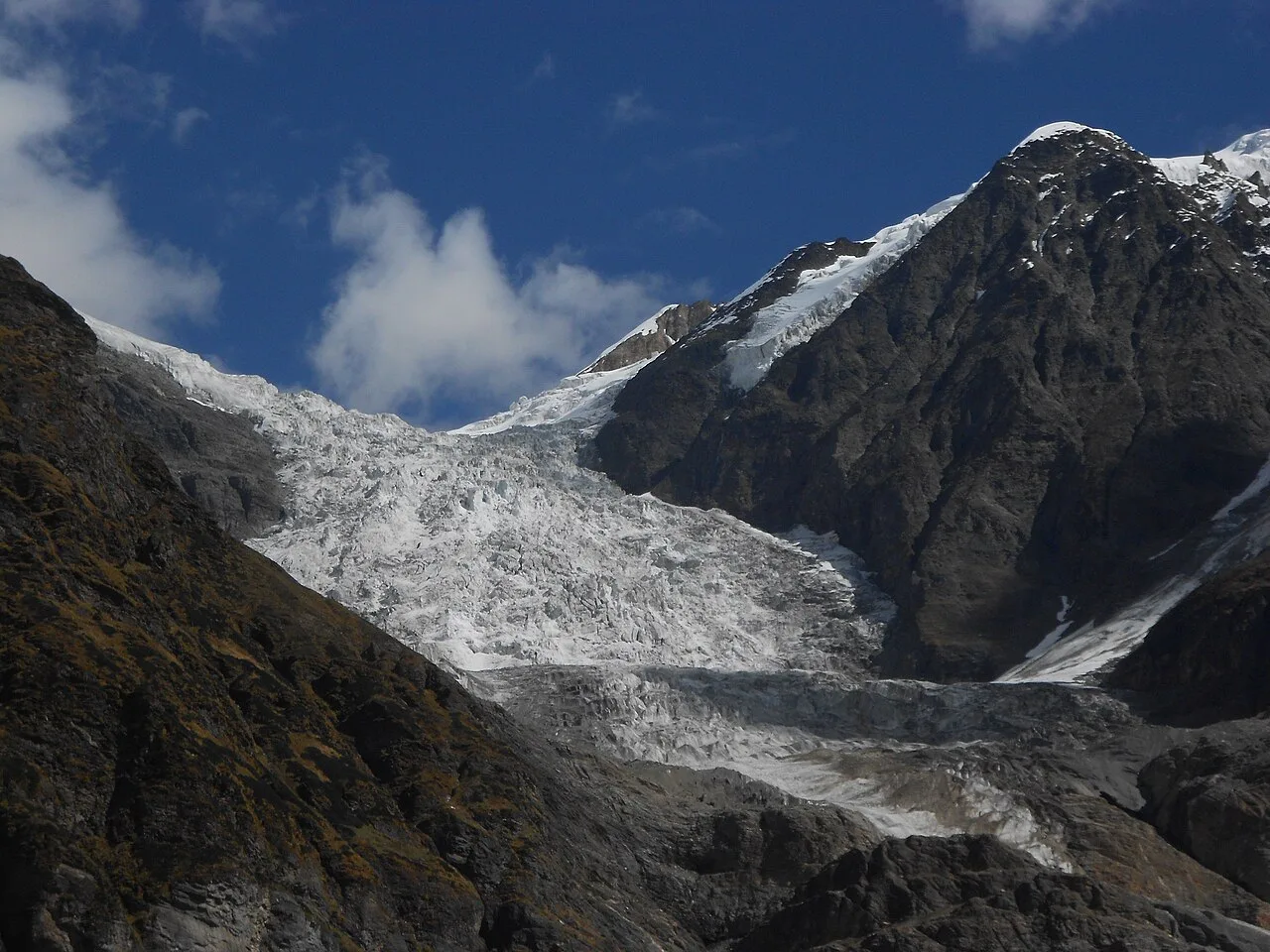
Pindari Glacier
Pindari Glacier is a glacier in the Kumaon Himalayas of Uttarakhand. Visitors come to see it in its mountain setting, south-east of Nanda Devi and Nanda Kot.
Food here reflects wider Kumaoni and Uttarakhand traditions. Look for kafuli, a leafy green preparation; phaanu and chainsoo, hearty lentil dishes; bhatt ki churkani, made with black soybeans; and aloo ke gutke, spiced potatoes. Mandua (finger-millet) rotis and jhangora kheer, made with barnyard millet, are also regional staples. Menus vary with season and place, and small eateries may prepare only a few dishes each day, so asking what is fresh is useful. Vegetarian food is common, particularly around religious sites; some establishments also avoid onion and garlic. Buransh (rhododendron) squash may be available in season.
Craft traditions in Bageshwar sit within the wider Kumaoni and Uttarakhand context. Ringal, a local dwarf bamboo, is used in the region for practical woven goods such as baskets and containers. Wool-working and handwoven woollens are also part of mountain life, though availability and production vary between villages. Aipan, a ritual folk-art tradition made with painted motifs, is associated with Kumaon more broadly and appears on household or ceremonial surfaces. These crafts are not exclusive to Bageshwar; visitors may find examples through local markets or community makers, with selection depending on place and season.
Uttarayani Mela, held around Makar Sankranti in January, is the district’s best-known fair, centred on Bageshwar town and its temples. It draws pilgrims, traders and visitors from across Kumaon, so the town can be busier and accommodation should be arranged ahead. Harela, observed in the monsoon season, and the distinctive Kumaoni traditions of Holi are celebrated in the region, though customs vary between communities. Other religious fairs may be local in scale. Festival schedules and crowd levels can vary from year to year; check locally if planning a visit around a fair.
Elsewhere in Uttarakhand
The district rises from settled river valleys into forested hills and the high Kumaon ranges. Bageshwar town lies where the Saryu and Gomati meet; the Gomati also passes Baijnath. Kausani occupies a hill setting, while routes towards Pindari Glacier enter increasingly remote mountain terrain. Roads follow valleys and contours, so journeys between places can take longer than a map’s straight-line distances suggest. Beyond the main towns, steep paths, changing elevation and limited road access shape travel, especially on trekking approaches and in smaller villages.
Bageshwar has distinct seasons, with conditions varying between valley towns and higher trekking routes. Spring and autumn generally bring clearer skies and comfortable conditions for sightseeing and walking; these are often the most practical months to visit. Summer is usually milder in the hills than in the plains, though higher routes can remain cold. Monsoon brings cloud, rain and the possibility of landslides or road disruption. Winter can be cold, particularly at altitude, and snow may affect high routes. Pack layers, a warm jacket, sturdy footwear and rain protection; trekkers should carry warmer clothing and check current trail and weather conditions before setting out.
Bageshwar is reached mainly by road, with connections through Almora and the Haldwani–Kathgodam side of Kumaon; roads continue to Kausani and Baijnath. Kathgodam is the nearest principal railway station for many visitors, though the onward mountain journey takes several hours and road distances are longer than straight-line estimates suggest. Pithoragarh’s Naini Saini Airport is geographically nearer, but flights are limited; Pantnagar is another regional air gateway. Buses and shared jeeps link larger towns, while taxis can help with local trips. Services to smaller villages and trekking trailheads may be infrequent, so check current services locally.
Road is the main way to move between Bageshwar, Baijnath and Kausani, with local buses and shared jeeps serving larger settlements and some connecting routes. Services to smaller villages may be less frequent. Taxis can be useful for sightseeing or for reaching roadheads on trekking approaches, but arrange onward travel in advance where possible. Autos may be available for short local trips in busier settlements, though they are not a reliable option everywhere. There are no regular passenger boat services for getting between the district’s sights. Mountain roads are winding, and travel time can vary with weather and road conditions.
2 days: Bageshwar → Baijnath Temple; sleep in Bageshwar on night 1. 3 days: Kausani → Baijnath Temple → Bageshwar; sleep in Kausani on night 1 and Bageshwar on night 2. 4 days: Bageshwar → Baijnath Temple → Kausani; sleep in Bageshwar on night 1 and Kausani on nights 2 and 3. Pindari Glacier is a separate trek that needs additional days and overnight stops on the trail.
Bageshwar town is a practical base for Bagnath Temple, local services and the Baijnath area; Kausani suits a quieter hill stay and visits to Baijnath. Both have hotels and guesthouses, with some homestays in the wider area. Government lodges and dharamshalas may be available in certain places, but facilities vary. For Pindari Glacier, plan overnight stops along the trekking route rather than relying on a single town as a base. Book ahead during Uttarayani Mela and check the availability of accommodation before travelling to smaller settlements.
Mountain roads are narrow and winding, and monsoon rain can bring landslides or disruption; check conditions before setting out and avoid rushing journeys after dark. Weather changes quickly at higher elevations, so carry warm and waterproof layers. Pindari Glacier is a strenuous trek: use suitable footwear, allow time to acclimatise and follow local guidance. Wildlife may be encountered on forest paths; keep a respectful distance. Treat or filter water from streams. Mobile coverage and medical services can be limited outside towns. Check current trekking arrangements and any applicable local or forest rules with official sources before departure.
- Almoraabout 27 km
- Nainitalabout 57 km
- Champawatabout 70 km
- Chamoliabout 76 km
- Pithoragarhabout 84 km
- Rudraprayagabout 92 km
- Udham Singh Nagarabout 105 km
- Pauri Garhwalabout 115 km
Straight-line distance between the centres of each district's destinations; road distance is longer.
Q: How many days should I spend in Bageshwar district? A: Two or three days can cover the main towns and temples. Allow additional days for the Pindari Glacier trek. Q: When is the best time to visit? A: Spring and autumn are generally good for sightseeing and walking. Monsoon travel can be disrupted, while higher routes are cold in winter. Q: Where is the best base for visiting the district? A: Bageshwar is convenient for local services and temple visits; Kausani is a good base for a hill stay and the Baijnath area. Q: How do I get to Bageshwar? A: Most visitors travel by road through Kumaon, often via Almora or the Haldwani–Kathgodam side. Kathgodam is a principal rail gateway, followed by a mountain road journey. Q: Is Bageshwar suitable for families or elderly travellers? A: Towns and temple visits can suit many visitors, though steps and uneven ground may be difficult. The Pindari Glacier trek is demanding and is not suitable for everyone.
This page draws on our 4 destination guides for Bageshwar and is updated as our team checks it.
Be the first to share photos, stories, advice or a helpful contact for Bageshwar.
Loading…