
District · Himachal Pradesh
Sirmaur
Sirmaur lies in southeastern Himachal Pradesh, where the Shivalik foothills meet routes towards Uttarakhand and Haryana.
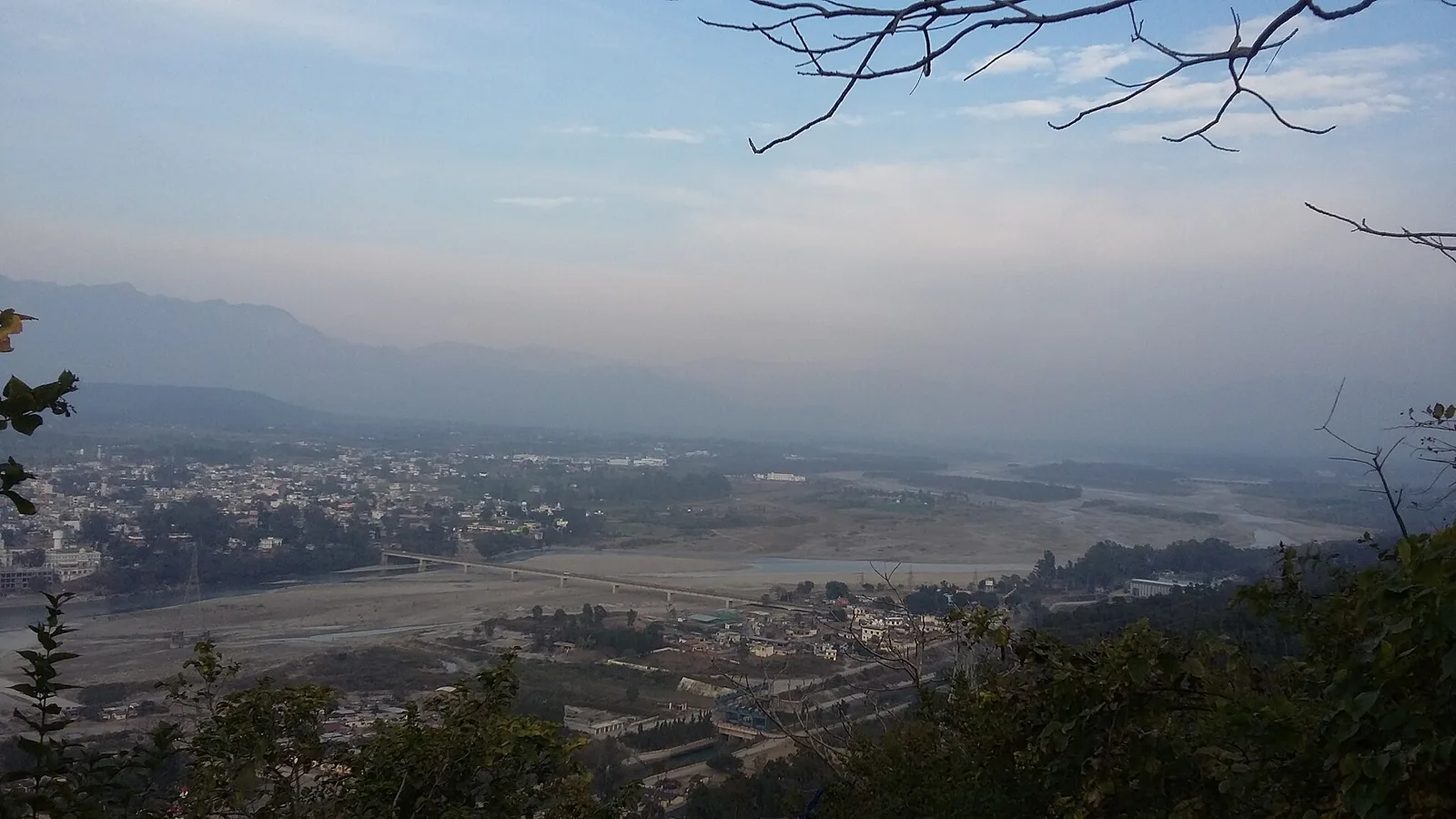
Sirmaur lies in south-eastern Himachal Pradesh, where the Shivalik foothills rise towards higher, forested ridges. The landscape ranges from warmer river valleys around Paonta Sahib to the hills and wooded slopes near Renuka Lake and Churdhar. The Giri and Yamuna are among the rivers that shape the district, while Renuka Lake is both a prominent natural feature and a place of religious importance. Nahan, the district headquarters, was the capital of the former princely state of Sirmur. Paonta Sahib has a strong association with Sikh history and Guru Gobind Singh. Together, these places give Sirmaur a character shaped by hill-town life, pilgrimage, farming and varied terrain.
Sirmaur lies in southeastern Himachal Pradesh, where the Shivalik foothills meet routes towards Uttarakhand and Haryana. It is known for Paonta Sahib, an important Sikh pilgrimage centre, and Renuka Lake, a scenic lake associated with local religious traditions. The district also offers a contrast between busy towns, river valleys and quieter hill country. Visitors can combine places of worship with time outdoors, while learning about the region’s former princely state. The destinations listed here are documented visitor places, not a complete inventory of Sirmaur’s local sites.
Sirmaur was once a princely state ruled by a line of Rajput rulers. Accounts of its early origins vary; local tradition traces the state to the eleventh century, though details of its earliest history are not uniformly established. Raja Karam Prakash is credited with founding Nahan in the early seventeenth century, and the town later became the state’s capital. In the late seventeenth century, Guru Gobind Singh stayed at Paonta, where Sikh tradition remembers his time and the nearby Battle of Bhangani. Gurkha forces occupied Sirmaur in the early nineteenth century. The British drove them out in 1815 and restored the princely state under British paramountcy. Sirmaur remained a princely state until it joined the Indian Union in 1948 and became part of the newly formed Himachal Pradesh administrative structure. Its former political history, Sikh heritage and local religious traditions all contribute to the district’s present-day identity.
2 destination guides
Paonta Sahib
Paonta Sahib is an industrial city in Himachal Pradesh’s Sirmaur district. People visit for the large Gurudwara Paonta Sahib, an important place of worship for Sikhs beside the Yamuna.
Renuka Lake
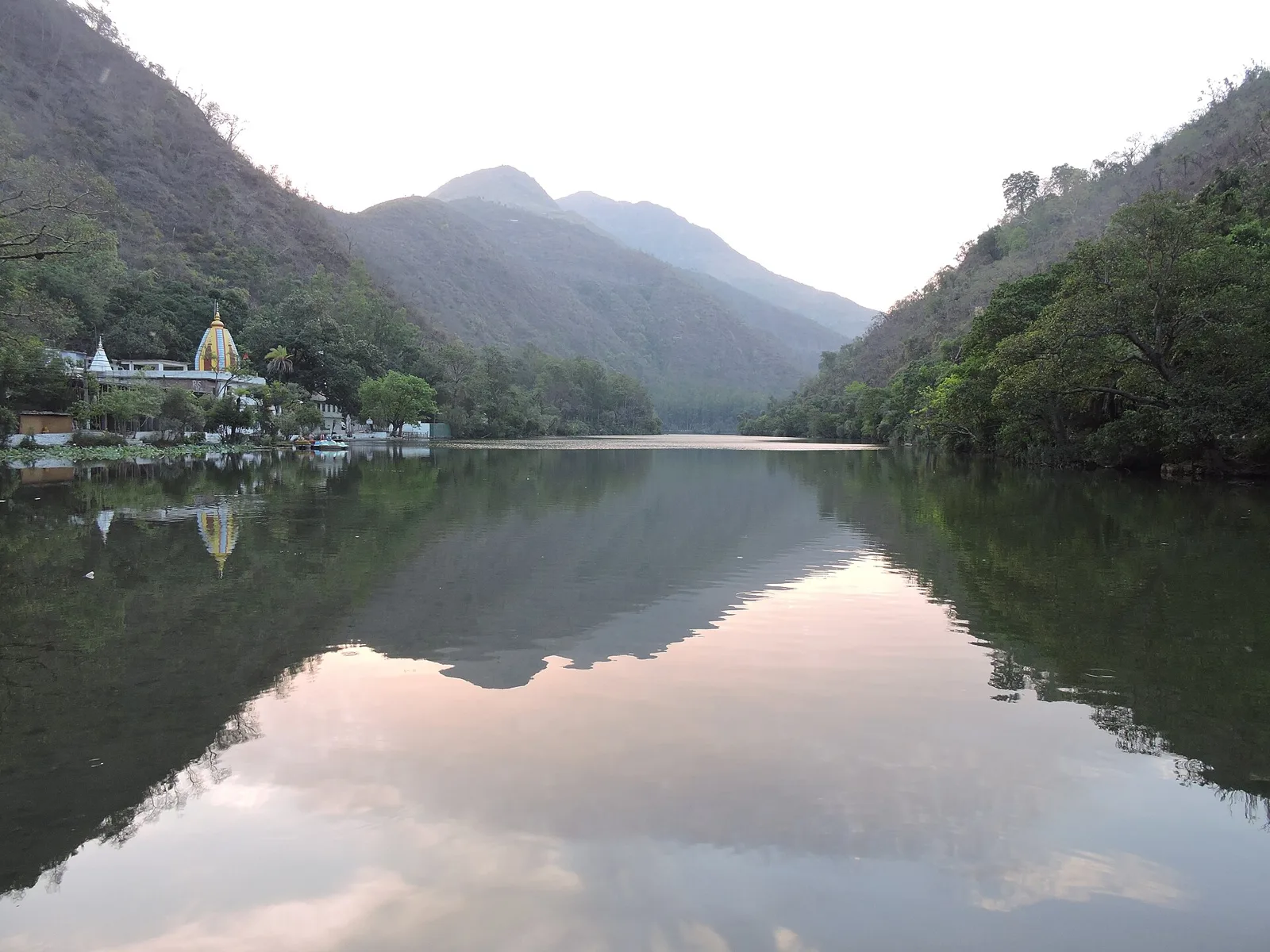
At 672 metres in Himachal Pradesh’s Sirmaur district, Renuka Lake is the state’s largest lake. Visitors come to see its scale and its connection to the goddess Renuka.
Food in Sirmaur reflects wider Himachali and north Indian traditions, with menus varying between towns and rural areas. Siddu, a steamed stuffed bread, madra, babru and chha gosht are among the regional dishes visitors may encounter; dham is a traditional festive meal rather than an everyday menu. Trout is served in some parts of Himachal, while seasonal fruit such as apples and apricots may be available depending on location and time of year. Many small eateries prepare a limited selection each day, so ask what is fresh. Vegetarian options are widely available, and town dhabas commonly serve simple meals.
Sirmaur's craft traditions are often local and practical rather than represented by one widely recognised district-wide souvenir. In the wider Himachal region, visitors may encounter handwoven woollens, embroidery, woodwork and basketry, though styles and availability vary from place to place. Nahan and other town markets are useful places to look for locally made goods, but not every item sold there will have been made in the district. Ask sellers about an object's materials and origin, and consider buying directly from makers where possible. Pahari painting is associated with Himachal's broader artistic heritage, but its best-known traditions are linked to other parts of the state.
The Renuka fair, usually held in November, draws pilgrims and visitors to the lake and nearby temple area. Paonta Sahib also receives pilgrims for Sikh observances and gurpurabs through the year, with attendance rising around major events. Local fairs and religious gatherings bring a festive atmosphere, but can make roads and visitor facilities busier than usual. Room choices may be limited during larger gatherings, especially close to the event sites, so booking ahead is sensible. Dates follow religious calendars and can vary from year to year.
In this district
Elsewhere in Himachal Pradesh
- Kullu DussehraDates to be announced · Seasonal
- Minjar MelaDates to be announced · Seasonal
- International Shivratri Fair, MandiDates to be announced · Seasonal
- Lavi FairDates to be announced · Seasonal
- PhulaichDates to be announced · Seasonal
- Losar & HaldaDates to be announced · Seasonal
- Shoolini MelaDates to be announced · Seasonal
Sirmaur spans the Shivalik foothills and adjoining hill country in southeastern Himachal Pradesh. Its terrain includes wooded slopes, ridges and valleys, with the Giri and other river systems shaping routes through the district; the Yamuna marks part of its regional boundary. Renuka Lake sits in a lower, forested setting, while roads climb and bend through higher terrain elsewhere. This variation makes road journeys scenic but sometimes slow. Monsoon rain can affect hill roads, and travel times depend on local conditions rather than straight-line distances.
Lower parts of Sirmaur can be warm in summer, while higher areas are generally cooler. The monsoon, usually from June into September, brings heavier rain and can disrupt travel with slippery roads or landslides. Autumn is often a comfortable time to visit, and winter is usually pleasant in lower areas but chilly in the hills, especially at night. Spring is also suitable for many trips. October to April is a useful general window, though conditions vary by elevation. Pack layers, comfortable walking shoes and, during the rainy season, waterproof clothing and a light rain cover.
Sirmaur is reached mainly by road, with Nahan and Paonta Sahib serving as useful bases for different parts of the district. Chandigarh and Dehradun are practical airport gateways; Shimla Airport may suit some routes, but services and onward connections can be limited. Rail access depends on the destination: Yamunanagar-Jagadhri is useful for Paonta Sahib, while Solan and Kalka can serve other itineraries. Buses connect major towns with regional centres, and taxis help with hill routes and sites beyond regular bus links. Public transport may be infrequent in rural areas, so plan onward travel before setting out and check current services locally.
Roads connect Nahan, Paonta Sahib and settlements across the district, with routes becoming narrower and more winding in hill areas. State and local buses serve towns and some village routes, but services can be less frequent away from main corridors. Taxis can be useful for reaching Renuka Lake and other places not convenient for a bus-based itinerary; shared vehicles may be available on busier routes. Auto-rickshaws are used for local journeys in some towns. Confirm onward transport locally, particularly for return trips from smaller settlements, and allow extra time in poor weather.
2 days: Paonta Sahib → Renuka Lake; sleep in Paonta Sahib on night 1. 3 days: Renuka Lake → Paonta Sahib; sleep near Renuka Lake on night 1 and in Paonta Sahib on night 2.
Paonta Sahib is a practical base for visiting the town’s religious sites and for road journeys through the southern part of the district. For a Renuka Lake visit, look for accommodation near the lake or use a town on the approach as a base; options can be more limited than in larger towns. Nahan offers another useful base for exploring the district by road. Depending on location, visitors may find hotels, guesthouses, homestays, government accommodation or dharamshalas. Availability is tighter during fairs and major religious gatherings.
Hill roads can be narrow, winding and affected by rain, so check local conditions and avoid rushing, especially after dark or during the monsoon. Wear shoes with good grip around lakeshores and on uneven paths. Keep a respectful distance from monkeys and other wildlife, and avoid feeding animals. Use treated or sealed drinking water if water quality is uncertain. Mobile coverage can be patchy outside towns; carry essential details offline and let someone know your route. The listed destinations do not normally require special-area permits, but confirm officially before entering restricted forest or other controlled areas.
- Yamunanagar · Haryanaabout 20 km
- Dehradun · Uttarakhandabout 52 km
- Solanabout 65 km
- Panchkula · Haryanaabout 67 km
- Shimlaabout 73 km
- Tehri Garhwal · Uttarakhandabout 73 km
- Chandigarh · Chandigarhabout 75 km
- Ambala · Haryanaabout 75 km
Straight-line distance between the centres of each district's destinations; road distance is longer.
Q: How many days should I spend in Sirmaur? A: Two days can cover Paonta Sahib and Renuka Lake at a steady pace; allow three days if you want a more relaxed road journey. Q: When is the best time to visit? A: October to April is a useful general period, with spring and autumn often comfortable. Monsoon travel can be affected by rain. Q: Where is the best base? A: Paonta Sahib suits visits to the town and southern routes; stay near Renuka Lake for more time around the lake, or use Nahan for wider road access. Q: How do I get to Sirmaur? A: Most visitors travel by road, using buses or taxis from larger nearby cities. Rail or air connections require onward road travel; choose a gateway based on your starting point. Q: Is Sirmaur suitable for families or elderly travellers? A: Yes, with planning. Paonta Sahib is town-based, while Renuka Lake and hill routes may involve uneven paths, winding drives or limited services.
This page draws on our 2 destination guides for Sirmaur and is updated as our team checks it.
Be the first to share photos, stories, advice or a helpful contact for Sirmaur.
Loading…