
District · Haryana
Panchkula
Panchkula offers a compact introduction to Haryana’s transition from the plains into the Shivalik foothills.
Panchkula district sits in northern Haryana, where the plains rise towards the Shivalik foothills. Its landscape ranges from the planned urban centre of Panchkula, next to Chandigarh, to the wooded slopes and settlements of the Morni Hills. The Ghaggar and its seasonal streams shape parts of the terrain. The district’s character blends modern civic life with older religious and garden heritage: Pinjore’s Yadavindra Gardens date to the 17th century, while the nearby Bhima Devi Temple ruins preserve sculpture from a much earlier period. Morni offers a quieter, hill-country contrast to the built-up areas. Panchkula is also a practical base for exploring nearby Chandigarh, Kalka and the lower Himalayan approaches.
Panchkula offers a compact introduction to Haryana’s transition from the plains into the Shivalik foothills. Beside Chandigarh, its planned urban centre makes a convenient base, while the district’s quieter edges lead to wooded Morni Hills. The best-known heritage stops are Yadavindra Gardens at Pinjore, a 17th-century garden complex, and the nearby Bhima Devi Temple Site Museum, where temple remains preserve early medieval sculpture. Cactus Garden adds a nature-focused visit within the urban area. Travellers can combine these contrasting sights without choosing between a city break and a foothill excursion, or use Panchkula as a base for nearby Chandigarh and the lower Himalayan routes.
The district’s heritage is visible in the Bhima Devi Temple ruins at Pinjore, whose remains and sculpture are generally dated between the 8th and 11th centuries. They point to a significant temple tradition in the Shivalik foothills during the early medieval period. Pinjore’s garden complex was laid out in the 17th century during the Mughal period and later became associated with the rulers of Patiala, who restored and maintained it; it is now known as Yadavindra Gardens. The wider region changed hands over time among larger north Indian powers and local authorities, though the surviving sites provide a firmer record than many details of those transitions. Under British rule, the area was administered within Punjab. After Independence it remained in Punjab until Haryana was created in 1966. Panchkula district was formed in 1995 from Ambala district. Its recent history is also shaped by the planned expansion of Panchkula as an urban centre adjoining Chandigarh, alongside continued settlement in the hill country around Morni.
4 destination guides · 3 on the map
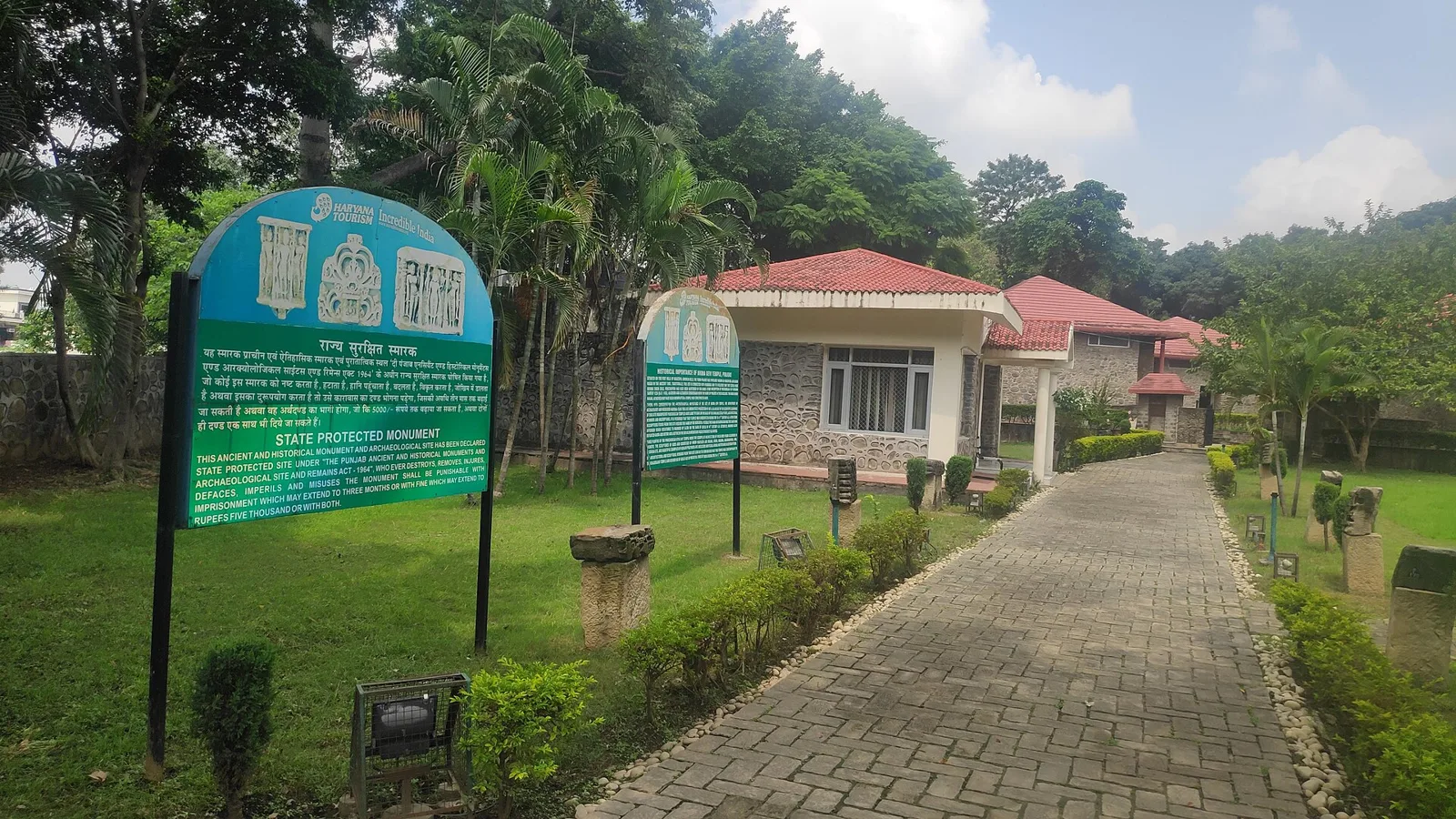
Bhima Devi Temple Site Museum
Bhima Devi Temple Site Museum preserves the remains of an ancient Hindu temple beside Pinjore Gardens. Visitors come to see its sculptures, including erotic carvings, and archaeological finds.
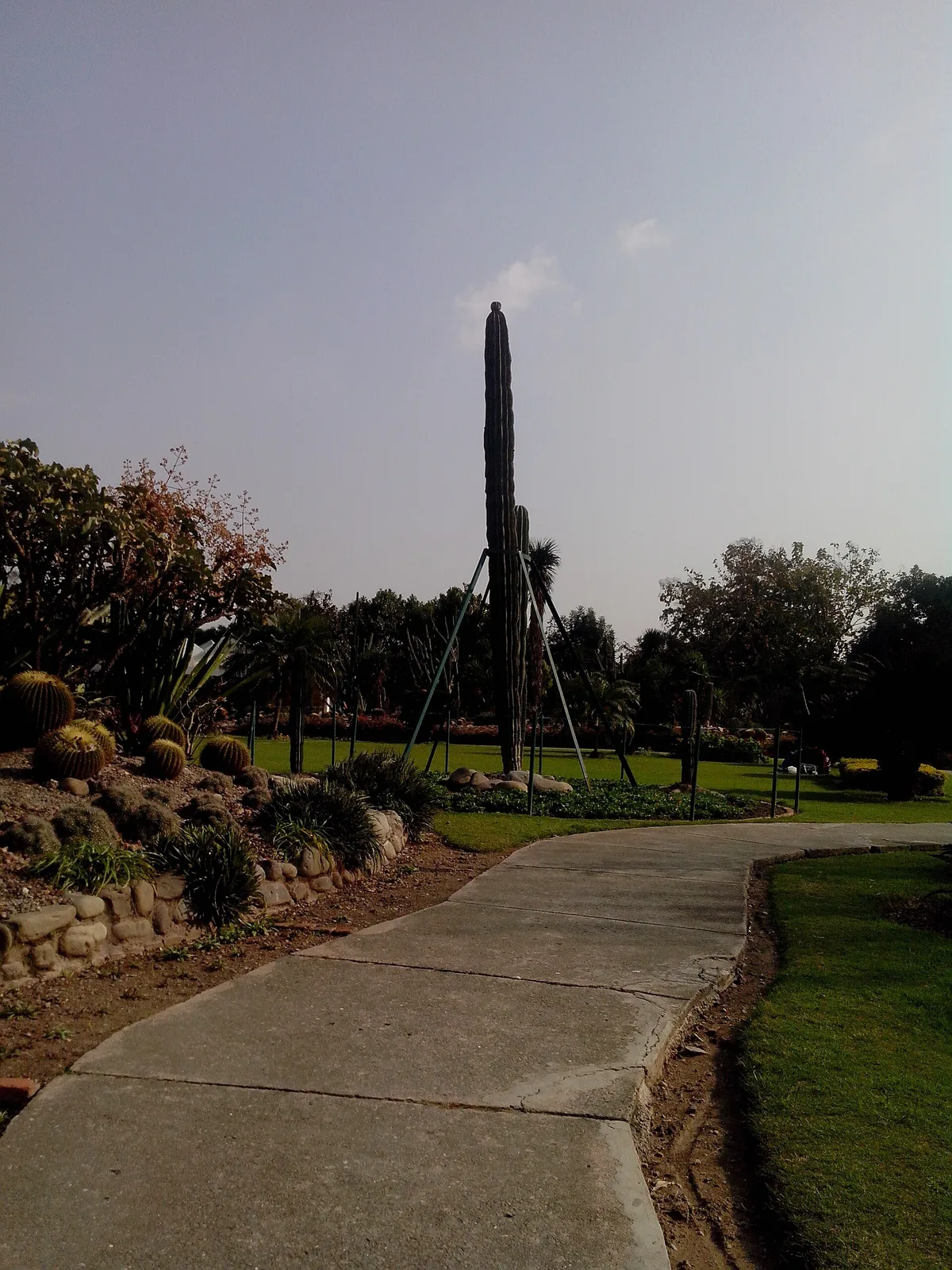
Cactus Garden
Cactus Garden is a protected nature area in Panchkula district, Haryana. Visitors may be drawn to its identity as a place recognised for nature protection.
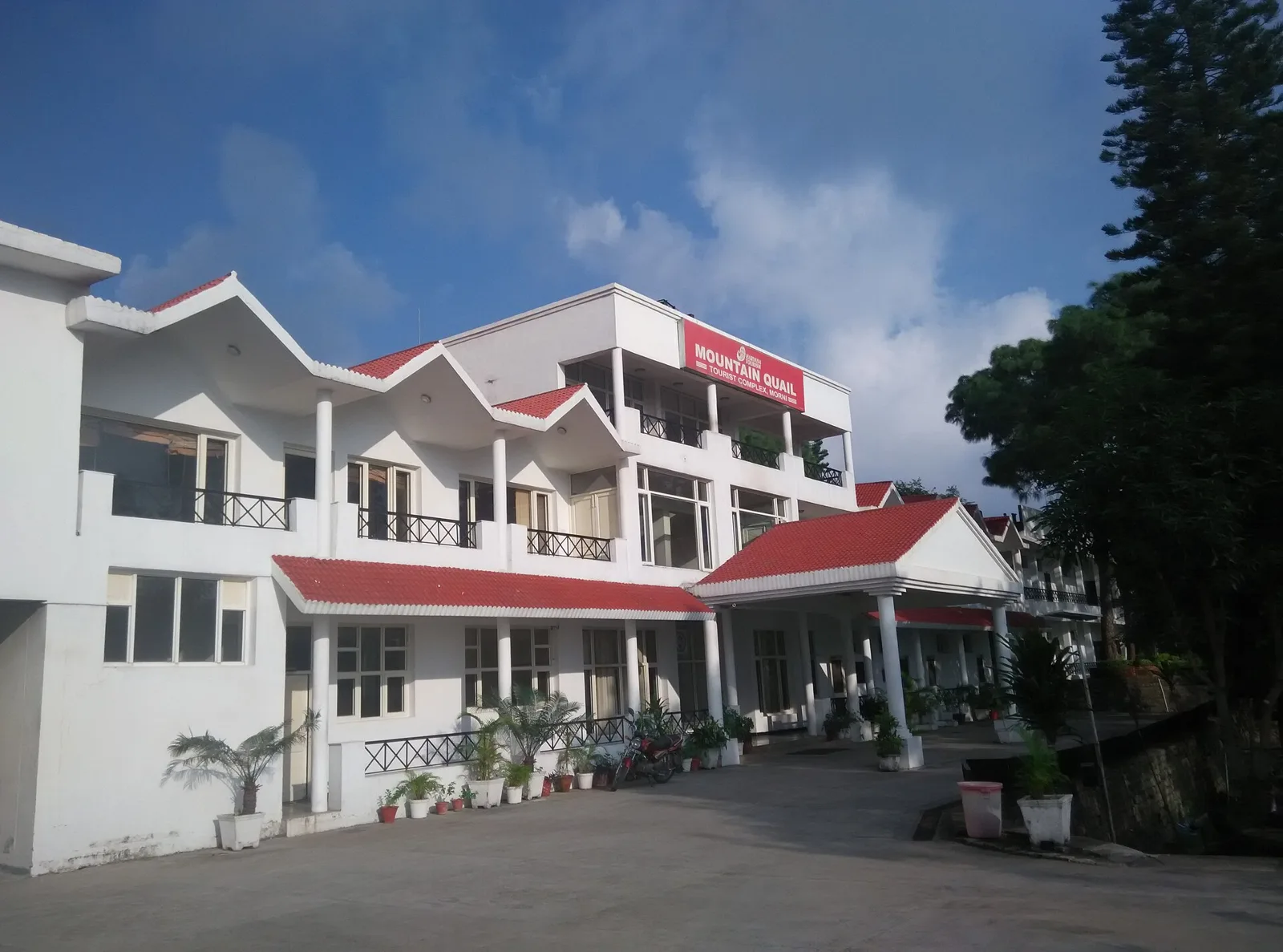
Morni
Morni is a village and tourist destination in Haryana’s Morni Hills; visitors come for views of the distant Himalayas, its flora and its lakes.
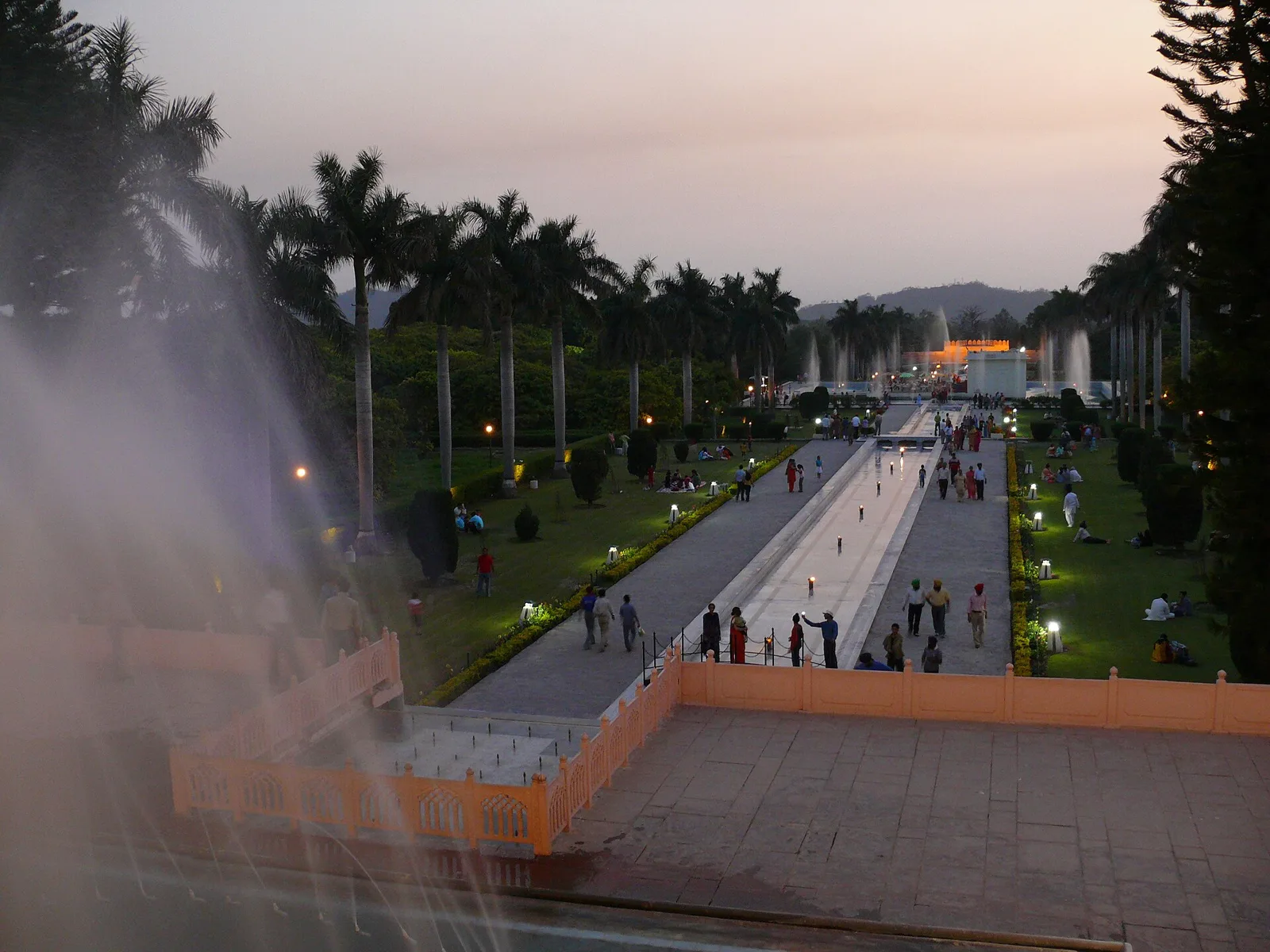
Yadavindra Gardens
Yadavindra Gardens, or Pinjore Gardens, is a historic seventeenth-century garden in Haryana. Visitors come to see its Mughal-style design, later renovated by Sikh rulers of the Patiala dynasty.
Panchkula’s food reflects the wider Haryana and north Indian region rather than a single district-specific cuisine. Everyday meals may include bajra khichdi, seasonal greens such as bathua, singri ki sabzi and kachri chutney, with curd, fresh milk and ghee common in local food traditions. Sweets such as ghevar and rewri are enjoyed across the region. Towns have vegetarian eateries as well as simple dhabas serving non-vegetarian dishes. Menus at smaller places can be limited and depend on what is fresh that day, so it is worth asking before ordering. Carry water and snacks when travelling to quieter hill areas, where food options may be sparse.
No single craft is firmly established as unique to Panchkula district. Its craft traditions sit within the wider Haryana and north Indian context, where visitors may encounter handwoven durries, pottery and embroidery. Phulkari is especially associated with Punjab but is also part of the broader cultural landscape around the region; it should not be treated as an exclusively Panchkula craft. Availability varies, and many items sold in town markets may come from elsewhere. For locally made work, ask shopkeepers or cultural venues about the maker and place of origin rather than assuming a product is district-made.
Holi, Diwali, Baisakhi and Navratri are observed in Panchkula and the surrounding Haryana-Chandigarh region, with the usual seasonal pattern: spring for Holi and Baisakhi, and autumn for Navratri and Diwali. Pinjore’s seasonal Mango Mela is a regional draw, usually held in summer, though arrangements can vary from year to year. Festival periods and event weekends can bring more visitors to gardens and urban attractions, so nearby rooms may be busier. Check locally for current event schedules before planning around a fair.
Panchkula spans built-up plains beside Chandigarh and rising terrain towards the Shivalik foothills. Morni Hills brings wooded slopes, ridges and winding roads, while streams and seasonal channels, including the Ghaggar system, shape parts of the district. Pinjore lies near the transition between the plains and foothills, making its gardens and temple remains convenient to combine. Monsoon runoff can also affect smaller roads and stream crossings.
Summers are generally hot in the plains, while Morni’s higher, wooded setting can feel comparatively cooler. The monsoon brings humidity, rain and greener hills, but can also make roads slippery and affect travel to rural areas. Winters are cooler, especially in the mornings and evenings, and are often comfortable for sightseeing. The milder months from autumn through spring are usually the most convenient for combining city sights, gardens and hill visits. Pack light, breathable clothing for warm weather, a warm layer for winter or hill evenings, comfortable walking shoes, sun protection and rain protection during the monsoon.
Shaheed Bhagat Singh International Airport, Chandigarh, is the main air gateway for Panchkula. Kalka railway station and Chandigarh railway station are useful rail gateways; the best choice depends on your destination within the district and onward connections. Roads link Panchkula with Chandigarh, Ambala and Kalka, with routes continuing towards the Shivalik foothills and Shimla. Buses and private coaches serve the main corridors, while taxis and auto-rickshaws are useful for local journeys. For Morni and other less-connected hill areas, consider arranging a vehicle in advance and allow extra time for winding roads. Check current services locally before travelling.
Panchkula city and its main roads are served by local buses, autos and taxis, with Chandigarh connections useful for reaching the wider urban area. Pinjore and the garden and temple sites can be reached by road from Panchkula, using buses on main routes or a taxi for a more flexible visit. Services are less frequent in hill areas, so arrange a taxi or other vehicle in advance for Morni and allow extra time for winding roads. Shared vehicles may be available on some routes, but should not be relied on for every leg. There are no boat journeys needed for these sights.
2 days: Cactus Garden, Yadavindra Gardens, Bhima Devi Temple Site Museum; sleep in Panchkula on night 1 and Pinjore on night 2. 3 days: Cactus Garden, Yadavindra Gardens, Bhima Devi Temple Site Museum, Morni; sleep in Panchkula on night 1, Pinjore on night 2 and Morni on night 3.
Panchkula is the most practical base for Cactus Garden, city services and onward travel to Chandigarh. Pinjore suits visitors focusing on Yadavindra Gardens and the Bhima Devi Temple Site Museum, and can reduce backtracking on a short heritage circuit. For a slower hill visit, look for accommodation in or around Morni, where choices may be more limited than in the urban area. Hotels are the most readily available general option in and around Panchkula; homestays and simpler lodgings may be found in hill areas. Confirm availability and facilities ahead, especially during busy weekends and festivals.
Use care on Morni’s narrow, winding roads, especially during monsoon rain, fog or after dark; check conditions locally and allow extra time. Walk carefully on uneven ground around temple remains and garden paths, and follow site rules. In wooded areas, keep a respectful distance from wildlife and do not feed animals. Use safe drinking water and carry essentials when travelling beyond the city, where mobile connectivity and services may be less reliable. There is no general permit requirement known for the listed sights, but check with official authorities for any current access restrictions or site-specific rules before setting out.
- Chandigarh · Chandigarhabout 12 km
- Solan · Himachal Pradeshabout 16 km
- Mohali · Punjababout 26 km
- Shimla · Himachal Pradeshabout 43 km
- Ambalaabout 48 km
- Fatehgarh Sahib · Punjababout 52 km
- Rupnagar · Punjababout 63 km
- Sirmaur · Himachal Pradeshabout 67 km
Straight-line distance between the centres of each district's destinations; road distance is longer.
Q: How many days should I spend in Panchkula district? A: Two days can cover the main garden, temple and city sights; allow three days if you want to include Morni at a relaxed pace. Q: When is the best time to visit? A: Autumn through spring is generally comfortable for sightseeing. Summer can be hot in the plains, and monsoon travel may be affected by rain. Q: What is the best base for exploring? A: Panchkula is the most convenient all-round base. Pinjore or Morni can suit visitors spending more time near those areas. Q: How do I get to Panchkula? A: Chandigarh’s international airport and Chandigarh or Kalka railway stations are useful gateways. Continue by road, checking current connections for your destination. Q: Is Panchkula suitable for families or elderly travellers? A: Yes, the urban sights and gardens can suit many visitors, but check walking surfaces and access needs. Morni’s winding roads and uneven terrain may require extra planning.
This page draws on our 4 destination guides for Panchkula and is updated as our team checks it.
Be the first to share photos, stories, advice or a helpful contact for Panchkula.
Loading…