
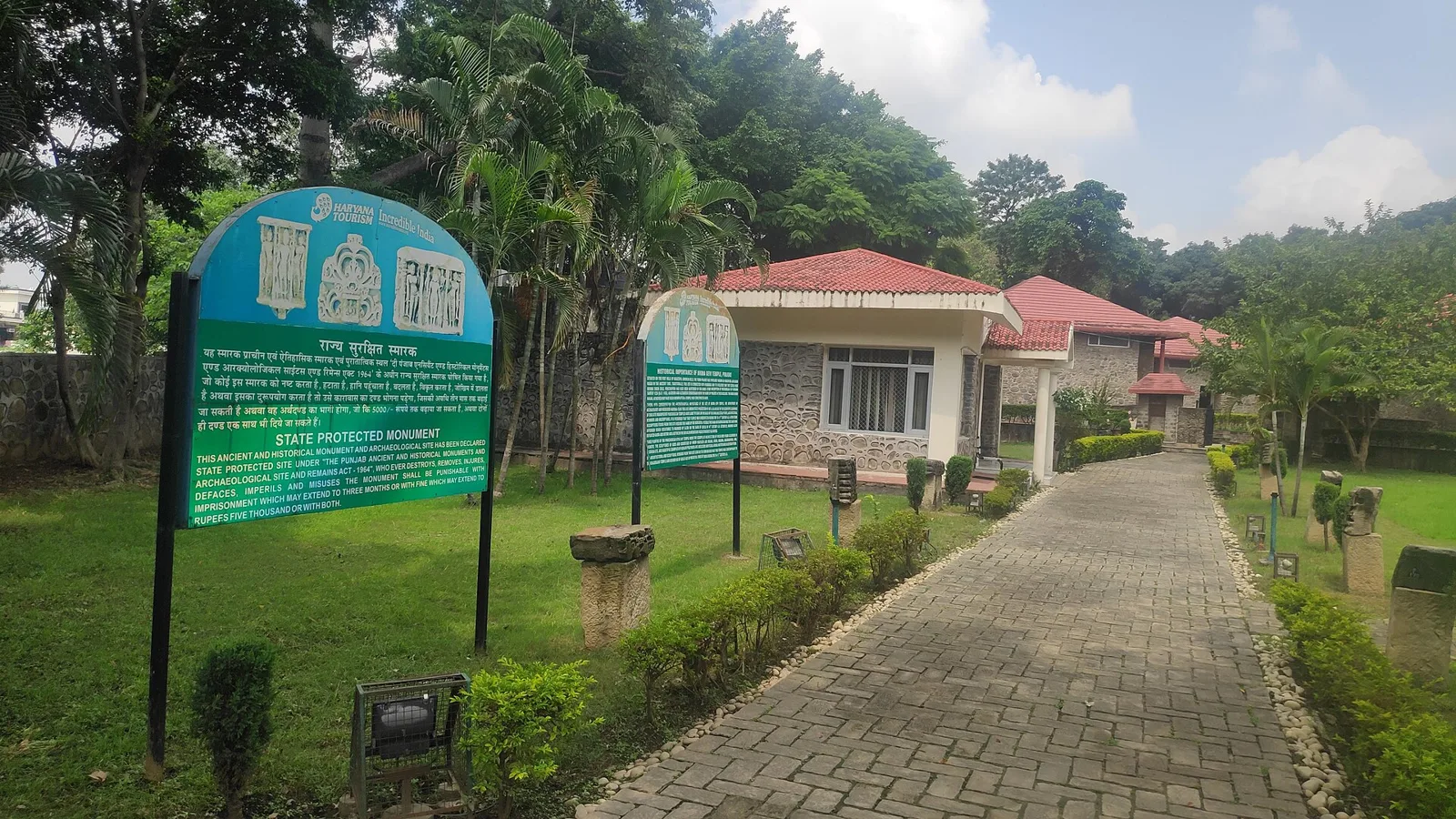
Bhima Devi Temple Site Museum
Bhima Devi Temple Site Museum preserves the remains of an ancient Hindu temple beside Pinjore Gardens. Visitors come to see its sculptures, including erotic carvings, and archaeological finds.
Key facts · verified by Ghumoopedia editors
- Type of place
- Temple / pilgrimage site
- Best time to visit
- October to March; November to February for birdwatching at Sultanpur
- Nearest railway station
- Kalka · about 5 km (straight line)
- Verified
- 21 Nov 2026
Plan a trip from Bhima Devi Temple Site Museum — a day-by-day route through places nearby.
In Pinjore, Panchkula district, Haryana, the Bhima Devi Temple complex brings together the restored remains of a Hindu temple and the adjoining Pinjore Gardens, laid out in the seventeenth century in a Mughal style. The temple is dated to the period between the eighth and eleventh centuries. Its erotic carvings have led to the site being called the Khajuraho of North India. The surviving structure is thought to have been built on the location of an earlier temple, retaining its name; that earlier building was destroyed by Islamic invaders. An ancient baoli nearby still contains pillars associated with Hindu architecture. The temple’s sculptures are linked to the Gurjara-Pratihara period. Much of the surviving architectural work and sculpture is attributed to that era, although the complex suffered damage during Mughal rule under Aurangzeb. The name Bhimadevi is associated with the Shakti tradition, described as deriving from a Buddhist tantric goddess. In the Devi Mahatmya, Bhimadevi is said to have appeared in a great Bhimarupa form in the western Himalayas of Himachal Pradesh and rescued sages. Pinjore lies beside the Himachal Himalayas. Excavations in 1974 brought the temple to light. The remains were assigned a date between the eighth and eleventh centuries AD, and the site was protected under the Punjab Ancient and Historical Monuments and Archaeological Sites and Remains Act, 1964. Finds include more than 100 sculptures and a ground plan showing five temples. Speaking Archaeologically carried out substantial work at the site from 2017 to 2019, after beginning preliminary surveys in 2015. Its findings appeared in 2020 in Speaking Archaeologically Journal Volume III: Bhima Devi Project Edition. Haryana carries the legends of Kurukshetra and the Mahabharata, a strong wrestling (akhara) and folk tradition, and fast-growing modern cities around Gurugram and Faridabad. Haryana is hot and dry from April to June, humid in the July–September monsoon, and cool with fog in December and January. The Aravalli outcrops in the south are rocky and dry. The usual best time to visit is October to March; November to February for birdwatching at Sultanpur. Timings, fees and access arrangements must be confirmed locally. For official information, see Haryana Tourism at https://haryanatourism.gov.in.
Why it matters
The Bhima Devi Temple Complex is an important archaeological site in Pinjore, Panchkula district, preserving the remains of a Hindu temple dated broadly to the 8th–11th centuries CE. Its sculptural programme, including erotic imagery, has earned it the popular nickname “Khajuraho of North India”; the comparison is descriptive, not an official designation. The site offers evidence of temple building and religious art associated with the Gurjara-Pratihara period and later history in the region. It is a local heritage attraction, close to the historic Pinjore Gardens, rather than a UNESCO-listed property.
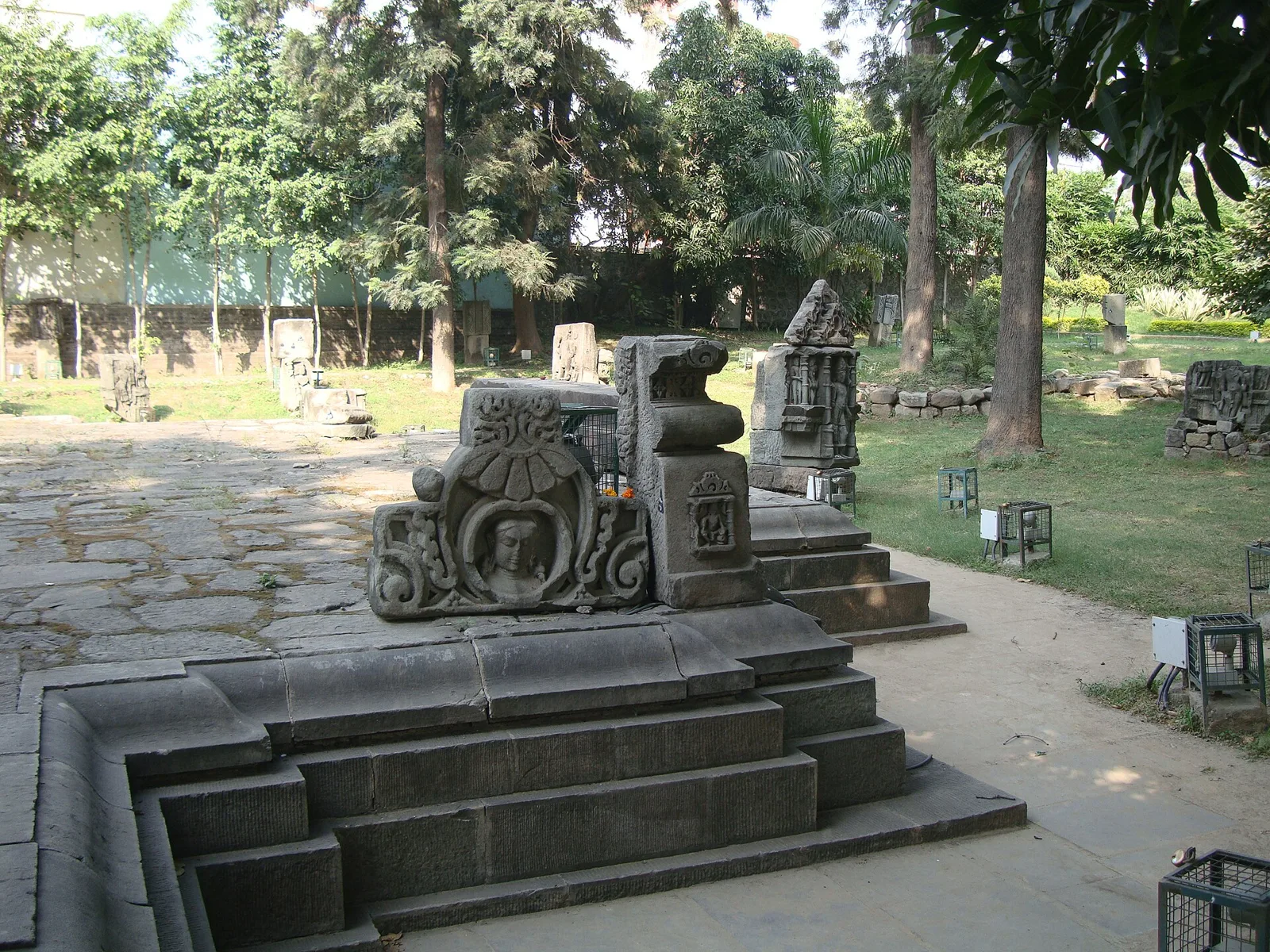
The temple remains at Pinjore are generally dated to a broad period between the 8th and 11th centuries CE. The site account associates its sculpture and architectural work with the Gurjara-Pratihara period, although the complex’s long date range reflects the limits of assigning every surviving feature to one building phase. The present ruins are thought to occupy the location of an older sacred site; claims that an earlier temple stood here under the same name should be treated as historical interpretation rather than settled fact. Archaeological excavation in 1974 brought the temple remains to light. The excavated plan has been interpreted as indicating a complex of five temples, and more than 100 antiquarian sculptures and architectural pieces were reported. The complex suffered damage over time; some accounts associate destruction with the Mughal period, but details of the sequence are not fully established. The remains were subsequently conserved and presented as an archaeological site and museum. Research and documentation by the Speaking Archaeologically team included preliminary survey work beginning in 2015 and further work from 2017 to 2019; its project report was published in 2020. The adjacent Pinjore Gardens are a separate, 17th-century Mughal-style garden complex.
Origin stories & folklore
According to a story in the Devi Mahatmya, the goddess Bhimadevi appeared in a vast form called Bhimarupa in the western Himalayan region and protected sages. The Pinjore area lies near the Himalayan foothills, and local interpretation connects this landscape with the story, though the precise location of the episode is not established by the legend itself. The name Bhima is also understood through the goddess’s formidable or immense form, rather than necessarily referring to the Mahabharata hero. The site account places Bhimadevi within a Shakti tradition; some interpretations discuss links between regional goddess worship and Buddhist tantric traditions. These are religious and scholarly interpretations, not independently verified events.
Architecture & design
The complex is a group of excavated and conserved temple remains rather than a fully intact shrine. Its surviving architectural fragments and sculptures are associated with temple construction in the Gurjara-Pratihara period, within the broader 8th–11th-century dating of the site. An excavated layout has been interpreted as a plan for five temples, suggesting a more extensive sacred complex than the visible ruins alone convey. Carved stone pieces preserve ornamental and figurative work, including the erotic sculptures behind the popular “Khajuraho of North India” nickname. Visitors may also notice architectural fragments displayed or arranged as part of the site museum. The ruins reveal portions of the original building vocabulary, but the incomplete remains do not allow visitors to see the temple’s full original elevation or construction sequence. Pinjore Gardens beside the site have a distinct 17th-century Mughal garden design and should not be mistaken for part of the temple architecture.
Important objects & sculptures
Look for the carved stone sculptures and architectural fragments recovered from the complex, along with the remains visible in the excavated temple area. The site account reports more than 100 antiquarian sculptures among the finds. Figurative carvings include erotic imagery, which contributes to the temple’s popular nickname, as well as religious and decorative sculpture. Details can be difficult to interpret without context, so read the on-site interpretation boards or ask whether an authorised guide is available. Not every excavated object is necessarily displayed in the open or accessible to visitors; collections and displays may change. Treat fragments as protected archaeological material and do not touch, climb on, or remove anything from the site.
Religious significance
The remains belong to a historic Hindu temple complex and are associated with the worship of Bhimadevi and the Shakti tradition, in which the goddess is understood as a powerful divine presence. The Devi Mahatmya story of Bhimadevi appearing in a mighty form and protecting sages gives the name a wider religious context, though the connection between that episode and this exact location is a matter of tradition and interpretation. Today the site is primarily presented as an archaeological monument and museum; visitors should not assume that regular worship or ritual services take place there. Those seeking active worship may wish to enquire locally about nearby temples. Visitors of all backgrounds are welcome to approach the remains respectfully and avoid treating sacred imagery as a spectacle.
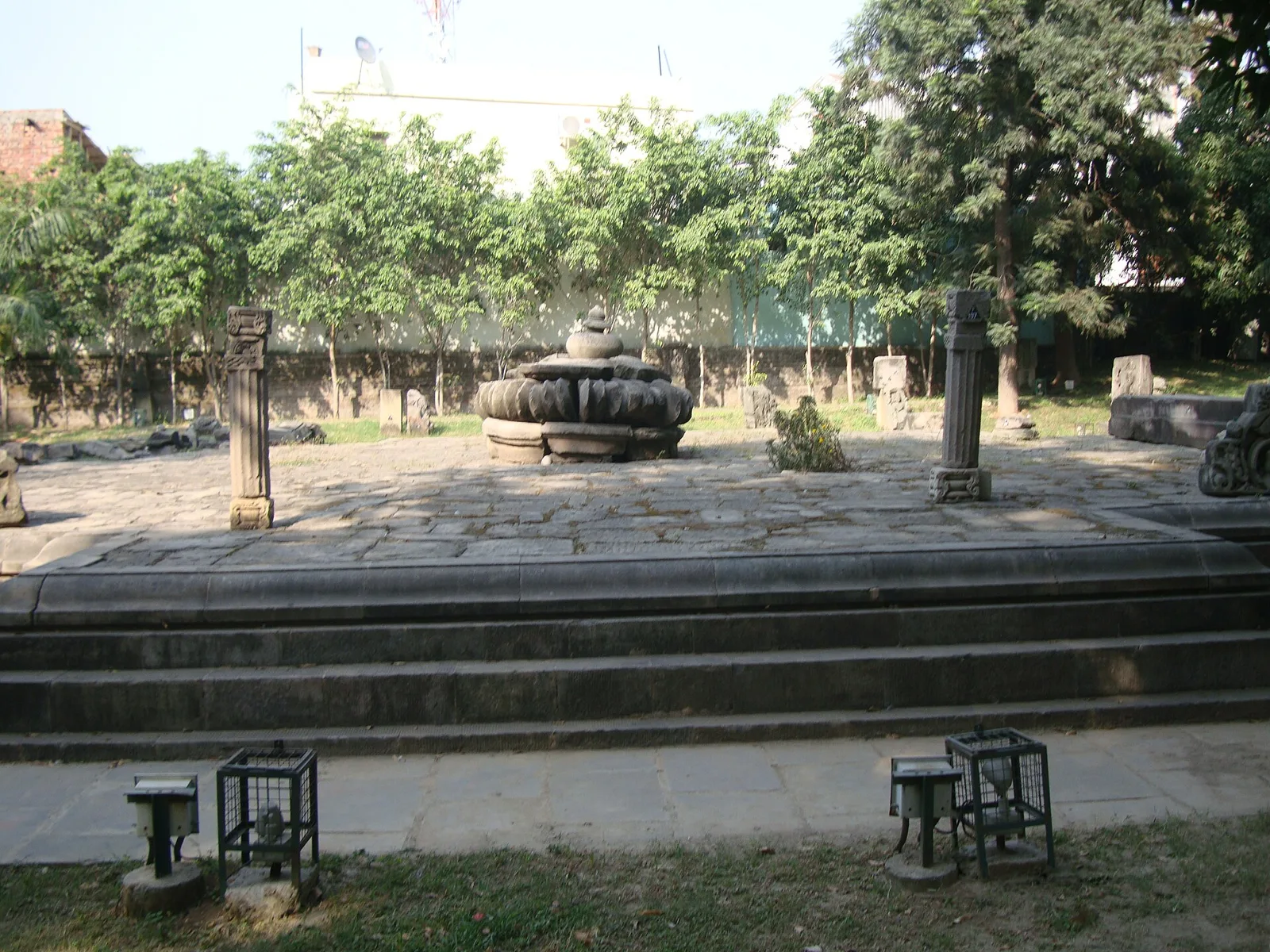
Explore Bhima Devi Temple Site Museum slowly and read the interpretation boards or hire an authorised guide to understand its history. Check opening days and ticket counters in advance, as many monuments and museums close on one weekday and on public holidays. A comfortable itinerary is one main visit in the morning, a local meal at midday and a short nearby stop before an afternoon return. Use the district list on this site to find other places in Panchkula, but check the actual road route and its condition before combining stops. If a festival or fair is on, local roads and stays can be busy — and the experience can be unforgettable. Leave no litter: many sites are protected by the communities around them.
Suggested itineraries
Half day: Spend about 1–2 hours exploring the Bhima Devi Temple Site Museum and reading its interpretation; then allow 1–2 hours for Pinjore Gardens and a meal or refreshment in the area. Full day: Begin with about 2 hours at the temple site; visit Pinjore Gardens at a relaxed pace for 2–3 hours; have a local meal, then choose a nearby Panchkula attraction such as Nada Sahib Gurudwara, allowing for road travel and a short visit. Gentler option: Focus on the museum and the nearest accessible viewing areas, take seated breaks, and skip additional stops if paths or weather feel tiring.
Pinjore and the wider Panchkula area reflect the cultural life of Haryana and the neighbouring Punjab and Himalayan foothill regions. Hindi and Haryanvi are widely used, with Punjabi also heard locally. Everyday customs, food and dress vary between communities and occasions; visitors should avoid assuming that one practice represents everyone. The temple complex is now chiefly encountered as a heritage site, where archaeological interpretation and local religious memory meet. Nearby towns have contemporary markets and community events, while music, folk performance and seasonal celebrations are more likely to be encountered at organised fairs or public gatherings than as a regular programme at the ruins. Ask before photographing people, performers or devotional activity.
Festivals & events
The temple site does not have a reliably documented annual festival calendar for visitors. In the surrounding region, Hindu festivals such as Navratri and Diwali are observed, while seasonal fairs and cultural programmes may take place at nearby attractions, including Pinjore Gardens. Events and their schedules can vary from year to year, so check with local organisers before planning around one. Festival periods can bring more visitors, traffic and demand for local services. If the site is part of a larger outing, allow extra time and confirm whether any event affects access to the archaeological area or gardens.
Local food in Haryana includes bajra khichdi, singri ki sabzi, kachri chutney, bathua raita, fresh milk, curd and ghee, and sweets such as ghevar and rewri. Ask what is fresh that day; many small eateries cook a limited daily menu. Vegetarian travellers eat very well across this region, and most towns also have simple non-vegetarian dhabas. Remote sites may have no restaurant at all. Carry water and snacks, eat a proper breakfast before long drives, and ask your accommodation for a packed lunch if you are heading out early. Try a home-cooked or dhaba meal when you can — it is often the best food on the route. Choose busy, clean places and carry your packaging back to town.
Shopping & local experiences
Pinjore town and larger nearby centres offer everyday shops and places to buy snacks, but specialised souvenir stalls at the temple site are not guaranteed. Look for locally made crafts or small regional keepsakes in established shops, and ask about the maker and origin rather than assuming an item is locally produced. Nearby markets can be useful for packaged refreshments and practical supplies. For a food experience, try a local eatery serving familiar Haryana and North Indian dishes; menus and availability vary. Avoid buying purported archaeological objects or anything removed from a protected site.
October to March; November to February for birdwatching at Sultanpur
The nearest principal railway station by straight-line distance is Kalka, roughly 5 km away. The nearest operating airport by straight-line distance is Shaheed Bhagat Singh International Airport, Chandigarh, roughly 20 km away. These figures are calculated from map coordinates — actual road distance may differ. Delhi, Chandigarh and Amritsar are the main rail and air hubs, and most long-distance journeys connect through them. For the final leg, Haryana Roadways buses and private coaches on the main national highways link district towns; shared taxis usually leave early in the morning. A private taxi gives more flexibility for remote sites. When comparing train, bus and flight, count the complete door-to-door time: a flight saves the most time only if the onward road transfer is short, while an overnight train plus a road journey can save a hotel night. Book your return before you leave, because seats fill quickly on weekends and holidays. Current train numbers, timings, return services and fares are not listed here; check IRCTC and NTES for trains and the airline's own schedule for flights. No permit is needed to visit Haryana. Bird sanctuaries and heritage sites charge entry tickets, and some protected monuments close on one weekday.
Confirm onward and return timings on IRCTC / NTES, the state bus operator or your airline before travel. A dash means current timings or fares have not been verified.
Getting around
Pinjore is served by road connections with Panchkula, Kalka and other nearby towns. On arrival, local buses may be useful for reaching the town, while auto-rickshaws and taxis can help with the final stretch; availability can vary, particularly outside busier periods. A taxi offers flexibility if you plan to visit the temple site and Pinjore Gardens in one outing. Ask the driver to confirm the exact drop-off and collection point. The site and gardens are close to each other, but check the route and pedestrian access before setting out on foot. Confirm parking arrangements locally, especially during events or busy weekends.
Hours, tickets & permissions
Entry arrangements may differ between the archaeological site and the adjacent Pinjore Gardens, which are separate attractions. Tickets, any camera permissions, group arrangements and rules for guided visits are set by the relevant managing authority and can change. Some monuments and museums close on a weekday or public holiday, so do not rely on an unverified schedule. Confirm current opening days, hours, entry requirements and fees locally before travelling. Carry identification if requested by the authority, and follow any notices at the entrance.
Facilities
Facilities at the archaeological site may be limited and can change. Toilets, drinking water, seating, shade, interpretation boards and staff assistance should be checked locally rather than assumed. Food and refreshments are more likely to be found in Pinjore town or around the adjacent gardens than within the museum grounds. Parking may be available nearby, but confirm the current arrangement, especially during public events. Guides may be available by arrangement or at busy times, but availability is not guaranteed. Carry water and any medicines you need, and check that nearby shops or services are open before relying on them.
Accessibility
The site includes archaeological remains and uneven ground, so surfaces may be difficult for wheelchair users, visitors with limited mobility and strollers. Walking distances within the museum area may be manageable for some visitors, but the condition of paths and access to particular remains can vary. Shade and seating may be limited, so plan rests and avoid the hottest part of the day. Older visitors may find a short, unhurried visit more comfortable, with a companion available for uneven sections.
No permit is needed to visit Haryana. Bird sanctuaries and heritage sites charge entry tickets, and some protected monuments close on one weekday. Carry a photo ID at all times and save the emergency number 112 and your accommodation's contact offline. Heat in summer and dense fog in winter are the main weather risks; carry water and allow extra travel time on foggy December–January mornings. Respect community rules, private property and posted instructions. Check official advisories for the region before travel, and follow local guidance if access changes.
Visitor rules
Follow signs and instructions from site staff, and keep to visitor paths and designated viewing areas. Do not climb on ruins, touch fragile carvings, move objects or remove stones, plants or other material. Wear practical footwear for uneven ground; modest, comfortable clothing is a considerate choice at a historic religious site. Photography may be restricted in particular areas or subject to local rules, so check notices before taking pictures. Avoid littering and reduce single-use plastic where possible. Keep noise low, supervise children, and respect anyone praying or engaging with the site devotionally.
Photography
Soft morning or late-afternoon light can bring out the texture of carved stone and make an outdoor visit more comfortable. Look for viewpoints that include the excavated remains without stepping beyond marked areas; the adjacent gardens offer a separate setting for landscape photographs. Personal photography is often permitted at heritage sites, but restrictions or camera conditions may apply, so check notices and ask staff. Do not use a drone without explicit permission from the relevant authorities and compliance with current aviation rules. Ask before photographing visitors, staff or any devotional activity, and avoid flash if it could disturb others or affect displays.
Choose a stay by the full journey to Bhima Devi Temple Site Museum, not just the district name. Main towns in Panchkula usually offer hotels, state tourism lodges and guesthouses with better transport, meals and medical access, while village homestays offer a closer connection to local life. In the plains, check fans or air-conditioning in summer and heating in the December–January cold wave. Book in advance for weekends, festival dates and the peak season (October to March; November to February for birdwatching at Sultanpur). Confirm the exact location, meals included, check-in time and cancellation terms in writing. Many homestays accept payment on arrival; avoid sending money to unverified contacts. Mobile network and digital payments can be unreliable in remote areas, so carry some cash.
Pinjore Gardens, the 17th-century garden complex beside the temple site, is the most natural companion visit. In the wider Panchkula area, Nada Sahib Gurudwara is a significant Sikh place of worship, while Mansa Devi Temple in Panchkula is an active Hindu pilgrimage destination. Kalka is nearby and can be considered as a town stop or transport connection. Morni Hills offers a different, hill-country outing within the district, but check road conditions and allow adequate travel time. These places are not all within easy walking distance; confirm routes and access before combining them in one day.
For couples, Bhima Devi Temple Site Museum rewards a slow pace: arrive early for soft light and fewer crowds, share a local meal and keep the evening free. Public displays of affection can be frowned upon in conservative communities and at religious sites, so be discreet. A homestay or a small heritage hotel can make the trip memorable — confirm privacy, hot water and transport back. Keep a buffer in your itinerary, because weather and traffic can delay plans in Haryana.
Q: How much time should I allow for the visit? A: Allow around 1–2 hours for the temple site and museum, with additional time if you also visit Pinjore Gardens. Q: When is a comfortable season to visit? A: October to March is generally more comfortable for outdoor sightseeing; summer can be very hot and the monsoon brings humid conditions. Q: Is there an entry ticket, and when is the site open? A: Entry arrangements and opening days can change. Confirm current hours, fees and any camera rules with the managing authority before travelling. Q: Is the site suitable for children and elderly visitors? A: Families can visit, but uneven archaeological ground may be challenging. Keep children supervised and plan a slower visit with rests for older visitors. Q: Where can I stay nearby? A: Pinjore, Kalka and Panchkula have accommodation options of varying types. Check current availability and choose based on your transport plans and required facilities.
Be the first to share photos, stories, advice or a helpful contact for Bhima Devi Temple Site Museum.
Loading…