Ghumoopedia — Explore, Discover, Experience
Sign in
Agroha, Haryana

State · North India

Haryana

Kurukshetra's epic landscape, Mughal-era towns and rural crafts fairs.

Capital
Chandigarh
Districts
16
Destinations
38
Plan a trip in Haryana

Overview

Understanding Haryana

Culture

Folk theatre (saang) and rural wrestling traditions.

Food

  • Bajra roti
  • Kadhi pakora

Festivals

  • Surajkund Crafts Mela
  • Gita Jayanti

Experiences here

  • Spiritual
  • Heritage
  • Festivals

Verified by the Ghumoopedia editorial team on 21 Nov 2026. Written and reviewed by Ghumoopedia's editors. Timings, fees and permits can change, so check them with the managing authority shortly before you travel.

The complete guide

Haryana: a traveller's guide

Why visit

Haryana rewards travellers who look beyond the highways linking Delhi and Chandigarh. Its wide plains hold some of North India’s oldest archaeological landscapes, while Kurukshetra connects pilgrimage, epic tradition and the story of the Bhagavad Gita. In the south, the Aravalli hills and lakes offer a change of scene; farther north, gardens, wetlands and the Shivalik foothills bring greener country. The state’s towns also preserve layers of history, from Sultanate and Mughal-era buildings to railway heritage and lively market streets.

This is a destination for varied, often short trips: a pilgrimage or heritage circuit around Kurukshetra, a crafts-focused visit to Surajkund, birdwatching at Sultanpur National Park, or a weekend among the hills near Morni. Food and rural life are part of the appeal, whether you encounter a village wrestling akhara, a performance of saang folk theatre or a meal of bajra roti and kadhi pakora. Haryana suits travellers combining urban comforts with historic sites and open countryside, especially those willing to plan around distances and seasonal heat.
Landscape & climate

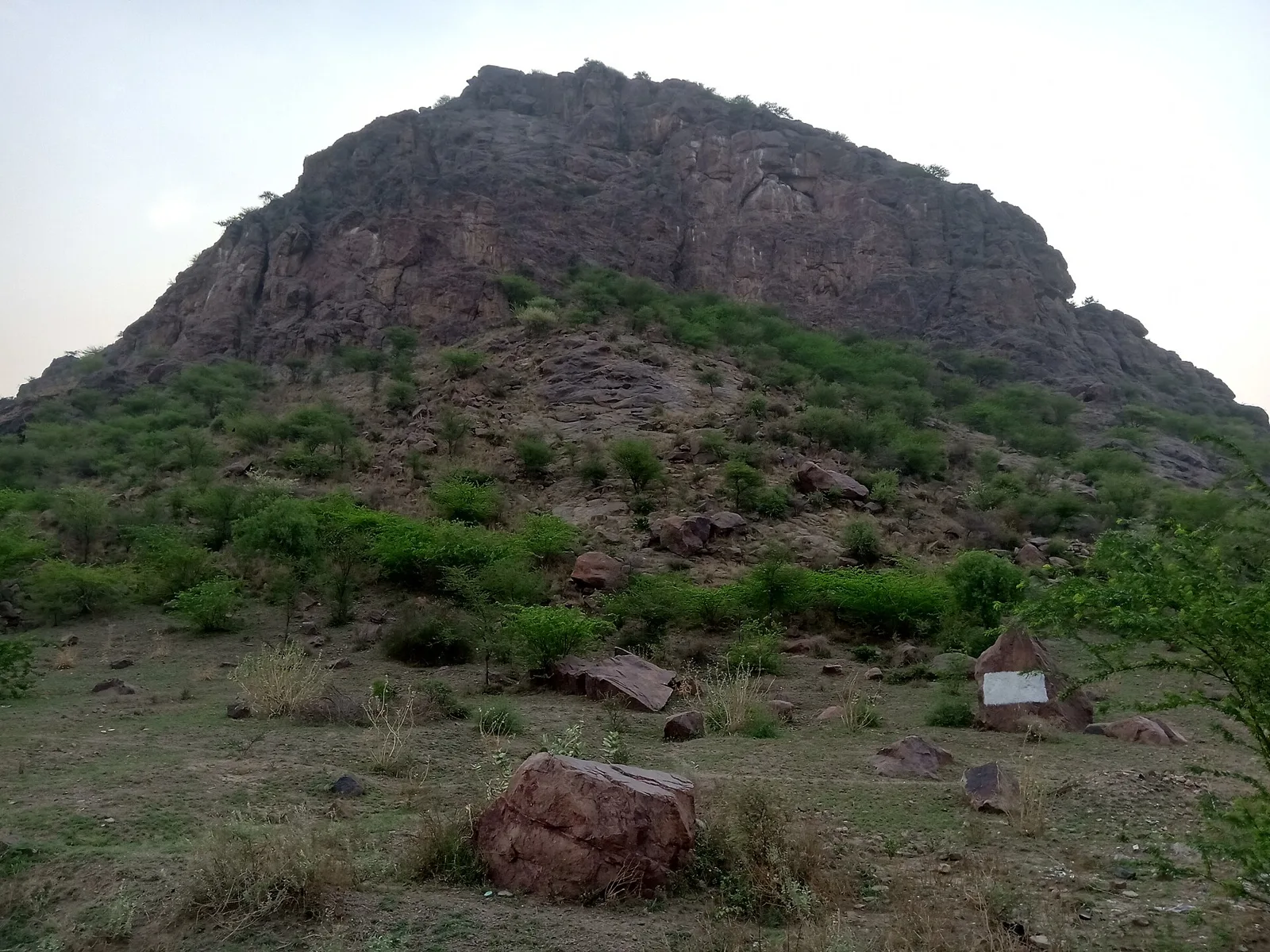
Haryana is a landlocked state of broad alluvial plains, with no coastline and a gradual shift from relatively greener northern and eastern districts to drier country in the west and south. The Yamuna runs along much of the eastern boundary, supporting fertile farmland and a network of canals. The Ghaggar and smaller seasonal streams cross parts of the north and northwest; their flow varies with rainfall. The Shivalik foothills rise in the northeast around Yamunanagar and Panchkula, while the low Aravalli ranges reappear in the south near Faridabad, Gurugram and Mahendragarh. Morni Hills, in Panchkula district, are a notable upland escape.

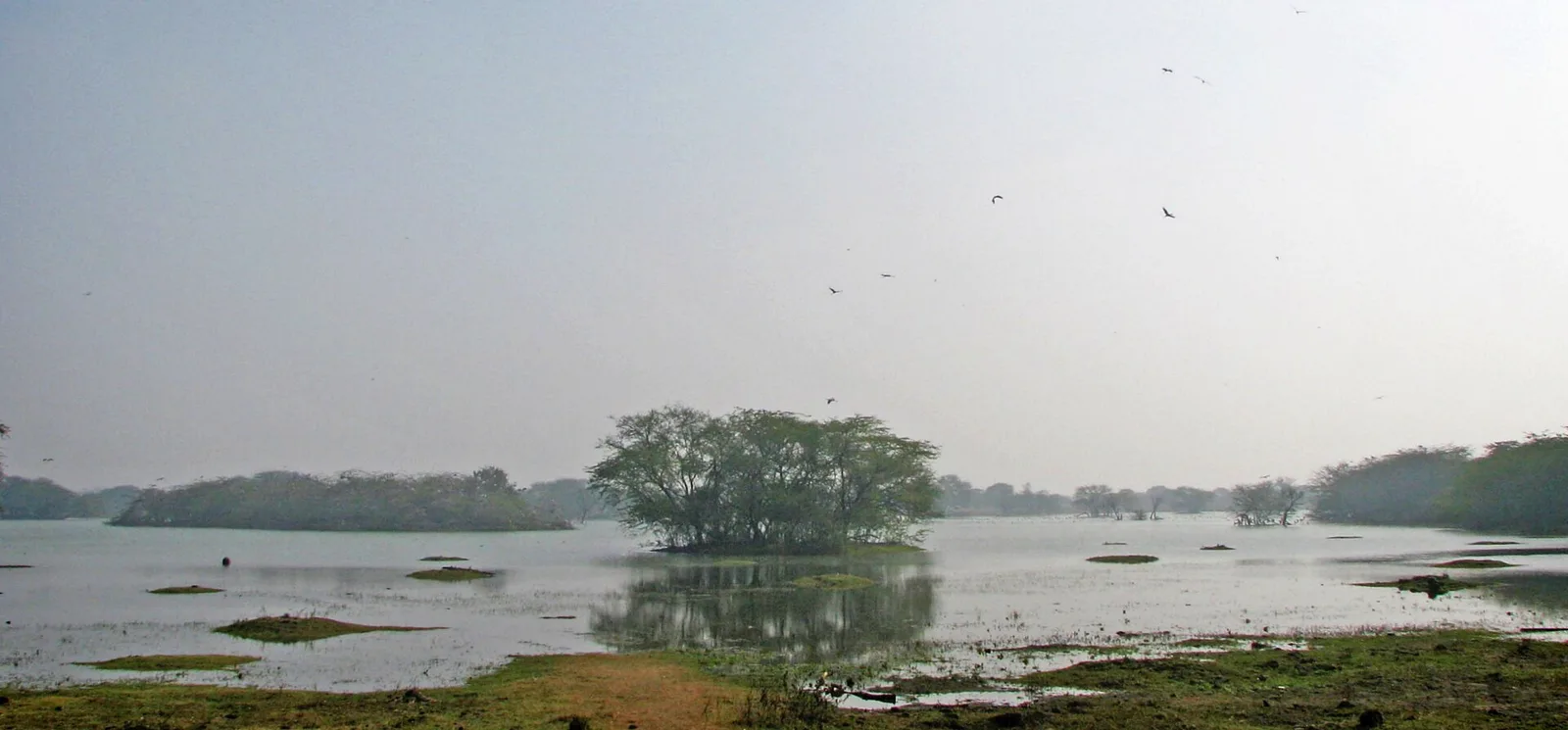
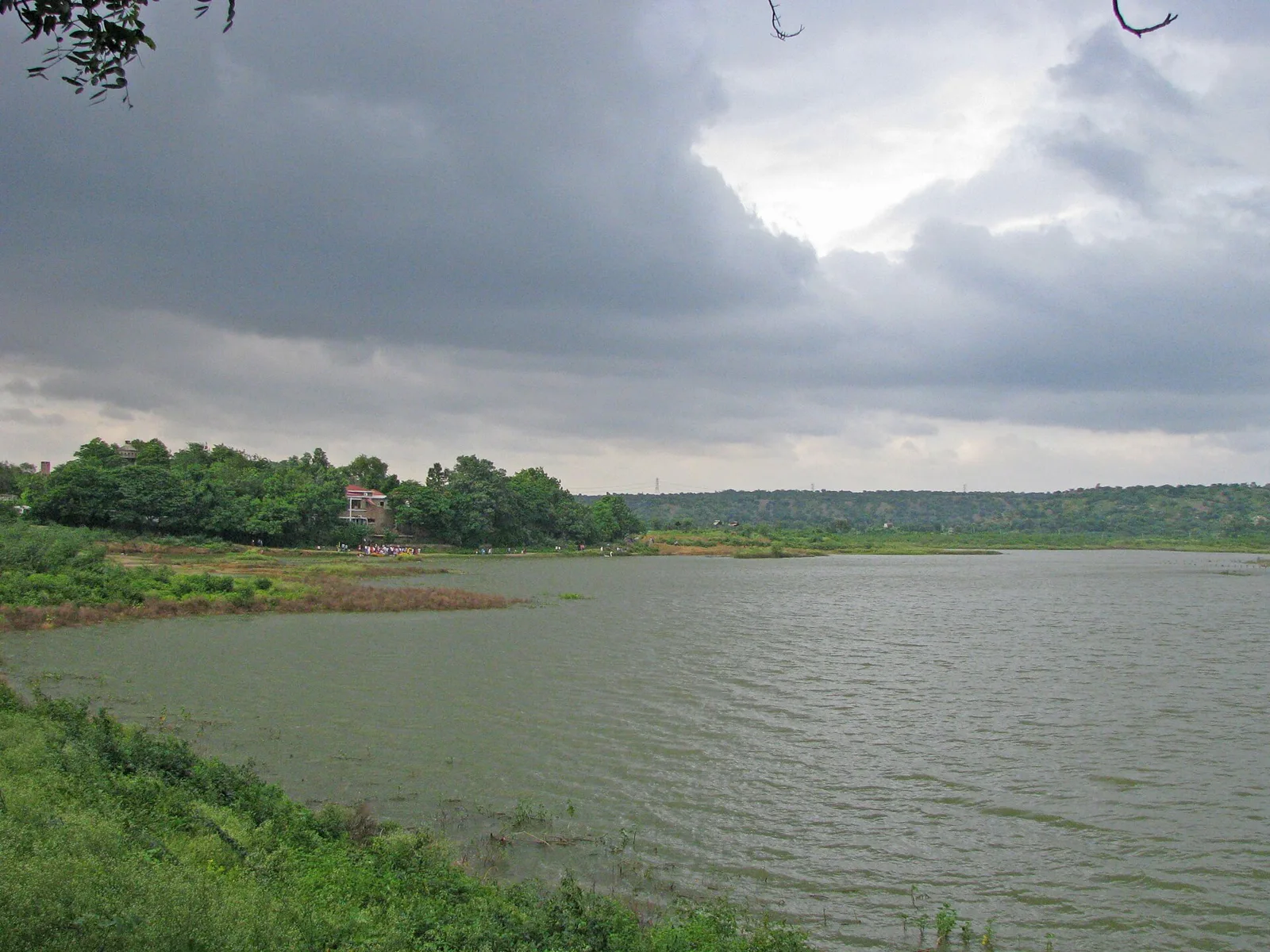
Agricultural fields dominate much of the plain, interspersed with villages, reservoirs and protected wetlands. Kalesar National Park preserves forest in the northeast, while Sultanpur National Park is known for wetland birds near Gurugram; the state’s lakes and water bodies are especially rewarding when seasonal water attracts wildlife. Summers are generally very hot, with dry spells and strong sun. The monsoon, usually from around July into September, brings most of the year’s rain, though amounts vary by region. Winters are cooler, and fog can affect travel. Spring and autumn offer milder conditions, but local weather can shift quickly, particularly in the hills and during the monsoon.

History & heritage

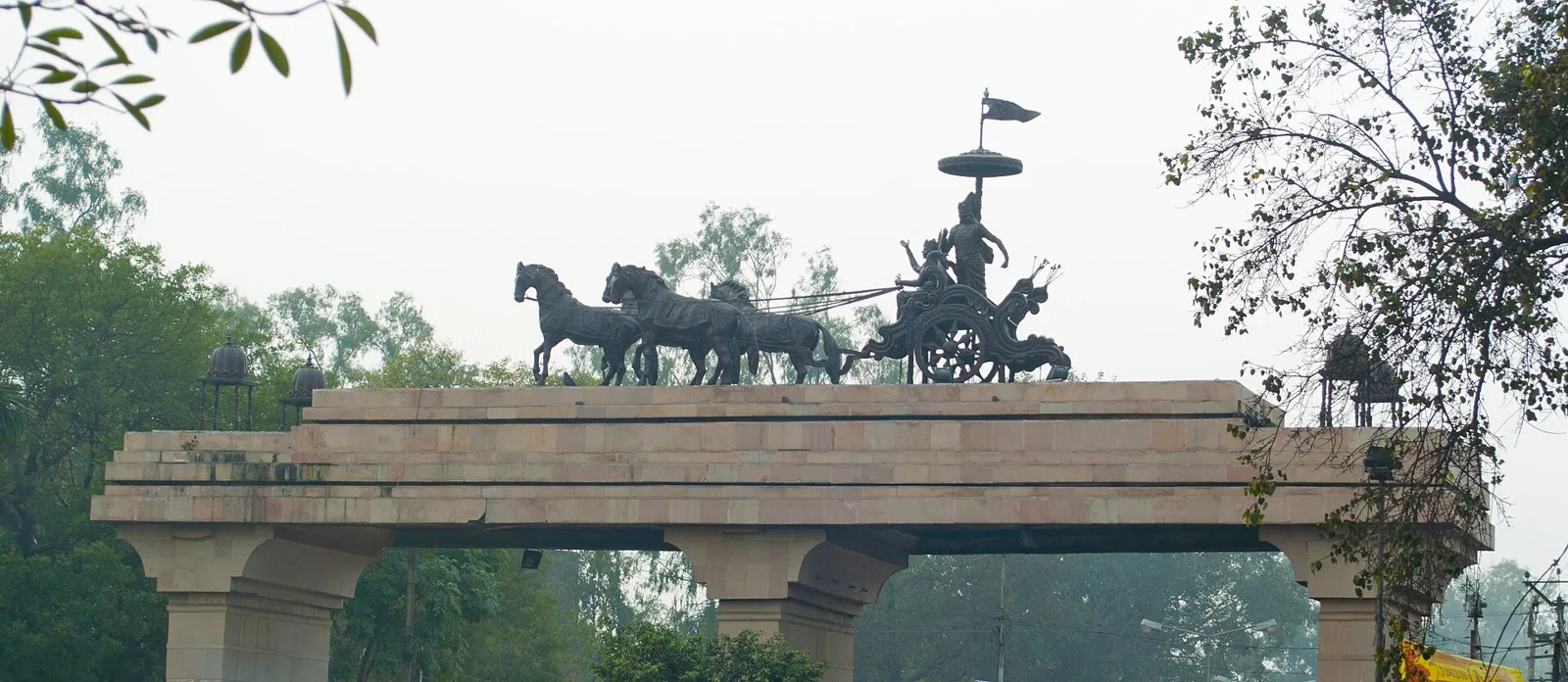
Haryana’s archaeological record reaches back to the Indus civilisation. Rakhigarhi, in Hisar district, is among the largest known Harappan sites, while places such as Banawali and Kunal add evidence of ancient settlement and trade. The region is also closely associated with Vedic traditions and the epic landscape of Kurukshetra, remembered as the setting of the Mahabharata war and the Bhagavad Gita. These religious and literary associations remain central to the identity of Kurukshetra, where pilgrimage places such as Jyotisar and Brahma Sarovar draw visitors.

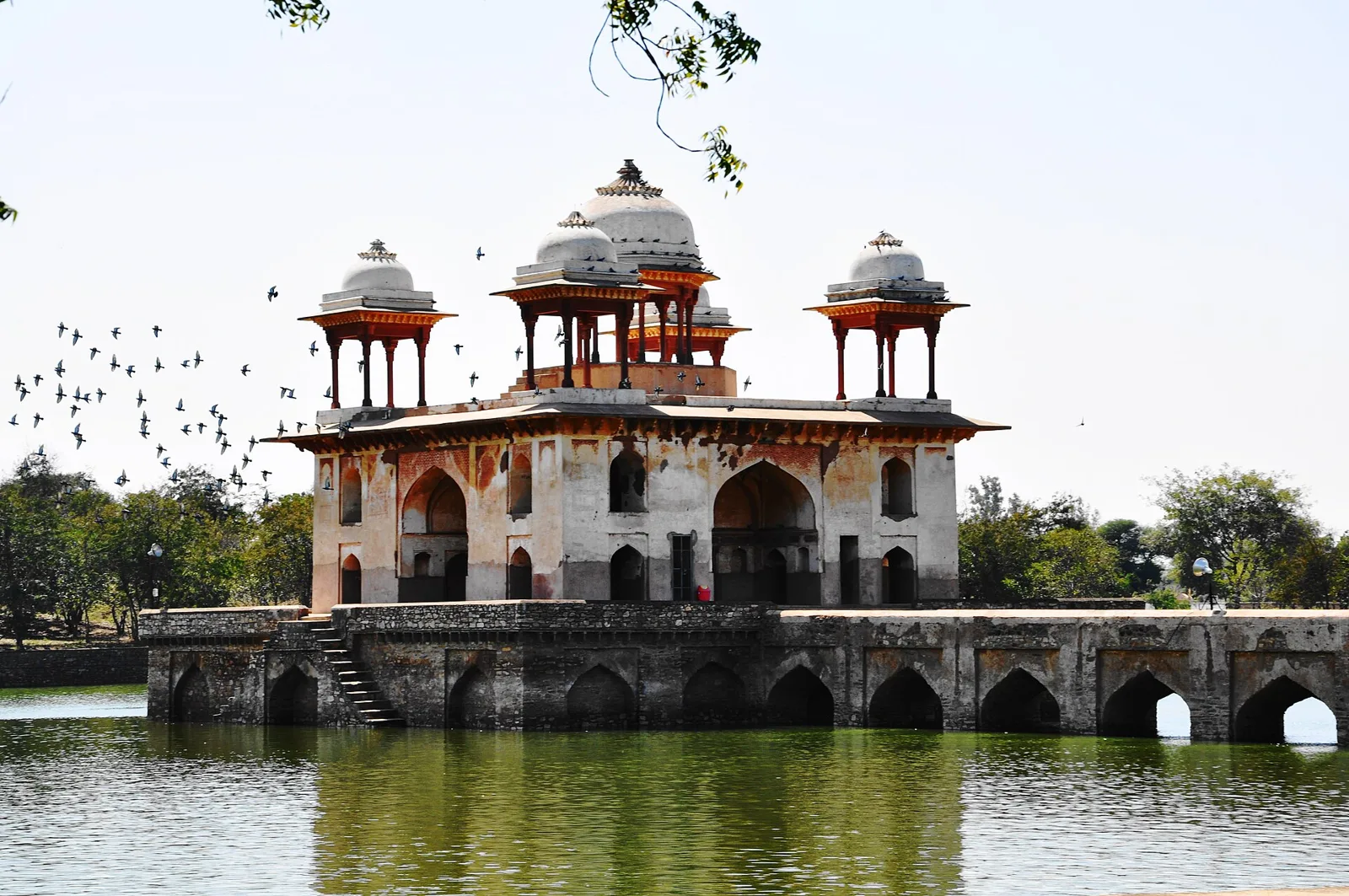
Over the centuries, the plains lay on important routes between northwestern India and Delhi, and were shaped by successive powers, including the Mauryas, regional kingdoms, the Delhi Sultanate and the Mughals. The historic battles of Panipat—in 1526, 1556 and 1761—helped determine who controlled northern India. Sultanate and Mughal-era remains can be seen in places such as Hisar, where the Firoz Shah palace complex and Gujari Mahal recall the city’s medieval foundations, and in Narnaul and other historic towns. Regional forts, tombs, gardens and temples reveal a varied heritage rather than a single architectural style.

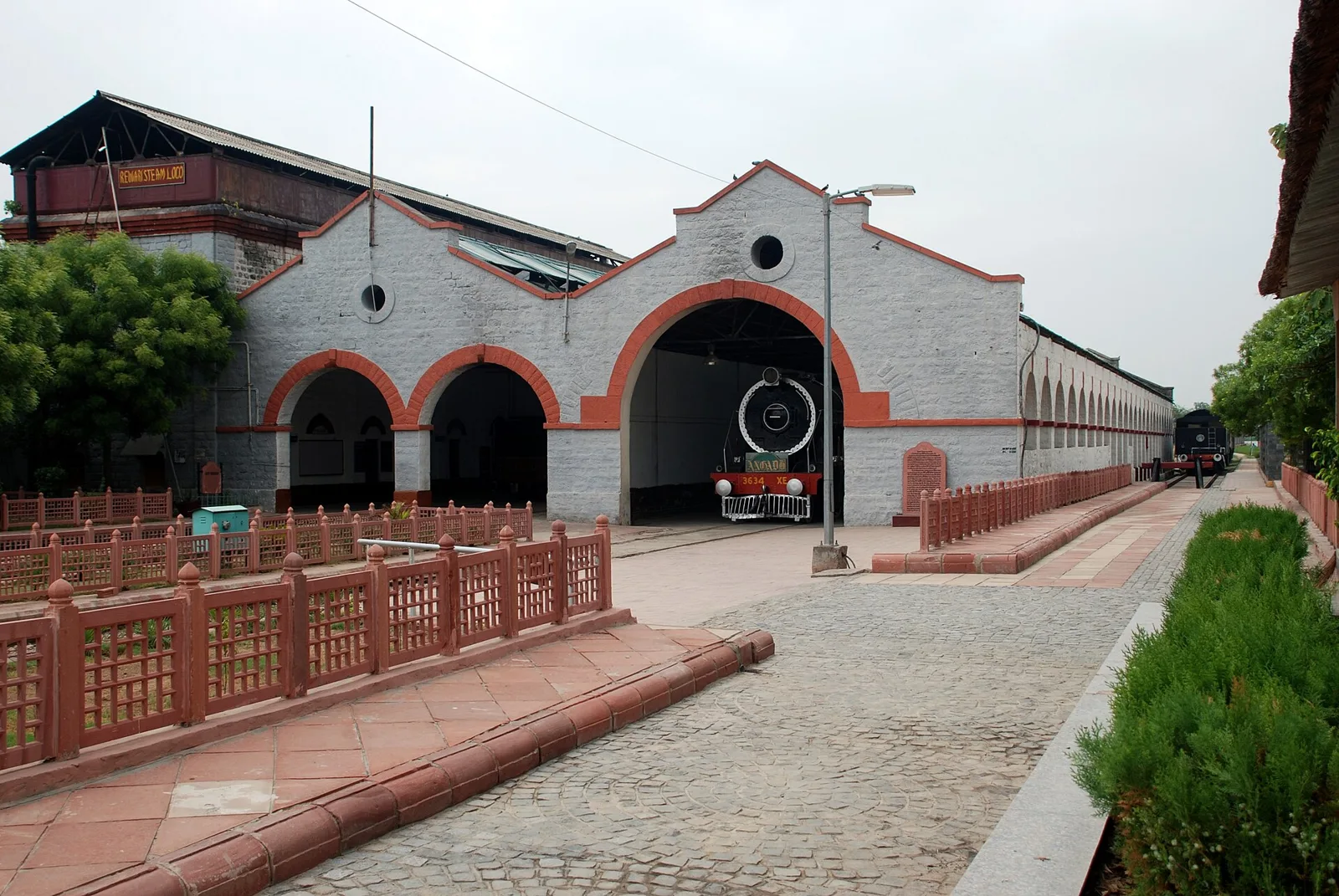
Under British rule, most of the territory formed part of Punjab province. The uprising of 1857 found strong local participation, including resistance associated with Rao Tula Ram of Rewari. After independence, demands for a separate Hindi-speaking state grew. Haryana was formed on 1 November 1966 through the reorganisation of Punjab; Chandigarh became the shared capital of Haryana and Punjab while remaining a Union Territory. Since statehood, rapid urban growth around Gurugram and Faridabad has transformed parts of the state, alongside continued agricultural life and the preservation of sites such as the Rewari Railway Heritage Museum.

Culture, people & festivals

Hindi is the official language, while Haryanvi refers to a group of closely related local speech forms heard widely in daily life. Punjabi is also spoken, particularly in communities with roots across the historic Punjab region, and Urdu and other languages are part of the state’s diverse urban life. Agriculture, military service, commerce and sport have all shaped local identities. Village traditions remain visible in fairs, seasonal gatherings and akharas, where wrestling is practised as a disciplined sport. Haryana has also produced prominent athletes in wrestling, boxing, hockey and other sports.

Saang, a folk-theatre form combining song, dialogue and performance, is a distinctive part of the region’s cultural inheritance; ragini singing carries narrative and poetic traditions. Folk dances include dhamal and khoria, performed on social or festive occasions. Hindu, Sikh, Muslim and other communities maintain places of worship and celebrate their own calendars, with local practices varying from town to town. Holi in February or March and Teej, usually in July or August, bring seasonal colour; Lohri is marked in January, particularly in the north. Surajkund Crafts Mela, generally held in February near Faridabad, showcases crafts and performances from across India. Kurukshetra’s Gita Jayanti celebrations usually fall in November or December, around the Hindu month of Margashirsha, with dates changing each year.

Food & flavours

Haryana’s everyday cooking is rooted in grains, dairy and seasonal produce. Bajra roti is a much-loved winter staple, often served with butter or ghee, while wheat rotis are common year-round. Kadhi pakora—gram-flour fritters in a tangy yoghurt-based curry—is a familiar home-style dish, and lentils, chickpeas and vegetables round out many meals. Fresh curd, lassi, buttermilk and paneer reflect the importance of dairy in both rural and urban kitchens. Saag, including mustard greens in season, is often eaten with roti; simple preparations make the most of local crops.

Regional tastes vary with climate and community. In drier southern and western areas, pearl millet, pulses and preserved foods have long been practical staples, while the more irrigated north and east support wheat, rice and a wider range of vegetables. Seasonal sweets and celebratory dishes may include kheer, halwa, churma and pinni, though recipes differ between households. Street-food counters in larger towns serve familiar snacks alongside local favourites, and roadside dhabas make a useful introduction to hearty North Indian cooking. When eating in rural settings, expect generous portions and a strong emphasis on fresh dairy; ask about ingredients if you avoid ghee, yoghurt or other animal products.

Crafts, textiles & what to buy

Panipat is particularly associated with handloom weaving and home textiles, including rugs, durries, blankets and furnishings. Its textile workshops and markets make it a useful place to look for woven goods, though quality and materials vary, so check labels and ask how an item was made. Haryana is also known for pottery, clay toys, woodwork, metal objects, embroidery and decorative items made for household use or festivals. Craft traditions are sustained by artisans and small businesses as well as larger manufacturing, and the selection differs from one town and fair to another.

The Surajkund Crafts Mela near Faridabad is one of the state’s best-known places to browse crafts from Haryana and other parts of India; it is a showcase, rather than a guarantee that every stall represents local production. Haryana-grown Basmati rice falls within the multi-state geographical indication registration for Basmati, which covers producing areas in Haryana as well as neighbouring states. Look for clear origin and producer information when buying packaged rice. For other purchases, including textiles and pottery, do not assume an item has a GI tag unless its seller can substantiate that claim. Buying directly from an artisan or a credible cooperative can help clarify materials, origin and care.

Getting there & getting around

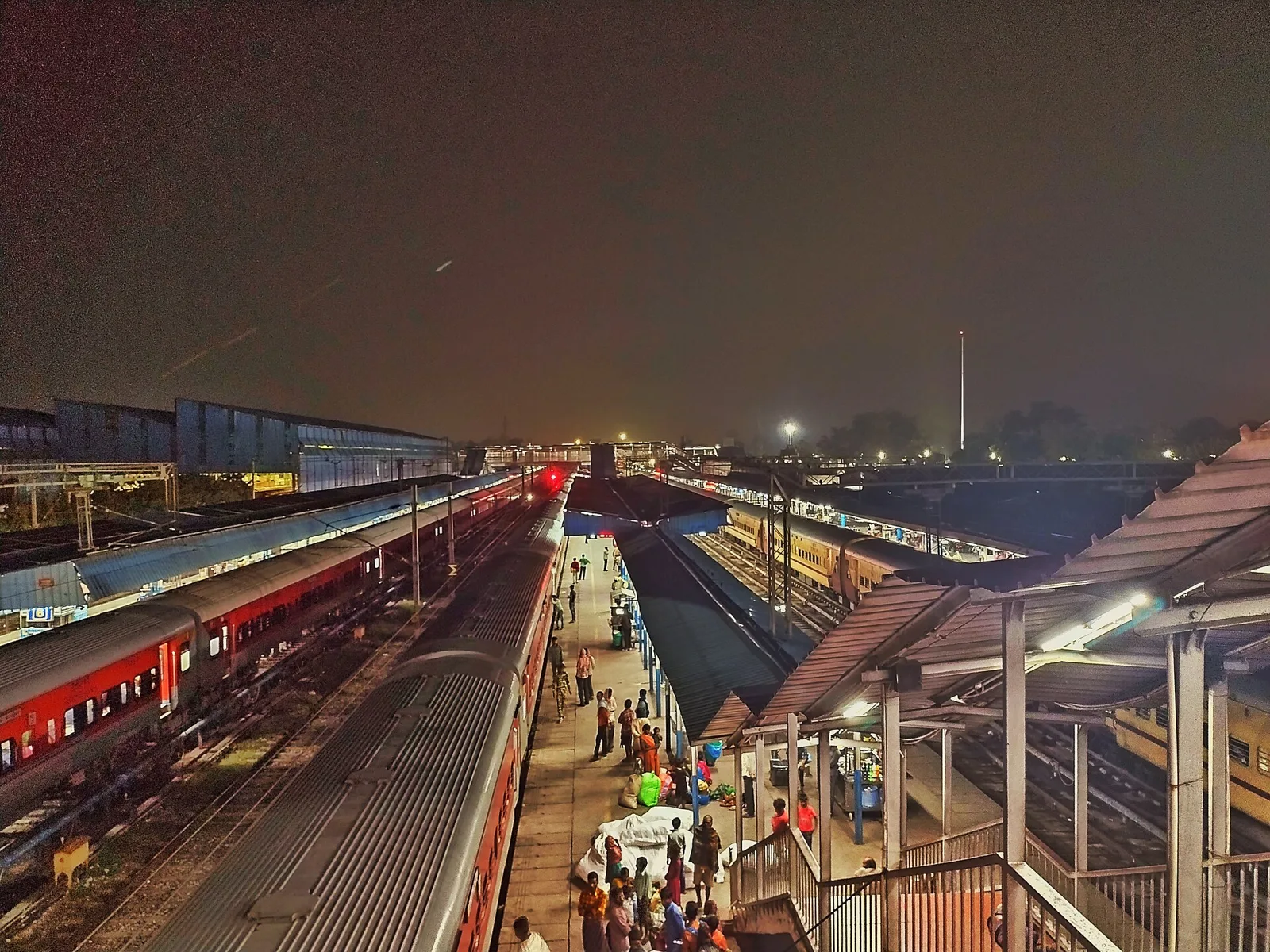
For international and many domestic connections, Indira Gandhi International Airport in Delhi is the main gateway for much of Haryana, particularly Gurugram and Faridabad. Chandigarh International Airport, near Mohali, is convenient for Panchkula, Morni and the northern part of the state. Rail travel is extensive: Ambala Cantt, Panipat, Rohtak, Hisar and Rewari are useful junctions for different circuits, while Gurugram and Faridabad connect with the Delhi-area network. Check current routes and station arrangements when planning, as services and connections can change.

The principal road corridor is NH 44, running through the Panipat and Karnal belt between Delhi and the north. NH 48 links Delhi, Gurugram and Jaipur, while NH 19 serves the Faridabad–Agra direction. Other national highways and expressways connect district towns and regional routes; NH 152D is an important east–west expressway across Haryana. State and private buses, trains, taxis and app-based cars cover many town-to-town journeys, but smaller heritage sites and rural attractions may need a hired vehicle or local transport. Roads are often the most practical way to connect dispersed destinations such as Madhogarh Fort, Tosham and Kurukshetra’s pilgrimage sites. Allow extra time for urban congestion around Delhi, Gurugram and Faridabad, and for fog or heavy rain.

When to go & travel tips

October to March is generally the most comfortable season for sightseeing across the plains, heritage towns and pilgrimage sites. Winter mornings can be foggy and chilly, so allow flexibility for road and rail journeys. For Morni and the Shivalik foothills, spring and the post-monsoon months can be pleasant; monsoon scenery is greener, but rain may disrupt outdoor plans. Summer brings intense heat, particularly in the west and south, so schedule outdoor visits early or late in the day and carry water, sun protection and a hat.

Pack light layers for winter, comfortable walking shoes for archaeological and heritage sites, and modest clothing for places of worship. Ask before photographing people, ceremonies or private property, and follow signs at protected monuments and wildlife areas. Keep to marked paths and maintain distance from birds and other animals. No special permit is generally needed for ordinary visits to the destinations described here, but access rules can vary at protected areas or change; confirm requirements with official park, tourism or district sources before travelling. Use reputable transport after dark, take care on fast highways and check local weather and travel advisories, particularly before a hill or rural excursion.

Highlights

Where to begin

City by city

Cities & hubs of Haryana

Every sight is grouped under its city — places within about 12 km together, day trips within 40 km alongside — even across district lines. Open a city to see its attractions.

See every city, town and village of Haryana

Away from the cities — 6 more places by district

District discovery

Haryana: 16 districts covered

Open a district to see its destinations and neighbours. More districts are added as our team writes them.

16 of 16 districts have destination guides

Destinations

Every guide in this state

Open a district to see its cities and towns, villages and places to see.

Ambala1 place

Cities & towns

Bhiwani1 place

Places to see

Faridabad4 places
Gurugram4 places
Hisar3 places

Cities & towns

Jind1 place

Cities & towns

Karnal2 places

Cities & towns

Places to see

Kurukshetra4 places
Mahendragarh3 places

Cities & towns

Panchkula4 places
Panipat2 places

Cities & towns

Places to see

Rewari2 places

Cities & towns

Rohtak2 places

Cities & towns

Places to see

Sirsa1 place

Cities & towns

Sonipat2 places

Cities & towns

Places to see

Yamunanagar2 places

Festivals & fairs

The calendar here

Full calendar

Festivals of Haryana through the year

Usual season and where each is best known. Exact dates follow local calendars — linked festivals have dated guides.

  • Surajkund Crafts MelaFebruaryFaridabad district.
  • Gita Jayanti MahotsavNovember–DecemberKurukshetra.
  • Kartik Purnima fair at Kapal MochanNovemberYamunanagar district.
  • Teej (July–August), Gugga Navami (August–September) and Baisakhi observed statewide
  • Pinjore Heritage Festivaltypically in winterPanchkula district.
  • Sheetla Mata fairMarch–AprilGurugram.
From travellers and locals

Be the first to share photos, stories, advice or a helpful contact for Haryana.

Loading…