Ghumoopedia — Explore, Discover, Experience
Sign in
Rohtak, near Maham

City guide · Haryana

Maham

Maham, also written Meham, is a small city in Rohtak district and an important local service centre for the surrounding towns and villages. As a sub-division and tehsil, it connects residents with administrative services, shops and everyday facilities.

Famous for

  • Historic baoli
  • NH 9 travel stop
  • Rohtak district sub-division
  • Maham Chaubisi region

Why Maham matters

Maham, also written Meham, is a small city in Rohtak district and an important local service centre for the surrounding towns and villages. As a sub-division and tehsil, it connects residents with administrative services, shops and everyday facilities. The tehsil includes the Maham and Lakhan-Majra community development blocks, giving the city a role that extends beyond its built-up centre.

Its position on National Highway 9 makes Maham a convenient stop on journeys between Delhi and western Haryana, including the Sirsa direction. Visitors may be drawn to its historic baoli and to the area’s rural Haryanvi character, while many travellers come for practical reasons rather than a large, established tourist circuit. The town’s identity is also tied to the wider Maham Chaubisi region. For a visit, it works well as a short stop or as a base for exploring nearby parts of Rohtak district; its everyday markets and local places of worship offer a glimpse of life in this part of Haryana.
Famous for: crafts, trade & products

Maham is not widely identified with a particular textile, handicraft, GI-tagged product or large-scale manufacturing speciality. Its commercial role is chiefly local: shops and service businesses cater to residents and people travelling in from nearby villages. The central market is the most practical place to look for everyday goods, groceries, clothing and locally prepared snacks. Highway-side businesses serve passing traffic, though the town is not a destination market for specialist crafts.

Agriculture shapes the wider regional economy, so visitors may encounter seasonal produce and farm-related trade through local shops and markets. These are everyday regional offerings rather than a distinct branded product associated exclusively with Maham. Haryanvi food can be found at ordinary eateries, but availability varies. Travellers seeking a broad selection of crafts, designer textiles or established GI products will generally find more choice in larger regional centres. The historic baoli is a notable part of Maham’s built heritage, rather than a place to shop; ask locally for directions and current access information.

History

Maham’s history is best approached through its role as a long-standing settlement and service centre in the Rohtak region. Its historic baoli reflects the importance of storing and managing water in a landscape where seasonal conditions shaped daily life. The monument is a visible reminder of older building traditions, although its precise date and patronage should not be assumed without reliable local interpretation.

The town developed in an agricultural hinterland, serving nearby villages through trade, transport and administration. During British rule, the wider Rohtak region was administered as part of Punjab. After Haryana became a separate state in 1966, Maham continued as part of Rohtak district and grew in importance as a sub-divisional and tehsil centre. Today, road links, local commerce and public services sustain its regional role. Rather than a city shaped by one celebrated industrial boom, Maham’s development has been gradual, tied to its surrounding rural communities and its position on a major highway.

Food, festivals & culture

Daily life reflects the food and customs of Haryana’s agricultural communities. Bajra roti, seasonal saag, curd or lassi and dishes such as churma are familiar across the region; local menus vary, and these foods are not exclusive to Maham. Tea stalls and simple eateries are useful places to sample everyday fare. Hindi is widely used, while Haryanvi is common in conversation and local folk expression.

Holi in spring, Teej during the monsoon season and Diwali in autumn are among the festivals observed, alongside other Hindu, Sikh and Muslim occasions within the community. Celebrations are generally local and family-centred, and their scale can vary from year to year. Haryanvi folk singing, ragini and forms of saang storytelling belong to the wider cultural landscape; music and dance are especially associated with festive gatherings. Temples, mosques and gurdwaras serve local worshippers and community life. Visitors should be considerate of customs and check locally before entering a place of worship or attending an event.

Visiting the city

The cooler months, roughly October to March, are generally the most comfortable for exploring; summer can be very hot, while monsoon weather may affect road journeys. Maham lies on NH 9, so buses, taxis and private vehicles are practical options for reaching nearby towns. Local auto-rickshaws and other shared transport can help with short trips, though availability may vary.

Maham railway station serves the town; Rohtak Junction is a larger rail hub for wider connections. The nearest major airport is Indira Gandhi International Airport in Delhi. Within Maham, explore the central market and ask locally for the historic baoli and nearby places of worship. The highway-side commercial area is convenient for a break, while the town centre offers a better sense of everyday local life. Confirm current transport and site access before setting out.

Trips from the city

Nearest places to visit from Maham

Our closest destination guides, by straight-line distance.

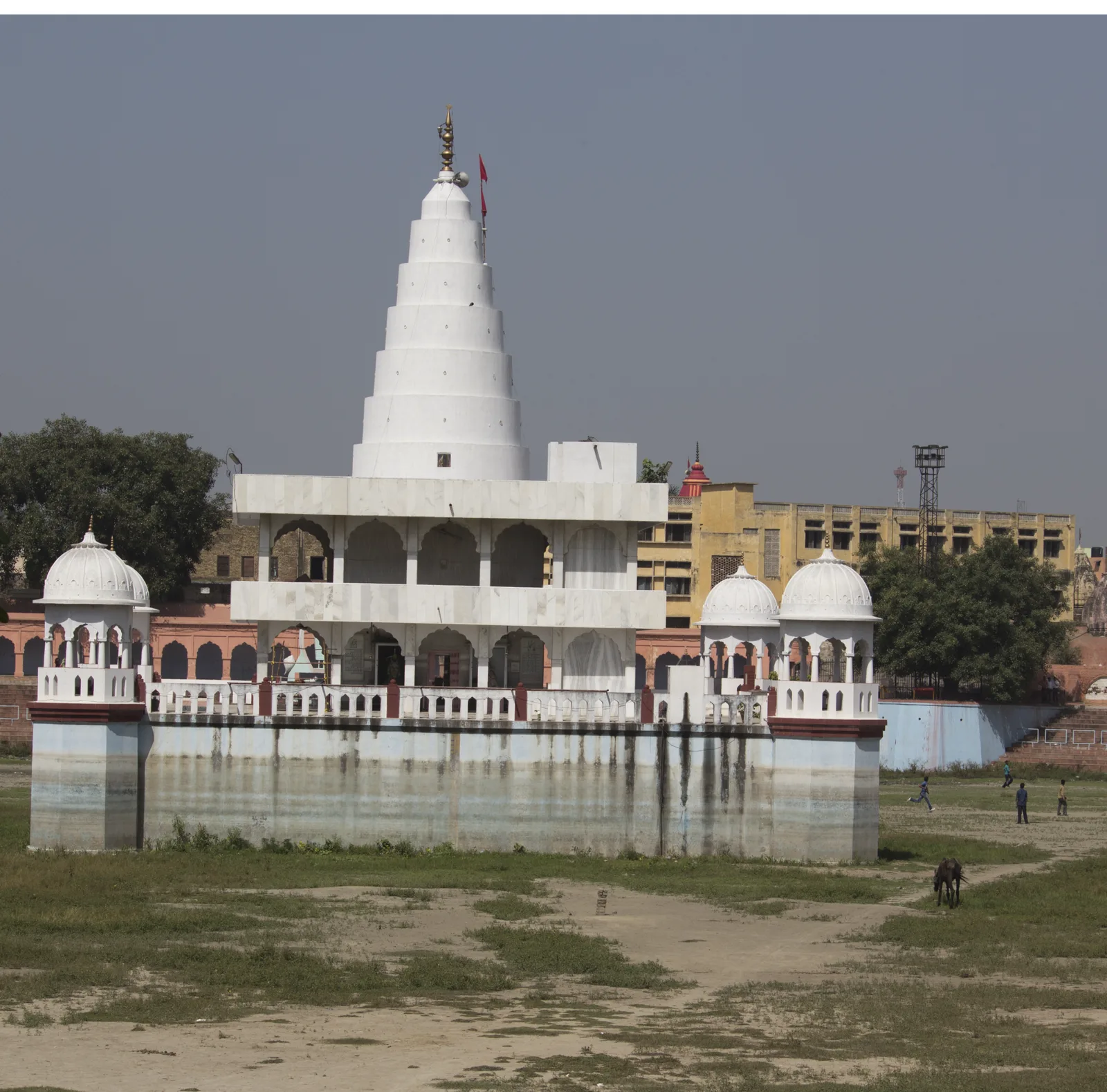
Rohtak

29 km away · Rohtak district

Rohtak

Rohtak is a Haryana city and the seat of its district administration. People may travel there for district-level matters, while its position in the National Capital Region also connects it with the wider area.

Tilyar Lake

35 km away · Rohtak district

Tilyar Lake

In Rohtak district, Haryana, Tilyar Lake is a leisure destination drawing visitors for its lake setting, fishing facilities and adjoining Rohtak Zoo.

Tosham

38 km away · Bhiwani district

Tosham

Tosham is a town and Gram Panchayat in Bhiwani district, Haryana, set by the Tosham hills in the Aravalli foothills; visitors may come for its hill-side setting.

Jind

39 km away · Jind district

Jind

Jind is among the largest and oldest cities in Haryana’s Jind district and serves as its administrative centre. Visitors go to Rani Talab, while Pandu Pindara and Ramrai draw devotees for Amavasya bathing.

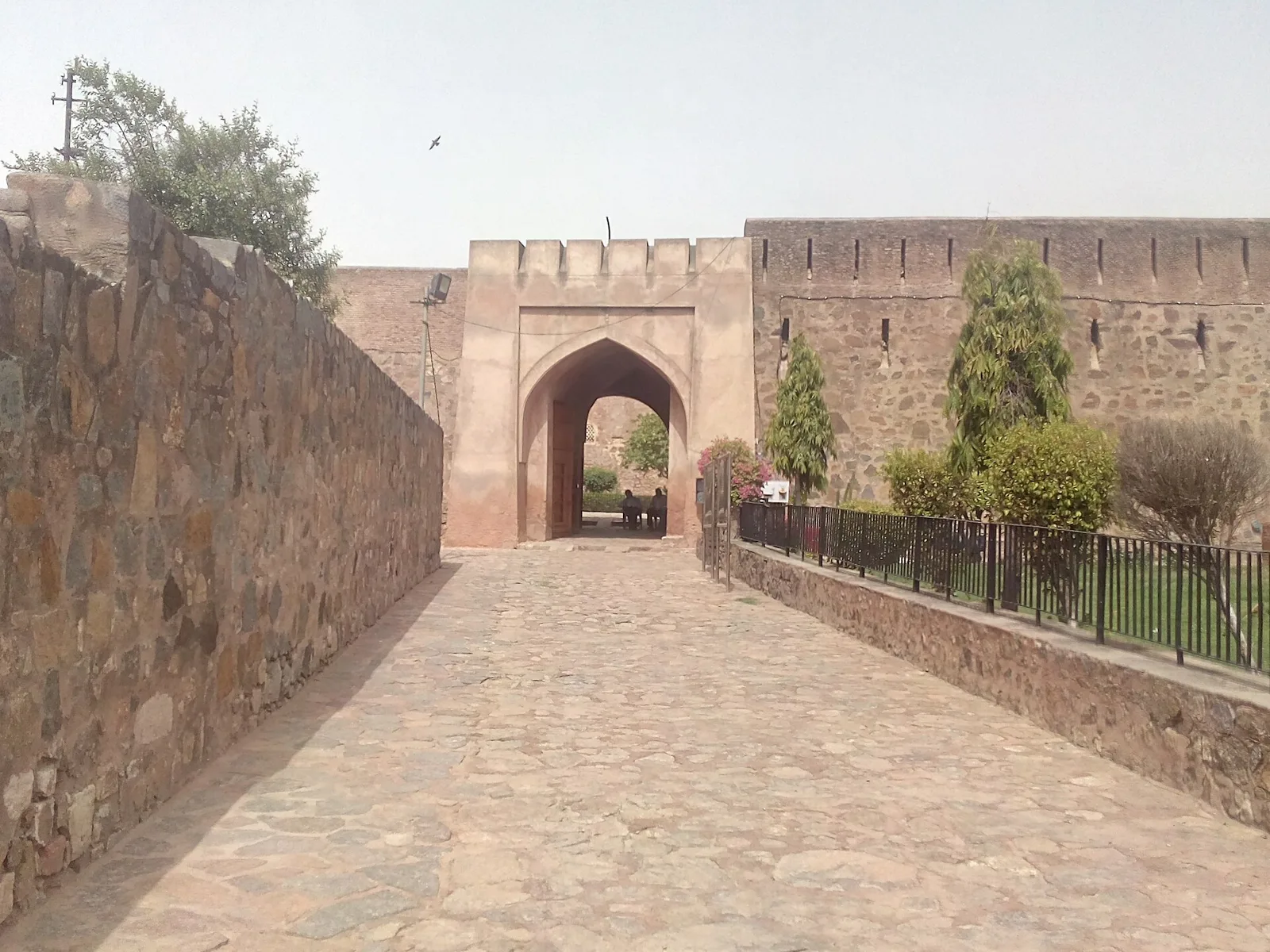
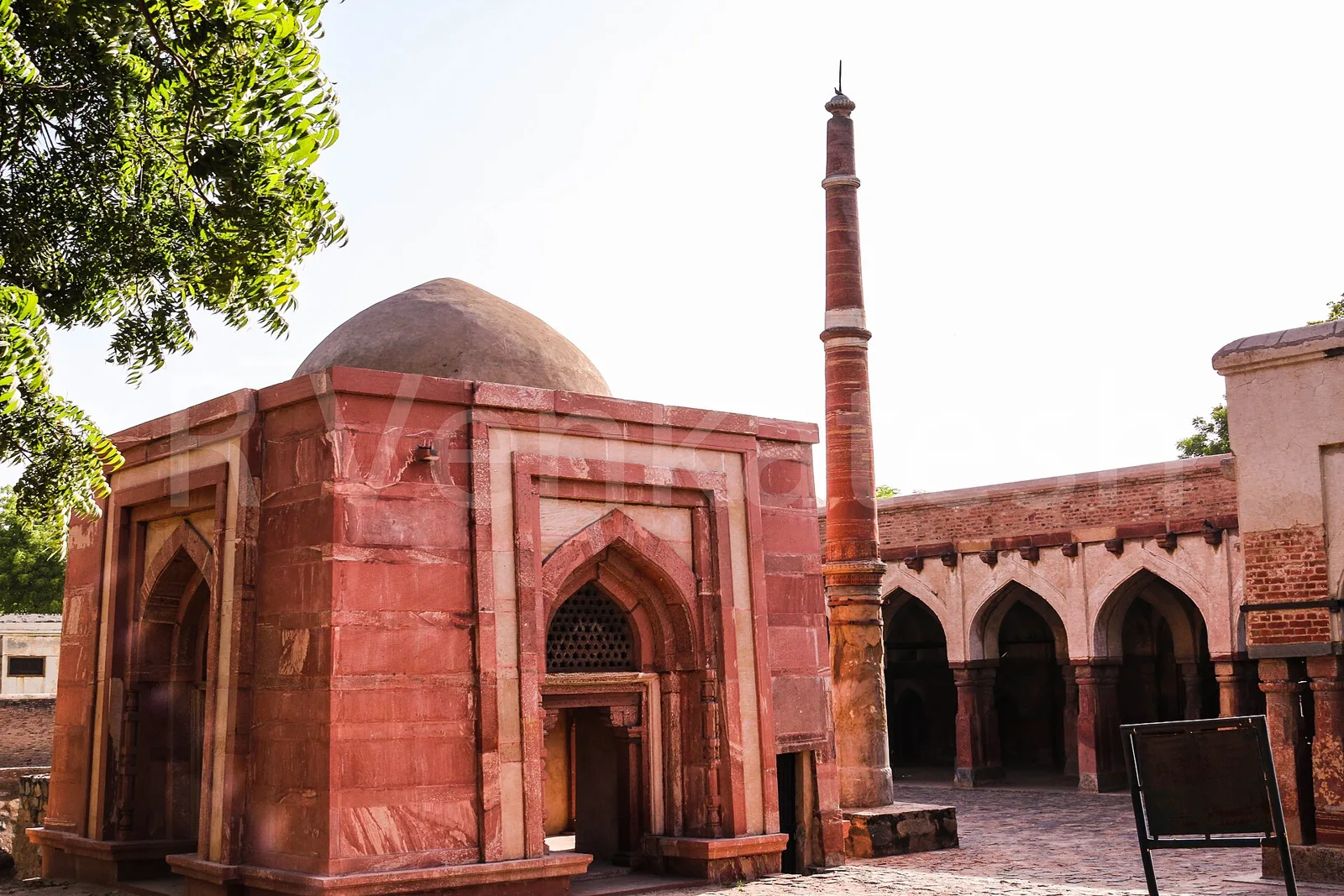
Firoz Shah palace complex

60 km away · Hisar district

Firoz Shah palace complex

The Firoz Shah palace complex is a medieval fortified site in Hisar, Haryana, associated with Sultan Firoz Shah Tughlaq. Visitors come to explore its palace remains, religious buildings and evidence of the older settlement beneath it.

Hisar

61 km away · Hisar district

Hisar

Hisar is Haryana’s district administrative centre, where visitors encounter a history shaped by successive rulers, from the Mauryans to the British.

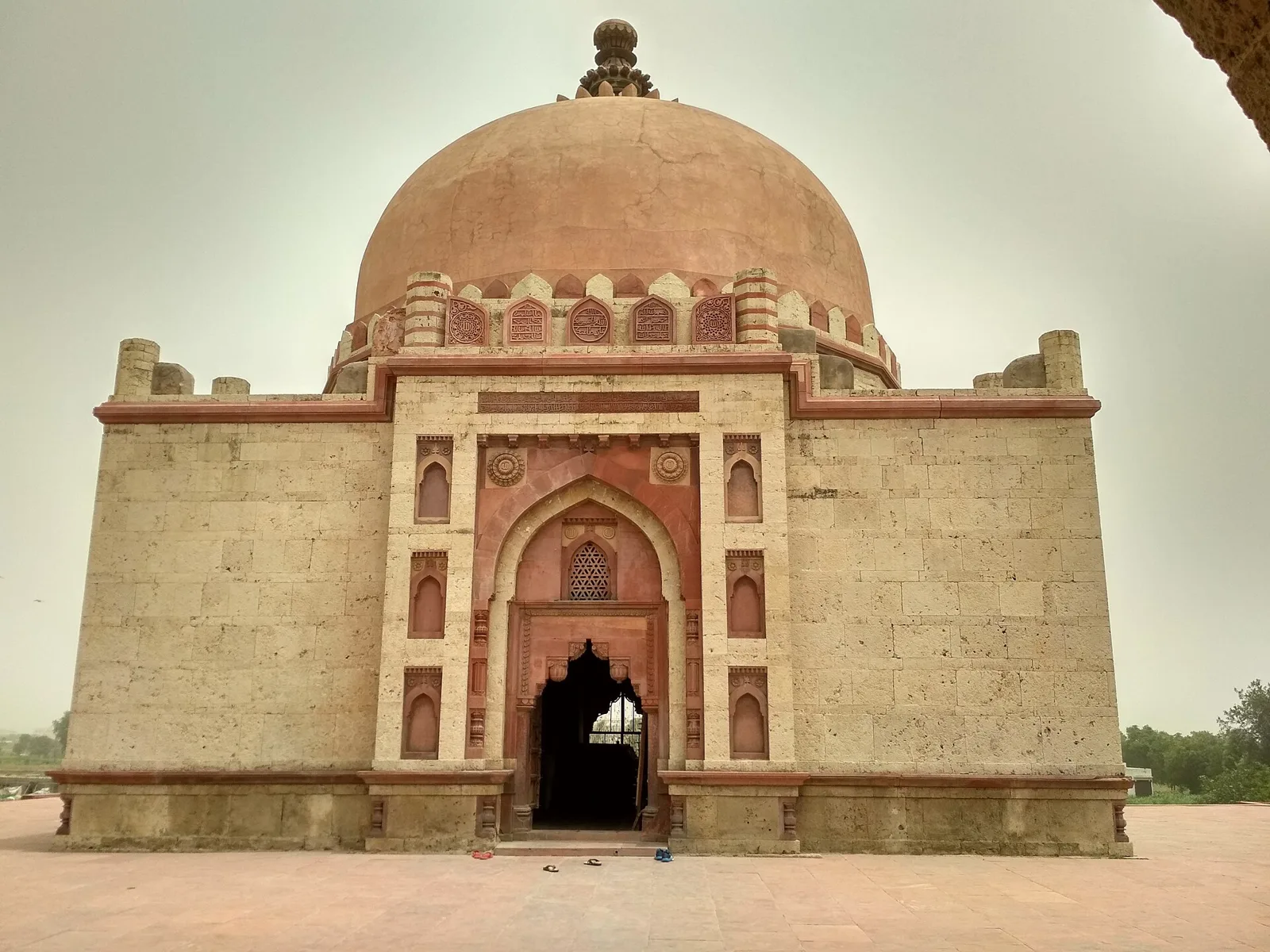
Khwaja Khizr Tomb

70 km away · Sonipat district

Khwaja Khizr Tomb

This historic tomb in Sonipat commemorates the Muslim saint Khwaja Khizr. Visitors come to see its Lodi-era structure and learn about its links to Ibrahim Lodi’s court.

Sonipat

71 km away · Sonipat district

Sonipat

Sonipat is a planned industrial city and district headquarters in Haryana’s National Capital Region. Its proximity to Delhi and connections by rail and road make it a useful point of access for travel around the region.

Map

Maham on the map

  1. 1Rohtak
  2. 2Tilyar Lake
  3. 3Tosham
  4. 4Jind
  5. 5Firoz Shah palace complex
  6. 6Hisar
  7. 7Khwaja Khizr Tomb
  8. 8Sonipat

Haryana

Other cities to explore