
Ghumoopedia — Explore, Discover, Experience
Sign in
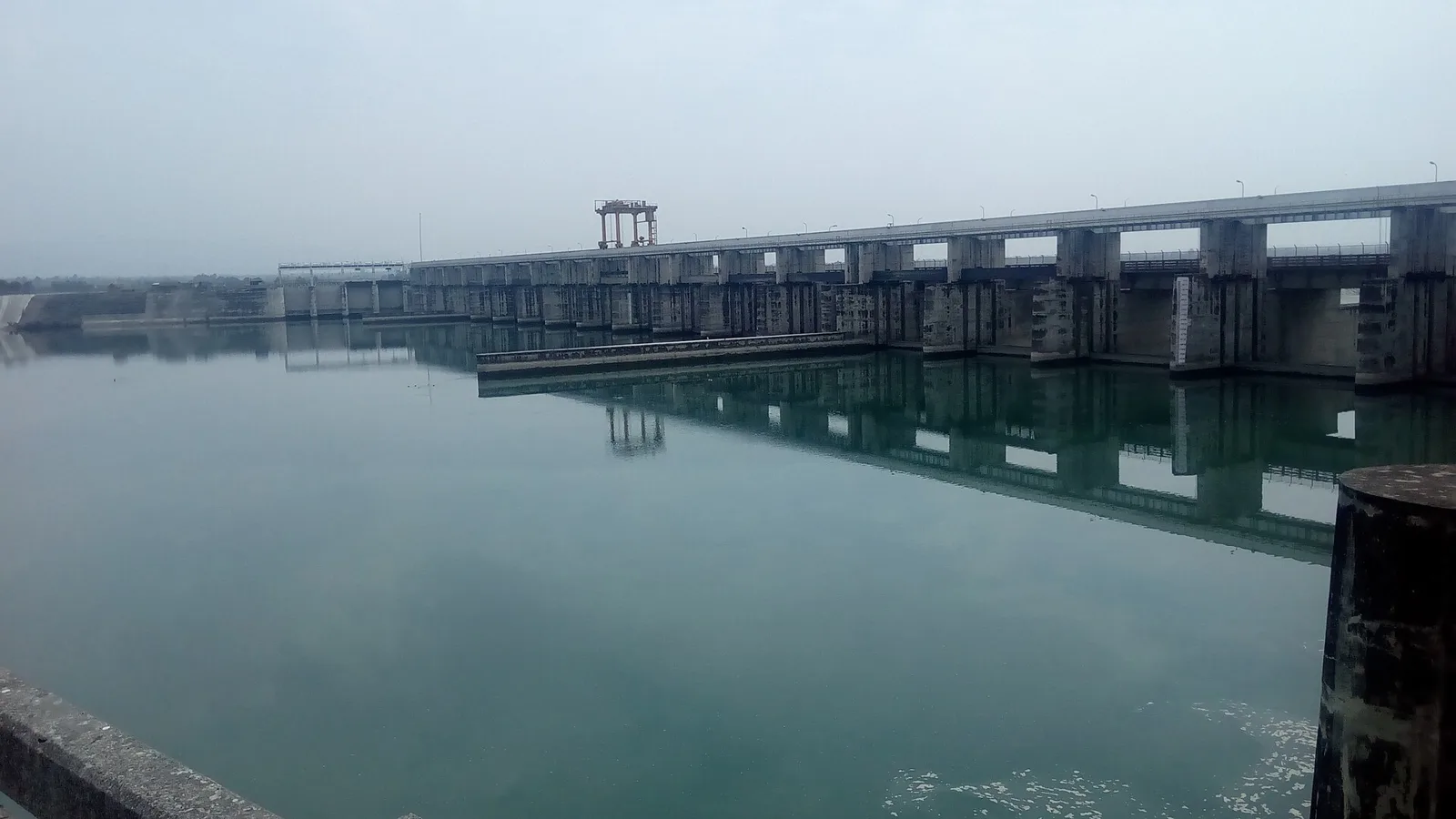
Hathni Kund Barrage, near Chhachhrauli

City guide · Haryana

Chhachhrauli

Chhachhrauli is a tehsil town in Yamunanagar district, about 11 km northeast of Yamunanagar–Jagadhri. Its importance comes from its role as a local centre for surrounding villages, with a large grain market serving farmers and traders from the area.

Famous for

  • Kalsia State heritage
  • Chhachhrauli Fort
  • High monsoon rainfall
  • Regional grain market
  • Gateway to the Shivaliks
In the city
0
Nearby
2
District
Yamunanagar
Plan a trip

Why Chhachhrauli matters

Chhachhrauli is a tehsil town in Yamunanagar district, about 11 km northeast of Yamunanagar–Jagadhri. Its importance comes from its role as a local centre for surrounding villages, with a large grain market serving farmers and traders from the area. The town is also remembered as the former capital of the princely Kalsia State, a legacy visible in the old fort and its clock tower. Chhachhrauli is sometimes called the “Cherapunjii of Haryana” because it receives notably heavy monsoon rain compared with much of the state.

For visitors, the town offers a quieter introduction to the district’s history and rural life, as well as a base for exploring the Shivalik foothills and nearby religious and nature sites. Journeys from here can include Kalesar National Park, Adi Badri, Kapal Mochan and the Shivalik Fossil Park. The landscape changes between the low-lying, fertile Khadar near the Yamuna and the higher Ghaad towards the Shivaliks, giving the surrounding countryside a distinctive character.
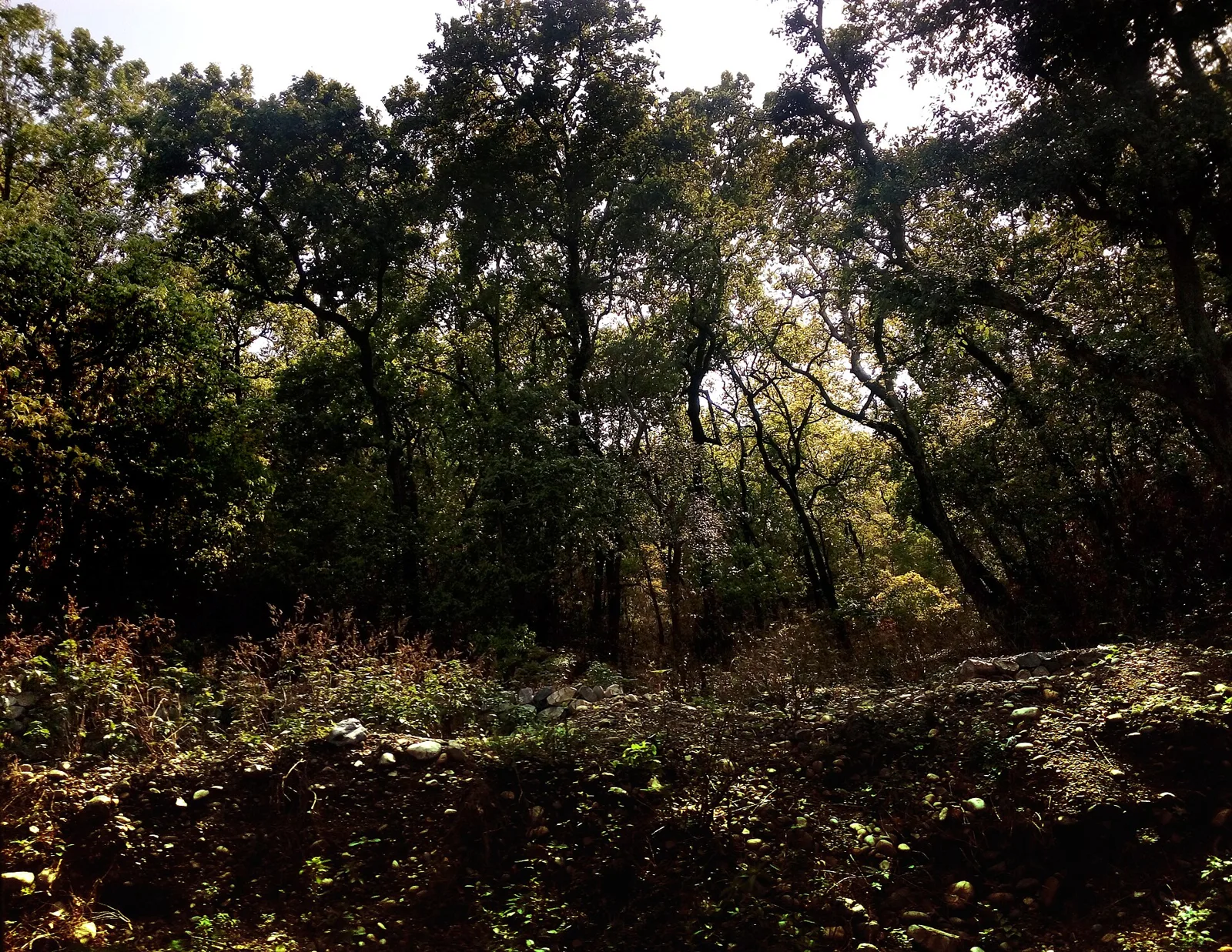
Famous for: crafts, trade & products

Chhachhrauli is best known commercially for its anaj mandi, or grain market, where farmers from the town and neighbouring villages bring produce for sale. This makes it a practical trading centre rather than a destination known for a signature textile, handicraft or GI-tagged product. The market and surrounding shops are the most useful places to see everyday local commerce and find general provisions and farm-related goods; visitors looking for specialist crafts may find a wider choice in larger nearby towns.

Agriculture shapes the wider area, supported by fertile land in the Khadar, though the low-lying landscape can be affected by floods. Chhachhrauli also serves nearby villages including Singhpura, Sherpur, Chuharpur Khurd and Pipli Majra. Its historic landmark is the former Kalsia fort, which once contained state offices, a treasury and a hall for official gatherings. The fort is now in ruins, but its clock tower and surviving structures preserve a strong connection to the town’s former role as a princely-state capital.

History

Chhachhrauli rose to prominence as the capital of Kalsia State, founded by Raja Gurbaksh Singh in 1763. The state also held territories beyond the town, including Dera Bassi and Kalsia. Its administrative centre was the fort, which housed government departments and the state treasury, as well as spaces for the ruler’s meetings and ceremonies. The remains of the fort, including its clock tower, are reminders of that period.

After India’s independence in 1947, Kalsia became part of the Patiala and East Punjab States Union (PEPSU). It was subsequently incorporated into Punjab and, when Haryana was formed in 1966, became part of the new state. Chhachhrauli developed as a local administrative and market centre, serving villages across the surrounding countryside. It was governed as a municipal committee until 1998 and today functions as a tehsil town and gram panchayat. Its government school, opened in 1915, and the government college established in 2008 reflect the growth of local public education.

Food, festivals & culture

Everyday life in Chhachhrauli reflects the agrarian culture of northern Haryana. Hindi is widely used, alongside Haryanvi and Punjabi in local conversation. Shops and the grain market offer a glimpse of daily life shaped by farming and trade.

Holi and Diwali bring the usual seasonal celebrations, while Teej is observed during the monsoon period. Baisakhi and Gurpurab are also part of the broader regional calendar, particularly among Sikh communities. Hindu temples and local shrines serve residents, while nearby Kapal Mochan is an important pilgrimage centre with both Hindu and Sikh places of worship. The town is not especially known for a distinct performance tradition; music and dance are most visible during family celebrations and festivals, where regional folk styles are heard and performed.

Visiting the city

October to March is generally the most comfortable time to visit, with milder weather for exploring the town and nearby sites. The monsoon brings greener scenery but also heavy rain, and low-lying Khadar areas may be affected by flooding, so check local conditions before travelling. Chandigarh International Airport is a major nearby air option; Jagadhri railway station, serving Yamunanagar–Jagadhri, is the main rail connection for the area. From there, continue by road to Chhachhrauli.

Local travel is mainly by road, using taxis, auto-rickshaws or buses where available. Explore the old fort and clock tower, the central market and anaj mandi, then visit the contrasting Khadar and Ghaad landscapes. Chhachhrauli can also serve as a starting point for day trips to Kalesar National Park, Adi Badri, Kapal Mochan and the Shivalik Fossil Park.

Short trips

Around Chhachhrauli

Within about 40 km — easy half-day or day trips from the city.

Map

Chhachhrauli on the map

  1. 1Hathni Kund Barrage
  2. 2Kalesar National Park

Haryana

Other cities to explore