Ghumoopedia — Explore, Discover, Experience
Sign in
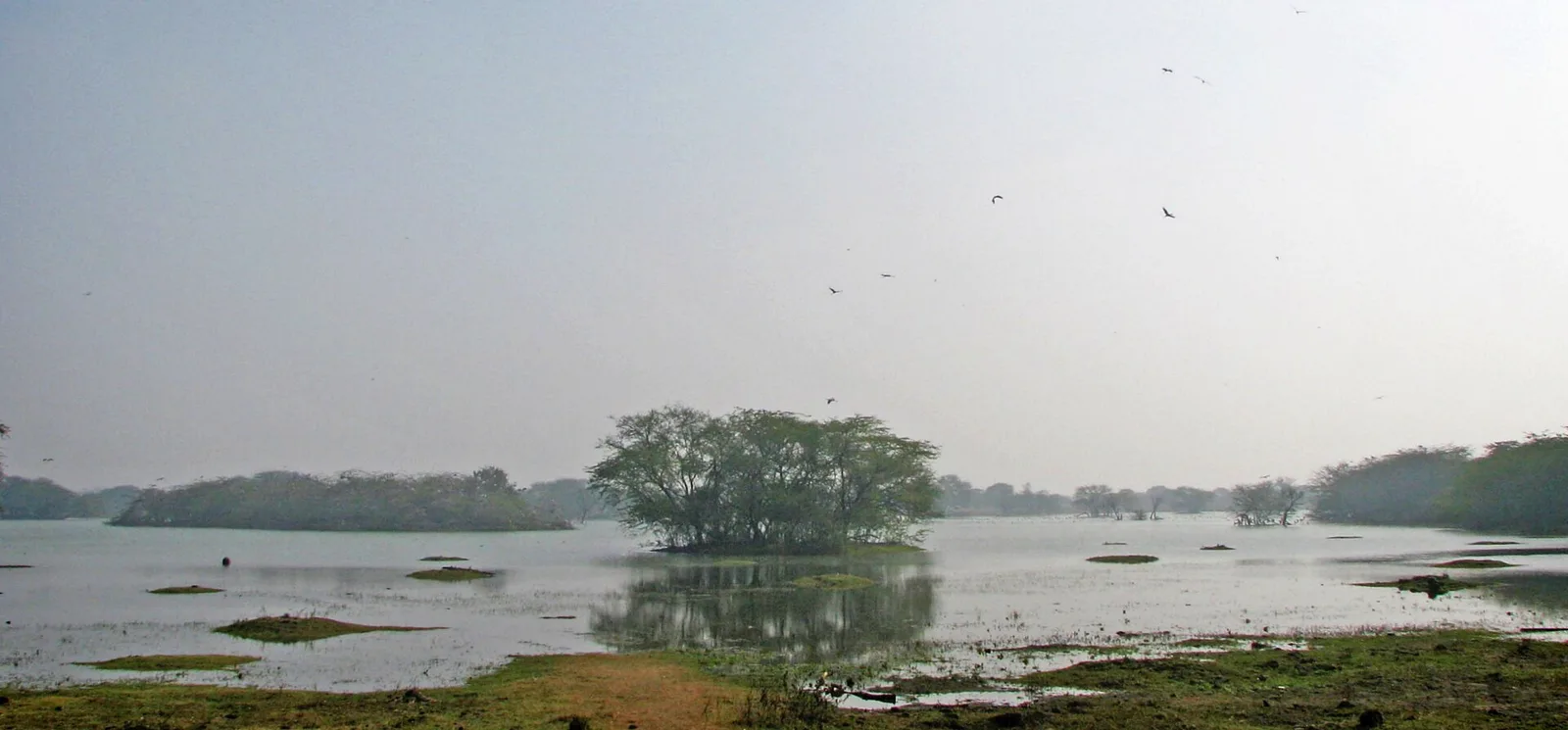
Sultanpur National Park, near Bahadurgarh

City guide · Haryana

Bahadurgarh

Bahadurgarh is a busy city in Jhajjar district, on Haryana’s eastern edge beside Delhi. Its position on the National Capital Region’s western approach has shaped its role as a place to live, work and travel between the capital and towns such as Rohtak and Jhajjar.

Famous for

  • Bahadurgarh Fort
  • Footwear manufacturing
  • NCR industrial hub
  • Gateway of Haryana
  • Delhi Metro access

Why Bahadurgarh matters

Bahadurgarh is a busy city in Jhajjar district, on Haryana’s eastern edge beside Delhi. Its position on the National Capital Region’s western approach has shaped its role as a place to live, work and travel between the capital and towns such as Rohtak and Jhajjar. Road and rail connections, including the Delhi Metro’s Green Line, make it accessible to commuters as well as visitors exploring the region.

The city is best known for its industrial estates, particularly footwear manufacturing, and for its historic fort. Bahadurgarh Fort, also called Singh Dwar, recalls the town’s former strategic importance and its association with the title “Gateway of Haryana.” Visitors are more likely to come for local history, business or a stop on a wider Haryana itinerary than for a conventional sightseeing circuit. The town’s blend of old neighbourhoods, religious places, markets and modern industrial development gives a practical glimpse of how a small historic settlement has become part of Delhi’s expanding urban region.
Famous for: crafts, trade & products

Bahadurgarh’s strongest commercial identity is manufacturing, especially footwear. Industrial areas around the city also support a range of production and supply businesses, including ceramics and other building-related goods. These products are primarily made for trade rather than presented as visitor-oriented crafts. The city is not especially known for a signature saree or handloom tradition, and no widely recognised local GI-tagged product defines its market identity.

For everyday shopping, visitors can browse the central bazaar and neighbourhood markets for clothing, household goods, snacks and locally used products. Footwear is the most relevant local speciality to ask about; manufacturers and trade outlets are generally associated with the industrial estates, though access and retail availability vary. Bahadurgarh’s industrial presence also makes it a working commercial centre for nearby communities, rather than a destination built around craft shopping. Those seeking Haryana handicrafts or specialised textiles may find a broader selection in larger regional markets, including Delhi. The fort and its surrounding old-town area offer a contrast to the newer industrial and commercial zones.

History

Bahadurgarh’s early history is not entirely settled: accounts variously associate its foundation with Rathee Jats or with the Mughal period. In 1754, Mughal emperor Alamgir II granted the settlement, then known as Sharafabad, to Bahadur Khan and Tej Khan, Baloch rulers of Farrukhnagar; they gave it the name Bahadurgarh. Bahadur Khan is associated with the construction of Bahadurgarh Fort, also known as Singh Dwar.

Maratha forces later defeated the Baloch rulers, and the town passed to Sindhia in 1793. After the British defeated Sindhia in 1803, Lord Lake transferred administration to the brother of the Nawab of Jhajjar in the aftermath of the Treaty of Surji-Anjangaon. In the modern period, Bahadurgarh grew as an industrial centre and as part of the Delhi region’s outward expansion. Its links by road, rail and metro have strengthened its role as a commuter and manufacturing city within the National Capital Region.

Food, festivals & culture

Everyday food reflects the wider Haryana region: wheat-based rotis, seasonal vegetables, lentils, curd and buttermilk are common, alongside familiar North Indian snacks and sweets. Visitors will find tea stalls, sweet shops and casual eateries around the markets, but Bahadurgarh is not widely identified with one signature dish. Hindi and Haryanvi are widely used; Punjabi is also heard, as in many parts of the Delhi region.

Holi in spring, Teej during the monsoon season, and the autumn festivals of Navratri and Diwali are observed alongside national celebrations. Local religious life includes temples, gurdwaras and mosques serving neighbourhood communities. Haryanvi folk traditions such as ragini singing and saang theatre form part of the region’s cultural heritage; folk music and dance are especially visible at community celebrations and seasonal gatherings. The city’s cultural character is shaped by this regional heritage as well as by the daily movement of commuters and workers between Bahadurgarh and Delhi.

Visiting the city

The most comfortable time to visit is generally from October to March, when daytime weather is milder; summers are hot, and monsoon showers arrive later in the season. The nearest major airport is Indira Gandhi International Airport in Delhi. Bahadurgarh railway station serves the city, and Delhi Metro’s Green Line reaches Brigadier Hoshiar Singh station.

Auto-rickshaws and local buses are useful for getting around, while app-based cabs may be available. For a short visit, explore the old-town area and Bahadurgarh Fort, then look through the central markets. The industrial estates are mainly business districts, but may interest visitors with a connection to local manufacturing. Check local access conditions before making a special trip to the fort, as visitor facilities can vary.

Trips from the city

Nearest places to visit from Bahadurgarh

Our closest destination guides, by straight-line distance.

26 km away · Gurugram district

Sheetla Mata Mandir Gurgaon

In Gurugram, Haryana, Sheetla Mata Mandir is a Hindu shrine honouring the goddess Sheetla, associated with Guru Dronacharya. Devotees visit in large numbers during Navaratri and other festivals.

Sultanpur National Park

26 km away · Gurugram district

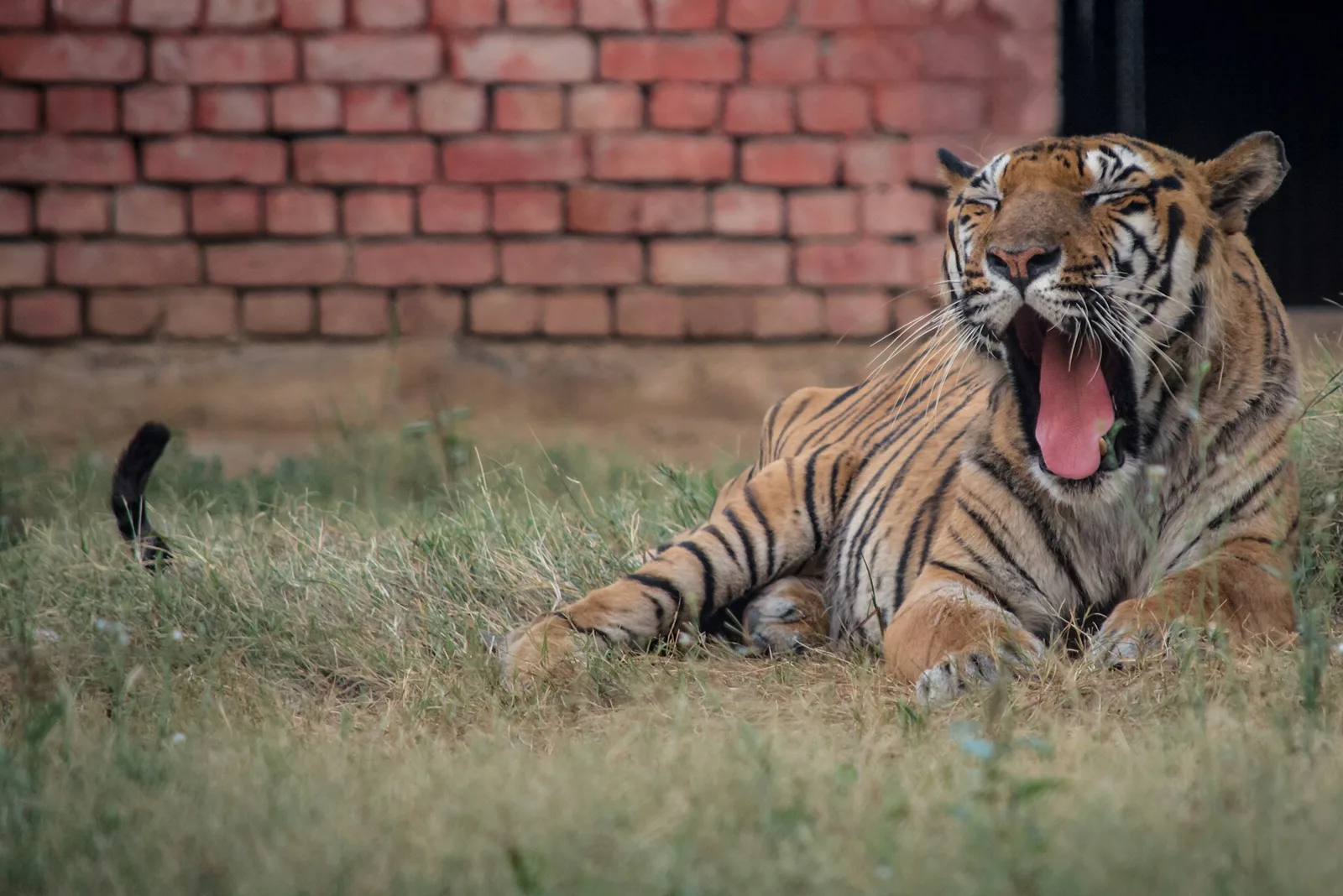
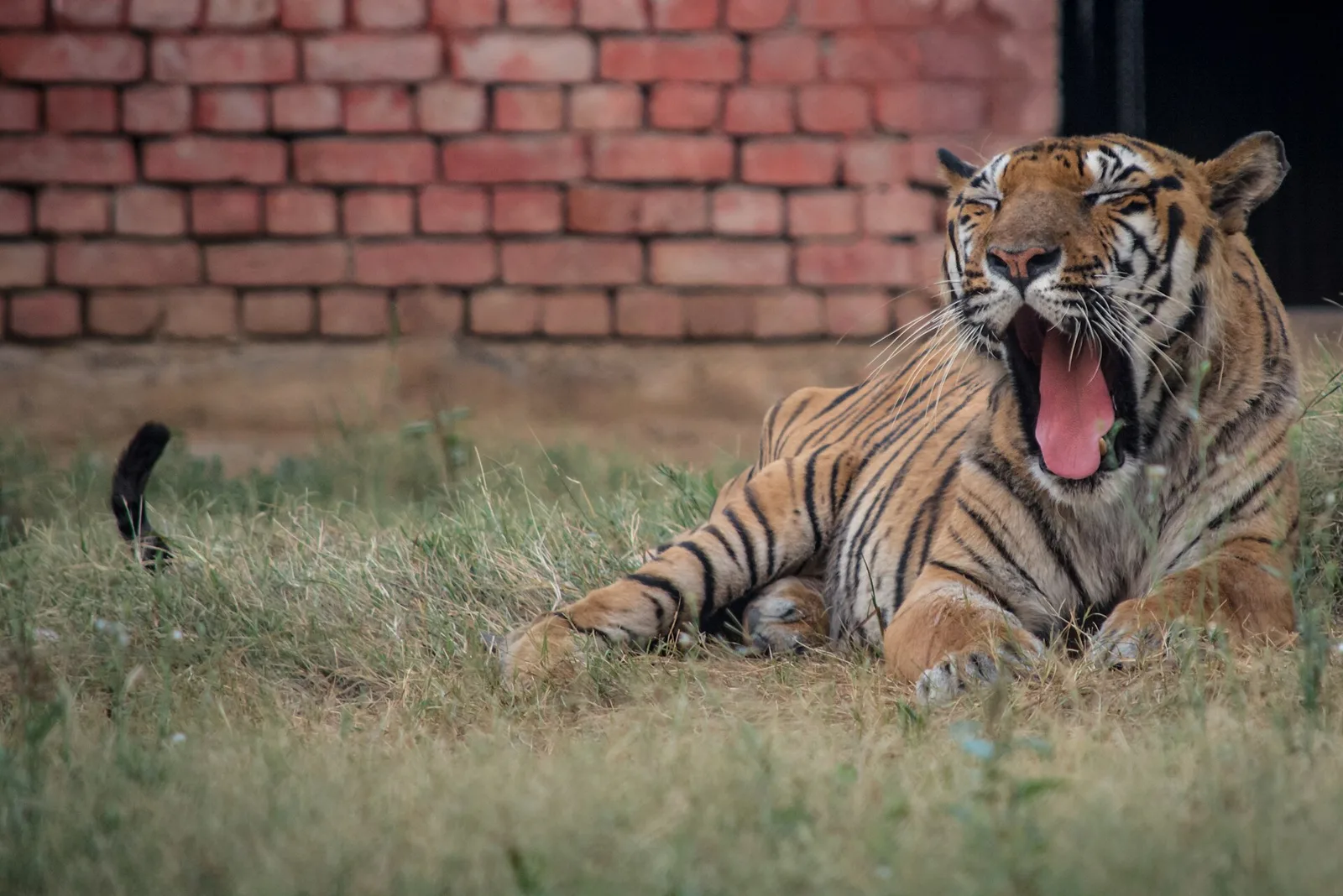
Sultanpur National Park

In Gurugram district, Haryana, Sultanpur National Park covers about 1.43 square kilometres. Visitors come to experience a national park in the state.

Gurgaon

28 km away · Gurugram district

Gurgaon

Gurgaon, officially named Gurugram, is a satellite city of Delhi and administrative headquarters of Gurgaon district, located in the northern Indian state of Haryana.

Sonipat

34 km away · Sonipat district

Sonipat

Sonipat is a planned industrial city and district headquarters in Haryana’s National Capital Region. Its proximity to Delhi and connections by rail and road make it a useful point of access for travel around the region.

Khwaja Khizr Tomb

36 km away · Sonipat district

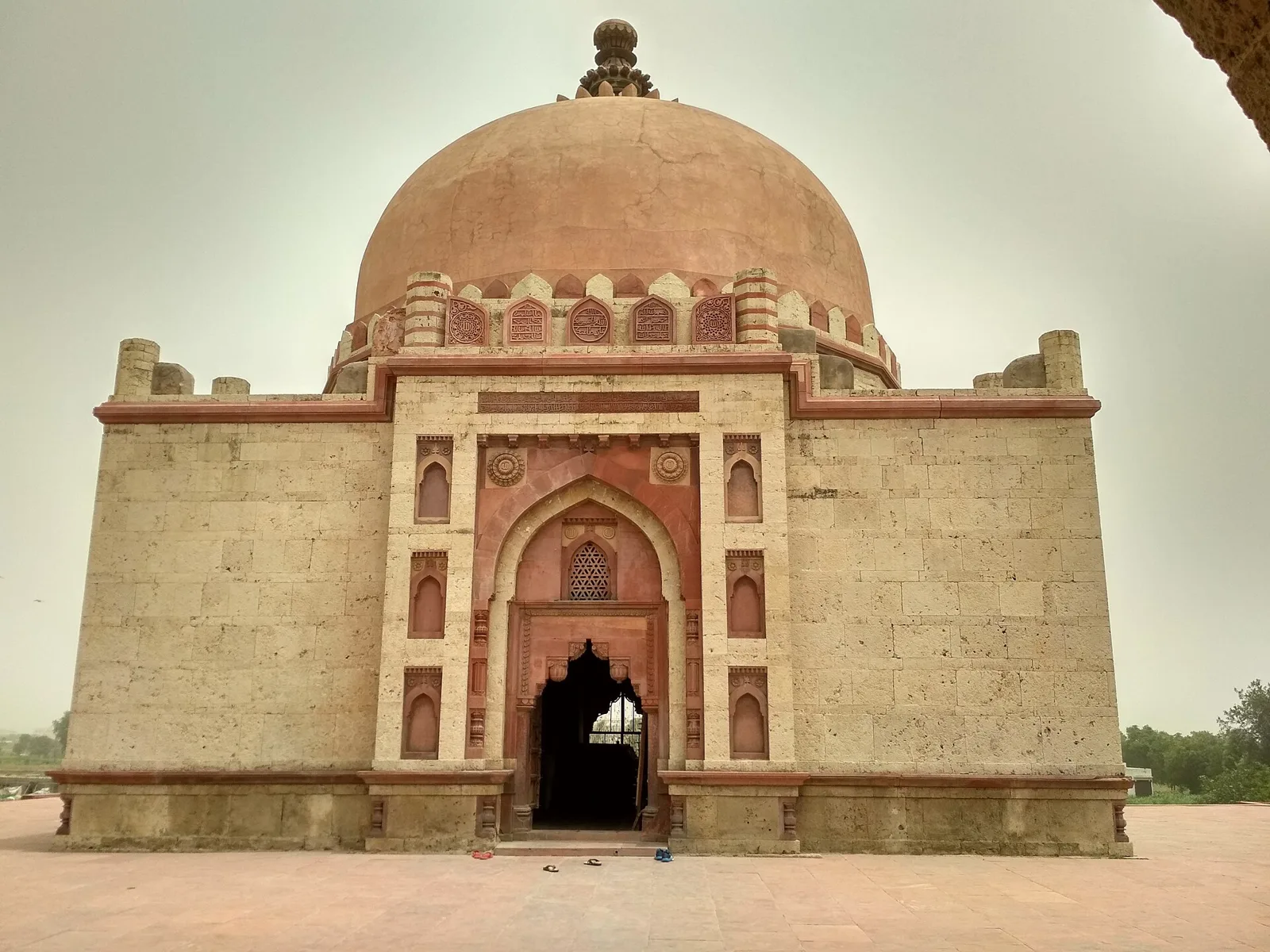
Khwaja Khizr Tomb

This historic tomb in Sonipat commemorates the Muslim saint Khwaja Khizr. Visitors come to see its Lodi-era structure and learn about its links to Ibrahim Lodi’s court.

Tilyar Lake

36 km away · Rohtak district

Tilyar Lake

In Rohtak district, Haryana, Tilyar Lake is a leisure destination drawing visitors for its lake setting, fishing facilities and adjoining Rohtak Zoo.

Rohtak

41 km away · Rohtak district

Rohtak

Rohtak is a Haryana city and the seat of its district administration. People may travel there for district-level matters, while its position in the National Capital Region also connects it with the wider area.

Surajkund

41 km away · Faridabad district

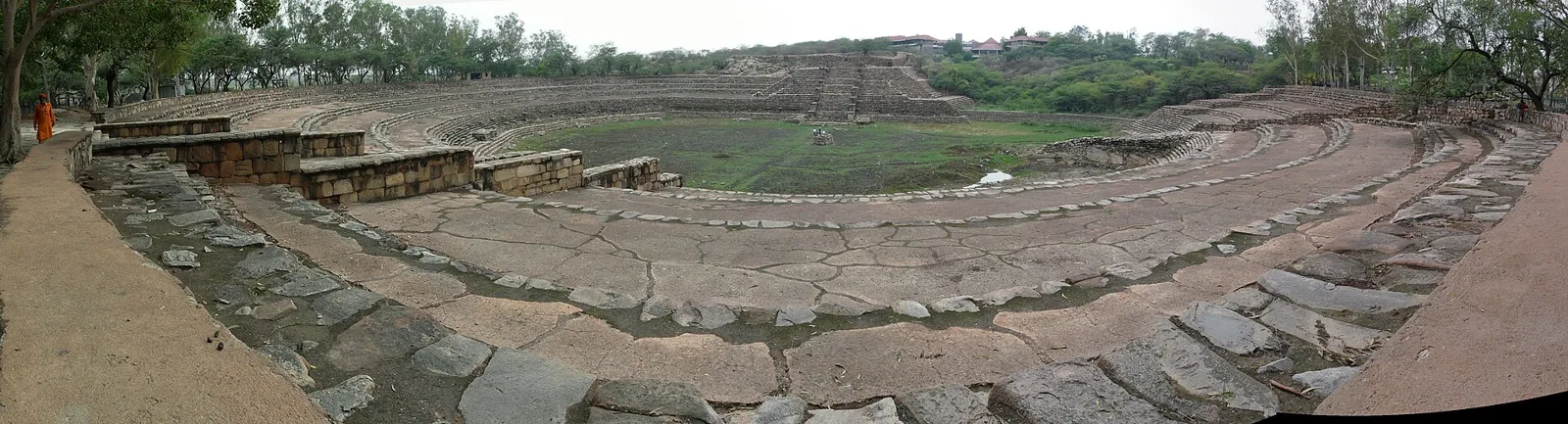
Surajkund

Surajkund is a 10th-century reservoir in Faridabad, Haryana, associated with the Tomara dynasty and sun worship. Visitors also come for its annual craft fair and the area’s archaeological and natural features.

Map

Bahadurgarh on the map

  1. 1Sheetla Mata Mandir Gurgaon
  2. 2Sultanpur National Park
  3. 3Gurgaon
  4. 4Sonipat
  5. 5Khwaja Khizr Tomb
  6. 6Tilyar Lake
  7. 7Rohtak
  8. 8Surajkund

Haryana

Other cities to explore