Ghumoopedia — Explore, Discover, Experience
Sign in
Rohtak, near Beri

City guide · Haryana

Beri

Beri is a market town in Jhajjar district, western Haryana, whose importance comes from its role linking nearby villages with larger centres such as Jhajjar and Rohtak. It lies on routes connecting the Gurgaon–Hisar and Kosli–Rohtak directions, making it a practical stop for local trade and everyday services.

Famous for

  • Mata Bhimeshwari Devi Temple
  • Beri Cattle Fair
  • Donkeys and horses
  • Regional trading market
Plan a tripHotels near Beri

Why Beri matters

Beri is a market town in Jhajjar district, western Haryana, whose importance comes from its role linking nearby villages with larger centres such as Jhajjar and Rohtak. It lies on routes connecting the Gurgaon–Hisar and Kosli–Rohtak directions, making it a practical stop for local trade and everyday services. Its rural hinterland shapes the town’s working rhythm, with agricultural exchange and livestock activity central to local life.

Visitors are drawn especially to the Mata Bhimeshwari Devi temple and to Beri’s twice-yearly cattle fair, held during Navratri. The fair is noted for donkeys and horses as well as livestock trading, and brings together people from surrounding communities. Beri also has a temple associated with Lord Krishna. Rather than a large tourist centre, it offers a close look at the religious life, market culture and countryside connections of this part of Haryana. Its location makes it useful to combine with a visit to Jhajjar or Rohtak.
Famous for: crafts, trade & products

Beri is best known commercially as a service and trading centre for nearby villages, rather than for a single signature textile, handicraft or branded product. The town’s markets serve everyday needs and the surrounding agricultural economy; visitors can explore the central bazaar for household goods, clothing, groceries and locally traded produce. Livestock trading is particularly visible around the Beri Cattle Fair, where donkeys and horses are among the animals associated with the event.

The town’s strongest visitor-facing institution is the Mata Bhimeshwari Devi temple, which draws worshippers and fairgoers. The fair’s blend of religious gathering and animal trading gives Beri a distinctive regional identity. Local shops and market lanes are the most useful places to look for ordinary Haryana-made goods and seasonal produce, while the temple area is the natural focus during Navratri. Beri is not especially identified with a GI-tagged product or a specialist craft market; its appeal lies more in its role as a rural marketplace and in the traditions connected with its temple and livestock fair.

History

Beri’s local history is associated with its founding by Kadyan Jat settlers. Its growth has been shaped less by royal court life than by its position among farming villages and along routes linking towns across the region. Religious institutions, local exchange and the movement of livestock helped establish its role as a market town.

During the colonial period, Beri remained part of the agrarian hinterland of what is now Haryana, with road connections supporting trade between villages and nearby towns. After independence, it continued to develop as a local service centre. Haryana became a separate state in 1966, and Jhajjar became a district in 1997; Beri is now a municipal committee within the district. The town is also associated with Bhagwat Dayal Sharma, Haryana’s first chief minister, who was from Beri. Its present-day identity reflects this combination of rural roots, regional commerce and religious importance.

Food, festivals & culture

Everyday food in Beri reflects the wider Haryanvi home table: bajra roti, seasonal vegetables, curd, buttermilk and lassi are familiar staples, with dishes such as kadhi and churma also enjoyed across the region. Sweets vary with season and occasion, and visitors will find customary Indian sweets in local shops. Hindi and Haryanvi are widely used in daily conversation.

The main religious draw is Mata Bhimeshwari Devi temple. Navratri, observed in spring and autumn, is especially significant because Beri’s cattle fair is held during the festival period every six months. The gathering combines worship with livestock trading and is known for donkeys and horses. Krishna worship is also represented by a local temple. Haryanvi folk traditions, including ragini singing and dhol-led performance, form part of the broader cultural setting, particularly at community celebrations and fairs. The town’s cultural life is closely connected to nearby villages and their seasonal gatherings.

Visiting the city

The cooler months, from roughly October to March, are generally the most comfortable for exploring Beri; the Navratri period is a lively time to visit if you want to see the cattle fair. Beri is reached by road from Jhajjar and Rohtak. The nearest major airport is Indira Gandhi International Airport in Delhi. Jhajjar railway station is the closest railhead, while Rohtak Junction is a useful larger station for regional connections.

Within town, local taxis, auto-rickshaws and other shared road transport can help with short journeys; the temple and central market are natural places to explore. Beri’s surrounding villages and rural roads offer a sense of the district’s agricultural landscape. Visitors can also make a day trip to Jhajjar or Rohtak, both of which provide broader services and additional places to see.

Trips from the city

Nearest places to visit from Beri

Our closest destination guides, by straight-line distance.

Rohtak

21 km away · Rohtak district

Rohtak

Rohtak is a Haryana city and the seat of its district administration. People may travel there for district-level matters, while its position in the National Capital Region also connects it with the wider area.

Tilyar Lake

21 km away · Rohtak district

Tilyar Lake

In Rohtak district, Haryana, Tilyar Lake is a leisure destination drawing visitors for its lake setting, fishing facilities and adjoining Rohtak Zoo.

Sultanpur National Park

41 km away · Gurugram district

Sultanpur National Park

In Gurugram district, Haryana, Sultanpur National Park covers about 1.43 square kilometres. Visitors come to experience a national park in the state.

51 km away · Gurugram district

Sheetla Mata Mandir Gurgaon

In Gurugram, Haryana, Sheetla Mata Mandir is a Hindu shrine honouring the goddess Sheetla, associated with Guru Dronacharya. Devotees visit in large numbers during Navaratri and other festivals.

Gurgaon

52 km away · Gurugram district

Gurgaon

Gurgaon, officially named Gurugram, is a satellite city of Delhi and administrative headquarters of Gurgaon district, located in the northern Indian state of Haryana.

Khwaja Khizr Tomb

54 km away · Sonipat district

Khwaja Khizr Tomb

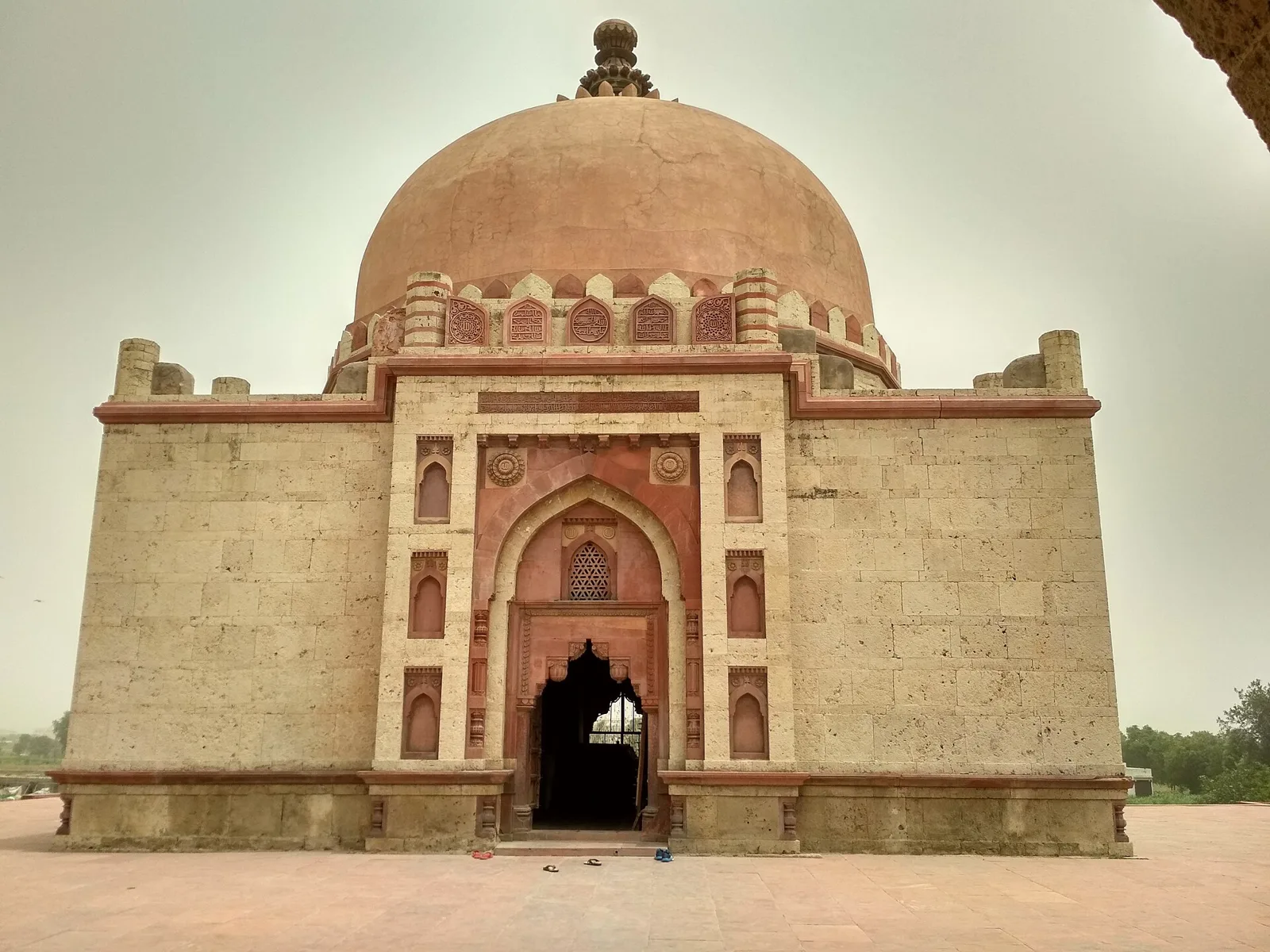
This historic tomb in Sonipat commemorates the Muslim saint Khwaja Khizr. Visitors come to see its Lodi-era structure and learn about its links to Ibrahim Lodi’s court.

Sonipat

54 km away · Sonipat district

Sonipat

Sonipat is a planned industrial city and district headquarters in Haryana’s National Capital Region. Its proximity to Delhi and connections by rail and road make it a useful point of access for travel around the region.

Rewari Railway Heritage Museum

55 km away · Rewari district

Rewari Railway Heritage Museum

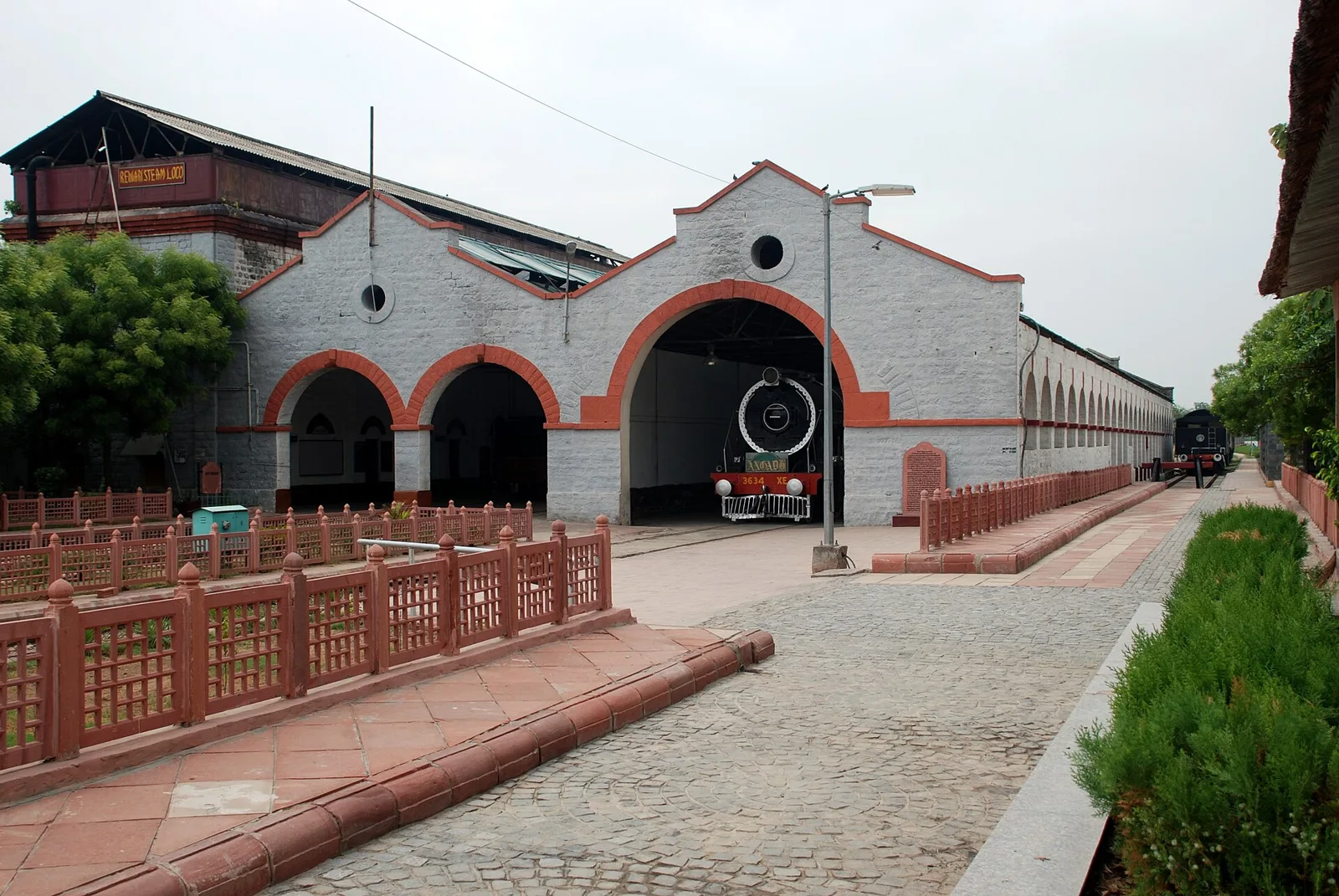
The Rewari Railway Heritage Museum is a railway museum in Rewari, Haryana, where visitors can see surviving steam locomotives, including the working Fairy Queen, built in 1855.

Map

Beri on the map

  1. 1Rohtak
  2. 2Tilyar Lake
  3. 3Sultanpur National Park
  4. 4Sheetla Mata Mandir Gurgaon
  5. 5Gurgaon
  6. 6Khwaja Khizr Tomb
  7. 7Sonipat
  8. 8Rewari Railway Heritage Museum

Haryana

Other cities to explore