
Ghumoopedia — Explore, Discover, Experience
Sign in
Rewari, near Rewari

City guide · Haryana

Rewari

Rewari is a municipal town in Haryana and the headquarters of Rewari district. People travelling for district administration may come here, and the city lies within the Ahirwal region.

Famous for

  • Rewari sesame brittle
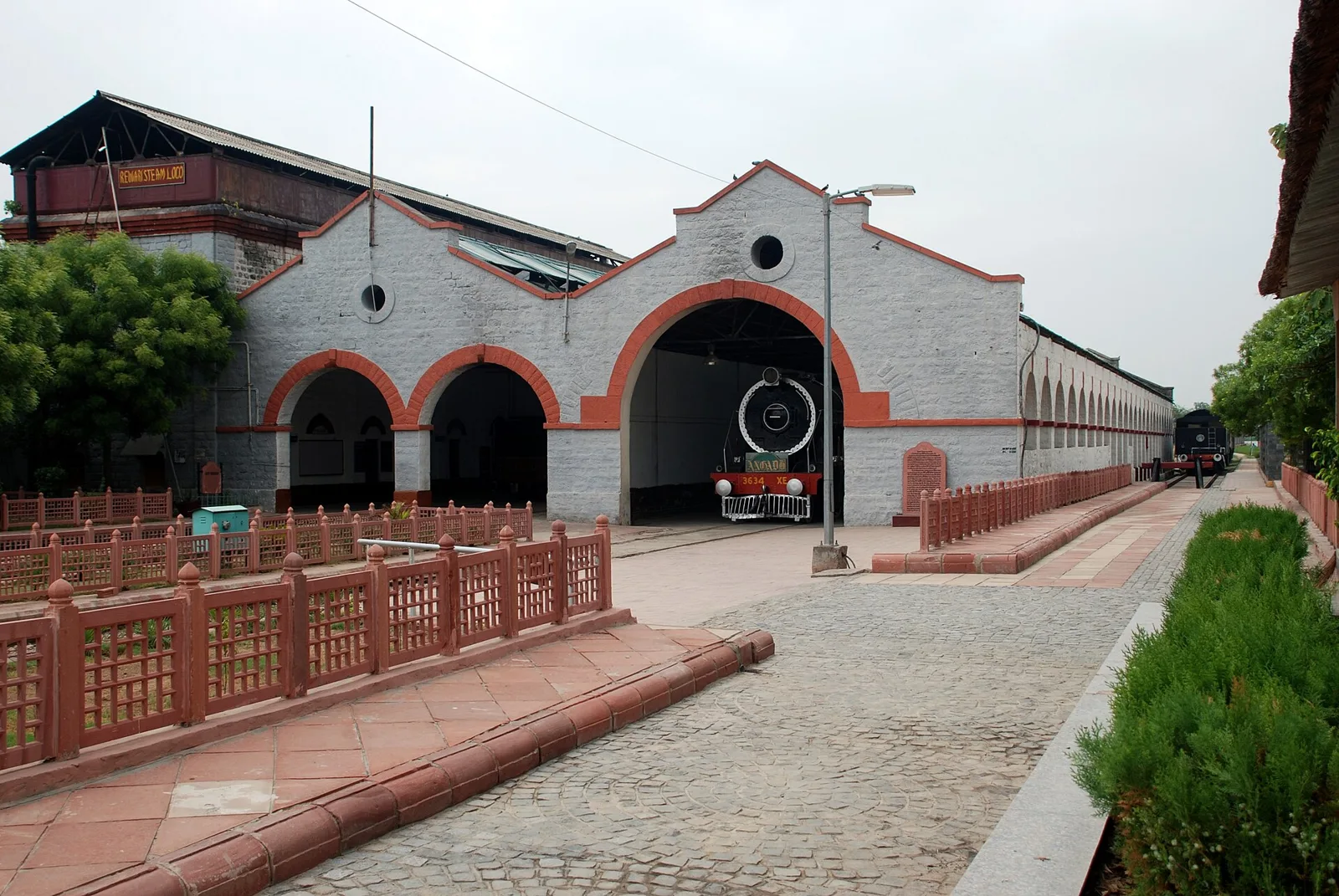
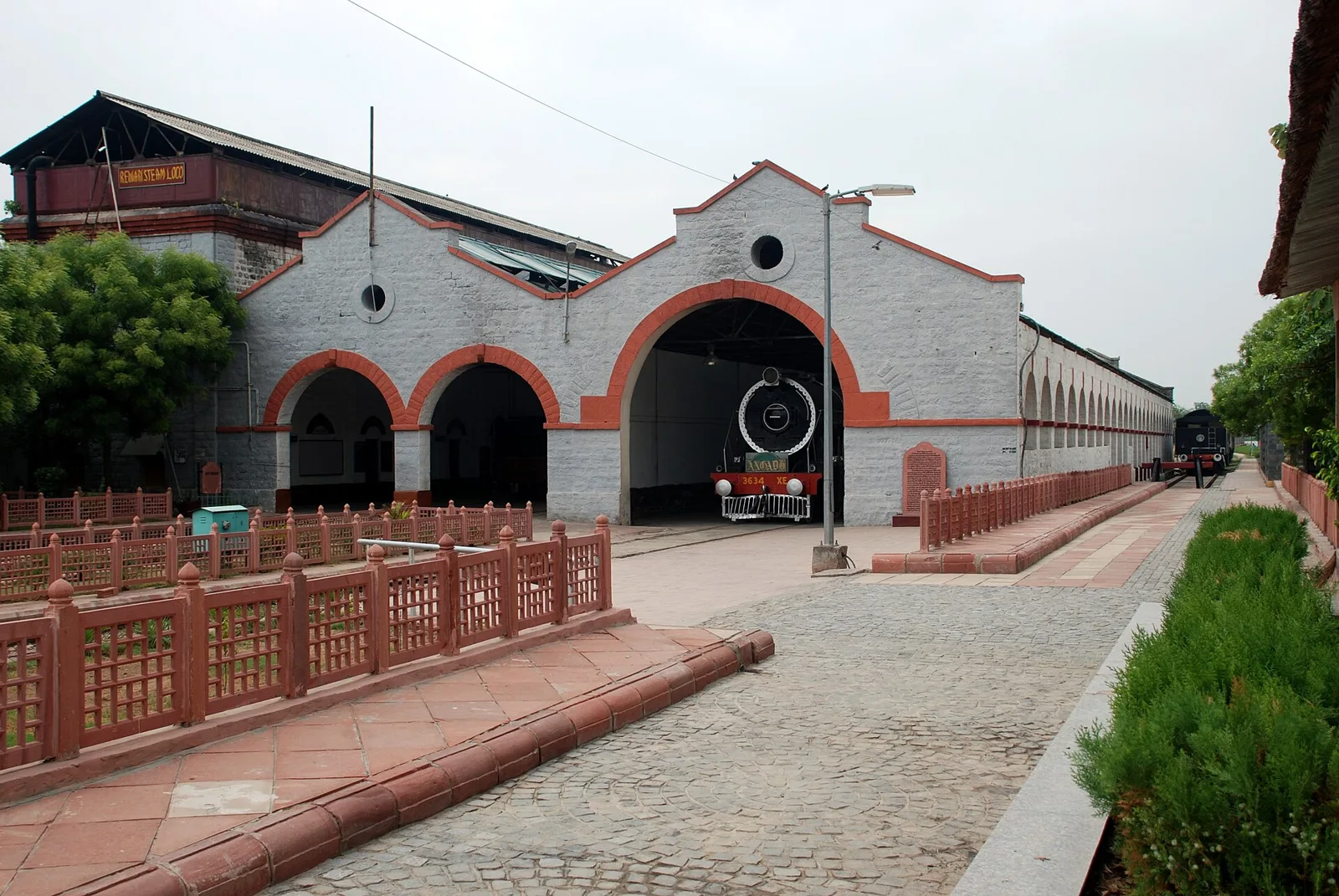
  • Steam locomotive heritage
  • Hemu’s haveli
  • Rezang La memorial
  • Ahirwal military tradition
  • Brass and copper work
In the city
2
District
Rewari

Why Rewari matters

Rewari is the administrative centre of Rewari district and an important city in south-west Haryana’s Ahirwal region. Its location roughly 80 kilometres from Delhi and close to Gurugram links it to the National Capital Region, while its railway junction has long made it a transport and trading centre. The surrounding region’s dry plains, sandy stretches and Aravalli foothills give the city a distinct setting between Haryana and Rajasthan.

Visitors come for a mix of history and living heritage. Rewari’s Steam Locomotive Heritage Museum preserves a remarkable collection of railway engines and offers a window onto India’s rail past. Qutubpur is associated with the historic haveli of Hemu, the sixteenth-century ruler and military commander. The city’s Rezang La memorial honours soldiers from the region who fought in the 1962 Sino-Indian War. Rewari is also known for its strong association with military service and for sesame-and-jaggery sweets called rewari. Together, these landmarks and traditions make it a worthwhile stop for travellers exploring south Haryana, rather than simply a place to pass through on the way to Delhi or Rajasthan.
Famous for: crafts, trade & products

Rewari’s best-known food product is rewari, a crisp sweet made with sesame seeds and sugar or jaggery. It is especially popular in the cooler months and is sold by sweet shops and confectioners in the city’s central and older market areas. Shops also offer familiar North Indian sweets and snacks, making the bazaars convenient places to sample local flavours or buy edible gifts.

The city has a historical association with brass and copper work. Hemu, who grew up in the Rewari area, is credited with developing a cannon foundry here, helping establish a metalworking tradition. Today, visitors may find household metalware and general goods in local markets, though Rewari is not chiefly known as a large textile, saree or handicraft destination, and no particular GI-tagged product defines its trade. For railway heritage, the Steam Locomotive Heritage Museum is the city’s most distinctive institution, with historic engines and exhibits. The old-market lanes are best for everyday shopping and sweets; the museum and Qutubpur’s Hemu haveli are the places to seek out the city’s more specialised heritage. Nearby industrial growth is part of the wider district and NCR economy.

History

Local tradition connects Rewari’s name with Rewa, a daughter of King Rewat, and the settlement called Rewa-Wadi. Another legend associates the place with Balarama, though these are traditional accounts rather than firmly documented origins. Rewari’s better-recorded history includes Hemu, born and raised in the area, who became a leading commander and was crowned at Delhi in 1556 before dying at the Second Battle of Panipat. His haveli survives in Qutubpur.

Under Mughal rule, Rewari became an administrative centre and later came under local rulers of the Ahirwal region. Rao Tula Ram and Rao Gopal Dev led resistance against the British during the uprising of 1857. After the revolt, the British took control and made Rewari part of Gurgaon district. The city later became part of Mahendragarh district in 1972; Rewari district was formed in 1989. Rail connections, district administration and the city’s position near the National Capital Region have shaped its modern growth as a regional service and trading centre.

Food, festivals & culture

Everyday food reflects the wider food traditions of Haryana: bajra roti, seasonal greens, lentils, curd and hearty home-cooked meals are familiar choices. Rewari, the sesame sweet that shares the city’s name, is a local speciality and a popular winter treat. Shops also sell gajak and other sesame-based sweets, particularly around the colder season and festive periods.

Hindi is widely used, alongside Haryanvi and Ahirwati, the regional speech of Ahirwal. Holi is celebrated in spring, Teej during the monsoon season and Diwali in autumn; Eid and other festivals are also observed by the city’s diverse communities. Folk ragini singing and regional songs are part of local cultural life, with dhol and other traditional percussion accompanying community celebrations. Hindu temples, mosques, gurdwaras and other places of worship serve neighbourhood communities and become especially lively during festivals. Rewari’s military heritage is another strong part of its public identity, remembered through the Rezang La memorial and commemorative gatherings.

Visiting the city

October to March is generally the most comfortable time to visit, with cooler weather for exploring. Summers can be extremely hot, and dust storms are possible. The nearest major airport is Indira Gandhi International Airport in Delhi. Rewari Junction is the city’s main railway station and a key rail connection for the region.

Auto-rickshaws and e-rickshaws are useful for getting around town; taxis can be arranged for trips farther afield. Allow time for the Steam Locomotive Heritage Museum, then visit Qutubpur to see Hemu’s historic haveli and the Rezang La memorial. The older market areas are good for browsing everyday shops and sampling rewari sweets. Rewari works well as a day visit from the Delhi–Gurugram area, though staying longer allows a slower look at its railway heritage and Ahirwal connections.

Attractions

Places to visit in Rewari

Sights within about 12 km of each other, even when they fall in different districts.

Map

Rewari on the map

  1. 1Rewari
  2. 2Rewari Railway Heritage Museum

Haryana

Other cities to explore