Ghumoopedia — Explore, Discover, Experience
Sign in
Agroha, near Fatehabad

City guide · Haryana

Fatehabad

Fatehabad is a district headquarters in western Haryana, serving as an administrative and commercial centre for the surrounding towns and farming communities. Its location on regional roads makes it a practical stop for travellers exploring the state’s western districts, though it is better known for local heritage and everyday market life than for large-scale tourism.

Famous for

  • Tughlaq-era heritage
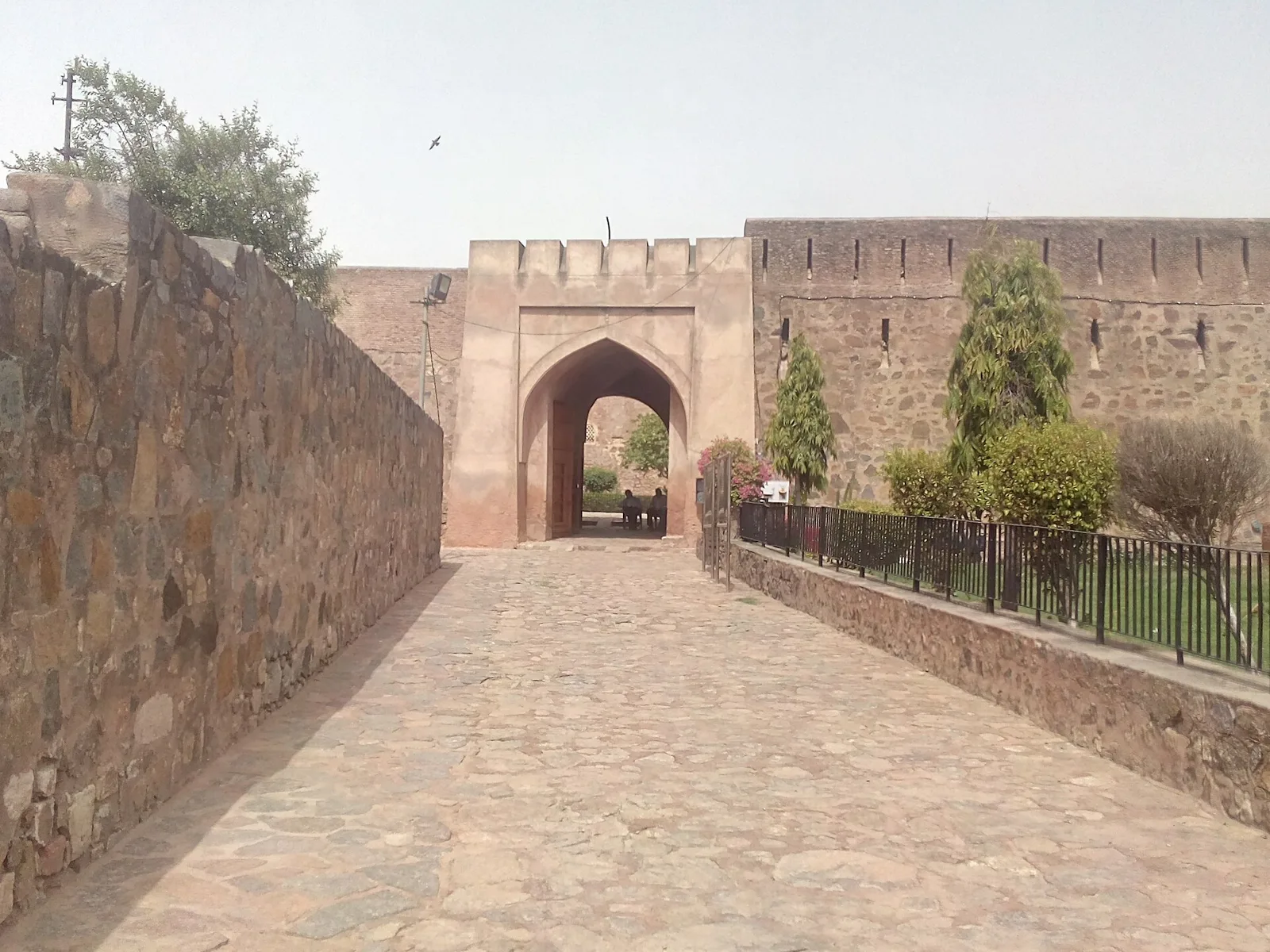
  • Fatehabad Fort
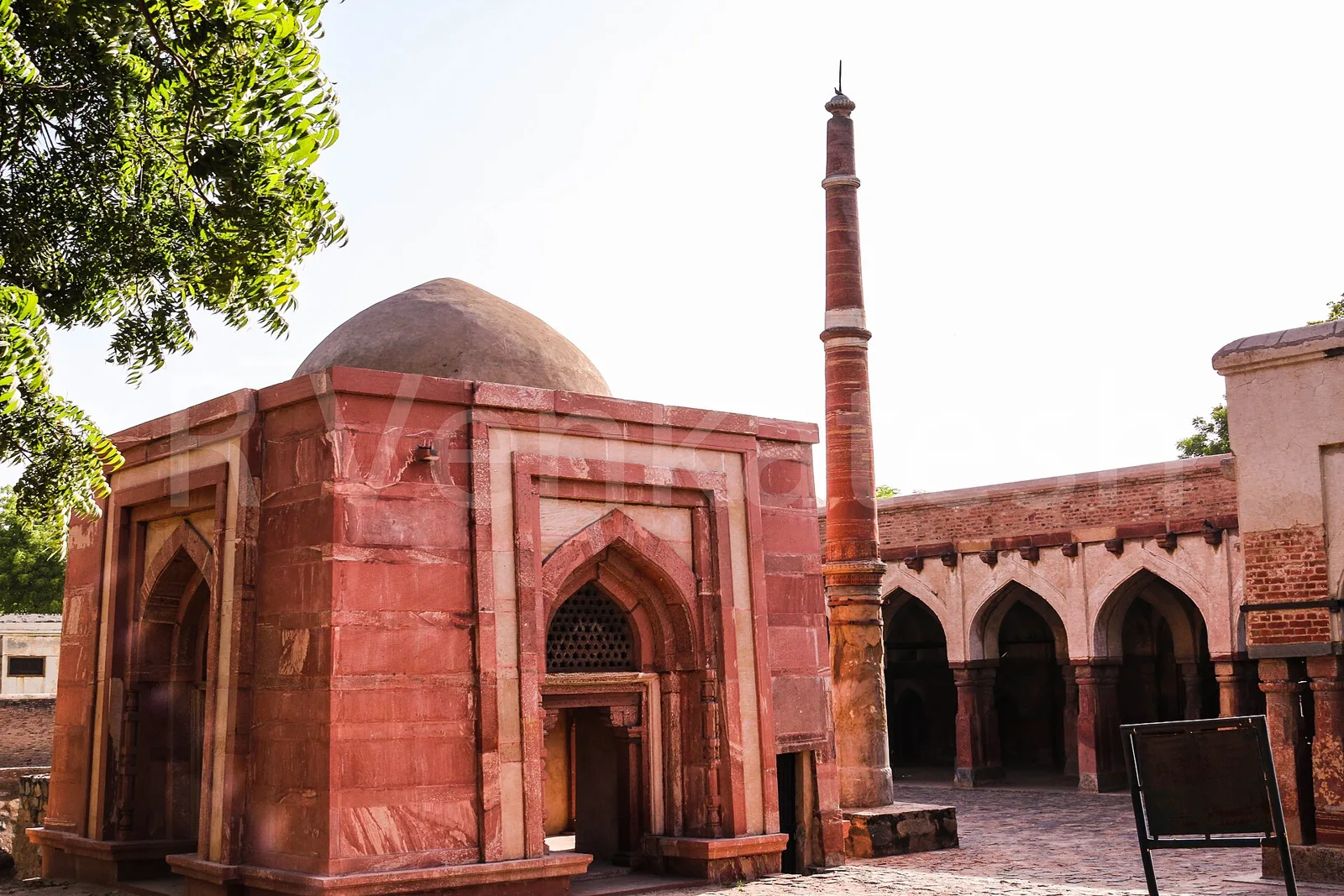
  • Humayun's Mosque
  • Feroz Shah ki Lat
  • Meershah Peer dargah
  • Agricultural trade

Why Fatehabad matters

Fatehabad is a district headquarters in western Haryana, serving as an administrative and commercial centre for the surrounding towns and farming communities. Its location on regional roads makes it a practical stop for travellers exploring the state’s western districts, though it is better known for local heritage and everyday market life than for large-scale tourism.

The town’s most distinctive attractions are associated with the Tughlaq period: Fatehabad Fort, Humayun’s Mosque and the historic pillar known as Feroz Shah ki Lat. The nearby dargah of Meershah Peer adds a continuing place of worship to this heritage landscape. Together, these sites give the town a story that reaches back to the 14th century. In the present day, government offices, schools, shops and agricultural trade shape much of its activity. Visitors can combine a brief heritage visit with a look around the central bazaars and a taste of Haryanvi food. Fatehabad is also a useful base for understanding the rural economy and everyday life of this part of Haryana.
Famous for: crafts, trade & products

Fatehabad is not especially known for a distinctive textile, handicraft tradition or GI-tagged product. Its strongest commercial connection is with the agricultural hinterland: crops such as wheat, cotton and mustard support local buying, selling and related services. The town’s markets serve residents and nearby villages with farm supplies, household goods, clothing and everyday provisions rather than a specialist tourist-shopping scene.

For a sense of local commerce, browse the central bazaar and the shops around the town centre; the grain-market area reflects the role of farm produce in the regional economy. Visitors looking for locally made souvenirs should keep expectations modest, as there is no widely recognised craft district or signature product to seek out. Packaged foods, sweets and practical goods are easier to find in ordinary retail shops. The town’s most distinctive draws are its historic landmarks—notably the fort, mosque and pillar—rather than products for which it is a major manufacturing or export centre.

History

The settlement was once known as Udayanagari and was associated with the Bhil community. In 1351, the Delhi Sultan Firoz Shah Tughlaq established a town here and named it Fatehabad after his son, Fateh Khan. The fort dates to the Tughlaq period and includes the tomb of Meershah Peer, described as the ruler’s spiritual guide.

Fatehabad’s historic pillar has prompted differing interpretations. Its inscriptions and materials have led some to connect it with earlier Hindu or Ashokan traditions, while its later association is with Firoz Shah Tughlaq. A section of the pillar is displayed above the lower structure at Humayun’s Mosque, also called Feroz Shah ki Lat. Under British rule the town formed part of the Punjab region. It became part of Haryana when the state was created in 1966. Fatehabad district was formed in 1997, and the town serves as its administrative headquarters. Today, public administration, education, road connections and agricultural commerce are central to its development.

Food, festivals & culture

Daily food in Fatehabad reflects the wider Haryanvi kitchen: roti, seasonal vegetables, lentils, curd and lassi are common, with bajra preparations especially associated with cooler months. Churma, kheer and familiar shop sweets such as jalebi may be found, though menus vary between homes and eateries. Punjabi influences are also part of the region’s food culture.

Hindi and Haryanvi are widely used, and Punjabi is also heard. Religious and family occasions shape the local calendar. Holi comes in spring, while Teej is observed during the monsoon season; Diwali and Dussehra are celebrated in autumn, and harvest-time observances follow the farming calendar. Folk music and dance traditions of Haryana, including lively wedding songs and forms such as ragini and dhamal, are part of regional cultural life. Places of worship include the Meershah Peer dargah, Humayun’s Mosque and neighbourhood temples and gurdwaras. Visitors should dress respectfully and be mindful of worshippers at religious sites.

Visiting the city

October to March is generally the most comfortable period to visit, with cooler days than the hot summer months. Hisar’s Maharaja Agrasen Airport is the nearest airport, though scheduled services may be limited; Chandigarh International Airport and Delhi’s Indira Gandhi International Airport offer alternatives with broader connections. Fatehabad itself does not have a railway station. Nearby options include Bhattu railway station and Jakhal Junction, a more substantial rail interchange; check current connections before travelling.

The town is reached mainly by road, with buses and private vehicles serving regional routes. Within Fatehabad, auto-rickshaws and local taxis are useful for short trips. Explore the historic sites around Tehsil Chowk, including the mosque and pillar, then continue to Fatehabad Fort and the Meershah Peer dargah. The central bazaar is a good place to see everyday town life and find food or basic shopping.

Trips from the city

Nearest places to visit from Fatehabad

Our closest destination guides, by straight-line distance.

Agroha

27 km away · Hisar district

Agroha

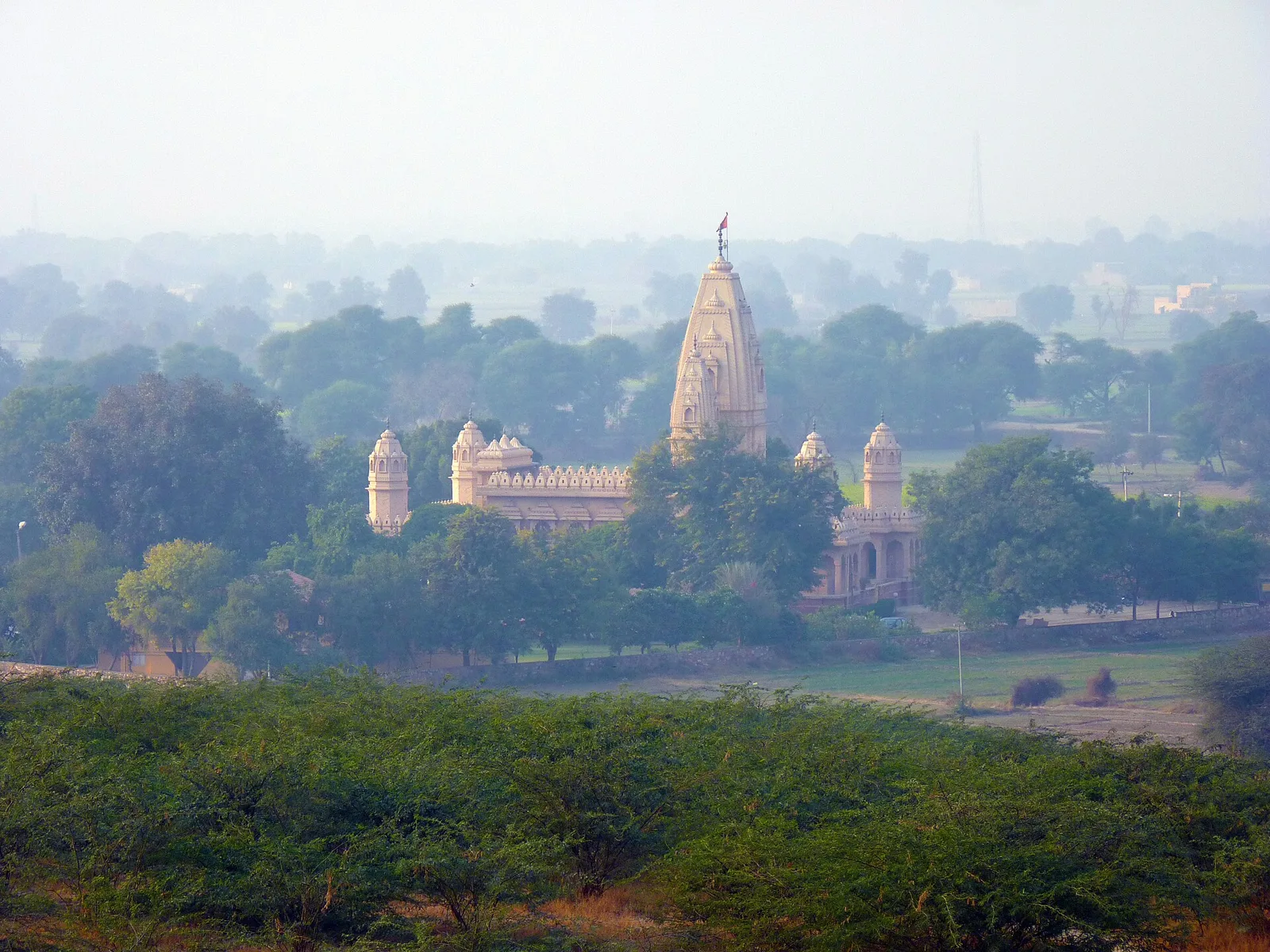
Agroha is a town in Haryana’s Hisar district, between Hisar and Fatehabad along NH 09. Visitors may be interested in archaeological finds uncovered at the Agroha Mound.

Sirsa

43 km away · Sirsa district

Sirsa

A municipal-council city in Haryana’s westernmost reaches, Sirsa lies close to Punjab and Rajasthan. Its Mahabharata-era history and the Sarasvati River’s former course give the city historical interest for visitors.

Firoz Shah palace complex

47 km away · Hisar district

Firoz Shah palace complex

The Firoz Shah palace complex is a medieval fortified site in Hisar, Haryana, associated with Sultan Firoz Shah Tughlaq. Visitors come to explore its palace remains, religious buildings and evidence of the older settlement beneath it.

Hisar

47 km away · Hisar district

Hisar

Hisar is Haryana’s district administrative centre, where visitors encounter a history shaped by successive rulers, from the Mauryans to the British.

Tosham

84 km away · Bhiwani district

Tosham

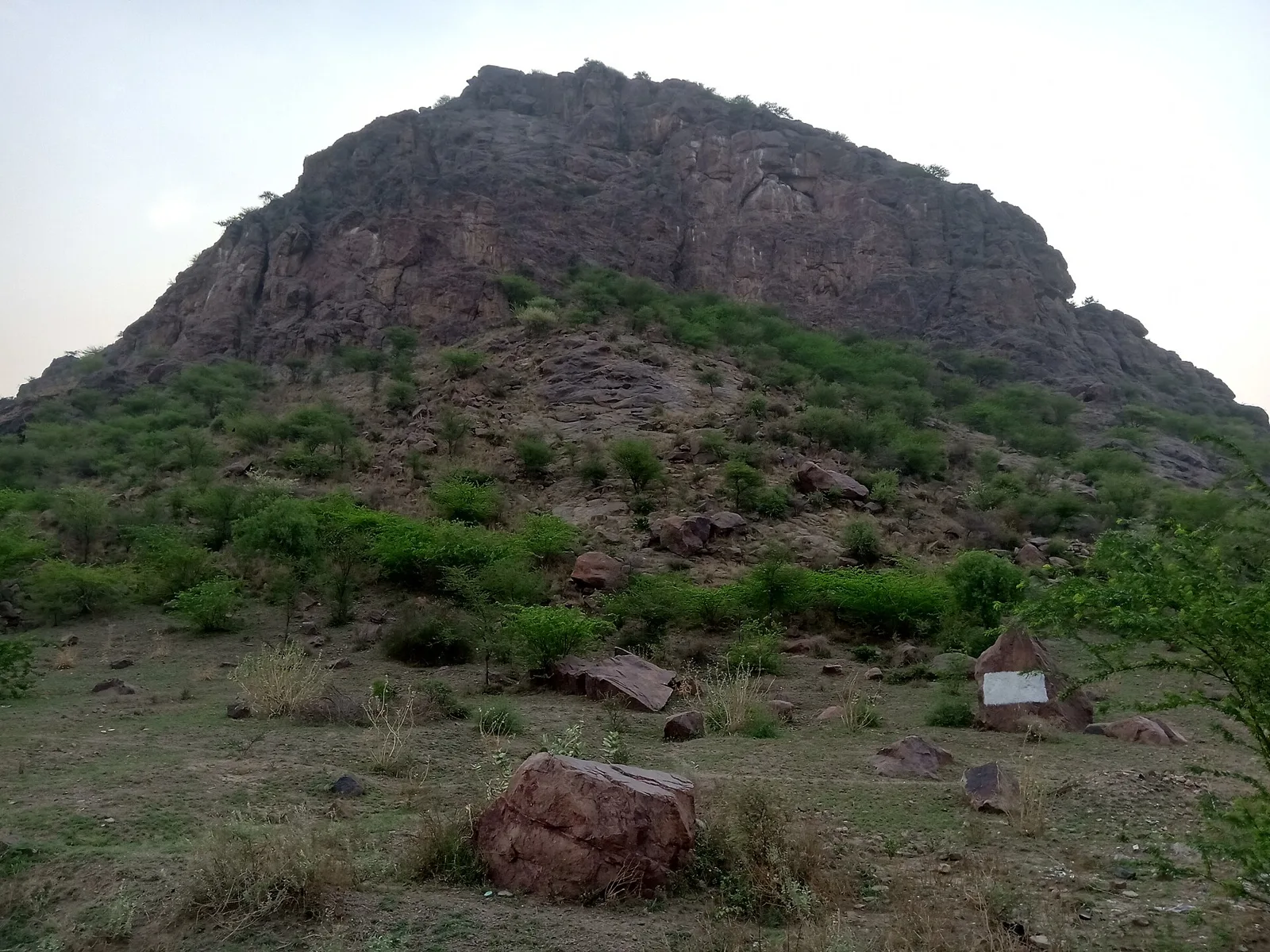
Tosham is a town and Gram Panchayat in Bhiwani district, Haryana, set by the Tosham hills in the Aravalli foothills; visitors may come for its hill-side setting.

Jind

86 km away · Jind district

Jind

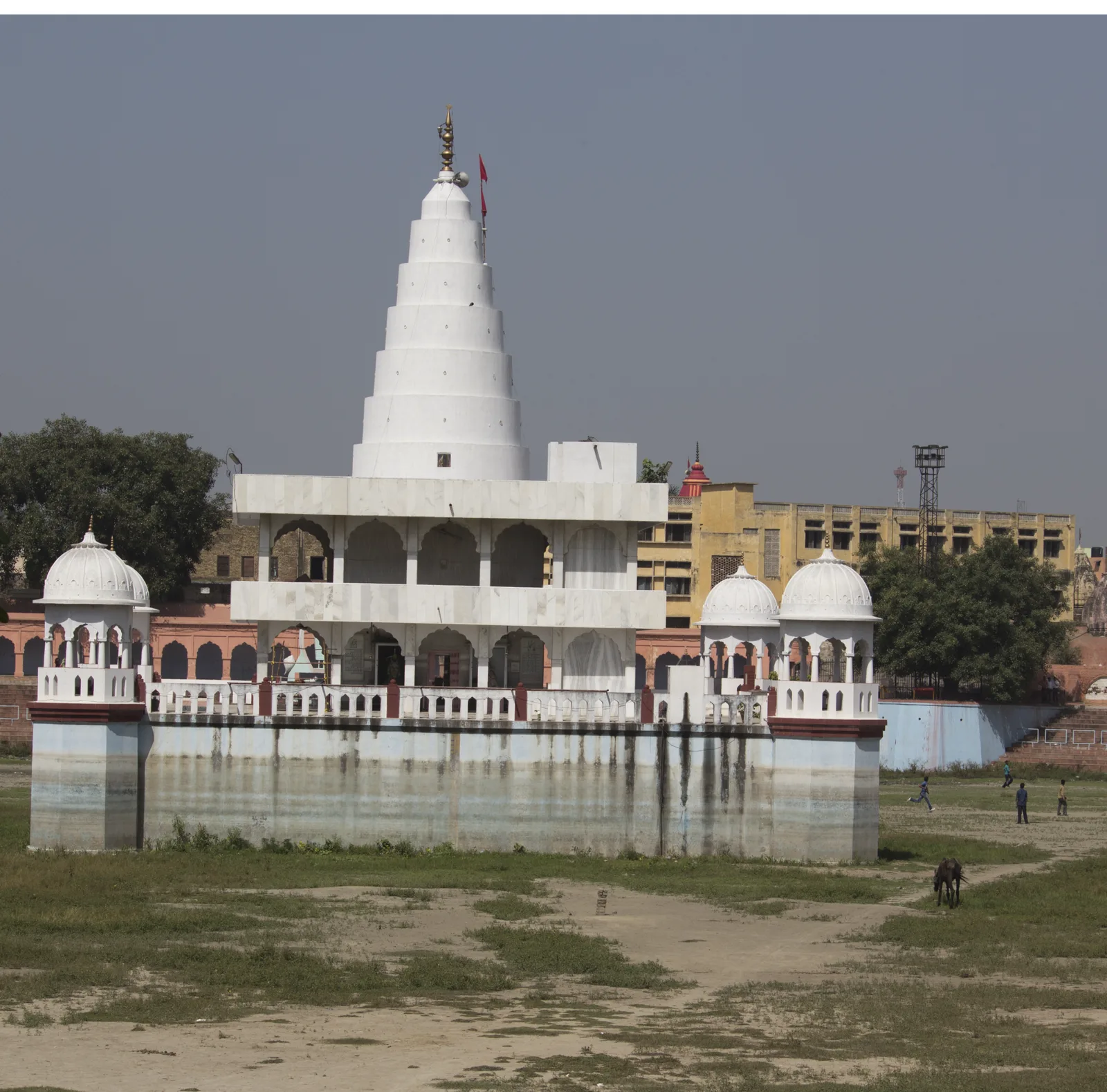
Jind is among the largest and oldest cities in Haryana’s Jind district and serves as its administrative centre. Visitors go to Rani Talab, while Pandu Pindara and Ramrai draw devotees for Amavasya bathing.

Rohtak

129 km away · Rohtak district

Rohtak

Rohtak is a Haryana city and the seat of its district administration. People may travel there for district-level matters, while its position in the National Capital Region also connects it with the wider area.

Tilyar Lake

135 km away · Rohtak district

Tilyar Lake

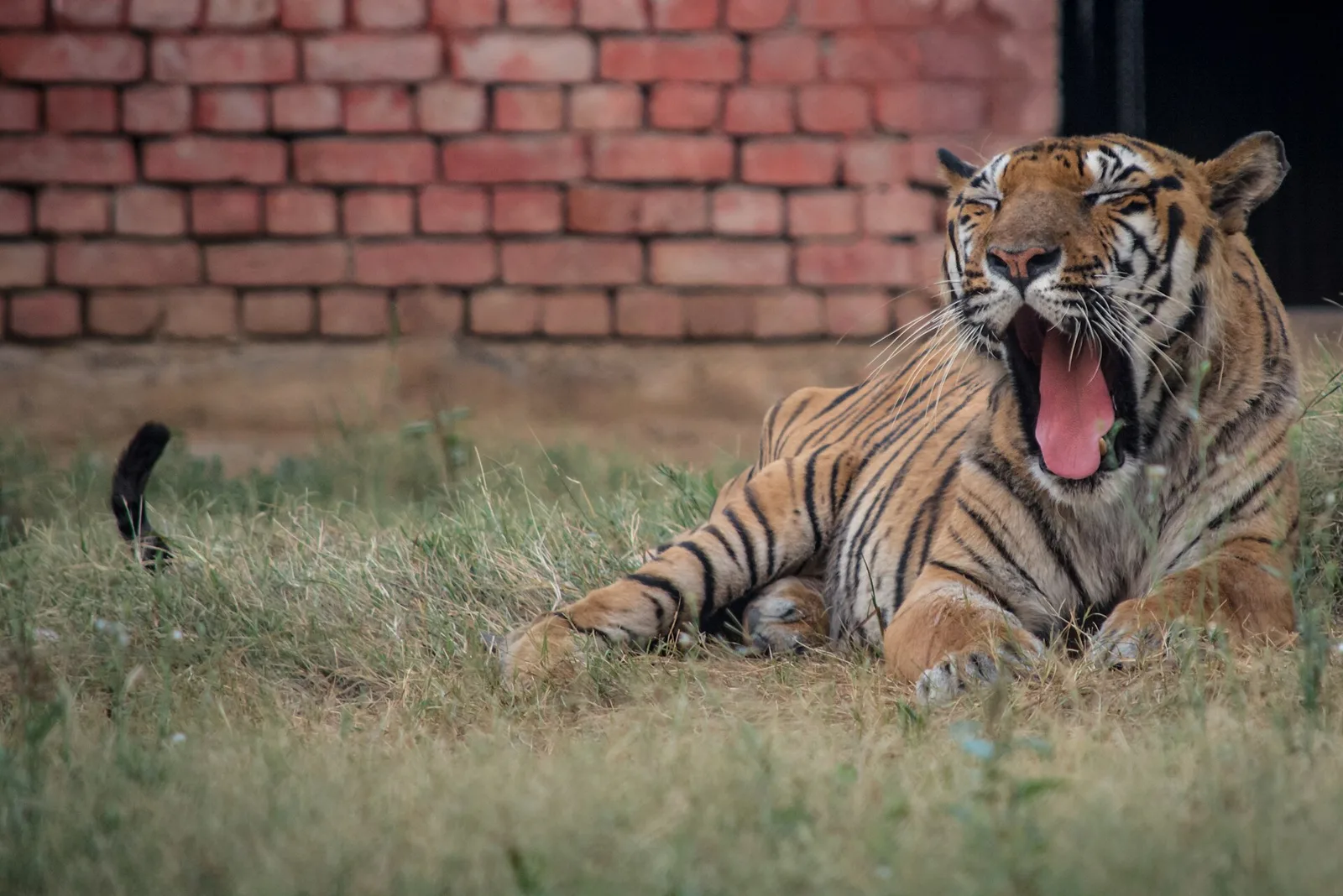
In Rohtak district, Haryana, Tilyar Lake is a leisure destination drawing visitors for its lake setting, fishing facilities and adjoining Rohtak Zoo.

Map

Fatehabad on the map

  1. 1Agroha
  2. 2Sirsa
  3. 3Firoz Shah palace complex
  4. 4Hisar
  5. 5Tosham
  6. 6Jind
  7. 7Rohtak
  8. 8Tilyar Lake

Haryana

Other cities to explore