Ghumoopedia — Explore, Discover, Experience
Sign in
Tosham, near Bhiwani

City guide · Haryana

Bhiwani

Bhiwani is a regional centre in western Haryana, known for its temples, sporting tradition, educational institutions and role in the state’s public life. Its many shrines have earned it the name Choti Kashi; visitors can explore temples such as Kirorimal Mandir, Khaki Baba Temple and Jogiwala Mandir.

Famous for

  • Bhiwani boxing tradition
  • Choti Kashi temples
  • Textile education
  • Historic grain mandi
  • Haryana political heritage

Why Bhiwani matters

Bhiwani is a regional centre in western Haryana, known for its temples, sporting tradition, educational institutions and role in the state’s public life. Its many shrines have earned it the name Choti Kashi; visitors can explore temples such as Kirorimal Mandir, Khaki Baba Temple and Jogiwala Mandir. The city is also associated with several prominent Haryana politicians, including former chief ministers Bansi Lal, Banarsi Das Gupta and Hukum Singh.

Bhiwani’s strongest national profile is in boxing. Its training tradition, associated with the late coach and boxer Captain Hawa Singh, has produced numerous competitors for Indian teams. The city came to wider notice during the 2008 Olympics, when four of India’s five boxers were from Bhiwani. Beyond sport and worship, Bhiwani serves as a market and transport centre for the surrounding towns and villages. The Technological Institute of Textile & Sciences and Chaudhary Bansi Lal University add to its educational importance, while the old town and its markets offer a sense of its long trading history.
Famous for: crafts, trade & products

Bhiwani’s commercial identity grew around trade in grain and other goods. A mandi established in the early nineteenth century helped make the town a regional marketplace, and its markets continue to serve residents and nearby communities. For everyday shopping and local commerce, explore the central bazaar areas and the traditional market streets; the mandi is associated with wholesale trade rather than a visitor-focused craft market.

The city’s textile connection is chiefly educational and technical. The Birla Group established the Technological Institute of Textile & Sciences here, an important centre for textile study and research. Bhiwani does not have a widely recognised signature saree, handicraft or GI-tagged product to seek out, so visitors should not expect a specific local textile tradition comparable to established handloom centres. Shops in town are a practical place to browse everyday clothing, household goods and regional provisions, while the institute represents the city’s deeper link with textiles. Local agricultural trade, educational institutions and sports facilities are more distinctive parts of Bhiwani’s economy and identity than a single speciality product.

History

Local tradition traces Bhiwani’s name to Bhani, said to be the wife of Rajput chief Neem Singh, who named the settlement in her honour. Another oral account connects the name with Bhavani, a form of the goddess. The old town was once enclosed by a wall with twelve gates, including Bapora, Rohtak and Dadri gates; only traces of this historic layout remain, alongside older buildings with carved wood and traditional architectural details.

The British annexed Bhiwani in 1809, after which a mandi established by William Frazer in 1817 strengthened its role as a trading centre. Canal development in the late nineteenth century helped ease the difficulties of farming in this dry region. In the twentieth century, the town became involved in the freedom movement and developed a strong political presence. After Haryana was formed, Bhiwani’s influence continued through leaders such as Bansi Lal and Banarsi Das Gupta. Educational institutions and boxing facilities have shaped its modern profile.

Food, festivals & culture

Everyday food reflects the wider Haryana countryside: bajra roti, seasonal vegetables, dal, kadhi and fresh chaach are familiar choices. Sweets such as churma and festive treats including ghevar may be found in local sweet shops, though menus vary by season. Hindi and Haryanvi are widely used in daily life. Folk singing and ragini traditions are part of the region’s cultural landscape, while dhamal and other Haryana folk dances appear at community celebrations and cultural events.

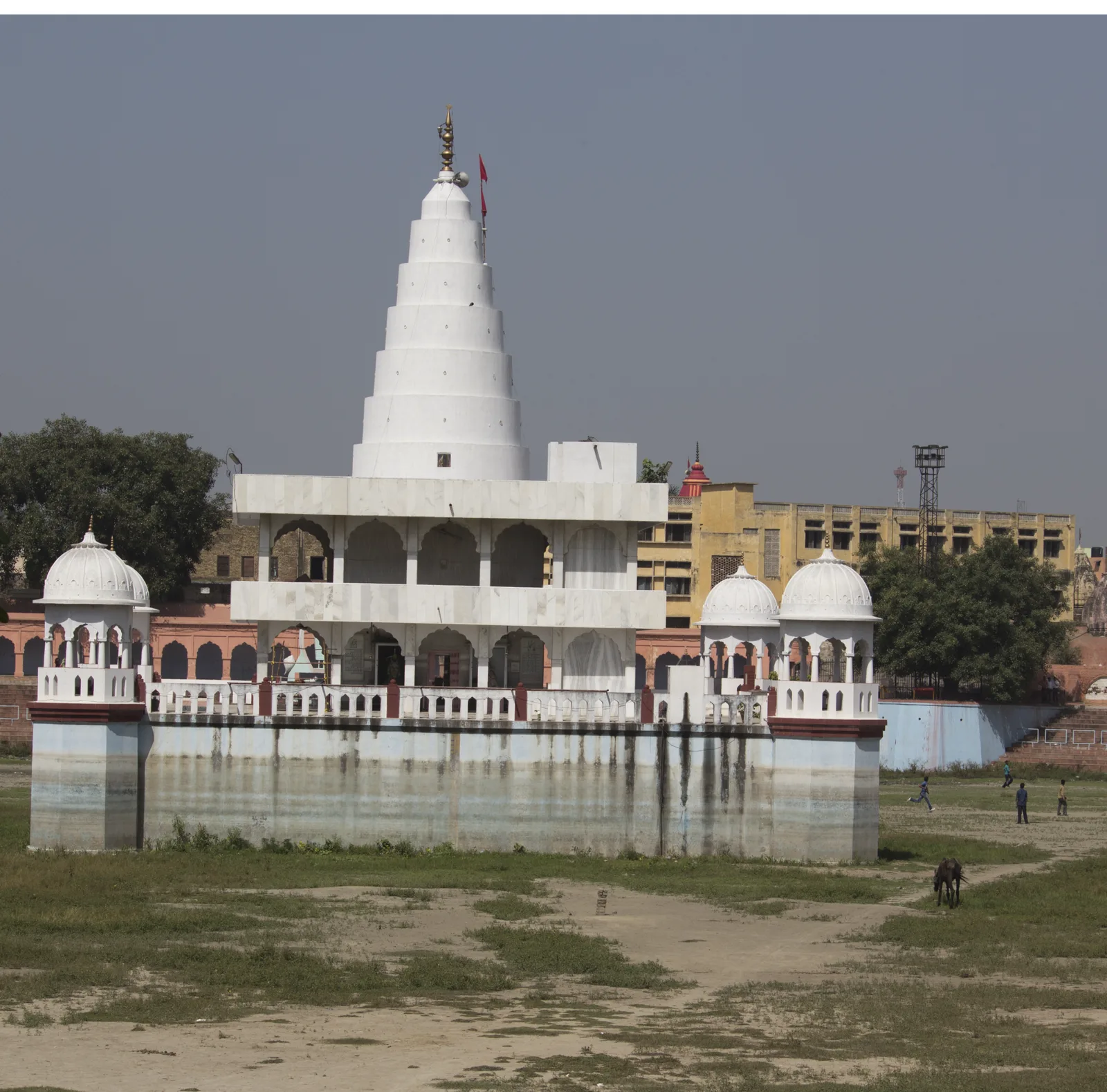
Hindu temples are central to Bhiwani’s identity as Choti Kashi. Kirorimal Mandir, Khaki Baba Temple and Jogiwala Mandir are among the city’s notable places of worship, and temple visits are especially lively during religious observances. Holi and Diwali are celebrated in spring and autumn respectively; Teej, usually during the monsoon season, is associated with worship, songs and community gatherings. Navratri also brings devotional activity. Boxing has a distinct place in local culture, with training clubs and the legacy of Captain Hawa Singh linking sport with civic pride.

Visiting the city

October to March is generally the most comfortable season to visit, with cooler days suited to exploring the old town and temples. Summers can be very hot, while the monsoon usually brings rain and more humid conditions. The nearest major airport is Indira Gandhi International Airport in Delhi. Bhiwani Junction is the city’s main railway station and connects it with towns on the regional rail network.

State buses and road services link Bhiwani with nearby Haryana towns; within the city, auto-rickshaws and local transport are useful for shorter journeys. Begin in the old-town market streets to see the historic commercial centre, then visit temples such as Kirorimal Mandir, Khaki Baba Temple and Jogiwala Mandir. The area around the Technological Institute of Textile & Sciences and the university reflects the city’s educational side. Allow time for a look at local markets and the railway-side commercial district.

Trips from the city

Nearest places to visit from Bhiwani

Our closest destination guides, by straight-line distance.

Tosham

23 km away · Bhiwani district

Tosham

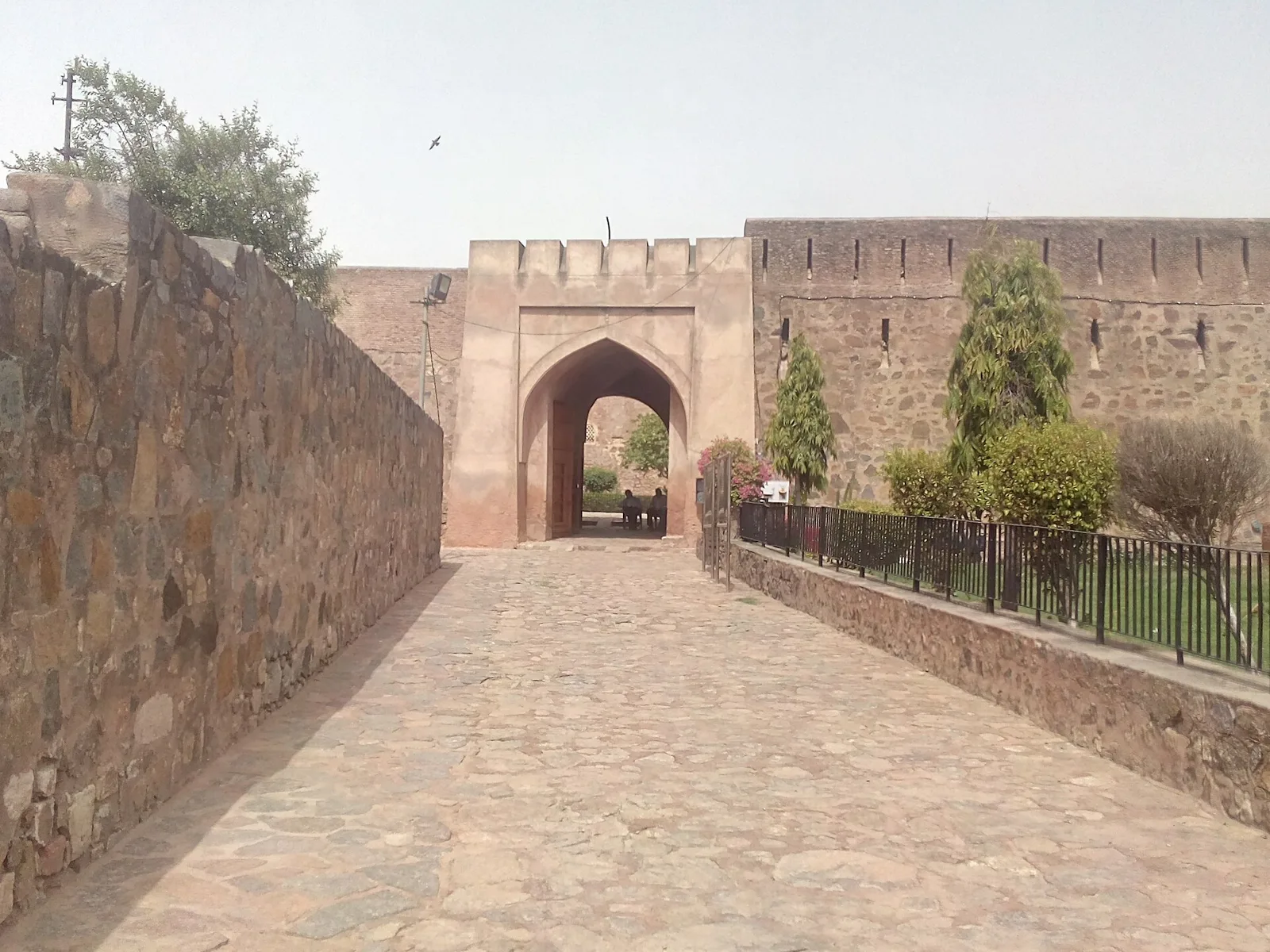
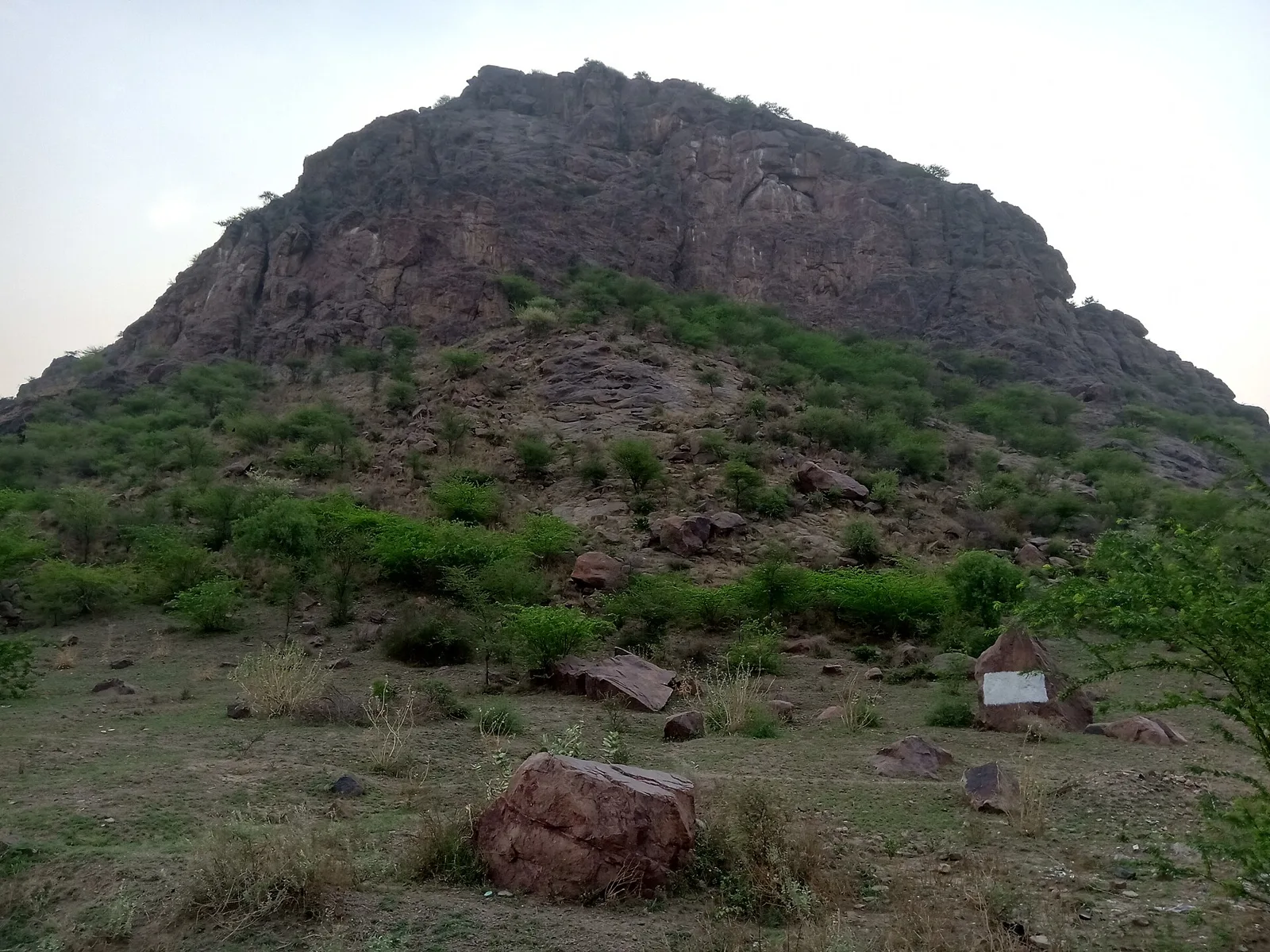
Tosham is a town and Gram Panchayat in Bhiwani district, Haryana, set by the Tosham hills in the Aravalli foothills; visitors may come for its hill-side setting.

Rohtak

44 km away · Rohtak district

Rohtak

Rohtak is a Haryana city and the seat of its district administration. People may travel there for district-level matters, while its position in the National Capital Region also connects it with the wider area.

Tilyar Lake

49 km away · Rohtak district

Tilyar Lake

In Rohtak district, Haryana, Tilyar Lake is a leisure destination drawing visitors for its lake setting, fishing facilities and adjoining Rohtak Zoo.

Firoz Shah palace complex

58 km away · Hisar district

Firoz Shah palace complex

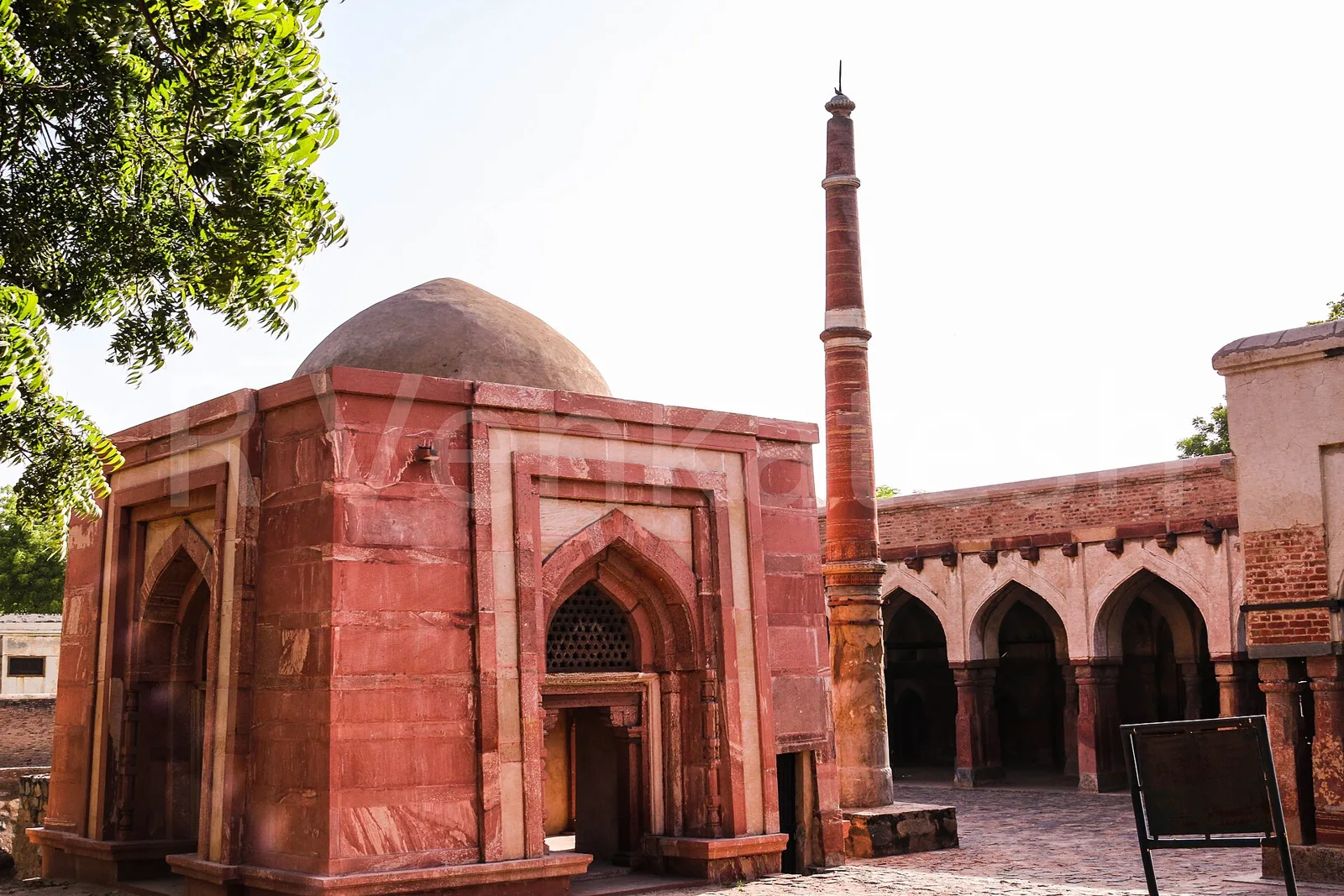
The Firoz Shah palace complex is a medieval fortified site in Hisar, Haryana, associated with Sultan Firoz Shah Tughlaq. Visitors come to explore its palace remains, religious buildings and evidence of the older settlement beneath it.

Hisar

58 km away · Hisar district

Hisar

Hisar is Haryana’s district administrative centre, where visitors encounter a history shaped by successive rulers, from the Mauryans to the British.

Jind

61 km away · Jind district

Jind

Jind is among the largest and oldest cities in Haryana’s Jind district and serves as its administrative centre. Visitors go to Rani Talab, while Pandu Pindara and Ramrai draw devotees for Amavasya bathing.

Agroha

78 km away · Hisar district

Agroha

Agroha is a town in Haryana’s Hisar district, between Hisar and Fatehabad along NH 09. Visitors may be interested in archaeological finds uncovered at the Agroha Mound.

Rewari Railway Heritage Museum

80 km away · Rewari district

Rewari Railway Heritage Museum

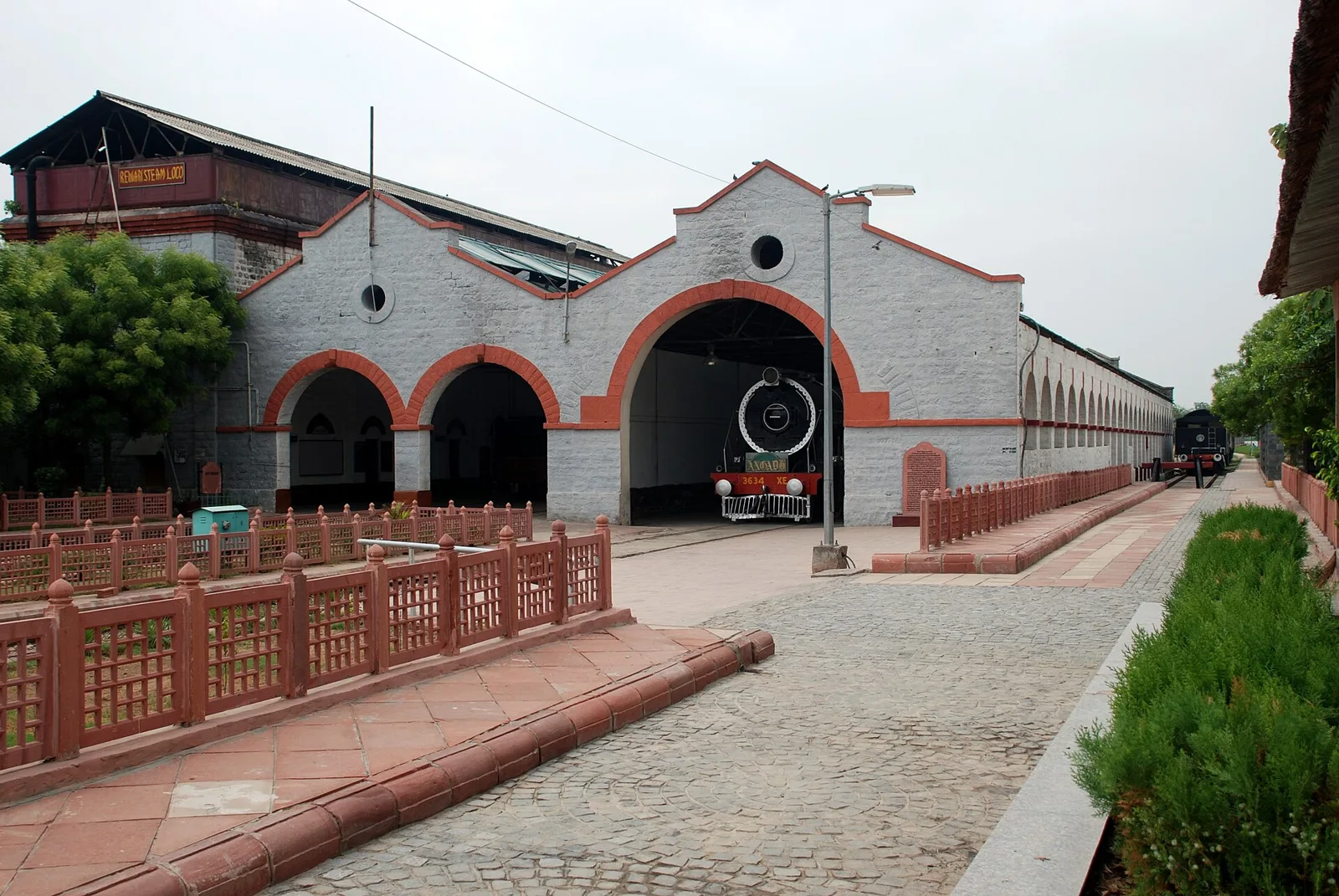
The Rewari Railway Heritage Museum is a railway museum in Rewari, Haryana, where visitors can see surviving steam locomotives, including the working Fairy Queen, built in 1855.

Map

Bhiwani on the map

  1. 1Tosham
  2. 2Rohtak
  3. 3Tilyar Lake
  4. 4Firoz Shah palace complex
  5. 5Hisar
  6. 6Jind
  7. 7Agroha
  8. 8Rewari Railway Heritage Museum

Haryana

Other cities to explore