Ghumoopedia — Explore, Discover, Experience
Sign in
Kurukshetra, near Kurukshetra

City guide · Haryana

Kurukshetra

Kurukshetra is a historic region and city in Haryana, associated with the Bhagavad Gita and the name Dharmakshetra. People visit for its religious and historical significance.

Famous for

  • Bhagavad Gita heritage
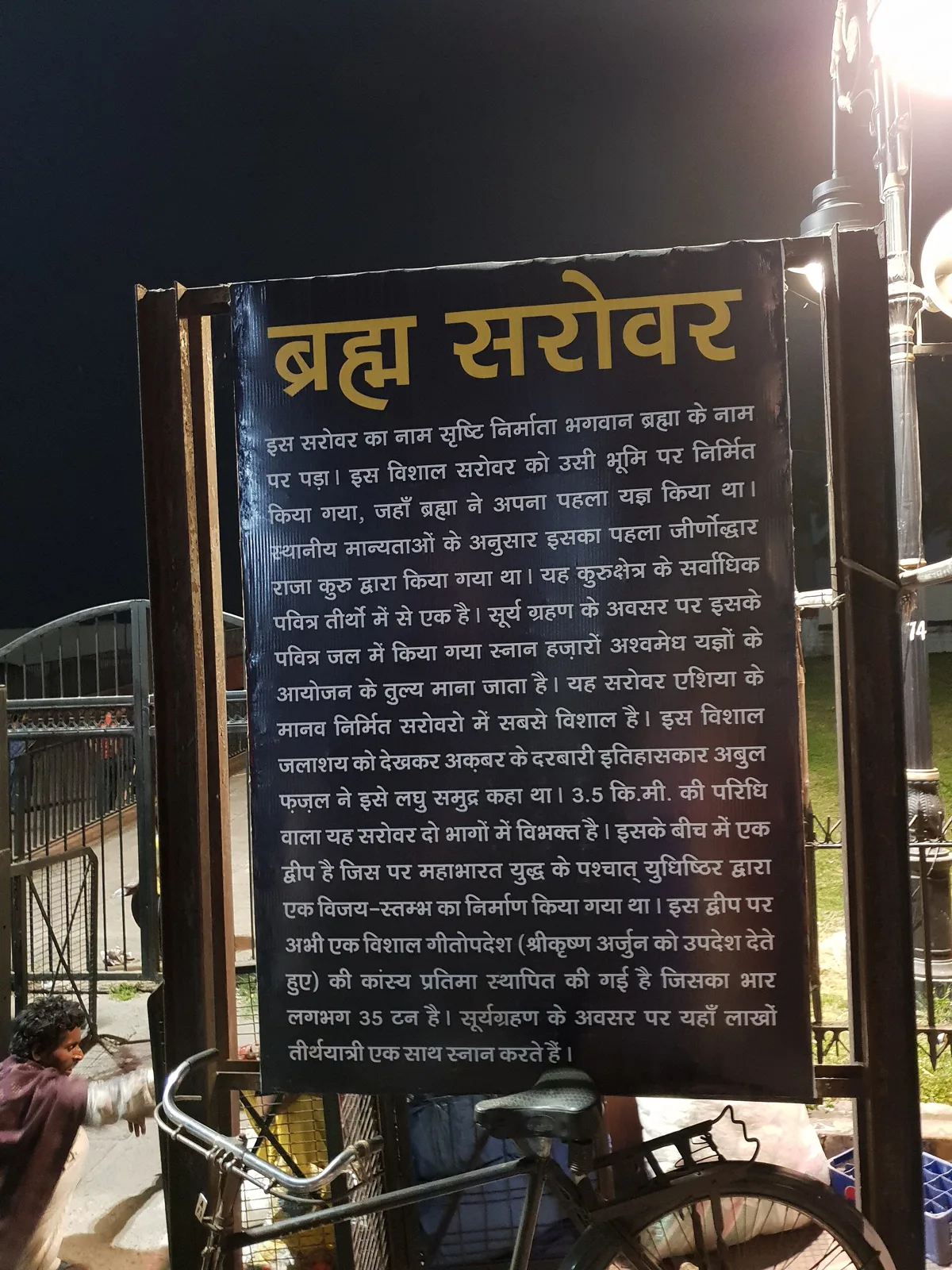
  • Brahma Sarovar
  • Jyotisar pilgrimage site
  • International Gita Mahotsav
  • Sthaneshwar Mahadev Temple
In the city
4
District
Kurukshetra

Why Kurukshetra matters

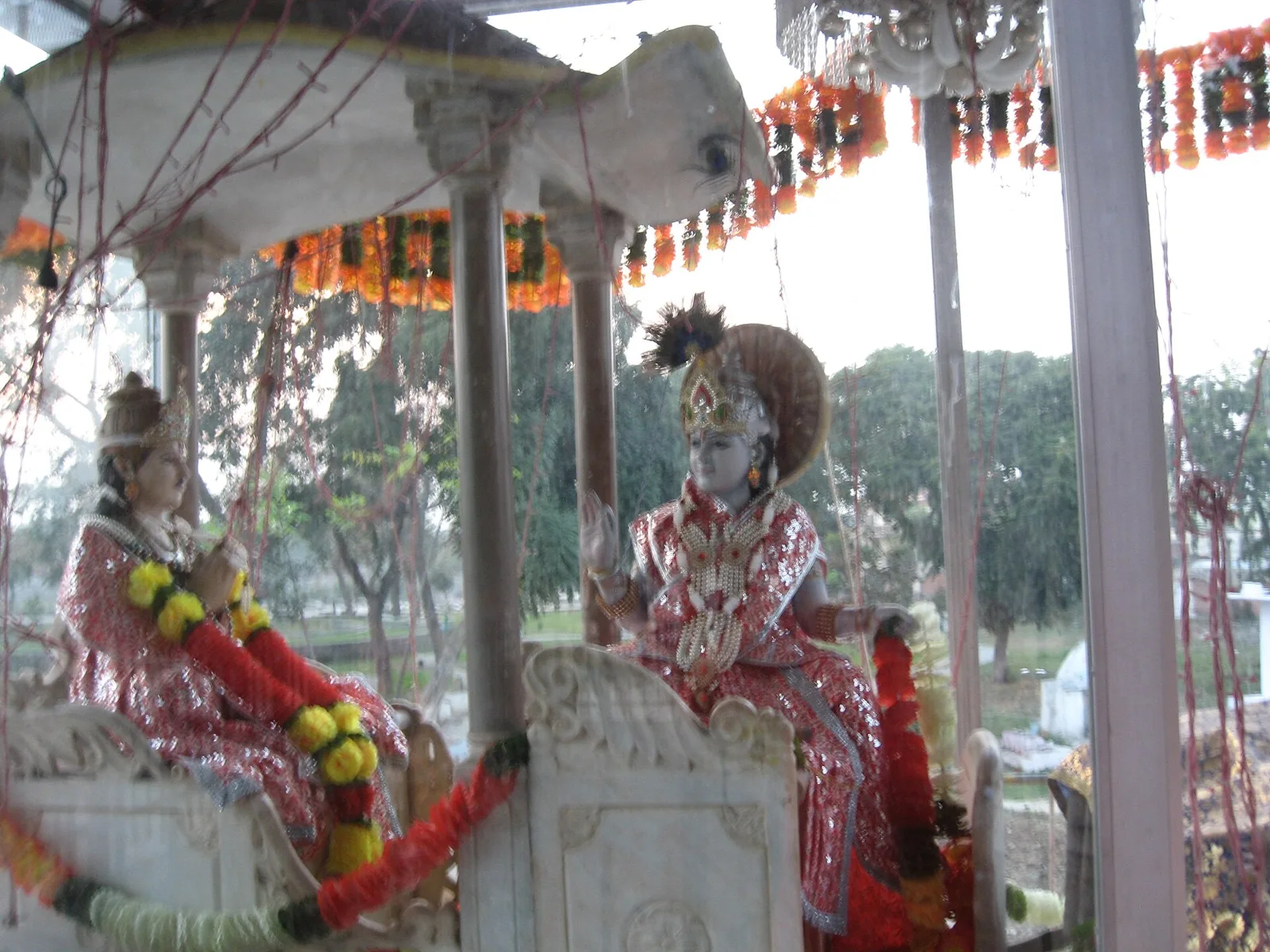
Kurukshetra is a pilgrimage city and district headquarters in Haryana, closely associated with the Mahabharata and the Bhagavad Gita. In Hindu tradition, the great war took place on this sacred ground, where Krishna taught Arjuna. The name also describes a wider historic region, while the modern city is closely joined to neighbouring Thanesar, an old religious and cultural centre.

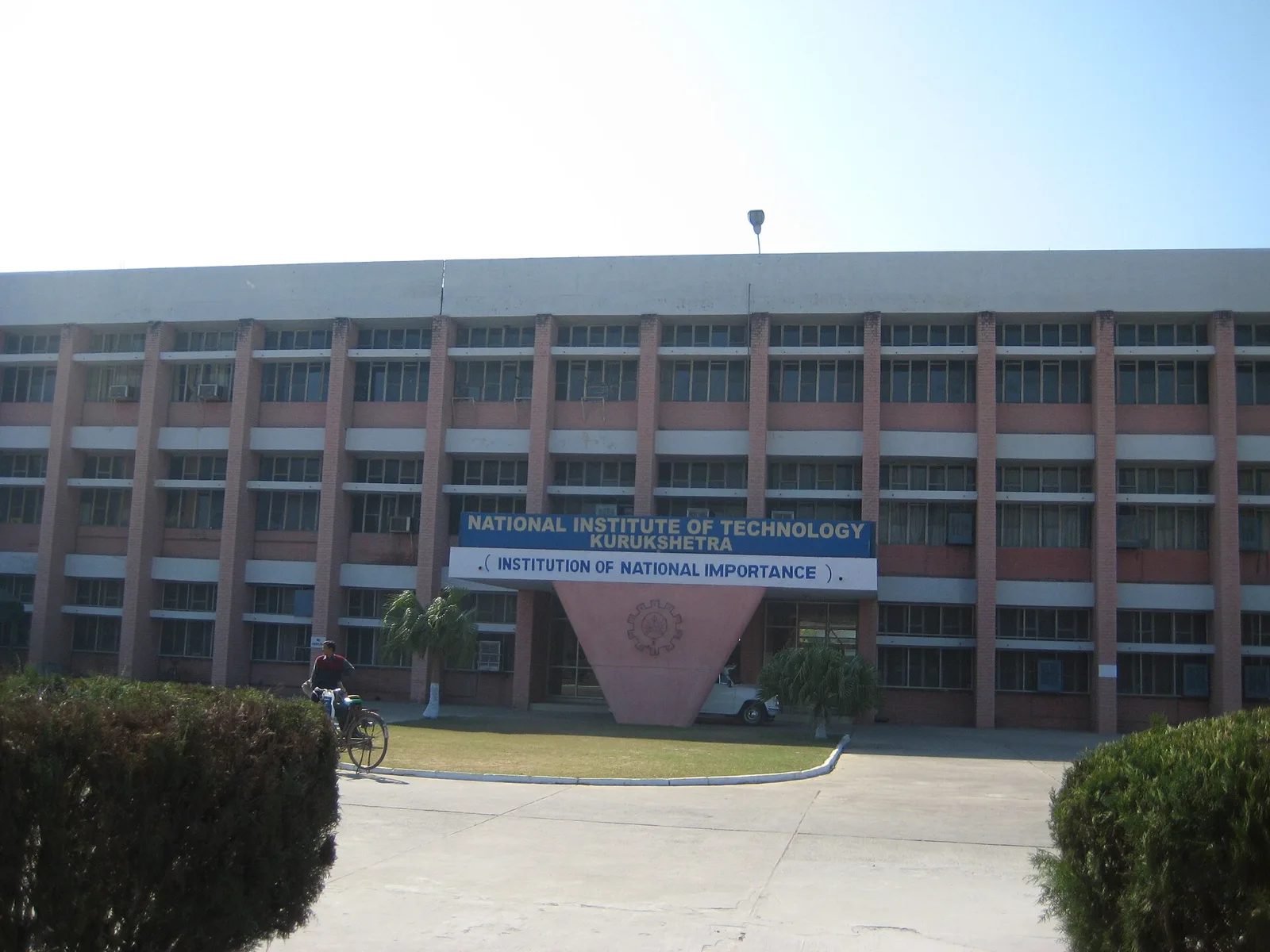
Pilgrims visit the large tanks at Brahma Sarovar and Sannihit Sarovar, the shrine at Jyotisar and Sthaneshwar Mahadev Temple. The International Gita Mahotsav brings religious gatherings and cultural programmes to the city, while museums introduce visitors to the epic and Haryana’s heritage. Kurukshetra is also an education centre, home to Kurukshetra University and the National Institute of Technology. Its mix of pilgrimage, history and higher education makes it an important destination in northern Haryana, as well as a useful stop for travellers exploring the state’s sacred sites and historic towns.
Famous for: crafts, trade & products

Kurukshetra is best known for its religious heritage rather than for a distinctive textile, handicraft or GI-tagged product. The city’s most recognisable offerings are its pilgrimage landmarks and cultural institutions: Brahma Sarovar, Jyotisar, the Kurukshetra Panorama and Science Centre, and the Dharohar Museum at Kurukshetra University. Visitors can explore these sites for their displays, architecture and regional context, rather than expecting a specialised craft market.

Local shops and everyday markets in Thanesar and around the central city serve residents, pilgrims and visitors. They sell devotional items, puja supplies, sweets, snacks, clothing and practical travel essentials. Small vendors are especially visible around busy religious sites during festivals and pilgrimage periods; availability and choice vary. Haryana’s agricultural economy is part of the wider regional setting, but Kurukshetra is not chiefly known as a manufacturing or export centre. For locally made souvenirs, ask shops for the maker and place of production, since religious merchandise and general handicrafts are not necessarily produced in the city. The university and museums are among Kurukshetra’s notable institutions, though they are not shopping destinations.

History

Kurukshetra’s history is layered with epic tradition and documented political change. The Mahabharata identifies the area with the Kuru people and the setting of the great war, while Vedic texts refer to Kurukshetra as a region rather than a city. The neighbouring settlement of Thanesar became a prominent religious and political centre. Under the Pushyabhuti dynasty, it flourished during the reign of Harsha in the seventh century; the Chinese traveller Xuanzang visited Thanesar during this period.

The area later passed through the hands of regional dynasties and successive powers, including the Delhi Sultanate, the Mughals and the Marathas. British control followed the Second Anglo-Maratha War in the early nineteenth century. After independence, pilgrimage and heritage tourism grew alongside modern institutions. Kurukshetra University, established in 1956, and the National Institute of Technology helped strengthen the city’s role as an educational centre. Restoration and new visitor facilities have also supported its place as a major spiritual destination in Haryana.

Food, festivals & culture

Religious observance shapes much of Kurukshetra’s public life. The International Gita Mahotsav features devotional gatherings, exhibitions and cultural performances, usually in the cooler months around the Gita observance in the Hindu month of Margashirsha. Solar eclipses and certain new-moon days draw pilgrims to Brahma Sarovar and Sannihit Sarovar. Diwali is celebrated in autumn, while Teej and other seasonal festivals bring folk traditions into the monsoon and harvest calendar.

Hindi and Haryanvi are widely spoken; Punjabi is also heard. Folk singing, including the storytelling style known as ragini, and regional dance and music appear at festivals and community events. Places of worship include Sthaneshwar Mahadev Temple, Jyotisar and the city’s major sacred tanks. Food reflects broader Haryana and north Indian tastes: visitors may find roti, dal, seasonal vegetables, kadhi, lassi and familiar sweets such as kheer or pinni. Menus vary between eateries, and festival stalls often add snacks and devotional offerings to the local food scene.

Visiting the city

October to March is generally the most comfortable period to visit, with cooler weather for walking between religious sites. Summers can be very hot, while July and August bring monsoon rain. The nearest major airport is Chandigarh International Airport; Delhi’s Indira Gandhi International Airport is another option for a wider choice of flights. Kurukshetra Junction is the main railway station, serving the city and Thanesar.

Auto-rickshaws, taxis and local buses can help with trips around town; arrange transport for sites farther out, such as Jyotisar. Allow time for Brahma Sarovar, Sannihit Sarovar and the old Thanesar area, then visit the Panorama and Science Centre or Dharohar Museum. Kurukshetra University’s campus is another area to explore. During major religious gatherings, expect busier roads and crowds around the sarovars.

Attractions

Places to visit in Kurukshetra

Sights within about 12 km of each other, even when they fall in different districts.

Map

Kurukshetra on the map

  1. 1Kurukshetra
  2. 2Brahma Sarovar
  3. 3Jyotisar
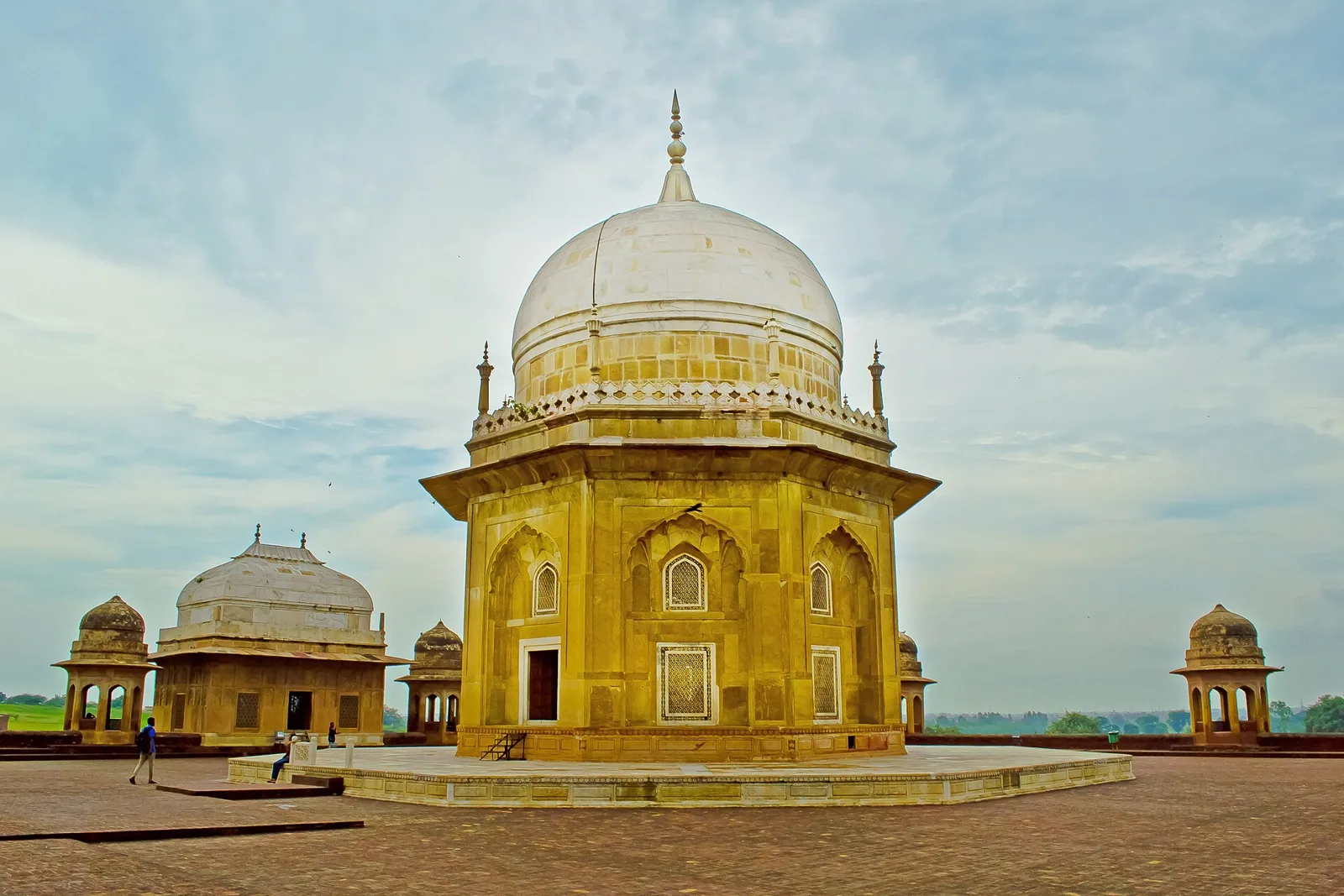
  4. 4Sheikh Chilli's Tomb

Haryana

Other cities to explore